Diag====| HTTP [http://blogs.ed.ac.uk/edwardenejoh/feed] ⌉ array(6) {
["headers"]=>
object(WpOrg\Requests\Utility\CaseInsensitiveDictionary)#2412 (1) {
["data":protected]=>
array(12) {
["content-type"]=>
string(34) "application/rss+xml; charset=UTF-8"
["date"]=>
string(29) "Wed, 10 Jun 2026 05:38:55 GMT"
["server"]=>
string(6) "Apache"
["x-powered-by"]=>
string(10) "PHP/8.3.31"
["expires"]=>
string(29) "Thu, 19 Nov 1981 08:52:00 GMT"
["cache-control"]=>
string(35) "no-store, no-cache, must-revalidate"
["pragma"]=>
string(8) "no-cache"
["link"]=>
string(72) "<https://blogs.ed.ac.uk/edwardenejoh/wp-json/>; rel="https://api.w.org/""
["set-cookie"]=>
string(137) "spo_10264_fa=2f23d7abacf40029d65763f50a9edb07; expires=Wed, 10 Jun 2026 06:08:55 GMT; Max-Age=1800; path=/edwardenejoh/; Secure; HttpOnly"
["last-modified"]=>
string(29) "Thu, 28 Aug 2025 11:01:49 GMT"
["etag"]=>
string(34) ""1fe6e20643c01784ed299017fc94c068""
["vary"]=>
string(15) "Accept-Encoding"
}
}
["body"]=>
string(14176) "<?xml version="1.0" encoding="UTF-8"?><rss version="2.0"
xmlns:content="http://purl.org/rss/1.0/modules/content/"
xmlns:wfw="http://wellformedweb.org/CommentAPI/"
xmlns:dc="http://purl.org/dc/elements/1.1/"
xmlns:atom="http://www.w3.org/2005/Atom"
xmlns:sy="http://purl.org/rss/1.0/modules/syndication/"
xmlns:slash="http://purl.org/rss/1.0/modules/slash/"
>
<channel>
<title>Diary of a Project Manager</title>
<atom:link href="https://blogs.ed.ac.uk/edwardenejoh/feed/" rel="self" type="application/rss+xml" />
<link>https://blogs.ed.ac.uk/edwardenejoh</link>
<description>Reflections on projects, people, and learning</description>
<lastBuildDate>Thu, 28 Aug 2025 11:01:49 +0000</lastBuildDate>
<language>en-GB</language>
<sy:updatePeriod>
hourly </sy:updatePeriod>
<sy:updateFrequency>
1 </sy:updateFrequency>
<generator>https://wordpress.org/?v=6.8.5</generator>
<item>
<title>Why Food Is the Ultimate Bridge: A Tale of Two Cultures</title>
<link>https://blogs.ed.ac.uk/edwardenejoh/2025/07/22/why-food-is-the-ultimate-bridge-a-tale-of-two-cultures/</link>
<comments>https://blogs.ed.ac.uk/edwardenejoh/2025/07/22/why-food-is-the-ultimate-bridge-a-tale-of-two-cultures/#respond</comments>
<dc:creator><![CDATA[Edward Enejoh]]></dc:creator>
<pubDate>Tue, 22 Jul 2025 10:11:19 +0000</pubDate>
<category><![CDATA[Events]]></category>
<guid isPermaLink="false">https://blogs.ed.ac.uk/edwardenejoh/?p=11</guid>
<description><![CDATA[July always makes me think of yam. Not just any yam, the New Yam. If you’re Nigerian, you already know. That sacred tuber that gets a full festival of its own. Across Nigeria, where we’ve got over 250 ethnic groups and more than 500 languages, each one has its own way of celebrating, singing, dancing, […]]]></description>
<content:encoded><![CDATA[<p>July always makes me think of yam. Not just any yam, the New Yam.</p>
<p>If you’re Nigerian, you already know. That sacred tuber that gets a full festival of its own.</p>
<p>Across Nigeria, where we’ve got over 250 ethnic groups and more than 500 languages, each one has its own way of celebrating, singing, dancing, and of course, cooking.</p>
<p><img decoding="async" class="alignnone size-medium wp-image-12" src="https://blogs.ed.ac.uk/edwardenejoh/wp-content/uploads/sites/10264/2025/07/Yam-300x195.jpg" alt="" width="300" height="195" srcset="https://blogs.ed.ac.uk/edwardenejoh/wp-content/uploads/sites/10264/2025/07/Yam-300x195.jpg 300w, https://blogs.ed.ac.uk/edwardenejoh/wp-content/uploads/sites/10264/2025/07/Yam-1024x667.jpg 1024w, https://blogs.ed.ac.uk/edwardenejoh/wp-content/uploads/sites/10264/2025/07/Yam-768x500.jpg 768w, https://blogs.ed.ac.uk/edwardenejoh/wp-content/uploads/sites/10264/2025/07/Yam-1536x1001.jpg 1536w, https://blogs.ed.ac.uk/edwardenejoh/wp-content/uploads/sites/10264/2025/07/Yam.jpg 2000w" sizes="(max-width: 300px) 100vw, 300px" /><img loading="lazy" decoding="async" class="alignnone size-medium wp-image-13" src="https://blogs.ed.ac.uk/edwardenejoh/wp-content/uploads/sites/10264/2025/07/Pounded-Yam-and-Egusis-Soup-300x200.jpg" alt="" width="300" height="200" srcset="https://blogs.ed.ac.uk/edwardenejoh/wp-content/uploads/sites/10264/2025/07/Pounded-Yam-and-Egusis-Soup-300x200.jpg 300w, https://blogs.ed.ac.uk/edwardenejoh/wp-content/uploads/sites/10264/2025/07/Pounded-Yam-and-Egusis-Soup.jpg 750w" sizes="auto, (max-width: 300px) 100vw, 300px" /></p>
<p>But among them all, the New Yam Festival stands tall. It’s especially big in the South-East and Middle Belt regions among the Igbo, Idoma, Tiv, and other yam-loving communities.</p>
<p>Right after the harvest season, it feels like a carnival. People dress in bright traditional outfits, drummers show off their rhythm, dancers spin and leap with joy, and the smell of yam dishes fills the air.</p>
<p> </p>
<p>And we love our yam. Yam in Nigeria is like potatoes in the UK, only better (we’ll argue that any day!). You can fry it, boil it with stew, roast it, make yam porridge, or the king of all: pounded yam with soup.</p>
<p>Serve a guest pounded yam, and you’re not just feeding them, you’re honouring them with a royal delicacy.</p>
<p>Now, working and living in Edinburgh, I sometimes miss that buzz. The sound, the colours, the food. But every so often, something unexpected brings it all rushing back, from the Edinburgh Festival to the LTW Charity Bake Sale.</p>
<p>I joined the University of Edinburgh in February 2024, as part of the ISG team. It hasn’t been long, but after attending my first bake sale last year, I felt like I’d been here for years.</p>
<p> </p>
<p>I connected with so many people from different teams. It reminded me so much of home.</p>
<p>People from different backgrounds brought sweet treats from their cultures. There were cakes I couldn’t even pronounce and flavours I’d never tasted, but everything came with a smile and a story.</p>
<p>Honestly, I felt like a child lost in a candy shop. My only mission was to taste every cake!</p>
<p>That first bake sale brought people together. Whether you were new or had been around for a while, you felt part of the ISG community, just like at the New Yam Festival.</p>
<p>Food broke the ice, started conversations, and built friendships. No pressure, just “What’s this called?” or “Did you bake this?” and just like that, you’re chatting like old friends.</p>
<p>Now, the July bake sale is here again, and I can’t wait. This will be my second, and I already know it’ll be just as heartwarming.</p>
<p> </p>
<p>The ISG team is wonderfully diverse, and within Learning, Teaching and Web (LTW), we have a lovely habit of celebrating culture through food.</p>
<p>Sounds familiar, right?</p>
<p> </p>
<p>In Nigeria, we say: the people who eat together, stay together. It’s true. Whether it’s yam with spicy soup or a slice of sponge cake, food is the ultimate bridge. And hunger or appetite, is a universal language. Across cultures, across teams, across oceans.</p>
<p> </p>
<p>So if you love to bake, or just love to eat like me, come join the LTW Bake Sale! The delicious treats will be inspired by favourite films and TV shows of the people baking them.</p>
<p> </p>
<p>And with every bite, you’ll be helping raise funds for an <a href="https://uoe.sharepoint.com/sites/LTWColleagueHub/SitePages/LTW-fundraising-for-the-Organ-Donation-Team,-NHS-Blood-and-Transplant.aspx">NHS Blood and Transplant Charity Fund</a>.</p>
<p>So come along, I’ll be looking out to have a chat with you and hear about your favourite cake or food.</p>
<p>I wonder, will someone bake a Pink Panther cake? Or maybe a Black Panther one?</p>
]]></content:encoded>
<wfw:commentRss>https://blogs.ed.ac.uk/edwardenejoh/2025/07/22/why-food-is-the-ultimate-bridge-a-tale-of-two-cultures/feed/</wfw:commentRss>
<slash:comments>0</slash:comments>
</item>
<item>
<title>Volunteer Day: Making a Difference Beyond the Desk</title>
<link>https://blogs.ed.ac.uk/edwardenejoh/2024/09/10/volunteerday/</link>
<comments>https://blogs.ed.ac.uk/edwardenejoh/2024/09/10/volunteerday/#respond</comments>
<dc:creator><![CDATA[Edward Enejoh]]></dc:creator>
<pubDate>Tue, 10 Sep 2024 09:47:19 +0000</pubDate>
<category><![CDATA[DLAM]]></category>
<category><![CDATA[dlam]]></category>
<guid isPermaLink="false">https://blogs.ed.ac.uk/edwardenejoh/2024/09/10/welcome/</guid>
<description><![CDATA[Moving to a new country can be exciting, but it’s also filled with challenges. As a migrant, the excitement of new beginnings often fades quickly when faced with harsh realities: adapting to a new culture, finding a job, and trying to make a meaningful life in an unfamiliar place. I know how it feels because […]]]></description>
<content:encoded><![CDATA[<p>Moving to a new country can be exciting, but it’s also filled with challenges.</p>
<p>As a migrant, the excitement of new beginnings often fades quickly when faced with harsh realities: adapting to a new culture, finding a job, and trying to make a meaningful life in an unfamiliar place.</p>
<p>I know how it feels because I’ve been there.</p>
<p>There’s a sense of loneliness, uncertainty, and even frustration. You might have all the skills and experience, but the job market seems like a closed door, and you’re not sure where to start.</p>
<p>The feeling of being left out, or not belonging, can weigh heavily on you.</p>
<h3><strong>A Journey of Adaptation and Growth</strong></h3>
<p>Beyond the language barriers, it’s also about learning the professional culture, the unspoken culture, and doing the work expected of you in such a way that translates to a successful outcome as expected by your employer and team.</p>
<p>I’m thankful to be part of a great team at the Learning, Teaching, and Web Unit of the Information Services Group, especially the Digital Learning, Applications, and Media team. I’ll always be grateful to the team, my manager, the team lead, and the director of LTW for making my onboarding experience smooth.</p>
<p>I learned the acronyms, got to know the teams, understood the work culture, and learned the tools we use. This took away a lot of the uncertainty I had.</p>
<h3><strong>What if Things Could Be Different?</strong></h3>
<p>At the University of Edinburgh, every staff gets one day to volunteer for a cause of their choosing. We get to step away from our desks and give back to the community. Beyond taking a break from our daily tasks, it’s a chance to make a real impact on the lives of others and enrich our own lives in the process.</p>
<p>So, I thought to myself, what if we could host an event that helps people understand the challenges that come with adapting to a new environment and actively provides how to overcome them?</p>
<p>What if you could have access to the tools, resources, and mentors needed to open doors to opportunities for career growth?</p>
<p>That’s why I collaborated with some amazing people to host <strong>Vantage Point 2.0.</strong></p>
<h3><strong>How Vantage Point Came to Life</strong></h3>
<p>In 2020, during the heart of the COVID-19 pandemic, I launched Vantage Point. What started as a small online event turned into a movement. Seven speakers, seven days, and hundreds of participants from Nigeria came together to talk about how we could reposition ourselves during uncertain times.</p>
<p><strong>Vantage Point 2.0</strong> was designed to ride on the success of the earlier edition as a physical gathering in Aberdeen, Scotland, focused on helping migrants navigate the local job market, adapt to the culture, and build meaningful careers. This was a team effort, made possible through collaboration with team members and partner organizations that believed in the vision.</p>
<p>We didn’t just talk about the struggles; we shared real solutions. We explored how to leverage technology for career growth, the power of networking, and the importance of adapting to a new work culture—all while staying true to ourselves.</p>
<p>We heard inspiring stories from experts who had walked in our shoes, who also offered advice and mentorship to those just starting. By the end of the event, many left with a renewed sense of purpose and actionable plans to move forward.</p>
<h3><strong>Why Volunteering Matters</strong></h3>
<p>Volunteering at Vantage Point was a powerful reminder of how collective effort can create significant change. Often, we think of volunteering as an individual act of kindness.</p>
<h3><strong>Ubuntu – I Am Because You Are</strong></h3>
<p>Vantage Point is about building a community rooted in the spirit of <strong>Ubuntu</strong>—<em>“I am because you are.”</em> This African philosophy reminds us that our strength comes from our connections with each other. None of us can truly succeed unless we lift each other.</p>
<p>Through the lens of Ubuntu, volunteering becomes about building a stronger, more connected community. It’s about understanding that our success is intertwined with the success of others.</p>
<p>When we share our knowledge, help each other, and support our community, we create a ripple effect that impacts everyone.</p>
<p>Similarly, when we work together to clean up the environment by reducing carbon emissions or keeping the oceans free from waste, we make the world safer for all living things. This creates a balance that helps the whole ecosystem.</p>
<p>That’s the power of community. Vantage Point isn’t just my story; it’s <strong>our</strong> story. Together, we’re creating a space where everyone has the chance to thrive.</p>
<h3><strong>What Can You Do from Where You Are?</strong></h3>
<p>Now, here’s the question I want to leave you with: <em><strong>What can you do right now to contribute to this change?</strong></em></p>
<p>How can you, from where you are, start making a difference—not just for yourself but for others in our community?</p>
<p>Volunteer Day reminds us that we all have the power to make a difference.</p>
<p>It may be organizing an event like Vantage Point, supporting a local charity, or simply offering your time and skills; volunteering allows us to step beyond our usual routines and contribute to something greater.</p>
<p>So, the next time you have the opportunity to volunteer, take it!</p>
<p> </p>
<p>Because remember, <strong>I am because you are.</strong></p>
<p> </p>
<p>Your actions, no matter how small, can create a ripple effect, bringing positive change to those you help and yourself.</p>
<p>Together, we can build a better world—one act of kindness at a time.</p>
<p> </p>
<p>PS: What part of the story fascinates you and why? I look forward to know about this in the comments below.</p>
<p> </p>
<p>Talk soon,</p>
<p>Edward.</p>
<h1><!-- notionvc: 994d6d07-ea14-415d-b1c4-c0d4aea8a5a7 --></h1>
]]></content:encoded>
<wfw:commentRss>https://blogs.ed.ac.uk/edwardenejoh/2024/09/10/volunteerday/feed/</wfw:commentRss>
<slash:comments>0</slash:comments>
</item>
</channel>
</rss>
"
["response"]=>
array(2) {
["code"]=>
int(200)
["message"]=>
string(2) "OK"
}
["cookies"]=>
array(3) {
[0]=>
object(WP_Http_Cookie)#2420 (7) {
["name"]=>
string(9) "PHPSESSID"
["value"]=>
string(26) "o99fbukjkfrkh1blgduf5mgdk2"
["expires"]=>
NULL
["path"]=>
string(1) "/"
["domain"]=>
string(14) "blogs.ed.ac.uk"
["port"]=>
NULL
["host_only"]=>
bool(true)
}
[1]=>
object(WP_Http_Cookie)#2425 (7) {
["name"]=>
string(12) "spo_10264_fa"
["value"]=>
string(32) "2f23d7abacf40029d65763f50a9edb07"
["expires"]=>
int(1781071735)
["path"]=>
string(14) "/edwardenejoh/"
["domain"]=>
string(14) "blogs.ed.ac.uk"
["port"]=>
NULL
["host_only"]=>
bool(true)
}
[2]=>
object(WP_Http_Cookie)#2422 (7) {
["name"]=>
string(8) "RCKBMHKB"
["value"]=>
string(85) "027ff8be59-56fd-48Pr_-ekM1LRhsfUldZuph_ZEXWh-mD5NO_EHPsaMz1OzJtHfZ5ThEymKwiZzZdGYQteY"
["expires"]=>
NULL
["path"]=>
string(1) "/"
["domain"]=>
string(14) "blogs.ed.ac.uk"
["port"]=>
NULL
["host_only"]=>
bool(true)
}
}
["filename"]=>
NULL
["http_response"]=>
object(WP_HTTP_Requests_Response)#2411 (5) {
["data"]=>
NULL
["headers"]=>
NULL
["status"]=>
NULL
["response":protected]=>
object(WpOrg\Requests\Response)#2426 (10) {
["body"]=>
string(14176) "<?xml version="1.0" encoding="UTF-8"?><rss version="2.0"
xmlns:content="http://purl.org/rss/1.0/modules/content/"
xmlns:wfw="http://wellformedweb.org/CommentAPI/"
xmlns:dc="http://purl.org/dc/elements/1.1/"
xmlns:atom="http://www.w3.org/2005/Atom"
xmlns:sy="http://purl.org/rss/1.0/modules/syndication/"
xmlns:slash="http://purl.org/rss/1.0/modules/slash/"
>
<channel>
<title>Diary of a Project Manager</title>
<atom:link href="https://blogs.ed.ac.uk/edwardenejoh/feed/" rel="self" type="application/rss+xml" />
<link>https://blogs.ed.ac.uk/edwardenejoh</link>
<description>Reflections on projects, people, and learning</description>
<lastBuildDate>Thu, 28 Aug 2025 11:01:49 +0000</lastBuildDate>
<language>en-GB</language>
<sy:updatePeriod>
hourly </sy:updatePeriod>
<sy:updateFrequency>
1 </sy:updateFrequency>
<generator>https://wordpress.org/?v=6.8.5</generator>
<item>
<title>Why Food Is the Ultimate Bridge: A Tale of Two Cultures</title>
<link>https://blogs.ed.ac.uk/edwardenejoh/2025/07/22/why-food-is-the-ultimate-bridge-a-tale-of-two-cultures/</link>
<comments>https://blogs.ed.ac.uk/edwardenejoh/2025/07/22/why-food-is-the-ultimate-bridge-a-tale-of-two-cultures/#respond</comments>
<dc:creator><![CDATA[Edward Enejoh]]></dc:creator>
<pubDate>Tue, 22 Jul 2025 10:11:19 +0000</pubDate>
<category><![CDATA[Events]]></category>
<guid isPermaLink="false">https://blogs.ed.ac.uk/edwardenejoh/?p=11</guid>
<description><![CDATA[July always makes me think of yam. Not just any yam, the New Yam. If you’re Nigerian, you already know. That sacred tuber that gets a full festival of its own. Across Nigeria, where we’ve got over 250 ethnic groups and more than 500 languages, each one has its own way of celebrating, singing, dancing, […]]]></description>
<content:encoded><![CDATA[<p>July always makes me think of yam. Not just any yam, the New Yam.</p>
<p>If you’re Nigerian, you already know. That sacred tuber that gets a full festival of its own.</p>
<p>Across Nigeria, where we’ve got over 250 ethnic groups and more than 500 languages, each one has its own way of celebrating, singing, dancing, and of course, cooking.</p>
<p><img decoding="async" class="alignnone size-medium wp-image-12" src="https://blogs.ed.ac.uk/edwardenejoh/wp-content/uploads/sites/10264/2025/07/Yam-300x195.jpg" alt="" width="300" height="195" srcset="https://blogs.ed.ac.uk/edwardenejoh/wp-content/uploads/sites/10264/2025/07/Yam-300x195.jpg 300w, https://blogs.ed.ac.uk/edwardenejoh/wp-content/uploads/sites/10264/2025/07/Yam-1024x667.jpg 1024w, https://blogs.ed.ac.uk/edwardenejoh/wp-content/uploads/sites/10264/2025/07/Yam-768x500.jpg 768w, https://blogs.ed.ac.uk/edwardenejoh/wp-content/uploads/sites/10264/2025/07/Yam-1536x1001.jpg 1536w, https://blogs.ed.ac.uk/edwardenejoh/wp-content/uploads/sites/10264/2025/07/Yam.jpg 2000w" sizes="(max-width: 300px) 100vw, 300px" /><img loading="lazy" decoding="async" class="alignnone size-medium wp-image-13" src="https://blogs.ed.ac.uk/edwardenejoh/wp-content/uploads/sites/10264/2025/07/Pounded-Yam-and-Egusis-Soup-300x200.jpg" alt="" width="300" height="200" srcset="https://blogs.ed.ac.uk/edwardenejoh/wp-content/uploads/sites/10264/2025/07/Pounded-Yam-and-Egusis-Soup-300x200.jpg 300w, https://blogs.ed.ac.uk/edwardenejoh/wp-content/uploads/sites/10264/2025/07/Pounded-Yam-and-Egusis-Soup.jpg 750w" sizes="auto, (max-width: 300px) 100vw, 300px" /></p>
<p>But among them all, the New Yam Festival stands tall. It’s especially big in the South-East and Middle Belt regions among the Igbo, Idoma, Tiv, and other yam-loving communities.</p>
<p>Right after the harvest season, it feels like a carnival. People dress in bright traditional outfits, drummers show off their rhythm, dancers spin and leap with joy, and the smell of yam dishes fills the air.</p>
<p> </p>
<p>And we love our yam. Yam in Nigeria is like potatoes in the UK, only better (we’ll argue that any day!). You can fry it, boil it with stew, roast it, make yam porridge, or the king of all: pounded yam with soup.</p>
<p>Serve a guest pounded yam, and you’re not just feeding them, you’re honouring them with a royal delicacy.</p>
<p>Now, working and living in Edinburgh, I sometimes miss that buzz. The sound, the colours, the food. But every so often, something unexpected brings it all rushing back, from the Edinburgh Festival to the LTW Charity Bake Sale.</p>
<p>I joined the University of Edinburgh in February 2024, as part of the ISG team. It hasn’t been long, but after attending my first bake sale last year, I felt like I’d been here for years.</p>
<p> </p>
<p>I connected with so many people from different teams. It reminded me so much of home.</p>
<p>People from different backgrounds brought sweet treats from their cultures. There were cakes I couldn’t even pronounce and flavours I’d never tasted, but everything came with a smile and a story.</p>
<p>Honestly, I felt like a child lost in a candy shop. My only mission was to taste every cake!</p>
<p>That first bake sale brought people together. Whether you were new or had been around for a while, you felt part of the ISG community, just like at the New Yam Festival.</p>
<p>Food broke the ice, started conversations, and built friendships. No pressure, just “What’s this called?” or “Did you bake this?” and just like that, you’re chatting like old friends.</p>
<p>Now, the July bake sale is here again, and I can’t wait. This will be my second, and I already know it’ll be just as heartwarming.</p>
<p> </p>
<p>The ISG team is wonderfully diverse, and within Learning, Teaching and Web (LTW), we have a lovely habit of celebrating culture through food.</p>
<p>Sounds familiar, right?</p>
<p> </p>
<p>In Nigeria, we say: the people who eat together, stay together. It’s true. Whether it’s yam with spicy soup or a slice of sponge cake, food is the ultimate bridge. And hunger or appetite, is a universal language. Across cultures, across teams, across oceans.</p>
<p> </p>
<p>So if you love to bake, or just love to eat like me, come join the LTW Bake Sale! The delicious treats will be inspired by favourite films and TV shows of the people baking them.</p>
<p> </p>
<p>And with every bite, you’ll be helping raise funds for an <a href="https://uoe.sharepoint.com/sites/LTWColleagueHub/SitePages/LTW-fundraising-for-the-Organ-Donation-Team,-NHS-Blood-and-Transplant.aspx">NHS Blood and Transplant Charity Fund</a>.</p>
<p>So come along, I’ll be looking out to have a chat with you and hear about your favourite cake or food.</p>
<p>I wonder, will someone bake a Pink Panther cake? Or maybe a Black Panther one?</p>
]]></content:encoded>
<wfw:commentRss>https://blogs.ed.ac.uk/edwardenejoh/2025/07/22/why-food-is-the-ultimate-bridge-a-tale-of-two-cultures/feed/</wfw:commentRss>
<slash:comments>0</slash:comments>
</item>
<item>
<title>Volunteer Day: Making a Difference Beyond the Desk</title>
<link>https://blogs.ed.ac.uk/edwardenejoh/2024/09/10/volunteerday/</link>
<comments>https://blogs.ed.ac.uk/edwardenejoh/2024/09/10/volunteerday/#respond</comments>
<dc:creator><![CDATA[Edward Enejoh]]></dc:creator>
<pubDate>Tue, 10 Sep 2024 09:47:19 +0000</pubDate>
<category><![CDATA[DLAM]]></category>
<category><![CDATA[dlam]]></category>
<guid isPermaLink="false">https://blogs.ed.ac.uk/edwardenejoh/2024/09/10/welcome/</guid>
<description><![CDATA[Moving to a new country can be exciting, but it’s also filled with challenges. As a migrant, the excitement of new beginnings often fades quickly when faced with harsh realities: adapting to a new culture, finding a job, and trying to make a meaningful life in an unfamiliar place. I know how it feels because […]]]></description>
<content:encoded><![CDATA[<p>Moving to a new country can be exciting, but it’s also filled with challenges.</p>
<p>As a migrant, the excitement of new beginnings often fades quickly when faced with harsh realities: adapting to a new culture, finding a job, and trying to make a meaningful life in an unfamiliar place.</p>
<p>I know how it feels because I’ve been there.</p>
<p>There’s a sense of loneliness, uncertainty, and even frustration. You might have all the skills and experience, but the job market seems like a closed door, and you’re not sure where to start.</p>
<p>The feeling of being left out, or not belonging, can weigh heavily on you.</p>
<h3><strong>A Journey of Adaptation and Growth</strong></h3>
<p>Beyond the language barriers, it’s also about learning the professional culture, the unspoken culture, and doing the work expected of you in such a way that translates to a successful outcome as expected by your employer and team.</p>
<p>I’m thankful to be part of a great team at the Learning, Teaching, and Web Unit of the Information Services Group, especially the Digital Learning, Applications, and Media team. I’ll always be grateful to the team, my manager, the team lead, and the director of LTW for making my onboarding experience smooth.</p>
<p>I learned the acronyms, got to know the teams, understood the work culture, and learned the tools we use. This took away a lot of the uncertainty I had.</p>
<h3><strong>What if Things Could Be Different?</strong></h3>
<p>At the University of Edinburgh, every staff gets one day to volunteer for a cause of their choosing. We get to step away from our desks and give back to the community. Beyond taking a break from our daily tasks, it’s a chance to make a real impact on the lives of others and enrich our own lives in the process.</p>
<p>So, I thought to myself, what if we could host an event that helps people understand the challenges that come with adapting to a new environment and actively provides how to overcome them?</p>
<p>What if you could have access to the tools, resources, and mentors needed to open doors to opportunities for career growth?</p>
<p>That’s why I collaborated with some amazing people to host <strong>Vantage Point 2.0.</strong></p>
<h3><strong>How Vantage Point Came to Life</strong></h3>
<p>In 2020, during the heart of the COVID-19 pandemic, I launched Vantage Point. What started as a small online event turned into a movement. Seven speakers, seven days, and hundreds of participants from Nigeria came together to talk about how we could reposition ourselves during uncertain times.</p>
<p><strong>Vantage Point 2.0</strong> was designed to ride on the success of the earlier edition as a physical gathering in Aberdeen, Scotland, focused on helping migrants navigate the local job market, adapt to the culture, and build meaningful careers. This was a team effort, made possible through collaboration with team members and partner organizations that believed in the vision.</p>
<p>We didn’t just talk about the struggles; we shared real solutions. We explored how to leverage technology for career growth, the power of networking, and the importance of adapting to a new work culture—all while staying true to ourselves.</p>
<p>We heard inspiring stories from experts who had walked in our shoes, who also offered advice and mentorship to those just starting. By the end of the event, many left with a renewed sense of purpose and actionable plans to move forward.</p>
<h3><strong>Why Volunteering Matters</strong></h3>
<p>Volunteering at Vantage Point was a powerful reminder of how collective effort can create significant change. Often, we think of volunteering as an individual act of kindness.</p>
<h3><strong>Ubuntu – I Am Because You Are</strong></h3>
<p>Vantage Point is about building a community rooted in the spirit of <strong>Ubuntu</strong>—<em>“I am because you are.”</em> This African philosophy reminds us that our strength comes from our connections with each other. None of us can truly succeed unless we lift each other.</p>
<p>Through the lens of Ubuntu, volunteering becomes about building a stronger, more connected community. It’s about understanding that our success is intertwined with the success of others.</p>
<p>When we share our knowledge, help each other, and support our community, we create a ripple effect that impacts everyone.</p>
<p>Similarly, when we work together to clean up the environment by reducing carbon emissions or keeping the oceans free from waste, we make the world safer for all living things. This creates a balance that helps the whole ecosystem.</p>
<p>That’s the power of community. Vantage Point isn’t just my story; it’s <strong>our</strong> story. Together, we’re creating a space where everyone has the chance to thrive.</p>
<h3><strong>What Can You Do from Where You Are?</strong></h3>
<p>Now, here’s the question I want to leave you with: <em><strong>What can you do right now to contribute to this change?</strong></em></p>
<p>How can you, from where you are, start making a difference—not just for yourself but for others in our community?</p>
<p>Volunteer Day reminds us that we all have the power to make a difference.</p>
<p>It may be organizing an event like Vantage Point, supporting a local charity, or simply offering your time and skills; volunteering allows us to step beyond our usual routines and contribute to something greater.</p>
<p>So, the next time you have the opportunity to volunteer, take it!</p>
<p> </p>
<p>Because remember, <strong>I am because you are.</strong></p>
<p> </p>
<p>Your actions, no matter how small, can create a ripple effect, bringing positive change to those you help and yourself.</p>
<p>Together, we can build a better world—one act of kindness at a time.</p>
<p> </p>
<p>PS: What part of the story fascinates you and why? I look forward to know about this in the comments below.</p>
<p> </p>
<p>Talk soon,</p>
<p>Edward.</p>
<h1><!-- notionvc: 994d6d07-ea14-415d-b1c4-c0d4aea8a5a7 --></h1>
]]></content:encoded>
<wfw:commentRss>https://blogs.ed.ac.uk/edwardenejoh/2024/09/10/volunteerday/feed/</wfw:commentRss>
<slash:comments>0</slash:comments>
</item>
</channel>
</rss>
"
["raw"]=>
string(14823) "HTTP/1.1 200 OK
Content-Type: application/rss+xml; charset=UTF-8
Transfer-Encoding: chunked
Connection: close
Date: Wed, 10 Jun 2026 05:38:55 GMT
Server: Apache
X-Powered-By: PHP/8.3.31
Expires: Thu, 19 Nov 1981 08:52:00 GMT
Cache-Control: no-store, no-cache, must-revalidate
Pragma: no-cache
Link: <https://blogs.ed.ac.uk/edwardenejoh/wp-json/>; rel="https://api.w.org/"
Set-Cookie: spo_10264_fa=2f23d7abacf40029d65763f50a9edb07; expires=Wed, 10 Jun 2026 06:08:55 GMT; Max-Age=1800; path=/edwardenejoh/; Secure; HttpOnly
Last-Modified: Thu, 28 Aug 2025 11:01:49 GMT
ETag: "1fe6e20643c01784ed299017fc94c068"
Vary: Accept-Encoding
<?xml version="1.0" encoding="UTF-8"?><rss version="2.0"
xmlns:content="http://purl.org/rss/1.0/modules/content/"
xmlns:wfw="http://wellformedweb.org/CommentAPI/"
xmlns:dc="http://purl.org/dc/elements/1.1/"
xmlns:atom="http://www.w3.org/2005/Atom"
xmlns:sy="http://purl.org/rss/1.0/modules/syndication/"
xmlns:slash="http://purl.org/rss/1.0/modules/slash/"
>
<channel>
<title>Diary of a Project Manager</title>
<atom:link href="https://blogs.ed.ac.uk/edwardenejoh/feed/" rel="self" type="application/rss+xml" />
<link>https://blogs.ed.ac.uk/edwardenejoh</link>
<description>Reflections on projects, people, and learning</description>
<lastBuildDate>Thu, 28 Aug 2025 11:01:49 +0000</lastBuildDate>
<language>en-GB</language>
<sy:updatePeriod>
hourly </sy:updatePeriod>
<sy:updateFrequency>
1 </sy:updateFrequency>
<generator>https://wordpress.org/?v=6.8.5</generator>
<item>
<title>Why Food Is the Ultimate Bridge: A Tale of Two Cultures</title>
<link>https://blogs.ed.ac.uk/edwardenejoh/2025/07/22/why-food-is-the-ultimate-bridge-a-tale-of-two-cultures/</link>
<comments>https://blogs.ed.ac.uk/edwardenejoh/2025/07/22/why-food-is-the-ultimate-bridge-a-tale-of-two-cultures/#respond</comments>
<dc:creator><![CDATA[Edward Enejoh]]></dc:creator>
<pubDate>Tue, 22 Jul 2025 10:11:19 +0000</pubDate>
<category><![CDATA[Events]]></category>
<guid isPermaLink="false">https://blogs.ed.ac.uk/edwardenejoh/?p=11</guid>
<description><![CDATA[July always makes me think of yam. Not just any yam, the New Yam. If you’re Nigerian, you already know. That sacred tuber that gets a full festival of its own. Across Nigeria, where we’ve got over 250 ethnic groups and more than 500 languages, each one has its own way of celebrating, singing, dancing, […]]]></description>
<content:encoded><![CDATA[<p>July always makes me think of yam. Not just any yam, the New Yam.</p>
<p>If you’re Nigerian, you already know. That sacred tuber that gets a full festival of its own.</p>
<p>Across Nigeria, where we’ve got over 250 ethnic groups and more than 500 languages, each one has its own way of celebrating, singing, dancing, and of course, cooking.</p>
<p><img decoding="async" class="alignnone size-medium wp-image-12" src="https://blogs.ed.ac.uk/edwardenejoh/wp-content/uploads/sites/10264/2025/07/Yam-300x195.jpg" alt="" width="300" height="195" srcset="https://blogs.ed.ac.uk/edwardenejoh/wp-content/uploads/sites/10264/2025/07/Yam-300x195.jpg 300w, https://blogs.ed.ac.uk/edwardenejoh/wp-content/uploads/sites/10264/2025/07/Yam-1024x667.jpg 1024w, https://blogs.ed.ac.uk/edwardenejoh/wp-content/uploads/sites/10264/2025/07/Yam-768x500.jpg 768w, https://blogs.ed.ac.uk/edwardenejoh/wp-content/uploads/sites/10264/2025/07/Yam-1536x1001.jpg 1536w, https://blogs.ed.ac.uk/edwardenejoh/wp-content/uploads/sites/10264/2025/07/Yam.jpg 2000w" sizes="(max-width: 300px) 100vw, 300px" /><img loading="lazy" decoding="async" class="alignnone size-medium wp-image-13" src="https://blogs.ed.ac.uk/edwardenejoh/wp-content/uploads/sites/10264/2025/07/Pounded-Yam-and-Egusis-Soup-300x200.jpg" alt="" width="300" height="200" srcset="https://blogs.ed.ac.uk/edwardenejoh/wp-content/uploads/sites/10264/2025/07/Pounded-Yam-and-Egusis-Soup-300x200.jpg 300w, https://blogs.ed.ac.uk/edwardenejoh/wp-content/uploads/sites/10264/2025/07/Pounded-Yam-and-Egusis-Soup.jpg 750w" sizes="auto, (max-width: 300px) 100vw, 300px" /></p>
<p>But among them all, the New Yam Festival stands tall. It’s especially big in the South-East and Middle Belt regions among the Igbo, Idoma, Tiv, and other yam-loving communities.</p>
<p>Right after the harvest season, it feels like a carnival. People dress in bright traditional outfits, drummers show off their rhythm, dancers spin and leap with joy, and the smell of yam dishes fills the air.</p>
<p> </p>
<p>And we love our yam. Yam in Nigeria is like potatoes in the UK, only better (we’ll argue that any day!). You can fry it, boil it with stew, roast it, make yam porridge, or the king of all: pounded yam with soup.</p>
<p>Serve a guest pounded yam, and you’re not just feeding them, you’re honouring them with a royal delicacy.</p>
<p>Now, working and living in Edinburgh, I sometimes miss that buzz. The sound, the colours, the food. But every so often, something unexpected brings it all rushing back, from the Edinburgh Festival to the LTW Charity Bake Sale.</p>
<p>I joined the University of Edinburgh in February 2024, as part of the ISG team. It hasn’t been long, but after attending my first bake sale last year, I felt like I’d been here for years.</p>
<p> </p>
<p>I connected with so many people from different teams. It reminded me so much of home.</p>
<p>People from different backgrounds brought sweet treats from their cultures. There were cakes I couldn’t even pronounce and flavours I’d never tasted, but everything came with a smile and a story.</p>
<p>Honestly, I felt like a child lost in a candy shop. My only mission was to taste every cake!</p>
<p>That first bake sale brought people together. Whether you were new or had been around for a while, you felt part of the ISG community, just like at the New Yam Festival.</p>
<p>Food broke the ice, started conversations, and built friendships. No pressure, just “What’s this called?” or “Did you bake this?” and just like that, you’re chatting like old friends.</p>
<p>Now, the July bake sale is here again, and I can’t wait. This will be my second, and I already know it’ll be just as heartwarming.</p>
<p> </p>
<p>The ISG team is wonderfully diverse, and within Learning, Teaching and Web (LTW), we have a lovely habit of celebrating culture through food.</p>
<p>Sounds familiar, right?</p>
<p> </p>
<p>In Nigeria, we say: the people who eat together, stay together. It’s true. Whether it’s yam with spicy soup or a slice of sponge cake, food is the ultimate bridge. And hunger or appetite, is a universal language. Across cultures, across teams, across oceans.</p>
<p> </p>
<p>So if you love to bake, or just love to eat like me, come join the LTW Bake Sale! The delicious treats will be inspired by favourite films and TV shows of the people baking them.</p>
<p> </p>
<p>And with every bite, you’ll be helping raise funds for an <a href="https://uoe.sharepoint.com/sites/LTWColleagueHub/SitePages/LTW-fundraising-for-the-Organ-Donation-Team,-NHS-Blood-and-Transplant.aspx">NHS Blood and Transplant Charity Fund</a>.</p>
<p>So come along, I’ll be looking out to have a chat with you and hear about your favourite cake or food.</p>
<p>I wonder, will someone bake a Pink Panther cake? Or maybe a Black Panther one?</p>
]]></content:encoded>
<wfw:commentRss>https://blogs.ed.ac.uk/edwardenejoh/2025/07/22/why-food-is-the-ultimate-bridge-a-tale-of-two-cultures/feed/</wfw:commentRss>
<slash:comments>0</slash:comments>
</item>
<item>
<title>Volunteer Day: Making a Difference Beyond the Desk</title>
<link>https://blogs.ed.ac.uk/edwardenejoh/2024/09/10/volunteerday/</link>
<comments>https://blogs.ed.ac.uk/edwardenejoh/2024/09/10/volunteerday/#respond</comments>
<dc:creator><![CDATA[Edward Enejoh]]></dc:creator>
<pubDate>Tue, 10 Sep 2024 09:47:19 +0000</pubDate>
<category><![CDATA[DLAM]]></category>
<category><![CDATA[dlam]]></category>
<guid isPermaLink="false">https://blogs.ed.ac.uk/edwardenejoh/2024/09/10/welcome/</guid>
<description><![CDATA[Moving to a new country can be exciting, but it’s also filled with challenges. As a migrant, the excitement of new beginnings often fades quickly when faced with harsh realities: adapting to a new culture, finding a job, and trying to make a meaningful life in an unfamiliar place. I know how it feels because […]]]></description>
<content:encoded><![CDATA[<p>Moving to a new country can be exciting, but it’s also filled with challenges.</p>
<p>As a migrant, the excitement of new beginnings often fades quickly when faced with harsh realities: adapting to a new culture, finding a job, and trying to make a meaningful life in an unfamiliar place.</p>
<p>I know how it feels because I’ve been there.</p>
<p>There’s a sense of loneliness, uncertainty, and even frustration. You might have all the skills and experience, but the job market seems like a closed door, and you’re not sure where to start.</p>
<p>The feeling of being left out, or not belonging, can weigh heavily on you.</p>
<h3><strong>A Journey of Adaptation and Growth</strong></h3>
<p>Beyond the language barriers, it’s also about learning the professional culture, the unspoken culture, and doing the work expected of you in such a way that translates to a successful outcome as expected by your employer and team.</p>
<p>I’m thankful to be part of a great team at the Learning, Teaching, and Web Unit of the Information Services Group, especially the Digital Learning, Applications, and Media team. I’ll always be grateful to the team, my manager, the team lead, and the director of LTW for making my onboarding experience smooth.</p>
<p>I learned the acronyms, got to know the teams, understood the work culture, and learned the tools we use. This took away a lot of the uncertainty I had.</p>
<h3><strong>What if Things Could Be Different?</strong></h3>
<p>At the University of Edinburgh, every staff gets one day to volunteer for a cause of their choosing. We get to step away from our desks and give back to the community. Beyond taking a break from our daily tasks, it’s a chance to make a real impact on the lives of others and enrich our own lives in the process.</p>
<p>So, I thought to myself, what if we could host an event that helps people understand the challenges that come with adapting to a new environment and actively provides how to overcome them?</p>
<p>What if you could have access to the tools, resources, and mentors needed to open doors to opportunities for career growth?</p>
<p>That’s why I collaborated with some amazing people to host <strong>Vantage Point 2.0.</strong></p>
<h3><strong>How Vantage Point Came to Life</strong></h3>
<p>In 2020, during the heart of the COVID-19 pandemic, I launched Vantage Point. What started as a small online event turned into a movement. Seven speakers, seven days, and hundreds of participants from Nigeria came together to talk about how we could reposition ourselves during uncertain times.</p>
<p><strong>Vantage Point 2.0</strong> was designed to ride on the success of the earlier edition as a physical gathering in Aberdeen, Scotland, focused on helping migrants navigate the local job market, adapt to the culture, and build meaningful careers. This was a team effort, made possible through collaboration with team members and partner organizations that believed in the vision.</p>
<p>We didn’t just talk about the struggles; we shared real solutions. We explored how to leverage technology for career growth, the power of networking, and the importance of adapting to a new work culture—all while staying true to ourselves.</p>
<p>We heard inspiring stories from experts who had walked in our shoes, who also offered advice and mentorship to those just starting. By the end of the event, many left with a renewed sense of purpose and actionable plans to move forward.</p>
<h3><strong>Why Volunteering Matters</strong></h3>
<p>Volunteering at Vantage Point was a powerful reminder of how collective effort can create significant change. Often, we think of volunteering as an individual act of kindness.</p>
<h3><strong>Ubuntu – I Am Because You Are</strong></h3>
<p>Vantage Point is about building a community rooted in the spirit of <strong>Ubuntu</strong>—<em>“I am because you are.”</em> This African philosophy reminds us that our strength comes from our connections with each other. None of us can truly succeed unless we lift each other.</p>
<p>Through the lens of Ubuntu, volunteering becomes about building a stronger, more connected community. It’s about understanding that our success is intertwined with the success of others.</p>
<p>When we share our knowledge, help each other, and support our community, we create a ripple effect that impacts everyone.</p>
<p>Similarly, when we work together to clean up the environment by reducing carbon emissions or keeping the oceans free from waste, we make the world safer for all living things. This creates a balance that helps the whole ecosystem.</p>
<p>That’s the power of community. Vantage Point isn’t just my story; it’s <strong>our</strong> story. Together, we’re creating a space where everyone has the chance to thrive.</p>
<h3><strong>What Can You Do from Where You Are?</strong></h3>
<p>Now, here’s the question I want to leave you with: <em><strong>What can you do right now to contribute to this change?</strong></em></p>
<p>How can you, from where you are, start making a difference—not just for yourself but for others in our community?</p>
<p>Volunteer Day reminds us that we all have the power to make a difference.</p>
<p>It may be organizing an event like Vantage Point, supporting a local charity, or simply offering your time and skills; volunteering allows us to step beyond our usual routines and contribute to something greater.</p>
<p>So, the next time you have the opportunity to volunteer, take it!</p>
<p> </p>
<p>Because remember, <strong>I am because you are.</strong></p>
<p> </p>
<p>Your actions, no matter how small, can create a ripple effect, bringing positive change to those you help and yourself.</p>
<p>Together, we can build a better world—one act of kindness at a time.</p>
<p> </p>
<p>PS: What part of the story fascinates you and why? I look forward to know about this in the comments below.</p>
<p> </p>
<p>Talk soon,</p>
<p>Edward.</p>
<h1><!-- notionvc: 994d6d07-ea14-415d-b1c4-c0d4aea8a5a7 --></h1>
]]></content:encoded>
<wfw:commentRss>https://blogs.ed.ac.uk/edwardenejoh/2024/09/10/volunteerday/feed/</wfw:commentRss>
<slash:comments>0</slash:comments>
</item>
</channel>
</rss>
"
["headers"]=>
object(WpOrg\Requests\Response\Headers)#2423 (1) {
["data":protected]=>
array(12) {
["content-type"]=>
array(1) {
[0]=>
string(34) "application/rss+xml; charset=UTF-8"
}
["date"]=>
array(1) {
[0]=>
string(29) "Wed, 10 Jun 2026 05:38:55 GMT"
}
["server"]=>
array(1) {
[0]=>
string(6) "Apache"
}
["x-powered-by"]=>
array(1) {
[0]=>
string(10) "PHP/8.3.31"
}
["expires"]=>
array(1) {
[0]=>
string(29) "Thu, 19 Nov 1981 08:52:00 GMT"
}
["cache-control"]=>
array(1) {
[0]=>
string(35) "no-store, no-cache, must-revalidate"
}
["pragma"]=>
array(1) {
[0]=>
string(8) "no-cache"
}
["link"]=>
array(1) {
[0]=>
string(72) "<https://blogs.ed.ac.uk/edwardenejoh/wp-json/>; rel="https://api.w.org/""
}
["set-cookie"]=>
array(1) {
[0]=>
string(137) "spo_10264_fa=2f23d7abacf40029d65763f50a9edb07; expires=Wed, 10 Jun 2026 06:08:55 GMT; Max-Age=1800; path=/edwardenejoh/; Secure; HttpOnly"
}
["last-modified"]=>
array(1) {
[0]=>
string(29) "Thu, 28 Aug 2025 11:01:49 GMT"
}
["etag"]=>
array(1) {
[0]=>
string(34) ""1fe6e20643c01784ed299017fc94c068""
}
["vary"]=>
array(1) {
[0]=>
string(15) "Accept-Encoding"
}
}
}
["status_code"]=>
int(200)
["protocol_version"]=>
float(1.1)
["success"]=>
bool(true)
["redirects"]=>
int(2)
["url"]=>
string(41) "https://blogs.ed.ac.uk/edwardenejoh/feed/"
["history"]=>
array(2) {
[0]=>
object(WpOrg\Requests\Response)#2417 (10) {
["body"]=>
string(0) ""
["raw"]=>
string(844) "HTTP/1.1 301 Moved Permanently
Content-Type: application/rss+xml; charset=UTF-8
Content-Length: 0
Connection: close
Date: Wed, 10 Jun 2026 05:38:55 GMT
Server: Apache
X-Powered-By: PHP/8.3.31
Expires: Thu, 19 Nov 1981 08:52:00 GMT
Cache-Control: no-store, no-cache, must-revalidate
Pragma: no-cache
X-Redirect-By: WordPress
Set-Cookie: PHPSESSID=o99fbukjkfrkh1blgduf5mgdk2; path=/; secure; HttpOnly
Set-Cookie: spo_10264_fa=2f23d7abacf40029d65763f50a9edb07; expires=Wed, 10 Jun 2026 06:08:55 GMT; Max-Age=1800; path=/edwardenejoh/; Secure; HttpOnly
Last-Modified: Thu, 28 Aug 2025 11:01:49 GMT
ETag: "1fe6e20643c01784ed299017fc94c068"
Location: https://blogs.ed.ac.uk/edwardenejoh/feed/
Set-Cookie: RCKBMHKB=027ff8be59-56fd-48Pr_-ekM1LRhsfUldZuph_ZEXWh-mD5NO_EHPsaMz1OzJtHfZ5ThEymKwiZzZdGYQteY; path=/; SameSite=None; Secure
"
["headers"]=>
object(WpOrg\Requests\Response\Headers)#2418 (1) {
["data":protected]=>
array(13) {
["content-type"]=>
array(1) {
[0]=>
string(34) "application/rss+xml; charset=UTF-8"
}
["content-length"]=>
array(1) {
[0]=>
string(1) "0"
}
["date"]=>
array(1) {
[0]=>
string(29) "Wed, 10 Jun 2026 05:38:55 GMT"
}
["server"]=>
array(1) {
[0]=>
string(6) "Apache"
}
["x-powered-by"]=>
array(1) {
[0]=>
string(10) "PHP/8.3.31"
}
["expires"]=>
array(1) {
[0]=>
string(29) "Thu, 19 Nov 1981 08:52:00 GMT"
}
["cache-control"]=>
array(1) {
[0]=>
string(35) "no-store, no-cache, must-revalidate"
}
["pragma"]=>
array(1) {
[0]=>
string(8) "no-cache"
}
["x-redirect-by"]=>
array(1) {
[0]=>
string(9) "WordPress"
}
["set-cookie"]=>
array(3) {
[0]=>
string(62) "PHPSESSID=o99fbukjkfrkh1blgduf5mgdk2; path=/; secure; HttpOnly"
[1]=>
string(137) "spo_10264_fa=2f23d7abacf40029d65763f50a9edb07; expires=Wed, 10 Jun 2026 06:08:55 GMT; Max-Age=1800; path=/edwardenejoh/; Secure; HttpOnly"
[2]=>
string(125) "RCKBMHKB=027ff8be59-56fd-48Pr_-ekM1LRhsfUldZuph_ZEXWh-mD5NO_EHPsaMz1OzJtHfZ5ThEymKwiZzZdGYQteY; path=/; SameSite=None; Secure"
}
["last-modified"]=>
array(1) {
[0]=>
string(29) "Thu, 28 Aug 2025 11:01:49 GMT"
}
["etag"]=>
array(1) {
[0]=>
string(34) ""1fe6e20643c01784ed299017fc94c068""
}
["location"]=>
array(1) {
[0]=>
string(41) "https://blogs.ed.ac.uk/edwardenejoh/feed/"
}
}
}
["status_code"]=>
int(301)
["protocol_version"]=>
float(1.1)
["success"]=>
bool(false)
["redirects"]=>
int(0)
["url"]=>
string(40) "https://blogs.ed.ac.uk/edwardenejoh/feed"
["history"]=>
array(0) {
}
["cookies"]=>
object(WpOrg\Requests\Cookie\Jar)#2410 (1) {
["cookies":protected]=>
array(3) {
["PHPSESSID"]=>
object(WpOrg\Requests\Cookie)#2428 (5) {
["name"]=>
string(9) "PHPSESSID"
["value"]=>
string(26) "o99fbukjkfrkh1blgduf5mgdk2"
["attributes"]=>
object(WpOrg\Requests\Utility\CaseInsensitiveDictionary)#2419 (1) {
["data":protected]=>
array(4) {
["path"]=>
string(1) "/"
["secure"]=>
bool(true)
["httponly"]=>
bool(true)
["domain"]=>
string(14) "blogs.ed.ac.uk"
}
}
["flags"]=>
array(4) {
["creation"]=>
int(1781069935)
["last-access"]=>
int(1781069935)
["persistent"]=>
bool(false)
["host-only"]=>
bool(true)
}
["reference_time"]=>
int(1781069935)
}
["spo_10264_fa"]=>
object(WpOrg\Requests\Cookie)#2421 (5) {
["name"]=>
string(12) "spo_10264_fa"
["value"]=>
string(32) "2f23d7abacf40029d65763f50a9edb07"
["attributes"]=>
object(WpOrg\Requests\Utility\CaseInsensitiveDictionary)#2433 (1) {
["data":protected]=>
array(6) {
["expires"]=>
int(1781071735)
["max-age"]=>
int(1781071735)
["path"]=>
string(14) "/edwardenejoh/"
["secure"]=>
bool(true)
["httponly"]=>
bool(true)
["domain"]=>
string(14) "blogs.ed.ac.uk"
}
}
["flags"]=>
array(4) {
["creation"]=>
int(1781069935)
["last-access"]=>
int(1781069935)
["persistent"]=>
bool(false)
["host-only"]=>
bool(true)
}
["reference_time"]=>
int(1781069935)
}
["RCKBMHKB"]=>
object(WpOrg\Requests\Cookie)#2430 (5) {
["name"]=>
string(8) "RCKBMHKB"
["value"]=>
string(85) "027ff8be59-56fd-48Pr_-ekM1LRhsfUldZuph_ZEXWh-mD5NO_EHPsaMz1OzJtHfZ5ThEymKwiZzZdGYQteY"
["attributes"]=>
object(WpOrg\Requests\Utility\CaseInsensitiveDictionary)#2431 (1) {
["data":protected]=>
array(4) {
["path"]=>
string(1) "/"
["samesite"]=>
string(4) "None"
["secure"]=>
bool(true)
["domain"]=>
string(14) "blogs.ed.ac.uk"
}
}
["flags"]=>
array(4) {
["creation"]=>
int(1781069935)
["last-access"]=>
int(1781069935)
["persistent"]=>
bool(false)
["host-only"]=>
bool(true)
}
["reference_time"]=>
int(1781069935)
}
}
}
}
[1]=>
object(WpOrg\Requests\Response)#2413 (10) {
["body"]=>
string(1742) "<html xmlns="http://www.w3.org/1999/xhtml" lang="en">
<head>
<title>Page not available</title>
<style type="text/css">
<!-- *{font:14px Arial,Helvetica,sans-serif;margin:0;padding:0;}body{background-color:#e6e6e6;}h1{font-size:30px;}h2{font-size:21px;font-weight:bold;font-family:\'lucida grande\', \'tahoma\', arial, helvetica, sans-serif;}h2,h3{color:#D03;}h3{font-size:18px;font-weight:bold;font-family:\'lucida grande\', \'tahoma\', arial, helvetica, sans-serif;}#c{background-color:#fff;padding:40px;}#f{color:#fff;background-color:#666;padding:14px;}#g{font-size:12px;}#g,#c{margin:0 auto;width:800px;}h1,h2,h3,#h,p,li{padding:0 0 14px 0}li{margin:0 0 0 20px;list-style-type:square;color:red;}li span{color:#000;} -->
</style>
</head>
<body>
<div id="c"><div id="h"><h1 id="h1o">The University of Edinburgh</h1></div>
<div id="e"><h2>Page unavailable</h2>
<p>You are now being redirected to a secure connection and we apologise for any delay.</p>
<h3>Help</h3>
<ul>
<li>
<span>If you need advice quickly, the University main phone number is +44 (0)131 650 1000.</span></li><li><span>Search the University website: <a href="http://www.ed.ac.uk/search">telephone & email directories</a> or <a href="http://www.ed.ac.uk/schools-departments">Departments & Academic Units</a></span></li><li><span>MyEd may still be available: <a href="https://www.myed.ed.ac.uk/"> Log in to MyEd</a></span>
</li>
</ul>
</div>
</div>
<div id="f"><div id="g">Unless explicitly stated otherwise, all material is copyright © The University of Edinburgh 2022</div></div>
</body>
</html>"
["raw"]=>
string(1894) "HTTP/1.1 301 Moved Permanently
Content-Type: text/html
Content-Length: 1742
Connection: close
Location: https://blogs.ed.ac.uk/edwardenejoh/feed
<html xmlns="http://www.w3.org/1999/xhtml" lang="en">
<head>
<title>Page not available</title>
<style type="text/css">
<!-- *{font:14px Arial,Helvetica,sans-serif;margin:0;padding:0;}body{background-color:#e6e6e6;}h1{font-size:30px;}h2{font-size:21px;font-weight:bold;font-family:\'lucida grande\', \'tahoma\', arial, helvetica, sans-serif;}h2,h3{color:#D03;}h3{font-size:18px;font-weight:bold;font-family:\'lucida grande\', \'tahoma\', arial, helvetica, sans-serif;}#c{background-color:#fff;padding:40px;}#f{color:#fff;background-color:#666;padding:14px;}#g{font-size:12px;}#g,#c{margin:0 auto;width:800px;}h1,h2,h3,#h,p,li{padding:0 0 14px 0}li{margin:0 0 0 20px;list-style-type:square;color:red;}li span{color:#000;} -->
</style>
</head>
<body>
<div id="c"><div id="h"><h1 id="h1o">The University of Edinburgh</h1></div>
<div id="e"><h2>Page unavailable</h2>
<p>You are now being redirected to a secure connection and we apologise for any delay.</p>
<h3>Help</h3>
<ul>
<li>
<span>If you need advice quickly, the University main phone number is +44 (0)131 650 1000.</span></li><li><span>Search the University website: <a href="http://www.ed.ac.uk/search">telephone & email directories</a> or <a href="http://www.ed.ac.uk/schools-departments">Departments & Academic Units</a></span></li><li><span>MyEd may still be available: <a href="https://www.myed.ed.ac.uk/"> Log in to MyEd</a></span>
</li>
</ul>
</div>
</div>
<div id="f"><div id="g">Unless explicitly stated otherwise, all material is copyright © The University of Edinburgh 2022</div></div>
</body>
</html>"
["headers"]=>
object(WpOrg\Requests\Response\Headers)#2414 (1) {
["data":protected]=>
array(3) {
["content-type"]=>
array(1) {
[0]=>
string(9) "text/html"
}
["content-length"]=>
array(1) {
[0]=>
string(4) "1742"
}
["location"]=>
array(1) {
[0]=>
string(40) "https://blogs.ed.ac.uk/edwardenejoh/feed"
}
}
}
["status_code"]=>
int(301)
["protocol_version"]=>
float(1.1)
["success"]=>
bool(false)
["redirects"]=>
int(0)
["url"]=>
string(39) "http://blogs.ed.ac.uk/edwardenejoh/feed"
["history"]=>
array(0) {
}
["cookies"]=>
object(WpOrg\Requests\Cookie\Jar)#2410 (1) {
["cookies":protected]=>
array(3) {
["PHPSESSID"]=>
object(WpOrg\Requests\Cookie)#2428 (5) {
["name"]=>
string(9) "PHPSESSID"
["value"]=>
string(26) "o99fbukjkfrkh1blgduf5mgdk2"
["attributes"]=>
object(WpOrg\Requests\Utility\CaseInsensitiveDictionary)#2419 (1) {
["data":protected]=>
array(4) {
["path"]=>
string(1) "/"
["secure"]=>
bool(true)
["httponly"]=>
bool(true)
["domain"]=>
string(14) "blogs.ed.ac.uk"
}
}
["flags"]=>
array(4) {
["creation"]=>
int(1781069935)
["last-access"]=>
int(1781069935)
["persistent"]=>
bool(false)
["host-only"]=>
bool(true)
}
["reference_time"]=>
int(1781069935)
}
["spo_10264_fa"]=>
object(WpOrg\Requests\Cookie)#2421 (5) {
["name"]=>
string(12) "spo_10264_fa"
["value"]=>
string(32) "2f23d7abacf40029d65763f50a9edb07"
["attributes"]=>
object(WpOrg\Requests\Utility\CaseInsensitiveDictionary)#2433 (1) {
["data":protected]=>
array(6) {
["expires"]=>
int(1781071735)
["max-age"]=>
int(1781071735)
["path"]=>
string(14) "/edwardenejoh/"
["secure"]=>
bool(true)
["httponly"]=>
bool(true)
["domain"]=>
string(14) "blogs.ed.ac.uk"
}
}
["flags"]=>
array(4) {
["creation"]=>
int(1781069935)
["last-access"]=>
int(1781069935)
["persistent"]=>
bool(false)
["host-only"]=>
bool(true)
}
["reference_time"]=>
int(1781069935)
}
["RCKBMHKB"]=>
object(WpOrg\Requests\Cookie)#2430 (5) {
["name"]=>
string(8) "RCKBMHKB"
["value"]=>
string(85) "027ff8be59-56fd-48Pr_-ekM1LRhsfUldZuph_ZEXWh-mD5NO_EHPsaMz1OzJtHfZ5ThEymKwiZzZdGYQteY"
["attributes"]=>
object(WpOrg\Requests\Utility\CaseInsensitiveDictionary)#2431 (1) {
["data":protected]=>
array(4) {
["path"]=>
string(1) "/"
["samesite"]=>
string(4) "None"
["secure"]=>
bool(true)
["domain"]=>
string(14) "blogs.ed.ac.uk"
}
}
["flags"]=>
array(4) {
["creation"]=>
int(1781069935)
["last-access"]=>
int(1781069935)
["persistent"]=>
bool(false)
["host-only"]=>
bool(true)
}
["reference_time"]=>
int(1781069935)
}
}
}
}
}
["cookies"]=>
object(WpOrg\Requests\Cookie\Jar)#2410 (1) {
["cookies":protected]=>
array(3) {
["PHPSESSID"]=>
object(WpOrg\Requests\Cookie)#2428 (5) {
["name"]=>
string(9) "PHPSESSID"
["value"]=>
string(26) "o99fbukjkfrkh1blgduf5mgdk2"
["attributes"]=>
object(WpOrg\Requests\Utility\CaseInsensitiveDictionary)#2419 (1) {
["data":protected]=>
array(4) {
["path"]=>
string(1) "/"
["secure"]=>
bool(true)
["httponly"]=>
bool(true)
["domain"]=>
string(14) "blogs.ed.ac.uk"
}
}
["flags"]=>
array(4) {
["creation"]=>
int(1781069935)
["last-access"]=>
int(1781069935)
["persistent"]=>
bool(false)
["host-only"]=>
bool(true)
}
["reference_time"]=>
int(1781069935)
}
["spo_10264_fa"]=>
object(WpOrg\Requests\Cookie)#2421 (5) {
["name"]=>
string(12) "spo_10264_fa"
["value"]=>
string(32) "2f23d7abacf40029d65763f50a9edb07"
["attributes"]=>
object(WpOrg\Requests\Utility\CaseInsensitiveDictionary)#2433 (1) {
["data":protected]=>
array(6) {
["expires"]=>
int(1781071735)
["max-age"]=>
int(1781071735)
["path"]=>
string(14) "/edwardenejoh/"
["secure"]=>
bool(true)
["httponly"]=>
bool(true)
["domain"]=>
string(14) "blogs.ed.ac.uk"
}
}
["flags"]=>
array(4) {
["creation"]=>
int(1781069935)
["last-access"]=>
int(1781069935)
["persistent"]=>
bool(false)
["host-only"]=>
bool(true)
}
["reference_time"]=>
int(1781069935)
}
["RCKBMHKB"]=>
object(WpOrg\Requests\Cookie)#2430 (5) {
["name"]=>
string(8) "RCKBMHKB"
["value"]=>
string(85) "027ff8be59-56fd-48Pr_-ekM1LRhsfUldZuph_ZEXWh-mD5NO_EHPsaMz1OzJtHfZ5ThEymKwiZzZdGYQteY"
["attributes"]=>
object(WpOrg\Requests\Utility\CaseInsensitiveDictionary)#2431 (1) {
["data":protected]=>
array(4) {
["path"]=>
string(1) "/"
["samesite"]=>
string(4) "None"
["secure"]=>
bool(true)
["domain"]=>
string(14) "blogs.ed.ac.uk"
}
}
["flags"]=>
array(4) {
["creation"]=>
int(1781069935)
["last-access"]=>
int(1781069935)
["persistent"]=>
bool(false)
["host-only"]=>
bool(true)
}
["reference_time"]=>
int(1781069935)
}
}
}
}
["filename":protected]=>
NULL
}
}
Diag====| HTTP [https://blogs.ed.ac.uk/mylesblaney/feed/?tag=dlam-feed] ⌉ array(6) {
["headers"]=>
object(WpOrg\Requests\Utility\CaseInsensitiveDictionary)#981 (1) {
["data":protected]=>
array(12) {
["content-type"]=>
string(34) "application/rss+xml; charset=UTF-8"
["date"]=>
string(29) "Wed, 10 Jun 2026 05:38:55 GMT"
["server"]=>
string(6) "Apache"
["x-powered-by"]=>
string(10) "PHP/8.3.31"
["expires"]=>
string(29) "Thu, 19 Nov 1981 08:52:00 GMT"
["cache-control"]=>
string(35) "no-store, no-cache, must-revalidate"
["pragma"]=>
string(8) "no-cache"
["link"]=>
string(186) "<https://blogs.ed.ac.uk/mylesblaney/wp-json/>; rel="https://api.w.org/", <https://blogs.ed.ac.uk/mylesblaney/wp-json/wp/v2/tags/5>; rel="alternate"; title="JSON"; type="application/json""
["set-cookie"]=>
array(3) {
[0]=>
string(62) "PHPSESSID=qfu7e94srn1n6rn8nhj68bdd99; path=/; secure; HttpOnly"
[1]=>
string(133) "spo_65_fa=0f7d630d117d141812d21fb1aac9607e; expires=Wed, 10 Jun 2026 06:08:55 GMT; Max-Age=1800; path=/mylesblaney/; Secure; HttpOnly"
[2]=>
string(125) "RCKBMHKB=027ff8be59-56fd-48UYOYIYEZbOmSP5vgtRlHF4Eo0BG6o3JqzEN6FN2j2LiUHn4a4O4it6pK8y8dYWRR8LE; path=/; SameSite=None; Secure"
}
["last-modified"]=>
string(29) "Tue, 17 Feb 2026 08:59:32 GMT"
["etag"]=>
string(34) ""e377c755f5a48243d7f7cd19bd73d3a0""
["vary"]=>
string(15) "Accept-Encoding"
}
}
["body"]=>
string(67128) "<?xml version="1.0" encoding="UTF-8"?><rss version="2.0"
xmlns:content="http://purl.org/rss/1.0/modules/content/"
xmlns:wfw="http://wellformedweb.org/CommentAPI/"
xmlns:dc="http://purl.org/dc/elements/1.1/"
xmlns:atom="http://www.w3.org/2005/Atom"
xmlns:sy="http://purl.org/rss/1.0/modules/syndication/"
xmlns:slash="http://purl.org/rss/1.0/modules/slash/"
xmlns:cc="http://creativecommons.org/ns#" >
<channel>
<title>dlam-feed – mylesthoughts</title>
<atom:link href="https://blogs.ed.ac.uk/mylesblaney/feed/?tag=dlam-feed" rel="self" type="application/rss+xml" />
<link>https://blogs.ed.ac.uk/mylesblaney</link>
<description>A journey through my working life and related thoughts</description>
<lastBuildDate>Tue, 17 Feb 2026 08:59:32 +0000</lastBuildDate>
<language>en-GB</language>
<sy:updatePeriod>
hourly </sy:updatePeriod>
<sy:updateFrequency>
1 </sy:updateFrequency>
<generator>https://wordpress.org/?v=6.8.5</generator>
<cc:license >Creative Commons Attribution CC BY 3.0</cc:license><dc:rights >Creative Commons Attribution CC BY 3.0</dc:rights> <item>
<title>Who needs awards anyway!</title>
<link>https://blogs.ed.ac.uk/mylesblaney/who-needs-awards-anyway/</link>
<comments>https://blogs.ed.ac.uk/mylesblaney/who-needs-awards-anyway/#respond</comments>
<dc:creator><![CDATA[mblaney]]></dc:creator>
<pubDate>Tue, 17 Feb 2026 08:59:32 +0000</pubDate>
<category><![CDATA[Uncategorised]]></category>
<category><![CDATA[dlam-feed]]></category>
<category><![CDATA[short course platform]]></category>
<guid isPermaLink="false">https://blogs.ed.ac.uk/mylesblaney/?p=663</guid>
<description><![CDATA[<span class="span-reading-time rt-reading-time" style="display: block;"><span class="rt-label rt-prefix">Reading Time: </span> <span class="rt-time"> 2</span> <span class="rt-label rt-postfix">minutes</span></span>The Short Course Platform project team were nominated for 2 awards at the 2026 IS Staff Recognition Awards. The team of the year award and contribution to the community award and unfortunately we didn’t win! Firstly, congratulations to all the winners. It’s nice to see teams and individuals get recognition for the work they do […]]]></description>
<content:encoded><![CDATA[<span class="span-reading-time rt-reading-time" style="display: block;"><span class="rt-label rt-prefix">Reading Time: </span> <span class="rt-time"> 2</span> <span class="rt-label rt-postfix">minutes</span></span>
<p>The Short Course Platform project team were nominated for 2 awards at the 2026 IS Staff Recognition Awards. The team of the year award and contribution to the community award and unfortunately we didn’t win! Firstly, congratulations to all the winners. It’s nice to see teams and individuals get recognition for the work they do above and beyond to accomplish some amazing tasks. Secondly. we were robbed<br /><br />We had drafted a speech (after all the wild celebrations, kissing the badge, knee slides and general mocking and aggressive finger pointing at the opposition) and whilst we didn’t get the opportunity to read it out I still think it’s worth sharing as a last thank you for those involved in delivering the short course platform. It’s the end of a programme but the beginning of a new service.<br /><br /><br />The Speech:<br /><br />The short course platform was a programme that started just under 4 years ago. It was after the closure of the distance learning at scale programme which may not have been the burning success we wanted however it had taught us valuable lessons which ultimately led us to the successful launch of the short course platform.<br /><br />I think what I want to flag, is that sometimes things don’t work out the way you wanted or expected , but that’s ok, learning and evolving is part of our roles and the sweet doesn’t taste as sweet without the sour.<br /><br />We would like to acknowledge all the support and time provided by stakeholders across the institution who attended numerous, steering groups, boards, demo sessions and various meetings. Their patience and time have ultimately steered and supported us to deliver a successful programme and sets of services used by over 7k learners accessing over 1k courses so far.<br /><br />We would not be accepting this award without the hard work and down right determination of some key folk who have worked collaboratively across LTW and Apps. On behalf of the team we need to thank section heads Stuart and Karen for their invaluable support. Andrews team for delivering a snazzy shopfront, Lauren and Fiona’s team for all their hard work in designing course, websites, an amazing spoint hub and training just to name a few things. Legal for doing legal stuff and Neil for helping us understand it. Viki Galts team for everything accessibility. All the PMs that have organised us over the last few years and Ellen who got us over the line. Cassie for organising groups, boards, papers and making sense of are wittering’s in meetings. Adam Scott and Gordon Forbes for guiding us through the madness of finance. My team for delivering 5 technical services and all the related compliance and process fun that all involve. Lastly, I want to thank Nikki Stuart for the drive and support for the delivery of the platform. <br /><br />The short course programme felt like a family, dysfunctional at times but aren’t all families/projects.</p>
<span class="uoe-published-time uoe-seo-hidden-area">
<time datetime="2026-02-17" itemprop="dateModified">Feb 17, 2026</time>
</span>
]]></content:encoded>
<wfw:commentRss>https://blogs.ed.ac.uk/mylesblaney/who-needs-awards-anyway/feed/</wfw:commentRss>
<slash:comments>0</slash:comments>
</item>
<item>
<title>2025: The year SCP took off</title>
<link>https://blogs.ed.ac.uk/mylesblaney/2025-the-year-scp-took-off/</link>
<comments>https://blogs.ed.ac.uk/mylesblaney/2025-the-year-scp-took-off/#comments</comments>
<dc:creator><![CDATA[mblaney]]></dc:creator>
<pubDate>Mon, 22 Dec 2025 16:15:55 +0000</pubDate>
<category><![CDATA[Short Courses Platform]]></category>
<category><![CDATA[dlam-feed]]></category>
<guid isPermaLink="false">https://blogs.ed.ac.uk/mylesblaney/?p=573</guid>
<description><![CDATA[<span class="span-reading-time rt-reading-time" style="display: block;"><span class="rt-label rt-prefix">Reading Time: </span> <span class="rt-time"> 3</span> <span class="rt-label rt-postfix">minutes</span></span>That time of year again when I need to pause, breathe and look back at 2025 and remind myself to reflect but this year feels a bit different. First thing, launching the new short course platform, which includes 5 services (not 6 or 7……that one is for all the parents), numerous integrations (one being online […]]]></description>
<content:encoded><![CDATA[<p><span class="span-reading-time rt-reading-time" style="display: block;"><span class="rt-label rt-prefix">Reading Time: </span> <span class="rt-time"> 3</span> <span class="rt-label rt-postfix">minutes</span></span>That time of year again when I need to pause, breathe and look back at 2025 and remind myself to reflect but this year feels a bit different.</p>
<p>First thing, launching the new short course platform, which includes 5 services (not 6 or 7……that one is for all the parents), numerous integrations (one being online payment platform so everyone panics about financial transactions), compliance (privacy policies, terms and conditions for a new service), processes (we have the tech but how do we use it, support it, manage it, update it, access it, review it, communicate it, approve it etc) has been challenging.</p>
<p>I love a challenge but 2025 has been a tough one hence my reflection feeling different if not slightly weird. The pressure and expectation to have all the answers to various elements of a new platform (technical and non-technical) at stages throughout this year has been difficult to manage.</p>
<p>Part of this is my own expectation to have the answers or simply know everything. Part of this was my own disappointment and frustration when I didn’t. Part of this is the pressure cooker of delivering a new platform across the institution during a period of financial instability. It’s a lot of parts (some I haven’t included) but in reality, the only part I can fully control is me. Turning off a bit more sounds like an easy solution but it felt impossible. I honestly look back and am thankful for my colleagues who have supported me in 2025. SCP took a chunk of me and getting it out the door nearly broke me.</p>
<p>Friday emails (I don’t work Fridays) and teams conversations kept me in cycle of checking in when I should have been checking out. Don’t get me wrong, my role is to deliver and support services so it’s part of the JD and its with great joy the teams have delivered but the paranoid version of me questions “what did I do”. I know the answer but when things start to go wrong it leads to darker place. Am I mansplaining, are the right people included, what did that person mean, we agreed this but its changed, why?, why am I not invited to that meeting? Constant thoughts swirling through my head when in reality as the project grew you need to let go as it’s impossible to do it all. Placing trust in others but more importantly practising what you preach, sharing the load (like Samwise Gangee wanted to help Frodo by carrying the one ring into the fires of mount doom……), be transparent and listen.</p>
<p>I enjoy the challenge, I love pushing myself but I don’t have all the answers, I get stuff wrong and I am only 1 person. Being comfortable with being uncomfortable has been a big mentality change. It helps when your surrounded by supportive people.<br />
Practically, I also installed an app blocker on my phone which makes accessing Teams and checking emails on a Friday a living nightmare as my phone makes me jump through multiple hurdles to even login to Teams (which is a kinda great!).</p>
<p>Learning and playing more with APIs, agile methodologies, Power BI, headless CMS, resource planning, release planning, power apps, power flow, Canvas, virtual meetings, communications, working groups, BAU are things that have all of a sudden merged into my vocabulary over the past 12 months. Lessons learnt is a term I am looking forward to using less over 2026…..although it’s part of however they are key to the of reflecting and being honest (as much as you can be).</p>
<p>SCP launched in June and so far we have over 450 courses which have ran just under 1000 times, 7k learners and over 11,500 enrolments which have either been via online card transactions or backend fun orders. The platform was a massive task with contributions from various teams in IS and across the institution. Listening and adapting the platform or the requirements has been pivotal to launching a platform that is starting to gain traction amongst schools.</p>
<p>Sadly, it will be the last year in Argyle House or as some may recognise the building as the police station in Dept Q (Netflix). Looking at a castle every day, having easy access to meeting rooms, seemingly always being on or close to a film set (T2, Frankenstein, Avengers) will be things I will miss. Listening to the jazz folk jam under the bridge at castle terrace will definitely not be something I will miss. We move in March and I wil miss the eye sore.</p>
<p>Overall, 2025 will always be the year we launched and I am proud of what we achieved. 2026 already has private courses, programmes, website enhancements and more on the agenda with less access to Teams and a bit more confidence in myself to get things wrong and the odd time right. Anyway, this is for me not you but if you feel the same sometimes, talk to someone. It does help.</p>
<p> <br />
<span class="uoe-published-time uoe-seo-hidden-area"><br />
<time datetime="2025-12-22" itemprop="dateModified">Dec 22, 2025</time><br />
</span></p>
]]></content:encoded>
<wfw:commentRss>https://blogs.ed.ac.uk/mylesblaney/2025-the-year-scp-took-off/feed/</wfw:commentRss>
<slash:comments>2</slash:comments>
</item>
<item>
<title>Short Courses Platform Implementation and Me</title>
<link>https://blogs.ed.ac.uk/mylesblaney/short-courseplatform-implementation-and-me/</link>
<comments>https://blogs.ed.ac.uk/mylesblaney/short-courseplatform-implementation-and-me/#respond</comments>
<dc:creator><![CDATA[mblaney]]></dc:creator>
<pubDate>Thu, 07 Aug 2025 14:07:26 +0000</pubDate>
<category><![CDATA[Short Courses Platform]]></category>
<category><![CDATA[Uncategorised]]></category>
<category><![CDATA[dlam-feed]]></category>
<category><![CDATA[short course platform]]></category>
<guid isPermaLink="false">https://blogs.ed.ac.uk/mylesblaney/?p=555</guid>
<description><![CDATA[<span class="span-reading-time rt-reading-time" style="display: block;"><span class="rt-label rt-prefix">Reading Time: </span> <span class="rt-time"> 4</span> <span class="rt-label rt-postfix">minutes</span></span>The new short course platform is alive! First thing you might ask is ‘What is a short course?’. Well, these are courses that enable learners around the world to gain a new skills, expand their interests in a topic, or fulfil professional development needs. Secondly, go have a look at the shiny new UoE developed […]]]></description>
<content:encoded><![CDATA[<p><span class="span-reading-time rt-reading-time" style="display: block;"><span class="rt-label rt-prefix">Reading Time: </span> <span class="rt-time"> 4</span> <span class="rt-label rt-postfix">minutes</span></span>The new short course platform is alive!</p>
<p>First thing you might ask is ‘What is a short course?’. Well, these are courses that enable learners around the world to gain a new skills, expand their interests in a topic, or fulfil professional development needs.</p>
<p>Secondly, go have a look at the shiny new <a href="https://shortcourses.ed.ac.uk/" target="_blank" rel="noopener">UoE developed short courses website</a> that allows you to browse, view details on a course, register, pay (if costed), sign up to mailing lists, receive automated comms on the course and access course material via a dedicated VLE/LMS or whatever letters you like to call an online learning platform (it can do more but I don’t want to spoil the fun).</p>
<p>3 years of my life have been dedicated to launching this set of services and its been a roller coaster. but for today lets briefly talk about the set of service that make up the short course platform. This blog won’t cover all the amazing work done by colleagues for course design, branding, marketing etc but will discuss the services (platforms) that make up the short course platform.</p>
<p><strong>The background (always important to tell the back story)</strong></p>
<p>Short courses are offered by various schools across the institution and have been managed and taught via numerous platforms and usually involved a lot of disjointed workflows for learners, teacher and administrators. Short courses didn’t have a dedicated service, we had a gap in the digital eco-system and learners were managed in silo via over complicated workflows and taught on platforms that maybe shouldn’t have been used or weren’t the best for delivering or supporting learning.</p>
<p>Quite a conundrum but not a new one to many of us. Start the business analysis, market analysis, funding applications, procurement and contract sign off (I skipped a lot of steps but that’s another blog) and we get to the fun stuff, implementation.</p>
<p><strong><br />
The services (get ready for learning technology bingo)</strong></p>
<p>The obvious ones are a <strong>Virtual learning environment</strong> so we can facilitate online, hybrid, and in person teaching and learning. The university loves collecting VLEs and at one point I think we had completed the sticker album and had a few swaps available (mostly Moodles). An early decision was to consider a standalone VLE that would separate learners and students and for an institution that has spent years consolidating VLEs this was the first big decision.</p>
<p>It was clear looking at the options this would be more beneficial technically and practically. Technically VLEs all share very similar elements and for short courses we would being use a subset of the tools available but we needed a reliable and stable platform that could support us as the service grew.</p>
<p>Practically we wanted learners to create and manage their own accounts which also reduces the admin burden on courses who may have been managing users manually. Splitting the audience allowed us more flexibility to offer a tailored learning experience to learners but (and its a biggie) we were very wary that we would be introducing a new platform which teachers and administrators would need to learn. This comes back to my initial point VLEs under the hood do have similarities and we understood the risk. We implemented Canvas by Instructure.</p>
<p>We also needed a shopfront which would be a multifaceted tool (the swiz army knife of the overall service) that included (deep breathe):</p>
<ul>
<li>an online tool to advertise the courses</li>
<li>a payment integration</li>
<li>course management tool</li>
<li>order management</li>
<li>user management</li>
<li>access to all the data</li>
<li>all had to be accessible and compliant</li>
</ul>
<p>I won’t list anymore but you hopefully get the gist and understand it was an very important part of the jigsaw. Internally we have referred to this platform as the <strong>user, course, order content management system</strong> (it rolls of the tongue). Looking around we didn’t have anything in house that could do the above so we again did the business analysis, market analysis, spoke to some great institutions to understand products available. We implemented a Eduframe by Drieam which is used by a few other UK Universities.</p>
<p>Eduframe did come with a WordPress based website however my development colleagues flagged concerns (they have been burned by WordPress a few times). We then looked at Drupal (which is used for the University website) however again it didn’t meet are long list of requirements. So we plonked for developing a<strong> bespoke website using the next,js framework</strong>. That will be its own blog like all the other services discussed in this post but a big thank you to Andrew Millington for all his support and advise to get the website off the ground.</p>
<p><strong>What about data!</strong> We love data so needed to ensure we could access all the data to allow for pretty visuals to be created and large numbers to be shared on professional media channels. Eduframe has as set of APIs that have allowed us to a Power BI App (they have their own app but we love developing stuff), Canvas has in product analytics and Canvas Data 2 and we use GA4 for web analytics. Its alot of data.</p>
<p> </p>
<p><figure id="attachment_560" aria-describedby="caption-attachment-560" style="width: 300px" class="wp-caption aligncenter"><img fetchpriority="high" decoding="async" class="size-medium wp-image-560" src="https://blogs.ed.ac.uk/mylesblaney/wp-content/uploads/sites/65/2025/08/PXL_20250205_172952694-300x226.jpg" alt="whiteboard with my brain" width="300" height="226" srcset="https://blogs.ed.ac.uk/mylesblaney/wp-content/uploads/sites/65/2025/08/PXL_20250205_172952694-300x226.jpg 300w, https://blogs.ed.ac.uk/mylesblaney/wp-content/uploads/sites/65/2025/08/PXL_20250205_172952694-1024x771.jpg 1024w, https://blogs.ed.ac.uk/mylesblaney/wp-content/uploads/sites/65/2025/08/PXL_20250205_172952694-768x578.jpg 768w, https://blogs.ed.ac.uk/mylesblaney/wp-content/uploads/sites/65/2025/08/PXL_20250205_172952694-1536x1157.jpg 1536w, https://blogs.ed.ac.uk/mylesblaney/wp-content/uploads/sites/65/2025/08/PXL_20250205_172952694-2048x1542.jpg 2048w, https://blogs.ed.ac.uk/mylesblaney/wp-content/uploads/sites/65/2025/08/PXL_20250205_172952694-1275x960.jpg 1275w" sizes="(max-width: 300px) 100vw, 300px" /><figcaption id="caption-attachment-560" class="wp-caption-text">Data Data Data brain dump on a whiteboard</figcaption></figure></p>
<p>So how do staff access the platform without needing a separate login or going through a long and convoluted process to get access to the platform? We created a <strong>teacher admin app</strong> using the Eduframe APIs that syncs with the central user management system. This allows admins to enable access to the short course platform with the assurance that when staff leave accounts are updated. Staff login using their UoE account so don’t need to find that bit of paper with a password (I am joking…).</p>
<p>So, to summarise the below are the key services that make up the short course platform.</p>
<ul>
<li>Virtual learning environment</li>
<li>User, course, order content management system</li>
<li>Bespoke website using the next,js framework</li>
<li>Data reporting tools</li>
<li>Teacher admin app</li>
</ul>
<p>This list does not cover the payment integrations, the numerous integrations we have with tools in canvas and the numerous workflows required to support courses (book, apply, private, waiting lists etc) but hopefully it provides an overview of the services we have implemented that allow us to successfully support and manage the short course platform at scale.</p>
<p>So on reflection 3 years ago I was blissfully paddle boarding on Loch Ness not knowing what was lurking beneath, bit like the implementation of any new service.<br />
<span class="uoe-published-time uoe-seo-hidden-area"><br />
<time datetime="2025-08-07" itemprop="dateModified">Aug 7, 2025</time><br />
</span></p>
]]></content:encoded>
<wfw:commentRss>https://blogs.ed.ac.uk/mylesblaney/short-courseplatform-implementation-and-me/feed/</wfw:commentRss>
<slash:comments>0</slash:comments>
</item>
<item>
<title>Failure and me</title>
<link>https://blogs.ed.ac.uk/mylesblaney/failure-and-me/</link>
<comments>https://blogs.ed.ac.uk/mylesblaney/failure-and-me/#comments</comments>
<dc:creator><![CDATA[mblaney]]></dc:creator>
<pubDate>Thu, 13 Mar 2025 08:43:30 +0000</pubDate>
<category><![CDATA[Uncategorised]]></category>
<category><![CDATA[dlam-feed]]></category>
<category><![CDATA[service]]></category>
<guid isPermaLink="false">https://blogs.ed.ac.uk/mylesblaney/?p=544</guid>
<description><![CDATA[<span class="span-reading-time rt-reading-time" style="display: block;"><span class="rt-label rt-prefix">Reading Time: </span> <span class="rt-time"> 2</span> <span class="rt-label rt-postfix">minutes</span></span>The past few weeks have reminded me that failure is a part of everything we do. Whether it’s in our professional lives or personal pursuits, from breaking an application to playing a game incorrectly and not winning, failure happens. The term ‘failure’ sounds harsh, but for me, it is about becoming comfortable with it and […]]]></description>
<content:encoded><![CDATA[<span class="span-reading-time rt-reading-time" style="display: block;"><span class="rt-label rt-prefix">Reading Time: </span> <span class="rt-time"> 2</span> <span class="rt-label rt-postfix">minutes</span></span>
<p>The past few weeks have reminded me that failure is a part of everything we do. Whether it’s in our professional lives or personal pursuits, from breaking an application to playing a game incorrectly and not winning, failure happens. The term ‘failure’ sounds harsh, but for me, it is about becoming comfortable with it and ensuring we mitigate its effects.</p>
<p>As we approach the launch of a new platform at the university, it is difficult not to reflect on missed opportunities or things we could have done differently. I need to remind myself that when we started, we didn’t have the wealth of knowledge that we have now, gained over the last 18 months. It’s challenging for me not to get caught up in a “failure spiral,” which can have negative consequences both professionally and personally.</p>
<p>I listen to a few sports podcasts, and a quote by Samuel Beckett came up:</p>
<blockquote>
<p>Ever tried. Ever failed. No matter. Try again. Fail again. Fail better – Samuel Beckett</p>
</blockquote>
<p>I love this quote! Failure, when rolling out not just one, but five new applications, along with brand new processes, creating a new service, introducing new technology, new workflows, training, understanding the present, planning for the future, onboarding, involvement in boards and steering groups, and dealing with compliance—how can we not fail? Therefore, we need to get comfortable with failure, but try to “fail better” by:</p>
<ol>
<li>Accepting that it has happened, and for me, it’s part of the job. Get comfortable.</li>
<li>Reviewing what happened by getting the facts.</li>
<li>Understanding why it happened, which sometimes involves digging deeper than the facts.</li>
<li>Developing new strategies so we do not fail in the same way again or so we can fail better.</li>
<li>Implementing a process or workflow to help us, which is documented.</li>
<li>Communicating consistently in all the above steps. It’s not easy, but it’s key.</li>
</ol>
<p>Obviously, we want to deliver a service that is perfect, but in my 20 years of working in the tech center, I have yet to find an application that hasn’t changed, that hasn’t been rebranded, or that hasn’t required UI changes, that still is exactly the same as it was when it launched. Look at Apple; they love to tell us it’s perfect, but what they define as “flawed perfection” means it’s constantly changing.</p>
<p>Accepting failure doesn’t mean we sit back with popcorn and watch the “wheels fall off.” Failing better, for me, involves a lot of work to ensure we minimize failure (if possible) and are prepared when it happens (again, sometimes we aren’t, as it could be a new workflow, patch, cyber attack, user requirement, or edge case scenario).</p>
<span class="uoe-published-time uoe-seo-hidden-area">
<time datetime="2025-03-13" itemprop="dateModified">Mar 13, 2025</time>
</span>
]]></content:encoded>
<wfw:commentRss>https://blogs.ed.ac.uk/mylesblaney/failure-and-me/feed/</wfw:commentRss>
<slash:comments>2</slash:comments>
</item>
<item>
<title>2024: the year of short courses & the edge!</title>
<link>https://blogs.ed.ac.uk/mylesblaney/2024-the-year-of-short-courses-the-edge/</link>
<comments>https://blogs.ed.ac.uk/mylesblaney/2024-the-year-of-short-courses-the-edge/#comments</comments>
<dc:creator><![CDATA[mblaney]]></dc:creator>
<pubDate>Mon, 23 Dec 2024 13:18:56 +0000</pubDate>
<category><![CDATA[Uncategorised]]></category>
<category><![CDATA[dlam-feed]]></category>
<category><![CDATA[short course platform]]></category>
<guid isPermaLink="false">https://blogs.ed.ac.uk/mylesblaney/?p=529</guid>
<description><![CDATA[<span class="span-reading-time rt-reading-time" style="display: block;"><span class="rt-label rt-prefix">Reading Time: </span> <span class="rt-time"> 4</span> <span class="rt-label rt-postfix">minutes</span></span>This is my reflection on my 2024. It’s for me but you can come along for a few minutes. First reflection, why have I not blogged more this year! Simple answer its been hectic but I feel like I could have reflected on a more regular basis the 12 month journey. Second reflection, what a […]]]></description>
<content:encoded><![CDATA[<p><span class="span-reading-time rt-reading-time" style="display: block;"><span class="rt-label rt-prefix">Reading Time: </span> <span class="rt-time"> 4</span> <span class="rt-label rt-postfix">minutes</span></span>This is my reflection on my 2024. It’s for me but you can come along for a few minutes.</p>
<p>First reflection, why have I not blogged more this year! Simple answer its been hectic but I feel like I could have reflected on a more regular basis the 12 month journey.</p>
<p>Second reflection, what a year!</p>
<p>By the end of 2023 we signed the contract with Drieam (who support the learner, course and order management platform called <a href="https://eur02.safelinks.protection.outlook.com/?url=http%3A%2F%2Feduframe.com%2F&data=05%7C02%7C%7Cc57c79c049f74fc4222608dd3536802c%7C2e9f06b016694589878910a06934dc61%7C0%7C0%7C638725230381480477%7CUnknown%7CTWFpbGZsb3d8eyJFbXB0eU1hcGkiOnRydWUsIlYiOiIwLjAuMDAwMCIsIlAiOiJXaW4zMiIsIkFOIjoiTWFpbCIsIldUIjoyfQ%3D%3D%7C0%7C%7C%7C&sdata=qiL39YC%2B0JyNdVLoKhQQo%2FHuTFRPszgLbUrHKTbRDpQ%3D&reserved=0">eduframe.com</a>) and Instructure (who host the learning platform called Canvas <a href="https://www.instructure.com">https://www.instructure.com</a>) to help us deliver the new Short Course Platform. It had taken 6 months of procurement and legal wrangling to get the contract sorted but in December 2023 it was finally signed. The short course platform will allow the public to browse courses via a web site, create an account, pay (if costed), enrol, learn, maybe get a digital badge and hopefully come back and repeat the process.</p>
<p>The platform aims to emulate a lot of the learnings from the core VLE projects including a consistent user experience, replacing laborious and admin heavy workarounds and having a clear purpose/strategy/vision. It has been a gap in the learning eco-system for a while and we have seen schools/depts bend tools and policies to meet their needs.</p>
<p>Interestingly with the current issues in HE we are starting to see a few other institutions spin up similar platforms. When we started this journey 2 years ago only a few examples existed but with institutions keen to explore additional revenue tracks we have seen similar platforms come online but that’s a different blog.</p>
<p>Like any new service we are starting fresh, which is great! But as soon as we started to update stakeholders and share the news more widely that we had signed a contract then comes the big questions…..when will it be available? Can we use it? How do I use it? Is it compliant? Will the learners like it? What is a learner? Can I show it to my friends? What is a short course?</p>
<p>It can feel like a landslide but I am lucky to work with people who are very supportive, open to ideas and like me love a plan(ner).The service isn’t just one new service, its 4 new platforms, training, guidance, marketing, communication, stakeholder engagement (one off and ongoing), terms of use, legal, compliant handling, data protection, accessibility, reporting (another new service so make that 5), terminology and the list goes on and on.</p>
<p>Spinning up a new service involves working with colleagues inside the department and making sure we are all confident or if not approachable to ask questions. Sounds easy but it’s probably the toughest part, the people who are the face of change need to speak the same language or stakeholders will lose confidence pretty quickly and that can cause tension in teams (who said what, why, when, did they not read the 1000 page memo).</p>
<p>Change agents also need to change. The ability to listen and change what we have thought about, developed or delivered is also key but with the caveat it must be based on facts. I listen to sports podcasts and was really intrigued by a football manager saying the team needed to focus on the team’s core goals (playing good football) and not be driven by the edge (bad passes and mistakes). That edge in service delivery can sometimes be a blocker to progress especially when creating a new service. Evaluating the use case and categorising it is key to understanding impact and priority especially when deadline is involved.</p>
<p>Don’t get me wrong use cases generated by stakeholders need to be listened to and evaluated but it’s the teams requirement to review and categories. Sometimes its not popular with stakeholders however I am a firm believer that services are never perfect. They evolve as does the requirements, the users (all of them) and the underlying technology. Services deliver to the masses and aim to meet all requirements however I have struggled to work on a service that doesn’t have a wish list or a product development roadmap.</p>
<p>The quicker you get comfortable with the edge the better.</p>
<p>My role in the project is technical lead but I feel more like a troubleshooter and negotiator. I have had to get to grips with 4 new bit of tech (content management system, payment portal, new VLE, a website developed on Next.js, a user provisioning tools) and help design a 5<sup>th</sup> (data reporting tool), negotiate with others use of the tools, design, onboarding for early adopter, project timelines and I am mentally knackered. Thankfully (again) a good team and me being very open about forgetting stuff and asking for reminders or checking my notes (which have merged into teams chats) has helped keep me on track. A technical lead sounds like someone who knows it all and I don’t but that’s ok. My role is offering workflows and options to a problem whilst speaking to the experts to help me map it out. Last Monday I had no clue on GA4 and now we have a plan to debug tags. Last Jan I started to play with APIs of the new platforms and now not a day goes by when I don’t have postman open and I am trying to figure out something.</p>
<p>2024 has been a blast but it’s been difficult. The projects have been challenging and that’s not just the tech. My confidence has taken a bit of a bashing along the way but its not personal. I will look back when we finally go live in May 2025 and think 2024 is the year we made a lot of decisions, I learned a little bit more about me and I am sharing some with you as it may help and remembe0 for any service its not the destination as there is never a destination, its just one big journey.<br />
<span class="uoe-published-time uoe-seo-hidden-area"><br />
<time datetime="2024-12-23" itemprop="dateModified">Dec 23, 2024</time><br />
</span></p>
]]></content:encoded>
<wfw:commentRss>https://blogs.ed.ac.uk/mylesblaney/2024-the-year-of-short-courses-the-edge/feed/</wfw:commentRss>
<slash:comments>1</slash:comments>
</item>
<item>
<title>Canvas UK & Ireland User Group December 2024</title>
<link>https://blogs.ed.ac.uk/mylesblaney/canvas-uk-ireland-user-group-december-2024/</link>
<comments>https://blogs.ed.ac.uk/mylesblaney/canvas-uk-ireland-user-group-december-2024/#respond</comments>
<dc:creator><![CDATA[mblaney]]></dc:creator>
<pubDate>Mon, 09 Dec 2024 17:01:56 +0000</pubDate>
<category><![CDATA[Uncategorised]]></category>
<category><![CDATA[ai]]></category>
<category><![CDATA[canvas]]></category>
<category><![CDATA[dlam-feed]]></category>
<category><![CDATA[sd]]></category>
<guid isPermaLink="false">https://blogs.ed.ac.uk/mylesblaney/?p=521</guid>
<description><![CDATA[<span class="span-reading-time rt-reading-time" style="display: block;"><span class="rt-label rt-prefix">Reading Time: </span> <span class="rt-time"> 2</span> <span class="rt-label rt-postfix">minutes</span></span>A user group is a great way to get the latest product gossip from the supplier and more importantly other institutions. They are great ways to network, get inspiration from peers and generally gauge where we are in the current implementation compared to others (plus free pastries).The Canvas UK & Ireland user group was hosted […]]]></description>
<content:encoded><![CDATA[<span class="span-reading-time rt-reading-time" style="display: block;"><span class="rt-label rt-prefix">Reading Time: </span> <span class="rt-time"> 2</span> <span class="rt-label rt-postfix">minutes</span></span>
<p>A user group is a great way to get the latest product gossip from the supplier and more importantly other institutions. They are great ways to network, get inspiration from peers and generally gauge where we are in the current implementation compared to others (plus free pastries).<br />The Canvas UK & Ireland user group was hosted by Manchester University. The day covered the Canvas roadmap, rubric adoption at medical schools, institutions migrating to canvas from another suppliers, break out sessions on analytics and administration of a VLE and more however there seemed to be one theme that was ever present in sessions, AI.</p>
<p>The first presenter represented FE and discussed how they had developed AI tools based on the Azure Framework (Microsoft) to create assessment feedback for students, assessment feedback summaries for staff and AI assistants to support students. The session highlighted how coding light tools can be developed using existing frameworks, APIs and a lot of engagement with users. The session generated a lot of questions including environmental impact, opt-in/out, academic integrity, quality and assurance of feedback etc. These questions aren’t new but I feel like we have moved from a space where we questioned AI and how it would be included in education to a new space where institutions themselves are developing tools.</p>
<p>With Open AI and the rapid evolution of LLMs suppliers are rushing to squeeze AI into their applications but at what risk? And why? I feel like we are partly to blame as we like new stuff but also want to improve the staff and student experience. It feels like AI might be the new thing that will solve all our problems (did someone saying Learning Analytics…). Like any new tech and especially with LLMs we also need to factor that these cohorts may have a certain level of expectation that AI is integrated into their professional, academic or learning journey. My fear is where should it be integrated and why?</p>
<p><br />New stuff is always fun for me but as someone who works with technology, I also need to consider the why? What is this bringing to the user’s experience? Do we have a gap? Does it improve the users experience? Any repercussions we need to consider? Speaking to design colleagues and stakeholders should drive the change and with AI I don’t know how much of a conversation is happening with users. Don’t get me wrong we need to start somewhere, and basic support bots being used to support users (like <a href="https://information-services.ed.ac.uk/computing/comms-and-collab/elm">ELM</a> or <a href="https://edhelp.ed.ac.uk/">EDHelp</a>) help us grow knowledge and at the same time they practically allow end-users to interact and maybe think about additional functionality they would like to see included in these tools or where they can envision these tools supporting them.</p>
<p>Instructure will be releasing more AI functionality and already have tools like Insights which utilises aspects of AI so:</p>
<blockquote>
<p>‘buckle your seat Dorothy, cause Kanvas is going bye-bye!’ – Cypher, The Matrix.<br /><br /></p>
</blockquote>
<span class="uoe-published-time uoe-seo-hidden-area">
<time datetime="2024-12-09" itemprop="dateModified">Dec 9, 2024</time>
</span>
]]></content:encoded>
<wfw:commentRss>https://blogs.ed.ac.uk/mylesblaney/canvas-uk-ireland-user-group-december-2024/feed/</wfw:commentRss>
<slash:comments>0</slash:comments>
</item>
<item>
<title>2023 Reflection</title>
<link>https://blogs.ed.ac.uk/mylesblaney/2023-reflection/</link>
<comments>https://blogs.ed.ac.uk/mylesblaney/2023-reflection/#comments</comments>
<dc:creator><![CDATA[mblaney]]></dc:creator>
<pubDate>Thu, 21 Dec 2023 09:46:14 +0000</pubDate>
<category><![CDATA[Uncategorised]]></category>
<category><![CDATA[digital badges]]></category>
<category><![CDATA[dlam-feed]]></category>
<category><![CDATA[short course platform]]></category>
<guid isPermaLink="false">https://blogs.ed.ac.uk/mylesblaney/?p=497</guid>
<description><![CDATA[<span class="span-reading-time rt-reading-time" style="display: block;"><span class="rt-label rt-prefix">Reading Time: </span> <span class="rt-time"> 3</span> <span class="rt-label rt-postfix">minutes</span></span>It has been a while since I sat down with my thoughts. I have been talking about making time to blog and reflect and today is the day! If you’re new here, hello! This will not be an ideological masterpiece or reference books I read related to the role but more a personal reflection for […]]]></description>
<content:encoded><![CDATA[<span class="span-reading-time rt-reading-time" style="display: block;"><span class="rt-label rt-prefix">Reading Time: </span> <span class="rt-time"> 3</span> <span class="rt-label rt-postfix">minutes</span></span>
<p>It has been a while since I sat down with my thoughts. I have been talking about making time to blog and reflect and today is the day! If you’re new here, hello! This will not be an ideological masterpiece or reference books I read related to the role but more a personal reflection for me on me, but you can read it (just don’t tell anyone!).</p>
<p>My 2023 will be the year of procurement, digital badges, and supporting the team (bored reading about AI so omitting it until Jan 2024).<br /><br />I have previously blogged about digital badges and how they have emerged from the pit of edu-tech doom and evolved into something that has value for issuers, earners and anyone else who is interested in the recognition of skills, achievements or competencies. I have also talked about replacing standalone credit that equates to nothing in the real world and longer term how institutions will need to offer digital versions of credit as the death of paper accelerates. I get it that people will still want to frame awards etc I just think that may be a minority.<br /><br />The team has done a fantastic job completing a procurement and establishing a service to support a 3-year pilot which we hope will extend with the pending new fun aka the short course platform. In just over 6 months we have issued over 1.5k badges, created and supported a badge governance process, created numerous guides and snazzy webpages, and planned to experiment with badge pathways in 2024. If you are interested have a peek at the webpage: <a href="https://edin.ac/3Waglnj">https://edin.ac/3Waglnj</a> and yes that is a badger wearing a jacket with badges (they are called Bo the badger).</p>
<p><br />I can only see badge popularity and use cases growing however I have concerns regarding the quality of products in the market, cost (platform prices vary vastly) and openness of underlying badge frameworks and portability. With Instructure hoovering up Badgr and now Parchment a big player is making an early move and the wider impact will be interesting to watch.</p>
<p>Procurements are always interesting and when the outcome is a brand new service it’s even more ‘exciting’. At this point I am going to read your mind, are you thinking something along the lines of…</p>
<p>‘Wow Wow, Myles is that a typo!, has the eggnog gone to your head!’ </p>
<p>The answer is no, in a weird and slightly concerning way it’s been fascinating to work with the project team to collaborate, collate, refine and produce a vision with key stakeholders for a new centrally supported platform that will allow the public to view CPD, PPD and any other short courses. pay (if required) and access a dedicated learning platform or be sent any relevant course information. </p>
<p>Ok, in reality, the devil is in the details and creating clear and concise questions that suppliers need to answer is a challenge. Interpreting those answers and scoring them is a bigger challenge especially then the question set is over 100 questions! Then agreeing to scores and feedback is a bigger challenge! It’s like Mortal Combat but without the combat as that would involve HR (however sometimes I think it would have been quicker to just have the combat).</p>
<p>So why did we need to go into the combat ring of procurement? Currently, these types of courses are delivered via numerous platforms, can be an admin burden to support staff, provide an inconsistent and sometimes poor learner experience and may be breaching software licenses (moving on swiftly). To summarise it’s very Edinburgh. everyone is doing something different. So, we proposed a change as we saw a clear gap and after lots of conversations, papers, presentations, and acronym searching we secured support from senior management and a budget from the institution. Instructure and Drieam won the procurement, and I look forward to working with them in 2024.</p>
<p>I manage a small team and also deputize for the section head. I enjoy both and am fortunate to be surrounded by people I respect and enjoy working with each day but this year has taught me to be a human first and a manager second. Work-life balance has always been important to me, especially with a family and growing up in a family where that balance did not exist and witnessing the impact on people’s mental and physical health has always been a valuable lesson to me.</p>
<p>I work hard as Myles Blaney team manager, technical lead, senior service manager, internal consultant, HR rep for the team, information security rep for the section, procurement mediator, badge specialist, and everything else in between. So, I need time to be Myles Blaney gym enthusiast, bike rider, Newcastle United fan, MMA fan, gamer, husband, dad, son, brother, dad taxi, family event planner, and spectator to name a few. I am lucky to have control of my balance due to my supportive manager but I also need to take control of it when I have it and not to quickly check or reply to a ping in teams.</p>
<p>Lastly, AI! It’s here to stay and we are only at the base of the hype curve. I have dabbled this year with Karen into what other institutions are doing and it’s another blog I will post in Jan 2024. Exciting and terrifying at the same time but not new just quicker, faster and better.</p>
<p> </p>
<p> </p>
<span class="uoe-published-time uoe-seo-hidden-area">
<time datetime="2023-12-21" itemprop="dateModified">Dec 21, 2023</time>
</span>
]]></content:encoded>
<wfw:commentRss>https://blogs.ed.ac.uk/mylesblaney/2023-reflection/feed/</wfw:commentRss>
<slash:comments>1</slash:comments>
</item>
<item>
<title>Canvas Credentials: the new open digital badge platform</title>
<link>https://blogs.ed.ac.uk/mylesblaney/canvas-credentials-the-new-open-digital-badge-platform/</link>
<comments>https://blogs.ed.ac.uk/mylesblaney/canvas-credentials-the-new-open-digital-badge-platform/#respond</comments>
<dc:creator><![CDATA[mblaney]]></dc:creator>
<pubDate>Thu, 30 Mar 2023 08:32:31 +0000</pubDate>
<category><![CDATA[Uncategorised]]></category>
<category><![CDATA[digital badges]]></category>
<category><![CDATA[dlam-feed]]></category>
<category><![CDATA[instructure]]></category>
<guid isPermaLink="false">https://blogs.ed.ac.uk/mylesblaney/?p=482</guid>
<description><![CDATA[<span class="span-reading-time rt-reading-time" style="display: block;"><span class="rt-label rt-prefix">Reading Time: </span> <span class="rt-time"> 2</span> <span class="rt-label rt-postfix">minutes</span></span>Finally after months of scoring procurement questions, analysing costs and negotiation I am pleased to announce that we will be providing open digital badges via Canvas Credentials (formally called Badgr).This is the start of a 3 year pilot to understand the value of digital badges for all stakeholders. Obviously for the earners aka the people […]]]></description>
<content:encoded><![CDATA[<span class="span-reading-time rt-reading-time" style="display: block;"><span class="rt-label rt-prefix">Reading Time: </span> <span class="rt-time"> 2</span> <span class="rt-label rt-postfix">minutes</span></span>
<p>Finally after months of scoring procurement questions, analysing costs and negotiation I am pleased to announce that we will be providing open digital badges via Canvas Credentials (formally called Badgr).<br /><br />This is the start of a 3 year pilot to understand the value of digital badges for all stakeholders. Obviously for the earners aka the people awarded a badge(s), will it help motivate them? will they share it on digital CVs or social media? will they even click on the email and accept the badge? what about employability? how do they value a digital badge?<br /><br />How about issuers aka the schools that award the badge, is the platform easy to use? does it allow them the flexibility to develop and deliver standalone and badges which are interlinked (like a pathway)? what about resource for managing all things badges? and why bother with badges?<br /><br />Hang on, what about IS (we are people too), how does it affect us as issuer, earners and support? So all of the above plus is the platform robust? does it provide what the issuers and earners need? how will the service grow? will be see a badge bonanza or the butchering of badges?<br /><br />Whatever will happen the next few years will allow us to pilot and review the premium version of canvas credentials. For clarification when I say premium I mean paid for aka we get extra bits and bobs like:</p>
<ul>
<li>Lots of Analytics: data, data, data</li>
<li>Organisation Management: aka one admin to rule them all! </li>
<li>Ability to add skills to a badge: I got skills their multiplying!</li>
<li>Ability to add custom fields to a badge: starting to panic about how this could be used!</li>
<li>Pathways: interlinked badges journeys</li>
</ul>
<p>Sounds pretty cool! Pathways are probably the ‘funnest’ (not a word but you know what I mean) premium tool which will allow schools or departments to create open stackable badges or paths (basic, intermediate, high ) to a higher level of achievement (Expert). These can include internal or external open badges so in theory could involve external bodies (e.g. companies, other institutions) and users can track their own progress! (take a breathe!).</p>
<p>And what have we decided to call the new open digital badge pilot/service……(drum roll)……BadgEd! (we got the word badge, we are the University of Edinburgh and we love incorporating Ed into stuff). </p>
<p>Sounds like a busy few years? You interested in finding out some more information? Ain’t you lucky we created this website where you can find out some more information on the <a href="https://edin.ac/40QRuX3">BadgEd webpages.</a></p>
<p><br />Finally this wouldn’t be possible without all the hard work of colleagues who have been exceptional (as usual) to help get from an idea to a live pilot (so thanks goes to Delia, Tracey, Nikki, Karen, Fiona and Ellen). Let the hard (fun) work begin….<br /><br /></p>
<span class="uoe-published-time uoe-seo-hidden-area">
<time datetime="2023-03-30" itemprop="dateModified">Mar 30, 2023</time>
</span>
]]></content:encoded>
<wfw:commentRss>https://blogs.ed.ac.uk/mylesblaney/canvas-credentials-the-new-open-digital-badge-platform/feed/</wfw:commentRss>
<slash:comments>0</slash:comments>
</item>
<item>
<title>Digital Badges, not just a pretty picture</title>
<link>https://blogs.ed.ac.uk/mylesblaney/digital-badges-not-just-a-pretty-picture/</link>
<comments>https://blogs.ed.ac.uk/mylesblaney/digital-badges-not-just-a-pretty-picture/#respond</comments>
<dc:creator><![CDATA[mblaney]]></dc:creator>
<pubDate>Tue, 09 Aug 2022 15:48:03 +0000</pubDate>
<category><![CDATA[Uncategorised]]></category>
<category><![CDATA[digital badges]]></category>
<category><![CDATA[dlam-feed]]></category>
<guid isPermaLink="false">https://blogs.ed.ac.uk/mylesblaney/?p=455</guid>
<description><![CDATA[<span class="span-reading-time rt-reading-time" style="display: block;"><span class="rt-label rt-prefix">Reading Time: </span> <span class="rt-time"> 4</span> <span class="rt-label rt-postfix">minutes</span></span>Digital badges are back! They never went away I hear you say and yes? Of course not but we did enter an odd phase were badges were being issued for anything or everything (I like to refer to this era as the ‘Oprah Winfrey’ era). So we all got badges and the value of a […]]]></description>
<content:encoded><![CDATA[<p><span class="span-reading-time rt-reading-time" style="display: block;"><span class="rt-label rt-prefix">Reading Time: </span> <span class="rt-time"> 4</span> <span class="rt-label rt-postfix">minutes</span></span>Digital badges are back! They never went away I hear you say and yes? Of course not but we did enter an odd phase were badges were being issued for anything or everything (I like to refer to this era as the ‘Oprah Winfrey’ era).</p>
<p><img loading="lazy" decoding="async" class="size-medium aligncenter" src="https://media.giphy.com/media/3o7ZeQBhbVGnELP4bK/giphy.gif" alt="you get a gif" width="480" height="326" /></p>
<p>So we all got badges and the value of a badge declined plus how could we validate the badge, where do we put the badges to promote ourselves? So the badge hype slowly dwindled to some hardcore fans who issued badges sporadically. Badge strategies were forgotten and images of badges were added to email signatures with no ability to validate someones claim to be an Google Cloud wizard. I should also state that the frustration with badges also may be related to lack of platforms to develop and issue plus the limited options for styling, metadata and a space for an earner to host (yes Mozilla backpack was available however if you used it then you would understand it had issues).</p>
<p>I personally worked with badges via Blackboard learn a few years ago and we had some great use cases but the value of badges was not recognized by external institutions or private companies.</p>
<p>Fast forward a few years and the digital badge ecosystem has evolved. IMS open badge standards have been widely adopted by numerous suppliers, the options for badge creation & management is also diverse with open, free and paid for services available and most importantly the understanding that to maintain value for digital badges institution needs to have a strategy for badge creation.</p>
<p>The value aspect is key, speaking to other institutions in the UK and US they have stressed how value can only be maintained by guidance and governance. Guidance ensures standardization of the visual, the metadata and criteria for awarding. The visual is key and in most cases badge consumers (someone who sees a badge on a host platform aka linkedin, personal web page, email signature) will only see a small thumbnail of the image so keeping it clean and not going full Picasso is key. To get around the visual issue the creation of a style guide and a badge template helps subdue any hidden artistic desires.</p>
<p><img loading="lazy" decoding="async" class="size-medium aligncenter" src="https://media.giphy.com/media/l4tV5VQbNScIikY4o/giphy.gif" alt="picasso art" width="480" height="480" /></p>
<p>Metadata is key, its the data/information that provides the context for the badge and includes fields like description, competencies, achievements, award criteria, expiration and the ability for consumers to check validation! Yes, if you have shared a badge I can check if your a world of war craft level 6 orc from the dune sea by clicking on the validate button.</p>
<p>Governance allows users to request a badge and for it to be reviewed by badge champions to ensure we do not create 100 badges for the same thing, ensure badge value is maintained (aka we don’t hurtle back to the Oprah era, PS you get a badge for reading this far!) and badge visuals are maintained (we want the University of Edinburgh badge experience to follow established design guidelines and best practices) . I would stress that governance is a mix of academic and service staff all with a vested interest in the success of digital badges.</p>
<p>So we have a process and some standards so what do we issue badges for? As highlighted earlier they have been issued for everything and we are keen to avoid those dark days. Badges have a place for recognition of extra curricula or non-curricula skills, competencies or achievements that may not be recognized via other awards or even at all. Badges can be used to level up the softer skills that are core to user development or simply recognize the skills, competencies or achievements a user has gained. Badges spans the digital ecosystem and user base and could be issued on a MOOC platform to a user completing the book MOOC or to a member of staff for competing the Information security training.</p>
<p>So I gained a badge what next? How about recommendations for associated badges which can build upon your skills, achievements or competencies gained via a previous badge. Or the ability to share on a host platform (go on be that LinkedIn boaster who announces everything they are doing to the world) or it can be kept private. Even better imagine having a space that is yours for life and doesn’t need you to be registered at the university, your account, your personal email address your in control. Or don’t claim the badge its all up to the earner (They have the power!)</p>
<p><img loading="lazy" decoding="async" class="aligncenter size-medium" src="https://media.giphy.com/media/yhK4PWI9WJ0c/giphy.gif" alt="i have the power" width="320" height="240" /></p>
<p>The good news is that this service will be launching in the academic year 2022-23 and the team will share more thoughts once we pick a platform. The last thing I wanted to share is that whilst we are focusing on non-credit extra/non-curricula skills, achievements and competencies we are starting to hear institution considering issuing badges for UG and PG degree awards which kinda makes sense. Question if you have a degree what do you have to show your awesome achievement? and more importantly where is it? Personally I got a paper certificate and it sits in a cupboard with all my life admin things. Its not visible, its not verifiable and its on a bit of paper which isn’t great for the environment. A digital badge is verifiable and can be shared on numerous professional and/or personal platforms plus no trees were cut down to produce it. Sure the award ceremony might be slightly different however I have a feeling that the digital badge will be more useful to graduates.</p>
<p> <br />
<span class="uoe-published-time uoe-seo-hidden-area"><br />
<time datetime="2022-08-09" itemprop="dateModified">Aug 9, 2022</time><br />
</span></p>
]]></content:encoded>
<wfw:commentRss>https://blogs.ed.ac.uk/mylesblaney/digital-badges-not-just-a-pretty-picture/feed/</wfw:commentRss>
<slash:comments>0</slash:comments>
</item>
<item>
<title>My Hybrid Reflections (not yours!)</title>
<link>https://blogs.ed.ac.uk/mylesblaney/my-hybrid-reflections-not-yours/</link>
<comments>https://blogs.ed.ac.uk/mylesblaney/my-hybrid-reflections-not-yours/#respond</comments>
<dc:creator><![CDATA[mblaney]]></dc:creator>
<pubDate>Tue, 16 Nov 2021 09:52:18 +0000</pubDate>
<category><![CDATA[Uncategorised]]></category>
<category><![CDATA[dlam-feed]]></category>
<category><![CDATA[hybrid]]></category>
<guid isPermaLink="false">https://blogs.ed.ac.uk/mylesblaney/?p=421</guid>
<description><![CDATA[<span class="span-reading-time rt-reading-time" style="display: block;"><span class="rt-label rt-prefix">Reading Time: </span> <span class="rt-time"> 4</span> <span class="rt-label rt-postfix">minutes</span></span>19 months ago the thought of me staying at home for 23hrs for months would have terrified me, however we got out routine sorted which helped a lot, this included Joe Wicks 0900, BoJo presser at 1700 (do this but don’t do this), becoming at P2 teacher 1330-1600 (elbow pads in the post), family walk […]]]></description>
<content:encoded><![CDATA[<span class="span-reading-time rt-reading-time" style="display: block;"><span class="rt-label rt-prefix">Reading Time: </span> <span class="rt-time"> 4</span> <span class="rt-label rt-postfix">minutes</span></span>
<p>19 months ago the thought of me staying at home for 23hrs for months would have terrified me, however we got out routine sorted which helped a lot, this included Joe Wicks 0900, BoJo presser at 1700 (do this but don’t do this), becoming at P2 teacher 1330-1600 (elbow pads in the post), family walk on the golf course 1600-1700. Throughout that period my working arrangements shifted from room to room as my setup evolved into a desk in my spare bedroom with a large screen and laptop. I have also blogged about the transitions if your interested in the detail but now I am now a hybrid worker.</p>
<p>Hybrid, what’s that? Well it’s kinda like a bit of office working and a bit of home working and for my working situation it makes a lot of common sense. Why does it work for me? The flexibility is something I have craved for years. I worked at home 1 day a week for 13 years, it allowed me to focus on documentation (if you have had the pleasure of working with me you know I love a good process document and making things transparent for anyone involved, who wouldn’t, share the fun), building servers remotely and other individual tasks with maybe the odd phone call to ask people to press a button on campus. Over the 13 years technology has evolved from email, messenger, skype for business (once you got it working) and now teams or Zoom. </p>
<p>Technology evolves and whilst we adapt it seamlessly into our non-working lives, with some of us actively promoting it for work, are 9-5 environment has stagnated due to numerous factors that include open spaces and noise, users unfamiliarity with the technology (e.g. can you hear me, I have poor Wi-Fi. Cat face – to name a few common issues), the technology being regarded as secondary, peoples personal or meeting room hardware setups (some people have vanity lights some people have 3 laptops perched on encyclopaedias). With the tech evolving we can now do remote tasks which now include group work (ability to host or join online meetings), group text chat, drop-ins to chat, share a screen and work through shared documents or issues. </p>
<p>So the technology has evolved (braw!) however the office space hasn’t however what is the office meant to be? I have blogged that people are the campus and they! This has been clearly shown over the numerous lockdowns but as a red brick university the campus is the shop floor for the bulk of roles. IS touch numerous points of campus life (on and remote) and we have shown we can work in extreme circumstances however personally for me I prefer a hybrid work space, which is ultimately a flexible work space.</p>
<p>Home working is great, no trains, no flesh market close steps, no expensive sandwich or coffee shops, work in leisure clothes (bought my first pair of tracksuit bottoms 6 months ago….), no running to meetings basically a lot of good points,. I love my house however I like coming back to it (bit like when you walk in the door post-holiday after sharing a confined space with the hobbits) and I am a strong believer in work life balance. Now for me what work life balance means is ‘give and take’ aka flexibility, managing time/resource, honestly. It may sound preachy but having a young family has taught me to enjoy the time and separate work (like the LTW no comms after 6 policy). I know people who find this impossible and to be honest it freaks me out but it’s their decision. </p>
<p>Working in the office 2 days gives me a bit of separation and allows me to plan 2 different days however I don’t plan them any different and for the foreseeable wont. I come in and work, catch up with folks, meet online or in-person and go home. Currently 2 days is enough and not due to COVID concerns but due to the change in routine (which I am over) and the office feeling different. The space feels subdued and when I come in it’s like a Saturday. It’s quiet for a time however co-ordinating days when others (usually Karen or Nikki) are in helps prioritise tasks for those days, allows us to bounce ideas around (scheduling collaboration and spontaneity on Teams is difficult) and lets me see other people J which I miss. Some of the people I get to work with or share an office with are worth the train fare alone to cheer me up. The human side of work and the office has been something I have blogged about before and it’s one of the reasons why I enjoy my job.</p>
<p>So let’s be honest about the office, desk layout isn’t the best for online meetings and mics pick up other conversations pretty quickly. Meeting rooms are quiet but rely heavily on tech working and the building not being full (booking a room prior to COVID was like a playing a game in Squid Games – somebody would die!). If we are to adopt hybrid shared desk arrangements, thinning of the space would help. The creation of more social sitting and printer booth breakout spaces would help the space however my big thing is the noise. We probably need to admit that for a truly hybrid space the open spaces will need to be a bit more nosier due to online meetings held at desk, more collaboration spaces in teams local environments (again noisy) and the acceptance that the office should be a collaboration space and not just a undefined space with a desk with your stuff on it. Making it a collaboration friendly space helps hybrid workers however like we have all gone through over the past months it would require a change and physical office space changes are probably the most difficult to accept.</p>
<p>So hybrid for me works, the tech now allows us the flexibility, management now understand having being entrenched in it during lockdowns but (always a but) the office isn’t configured to support it…yet. My experience of coming into the office isn’t negative however it could be better which I will be feeding back.</p>
<span class="uoe-published-time uoe-seo-hidden-area">
<time datetime="2021-11-16" itemprop="dateModified">Nov 16, 2021</time>
</span>
]]></content:encoded>
<wfw:commentRss>https://blogs.ed.ac.uk/mylesblaney/my-hybrid-reflections-not-yours/feed/</wfw:commentRss>
<slash:comments>0</slash:comments>
</item>
</channel>
</rss>
"
["response"]=>
array(2) {
["code"]=>
int(200)
["message"]=>
string(2) "OK"
}
["cookies"]=>
array(3) {
[0]=>
object(WP_Http_Cookie)#2427 (7) {
["name"]=>
string(9) "PHPSESSID"
["value"]=>
string(26) "qfu7e94srn1n6rn8nhj68bdd99"
["expires"]=>
NULL
["path"]=>
string(1) "/"
["domain"]=>
string(14) "blogs.ed.ac.uk"
["port"]=>
NULL
["host_only"]=>
bool(true)
}
[1]=>
object(WP_Http_Cookie)#2416 (7) {
["name"]=>
string(9) "spo_65_fa"
["value"]=>
string(32) "0f7d630d117d141812d21fb1aac9607e"
["expires"]=>
int(1781071735)
["path"]=>
string(13) "/mylesblaney/"
["domain"]=>
string(14) "blogs.ed.ac.uk"
["port"]=>
NULL
["host_only"]=>
bool(true)
}
[2]=>
object(WP_Http_Cookie)#2424 (7) {
["name"]=>
string(8) "RCKBMHKB"
["value"]=>
string(85) "027ff8be59-56fd-48UYOYIYEZbOmSP5vgtRlHF4Eo0BG6o3JqzEN6FN2j2LiUHn4a4O4it6pK8y8dYWRR8LE"
["expires"]=>
NULL
["path"]=>
string(1) "/"
["domain"]=>
string(14) "blogs.ed.ac.uk"
["port"]=>
NULL
["host_only"]=>
bool(true)
}
}
["filename"]=>
NULL
["http_response"]=>
object(WP_HTTP_Requests_Response)#982 (5) {
["data"]=>
NULL
["headers"]=>
NULL
["status"]=>
NULL
["response":protected]=>
object(WpOrg\Requests\Response)#980 (10) {
["body"]=>
string(67128) "<?xml version="1.0" encoding="UTF-8"?><rss version="2.0"
xmlns:content="http://purl.org/rss/1.0/modules/content/"
xmlns:wfw="http://wellformedweb.org/CommentAPI/"
xmlns:dc="http://purl.org/dc/elements/1.1/"
xmlns:atom="http://www.w3.org/2005/Atom"
xmlns:sy="http://purl.org/rss/1.0/modules/syndication/"
xmlns:slash="http://purl.org/rss/1.0/modules/slash/"
xmlns:cc="http://creativecommons.org/ns#" >
<channel>
<title>dlam-feed – mylesthoughts</title>
<atom:link href="https://blogs.ed.ac.uk/mylesblaney/feed/?tag=dlam-feed" rel="self" type="application/rss+xml" />
<link>https://blogs.ed.ac.uk/mylesblaney</link>
<description>A journey through my working life and related thoughts</description>
<lastBuildDate>Tue, 17 Feb 2026 08:59:32 +0000</lastBuildDate>
<language>en-GB</language>
<sy:updatePeriod>
hourly </sy:updatePeriod>
<sy:updateFrequency>
1 </sy:updateFrequency>
<generator>https://wordpress.org/?v=6.8.5</generator>
<cc:license >Creative Commons Attribution CC BY 3.0</cc:license><dc:rights >Creative Commons Attribution CC BY 3.0</dc:rights> <item>
<title>Who needs awards anyway!</title>
<link>https://blogs.ed.ac.uk/mylesblaney/who-needs-awards-anyway/</link>
<comments>https://blogs.ed.ac.uk/mylesblaney/who-needs-awards-anyway/#respond</comments>
<dc:creator><![CDATA[mblaney]]></dc:creator>
<pubDate>Tue, 17 Feb 2026 08:59:32 +0000</pubDate>
<category><![CDATA[Uncategorised]]></category>
<category><![CDATA[dlam-feed]]></category>
<category><![CDATA[short course platform]]></category>
<guid isPermaLink="false">https://blogs.ed.ac.uk/mylesblaney/?p=663</guid>
<description><![CDATA[<span class="span-reading-time rt-reading-time" style="display: block;"><span class="rt-label rt-prefix">Reading Time: </span> <span class="rt-time"> 2</span> <span class="rt-label rt-postfix">minutes</span></span>The Short Course Platform project team were nominated for 2 awards at the 2026 IS Staff Recognition Awards. The team of the year award and contribution to the community award and unfortunately we didn’t win! Firstly, congratulations to all the winners. It’s nice to see teams and individuals get recognition for the work they do […]]]></description>
<content:encoded><![CDATA[<span class="span-reading-time rt-reading-time" style="display: block;"><span class="rt-label rt-prefix">Reading Time: </span> <span class="rt-time"> 2</span> <span class="rt-label rt-postfix">minutes</span></span>
<p>The Short Course Platform project team were nominated for 2 awards at the 2026 IS Staff Recognition Awards. The team of the year award and contribution to the community award and unfortunately we didn’t win! Firstly, congratulations to all the winners. It’s nice to see teams and individuals get recognition for the work they do above and beyond to accomplish some amazing tasks. Secondly. we were robbed<br /><br />We had drafted a speech (after all the wild celebrations, kissing the badge, knee slides and general mocking and aggressive finger pointing at the opposition) and whilst we didn’t get the opportunity to read it out I still think it’s worth sharing as a last thank you for those involved in delivering the short course platform. It’s the end of a programme but the beginning of a new service.<br /><br /><br />The Speech:<br /><br />The short course platform was a programme that started just under 4 years ago. It was after the closure of the distance learning at scale programme which may not have been the burning success we wanted however it had taught us valuable lessons which ultimately led us to the successful launch of the short course platform.<br /><br />I think what I want to flag, is that sometimes things don’t work out the way you wanted or expected , but that’s ok, learning and evolving is part of our roles and the sweet doesn’t taste as sweet without the sour.<br /><br />We would like to acknowledge all the support and time provided by stakeholders across the institution who attended numerous, steering groups, boards, demo sessions and various meetings. Their patience and time have ultimately steered and supported us to deliver a successful programme and sets of services used by over 7k learners accessing over 1k courses so far.<br /><br />We would not be accepting this award without the hard work and down right determination of some key folk who have worked collaboratively across LTW and Apps. On behalf of the team we need to thank section heads Stuart and Karen for their invaluable support. Andrews team for delivering a snazzy shopfront, Lauren and Fiona’s team for all their hard work in designing course, websites, an amazing spoint hub and training just to name a few things. Legal for doing legal stuff and Neil for helping us understand it. Viki Galts team for everything accessibility. All the PMs that have organised us over the last few years and Ellen who got us over the line. Cassie for organising groups, boards, papers and making sense of are wittering’s in meetings. Adam Scott and Gordon Forbes for guiding us through the madness of finance. My team for delivering 5 technical services and all the related compliance and process fun that all involve. Lastly, I want to thank Nikki Stuart for the drive and support for the delivery of the platform. <br /><br />The short course programme felt like a family, dysfunctional at times but aren’t all families/projects.</p>
<span class="uoe-published-time uoe-seo-hidden-area">
<time datetime="2026-02-17" itemprop="dateModified">Feb 17, 2026</time>
</span>
]]></content:encoded>
<wfw:commentRss>https://blogs.ed.ac.uk/mylesblaney/who-needs-awards-anyway/feed/</wfw:commentRss>
<slash:comments>0</slash:comments>
</item>
<item>
<title>2025: The year SCP took off</title>
<link>https://blogs.ed.ac.uk/mylesblaney/2025-the-year-scp-took-off/</link>
<comments>https://blogs.ed.ac.uk/mylesblaney/2025-the-year-scp-took-off/#comments</comments>
<dc:creator><![CDATA[mblaney]]></dc:creator>
<pubDate>Mon, 22 Dec 2025 16:15:55 +0000</pubDate>
<category><![CDATA[Short Courses Platform]]></category>
<category><![CDATA[dlam-feed]]></category>
<guid isPermaLink="false">https://blogs.ed.ac.uk/mylesblaney/?p=573</guid>
<description><![CDATA[<span class="span-reading-time rt-reading-time" style="display: block;"><span class="rt-label rt-prefix">Reading Time: </span> <span class="rt-time"> 3</span> <span class="rt-label rt-postfix">minutes</span></span>That time of year again when I need to pause, breathe and look back at 2025 and remind myself to reflect but this year feels a bit different. First thing, launching the new short course platform, which includes 5 services (not 6 or 7……that one is for all the parents), numerous integrations (one being online […]]]></description>
<content:encoded><![CDATA[<p><span class="span-reading-time rt-reading-time" style="display: block;"><span class="rt-label rt-prefix">Reading Time: </span> <span class="rt-time"> 3</span> <span class="rt-label rt-postfix">minutes</span></span>That time of year again when I need to pause, breathe and look back at 2025 and remind myself to reflect but this year feels a bit different.</p>
<p>First thing, launching the new short course platform, which includes 5 services (not 6 or 7……that one is for all the parents), numerous integrations (one being online payment platform so everyone panics about financial transactions), compliance (privacy policies, terms and conditions for a new service), processes (we have the tech but how do we use it, support it, manage it, update it, access it, review it, communicate it, approve it etc) has been challenging.</p>
<p>I love a challenge but 2025 has been a tough one hence my reflection feeling different if not slightly weird. The pressure and expectation to have all the answers to various elements of a new platform (technical and non-technical) at stages throughout this year has been difficult to manage.</p>
<p>Part of this is my own expectation to have the answers or simply know everything. Part of this was my own disappointment and frustration when I didn’t. Part of this is the pressure cooker of delivering a new platform across the institution during a period of financial instability. It’s a lot of parts (some I haven’t included) but in reality, the only part I can fully control is me. Turning off a bit more sounds like an easy solution but it felt impossible. I honestly look back and am thankful for my colleagues who have supported me in 2025. SCP took a chunk of me and getting it out the door nearly broke me.</p>
<p>Friday emails (I don’t work Fridays) and teams conversations kept me in cycle of checking in when I should have been checking out. Don’t get me wrong, my role is to deliver and support services so it’s part of the JD and its with great joy the teams have delivered but the paranoid version of me questions “what did I do”. I know the answer but when things start to go wrong it leads to darker place. Am I mansplaining, are the right people included, what did that person mean, we agreed this but its changed, why?, why am I not invited to that meeting? Constant thoughts swirling through my head when in reality as the project grew you need to let go as it’s impossible to do it all. Placing trust in others but more importantly practising what you preach, sharing the load (like Samwise Gangee wanted to help Frodo by carrying the one ring into the fires of mount doom……), be transparent and listen.</p>
<p>I enjoy the challenge, I love pushing myself but I don’t have all the answers, I get stuff wrong and I am only 1 person. Being comfortable with being uncomfortable has been a big mentality change. It helps when your surrounded by supportive people.<br />
Practically, I also installed an app blocker on my phone which makes accessing Teams and checking emails on a Friday a living nightmare as my phone makes me jump through multiple hurdles to even login to Teams (which is a kinda great!).</p>
<p>Learning and playing more with APIs, agile methodologies, Power BI, headless CMS, resource planning, release planning, power apps, power flow, Canvas, virtual meetings, communications, working groups, BAU are things that have all of a sudden merged into my vocabulary over the past 12 months. Lessons learnt is a term I am looking forward to using less over 2026…..although it’s part of however they are key to the of reflecting and being honest (as much as you can be).</p>
<p>SCP launched in June and so far we have over 450 courses which have ran just under 1000 times, 7k learners and over 11,500 enrolments which have either been via online card transactions or backend fun orders. The platform was a massive task with contributions from various teams in IS and across the institution. Listening and adapting the platform or the requirements has been pivotal to launching a platform that is starting to gain traction amongst schools.</p>
<p>Sadly, it will be the last year in Argyle House or as some may recognise the building as the police station in Dept Q (Netflix). Looking at a castle every day, having easy access to meeting rooms, seemingly always being on or close to a film set (T2, Frankenstein, Avengers) will be things I will miss. Listening to the jazz folk jam under the bridge at castle terrace will definitely not be something I will miss. We move in March and I wil miss the eye sore.</p>
<p>Overall, 2025 will always be the year we launched and I am proud of what we achieved. 2026 already has private courses, programmes, website enhancements and more on the agenda with less access to Teams and a bit more confidence in myself to get things wrong and the odd time right. Anyway, this is for me not you but if you feel the same sometimes, talk to someone. It does help.</p>
<p> <br />
<span class="uoe-published-time uoe-seo-hidden-area"><br />
<time datetime="2025-12-22" itemprop="dateModified">Dec 22, 2025</time><br />
</span></p>
]]></content:encoded>
<wfw:commentRss>https://blogs.ed.ac.uk/mylesblaney/2025-the-year-scp-took-off/feed/</wfw:commentRss>
<slash:comments>2</slash:comments>
</item>
<item>
<title>Short Courses Platform Implementation and Me</title>
<link>https://blogs.ed.ac.uk/mylesblaney/short-courseplatform-implementation-and-me/</link>
<comments>https://blogs.ed.ac.uk/mylesblaney/short-courseplatform-implementation-and-me/#respond</comments>
<dc:creator><![CDATA[mblaney]]></dc:creator>
<pubDate>Thu, 07 Aug 2025 14:07:26 +0000</pubDate>
<category><![CDATA[Short Courses Platform]]></category>
<category><![CDATA[Uncategorised]]></category>
<category><![CDATA[dlam-feed]]></category>
<category><![CDATA[short course platform]]></category>
<guid isPermaLink="false">https://blogs.ed.ac.uk/mylesblaney/?p=555</guid>
<description><![CDATA[<span class="span-reading-time rt-reading-time" style="display: block;"><span class="rt-label rt-prefix">Reading Time: </span> <span class="rt-time"> 4</span> <span class="rt-label rt-postfix">minutes</span></span>The new short course platform is alive! First thing you might ask is ‘What is a short course?’. Well, these are courses that enable learners around the world to gain a new skills, expand their interests in a topic, or fulfil professional development needs. Secondly, go have a look at the shiny new UoE developed […]]]></description>
<content:encoded><![CDATA[<p><span class="span-reading-time rt-reading-time" style="display: block;"><span class="rt-label rt-prefix">Reading Time: </span> <span class="rt-time"> 4</span> <span class="rt-label rt-postfix">minutes</span></span>The new short course platform is alive!</p>
<p>First thing you might ask is ‘What is a short course?’. Well, these are courses that enable learners around the world to gain a new skills, expand their interests in a topic, or fulfil professional development needs.</p>
<p>Secondly, go have a look at the shiny new <a href="https://shortcourses.ed.ac.uk/" target="_blank" rel="noopener">UoE developed short courses website</a> that allows you to browse, view details on a course, register, pay (if costed), sign up to mailing lists, receive automated comms on the course and access course material via a dedicated VLE/LMS or whatever letters you like to call an online learning platform (it can do more but I don’t want to spoil the fun).</p>
<p>3 years of my life have been dedicated to launching this set of services and its been a roller coaster. but for today lets briefly talk about the set of service that make up the short course platform. This blog won’t cover all the amazing work done by colleagues for course design, branding, marketing etc but will discuss the services (platforms) that make up the short course platform.</p>
<p><strong>The background (always important to tell the back story)</strong></p>
<p>Short courses are offered by various schools across the institution and have been managed and taught via numerous platforms and usually involved a lot of disjointed workflows for learners, teacher and administrators. Short courses didn’t have a dedicated service, we had a gap in the digital eco-system and learners were managed in silo via over complicated workflows and taught on platforms that maybe shouldn’t have been used or weren’t the best for delivering or supporting learning.</p>
<p>Quite a conundrum but not a new one to many of us. Start the business analysis, market analysis, funding applications, procurement and contract sign off (I skipped a lot of steps but that’s another blog) and we get to the fun stuff, implementation.</p>
<p><strong><br />
The services (get ready for learning technology bingo)</strong></p>
<p>The obvious ones are a <strong>Virtual learning environment</strong> so we can facilitate online, hybrid, and in person teaching and learning. The university loves collecting VLEs and at one point I think we had completed the sticker album and had a few swaps available (mostly Moodles). An early decision was to consider a standalone VLE that would separate learners and students and for an institution that has spent years consolidating VLEs this was the first big decision.</p>
<p>It was clear looking at the options this would be more beneficial technically and practically. Technically VLEs all share very similar elements and for short courses we would being use a subset of the tools available but we needed a reliable and stable platform that could support us as the service grew.</p>
<p>Practically we wanted learners to create and manage their own accounts which also reduces the admin burden on courses who may have been managing users manually. Splitting the audience allowed us more flexibility to offer a tailored learning experience to learners but (and its a biggie) we were very wary that we would be introducing a new platform which teachers and administrators would need to learn. This comes back to my initial point VLEs under the hood do have similarities and we understood the risk. We implemented Canvas by Instructure.</p>
<p>We also needed a shopfront which would be a multifaceted tool (the swiz army knife of the overall service) that included (deep breathe):</p>
<ul>
<li>an online tool to advertise the courses</li>
<li>a payment integration</li>
<li>course management tool</li>
<li>order management</li>
<li>user management</li>
<li>access to all the data</li>
<li>all had to be accessible and compliant</li>
</ul>
<p>I won’t list anymore but you hopefully get the gist and understand it was an very important part of the jigsaw. Internally we have referred to this platform as the <strong>user, course, order content management system</strong> (it rolls of the tongue). Looking around we didn’t have anything in house that could do the above so we again did the business analysis, market analysis, spoke to some great institutions to understand products available. We implemented a Eduframe by Drieam which is used by a few other UK Universities.</p>
<p>Eduframe did come with a WordPress based website however my development colleagues flagged concerns (they have been burned by WordPress a few times). We then looked at Drupal (which is used for the University website) however again it didn’t meet are long list of requirements. So we plonked for developing a<strong> bespoke website using the next,js framework</strong>. That will be its own blog like all the other services discussed in this post but a big thank you to Andrew Millington for all his support and advise to get the website off the ground.</p>
<p><strong>What about data!</strong> We love data so needed to ensure we could access all the data to allow for pretty visuals to be created and large numbers to be shared on professional media channels. Eduframe has as set of APIs that have allowed us to a Power BI App (they have their own app but we love developing stuff), Canvas has in product analytics and Canvas Data 2 and we use GA4 for web analytics. Its alot of data.</p>
<p> </p>
<p><figure id="attachment_560" aria-describedby="caption-attachment-560" style="width: 300px" class="wp-caption aligncenter"><img fetchpriority="high" decoding="async" class="size-medium wp-image-560" src="https://blogs.ed.ac.uk/mylesblaney/wp-content/uploads/sites/65/2025/08/PXL_20250205_172952694-300x226.jpg" alt="whiteboard with my brain" width="300" height="226" srcset="https://blogs.ed.ac.uk/mylesblaney/wp-content/uploads/sites/65/2025/08/PXL_20250205_172952694-300x226.jpg 300w, https://blogs.ed.ac.uk/mylesblaney/wp-content/uploads/sites/65/2025/08/PXL_20250205_172952694-1024x771.jpg 1024w, https://blogs.ed.ac.uk/mylesblaney/wp-content/uploads/sites/65/2025/08/PXL_20250205_172952694-768x578.jpg 768w, https://blogs.ed.ac.uk/mylesblaney/wp-content/uploads/sites/65/2025/08/PXL_20250205_172952694-1536x1157.jpg 1536w, https://blogs.ed.ac.uk/mylesblaney/wp-content/uploads/sites/65/2025/08/PXL_20250205_172952694-2048x1542.jpg 2048w, https://blogs.ed.ac.uk/mylesblaney/wp-content/uploads/sites/65/2025/08/PXL_20250205_172952694-1275x960.jpg 1275w" sizes="(max-width: 300px) 100vw, 300px" /><figcaption id="caption-attachment-560" class="wp-caption-text">Data Data Data brain dump on a whiteboard</figcaption></figure></p>
<p>So how do staff access the platform without needing a separate login or going through a long and convoluted process to get access to the platform? We created a <strong>teacher admin app</strong> using the Eduframe APIs that syncs with the central user management system. This allows admins to enable access to the short course platform with the assurance that when staff leave accounts are updated. Staff login using their UoE account so don’t need to find that bit of paper with a password (I am joking…).</p>
<p>So, to summarise the below are the key services that make up the short course platform.</p>
<ul>
<li>Virtual learning environment</li>
<li>User, course, order content management system</li>
<li>Bespoke website using the next,js framework</li>
<li>Data reporting tools</li>
<li>Teacher admin app</li>
</ul>
<p>This list does not cover the payment integrations, the numerous integrations we have with tools in canvas and the numerous workflows required to support courses (book, apply, private, waiting lists etc) but hopefully it provides an overview of the services we have implemented that allow us to successfully support and manage the short course platform at scale.</p>
<p>So on reflection 3 years ago I was blissfully paddle boarding on Loch Ness not knowing what was lurking beneath, bit like the implementation of any new service.<br />
<span class="uoe-published-time uoe-seo-hidden-area"><br />
<time datetime="2025-08-07" itemprop="dateModified">Aug 7, 2025</time><br />
</span></p>
]]></content:encoded>
<wfw:commentRss>https://blogs.ed.ac.uk/mylesblaney/short-courseplatform-implementation-and-me/feed/</wfw:commentRss>
<slash:comments>0</slash:comments>
</item>
<item>
<title>Failure and me</title>
<link>https://blogs.ed.ac.uk/mylesblaney/failure-and-me/</link>
<comments>https://blogs.ed.ac.uk/mylesblaney/failure-and-me/#comments</comments>
<dc:creator><![CDATA[mblaney]]></dc:creator>
<pubDate>Thu, 13 Mar 2025 08:43:30 +0000</pubDate>
<category><![CDATA[Uncategorised]]></category>
<category><![CDATA[dlam-feed]]></category>
<category><![CDATA[service]]></category>
<guid isPermaLink="false">https://blogs.ed.ac.uk/mylesblaney/?p=544</guid>
<description><![CDATA[<span class="span-reading-time rt-reading-time" style="display: block;"><span class="rt-label rt-prefix">Reading Time: </span> <span class="rt-time"> 2</span> <span class="rt-label rt-postfix">minutes</span></span>The past few weeks have reminded me that failure is a part of everything we do. Whether it’s in our professional lives or personal pursuits, from breaking an application to playing a game incorrectly and not winning, failure happens. The term ‘failure’ sounds harsh, but for me, it is about becoming comfortable with it and […]]]></description>
<content:encoded><![CDATA[<span class="span-reading-time rt-reading-time" style="display: block;"><span class="rt-label rt-prefix">Reading Time: </span> <span class="rt-time"> 2</span> <span class="rt-label rt-postfix">minutes</span></span>
<p>The past few weeks have reminded me that failure is a part of everything we do. Whether it’s in our professional lives or personal pursuits, from breaking an application to playing a game incorrectly and not winning, failure happens. The term ‘failure’ sounds harsh, but for me, it is about becoming comfortable with it and ensuring we mitigate its effects.</p>
<p>As we approach the launch of a new platform at the university, it is difficult not to reflect on missed opportunities or things we could have done differently. I need to remind myself that when we started, we didn’t have the wealth of knowledge that we have now, gained over the last 18 months. It’s challenging for me not to get caught up in a “failure spiral,” which can have negative consequences both professionally and personally.</p>
<p>I listen to a few sports podcasts, and a quote by Samuel Beckett came up:</p>
<blockquote>
<p>Ever tried. Ever failed. No matter. Try again. Fail again. Fail better – Samuel Beckett</p>
</blockquote>
<p>I love this quote! Failure, when rolling out not just one, but five new applications, along with brand new processes, creating a new service, introducing new technology, new workflows, training, understanding the present, planning for the future, onboarding, involvement in boards and steering groups, and dealing with compliance—how can we not fail? Therefore, we need to get comfortable with failure, but try to “fail better” by:</p>
<ol>
<li>Accepting that it has happened, and for me, it’s part of the job. Get comfortable.</li>
<li>Reviewing what happened by getting the facts.</li>
<li>Understanding why it happened, which sometimes involves digging deeper than the facts.</li>
<li>Developing new strategies so we do not fail in the same way again or so we can fail better.</li>
<li>Implementing a process or workflow to help us, which is documented.</li>
<li>Communicating consistently in all the above steps. It’s not easy, but it’s key.</li>
</ol>
<p>Obviously, we want to deliver a service that is perfect, but in my 20 years of working in the tech center, I have yet to find an application that hasn’t changed, that hasn’t been rebranded, or that hasn’t required UI changes, that still is exactly the same as it was when it launched. Look at Apple; they love to tell us it’s perfect, but what they define as “flawed perfection” means it’s constantly changing.</p>
<p>Accepting failure doesn’t mean we sit back with popcorn and watch the “wheels fall off.” Failing better, for me, involves a lot of work to ensure we minimize failure (if possible) and are prepared when it happens (again, sometimes we aren’t, as it could be a new workflow, patch, cyber attack, user requirement, or edge case scenario).</p>
<span class="uoe-published-time uoe-seo-hidden-area">
<time datetime="2025-03-13" itemprop="dateModified">Mar 13, 2025</time>
</span>
]]></content:encoded>
<wfw:commentRss>https://blogs.ed.ac.uk/mylesblaney/failure-and-me/feed/</wfw:commentRss>
<slash:comments>2</slash:comments>
</item>
<item>
<title>2024: the year of short courses & the edge!</title>
<link>https://blogs.ed.ac.uk/mylesblaney/2024-the-year-of-short-courses-the-edge/</link>
<comments>https://blogs.ed.ac.uk/mylesblaney/2024-the-year-of-short-courses-the-edge/#comments</comments>
<dc:creator><![CDATA[mblaney]]></dc:creator>
<pubDate>Mon, 23 Dec 2024 13:18:56 +0000</pubDate>
<category><![CDATA[Uncategorised]]></category>
<category><![CDATA[dlam-feed]]></category>
<category><![CDATA[short course platform]]></category>
<guid isPermaLink="false">https://blogs.ed.ac.uk/mylesblaney/?p=529</guid>
<description><![CDATA[<span class="span-reading-time rt-reading-time" style="display: block;"><span class="rt-label rt-prefix">Reading Time: </span> <span class="rt-time"> 4</span> <span class="rt-label rt-postfix">minutes</span></span>This is my reflection on my 2024. It’s for me but you can come along for a few minutes. First reflection, why have I not blogged more this year! Simple answer its been hectic but I feel like I could have reflected on a more regular basis the 12 month journey. Second reflection, what a […]]]></description>
<content:encoded><![CDATA[<p><span class="span-reading-time rt-reading-time" style="display: block;"><span class="rt-label rt-prefix">Reading Time: </span> <span class="rt-time"> 4</span> <span class="rt-label rt-postfix">minutes</span></span>This is my reflection on my 2024. It’s for me but you can come along for a few minutes.</p>
<p>First reflection, why have I not blogged more this year! Simple answer its been hectic but I feel like I could have reflected on a more regular basis the 12 month journey.</p>
<p>Second reflection, what a year!</p>
<p>By the end of 2023 we signed the contract with Drieam (who support the learner, course and order management platform called <a href="https://eur02.safelinks.protection.outlook.com/?url=http%3A%2F%2Feduframe.com%2F&data=05%7C02%7C%7Cc57c79c049f74fc4222608dd3536802c%7C2e9f06b016694589878910a06934dc61%7C0%7C0%7C638725230381480477%7CUnknown%7CTWFpbGZsb3d8eyJFbXB0eU1hcGkiOnRydWUsIlYiOiIwLjAuMDAwMCIsIlAiOiJXaW4zMiIsIkFOIjoiTWFpbCIsIldUIjoyfQ%3D%3D%7C0%7C%7C%7C&sdata=qiL39YC%2B0JyNdVLoKhQQo%2FHuTFRPszgLbUrHKTbRDpQ%3D&reserved=0">eduframe.com</a>) and Instructure (who host the learning platform called Canvas <a href="https://www.instructure.com">https://www.instructure.com</a>) to help us deliver the new Short Course Platform. It had taken 6 months of procurement and legal wrangling to get the contract sorted but in December 2023 it was finally signed. The short course platform will allow the public to browse courses via a web site, create an account, pay (if costed), enrol, learn, maybe get a digital badge and hopefully come back and repeat the process.</p>
<p>The platform aims to emulate a lot of the learnings from the core VLE projects including a consistent user experience, replacing laborious and admin heavy workarounds and having a clear purpose/strategy/vision. It has been a gap in the learning eco-system for a while and we have seen schools/depts bend tools and policies to meet their needs.</p>
<p>Interestingly with the current issues in HE we are starting to see a few other institutions spin up similar platforms. When we started this journey 2 years ago only a few examples existed but with institutions keen to explore additional revenue tracks we have seen similar platforms come online but that’s a different blog.</p>
<p>Like any new service we are starting fresh, which is great! But as soon as we started to update stakeholders and share the news more widely that we had signed a contract then comes the big questions…..when will it be available? Can we use it? How do I use it? Is it compliant? Will the learners like it? What is a learner? Can I show it to my friends? What is a short course?</p>
<p>It can feel like a landslide but I am lucky to work with people who are very supportive, open to ideas and like me love a plan(ner).The service isn’t just one new service, its 4 new platforms, training, guidance, marketing, communication, stakeholder engagement (one off and ongoing), terms of use, legal, compliant handling, data protection, accessibility, reporting (another new service so make that 5), terminology and the list goes on and on.</p>
<p>Spinning up a new service involves working with colleagues inside the department and making sure we are all confident or if not approachable to ask questions. Sounds easy but it’s probably the toughest part, the people who are the face of change need to speak the same language or stakeholders will lose confidence pretty quickly and that can cause tension in teams (who said what, why, when, did they not read the 1000 page memo).</p>
<p>Change agents also need to change. The ability to listen and change what we have thought about, developed or delivered is also key but with the caveat it must be based on facts. I listen to sports podcasts and was really intrigued by a football manager saying the team needed to focus on the team’s core goals (playing good football) and not be driven by the edge (bad passes and mistakes). That edge in service delivery can sometimes be a blocker to progress especially when creating a new service. Evaluating the use case and categorising it is key to understanding impact and priority especially when deadline is involved.</p>
<p>Don’t get me wrong use cases generated by stakeholders need to be listened to and evaluated but it’s the teams requirement to review and categories. Sometimes its not popular with stakeholders however I am a firm believer that services are never perfect. They evolve as does the requirements, the users (all of them) and the underlying technology. Services deliver to the masses and aim to meet all requirements however I have struggled to work on a service that doesn’t have a wish list or a product development roadmap.</p>
<p>The quicker you get comfortable with the edge the better.</p>
<p>My role in the project is technical lead but I feel more like a troubleshooter and negotiator. I have had to get to grips with 4 new bit of tech (content management system, payment portal, new VLE, a website developed on Next.js, a user provisioning tools) and help design a 5<sup>th</sup> (data reporting tool), negotiate with others use of the tools, design, onboarding for early adopter, project timelines and I am mentally knackered. Thankfully (again) a good team and me being very open about forgetting stuff and asking for reminders or checking my notes (which have merged into teams chats) has helped keep me on track. A technical lead sounds like someone who knows it all and I don’t but that’s ok. My role is offering workflows and options to a problem whilst speaking to the experts to help me map it out. Last Monday I had no clue on GA4 and now we have a plan to debug tags. Last Jan I started to play with APIs of the new platforms and now not a day goes by when I don’t have postman open and I am trying to figure out something.</p>
<p>2024 has been a blast but it’s been difficult. The projects have been challenging and that’s not just the tech. My confidence has taken a bit of a bashing along the way but its not personal. I will look back when we finally go live in May 2025 and think 2024 is the year we made a lot of decisions, I learned a little bit more about me and I am sharing some with you as it may help and remembe0 for any service its not the destination as there is never a destination, its just one big journey.<br />
<span class="uoe-published-time uoe-seo-hidden-area"><br />
<time datetime="2024-12-23" itemprop="dateModified">Dec 23, 2024</time><br />
</span></p>
]]></content:encoded>
<wfw:commentRss>https://blogs.ed.ac.uk/mylesblaney/2024-the-year-of-short-courses-the-edge/feed/</wfw:commentRss>
<slash:comments>1</slash:comments>
</item>
<item>
<title>Canvas UK & Ireland User Group December 2024</title>
<link>https://blogs.ed.ac.uk/mylesblaney/canvas-uk-ireland-user-group-december-2024/</link>
<comments>https://blogs.ed.ac.uk/mylesblaney/canvas-uk-ireland-user-group-december-2024/#respond</comments>
<dc:creator><![CDATA[mblaney]]></dc:creator>
<pubDate>Mon, 09 Dec 2024 17:01:56 +0000</pubDate>
<category><![CDATA[Uncategorised]]></category>
<category><![CDATA[ai]]></category>
<category><![CDATA[canvas]]></category>
<category><![CDATA[dlam-feed]]></category>
<category><![CDATA[sd]]></category>
<guid isPermaLink="false">https://blogs.ed.ac.uk/mylesblaney/?p=521</guid>
<description><![CDATA[<span class="span-reading-time rt-reading-time" style="display: block;"><span class="rt-label rt-prefix">Reading Time: </span> <span class="rt-time"> 2</span> <span class="rt-label rt-postfix">minutes</span></span>A user group is a great way to get the latest product gossip from the supplier and more importantly other institutions. They are great ways to network, get inspiration from peers and generally gauge where we are in the current implementation compared to others (plus free pastries).The Canvas UK & Ireland user group was hosted […]]]></description>
<content:encoded><![CDATA[<span class="span-reading-time rt-reading-time" style="display: block;"><span class="rt-label rt-prefix">Reading Time: </span> <span class="rt-time"> 2</span> <span class="rt-label rt-postfix">minutes</span></span>
<p>A user group is a great way to get the latest product gossip from the supplier and more importantly other institutions. They are great ways to network, get inspiration from peers and generally gauge where we are in the current implementation compared to others (plus free pastries).<br />The Canvas UK & Ireland user group was hosted by Manchester University. The day covered the Canvas roadmap, rubric adoption at medical schools, institutions migrating to canvas from another suppliers, break out sessions on analytics and administration of a VLE and more however there seemed to be one theme that was ever present in sessions, AI.</p>
<p>The first presenter represented FE and discussed how they had developed AI tools based on the Azure Framework (Microsoft) to create assessment feedback for students, assessment feedback summaries for staff and AI assistants to support students. The session highlighted how coding light tools can be developed using existing frameworks, APIs and a lot of engagement with users. The session generated a lot of questions including environmental impact, opt-in/out, academic integrity, quality and assurance of feedback etc. These questions aren’t new but I feel like we have moved from a space where we questioned AI and how it would be included in education to a new space where institutions themselves are developing tools.</p>
<p>With Open AI and the rapid evolution of LLMs suppliers are rushing to squeeze AI into their applications but at what risk? And why? I feel like we are partly to blame as we like new stuff but also want to improve the staff and student experience. It feels like AI might be the new thing that will solve all our problems (did someone saying Learning Analytics…). Like any new tech and especially with LLMs we also need to factor that these cohorts may have a certain level of expectation that AI is integrated into their professional, academic or learning journey. My fear is where should it be integrated and why?</p>
<p><br />New stuff is always fun for me but as someone who works with technology, I also need to consider the why? What is this bringing to the user’s experience? Do we have a gap? Does it improve the users experience? Any repercussions we need to consider? Speaking to design colleagues and stakeholders should drive the change and with AI I don’t know how much of a conversation is happening with users. Don’t get me wrong we need to start somewhere, and basic support bots being used to support users (like <a href="https://information-services.ed.ac.uk/computing/comms-and-collab/elm">ELM</a> or <a href="https://edhelp.ed.ac.uk/">EDHelp</a>) help us grow knowledge and at the same time they practically allow end-users to interact and maybe think about additional functionality they would like to see included in these tools or where they can envision these tools supporting them.</p>
<p>Instructure will be releasing more AI functionality and already have tools like Insights which utilises aspects of AI so:</p>
<blockquote>
<p>‘buckle your seat Dorothy, cause Kanvas is going bye-bye!’ – Cypher, The Matrix.<br /><br /></p>
</blockquote>
<span class="uoe-published-time uoe-seo-hidden-area">
<time datetime="2024-12-09" itemprop="dateModified">Dec 9, 2024</time>
</span>
]]></content:encoded>
<wfw:commentRss>https://blogs.ed.ac.uk/mylesblaney/canvas-uk-ireland-user-group-december-2024/feed/</wfw:commentRss>
<slash:comments>0</slash:comments>
</item>
<item>
<title>2023 Reflection</title>
<link>https://blogs.ed.ac.uk/mylesblaney/2023-reflection/</link>
<comments>https://blogs.ed.ac.uk/mylesblaney/2023-reflection/#comments</comments>
<dc:creator><![CDATA[mblaney]]></dc:creator>
<pubDate>Thu, 21 Dec 2023 09:46:14 +0000</pubDate>
<category><![CDATA[Uncategorised]]></category>
<category><![CDATA[digital badges]]></category>
<category><![CDATA[dlam-feed]]></category>
<category><![CDATA[short course platform]]></category>
<guid isPermaLink="false">https://blogs.ed.ac.uk/mylesblaney/?p=497</guid>
<description><![CDATA[<span class="span-reading-time rt-reading-time" style="display: block;"><span class="rt-label rt-prefix">Reading Time: </span> <span class="rt-time"> 3</span> <span class="rt-label rt-postfix">minutes</span></span>It has been a while since I sat down with my thoughts. I have been talking about making time to blog and reflect and today is the day! If you’re new here, hello! This will not be an ideological masterpiece or reference books I read related to the role but more a personal reflection for […]]]></description>
<content:encoded><![CDATA[<span class="span-reading-time rt-reading-time" style="display: block;"><span class="rt-label rt-prefix">Reading Time: </span> <span class="rt-time"> 3</span> <span class="rt-label rt-postfix">minutes</span></span>
<p>It has been a while since I sat down with my thoughts. I have been talking about making time to blog and reflect and today is the day! If you’re new here, hello! This will not be an ideological masterpiece or reference books I read related to the role but more a personal reflection for me on me, but you can read it (just don’t tell anyone!).</p>
<p>My 2023 will be the year of procurement, digital badges, and supporting the team (bored reading about AI so omitting it until Jan 2024).<br /><br />I have previously blogged about digital badges and how they have emerged from the pit of edu-tech doom and evolved into something that has value for issuers, earners and anyone else who is interested in the recognition of skills, achievements or competencies. I have also talked about replacing standalone credit that equates to nothing in the real world and longer term how institutions will need to offer digital versions of credit as the death of paper accelerates. I get it that people will still want to frame awards etc I just think that may be a minority.<br /><br />The team has done a fantastic job completing a procurement and establishing a service to support a 3-year pilot which we hope will extend with the pending new fun aka the short course platform. In just over 6 months we have issued over 1.5k badges, created and supported a badge governance process, created numerous guides and snazzy webpages, and planned to experiment with badge pathways in 2024. If you are interested have a peek at the webpage: <a href="https://edin.ac/3Waglnj">https://edin.ac/3Waglnj</a> and yes that is a badger wearing a jacket with badges (they are called Bo the badger).</p>
<p><br />I can only see badge popularity and use cases growing however I have concerns regarding the quality of products in the market, cost (platform prices vary vastly) and openness of underlying badge frameworks and portability. With Instructure hoovering up Badgr and now Parchment a big player is making an early move and the wider impact will be interesting to watch.</p>
<p>Procurements are always interesting and when the outcome is a brand new service it’s even more ‘exciting’. At this point I am going to read your mind, are you thinking something along the lines of…</p>
<p>‘Wow Wow, Myles is that a typo!, has the eggnog gone to your head!’ </p>
<p>The answer is no, in a weird and slightly concerning way it’s been fascinating to work with the project team to collaborate, collate, refine and produce a vision with key stakeholders for a new centrally supported platform that will allow the public to view CPD, PPD and any other short courses. pay (if required) and access a dedicated learning platform or be sent any relevant course information. </p>
<p>Ok, in reality, the devil is in the details and creating clear and concise questions that suppliers need to answer is a challenge. Interpreting those answers and scoring them is a bigger challenge especially then the question set is over 100 questions! Then agreeing to scores and feedback is a bigger challenge! It’s like Mortal Combat but without the combat as that would involve HR (however sometimes I think it would have been quicker to just have the combat).</p>
<p>So why did we need to go into the combat ring of procurement? Currently, these types of courses are delivered via numerous platforms, can be an admin burden to support staff, provide an inconsistent and sometimes poor learner experience and may be breaching software licenses (moving on swiftly). To summarise it’s very Edinburgh. everyone is doing something different. So, we proposed a change as we saw a clear gap and after lots of conversations, papers, presentations, and acronym searching we secured support from senior management and a budget from the institution. Instructure and Drieam won the procurement, and I look forward to working with them in 2024.</p>
<p>I manage a small team and also deputize for the section head. I enjoy both and am fortunate to be surrounded by people I respect and enjoy working with each day but this year has taught me to be a human first and a manager second. Work-life balance has always been important to me, especially with a family and growing up in a family where that balance did not exist and witnessing the impact on people’s mental and physical health has always been a valuable lesson to me.</p>
<p>I work hard as Myles Blaney team manager, technical lead, senior service manager, internal consultant, HR rep for the team, information security rep for the section, procurement mediator, badge specialist, and everything else in between. So, I need time to be Myles Blaney gym enthusiast, bike rider, Newcastle United fan, MMA fan, gamer, husband, dad, son, brother, dad taxi, family event planner, and spectator to name a few. I am lucky to have control of my balance due to my supportive manager but I also need to take control of it when I have it and not to quickly check or reply to a ping in teams.</p>
<p>Lastly, AI! It’s here to stay and we are only at the base of the hype curve. I have dabbled this year with Karen into what other institutions are doing and it’s another blog I will post in Jan 2024. Exciting and terrifying at the same time but not new just quicker, faster and better.</p>
<p> </p>
<p> </p>
<span class="uoe-published-time uoe-seo-hidden-area">
<time datetime="2023-12-21" itemprop="dateModified">Dec 21, 2023</time>
</span>
]]></content:encoded>
<wfw:commentRss>https://blogs.ed.ac.uk/mylesblaney/2023-reflection/feed/</wfw:commentRss>
<slash:comments>1</slash:comments>
</item>
<item>
<title>Canvas Credentials: the new open digital badge platform</title>
<link>https://blogs.ed.ac.uk/mylesblaney/canvas-credentials-the-new-open-digital-badge-platform/</link>
<comments>https://blogs.ed.ac.uk/mylesblaney/canvas-credentials-the-new-open-digital-badge-platform/#respond</comments>
<dc:creator><![CDATA[mblaney]]></dc:creator>
<pubDate>Thu, 30 Mar 2023 08:32:31 +0000</pubDate>
<category><![CDATA[Uncategorised]]></category>
<category><![CDATA[digital badges]]></category>
<category><![CDATA[dlam-feed]]></category>
<category><![CDATA[instructure]]></category>
<guid isPermaLink="false">https://blogs.ed.ac.uk/mylesblaney/?p=482</guid>
<description><![CDATA[<span class="span-reading-time rt-reading-time" style="display: block;"><span class="rt-label rt-prefix">Reading Time: </span> <span class="rt-time"> 2</span> <span class="rt-label rt-postfix">minutes</span></span>Finally after months of scoring procurement questions, analysing costs and negotiation I am pleased to announce that we will be providing open digital badges via Canvas Credentials (formally called Badgr).This is the start of a 3 year pilot to understand the value of digital badges for all stakeholders. Obviously for the earners aka the people […]]]></description>
<content:encoded><![CDATA[<span class="span-reading-time rt-reading-time" style="display: block;"><span class="rt-label rt-prefix">Reading Time: </span> <span class="rt-time"> 2</span> <span class="rt-label rt-postfix">minutes</span></span>
<p>Finally after months of scoring procurement questions, analysing costs and negotiation I am pleased to announce that we will be providing open digital badges via Canvas Credentials (formally called Badgr).<br /><br />This is the start of a 3 year pilot to understand the value of digital badges for all stakeholders. Obviously for the earners aka the people awarded a badge(s), will it help motivate them? will they share it on digital CVs or social media? will they even click on the email and accept the badge? what about employability? how do they value a digital badge?<br /><br />How about issuers aka the schools that award the badge, is the platform easy to use? does it allow them the flexibility to develop and deliver standalone and badges which are interlinked (like a pathway)? what about resource for managing all things badges? and why bother with badges?<br /><br />Hang on, what about IS (we are people too), how does it affect us as issuer, earners and support? So all of the above plus is the platform robust? does it provide what the issuers and earners need? how will the service grow? will be see a badge bonanza or the butchering of badges?<br /><br />Whatever will happen the next few years will allow us to pilot and review the premium version of canvas credentials. For clarification when I say premium I mean paid for aka we get extra bits and bobs like:</p>
<ul>
<li>Lots of Analytics: data, data, data</li>
<li>Organisation Management: aka one admin to rule them all! </li>
<li>Ability to add skills to a badge: I got skills their multiplying!</li>
<li>Ability to add custom fields to a badge: starting to panic about how this could be used!</li>
<li>Pathways: interlinked badges journeys</li>
</ul>
<p>Sounds pretty cool! Pathways are probably the ‘funnest’ (not a word but you know what I mean) premium tool which will allow schools or departments to create open stackable badges or paths (basic, intermediate, high ) to a higher level of achievement (Expert). These can include internal or external open badges so in theory could involve external bodies (e.g. companies, other institutions) and users can track their own progress! (take a breathe!).</p>
<p>And what have we decided to call the new open digital badge pilot/service……(drum roll)……BadgEd! (we got the word badge, we are the University of Edinburgh and we love incorporating Ed into stuff). </p>
<p>Sounds like a busy few years? You interested in finding out some more information? Ain’t you lucky we created this website where you can find out some more information on the <a href="https://edin.ac/40QRuX3">BadgEd webpages.</a></p>
<p><br />Finally this wouldn’t be possible without all the hard work of colleagues who have been exceptional (as usual) to help get from an idea to a live pilot (so thanks goes to Delia, Tracey, Nikki, Karen, Fiona and Ellen). Let the hard (fun) work begin….<br /><br /></p>
<span class="uoe-published-time uoe-seo-hidden-area">
<time datetime="2023-03-30" itemprop="dateModified">Mar 30, 2023</time>
</span>
]]></content:encoded>
<wfw:commentRss>https://blogs.ed.ac.uk/mylesblaney/canvas-credentials-the-new-open-digital-badge-platform/feed/</wfw:commentRss>
<slash:comments>0</slash:comments>
</item>
<item>
<title>Digital Badges, not just a pretty picture</title>
<link>https://blogs.ed.ac.uk/mylesblaney/digital-badges-not-just-a-pretty-picture/</link>
<comments>https://blogs.ed.ac.uk/mylesblaney/digital-badges-not-just-a-pretty-picture/#respond</comments>
<dc:creator><![CDATA[mblaney]]></dc:creator>
<pubDate>Tue, 09 Aug 2022 15:48:03 +0000</pubDate>
<category><![CDATA[Uncategorised]]></category>
<category><![CDATA[digital badges]]></category>
<category><![CDATA[dlam-feed]]></category>
<guid isPermaLink="false">https://blogs.ed.ac.uk/mylesblaney/?p=455</guid>
<description><![CDATA[<span class="span-reading-time rt-reading-time" style="display: block;"><span class="rt-label rt-prefix">Reading Time: </span> <span class="rt-time"> 4</span> <span class="rt-label rt-postfix">minutes</span></span>Digital badges are back! They never went away I hear you say and yes? Of course not but we did enter an odd phase were badges were being issued for anything or everything (I like to refer to this era as the ‘Oprah Winfrey’ era). So we all got badges and the value of a […]]]></description>
<content:encoded><![CDATA[<p><span class="span-reading-time rt-reading-time" style="display: block;"><span class="rt-label rt-prefix">Reading Time: </span> <span class="rt-time"> 4</span> <span class="rt-label rt-postfix">minutes</span></span>Digital badges are back! They never went away I hear you say and yes? Of course not but we did enter an odd phase were badges were being issued for anything or everything (I like to refer to this era as the ‘Oprah Winfrey’ era).</p>
<p><img loading="lazy" decoding="async" class="size-medium aligncenter" src="https://media.giphy.com/media/3o7ZeQBhbVGnELP4bK/giphy.gif" alt="you get a gif" width="480" height="326" /></p>
<p>So we all got badges and the value of a badge declined plus how could we validate the badge, where do we put the badges to promote ourselves? So the badge hype slowly dwindled to some hardcore fans who issued badges sporadically. Badge strategies were forgotten and images of badges were added to email signatures with no ability to validate someones claim to be an Google Cloud wizard. I should also state that the frustration with badges also may be related to lack of platforms to develop and issue plus the limited options for styling, metadata and a space for an earner to host (yes Mozilla backpack was available however if you used it then you would understand it had issues).</p>
<p>I personally worked with badges via Blackboard learn a few years ago and we had some great use cases but the value of badges was not recognized by external institutions or private companies.</p>
<p>Fast forward a few years and the digital badge ecosystem has evolved. IMS open badge standards have been widely adopted by numerous suppliers, the options for badge creation & management is also diverse with open, free and paid for services available and most importantly the understanding that to maintain value for digital badges institution needs to have a strategy for badge creation.</p>
<p>The value aspect is key, speaking to other institutions in the UK and US they have stressed how value can only be maintained by guidance and governance. Guidance ensures standardization of the visual, the metadata and criteria for awarding. The visual is key and in most cases badge consumers (someone who sees a badge on a host platform aka linkedin, personal web page, email signature) will only see a small thumbnail of the image so keeping it clean and not going full Picasso is key. To get around the visual issue the creation of a style guide and a badge template helps subdue any hidden artistic desires.</p>
<p><img loading="lazy" decoding="async" class="size-medium aligncenter" src="https://media.giphy.com/media/l4tV5VQbNScIikY4o/giphy.gif" alt="picasso art" width="480" height="480" /></p>
<p>Metadata is key, its the data/information that provides the context for the badge and includes fields like description, competencies, achievements, award criteria, expiration and the ability for consumers to check validation! Yes, if you have shared a badge I can check if your a world of war craft level 6 orc from the dune sea by clicking on the validate button.</p>
<p>Governance allows users to request a badge and for it to be reviewed by badge champions to ensure we do not create 100 badges for the same thing, ensure badge value is maintained (aka we don’t hurtle back to the Oprah era, PS you get a badge for reading this far!) and badge visuals are maintained (we want the University of Edinburgh badge experience to follow established design guidelines and best practices) . I would stress that governance is a mix of academic and service staff all with a vested interest in the success of digital badges.</p>
<p>So we have a process and some standards so what do we issue badges for? As highlighted earlier they have been issued for everything and we are keen to avoid those dark days. Badges have a place for recognition of extra curricula or non-curricula skills, competencies or achievements that may not be recognized via other awards or even at all. Badges can be used to level up the softer skills that are core to user development or simply recognize the skills, competencies or achievements a user has gained. Badges spans the digital ecosystem and user base and could be issued on a MOOC platform to a user completing the book MOOC or to a member of staff for competing the Information security training.</p>
<p>So I gained a badge what next? How about recommendations for associated badges which can build upon your skills, achievements or competencies gained via a previous badge. Or the ability to share on a host platform (go on be that LinkedIn boaster who announces everything they are doing to the world) or it can be kept private. Even better imagine having a space that is yours for life and doesn’t need you to be registered at the university, your account, your personal email address your in control. Or don’t claim the badge its all up to the earner (They have the power!)</p>
<p><img loading="lazy" decoding="async" class="aligncenter size-medium" src="https://media.giphy.com/media/yhK4PWI9WJ0c/giphy.gif" alt="i have the power" width="320" height="240" /></p>
<p>The good news is that this service will be launching in the academic year 2022-23 and the team will share more thoughts once we pick a platform. The last thing I wanted to share is that whilst we are focusing on non-credit extra/non-curricula skills, achievements and competencies we are starting to hear institution considering issuing badges for UG and PG degree awards which kinda makes sense. Question if you have a degree what do you have to show your awesome achievement? and more importantly where is it? Personally I got a paper certificate and it sits in a cupboard with all my life admin things. Its not visible, its not verifiable and its on a bit of paper which isn’t great for the environment. A digital badge is verifiable and can be shared on numerous professional and/or personal platforms plus no trees were cut down to produce it. Sure the award ceremony might be slightly different however I have a feeling that the digital badge will be more useful to graduates.</p>
<p> <br />
<span class="uoe-published-time uoe-seo-hidden-area"><br />
<time datetime="2022-08-09" itemprop="dateModified">Aug 9, 2022</time><br />
</span></p>
]]></content:encoded>
<wfw:commentRss>https://blogs.ed.ac.uk/mylesblaney/digital-badges-not-just-a-pretty-picture/feed/</wfw:commentRss>
<slash:comments>0</slash:comments>
</item>
<item>
<title>My Hybrid Reflections (not yours!)</title>
<link>https://blogs.ed.ac.uk/mylesblaney/my-hybrid-reflections-not-yours/</link>
<comments>https://blogs.ed.ac.uk/mylesblaney/my-hybrid-reflections-not-yours/#respond</comments>
<dc:creator><![CDATA[mblaney]]></dc:creator>
<pubDate>Tue, 16 Nov 2021 09:52:18 +0000</pubDate>
<category><![CDATA[Uncategorised]]></category>
<category><![CDATA[dlam-feed]]></category>
<category><![CDATA[hybrid]]></category>
<guid isPermaLink="false">https://blogs.ed.ac.uk/mylesblaney/?p=421</guid>
<description><![CDATA[<span class="span-reading-time rt-reading-time" style="display: block;"><span class="rt-label rt-prefix">Reading Time: </span> <span class="rt-time"> 4</span> <span class="rt-label rt-postfix">minutes</span></span>19 months ago the thought of me staying at home for 23hrs for months would have terrified me, however we got out routine sorted which helped a lot, this included Joe Wicks 0900, BoJo presser at 1700 (do this but don’t do this), becoming at P2 teacher 1330-1600 (elbow pads in the post), family walk […]]]></description>
<content:encoded><![CDATA[<span class="span-reading-time rt-reading-time" style="display: block;"><span class="rt-label rt-prefix">Reading Time: </span> <span class="rt-time"> 4</span> <span class="rt-label rt-postfix">minutes</span></span>
<p>19 months ago the thought of me staying at home for 23hrs for months would have terrified me, however we got out routine sorted which helped a lot, this included Joe Wicks 0900, BoJo presser at 1700 (do this but don’t do this), becoming at P2 teacher 1330-1600 (elbow pads in the post), family walk on the golf course 1600-1700. Throughout that period my working arrangements shifted from room to room as my setup evolved into a desk in my spare bedroom with a large screen and laptop. I have also blogged about the transitions if your interested in the detail but now I am now a hybrid worker.</p>
<p>Hybrid, what’s that? Well it’s kinda like a bit of office working and a bit of home working and for my working situation it makes a lot of common sense. Why does it work for me? The flexibility is something I have craved for years. I worked at home 1 day a week for 13 years, it allowed me to focus on documentation (if you have had the pleasure of working with me you know I love a good process document and making things transparent for anyone involved, who wouldn’t, share the fun), building servers remotely and other individual tasks with maybe the odd phone call to ask people to press a button on campus. Over the 13 years technology has evolved from email, messenger, skype for business (once you got it working) and now teams or Zoom. </p>
<p>Technology evolves and whilst we adapt it seamlessly into our non-working lives, with some of us actively promoting it for work, are 9-5 environment has stagnated due to numerous factors that include open spaces and noise, users unfamiliarity with the technology (e.g. can you hear me, I have poor Wi-Fi. Cat face – to name a few common issues), the technology being regarded as secondary, peoples personal or meeting room hardware setups (some people have vanity lights some people have 3 laptops perched on encyclopaedias). With the tech evolving we can now do remote tasks which now include group work (ability to host or join online meetings), group text chat, drop-ins to chat, share a screen and work through shared documents or issues. </p>
<p>So the technology has evolved (braw!) however the office space hasn’t however what is the office meant to be? I have blogged that people are the campus and they! This has been clearly shown over the numerous lockdowns but as a red brick university the campus is the shop floor for the bulk of roles. IS touch numerous points of campus life (on and remote) and we have shown we can work in extreme circumstances however personally for me I prefer a hybrid work space, which is ultimately a flexible work space.</p>
<p>Home working is great, no trains, no flesh market close steps, no expensive sandwich or coffee shops, work in leisure clothes (bought my first pair of tracksuit bottoms 6 months ago….), no running to meetings basically a lot of good points,. I love my house however I like coming back to it (bit like when you walk in the door post-holiday after sharing a confined space with the hobbits) and I am a strong believer in work life balance. Now for me what work life balance means is ‘give and take’ aka flexibility, managing time/resource, honestly. It may sound preachy but having a young family has taught me to enjoy the time and separate work (like the LTW no comms after 6 policy). I know people who find this impossible and to be honest it freaks me out but it’s their decision. </p>
<p>Working in the office 2 days gives me a bit of separation and allows me to plan 2 different days however I don’t plan them any different and for the foreseeable wont. I come in and work, catch up with folks, meet online or in-person and go home. Currently 2 days is enough and not due to COVID concerns but due to the change in routine (which I am over) and the office feeling different. The space feels subdued and when I come in it’s like a Saturday. It’s quiet for a time however co-ordinating days when others (usually Karen or Nikki) are in helps prioritise tasks for those days, allows us to bounce ideas around (scheduling collaboration and spontaneity on Teams is difficult) and lets me see other people J which I miss. Some of the people I get to work with or share an office with are worth the train fare alone to cheer me up. The human side of work and the office has been something I have blogged about before and it’s one of the reasons why I enjoy my job.</p>
<p>So let’s be honest about the office, desk layout isn’t the best for online meetings and mics pick up other conversations pretty quickly. Meeting rooms are quiet but rely heavily on tech working and the building not being full (booking a room prior to COVID was like a playing a game in Squid Games – somebody would die!). If we are to adopt hybrid shared desk arrangements, thinning of the space would help. The creation of more social sitting and printer booth breakout spaces would help the space however my big thing is the noise. We probably need to admit that for a truly hybrid space the open spaces will need to be a bit more nosier due to online meetings held at desk, more collaboration spaces in teams local environments (again noisy) and the acceptance that the office should be a collaboration space and not just a undefined space with a desk with your stuff on it. Making it a collaboration friendly space helps hybrid workers however like we have all gone through over the past months it would require a change and physical office space changes are probably the most difficult to accept.</p>
<p>So hybrid for me works, the tech now allows us the flexibility, management now understand having being entrenched in it during lockdowns but (always a but) the office isn’t configured to support it…yet. My experience of coming into the office isn’t negative however it could be better which I will be feeding back.</p>
<span class="uoe-published-time uoe-seo-hidden-area">
<time datetime="2021-11-16" itemprop="dateModified">Nov 16, 2021</time>
</span>
]]></content:encoded>
<wfw:commentRss>https://blogs.ed.ac.uk/mylesblaney/my-hybrid-reflections-not-yours/feed/</wfw:commentRss>
<slash:comments>0</slash:comments>
</item>
</channel>
</rss>
"
["raw"]=>
string(68100) "HTTP/1.1 200 OK
Content-Type: application/rss+xml; charset=UTF-8
Transfer-Encoding: chunked
Connection: close
Date: Wed, 10 Jun 2026 05:38:55 GMT
Server: Apache
X-Powered-By: PHP/8.3.31
Expires: Thu, 19 Nov 1981 08:52:00 GMT
Cache-Control: no-store, no-cache, must-revalidate
Pragma: no-cache
Link: <https://blogs.ed.ac.uk/mylesblaney/wp-json/>; rel="https://api.w.org/", <https://blogs.ed.ac.uk/mylesblaney/wp-json/wp/v2/tags/5>; rel="alternate"; title="JSON"; type="application/json"
Set-Cookie: PHPSESSID=qfu7e94srn1n6rn8nhj68bdd99; path=/; secure; HttpOnly
Set-Cookie: spo_65_fa=0f7d630d117d141812d21fb1aac9607e; expires=Wed, 10 Jun 2026 06:08:55 GMT; Max-Age=1800; path=/mylesblaney/; Secure; HttpOnly
Last-Modified: Tue, 17 Feb 2026 08:59:32 GMT
ETag: "e377c755f5a48243d7f7cd19bd73d3a0"
Vary: Accept-Encoding
Set-Cookie: RCKBMHKB=027ff8be59-56fd-48UYOYIYEZbOmSP5vgtRlHF4Eo0BG6o3JqzEN6FN2j2LiUHn4a4O4it6pK8y8dYWRR8LE; path=/; SameSite=None; Secure
<?xml version="1.0" encoding="UTF-8"?><rss version="2.0"
xmlns:content="http://purl.org/rss/1.0/modules/content/"
xmlns:wfw="http://wellformedweb.org/CommentAPI/"
xmlns:dc="http://purl.org/dc/elements/1.1/"
xmlns:atom="http://www.w3.org/2005/Atom"
xmlns:sy="http://purl.org/rss/1.0/modules/syndication/"
xmlns:slash="http://purl.org/rss/1.0/modules/slash/"
xmlns:cc="http://creativecommons.org/ns#" >
<channel>
<title>dlam-feed – mylesthoughts</title>
<atom:link href="https://blogs.ed.ac.uk/mylesblaney/feed/?tag=dlam-feed" rel="self" type="application/rss+xml" />
<link>https://blogs.ed.ac.uk/mylesblaney</link>
<description>A journey through my working life and related thoughts</description>
<lastBuildDate>Tue, 17 Feb 2026 08:59:32 +0000</lastBuildDate>
<language>en-GB</language>
<sy:updatePeriod>
hourly </sy:updatePeriod>
<sy:updateFrequency>
1 </sy:updateFrequency>
<generator>https://wordpress.org/?v=6.8.5</generator>
<cc:license >Creative Commons Attribution CC BY 3.0</cc:license><dc:rights >Creative Commons Attribution CC BY 3.0</dc:rights> <item>
<title>Who needs awards anyway!</title>
<link>https://blogs.ed.ac.uk/mylesblaney/who-needs-awards-anyway/</link>
<comments>https://blogs.ed.ac.uk/mylesblaney/who-needs-awards-anyway/#respond</comments>
<dc:creator><![CDATA[mblaney]]></dc:creator>
<pubDate>Tue, 17 Feb 2026 08:59:32 +0000</pubDate>
<category><![CDATA[Uncategorised]]></category>
<category><![CDATA[dlam-feed]]></category>
<category><![CDATA[short course platform]]></category>
<guid isPermaLink="false">https://blogs.ed.ac.uk/mylesblaney/?p=663</guid>
<description><![CDATA[<span class="span-reading-time rt-reading-time" style="display: block;"><span class="rt-label rt-prefix">Reading Time: </span> <span class="rt-time"> 2</span> <span class="rt-label rt-postfix">minutes</span></span>The Short Course Platform project team were nominated for 2 awards at the 2026 IS Staff Recognition Awards. The team of the year award and contribution to the community award and unfortunately we didn’t win! Firstly, congratulations to all the winners. It’s nice to see teams and individuals get recognition for the work they do […]]]></description>
<content:encoded><![CDATA[<span class="span-reading-time rt-reading-time" style="display: block;"><span class="rt-label rt-prefix">Reading Time: </span> <span class="rt-time"> 2</span> <span class="rt-label rt-postfix">minutes</span></span>
<p>The Short Course Platform project team were nominated for 2 awards at the 2026 IS Staff Recognition Awards. The team of the year award and contribution to the community award and unfortunately we didn’t win! Firstly, congratulations to all the winners. It’s nice to see teams and individuals get recognition for the work they do above and beyond to accomplish some amazing tasks. Secondly. we were robbed<br /><br />We had drafted a speech (after all the wild celebrations, kissing the badge, knee slides and general mocking and aggressive finger pointing at the opposition) and whilst we didn’t get the opportunity to read it out I still think it’s worth sharing as a last thank you for those involved in delivering the short course platform. It’s the end of a programme but the beginning of a new service.<br /><br /><br />The Speech:<br /><br />The short course platform was a programme that started just under 4 years ago. It was after the closure of the distance learning at scale programme which may not have been the burning success we wanted however it had taught us valuable lessons which ultimately led us to the successful launch of the short course platform.<br /><br />I think what I want to flag, is that sometimes things don’t work out the way you wanted or expected , but that’s ok, learning and evolving is part of our roles and the sweet doesn’t taste as sweet without the sour.<br /><br />We would like to acknowledge all the support and time provided by stakeholders across the institution who attended numerous, steering groups, boards, demo sessions and various meetings. Their patience and time have ultimately steered and supported us to deliver a successful programme and sets of services used by over 7k learners accessing over 1k courses so far.<br /><br />We would not be accepting this award without the hard work and down right determination of some key folk who have worked collaboratively across LTW and Apps. On behalf of the team we need to thank section heads Stuart and Karen for their invaluable support. Andrews team for delivering a snazzy shopfront, Lauren and Fiona’s team for all their hard work in designing course, websites, an amazing spoint hub and training just to name a few things. Legal for doing legal stuff and Neil for helping us understand it. Viki Galts team for everything accessibility. All the PMs that have organised us over the last few years and Ellen who got us over the line. Cassie for organising groups, boards, papers and making sense of are wittering’s in meetings. Adam Scott and Gordon Forbes for guiding us through the madness of finance. My team for delivering 5 technical services and all the related compliance and process fun that all involve. Lastly, I want to thank Nikki Stuart for the drive and support for the delivery of the platform. <br /><br />The short course programme felt like a family, dysfunctional at times but aren’t all families/projects.</p>
<span class="uoe-published-time uoe-seo-hidden-area">
<time datetime="2026-02-17" itemprop="dateModified">Feb 17, 2026</time>
</span>
]]></content:encoded>
<wfw:commentRss>https://blogs.ed.ac.uk/mylesblaney/who-needs-awards-anyway/feed/</wfw:commentRss>
<slash:comments>0</slash:comments>
</item>
<item>
<title>2025: The year SCP took off</title>
<link>https://blogs.ed.ac.uk/mylesblaney/2025-the-year-scp-took-off/</link>
<comments>https://blogs.ed.ac.uk/mylesblaney/2025-the-year-scp-took-off/#comments</comments>
<dc:creator><![CDATA[mblaney]]></dc:creator>
<pubDate>Mon, 22 Dec 2025 16:15:55 +0000</pubDate>
<category><![CDATA[Short Courses Platform]]></category>
<category><![CDATA[dlam-feed]]></category>
<guid isPermaLink="false">https://blogs.ed.ac.uk/mylesblaney/?p=573</guid>
<description><![CDATA[<span class="span-reading-time rt-reading-time" style="display: block;"><span class="rt-label rt-prefix">Reading Time: </span> <span class="rt-time"> 3</span> <span class="rt-label rt-postfix">minutes</span></span>That time of year again when I need to pause, breathe and look back at 2025 and remind myself to reflect but this year feels a bit different. First thing, launching the new short course platform, which includes 5 services (not 6 or 7……that one is for all the parents), numerous integrations (one being online […]]]></description>
<content:encoded><![CDATA[<p><span class="span-reading-time rt-reading-time" style="display: block;"><span class="rt-label rt-prefix">Reading Time: </span> <span class="rt-time"> 3</span> <span class="rt-label rt-postfix">minutes</span></span>That time of year again when I need to pause, breathe and look back at 2025 and remind myself to reflect but this year feels a bit different.</p>
<p>First thing, launching the new short course platform, which includes 5 services (not 6 or 7……that one is for all the parents), numerous integrations (one being online payment platform so everyone panics about financial transactions), compliance (privacy policies, terms and conditions for a new service), processes (we have the tech but how do we use it, support it, manage it, update it, access it, review it, communicate it, approve it etc) has been challenging.</p>
<p>I love a challenge but 2025 has been a tough one hence my reflection feeling different if not slightly weird. The pressure and expectation to have all the answers to various elements of a new platform (technical and non-technical) at stages throughout this year has been difficult to manage.</p>
<p>Part of this is my own expectation to have the answers or simply know everything. Part of this was my own disappointment and frustration when I didn’t. Part of this is the pressure cooker of delivering a new platform across the institution during a period of financial instability. It’s a lot of parts (some I haven’t included) but in reality, the only part I can fully control is me. Turning off a bit more sounds like an easy solution but it felt impossible. I honestly look back and am thankful for my colleagues who have supported me in 2025. SCP took a chunk of me and getting it out the door nearly broke me.</p>
<p>Friday emails (I don’t work Fridays) and teams conversations kept me in cycle of checking in when I should have been checking out. Don’t get me wrong, my role is to deliver and support services so it’s part of the JD and its with great joy the teams have delivered but the paranoid version of me questions “what did I do”. I know the answer but when things start to go wrong it leads to darker place. Am I mansplaining, are the right people included, what did that person mean, we agreed this but its changed, why?, why am I not invited to that meeting? Constant thoughts swirling through my head when in reality as the project grew you need to let go as it’s impossible to do it all. Placing trust in others but more importantly practising what you preach, sharing the load (like Samwise Gangee wanted to help Frodo by carrying the one ring into the fires of mount doom……), be transparent and listen.</p>
<p>I enjoy the challenge, I love pushing myself but I don’t have all the answers, I get stuff wrong and I am only 1 person. Being comfortable with being uncomfortable has been a big mentality change. It helps when your surrounded by supportive people.<br />
Practically, I also installed an app blocker on my phone which makes accessing Teams and checking emails on a Friday a living nightmare as my phone makes me jump through multiple hurdles to even login to Teams (which is a kinda great!).</p>
<p>Learning and playing more with APIs, agile methodologies, Power BI, headless CMS, resource planning, release planning, power apps, power flow, Canvas, virtual meetings, communications, working groups, BAU are things that have all of a sudden merged into my vocabulary over the past 12 months. Lessons learnt is a term I am looking forward to using less over 2026…..although it’s part of however they are key to the of reflecting and being honest (as much as you can be).</p>
<p>SCP launched in June and so far we have over 450 courses which have ran just under 1000 times, 7k learners and over 11,500 enrolments which have either been via online card transactions or backend fun orders. The platform was a massive task with contributions from various teams in IS and across the institution. Listening and adapting the platform or the requirements has been pivotal to launching a platform that is starting to gain traction amongst schools.</p>
<p>Sadly, it will be the last year in Argyle House or as some may recognise the building as the police station in Dept Q (Netflix). Looking at a castle every day, having easy access to meeting rooms, seemingly always being on or close to a film set (T2, Frankenstein, Avengers) will be things I will miss. Listening to the jazz folk jam under the bridge at castle terrace will definitely not be something I will miss. We move in March and I wil miss the eye sore.</p>
<p>Overall, 2025 will always be the year we launched and I am proud of what we achieved. 2026 already has private courses, programmes, website enhancements and more on the agenda with less access to Teams and a bit more confidence in myself to get things wrong and the odd time right. Anyway, this is for me not you but if you feel the same sometimes, talk to someone. It does help.</p>
<p> <br />
<span class="uoe-published-time uoe-seo-hidden-area"><br />
<time datetime="2025-12-22" itemprop="dateModified">Dec 22, 2025</time><br />
</span></p>
]]></content:encoded>
<wfw:commentRss>https://blogs.ed.ac.uk/mylesblaney/2025-the-year-scp-took-off/feed/</wfw:commentRss>
<slash:comments>2</slash:comments>
</item>
<item>
<title>Short Courses Platform Implementation and Me</title>
<link>https://blogs.ed.ac.uk/mylesblaney/short-courseplatform-implementation-and-me/</link>
<comments>https://blogs.ed.ac.uk/mylesblaney/short-courseplatform-implementation-and-me/#respond</comments>
<dc:creator><![CDATA[mblaney]]></dc:creator>
<pubDate>Thu, 07 Aug 2025 14:07:26 +0000</pubDate>
<category><![CDATA[Short Courses Platform]]></category>
<category><![CDATA[Uncategorised]]></category>
<category><![CDATA[dlam-feed]]></category>
<category><![CDATA[short course platform]]></category>
<guid isPermaLink="false">https://blogs.ed.ac.uk/mylesblaney/?p=555</guid>
<description><![CDATA[<span class="span-reading-time rt-reading-time" style="display: block;"><span class="rt-label rt-prefix">Reading Time: </span> <span class="rt-time"> 4</span> <span class="rt-label rt-postfix">minutes</span></span>The new short course platform is alive! First thing you might ask is ‘What is a short course?’. Well, these are courses that enable learners around the world to gain a new skills, expand their interests in a topic, or fulfil professional development needs. Secondly, go have a look at the shiny new UoE developed […]]]></description>
<content:encoded><![CDATA[<p><span class="span-reading-time rt-reading-time" style="display: block;"><span class="rt-label rt-prefix">Reading Time: </span> <span class="rt-time"> 4</span> <span class="rt-label rt-postfix">minutes</span></span>The new short course platform is alive!</p>
<p>First thing you might ask is ‘What is a short course?’. Well, these are courses that enable learners around the world to gain a new skills, expand their interests in a topic, or fulfil professional development needs.</p>
<p>Secondly, go have a look at the shiny new <a href="https://shortcourses.ed.ac.uk/" target="_blank" rel="noopener">UoE developed short courses website</a> that allows you to browse, view details on a course, register, pay (if costed), sign up to mailing lists, receive automated comms on the course and access course material via a dedicated VLE/LMS or whatever letters you like to call an online learning platform (it can do more but I don’t want to spoil the fun).</p>
<p>3 years of my life have been dedicated to launching this set of services and its been a roller coaster. but for today lets briefly talk about the set of service that make up the short course platform. This blog won’t cover all the amazing work done by colleagues for course design, branding, marketing etc but will discuss the services (platforms) that make up the short course platform.</p>
<p><strong>The background (always important to tell the back story)</strong></p>
<p>Short courses are offered by various schools across the institution and have been managed and taught via numerous platforms and usually involved a lot of disjointed workflows for learners, teacher and administrators. Short courses didn’t have a dedicated service, we had a gap in the digital eco-system and learners were managed in silo via over complicated workflows and taught on platforms that maybe shouldn’t have been used or weren’t the best for delivering or supporting learning.</p>
<p>Quite a conundrum but not a new one to many of us. Start the business analysis, market analysis, funding applications, procurement and contract sign off (I skipped a lot of steps but that’s another blog) and we get to the fun stuff, implementation.</p>
<p><strong><br />
The services (get ready for learning technology bingo)</strong></p>
<p>The obvious ones are a <strong>Virtual learning environment</strong> so we can facilitate online, hybrid, and in person teaching and learning. The university loves collecting VLEs and at one point I think we had completed the sticker album and had a few swaps available (mostly Moodles). An early decision was to consider a standalone VLE that would separate learners and students and for an institution that has spent years consolidating VLEs this was the first big decision.</p>
<p>It was clear looking at the options this would be more beneficial technically and practically. Technically VLEs all share very similar elements and for short courses we would being use a subset of the tools available but we needed a reliable and stable platform that could support us as the service grew.</p>
<p>Practically we wanted learners to create and manage their own accounts which also reduces the admin burden on courses who may have been managing users manually. Splitting the audience allowed us more flexibility to offer a tailored learning experience to learners but (and its a biggie) we were very wary that we would be introducing a new platform which teachers and administrators would need to learn. This comes back to my initial point VLEs under the hood do have similarities and we understood the risk. We implemented Canvas by Instructure.</p>
<p>We also needed a shopfront which would be a multifaceted tool (the swiz army knife of the overall service) that included (deep breathe):</p>
<ul>
<li>an online tool to advertise the courses</li>
<li>a payment integration</li>
<li>course management tool</li>
<li>order management</li>
<li>user management</li>
<li>access to all the data</li>
<li>all had to be accessible and compliant</li>
</ul>
<p>I won’t list anymore but you hopefully get the gist and understand it was an very important part of the jigsaw. Internally we have referred to this platform as the <strong>user, course, order content management system</strong> (it rolls of the tongue). Looking around we didn’t have anything in house that could do the above so we again did the business analysis, market analysis, spoke to some great institutions to understand products available. We implemented a Eduframe by Drieam which is used by a few other UK Universities.</p>
<p>Eduframe did come with a WordPress based website however my development colleagues flagged concerns (they have been burned by WordPress a few times). We then looked at Drupal (which is used for the University website) however again it didn’t meet are long list of requirements. So we plonked for developing a<strong> bespoke website using the next,js framework</strong>. That will be its own blog like all the other services discussed in this post but a big thank you to Andrew Millington for all his support and advise to get the website off the ground.</p>
<p><strong>What about data!</strong> We love data so needed to ensure we could access all the data to allow for pretty visuals to be created and large numbers to be shared on professional media channels. Eduframe has as set of APIs that have allowed us to a Power BI App (they have their own app but we love developing stuff), Canvas has in product analytics and Canvas Data 2 and we use GA4 for web analytics. Its alot of data.</p>
<p> </p>
<p><figure id="attachment_560" aria-describedby="caption-attachment-560" style="width: 300px" class="wp-caption aligncenter"><img fetchpriority="high" decoding="async" class="size-medium wp-image-560" src="https://blogs.ed.ac.uk/mylesblaney/wp-content/uploads/sites/65/2025/08/PXL_20250205_172952694-300x226.jpg" alt="whiteboard with my brain" width="300" height="226" srcset="https://blogs.ed.ac.uk/mylesblaney/wp-content/uploads/sites/65/2025/08/PXL_20250205_172952694-300x226.jpg 300w, https://blogs.ed.ac.uk/mylesblaney/wp-content/uploads/sites/65/2025/08/PXL_20250205_172952694-1024x771.jpg 1024w, https://blogs.ed.ac.uk/mylesblaney/wp-content/uploads/sites/65/2025/08/PXL_20250205_172952694-768x578.jpg 768w, https://blogs.ed.ac.uk/mylesblaney/wp-content/uploads/sites/65/2025/08/PXL_20250205_172952694-1536x1157.jpg 1536w, https://blogs.ed.ac.uk/mylesblaney/wp-content/uploads/sites/65/2025/08/PXL_20250205_172952694-2048x1542.jpg 2048w, https://blogs.ed.ac.uk/mylesblaney/wp-content/uploads/sites/65/2025/08/PXL_20250205_172952694-1275x960.jpg 1275w" sizes="(max-width: 300px) 100vw, 300px" /><figcaption id="caption-attachment-560" class="wp-caption-text">Data Data Data brain dump on a whiteboard</figcaption></figure></p>
<p>So how do staff access the platform without needing a separate login or going through a long and convoluted process to get access to the platform? We created a <strong>teacher admin app</strong> using the Eduframe APIs that syncs with the central user management system. This allows admins to enable access to the short course platform with the assurance that when staff leave accounts are updated. Staff login using their UoE account so don’t need to find that bit of paper with a password (I am joking…).</p>
<p>So, to summarise the below are the key services that make up the short course platform.</p>
<ul>
<li>Virtual learning environment</li>
<li>User, course, order content management system</li>
<li>Bespoke website using the next,js framework</li>
<li>Data reporting tools</li>
<li>Teacher admin app</li>
</ul>
<p>This list does not cover the payment integrations, the numerous integrations we have with tools in canvas and the numerous workflows required to support courses (book, apply, private, waiting lists etc) but hopefully it provides an overview of the services we have implemented that allow us to successfully support and manage the short course platform at scale.</p>
<p>So on reflection 3 years ago I was blissfully paddle boarding on Loch Ness not knowing what was lurking beneath, bit like the implementation of any new service.<br />
<span class="uoe-published-time uoe-seo-hidden-area"><br />
<time datetime="2025-08-07" itemprop="dateModified">Aug 7, 2025</time><br />
</span></p>
]]></content:encoded>
<wfw:commentRss>https://blogs.ed.ac.uk/mylesblaney/short-courseplatform-implementation-and-me/feed/</wfw:commentRss>
<slash:comments>0</slash:comments>
</item>
<item>
<title>Failure and me</title>
<link>https://blogs.ed.ac.uk/mylesblaney/failure-and-me/</link>
<comments>https://blogs.ed.ac.uk/mylesblaney/failure-and-me/#comments</comments>
<dc:creator><![CDATA[mblaney]]></dc:creator>
<pubDate>Thu, 13 Mar 2025 08:43:30 +0000</pubDate>
<category><![CDATA[Uncategorised]]></category>
<category><![CDATA[dlam-feed]]></category>
<category><![CDATA[service]]></category>
<guid isPermaLink="false">https://blogs.ed.ac.uk/mylesblaney/?p=544</guid>
<description><![CDATA[<span class="span-reading-time rt-reading-time" style="display: block;"><span class="rt-label rt-prefix">Reading Time: </span> <span class="rt-time"> 2</span> <span class="rt-label rt-postfix">minutes</span></span>The past few weeks have reminded me that failure is a part of everything we do. Whether it’s in our professional lives or personal pursuits, from breaking an application to playing a game incorrectly and not winning, failure happens. The term ‘failure’ sounds harsh, but for me, it is about becoming comfortable with it and […]]]></description>
<content:encoded><![CDATA[<span class="span-reading-time rt-reading-time" style="display: block;"><span class="rt-label rt-prefix">Reading Time: </span> <span class="rt-time"> 2</span> <span class="rt-label rt-postfix">minutes</span></span>
<p>The past few weeks have reminded me that failure is a part of everything we do. Whether it’s in our professional lives or personal pursuits, from breaking an application to playing a game incorrectly and not winning, failure happens. The term ‘failure’ sounds harsh, but for me, it is about becoming comfortable with it and ensuring we mitigate its effects.</p>
<p>As we approach the launch of a new platform at the university, it is difficult not to reflect on missed opportunities or things we could have done differently. I need to remind myself that when we started, we didn’t have the wealth of knowledge that we have now, gained over the last 18 months. It’s challenging for me not to get caught up in a “failure spiral,” which can have negative consequences both professionally and personally.</p>
<p>I listen to a few sports podcasts, and a quote by Samuel Beckett came up:</p>
<blockquote>
<p>Ever tried. Ever failed. No matter. Try again. Fail again. Fail better – Samuel Beckett</p>
</blockquote>
<p>I love this quote! Failure, when rolling out not just one, but five new applications, along with brand new processes, creating a new service, introducing new technology, new workflows, training, understanding the present, planning for the future, onboarding, involvement in boards and steering groups, and dealing with compliance—how can we not fail? Therefore, we need to get comfortable with failure, but try to “fail better” by:</p>
<ol>
<li>Accepting that it has happened, and for me, it’s part of the job. Get comfortable.</li>
<li>Reviewing what happened by getting the facts.</li>
<li>Understanding why it happened, which sometimes involves digging deeper than the facts.</li>
<li>Developing new strategies so we do not fail in the same way again or so we can fail better.</li>
<li>Implementing a process or workflow to help us, which is documented.</li>
<li>Communicating consistently in all the above steps. It’s not easy, but it’s key.</li>
</ol>
<p>Obviously, we want to deliver a service that is perfect, but in my 20 years of working in the tech center, I have yet to find an application that hasn’t changed, that hasn’t been rebranded, or that hasn’t required UI changes, that still is exactly the same as it was when it launched. Look at Apple; they love to tell us it’s perfect, but what they define as “flawed perfection” means it’s constantly changing.</p>
<p>Accepting failure doesn’t mean we sit back with popcorn and watch the “wheels fall off.” Failing better, for me, involves a lot of work to ensure we minimize failure (if possible) and are prepared when it happens (again, sometimes we aren’t, as it could be a new workflow, patch, cyber attack, user requirement, or edge case scenario).</p>
<span class="uoe-published-time uoe-seo-hidden-area">
<time datetime="2025-03-13" itemprop="dateModified">Mar 13, 2025</time>
</span>
]]></content:encoded>
<wfw:commentRss>https://blogs.ed.ac.uk/mylesblaney/failure-and-me/feed/</wfw:commentRss>
<slash:comments>2</slash:comments>
</item>
<item>
<title>2024: the year of short courses & the edge!</title>
<link>https://blogs.ed.ac.uk/mylesblaney/2024-the-year-of-short-courses-the-edge/</link>
<comments>https://blogs.ed.ac.uk/mylesblaney/2024-the-year-of-short-courses-the-edge/#comments</comments>
<dc:creator><![CDATA[mblaney]]></dc:creator>
<pubDate>Mon, 23 Dec 2024 13:18:56 +0000</pubDate>
<category><![CDATA[Uncategorised]]></category>
<category><![CDATA[dlam-feed]]></category>
<category><![CDATA[short course platform]]></category>
<guid isPermaLink="false">https://blogs.ed.ac.uk/mylesblaney/?p=529</guid>
<description><![CDATA[<span class="span-reading-time rt-reading-time" style="display: block;"><span class="rt-label rt-prefix">Reading Time: </span> <span class="rt-time"> 4</span> <span class="rt-label rt-postfix">minutes</span></span>This is my reflection on my 2024. It’s for me but you can come along for a few minutes. First reflection, why have I not blogged more this year! Simple answer its been hectic but I feel like I could have reflected on a more regular basis the 12 month journey. Second reflection, what a […]]]></description>
<content:encoded><![CDATA[<p><span class="span-reading-time rt-reading-time" style="display: block;"><span class="rt-label rt-prefix">Reading Time: </span> <span class="rt-time"> 4</span> <span class="rt-label rt-postfix">minutes</span></span>This is my reflection on my 2024. It’s for me but you can come along for a few minutes.</p>
<p>First reflection, why have I not blogged more this year! Simple answer its been hectic but I feel like I could have reflected on a more regular basis the 12 month journey.</p>
<p>Second reflection, what a year!</p>
<p>By the end of 2023 we signed the contract with Drieam (who support the learner, course and order management platform called <a href="https://eur02.safelinks.protection.outlook.com/?url=http%3A%2F%2Feduframe.com%2F&data=05%7C02%7C%7Cc57c79c049f74fc4222608dd3536802c%7C2e9f06b016694589878910a06934dc61%7C0%7C0%7C638725230381480477%7CUnknown%7CTWFpbGZsb3d8eyJFbXB0eU1hcGkiOnRydWUsIlYiOiIwLjAuMDAwMCIsIlAiOiJXaW4zMiIsIkFOIjoiTWFpbCIsIldUIjoyfQ%3D%3D%7C0%7C%7C%7C&sdata=qiL39YC%2B0JyNdVLoKhQQo%2FHuTFRPszgLbUrHKTbRDpQ%3D&reserved=0">eduframe.com</a>) and Instructure (who host the learning platform called Canvas <a href="https://www.instructure.com">https://www.instructure.com</a>) to help us deliver the new Short Course Platform. It had taken 6 months of procurement and legal wrangling to get the contract sorted but in December 2023 it was finally signed. The short course platform will allow the public to browse courses via a web site, create an account, pay (if costed), enrol, learn, maybe get a digital badge and hopefully come back and repeat the process.</p>
<p>The platform aims to emulate a lot of the learnings from the core VLE projects including a consistent user experience, replacing laborious and admin heavy workarounds and having a clear purpose/strategy/vision. It has been a gap in the learning eco-system for a while and we have seen schools/depts bend tools and policies to meet their needs.</p>
<p>Interestingly with the current issues in HE we are starting to see a few other institutions spin up similar platforms. When we started this journey 2 years ago only a few examples existed but with institutions keen to explore additional revenue tracks we have seen similar platforms come online but that’s a different blog.</p>
<p>Like any new service we are starting fresh, which is great! But as soon as we started to update stakeholders and share the news more widely that we had signed a contract then comes the big questions…..when will it be available? Can we use it? How do I use it? Is it compliant? Will the learners like it? What is a learner? Can I show it to my friends? What is a short course?</p>
<p>It can feel like a landslide but I am lucky to work with people who are very supportive, open to ideas and like me love a plan(ner).The service isn’t just one new service, its 4 new platforms, training, guidance, marketing, communication, stakeholder engagement (one off and ongoing), terms of use, legal, compliant handling, data protection, accessibility, reporting (another new service so make that 5), terminology and the list goes on and on.</p>
<p>Spinning up a new service involves working with colleagues inside the department and making sure we are all confident or if not approachable to ask questions. Sounds easy but it’s probably the toughest part, the people who are the face of change need to speak the same language or stakeholders will lose confidence pretty quickly and that can cause tension in teams (who said what, why, when, did they not read the 1000 page memo).</p>
<p>Change agents also need to change. The ability to listen and change what we have thought about, developed or delivered is also key but with the caveat it must be based on facts. I listen to sports podcasts and was really intrigued by a football manager saying the team needed to focus on the team’s core goals (playing good football) and not be driven by the edge (bad passes and mistakes). That edge in service delivery can sometimes be a blocker to progress especially when creating a new service. Evaluating the use case and categorising it is key to understanding impact and priority especially when deadline is involved.</p>
<p>Don’t get me wrong use cases generated by stakeholders need to be listened to and evaluated but it’s the teams requirement to review and categories. Sometimes its not popular with stakeholders however I am a firm believer that services are never perfect. They evolve as does the requirements, the users (all of them) and the underlying technology. Services deliver to the masses and aim to meet all requirements however I have struggled to work on a service that doesn’t have a wish list or a product development roadmap.</p>
<p>The quicker you get comfortable with the edge the better.</p>
<p>My role in the project is technical lead but I feel more like a troubleshooter and negotiator. I have had to get to grips with 4 new bit of tech (content management system, payment portal, new VLE, a website developed on Next.js, a user provisioning tools) and help design a 5<sup>th</sup> (data reporting tool), negotiate with others use of the tools, design, onboarding for early adopter, project timelines and I am mentally knackered. Thankfully (again) a good team and me being very open about forgetting stuff and asking for reminders or checking my notes (which have merged into teams chats) has helped keep me on track. A technical lead sounds like someone who knows it all and I don’t but that’s ok. My role is offering workflows and options to a problem whilst speaking to the experts to help me map it out. Last Monday I had no clue on GA4 and now we have a plan to debug tags. Last Jan I started to play with APIs of the new platforms and now not a day goes by when I don’t have postman open and I am trying to figure out something.</p>
<p>2024 has been a blast but it’s been difficult. The projects have been challenging and that’s not just the tech. My confidence has taken a bit of a bashing along the way but its not personal. I will look back when we finally go live in May 2025 and think 2024 is the year we made a lot of decisions, I learned a little bit more about me and I am sharing some with you as it may help and remembe0 for any service its not the destination as there is never a destination, its just one big journey.<br />
<span class="uoe-published-time uoe-seo-hidden-area"><br />
<time datetime="2024-12-23" itemprop="dateModified">Dec 23, 2024</time><br />
</span></p>
]]></content:encoded>
<wfw:commentRss>https://blogs.ed.ac.uk/mylesblaney/2024-the-year-of-short-courses-the-edge/feed/</wfw:commentRss>
<slash:comments>1</slash:comments>
</item>
<item>
<title>Canvas UK & Ireland User Group December 2024</title>
<link>https://blogs.ed.ac.uk/mylesblaney/canvas-uk-ireland-user-group-december-2024/</link>
<comments>https://blogs.ed.ac.uk/mylesblaney/canvas-uk-ireland-user-group-december-2024/#respond</comments>
<dc:creator><![CDATA[mblaney]]></dc:creator>
<pubDate>Mon, 09 Dec 2024 17:01:56 +0000</pubDate>
<category><![CDATA[Uncategorised]]></category>
<category><![CDATA[ai]]></category>
<category><![CDATA[canvas]]></category>
<category><![CDATA[dlam-feed]]></category>
<category><![CDATA[sd]]></category>
<guid isPermaLink="false">https://blogs.ed.ac.uk/mylesblaney/?p=521</guid>
<description><![CDATA[<span class="span-reading-time rt-reading-time" style="display: block;"><span class="rt-label rt-prefix">Reading Time: </span> <span class="rt-time"> 2</span> <span class="rt-label rt-postfix">minutes</span></span>A user group is a great way to get the latest product gossip from the supplier and more importantly other institutions. They are great ways to network, get inspiration from peers and generally gauge where we are in the current implementation compared to others (plus free pastries).The Canvas UK & Ireland user group was hosted […]]]></description>
<content:encoded><![CDATA[<span class="span-reading-time rt-reading-time" style="display: block;"><span class="rt-label rt-prefix">Reading Time: </span> <span class="rt-time"> 2</span> <span class="rt-label rt-postfix">minutes</span></span>
<p>A user group is a great way to get the latest product gossip from the supplier and more importantly other institutions. They are great ways to network, get inspiration from peers and generally gauge where we are in the current implementation compared to others (plus free pastries).<br />The Canvas UK & Ireland user group was hosted by Manchester University. The day covered the Canvas roadmap, rubric adoption at medical schools, institutions migrating to canvas from another suppliers, break out sessions on analytics and administration of a VLE and more however there seemed to be one theme that was ever present in sessions, AI.</p>
<p>The first presenter represented FE and discussed how they had developed AI tools based on the Azure Framework (Microsoft) to create assessment feedback for students, assessment feedback summaries for staff and AI assistants to support students. The session highlighted how coding light tools can be developed using existing frameworks, APIs and a lot of engagement with users. The session generated a lot of questions including environmental impact, opt-in/out, academic integrity, quality and assurance of feedback etc. These questions aren’t new but I feel like we have moved from a space where we questioned AI and how it would be included in education to a new space where institutions themselves are developing tools.</p>
<p>With Open AI and the rapid evolution of LLMs suppliers are rushing to squeeze AI into their applications but at what risk? And why? I feel like we are partly to blame as we like new stuff but also want to improve the staff and student experience. It feels like AI might be the new thing that will solve all our problems (did someone saying Learning Analytics…). Like any new tech and especially with LLMs we also need to factor that these cohorts may have a certain level of expectation that AI is integrated into their professional, academic or learning journey. My fear is where should it be integrated and why?</p>
<p><br />New stuff is always fun for me but as someone who works with technology, I also need to consider the why? What is this bringing to the user’s experience? Do we have a gap? Does it improve the users experience? Any repercussions we need to consider? Speaking to design colleagues and stakeholders should drive the change and with AI I don’t know how much of a conversation is happening with users. Don’t get me wrong we need to start somewhere, and basic support bots being used to support users (like <a href="https://information-services.ed.ac.uk/computing/comms-and-collab/elm">ELM</a> or <a href="https://edhelp.ed.ac.uk/">EDHelp</a>) help us grow knowledge and at the same time they practically allow end-users to interact and maybe think about additional functionality they would like to see included in these tools or where they can envision these tools supporting them.</p>
<p>Instructure will be releasing more AI functionality and already have tools like Insights which utilises aspects of AI so:</p>
<blockquote>
<p>‘buckle your seat Dorothy, cause Kanvas is going bye-bye!’ – Cypher, The Matrix.<br /><br /></p>
</blockquote>
<span class="uoe-published-time uoe-seo-hidden-area">
<time datetime="2024-12-09" itemprop="dateModified">Dec 9, 2024</time>
</span>
]]></content:encoded>
<wfw:commentRss>https://blogs.ed.ac.uk/mylesblaney/canvas-uk-ireland-user-group-december-2024/feed/</wfw:commentRss>
<slash:comments>0</slash:comments>
</item>
<item>
<title>2023 Reflection</title>
<link>https://blogs.ed.ac.uk/mylesblaney/2023-reflection/</link>
<comments>https://blogs.ed.ac.uk/mylesblaney/2023-reflection/#comments</comments>
<dc:creator><![CDATA[mblaney]]></dc:creator>
<pubDate>Thu, 21 Dec 2023 09:46:14 +0000</pubDate>
<category><![CDATA[Uncategorised]]></category>
<category><![CDATA[digital badges]]></category>
<category><![CDATA[dlam-feed]]></category>
<category><![CDATA[short course platform]]></category>
<guid isPermaLink="false">https://blogs.ed.ac.uk/mylesblaney/?p=497</guid>
<description><![CDATA[<span class="span-reading-time rt-reading-time" style="display: block;"><span class="rt-label rt-prefix">Reading Time: </span> <span class="rt-time"> 3</span> <span class="rt-label rt-postfix">minutes</span></span>It has been a while since I sat down with my thoughts. I have been talking about making time to blog and reflect and today is the day! If you’re new here, hello! This will not be an ideological masterpiece or reference books I read related to the role but more a personal reflection for […]]]></description>
<content:encoded><![CDATA[<span class="span-reading-time rt-reading-time" style="display: block;"><span class="rt-label rt-prefix">Reading Time: </span> <span class="rt-time"> 3</span> <span class="rt-label rt-postfix">minutes</span></span>
<p>It has been a while since I sat down with my thoughts. I have been talking about making time to blog and reflect and today is the day! If you’re new here, hello! This will not be an ideological masterpiece or reference books I read related to the role but more a personal reflection for me on me, but you can read it (just don’t tell anyone!).</p>
<p>My 2023 will be the year of procurement, digital badges, and supporting the team (bored reading about AI so omitting it until Jan 2024).<br /><br />I have previously blogged about digital badges and how they have emerged from the pit of edu-tech doom and evolved into something that has value for issuers, earners and anyone else who is interested in the recognition of skills, achievements or competencies. I have also talked about replacing standalone credit that equates to nothing in the real world and longer term how institutions will need to offer digital versions of credit as the death of paper accelerates. I get it that people will still want to frame awards etc I just think that may be a minority.<br /><br />The team has done a fantastic job completing a procurement and establishing a service to support a 3-year pilot which we hope will extend with the pending new fun aka the short course platform. In just over 6 months we have issued over 1.5k badges, created and supported a badge governance process, created numerous guides and snazzy webpages, and planned to experiment with badge pathways in 2024. If you are interested have a peek at the webpage: <a href="https://edin.ac/3Waglnj">https://edin.ac/3Waglnj</a> and yes that is a badger wearing a jacket with badges (they are called Bo the badger).</p>
<p><br />I can only see badge popularity and use cases growing however I have concerns regarding the quality of products in the market, cost (platform prices vary vastly) and openness of underlying badge frameworks and portability. With Instructure hoovering up Badgr and now Parchment a big player is making an early move and the wider impact will be interesting to watch.</p>
<p>Procurements are always interesting and when the outcome is a brand new service it’s even more ‘exciting’. At this point I am going to read your mind, are you thinking something along the lines of…</p>
<p>‘Wow Wow, Myles is that a typo!, has the eggnog gone to your head!’ </p>
<p>The answer is no, in a weird and slightly concerning way it’s been fascinating to work with the project team to collaborate, collate, refine and produce a vision with key stakeholders for a new centrally supported platform that will allow the public to view CPD, PPD and any other short courses. pay (if required) and access a dedicated learning platform or be sent any relevant course information. </p>
<p>Ok, in reality, the devil is in the details and creating clear and concise questions that suppliers need to answer is a challenge. Interpreting those answers and scoring them is a bigger challenge especially then the question set is over 100 questions! Then agreeing to scores and feedback is a bigger challenge! It’s like Mortal Combat but without the combat as that would involve HR (however sometimes I think it would have been quicker to just have the combat).</p>
<p>So why did we need to go into the combat ring of procurement? Currently, these types of courses are delivered via numerous platforms, can be an admin burden to support staff, provide an inconsistent and sometimes poor learner experience and may be breaching software licenses (moving on swiftly). To summarise it’s very Edinburgh. everyone is doing something different. So, we proposed a change as we saw a clear gap and after lots of conversations, papers, presentations, and acronym searching we secured support from senior management and a budget from the institution. Instructure and Drieam won the procurement, and I look forward to working with them in 2024.</p>
<p>I manage a small team and also deputize for the section head. I enjoy both and am fortunate to be surrounded by people I respect and enjoy working with each day but this year has taught me to be a human first and a manager second. Work-life balance has always been important to me, especially with a family and growing up in a family where that balance did not exist and witnessing the impact on people’s mental and physical health has always been a valuable lesson to me.</p>
<p>I work hard as Myles Blaney team manager, technical lead, senior service manager, internal consultant, HR rep for the team, information security rep for the section, procurement mediator, badge specialist, and everything else in between. So, I need time to be Myles Blaney gym enthusiast, bike rider, Newcastle United fan, MMA fan, gamer, husband, dad, son, brother, dad taxi, family event planner, and spectator to name a few. I am lucky to have control of my balance due to my supportive manager but I also need to take control of it when I have it and not to quickly check or reply to a ping in teams.</p>
<p>Lastly, AI! It’s here to stay and we are only at the base of the hype curve. I have dabbled this year with Karen into what other institutions are doing and it’s another blog I will post in Jan 2024. Exciting and terrifying at the same time but not new just quicker, faster and better.</p>
<p> </p>
<p> </p>
<span class="uoe-published-time uoe-seo-hidden-area">
<time datetime="2023-12-21" itemprop="dateModified">Dec 21, 2023</time>
</span>
]]></content:encoded>
<wfw:commentRss>https://blogs.ed.ac.uk/mylesblaney/2023-reflection/feed/</wfw:commentRss>
<slash:comments>1</slash:comments>
</item>
<item>
<title>Canvas Credentials: the new open digital badge platform</title>
<link>https://blogs.ed.ac.uk/mylesblaney/canvas-credentials-the-new-open-digital-badge-platform/</link>
<comments>https://blogs.ed.ac.uk/mylesblaney/canvas-credentials-the-new-open-digital-badge-platform/#respond</comments>
<dc:creator><![CDATA[mblaney]]></dc:creator>
<pubDate>Thu, 30 Mar 2023 08:32:31 +0000</pubDate>
<category><![CDATA[Uncategorised]]></category>
<category><![CDATA[digital badges]]></category>
<category><![CDATA[dlam-feed]]></category>
<category><![CDATA[instructure]]></category>
<guid isPermaLink="false">https://blogs.ed.ac.uk/mylesblaney/?p=482</guid>
<description><![CDATA[<span class="span-reading-time rt-reading-time" style="display: block;"><span class="rt-label rt-prefix">Reading Time: </span> <span class="rt-time"> 2</span> <span class="rt-label rt-postfix">minutes</span></span>Finally after months of scoring procurement questions, analysing costs and negotiation I am pleased to announce that we will be providing open digital badges via Canvas Credentials (formally called Badgr).This is the start of a 3 year pilot to understand the value of digital badges for all stakeholders. Obviously for the earners aka the people […]]]></description>
<content:encoded><![CDATA[<span class="span-reading-time rt-reading-time" style="display: block;"><span class="rt-label rt-prefix">Reading Time: </span> <span class="rt-time"> 2</span> <span class="rt-label rt-postfix">minutes</span></span>
<p>Finally after months of scoring procurement questions, analysing costs and negotiation I am pleased to announce that we will be providing open digital badges via Canvas Credentials (formally called Badgr).<br /><br />This is the start of a 3 year pilot to understand the value of digital badges for all stakeholders. Obviously for the earners aka the people awarded a badge(s), will it help motivate them? will they share it on digital CVs or social media? will they even click on the email and accept the badge? what about employability? how do they value a digital badge?<br /><br />How about issuers aka the schools that award the badge, is the platform easy to use? does it allow them the flexibility to develop and deliver standalone and badges which are interlinked (like a pathway)? what about resource for managing all things badges? and why bother with badges?<br /><br />Hang on, what about IS (we are people too), how does it affect us as issuer, earners and support? So all of the above plus is the platform robust? does it provide what the issuers and earners need? how will the service grow? will be see a badge bonanza or the butchering of badges?<br /><br />Whatever will happen the next few years will allow us to pilot and review the premium version of canvas credentials. For clarification when I say premium I mean paid for aka we get extra bits and bobs like:</p>
<ul>
<li>Lots of Analytics: data, data, data</li>
<li>Organisation Management: aka one admin to rule them all! </li>
<li>Ability to add skills to a badge: I got skills their multiplying!</li>
<li>Ability to add custom fields to a badge: starting to panic about how this could be used!</li>
<li>Pathways: interlinked badges journeys</li>
</ul>
<p>Sounds pretty cool! Pathways are probably the ‘funnest’ (not a word but you know what I mean) premium tool which will allow schools or departments to create open stackable badges or paths (basic, intermediate, high ) to a higher level of achievement (Expert). These can include internal or external open badges so in theory could involve external bodies (e.g. companies, other institutions) and users can track their own progress! (take a breathe!).</p>
<p>And what have we decided to call the new open digital badge pilot/service……(drum roll)……BadgEd! (we got the word badge, we are the University of Edinburgh and we love incorporating Ed into stuff). </p>
<p>Sounds like a busy few years? You interested in finding out some more information? Ain’t you lucky we created this website where you can find out some more information on the <a href="https://edin.ac/40QRuX3">BadgEd webpages.</a></p>
<p><br />Finally this wouldn’t be possible without all the hard work of colleagues who have been exceptional (as usual) to help get from an idea to a live pilot (so thanks goes to Delia, Tracey, Nikki, Karen, Fiona and Ellen). Let the hard (fun) work begin….<br /><br /></p>
<span class="uoe-published-time uoe-seo-hidden-area">
<time datetime="2023-03-30" itemprop="dateModified">Mar 30, 2023</time>
</span>
]]></content:encoded>
<wfw:commentRss>https://blogs.ed.ac.uk/mylesblaney/canvas-credentials-the-new-open-digital-badge-platform/feed/</wfw:commentRss>
<slash:comments>0</slash:comments>
</item>
<item>
<title>Digital Badges, not just a pretty picture</title>
<link>https://blogs.ed.ac.uk/mylesblaney/digital-badges-not-just-a-pretty-picture/</link>
<comments>https://blogs.ed.ac.uk/mylesblaney/digital-badges-not-just-a-pretty-picture/#respond</comments>
<dc:creator><![CDATA[mblaney]]></dc:creator>
<pubDate>Tue, 09 Aug 2022 15:48:03 +0000</pubDate>
<category><![CDATA[Uncategorised]]></category>
<category><![CDATA[digital badges]]></category>
<category><![CDATA[dlam-feed]]></category>
<guid isPermaLink="false">https://blogs.ed.ac.uk/mylesblaney/?p=455</guid>
<description><![CDATA[<span class="span-reading-time rt-reading-time" style="display: block;"><span class="rt-label rt-prefix">Reading Time: </span> <span class="rt-time"> 4</span> <span class="rt-label rt-postfix">minutes</span></span>Digital badges are back! They never went away I hear you say and yes? Of course not but we did enter an odd phase were badges were being issued for anything or everything (I like to refer to this era as the ‘Oprah Winfrey’ era). So we all got badges and the value of a […]]]></description>
<content:encoded><![CDATA[<p><span class="span-reading-time rt-reading-time" style="display: block;"><span class="rt-label rt-prefix">Reading Time: </span> <span class="rt-time"> 4</span> <span class="rt-label rt-postfix">minutes</span></span>Digital badges are back! They never went away I hear you say and yes? Of course not but we did enter an odd phase were badges were being issued for anything or everything (I like to refer to this era as the ‘Oprah Winfrey’ era).</p>
<p><img loading="lazy" decoding="async" class="size-medium aligncenter" src="https://media.giphy.com/media/3o7ZeQBhbVGnELP4bK/giphy.gif" alt="you get a gif" width="480" height="326" /></p>
<p>So we all got badges and the value of a badge declined plus how could we validate the badge, where do we put the badges to promote ourselves? So the badge hype slowly dwindled to some hardcore fans who issued badges sporadically. Badge strategies were forgotten and images of badges were added to email signatures with no ability to validate someones claim to be an Google Cloud wizard. I should also state that the frustration with badges also may be related to lack of platforms to develop and issue plus the limited options for styling, metadata and a space for an earner to host (yes Mozilla backpack was available however if you used it then you would understand it had issues).</p>
<p>I personally worked with badges via Blackboard learn a few years ago and we had some great use cases but the value of badges was not recognized by external institutions or private companies.</p>
<p>Fast forward a few years and the digital badge ecosystem has evolved. IMS open badge standards have been widely adopted by numerous suppliers, the options for badge creation & management is also diverse with open, free and paid for services available and most importantly the understanding that to maintain value for digital badges institution needs to have a strategy for badge creation.</p>
<p>The value aspect is key, speaking to other institutions in the UK and US they have stressed how value can only be maintained by guidance and governance. Guidance ensures standardization of the visual, the metadata and criteria for awarding. The visual is key and in most cases badge consumers (someone who sees a badge on a host platform aka linkedin, personal web page, email signature) will only see a small thumbnail of the image so keeping it clean and not going full Picasso is key. To get around the visual issue the creation of a style guide and a badge template helps subdue any hidden artistic desires.</p>
<p><img loading="lazy" decoding="async" class="size-medium aligncenter" src="https://media.giphy.com/media/l4tV5VQbNScIikY4o/giphy.gif" alt="picasso art" width="480" height="480" /></p>
<p>Metadata is key, its the data/information that provides the context for the badge and includes fields like description, competencies, achievements, award criteria, expiration and the ability for consumers to check validation! Yes, if you have shared a badge I can check if your a world of war craft level 6 orc from the dune sea by clicking on the validate button.</p>
<p>Governance allows users to request a badge and for it to be reviewed by badge champions to ensure we do not create 100 badges for the same thing, ensure badge value is maintained (aka we don’t hurtle back to the Oprah era, PS you get a badge for reading this far!) and badge visuals are maintained (we want the University of Edinburgh badge experience to follow established design guidelines and best practices) . I would stress that governance is a mix of academic and service staff all with a vested interest in the success of digital badges.</p>
<p>So we have a process and some standards so what do we issue badges for? As highlighted earlier they have been issued for everything and we are keen to avoid those dark days. Badges have a place for recognition of extra curricula or non-curricula skills, competencies or achievements that may not be recognized via other awards or even at all. Badges can be used to level up the softer skills that are core to user development or simply recognize the skills, competencies or achievements a user has gained. Badges spans the digital ecosystem and user base and could be issued on a MOOC platform to a user completing the book MOOC or to a member of staff for competing the Information security training.</p>
<p>So I gained a badge what next? How about recommendations for associated badges which can build upon your skills, achievements or competencies gained via a previous badge. Or the ability to share on a host platform (go on be that LinkedIn boaster who announces everything they are doing to the world) or it can be kept private. Even better imagine having a space that is yours for life and doesn’t need you to be registered at the university, your account, your personal email address your in control. Or don’t claim the badge its all up to the earner (They have the power!)</p>
<p><img loading="lazy" decoding="async" class="aligncenter size-medium" src="https://media.giphy.com/media/yhK4PWI9WJ0c/giphy.gif" alt="i have the power" width="320" height="240" /></p>
<p>The good news is that this service will be launching in the academic year 2022-23 and the team will share more thoughts once we pick a platform. The last thing I wanted to share is that whilst we are focusing on non-credit extra/non-curricula skills, achievements and competencies we are starting to hear institution considering issuing badges for UG and PG degree awards which kinda makes sense. Question if you have a degree what do you have to show your awesome achievement? and more importantly where is it? Personally I got a paper certificate and it sits in a cupboard with all my life admin things. Its not visible, its not verifiable and its on a bit of paper which isn’t great for the environment. A digital badge is verifiable and can be shared on numerous professional and/or personal platforms plus no trees were cut down to produce it. Sure the award ceremony might be slightly different however I have a feeling that the digital badge will be more useful to graduates.</p>
<p> <br />
<span class="uoe-published-time uoe-seo-hidden-area"><br />
<time datetime="2022-08-09" itemprop="dateModified">Aug 9, 2022</time><br />
</span></p>
]]></content:encoded>
<wfw:commentRss>https://blogs.ed.ac.uk/mylesblaney/digital-badges-not-just-a-pretty-picture/feed/</wfw:commentRss>
<slash:comments>0</slash:comments>
</item>
<item>
<title>My Hybrid Reflections (not yours!)</title>
<link>https://blogs.ed.ac.uk/mylesblaney/my-hybrid-reflections-not-yours/</link>
<comments>https://blogs.ed.ac.uk/mylesblaney/my-hybrid-reflections-not-yours/#respond</comments>
<dc:creator><![CDATA[mblaney]]></dc:creator>
<pubDate>Tue, 16 Nov 2021 09:52:18 +0000</pubDate>
<category><![CDATA[Uncategorised]]></category>
<category><![CDATA[dlam-feed]]></category>
<category><![CDATA[hybrid]]></category>
<guid isPermaLink="false">https://blogs.ed.ac.uk/mylesblaney/?p=421</guid>
<description><![CDATA[<span class="span-reading-time rt-reading-time" style="display: block;"><span class="rt-label rt-prefix">Reading Time: </span> <span class="rt-time"> 4</span> <span class="rt-label rt-postfix">minutes</span></span>19 months ago the thought of me staying at home for 23hrs for months would have terrified me, however we got out routine sorted which helped a lot, this included Joe Wicks 0900, BoJo presser at 1700 (do this but don’t do this), becoming at P2 teacher 1330-1600 (elbow pads in the post), family walk […]]]></description>
<content:encoded><![CDATA[<span class="span-reading-time rt-reading-time" style="display: block;"><span class="rt-label rt-prefix">Reading Time: </span> <span class="rt-time"> 4</span> <span class="rt-label rt-postfix">minutes</span></span>
<p>19 months ago the thought of me staying at home for 23hrs for months would have terrified me, however we got out routine sorted which helped a lot, this included Joe Wicks 0900, BoJo presser at 1700 (do this but don’t do this), becoming at P2 teacher 1330-1600 (elbow pads in the post), family walk on the golf course 1600-1700. Throughout that period my working arrangements shifted from room to room as my setup evolved into a desk in my spare bedroom with a large screen and laptop. I have also blogged about the transitions if your interested in the detail but now I am now a hybrid worker.</p>
<p>Hybrid, what’s that? Well it’s kinda like a bit of office working and a bit of home working and for my working situation it makes a lot of common sense. Why does it work for me? The flexibility is something I have craved for years. I worked at home 1 day a week for 13 years, it allowed me to focus on documentation (if you have had the pleasure of working with me you know I love a good process document and making things transparent for anyone involved, who wouldn’t, share the fun), building servers remotely and other individual tasks with maybe the odd phone call to ask people to press a button on campus. Over the 13 years technology has evolved from email, messenger, skype for business (once you got it working) and now teams or Zoom. </p>
<p>Technology evolves and whilst we adapt it seamlessly into our non-working lives, with some of us actively promoting it for work, are 9-5 environment has stagnated due to numerous factors that include open spaces and noise, users unfamiliarity with the technology (e.g. can you hear me, I have poor Wi-Fi. Cat face – to name a few common issues), the technology being regarded as secondary, peoples personal or meeting room hardware setups (some people have vanity lights some people have 3 laptops perched on encyclopaedias). With the tech evolving we can now do remote tasks which now include group work (ability to host or join online meetings), group text chat, drop-ins to chat, share a screen and work through shared documents or issues. </p>
<p>So the technology has evolved (braw!) however the office space hasn’t however what is the office meant to be? I have blogged that people are the campus and they! This has been clearly shown over the numerous lockdowns but as a red brick university the campus is the shop floor for the bulk of roles. IS touch numerous points of campus life (on and remote) and we have shown we can work in extreme circumstances however personally for me I prefer a hybrid work space, which is ultimately a flexible work space.</p>
<p>Home working is great, no trains, no flesh market close steps, no expensive sandwich or coffee shops, work in leisure clothes (bought my first pair of tracksuit bottoms 6 months ago….), no running to meetings basically a lot of good points,. I love my house however I like coming back to it (bit like when you walk in the door post-holiday after sharing a confined space with the hobbits) and I am a strong believer in work life balance. Now for me what work life balance means is ‘give and take’ aka flexibility, managing time/resource, honestly. It may sound preachy but having a young family has taught me to enjoy the time and separate work (like the LTW no comms after 6 policy). I know people who find this impossible and to be honest it freaks me out but it’s their decision. </p>
<p>Working in the office 2 days gives me a bit of separation and allows me to plan 2 different days however I don’t plan them any different and for the foreseeable wont. I come in and work, catch up with folks, meet online or in-person and go home. Currently 2 days is enough and not due to COVID concerns but due to the change in routine (which I am over) and the office feeling different. The space feels subdued and when I come in it’s like a Saturday. It’s quiet for a time however co-ordinating days when others (usually Karen or Nikki) are in helps prioritise tasks for those days, allows us to bounce ideas around (scheduling collaboration and spontaneity on Teams is difficult) and lets me see other people J which I miss. Some of the people I get to work with or share an office with are worth the train fare alone to cheer me up. The human side of work and the office has been something I have blogged about before and it’s one of the reasons why I enjoy my job.</p>
<p>So let’s be honest about the office, desk layout isn’t the best for online meetings and mics pick up other conversations pretty quickly. Meeting rooms are quiet but rely heavily on tech working and the building not being full (booking a room prior to COVID was like a playing a game in Squid Games – somebody would die!). If we are to adopt hybrid shared desk arrangements, thinning of the space would help. The creation of more social sitting and printer booth breakout spaces would help the space however my big thing is the noise. We probably need to admit that for a truly hybrid space the open spaces will need to be a bit more nosier due to online meetings held at desk, more collaboration spaces in teams local environments (again noisy) and the acceptance that the office should be a collaboration space and not just a undefined space with a desk with your stuff on it. Making it a collaboration friendly space helps hybrid workers however like we have all gone through over the past months it would require a change and physical office space changes are probably the most difficult to accept.</p>
<p>So hybrid for me works, the tech now allows us the flexibility, management now understand having being entrenched in it during lockdowns but (always a but) the office isn’t configured to support it…yet. My experience of coming into the office isn’t negative however it could be better which I will be feeding back.</p>
<span class="uoe-published-time uoe-seo-hidden-area">
<time datetime="2021-11-16" itemprop="dateModified">Nov 16, 2021</time>
</span>
]]></content:encoded>
<wfw:commentRss>https://blogs.ed.ac.uk/mylesblaney/my-hybrid-reflections-not-yours/feed/</wfw:commentRss>
<slash:comments>0</slash:comments>
</item>
</channel>
</rss>
"
["headers"]=>
object(WpOrg\Requests\Response\Headers)#978 (1) {
["data":protected]=>
array(12) {
["content-type"]=>
array(1) {
[0]=>
string(34) "application/rss+xml; charset=UTF-8"
}
["date"]=>
array(1) {
[0]=>
string(29) "Wed, 10 Jun 2026 05:38:55 GMT"
}
["server"]=>
array(1) {
[0]=>
string(6) "Apache"
}
["x-powered-by"]=>
array(1) {
[0]=>
string(10) "PHP/8.3.31"
}
["expires"]=>
array(1) {
[0]=>
string(29) "Thu, 19 Nov 1981 08:52:00 GMT"
}
["cache-control"]=>
array(1) {
[0]=>
string(35) "no-store, no-cache, must-revalidate"
}
["pragma"]=>
array(1) {
[0]=>
string(8) "no-cache"
}
["link"]=>
array(1) {
[0]=>
string(186) "<https://blogs.ed.ac.uk/mylesblaney/wp-json/>; rel="https://api.w.org/", <https://blogs.ed.ac.uk/mylesblaney/wp-json/wp/v2/tags/5>; rel="alternate"; title="JSON"; type="application/json""
}
["set-cookie"]=>
array(3) {
[0]=>
string(62) "PHPSESSID=qfu7e94srn1n6rn8nhj68bdd99; path=/; secure; HttpOnly"
[1]=>
string(133) "spo_65_fa=0f7d630d117d141812d21fb1aac9607e; expires=Wed, 10 Jun 2026 06:08:55 GMT; Max-Age=1800; path=/mylesblaney/; Secure; HttpOnly"
[2]=>
string(125) "RCKBMHKB=027ff8be59-56fd-48UYOYIYEZbOmSP5vgtRlHF4Eo0BG6o3JqzEN6FN2j2LiUHn4a4O4it6pK8y8dYWRR8LE; path=/; SameSite=None; Secure"
}
["last-modified"]=>
array(1) {
[0]=>
string(29) "Tue, 17 Feb 2026 08:59:32 GMT"
}
["etag"]=>
array(1) {
[0]=>
string(34) ""e377c755f5a48243d7f7cd19bd73d3a0""
}
["vary"]=>
array(1) {
[0]=>
string(15) "Accept-Encoding"
}
}
}
["status_code"]=>
int(200)
["protocol_version"]=>
float(1.1)
["success"]=>
bool(true)
["redirects"]=>
int(0)
["url"]=>
string(54) "https://blogs.ed.ac.uk/mylesblaney/feed/?tag=dlam-feed"
["history"]=>
array(0) {
}
["cookies"]=>
object(WpOrg\Requests\Cookie\Jar)#985 (1) {
["cookies":protected]=>
array(3) {
["PHPSESSID"]=>
object(WpOrg\Requests\Cookie)#2388 (5) {
["name"]=>
string(9) "PHPSESSID"
["value"]=>
string(26) "qfu7e94srn1n6rn8nhj68bdd99"
["attributes"]=>
object(WpOrg\Requests\Utility\CaseInsensitiveDictionary)#979 (1) {
["data":protected]=>
array(4) {
["path"]=>
string(1) "/"
["secure"]=>
bool(true)
["httponly"]=>
bool(true)
["domain"]=>
string(14) "blogs.ed.ac.uk"
}
}
["flags"]=>
array(4) {
["creation"]=>
int(1781069935)
["last-access"]=>
int(1781069935)
["persistent"]=>
bool(false)
["host-only"]=>
bool(true)
}
["reference_time"]=>
int(1781069935)
}
["spo_65_fa"]=>
object(WpOrg\Requests\Cookie)#2392 (5) {
["name"]=>
string(9) "spo_65_fa"
["value"]=>
string(32) "0f7d630d117d141812d21fb1aac9607e"
["attributes"]=>
object(WpOrg\Requests\Utility\CaseInsensitiveDictionary)#2409 (1) {
["data":protected]=>
array(6) {
["expires"]=>
int(1781071735)
["max-age"]=>
int(1781071735)
["path"]=>
string(13) "/mylesblaney/"
["secure"]=>
bool(true)
["httponly"]=>
bool(true)
["domain"]=>
string(14) "blogs.ed.ac.uk"
}
}
["flags"]=>
array(4) {
["creation"]=>
int(1781069935)
["last-access"]=>
int(1781069935)
["persistent"]=>
bool(false)
["host-only"]=>
bool(true)
}
["reference_time"]=>
int(1781069935)
}
["RCKBMHKB"]=>
object(WpOrg\Requests\Cookie)#2408 (5) {
["name"]=>
string(8) "RCKBMHKB"
["value"]=>
string(85) "027ff8be59-56fd-48UYOYIYEZbOmSP5vgtRlHF4Eo0BG6o3JqzEN6FN2j2LiUHn4a4O4it6pK8y8dYWRR8LE"
["attributes"]=>
object(WpOrg\Requests\Utility\CaseInsensitiveDictionary)#2415 (1) {
["data":protected]=>
array(4) {
["path"]=>
string(1) "/"
["samesite"]=>
string(4) "None"
["secure"]=>
bool(true)
["domain"]=>
string(14) "blogs.ed.ac.uk"
}
}
["flags"]=>
array(4) {
["creation"]=>
int(1781069935)
["last-access"]=>
int(1781069935)
["persistent"]=>
bool(false)
["host-only"]=>
bool(true)
}
["reference_time"]=>
int(1781069935)
}
}
}
}
["filename":protected]=>
NULL
}
}
Any views expressed within media held on this service are those of the contributors, should not be taken as approved or endorsed by the University, and do not necessarily reflect the views of the University in respect of any particular issue.




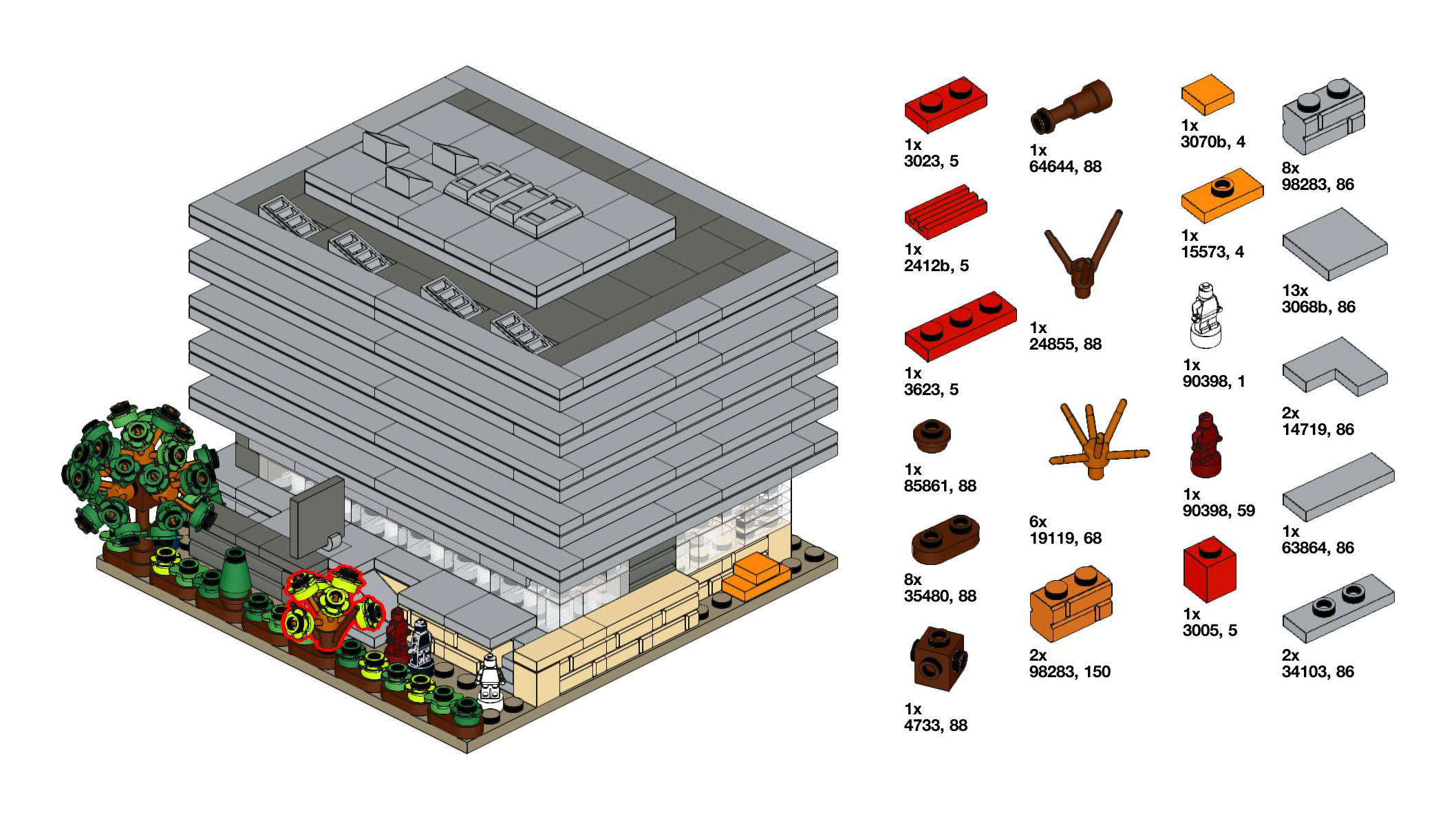



Hi Jackie, This sounds like an exciting creative project. Designing and animating custom stick figures from scratch is not that…
This is fascinating, particularly the idea of "coding without writing a single line." It really highlights the potential of prompt…
N.B. Closing date now extended to 23:59 on Wednesday, 4th of March.
Thanks Stewart for your encouragement!
Thank you Miki. I very much enjoyed reading this with my morning coffee. It was lovely to have such a…