

This extra post from Sally Crumplin grew out of a collective initiative among Humanities colleagues at the University of Edinburgh’s Centre for Open Learning, to explore and embed a conscious and pro-active approach to equality, diversity and inclusion (EDI) in each course that they offer. Sally offers examples of three courses where this conscious approach has been used, and where student feedback has shown the successes of this EDI-focused content and delivery. Sally is a lecturer in the Centre for Open Learning, where she is responsible for coordinating lifelong learning provision across Humanities subjects.
Equality, diversity and inclusion (EDI) objectives take an active role in all our strategic and operational conversations at the Centre for Open Learning (COL), but a recent workshop for the Centre’s Humanities teaching colleagues provided a focused opportunity to discuss EDI at a granular level. The workshop began with a Black History Tour of Edinburgh, led by Lisa Williams of the Edinburgh Caribbean Association, giving a foundation for thinking about our collective responsibility to address decolonisation in all our teaching. The afternoon session was an open discussion allowing colleagues to consider decolonisation and wider EDI objectives in all COL’s Humanities provision.
Colleagues discussed issues around many sensitive topics, noted concerns over how to give EDI objectives the time and reflection they deserve, and shared aspirations for how to provide the most EDI provision. We were guided in particular by ideas reflected in Rowena Arshad’s Teaching Matters blog post, From inclusion to transformation to decolonisation, which suggests that change will vary from subject to subject, and that it should be contextual and therefore tailored. The day ended with a collective agreement to reflect on the day, to continue to share thoughts, and to work on our how our own courses might be adjusted to reflect our commitment to EDI.
Since then, colleagues have reflected individually, and begun to plan and implement changes. The following are a few examples from Humanities teaching colleagues in the Centre for Open Learning, reflecting the application of EDI objectives to courses with vastly different subject matter and student cohort.
Medieval Scotland
This is a course on the CAHSS International Foundation Programme, led by myself and David Santiuste. We wanted to provide a simple, workable model for how colleagues might approach embedding EDI in any individual course. We were keen to use a course as an example whose subject matter didn’t contain immediately obvious areas for change, to show how any course could be adjusted by the same process. Taking each class in turn, we applied the same simple principle: within the usual preparation time, we would make changes to the resources, content and delivery to ensure they reflected an active commitment to EDI.
Changes made included:
- using primary sources that showed greater gender, racial and social diversity;
- introducing discussion themes such as rulership and religious conflict, that allowed medieval Scotland to be compared with global and current issues.
Changes were recorded, to be made available to colleagues in the Centre for Open Learning as an example of micro changes that combine to create a significant shift in an existing course. Students reflected on their enjoyment of discussions on current issues, which made the course more relevant and accessible, and enabled traditional ideas to be challenged.
History Skills: Preparing for Advanced Study
This is an online pre-MSc course, designed by David Santiuste, as a primer for applicants to the University’s MSc History programme. The course includes a four-week case study on late medieval Scotland: a topic which could easily be conceived as ‘pale, male and stale’. But the case study is preceded by a general introduction to historical skills, which makes conscious use of material related to EDI. For example, in week 2 on using secondary sources, students focus on a chapter by John Siblon discussing the commemoration of Black servicemen after WWI. In week 3, when they focus on using primary sources, students use materials associated with the Suffragettes to discuss women’s voices and perceptions of gender.
This has meant that students moved on to the medieval case study with an awareness of varied perspectives and approaches, which could then be applied to medieval sources. The intentional inclusion of material relevant to EDI has been particularly evident in the assessment: students select their own topic on which to research and write an essay, and there has been a strong pattern of students choosing ‘non-traditional’ topics for their assessed research project (e.g. the representation of women in chronicles, or concepts of queerness in late medieval literature). One student specifically commented that they felt comfortable proposing a topic that was relevant to their own interests and personal experience, in part because the diverse course content meant they felt confident that we would be receptive to their ideas.
Archaeology of Marginalised Communities
This is a one-day Lifelong Learning Course, led by Vasiliki Koutrafouri. The idea for this course was born out of a combination of Vasiliki’s current research and the workshop on EDI in the curriculum, organised for Humanities teaching colleagues. The course was built on principles that were discussed during that workshop, and was designed to begin to address a gap in COL provision, to introduce more courses that address decolonisation directly. The course aims to give voices to colonised people, and to review and offer approaches other than those based in western thought. Additionally, the course explores colonised, subaltern, and marginalised communities through their not-so-well searched archaeology.
The future
These examples show a range of approaches taken by Humanities colleagues in the Centre for Open Learning, to intentionally address EDI in our learning and teaching, from micro changes in existing courses, to new courses led by EDI-focused principles and themes. With the Centre for Open Learning’s newly established Academic Practice Sharing Hub, and supported by our Directors of Academic Practice and of Equality, Diversity and Inclusion, we can share our ideas more effectively among colleagues in the Centre and beyond, and continue with our commitment to a pro-active and conscious approach to equality, diversity and inclusion across all our courses.
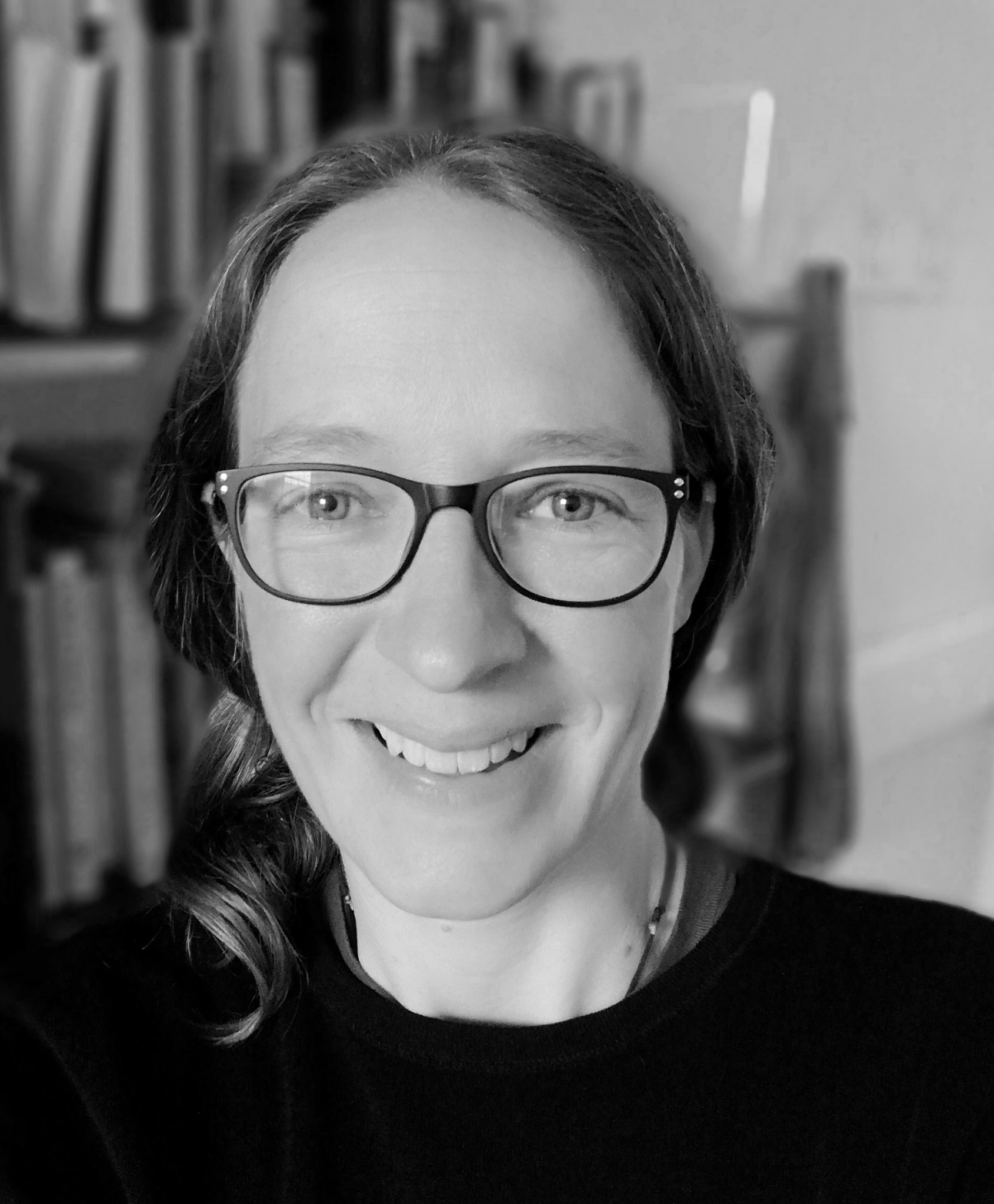 Sally Crumplin
Sally is a lecturer in the Centre for Open Learning, where she is responsible for coordinating lifelong learning provision across Humanities subjects. She has worked at the Centre since 2009, organising history, archaeology and art history and study skills provision, including on the International Foundation Programme, and the pre-MSc course ‘History Skills for Advanced Study’ in collaboration with the School of History, Classics and Archaeology. Prior to working at the Centre for Open Learning, Sally taught Medieval History at the Universities of St Andrews, Edinburgh and Glasgow, and was a historical researcher for Aberdeen City Council. Sally is particularly interested in working to make learning in History and related subjects accessible and inclusive for all and seeks to develop provision in the Centre for Open Learning to fulfil this, from pathways to university study, to community-based workshops.