
In this post, Sofia Olendraru and Charlie Simms describe the creation of the podast PERIODically. The PERIODically podcast invites people with periods to discuss their lived experiences of menstrual health and its impact on their work and studies in science and academia. Having started PERIODically in 2023 as students at the University of Oxford, when the creators Sofia and Charlie moved to the University of Edinburgh, so did the podcast! Sofia is a PhD student, and Charlie is a postdoc, both at the School of Chemistry. This post is part of the Podcasting in Learning and Teaching series.
The creation of PERIODically
PERIODically was originally a student led at the University of Oxford’s Chemistry Department. Previous research1 had found that chemistry students identified the impact of their periods on the gendered experience of chemistry tutorials, and this observation sparked the beginning of PERIODically. Bringing together other chemistry students, Series 1 of PERIODically focused on a group of eight students discussing how our menstrual health intersected with and affected our studies, for example, starting our period during lab sessions or exams, or the impact of starting contraception while at university.
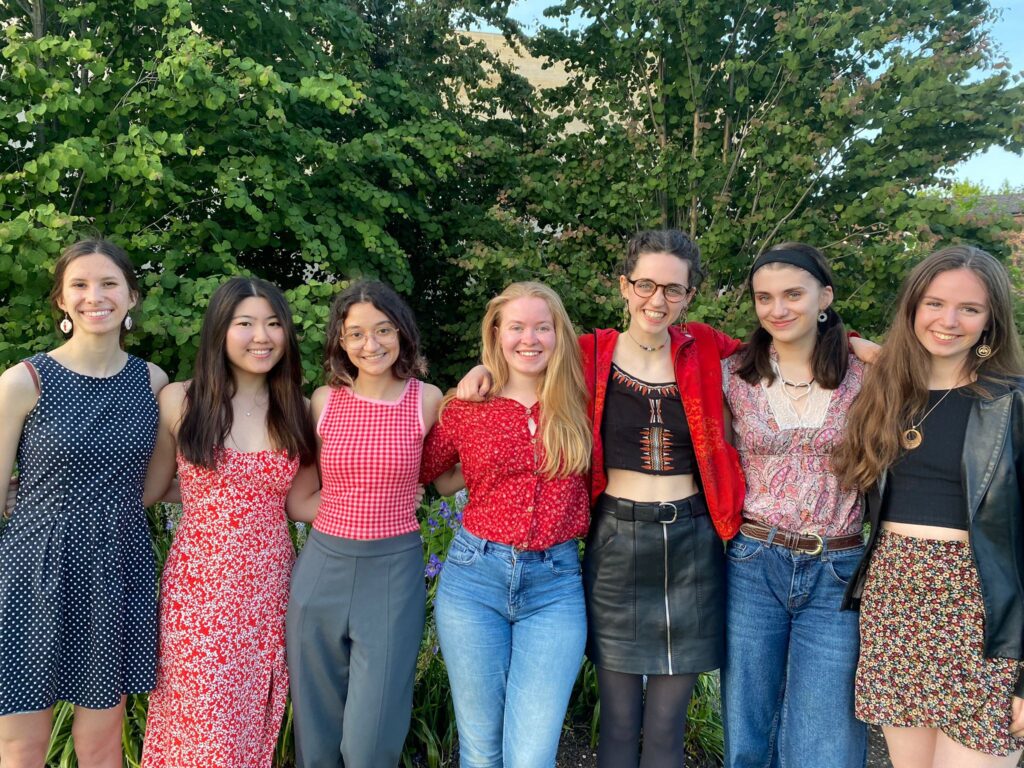
For Series 2, we wanted to broaden the experiences discussed on the podcast beyond our own reflections, so we collaborated with guests that included non-chemistry students, PhD students, early career researchers and established academics. They generously volunteered to share their stories on subjects such as endometriosis and the challenges of seeking menstrual health diagnoses at university, and practical accommodations to support menstruators in academia. We wanted to create a space where we could celebrate menstrual health and destigmatise these topics by sharing our deeply personal, often difficult stories, to improve science and academia for people with similar experiences.
The success of PERIODically has continued at the University of Edinburgh, where, as a PhD student and postdoc, we’ve been able to continue as co-developers. We use the podcast to advocate for adjustments for those who menstruate within the university through partnering with student societies and involvement with EDI committees. Additionally, we have reached a greater audience, particularly in Scotland. As a result, we have been invited to present PERIDically as a guest lecture at the University of Edinburgh, University of Glasgow and Strathclyde University.
Platforming lived experiences
Most of our team had never met before starting PERIODically and had rarely been able to talk openly about our menstrual health. The podcast allowed us to find community, giving us a safe space to talk about stigmatised subjects without shame. The informal conversational format made us feel comfortable and supported while sharing difficult experiences. Many of us were then empowered to take these discussions further into our lives, including confidently self-advocating in medical settings.
“Being able to talk to other members of PERIODically helped me so much. I spoke about issues with them that I’ve never spoken to other people about, because suddenly it felt like people understood and wanted to listen and cared. I think that makes such a difference.” (Elba Feo, original PERIODically creator)
Interviewing guests for Series 2 expanded our platform, and it was an honour to give more people the chance to share their stories through our podcast, and to learn from them.
“It’s not every day you get the opportunity to talk about these things, sometimes it can be seen as a bit of a taboo subject, or something you don’t really talk about with your colleagues or share.” (Manami Imada, original PERIODically creator)
Connecting with community
Although our stories were specific to our context, we found that they resonated with listeners from across different disciplines worldwide. Many people with similar experiences felt represented, and listeners without periods were grateful for what they had learnt from the podcast.
“I know too many friends who struggle when they have periods (even without doing long days of lab work), this is honestly such an important issue which is easily overlooked. Thanks so much for bringing this to the spotlight!” (Anonymous PERIODically listener)
The support from our listeners has been incredible: people have organised PERIODically listening parties and we have been invited to speak at several institutions, where we are always positively struck by our audience’s enthusiasm.
“Some of my current colleagues […] saw your talk at York University and we’ve talked about experiences and the podcast together since then. It’s even been a conversation starter at conferences and networking events where [people] I don’t work with have listened to [PERIODically] and want to chat about it!” (Tiffany Walmsley, PhD Student and PERIODically Series 2 guest)
We believe the podcast format has been key to our success because PERIODically’s availability on popular streaming platforms, like Spotify, makes it easily accessible to a broad audience. Its friendly, chatty nature also makes it relatable and helps to destigmatise menstrual health, sparking important, necessary conversations across communities.
Impact on education
PERIODically also allowed us to use our experiences to enable change, by voicing suggestions to improve education for people who menstruate, such as increasing lab accessibility with dedicated rest areas, or considering menstrual health in exam extenuating circumstances. The quick turnaround time of making a podcast, compared to formal surveys, helped remove barriers in communicating this feedback.
“Having a podcast listened to by people in decision-making positions [who] can make an impact and actually change […] educational spaces for people with periods in a positive way, that’s something that we really wanted to achieve with [PERIODically]” (Felicity Smith, original PERIODically creator)
We have seen tangible changes made directly thanks to PERIODically, such as the implementation of free period products in university departments,2 or the podcast being used to train lab demonstrators. PERIODically also simply raises awareness of menstrual health, which is often enough to change attitudes and improve research culture.
“[An academic I know] said they had never considered the effects periods had on students, never knew about conditions like endometriosis, but [PERIODically] had given them information and perspectives to be aware of as they start their new group and managing students for the first time.” (Tiffany Walmsley, PhD Student and PERIODically Series 2 guest)
Ultimately, PERIODically has created more inclusive environments in science and academia, which benefits everyone, not just people who menstruate. The podcast format has directly enabled this impact, by providing a platform to discuss lived experiences in an accessible way, and using this to raise awareness and connect with community to make meaningful changes in teaching and learning
References
1. Bruce, H. (2022) “Investigating Gender Bias in Oxford MChem Chemistry Tutorials.” Print.
2. Feo, E., Olendraru, S., O’Neill, M., and Simms, C.H., (2023). “Periods and practicals: how to help your students”, Trends in Chemistry, 5(11), pp. 789-791.
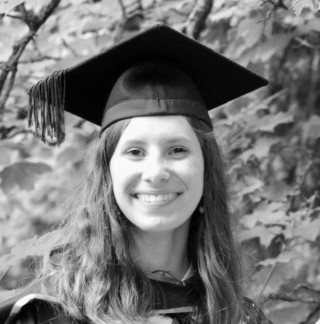 Sofia Olendraru
Sofia is in her second year of a PhD at the University of Edinburgh, designing nanopores for diagnostic methods in the School of Chemistry. Sofia is French and Romanian and moved to the UK five years ago for her undergraduate degree in chemistry at the University of Oxford. In that time, she campaigned for free period product provision at the university, which was how she met Charlie and the rest of the PERIODically team, and worked with them on the podcast.
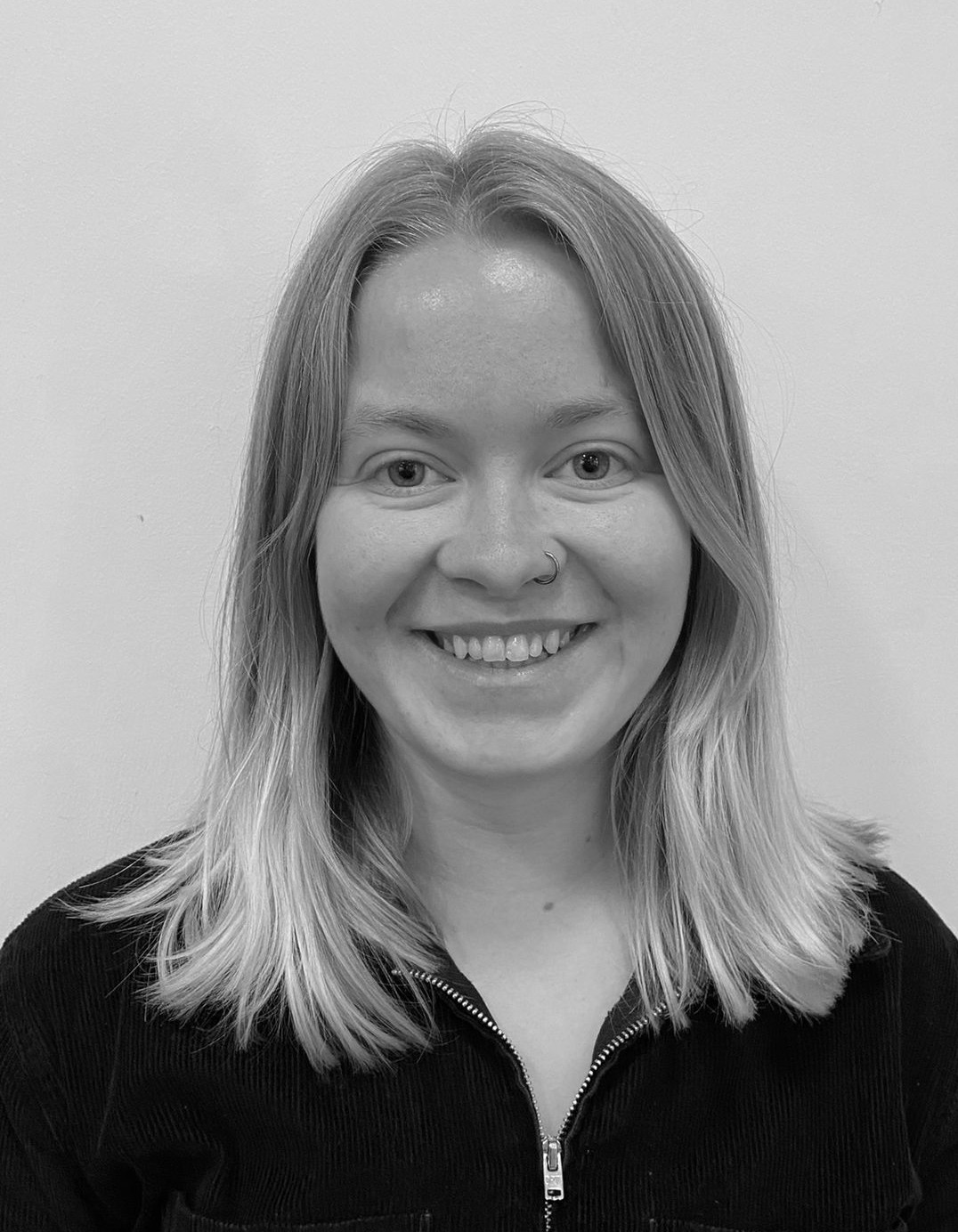 Charlie Simms
Charlie is a postdoc in Prof. Jason Love’s research group at the School of Chemistry, the University of Edinburgh, working to recycle metals from old phones and computers. She completed her undergraduate degree at the University of Edinburgh before moving to the University of Oxford to complete her PhD. Here, she first met Sofia and all the other talented students who worked on PERIODically, and whose stories inspired the podcast.