

In this post, Professor Mary Brennan and Dr Emily Taylor reflect on a workshop designed to challenge University colleagues to radically rethink assessment. Using five provocations, workshop participants could safely play around with new ways of thinking and working, testing ideas and pushing for radical change. This post is part of the ‘Transformative Assessment and Feedback’ Learning and Teaching Conference series.
Innovations in teaching and assessment traditionally have been incremental. New practices often emerge through small-scale pilots, some of which inspire gradual proliferation leading, eventually, to mainstream adoption. Whilst this model has many advantages, including perceived safety, it lacks agility in responding to large, sudden and, at times (including now), existential changes to the context, environment and resources in, and with which, we do HE. What if we didn’t or couldn’t approach changes to assessment incrementally but instead ‘tore up the assessment playbook’?
We brought this question to the 2025 University of Edinburgh Learning and Teaching Conference to stimulate lively and nuanced discussion. We gave staff and students the chance to reflect on what radically rethinking assessment would look and feel like. Drawing from these discussions, we present our reflections from this event here in this post.
Background
COVID-19 brought about a temporary shift in how we constructed and managed assessment. Recently other, arguably more existential, disruptors and longer-term factors are reshaping how we teach and assess. These challenge us as educators and students alike to reflect on why we do what we do, and demand we move from a reactive to proactive approach to stay relevant, credible, and of value to wider society.
Key issues already influencing our thinking and practice include the marketisation of HE, rapidly advancing generative AI technologies and applications, and the ongoing cost of living and studying crisis. Our students have grown in number and diversity. There is growing pressure on HE to deliver immediate financial returns to graduates and wider society, existential concerns about the role and practice of HE in a generative AI world, and dramatically changed student circumstances (e.g. more working, caring, and/or commuting) and expectations. We are all living through late-stage capitalism and its insidious influence on our thoughts and behaviour. Arguably, HE has fallen prey to engaging in, and demanding performative activity from our students and staff, and expecting staff and students to do more with less in an endless drive to efficiency.
We are entering a period of accelerated global political and environmental instability making the near- and long-term future deeply uncertain. What are we preparing our graduates for? What are we prepared for? In this context, our students have multiple constraints creating competing demands on their time and resources. For good reasons, course grades may not be their number one priority, and employers may also be less interested in graduate’s performance against traditional academic metrics instead placing more emphasis on their skills and readiness for the workplace.
Current efforts to improve assessment strategies recognise the diversifying demographics of our student body, their differing learning and assessment experiences and styles, and strives to achieve equity in assessment design, quantity and timing, but this has become an almost insuperable challenge.
The gate-keeping of knowledge has radically changed since Web 2.0, but assessment approaches haven’t kept up. The web has democratised access to, and types of, knowledge and information, but GenAI has introduced more fundamental questions about what knowledge is and what we need to assess in terms of knowledge and skills acquisition to classify and award degrees, and produce graduates for the future.
Alongside this existential challenge, we are all subject to technological innovation leading to a retreat to the sunlit uplands of the past, a need for instant gratification for staff and students alike, very often achieved, for example, through multiple points of assessment, and a growing, for some paralysing, overwhelm caused by the 24/7 media bombardment we are all subject to.
Catastrophic as this sounds, this is our reality; one we need to meet head on and where engaging proactively is an imperative.
The workshop
In our Conference workshop, we encouraged our discussants to step out of fear, avoidance and nostalgia to explore how we can re-centre on our values, re-imagine our purpose, reaffirm our red lines, and radically rethink how we assess. We posed a set of provocations and gave our discussants free rein to play with these ideas.
The provocations
1. Literacy and scholarship are redundant in a world of Generative AI
- How are academic identities, and our perceived purpose and role in education, threatened by new technologies?
- What impact does that threat have on what, who and why we assess?
2. Assessment deadlines serve no useful purpose.
- Who are deadlines for, what role do they play, and what would removing deadlines mean for student and staff experience?
3. Assessment of student learning should stop.
- What is the purpose of assessment?
- What are we trying to determine?
- What and who is assessment and grading for?
4. Written coursework assessment has no future in HE.
- Is it the end for the essay?
5. The end of grading/classification
- What would happen if we broke the link and abandoned all course-level assessment in favour of programmatic (beyond the course level) assessment
- What would pass/fail only do to student engagement?
The discussion
Whilst some groups remained anchored to reality, others engaged in anarchic debate about the need to radically restructure society. These conversations reflect a core aim of universities:
“Higher education is a rich cultural and scientific asset which enables personal development and promotes economic, technological and social change” (UNESCO, 2025).
As we are directed towards improving employability, developing applied skills in our students (which UNESCO also endorses), we risk preparing our students only for the world as it is now, not how it will become over the course of their careers and lives. How do we, and can we even, use assessment to provide our graduates with the thinking tools, skills and confidence to be able to respond positively to uncertainty, and develop new ideas that improve humankind and the human experience, including ideas we cannot conceive of yet?
Asking extreme questions as a playground exercise with no requirement to find workable solutions allowed the discussions to go in such radical directions. However, in our journey towards that destination, the more moderate discussions had immediate value. Groups quickly identified the ways in which assessment does not work currently and reflected on why we continue to persist with methods that are painful for both staff and students alike.
When people are feeling under pressure, insecure and tired, play is difficult. Engaging in apparently purposeless conversations that dip into the unknown can feel like a poor use of time or, even, threatening. Nonetheless, the energy in the room was palpable, even at the end of a long day of conferencing. The HE sector is in crisis and continuing with business as usual will not save us. Spaces to safely discuss radical change have never been more important, and we saw an abundance of appetite for embracing the kind of thinking that makes the university such an inspiring place to be.
What next?
The session was a helpful reminder of our greatest asset as an institution – the brains of our colleagues. We cannot stay in the playground forever, but if we stay there long enough to give everybody the opportunity to be anarchic, express radical ideas, and fully engage with ‘what if’, ideas will emerge that we can operationalise.
Our methodology was simple, and the provocations ones that have arisen from our engagement with our CAHSS schools, discussions across the institution and the wider HE sector. We encourage schools to try these conversations and involve students and other stakeholders. Get in touch if you want some pointers!
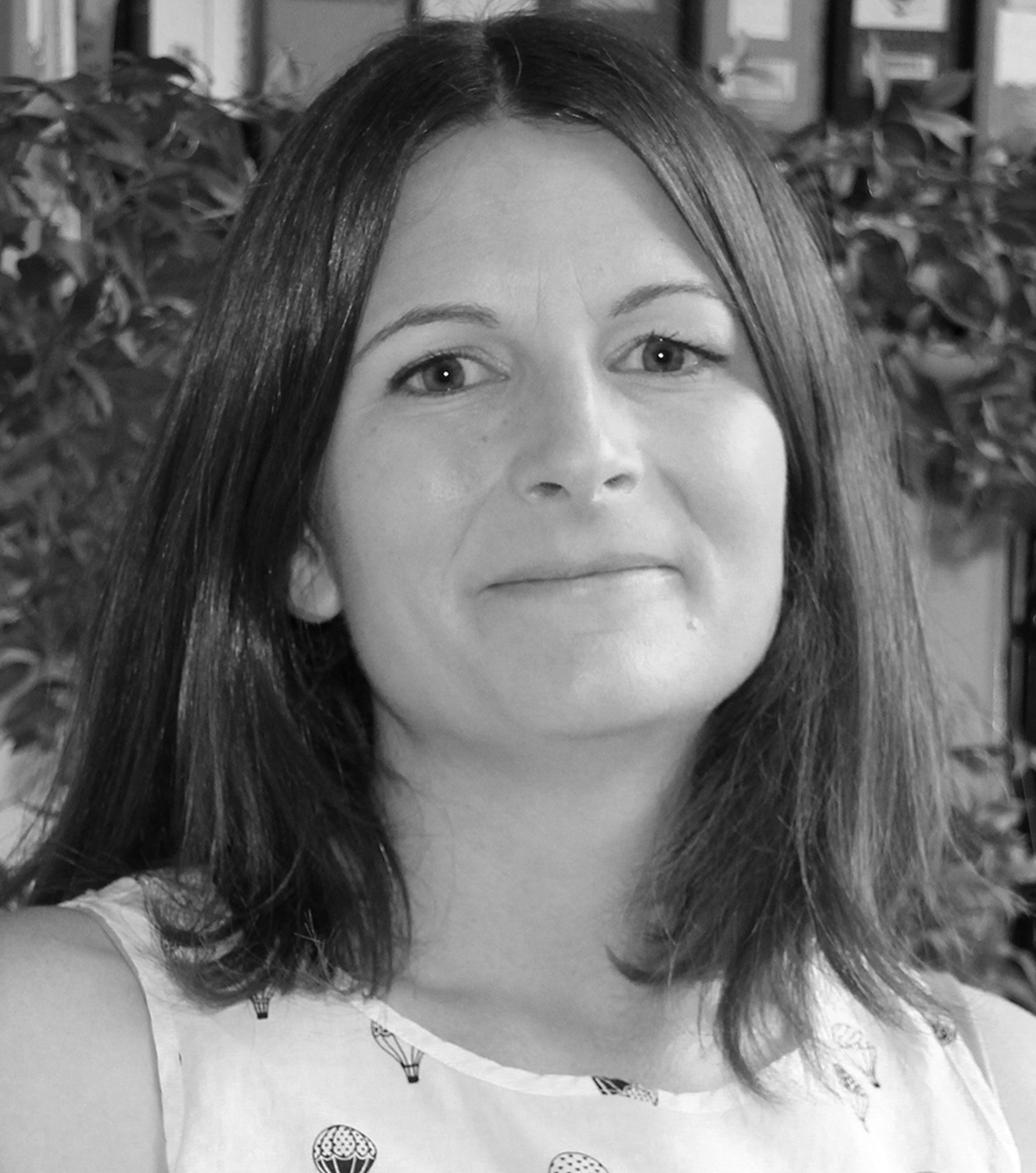 Emily Taylor
Dr Emily Taylor is a Senior Lecturer in Clinical Psychology, School of Health in Social Science, and Dean of Quality Assurance and Curriculum Validation for CAHSS. She is particularly interested in how academic communities can be fostered between staff and students in campus and online spaces.
 Mary Brennan
Mary Brennan is Dean of Education for College of Arts, Humanities and Social Sciences (CAHSS), and Professor of Food Marketing and Society at the University of Edinburgh Business School.