


In this post, Omolabake Fakunle introduces the Feb-March 2026 Hot Topic ‘Creating a Challenge Course’. Omolabake co-edits this series, which documents the co-creation of a new Challenge Course: ‘Understanding decolonisation in a global world’, launched in January 2026. This first post describes the genesis of the course and the steps behind its creation. The series includes contributions from students (undergraduate, Masters and PhD) and staff (academic and professional services) who were involved in the course development and belonged to the Challenge Course’s Community of Practice. In this Hot Topic, they will share the different ways they were contributed to the development of the course, and reflect on the impact of their experiences on both themselves and the University. Omolabake is a Senior Lecturer at the Moray House School of Education and Sport, University of Edinburgh, and Co-lead of the University’s Race Review Response Group.
Introduction
‘Understanding Decolonisation in a Globalised World’ (EDUA08127) is one of the Challenge Courses from the Curriculum Transformation Programme (CTP). The course concept emerged as a direct output from my CTP secondment post as Decolonisation Strategy Lead with responsibility for developing and building a holistic framework for understanding and undertaking decolonising the curriculum across the University. This role has direct impact on the rationale for the course, as well as the innovative inclusivity approach in creating it. 19 academic staff, professional services and students (undergraduate, Masters and PhD researchers) from 14 Schools across the three Colleges (CAHSS, CSE and CMVM) and Professional departments (Heritage Collections, Centre for Open Learning) were involved in the course development as part of a Community of Practice (CoP).
The introductory post to this blog series on ‘Creating a Challenge Course’ illuminates the ambitious, creative and hugely rewarding and humbling journey we have all been on over the last year. This series of blogposts showcase how an evidenced-driven idea led to a practical and inclusive process of course development, supported by the dedicated Community of Practice, who have contributed diverse disciplinary knowledge, expertise and experiences.
Rationale
Similar to other Challenge Courses, the ‘Understanding Decolonisation in a Globalised World’ course aims to bring together students from different disciplines to learn about, and tackle, big and topical global challenges. Specifically, the course offers an inclusive space for students to hear diverse voices on the topic of decolonisation and what this means in different disciplinary and global contexts, detailed in the course description and summarised in a short introduction in the video below:
Development process
The main steps leading to the creation of the decolonisation challenge course are discussed below:
1. Background
The CTP decolonisation work (online and in-person activities) involved reviewing University-related work, and consultations with staff across all three Colleges and other departments, such as the library’s Heritage Collections staff. This approach revealed the range of academic and non-academic initiatives and activities, but these were not evenly spread out across the university, pointing to the need for a holistic and strategic approach. This work underpinned my initial thinking around the need for a transdisciplinary course which would consider differences in thoughts, approaches, and sometimes misconceptions about the topic. Important, albeit difficult conversations with staff (individually and in groups/committees) and students (I held five roundtable discussions and ad hoc sessions with undergraduate and postgraduate students on campus and online) motivated the co-creation ethos to the course’s development. I set about bringing together academic and profession staff, and students, to embark on a different and innovative pathway to course development in a global university.
2. Administration
Unlike regular courses, the Challenge Course involves academic contributors (lectures and tutors) across different Schools and departments. This requires administration processes at two levels. First, course approval is required at a School Board of Studies (Moray House School of Education and Sport), who are responsible for assessing the course is in line with established academic standards and regulations. This is followed by another level of approval by the high-level CTP Review Board, with members from across the University. The course organiser presented the course to the requisite boards and received the required approvals with excellent feedback, including commendations for the course’s innovativeness and content.
3. Community of Practice (CoP)
In December 2024, I began the process of inviting members to join the CoP, as contributors to the course development process. As part of the requirements for the CTP Review Board approval, all invited members received support from their Schools. Four CoP student members received honoraria in line with the University’s rewards policy for students. In the process of creating the course, additional student consultation sessions allowed wider input from a range of voices across different disciplines. These students received vouchers as tokens of appreciation for their time. The importance of this wider outreach beyond the CoP was valued by students, with one sending this email:
“…I also just wanted to say how much I enjoyed the session; it was so exciting to learn more about the course and it was fascinating to gain some insight into how courses are developed. I’m particularly interested in changing forms of work/education, so it was right up my street and has given me lots of food for thought.” (email from student participant in consultation session’ March, 2025)
4. Co-creation
After drawing up the broad outline of the course, CoP contributors were asked to firstly critically assess the proposed course structure. At this early stage, members freely shared their knowledge and understanding on the subject, and highlighted potential areas that they could contribute to. We created a Teams site to capture our progress at monthly meetings over an eight-month period. The guiding principle in our deliberations was to ensure that the course content is rigorous and accessible to students, regardless of disciplinary background. Unsurprisingly, differences in disciplines and backgrounds ensured that the CoP conversations were robust, interesting and challenging, as needed.
5. Ethos
CoP members demonstrated willingness and commitment to ensure a truly collaborative and co-learning process, and sharing pedagogical practices, such as the Linked Teaching Approach, to deliver positive student experience. We maintained a respectful environment where all voices matter. Adopting an ethos of inclusivity ensured that creating the challenge course is a reality.
The start of the course….
The course started in semester 2 in January 2026, with over 100 first and second-year students enrolled from programmes across Medicine, Science and Engineering and the Humanities, Arts and Social Sciences. This interdisciplinary cohort will contribute to students’ enriched experience of learning beyond their Schools and disciplines, and create an opportunity to unravel together the meaning of decolonisation and its practical relevance for learning, living, and working in a multicultural, unequal, and diverse world.
This series will include contributions from the students and staff involved in the course development and design, tutors who are teaching on the course and students who are enrolled on, as well as auditing, the class.
Happy reading!
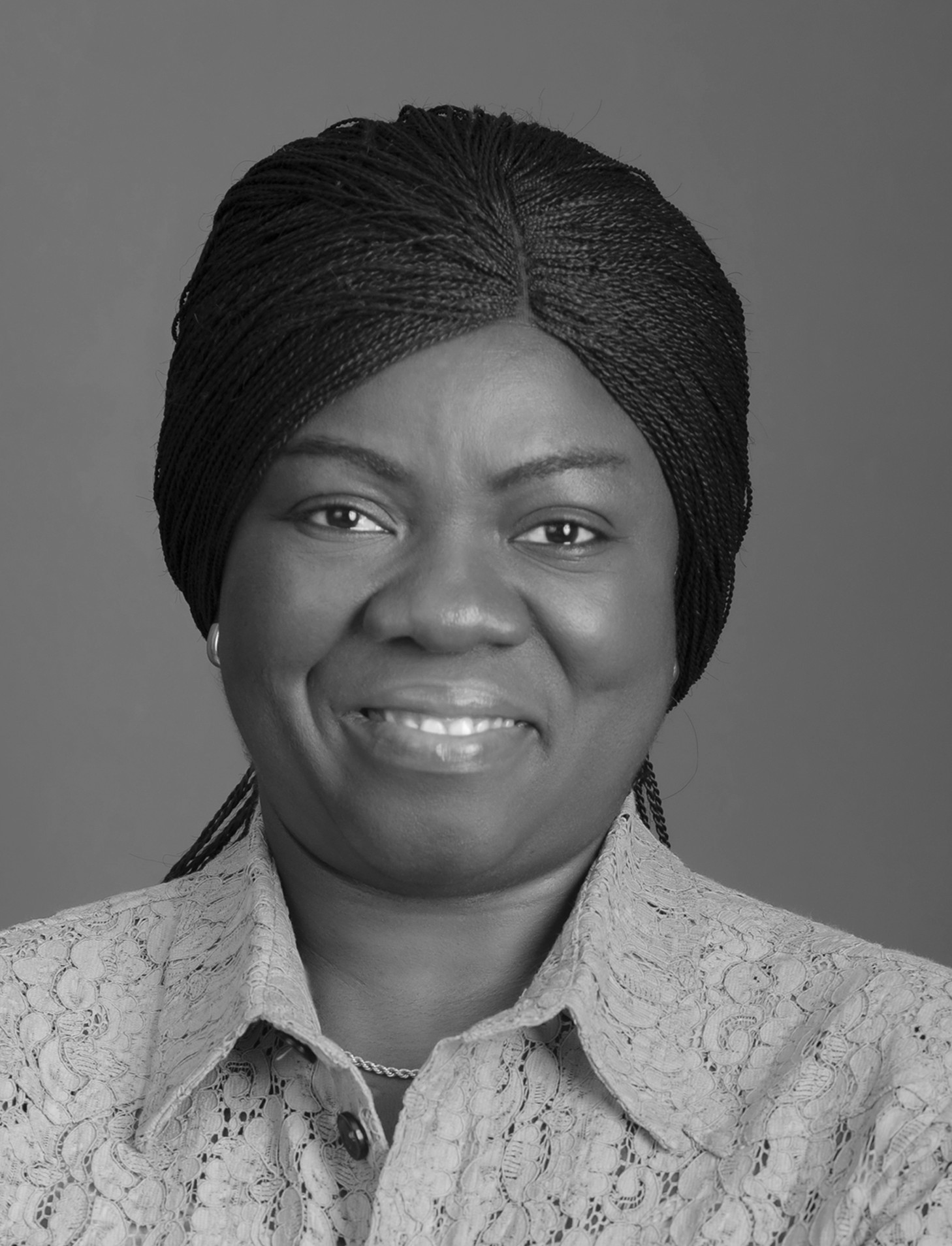 Omolabake Fakunle
Omolabake Fakunle is a Senior Lecturer at the Moray House School of Education and Sport, University of Edinburgh, and Co-lead of the University’s Race Review Response Group. Her research, teaching and advisory roles contributes to advancing inclusivity in educational policies and practices, across three thematic areas: internationalisation, decoloniality, and employability. Her award-winning research underpins theorisation/conceptual frameworks for advancing inclusivity in academic and non-academic policies and practices at the institutional level, and within national, and international contexts.