


Welcome to the May – June Hot Topic: Podcasting in learning and teaching, co-edited by Dr Emily O’Reilly (Lecturer) and Dr Andre Phillips (Teaching Fellow) from the Edinburgh Medical School.
Podcasts are on-demand audio content, normally organised as a series and arranged around a specific topic. Podcasting were originally referred to as audio blogging and has its roots in the pre-digital age whereby recordings of information on cassette tapes were physically distributed. The digital age has bought with it the ability to distribute audio files via streaming, which enables the audience to listen to podcast content anywhere and at any time.
This blog series aims to enthuse those thinking about working with podcasts as well as those already positively engaged with using and producing podcasts in Higher Education teaching. Colleagues from across the University of Edinburgh will share their podcasting stories, reflect on how their ideas evolved, and importantly, how they took the practical steps from concept to production of a well-received podcast series or the successful embedment of podcasts within a course. We hope that these contributions will inspire colleagues to brush off their ideas and make a start on their own podcasts as well as bring together the talented podcasters and technologists from across the University to share their successful podcasts and practices.
Benefits and challenges of podcasting in learning and teaching
The potential of podcasts has enthused a new generation of podcaster from a wide variety of academic communities. Podcasts have a wide range of uses in education, from providing supplemental learning to diversifying courses, to discussing important peripheral topics around subjects and allowing critical conversations to be heard by all. The benefits of podcasts in education remain significant, offering flexible delivery of learning materials, diversified modes of communication and the sharing of dialogue, discussions and ideas in accessible and engaging ways.
For many educators, however, the practical challenges associated with recording and production remain as frequently cited barriers to using podcasts. Moreover, it is often time that is the barrier: time needed to research suitable hardware; become fluent with editing software; engage and enthuse colleagues and potential participants about a podcast; and then of course timetable recording sessions! For every successfully created podcast, how many wonderful podcasting ideas fell by the wayside, victims of lack of time and quite simply not knowing where to start?
A new era in educational podcasting
Looking forward, it is important to consider how podcast use is evolving in the current educational landscape, evaluate potential areas for growth and consider how emerging technologies may address the challenges highlighted. At a time when many colleagues are rebounding from the hard entry into the AI era, podcasts once again are revealing themselves to be full of utility across education.
- Authentic Assessment
One of the most under-utilised ways in which podcasts could be used is for assessment. The shift away from written assessments to the exploration of authentic assessment practices such as recorded presentations has been simplified by students’ ability to record presentations and upload onto Learn. Podcasting should also be considered as an authentic assessment because it offers variety, is undertaken asynchronously and can be produced as a form of group work. The shift from students as consumers of podcast content to creators of content would be a positive move.
- Research-led learning and teaching
Research-led learning and teaching is a core strategy across the University, and podcasts are increasingly used to platform research outputs. They also enable the impacts of the university’s research to be shared with students as well as the public as they are not hidden behind paywalls, like journal articles. Podcasts can provide a productive space to draw research and learning and teaching together.
Upcoming contributions in this Hot Topic series
The rich opportunities afforded by podcasting in education has not gone unnoticed by us and our fellow podcasters across the University, and this series offers a much-needed space to share and discuss our podcasting pedagogies.
The opening post of this series comes from Nicole Dron, Elsbeth Dewhirst & Maggie Frej, from the Clinical Skills department within Edinburgh Medical school. They detail their journey in creating the much-acclaimed podcast “Beyond the Scrubs”; a series dedicated to supporting and installing confidence in medical students as they enter into their clinical placements. From concept to creation, this educational podcast has proved immensely popular, and this post details the challenges and practicalities of creating this podcast.
Following this, JJ Miranda shares his insights of podcast creation from the perspective of the learning technologist. JJ manages the Holyrood podcast studio at Paterson’s Land and draws on his experience of supporting colleagues who use the studio, reflecting on the convergence of the podcast technology and the pedagogy. JJ discusses audio accessibility, workload and what dialogue as a format can do.
Podcasts can have broad impacts in higher education and can be instrumental in drawing awareness to issues that challenge students ability to thrive in their studies. Using their podcast PERIODcally, Sofia Olendraru and Charlie Sim provide a platform for students to discuss menstrual health and share the impact menstruation can have on student’s experiences within the Sciences. By sharing conversations on the impact that menstruation can have, Sofia and her colleagues have co-created a podcast with students that, as well as destigmatising menstrual health, has opened and expediated dialogue with senior leaders to inform wider awareness and action.
Jenny Scoles shares her experience of co-creating Teaching Matters podcasts with student interns, and highlights the importance of the creation process over the product as a rich learning opportunity. Emily O’Reilly explores the emergence of AI use in educational podcasting. She considers whether AI could address many of podcasting’s existing challenges, or whether it risks leaving students feeling short-changed through reduced authenticity and a diminished sense of human connection in the learning experience.
In their posts, Neil Mulholland and Brian McGrail both discuss how they use podcasts in their teaching and reflect on how effective these have been. Neil has embedded podcasts in his Contemporary Art & Anthropology course, which has been very well received by students. Brian completes this series by discussing the use of synthetic voices in podcast production inviting discussions on how AI could be used in podcast production.
The pedagogical podcasting podcast!
No series on podcasting would be complete without a podcast or two! We will conclude this blog series by coming together to reflect on ambitions, challenges and the support needed to sustain and develop podcasting in education. Together, we will explore how podcasts can be used to draw students into learning, support co-creation and assessment and showcase creative educational practice.
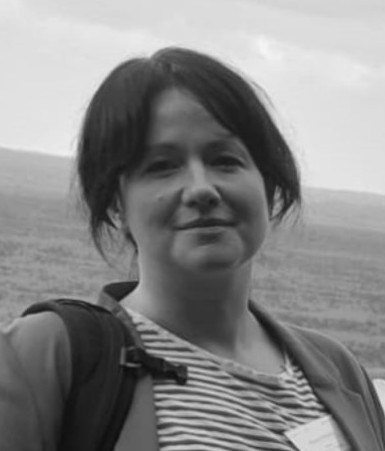 Emily O’Reilly

Dr Emily O’Reilly is a Lecturer within the Biomedical Sciences, where she delivers a number of courses across the Global Health & Infectious Disease online MSc programme in areas relating to immunology, vaccinology, AMR, diagnostics, one-health and food security. Emily is also engaged in undergraduate teaching as project supervisor and course organiser for clinical biochemistry and endocrinology. Emily has supervised over 35 MSc projects to date and is a Fellow of the Higher Education Academy. Emily’s research interests include AMR, vaccine hesitancy, with pedagogical research focused on digital postgraduate education. Emily is also a keen podcaster and had previously undertaken research into the role podcasts have in online PG education. LinkedIn Profile
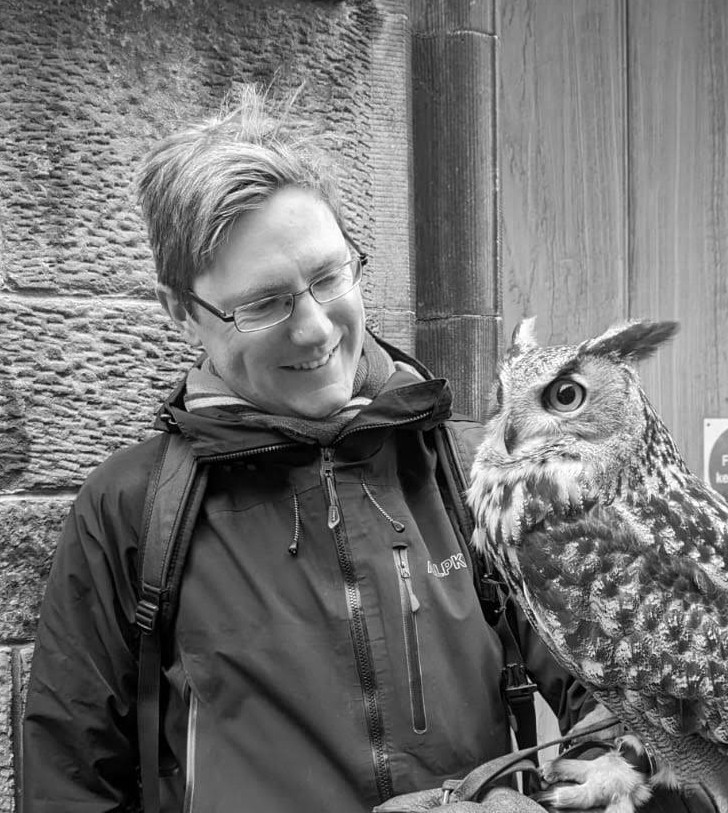 Andre Phillips
Dr Andre Phillips is a Teaching Fellow for the Biodiversity, Wildlife and Ecosystem Health Online, part time Masters, touching on topics from marine ecosystems to conservation genetics and local engagement in conservation projects. Andre is a Senior Fellow of the Higher Education Academy with interests in developing Mental Health, Marking Schemes and Ungrading across the school. Andre uses podcasts to encourage formative feedback and co-creation of resources with students in his courses.