Curatorial experiment and materialization of identity
“Our Shell” is designed by JIJU Collective, which is not only a curatorial experiment but also a deep reflection on identity, belonging, and spatial adaptability. Using the metaphor of “hermit crab”, the exhibition discusses how overseas individuals construct temporary living spaces.
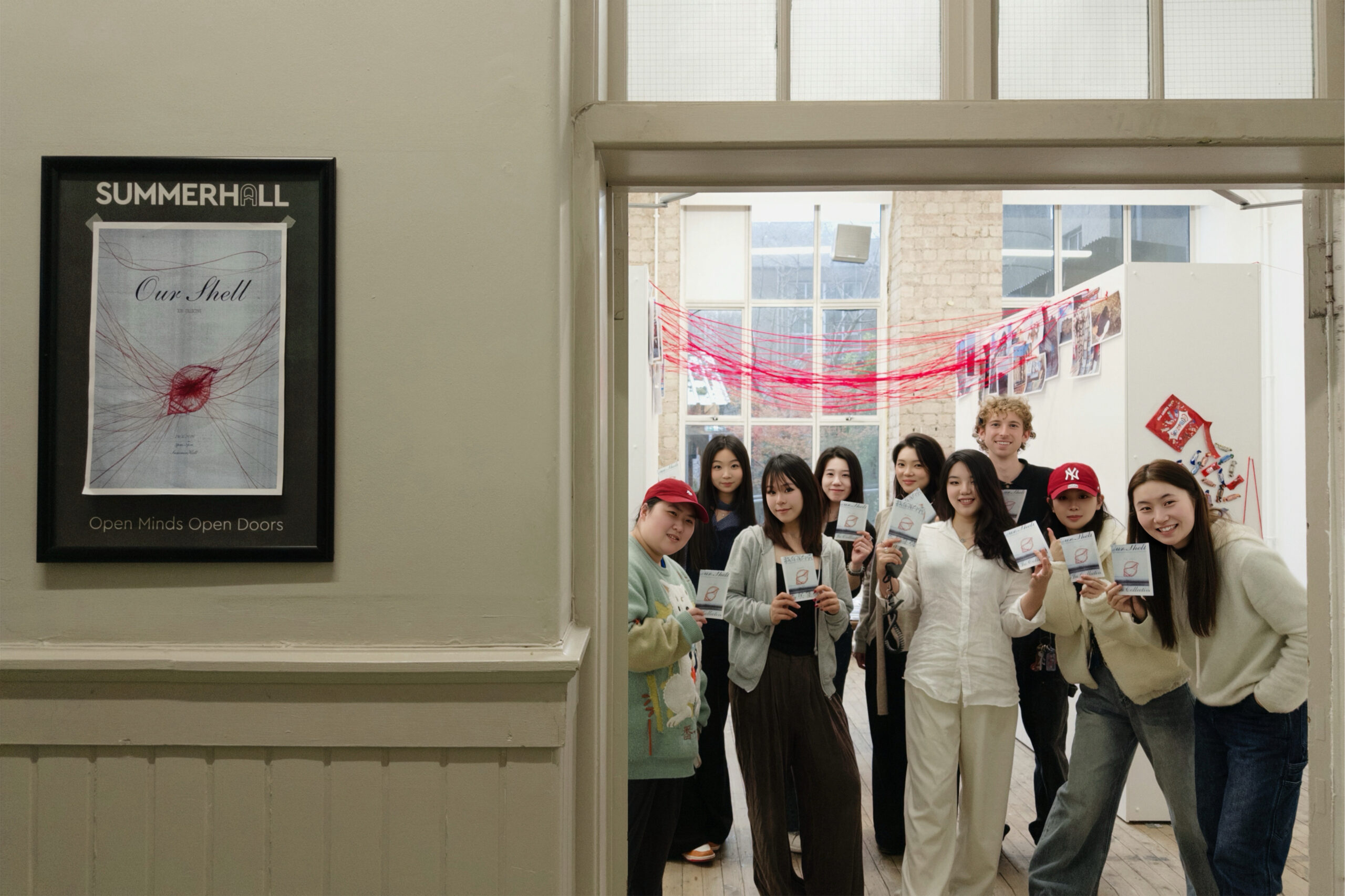
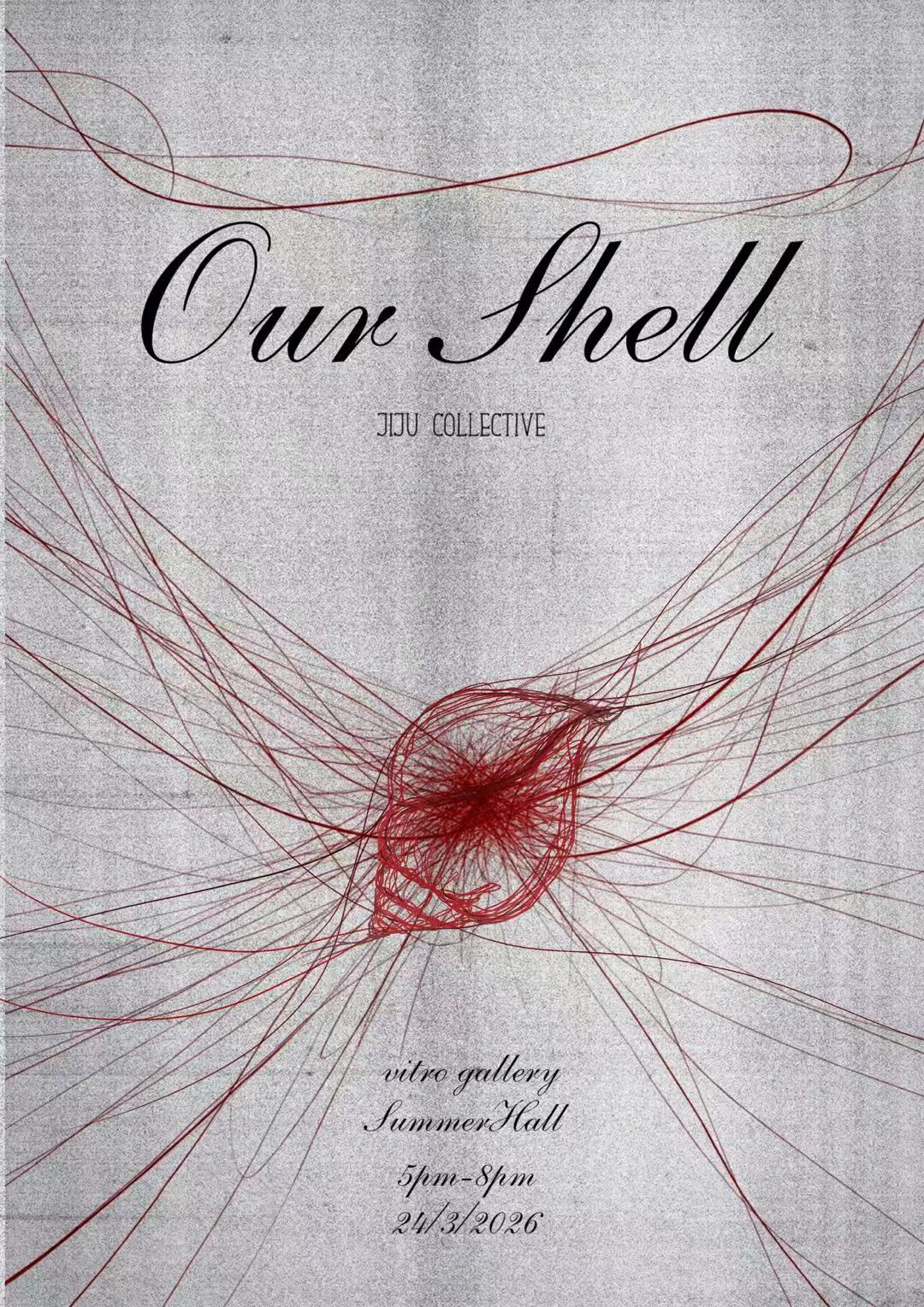
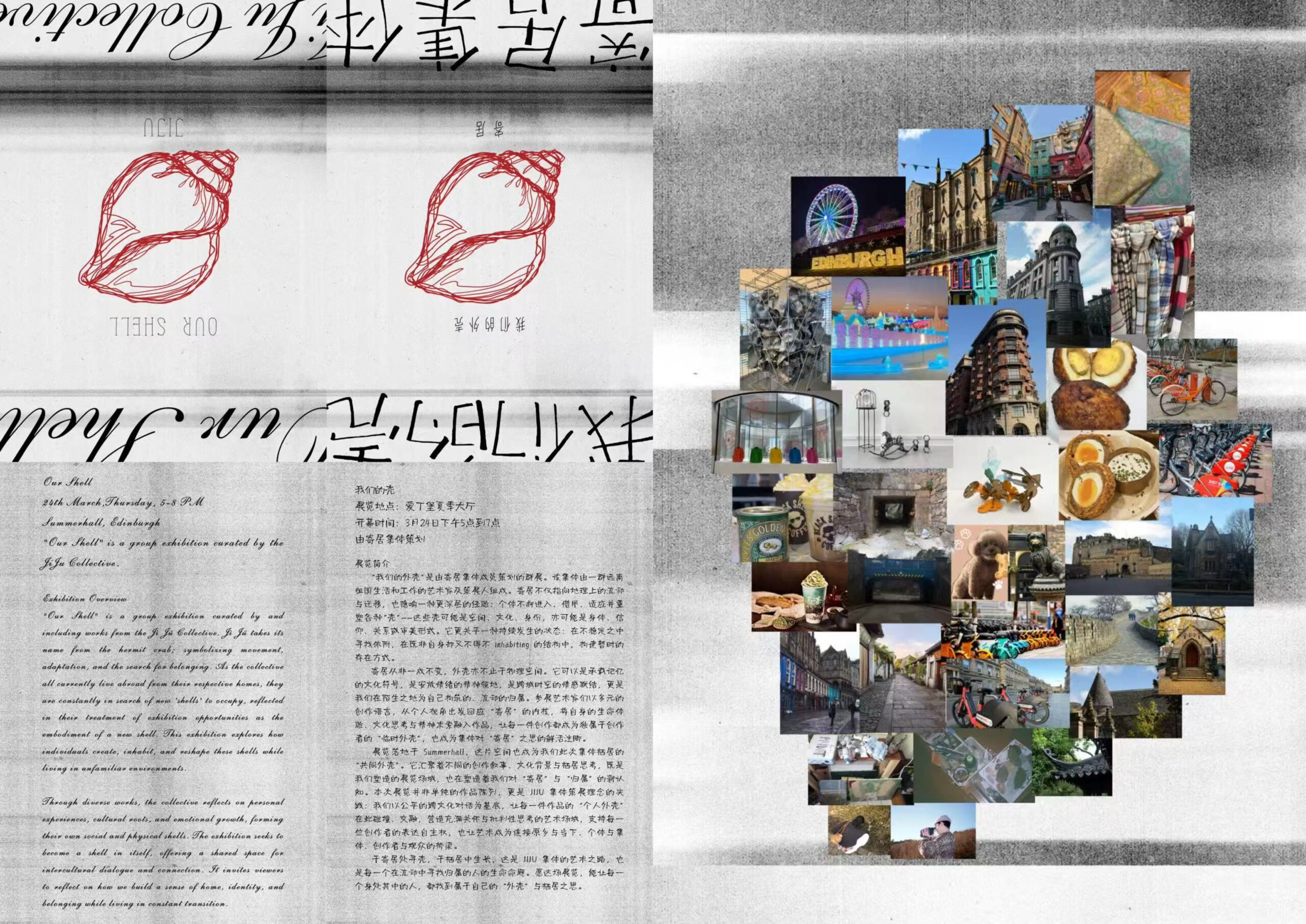
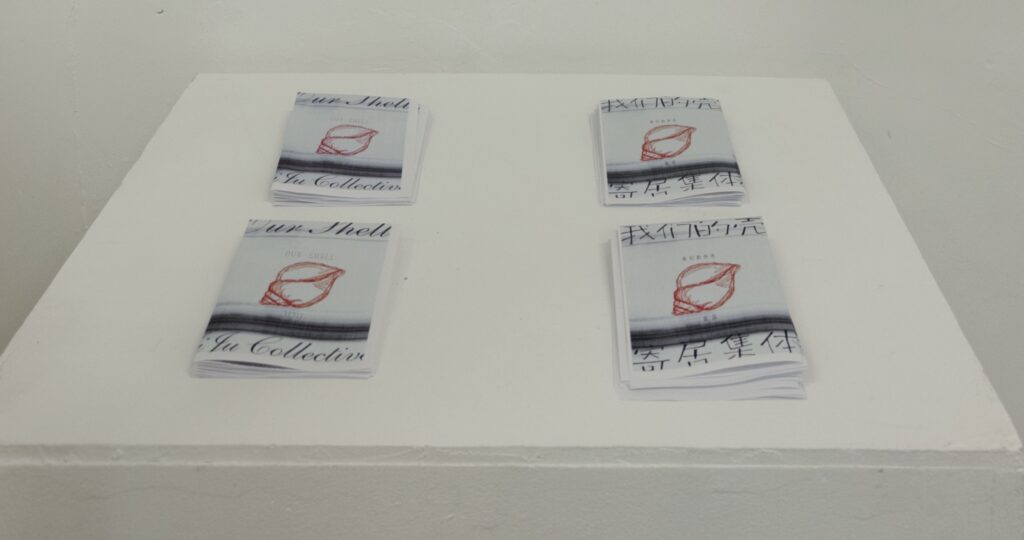
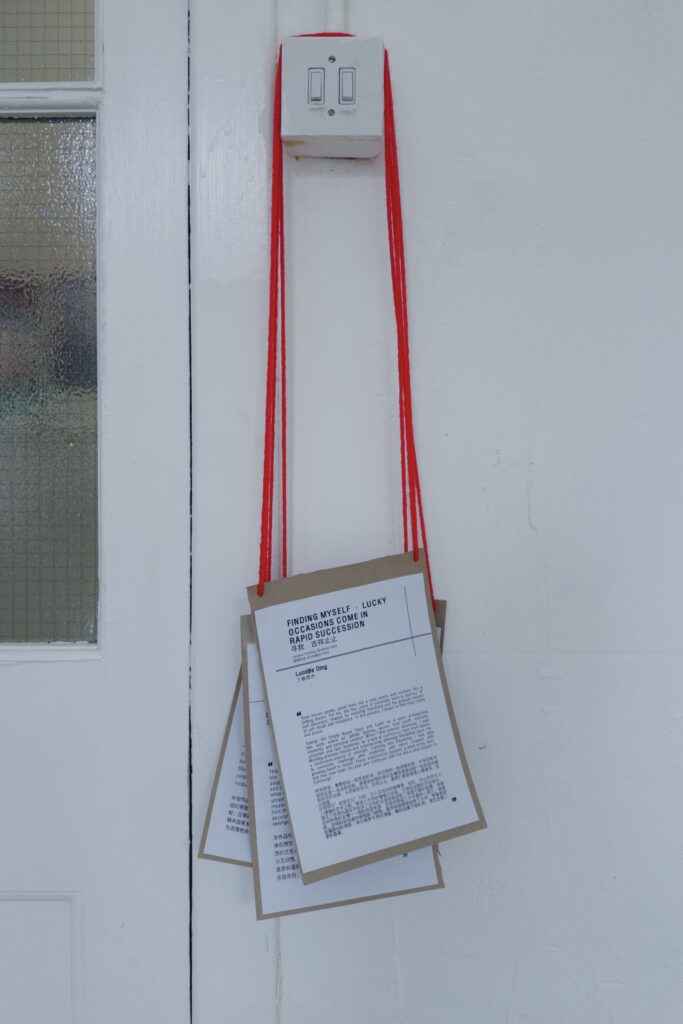
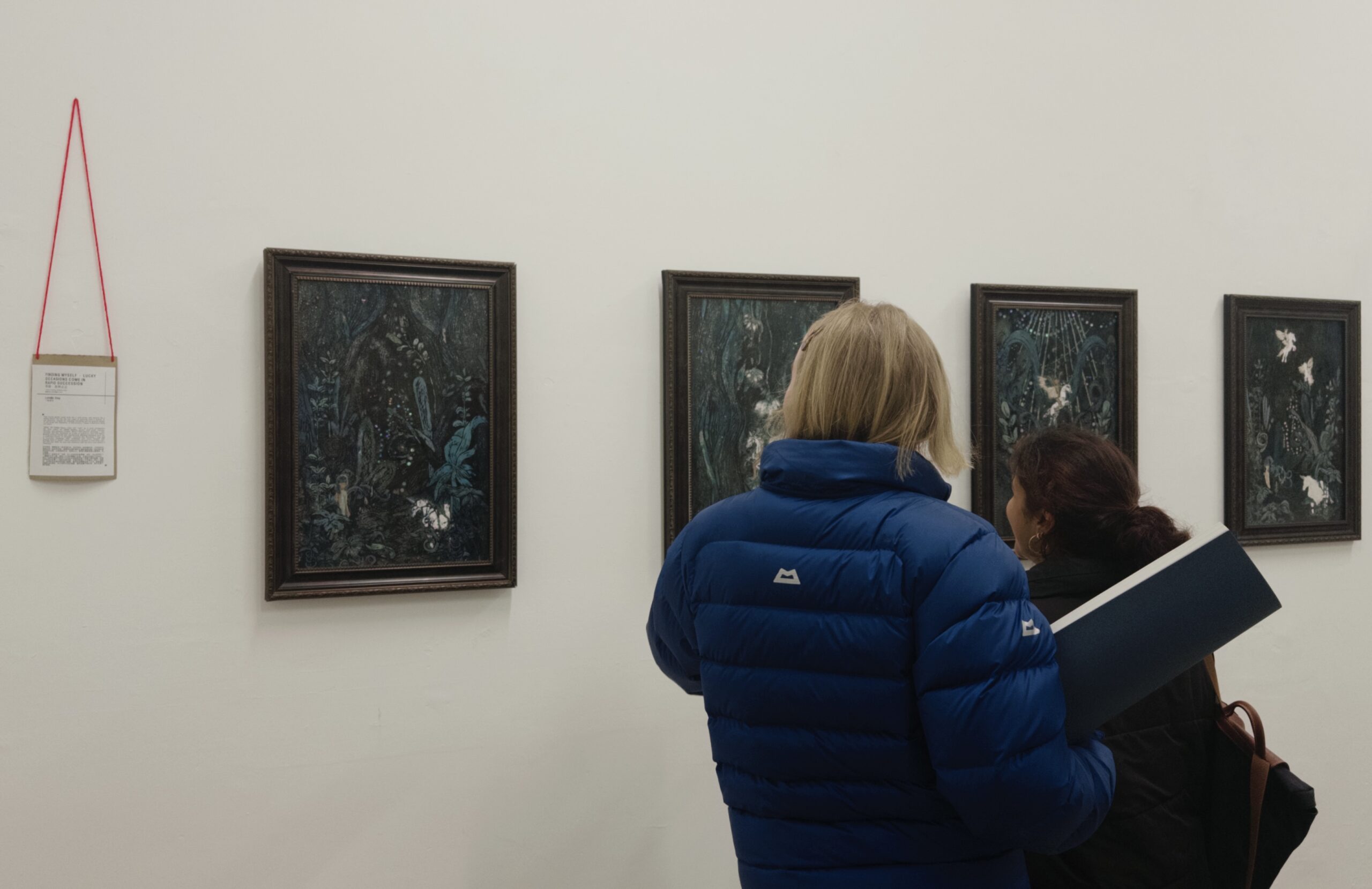
In this process, I acted as a curator for the exhibition Our Shell while simultaneously serving as the lead designer and a featured artist. I was responsible for the project’s visual identity—designing the posters, booklets, and exhibition signage—as well as the conceptual form and content of the primary installations. As an artist, I contributed my lacquer painting series FINDING MYSELF · LUCKY OCCASIONS COME IN RAPID SUCCESSION, bridging the gap between the exhibition’s curation and its creative execution.” This practice deepened my exploration in week 7, from focusing on “popularity” to excavating “core characteristics of works” and giving priority to cooperating with emerging practitioners. In Our Shell, meaning no longer depends on ready-made fame but is constructed through collaborative experiments.
link: week6| Mythical Animals and Power Structures (the design about the red line)

link: week7| From research to situated feasible exhibition structure
Visibility dilemma: Beyond the structural limitations of propaganda
In reflection, the limitation of audience number should not only be attributed to insufficient publicity but should also be regarded as a structural dilemma of visibility. As a student curator as well as one of the JIJU Collective’s members, I operate outside the established framework.
Due to the lack of institutional resources, the audience is mainly limited by personal social networks, and the vast majority of the audience are classmates and friends of JIJU Collective. This proves that visibility is not only determined by the subjective efforts of the curator but also strictly restricted by the resource allocation and platform inclusiveness in the art system.
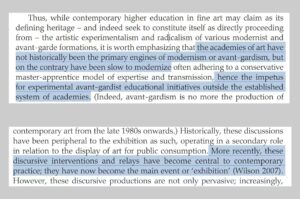
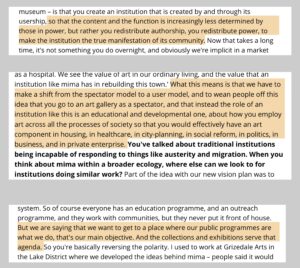
This lack of visibility directly points to the initiative of an emerging curator. Although I can produce knowledge independently, I have limited rights to speak in mature systems, so it is difficult to decide who will see the exhibition, and it is even more difficult to enter the official institutional system. However, this inequality of power has stimulated productive tensions. As Wilson and O’Neill discussed the “curatorial turn”, JIJU Collective’s project is not on the edge but actively “feeding” the curatorial ecology. Through the lack of experimental energy in mainstream institutions due to inertia, we have produced a new method of exhibition production. Drawing lessons from Alistair Hudson, this practice-based exploration challenges the top-down authoritative logic.
As an emerging curator, I have contradictory conditions. I am not only doing the exhibition but also challenging the knowledge production and circulation system of contemporary curators through practice. Although “Our Shell” is temporary, it proves that in the gap of the mainstream system, new curatorial methods can still continue to grow through experimental collaboration.
Bibliography
JIJU Collective. Our Shell Exhibition Project. Edinburgh, 2026.
Paul O’Neill, and Mick Wilson. “Curatorial Counter-Rhetorics and the Educational Turn.” Journal of Visual Art Practice 9, no. 2 (2010): 177–193.
Alistair Hudson. “Building a User-Generated Museum: A Conversation with Alistair Hudson.” openDemocracy, May 5, 2017. https://www.opendemocracy.net/en/building-user-generated-museum-conversation-with-alistair-hudson/.
Roland Barthes. Mythologies. Paris: Éditions du Seuil, 1970.