


After Kirsteen’s lecture on “Public and Public Programmes” this week, I began to re-examine the essence of the exhibition. It is not only a spatial structure but also an open platform jointly shaped by the public. As mentioned in the lecture, the public is not the audience that passively receives information but should be regarded as “the aggregate of practice, project, and output”.
I realised that curating should break the hierarchical structure of traditional museums. Lectures and dialogues should not only be accessories of exhibitions but also the core of meaning generation. I decided to transform the public from an “observer” to a constituent advocated by MIMA and actively build an audience through participatory planning. According to the theme of this exhibition, I have planned the following three public projects, aiming at transforming Summerhall into a dynamic social and academic platform.
link: week10|Starting from “Our Shell”: Practice Record of JIJU Collective Exhibition (mentioned Visibility dilemma: Beyond the structural limitations of propaganda)

link: MIMA ART

link: Rethinking Curatorial Practice and the Role of Museums through Art in Action
The Dialogue between Artists and The Traditional Narrative in the Contemporary Context
Discuss the transformation of traditional myths in contemporary art with artist Eryao, focusing on critical dialogue. For art students, researchers, and contemporary art lovers.
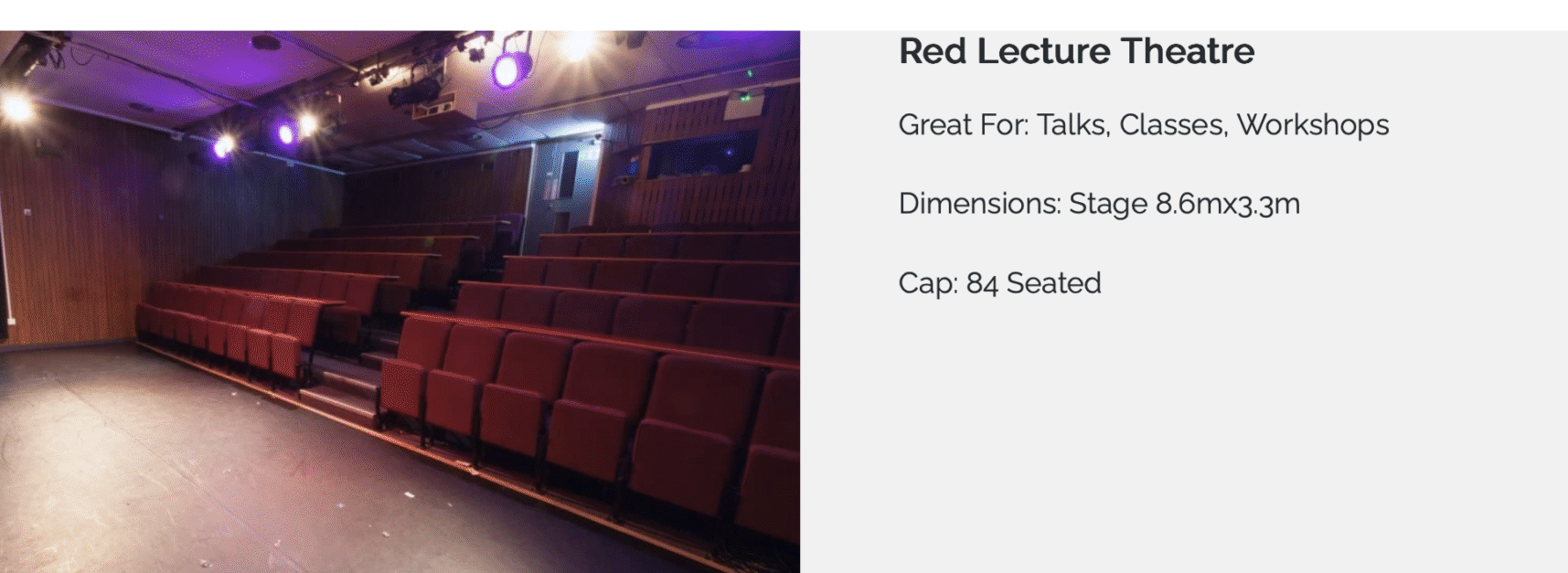
It is recommended to be located in the Red Lecture Theatre in Summerhall.
The Shadow Puppet Workshop of “Light and Shadow Beasts”
Combined with material experiments and performances, participants personally made and operated shadow puppets to experience the vitality of intangible culture. Facing children, families, and interdisciplinary art lovers.
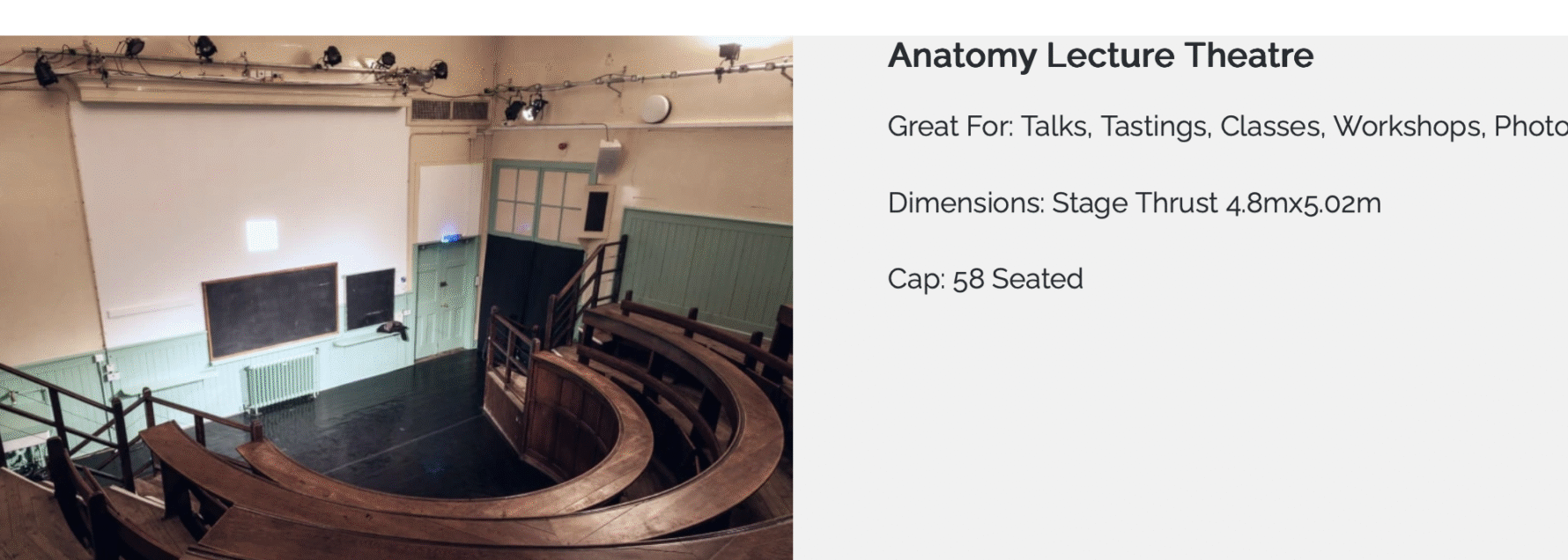
Suitable for the Anatomy Lecture Theatre in Summerhall.
A Reading Seminar on “Myth and Curation”
60 minutes of in-depth discussion based on selected literature, breaking the authoritative narrative. It is for a small professional group (8 people) that is interested in theoretical and cultural research.
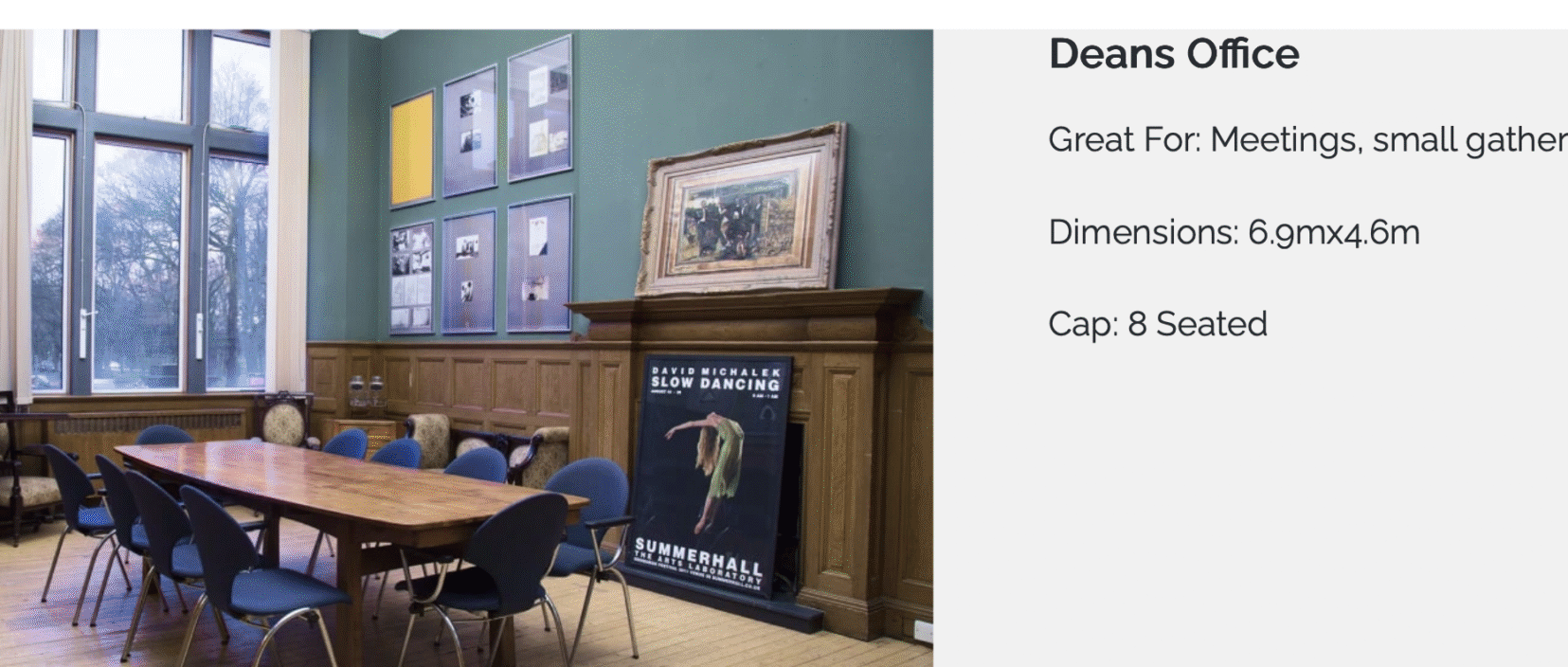
It is suitable to be held in the Deans Office in Summerhall.
link: Summerhall's Space hire
Using the social logic in Helmsdale mentioned by Kirsteen for reference, the curator’s subjectivity can be generated on the spot in the dialogue through knowledge exchange in the informal space.
link: Timespan - Helmsdale
By prioritizing public programmes, I aimed to practice what Stefan Grammel describes as an ‘open’ curatorial form that does not ‘attempt to establish a definitive, closed-off, master narrative’. This approach acknowledges that the audience’s experience is ‘generated on the spot’ and is a product of the specific social situation rather than a pre-determined outcome. These projects not only expand the boundaries of the exhibition but also transform the ‘mythic animal’ from a mere visual encounter into a site of deep social connection, where meaning is co-produced through the active participation of diverse publics.”
Bibliography
MIMA. “MIMA Art.” Accessed March 31, 2026. https://mima.art.
REF Impact Case Studies. “Rethinking Curatorial Practice and the Role of Museums through Art in Action.” Accessed March 31, 2026. https://results2021.ref.ac.uk/impact/b92d123f-db16-4955-bee1-b923a45e7f71?page=1.
Timespan. “Helmsdale / Social Practice Context.” Accessed March 31, 2026. https://timespan.org.uk.
Stefan Grammel. “A Series of Acts and Spaces.” In Institution as Medium. Curating as Institutional Critique? Part 1, edited by Dorothee Richter and Rein Wolfs, 33–38. On Curating 8 (2011). https://drive.google.com/drive/folders/1QlprJ8Zu7SGn9TJex3Y4uJQ6z8Aq-YUA.
Eryao. Wishing Your Child Becomes a Dragon. 2024. https://youtu.be/MxdBKNgKI3s.



Hi Luosijie, good to see you are posting, make sure you do so for all 13 weeks. Across your posts, check for correct language/terms by looking at how they used in context, in Week 7 for example, you have ‘Understanding enforceability from cases’, do you mean logistics, or feasibility? Enforceability is not the right term. In Week 8 you refer to ‘generation mechanism’ it is not clear what you mean, where have you seen such a term being used as a method/approach? I think you likely haven’t and need another term.
It is good in Week 7 to see you reference an exhibition, but give all the key info needed ‘Disappearance at Sea” of the Baltic Center for Contemporary Art’ when, curated by who? Key artists that demonstrate your point about mixed career stages?
Statements need depth of evidence. Same in Week 9 ‘the exhibition of Talbot Rice Gallery’ which one, curated by who etc.?
You spend most of the post in Week 7 talking about whether not to curate ‘famous artists’ but miss the key question/concern to discuss: the fact that emerging curators feed the curatorial field. Go back to Week 2 to look at discussion of this in comparative texts, from there it has been a thread that has been developed throughout the course. It is crucial to demonstrate that you understand the relationship between practical and conceptual concerns is thoroughly entwined in curating. This is relevant to Week 10, which is largely descriptive, but also needs tp critically address the challenges of visibility and agency emerging curators (or event visual arts) face: https://artmeetsculture.substack.com/p/the-curators-shaping-contemporary
https://callforcurators.com/blog/a-curators-digital-toolkit-strategies-for-visibility-and-engagement/
When in Week 8 you introduce Song Weiran, give context of who they are so you ‘tell the story’ to your readers. You discuss power but need to give research references to support this, eg agency/power featured in discussion of ethics, it came up in archives week in terms of how histories are made, in featured in relation to ‘publics and public programmes’, it features in many texts on curatorial agency from the course reading list. Or add independent research references, ideally both. In Week 9 you mention Kiki Smith, again, who are they? Quote from their artist website. You are looking to tell the story of their work and its fit with your ideas. Week 9 needs research references on exhibition design and the features you mention
(and ideally exhibition practices) eg https://www.on-curating.org/issue-55-reader/transdisciplinary-curation-in-the-performing-arts.html
Does your Blog as a whole weave together to form a portfolio, that develops threads and lines of enquiries, narratives/themes, from across your practice and research across the course and which adds new relevant content each week on the SICP and Collective? How are you consistently demonstrating you are engaging with course content from different weeks, and synthesising/connecting it to form new applications and insights?