Beyond the exhibition: from archives to publication
Continuing the idea of “curation is translation” in Week 1 and the generation of “public” in Week 11, this week I began to reinterpret “archives” as an integral part of the exhibition structure, rather than an after-the-fact record. In space, using display cases to present text fragments, mythological documents, sketches, and image fragments in the research process is not simply to “supplement information” but to transform the curatorial process itself into visible content. The audience can not only face the finished works, but also see how the works are constructed and rewritten in different theoretical and cultural contexts.
link: Week 1 | Translation of traditional media

link: Week 11 | Reflection on curation: the construction from “audience” to “public”
More importantly, this kind of file display has changed the audience’s viewing path: they no longer just enter from the “finished work” but can stay in the “generation process”. This structure makes the exhibition shift from a single narrative to the superposition of multiple times, including both the historical time of myth, the process time of making works, and the audience’s current viewing time.
link: About the Exhibition History project. MOMA
If exhibitions are the spatial organisation of works, then publications are another “exhibition form” of ideas. They are not affiliated but parallel structures.
Publishing as a Curator: From Space to Circulation
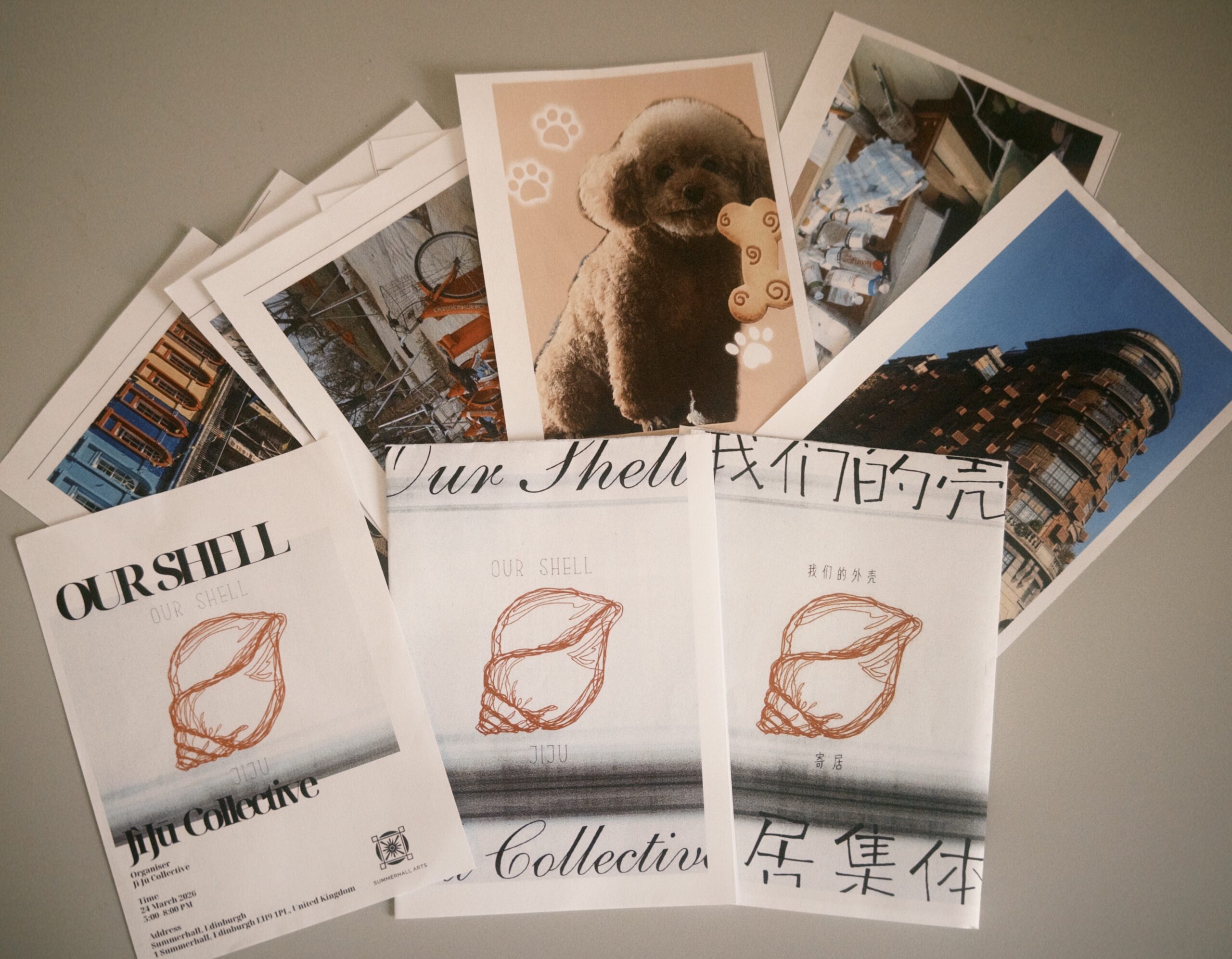
When archives are converted into booklets, postcards or printed materials, exhibitions begin to “overflow” from space. These materials are not only souvenirs but also a kind of “portable exhibition”, so that the audience can continue to touch the narrative and concepts after leaving the exhibition.
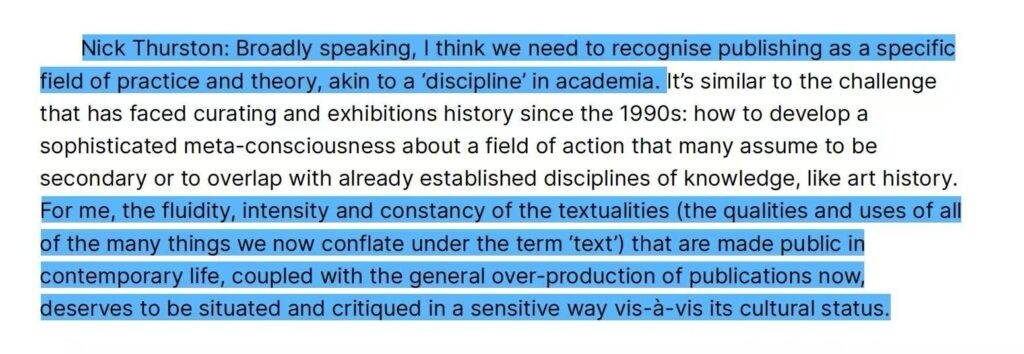
This transformation means that curation is no longer limited to one-off space events but becomes a continuous circulation process. As discussed by Louise O’Hare in relation to Nick Thurston, publishing is not simply a tool for explanation but a form of practice that actively produces and structures knowledge. Through publication, the structure, image logic, and cultural discussion of mythical animals in the exhibition have been re-coded and entered a new viewing situation.
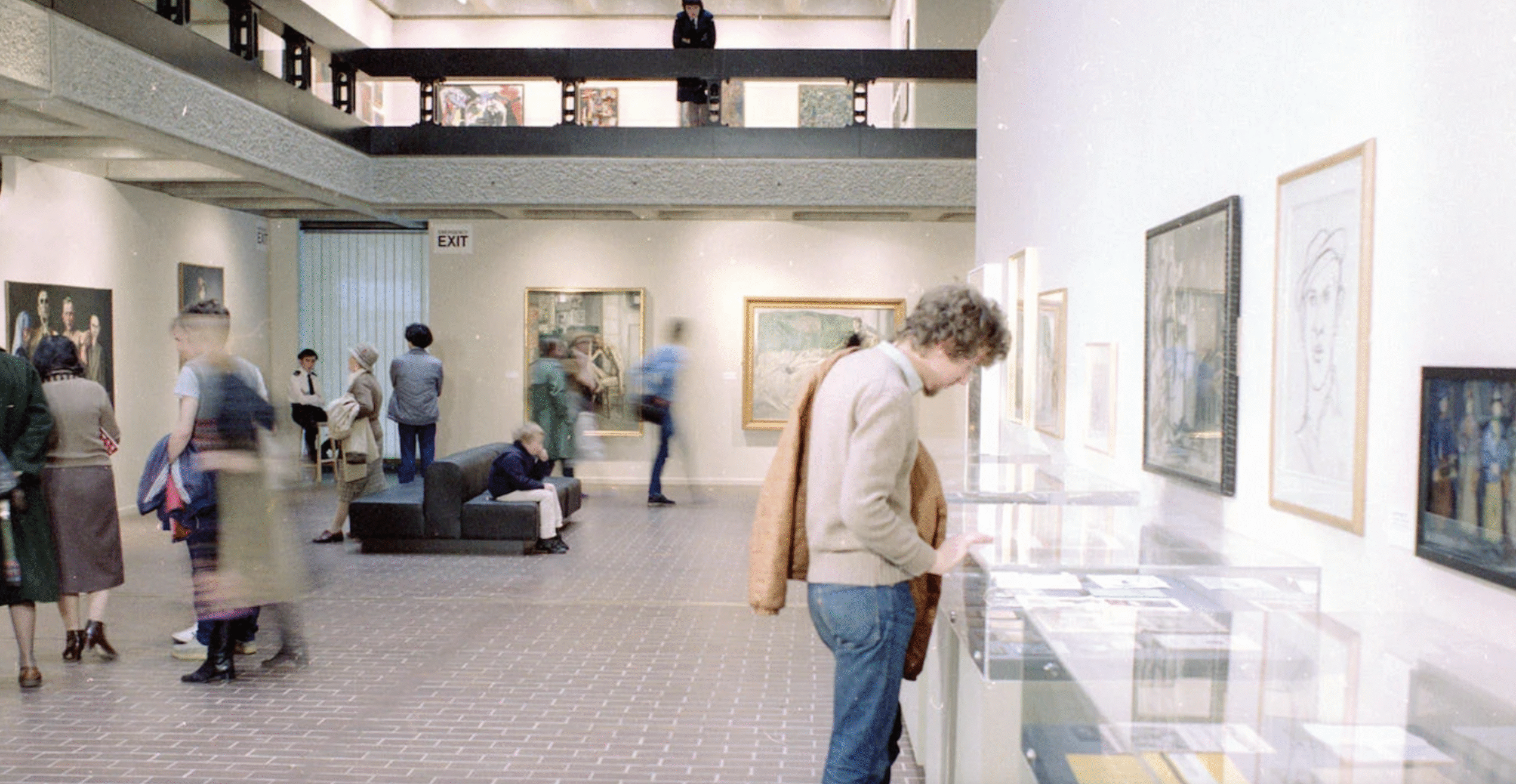
For example, the archival practice of the Barbican Art Gallery Archive shows how exhibition history is constantly re-read and reorganised through literature. This kind of “reproduction” makes the exhibition no longer closed but a resource that can be constantly called.
link: Barbican Art Gallery Archive
Therefore, I began to understand the current project as a dual structure: on the one hand, it exists in the space of Summerhall; on the other hand, it also enters a wider cultural circulation through publications, texts, and images.
Bibliography
MoMA Archives. “About the Exhibition History Project.” Museum of Modern Art. Accessed April 2026. https://www.moma.org/research/archives/about-exhibition-history-project.
O’Hare, Louise. “Artists at Work: Nick Thurston.” Afterall, August 2012.
Barbican Art Gallery Archive. “Archive Resources and Exhibition History.” Accessed April 2026. https://www.barbican.org.uk/artgallery/archive.