The traditional turn in contemporary art
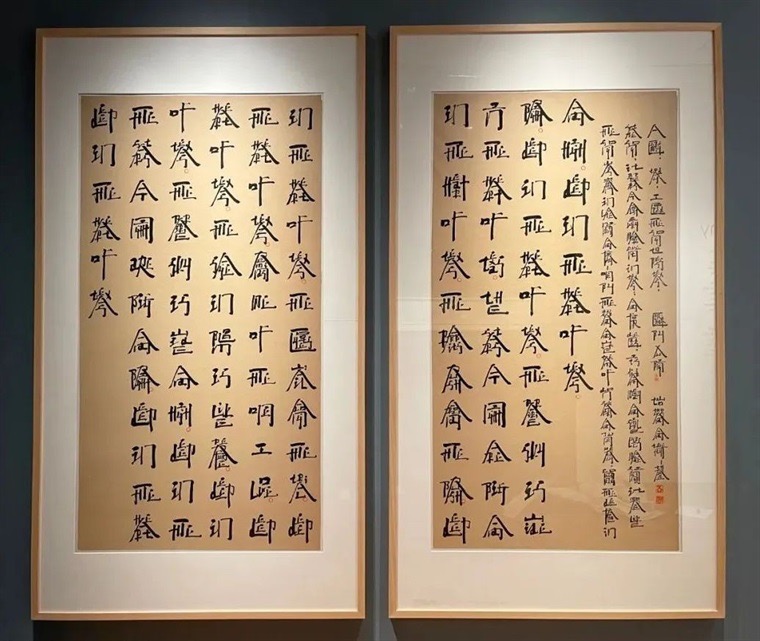
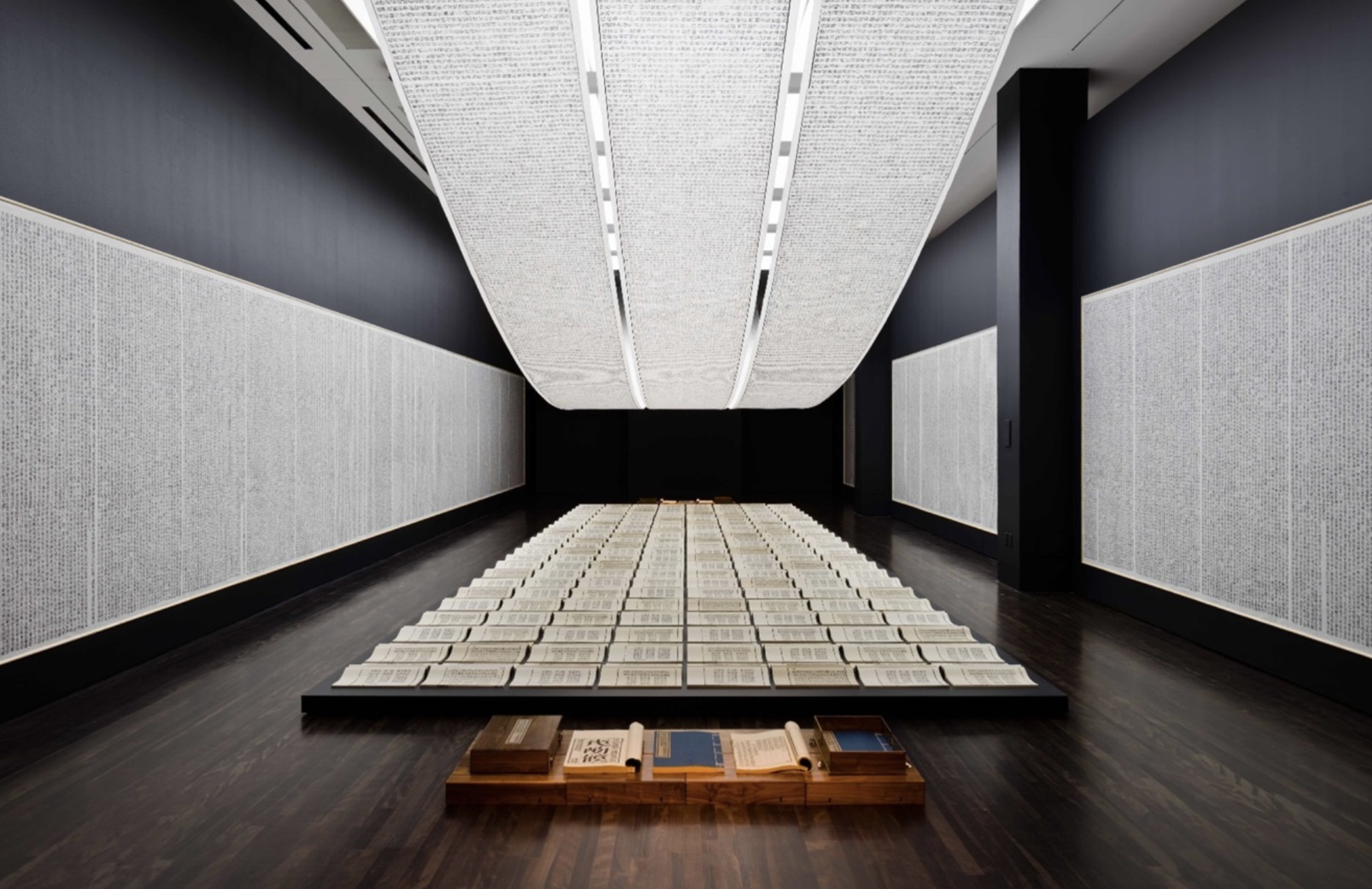
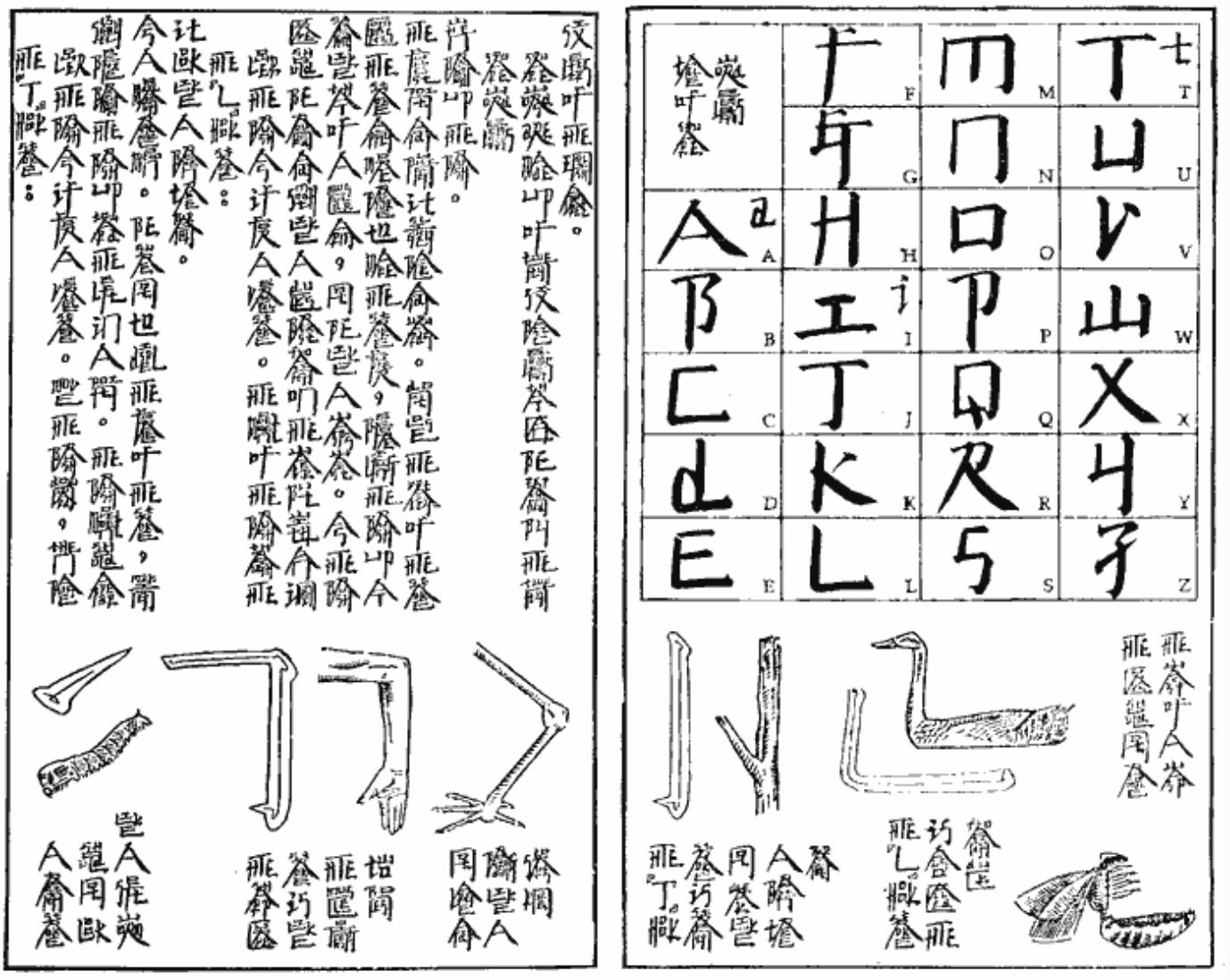
In the context of contemporary art, “tradition” is no longer just an object to be preserved or inherited but gradually becomes a resource that can be reactivated and translated. More and more artists are no longer satisfied with the continuation of tradition but actively put it into the contemporary context and generate new visual and conceptual expressions through reconstruction, misappropriation, and reinterpretation. For example, Xu Bing’s works reconstruct the strokes of Chinese characters in China, showing “pseudo-Chinese characters” that cannot be recognised and read, and borrow the most traditional language structure to reveal the uncertainty of language and cultural authority.
link: Square Word Calligraphy: Deep in the Heart of Texas, right panel Material: Ink on Xuan paper
link: Book from the Sky, Xu Bing
This kind of practice shows that “tradition” is not only a formal resource but also an important thinking object in contemporary art.
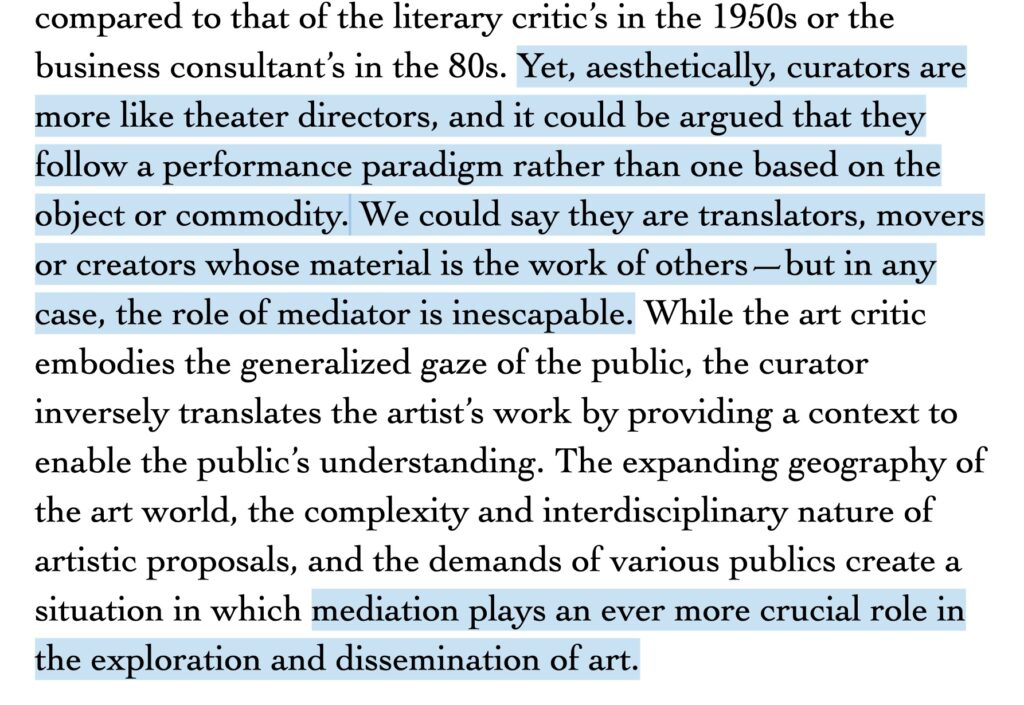
However, I began to think, in the process of transforming the innovative tradition into the contemporary, what role does the curator play besides the artist and his works? Carolee Thea pointed out in On Curing: Interviews with Ten International Curators that the curator is not a neutral organiser but a mediator between the works, artists, and the public. One of the important significances of curation is to transform the meaning of the work by providing context so that the audience can understand the path to enter the work. For me, this “transformation” is also a kind of “translation”: it does not change the work itself but transforms the originally closed artistic experience into a cultural experience that the contemporary public can understand through space, narrative, and viewing methods.
Let traditional media enter contemporary perception
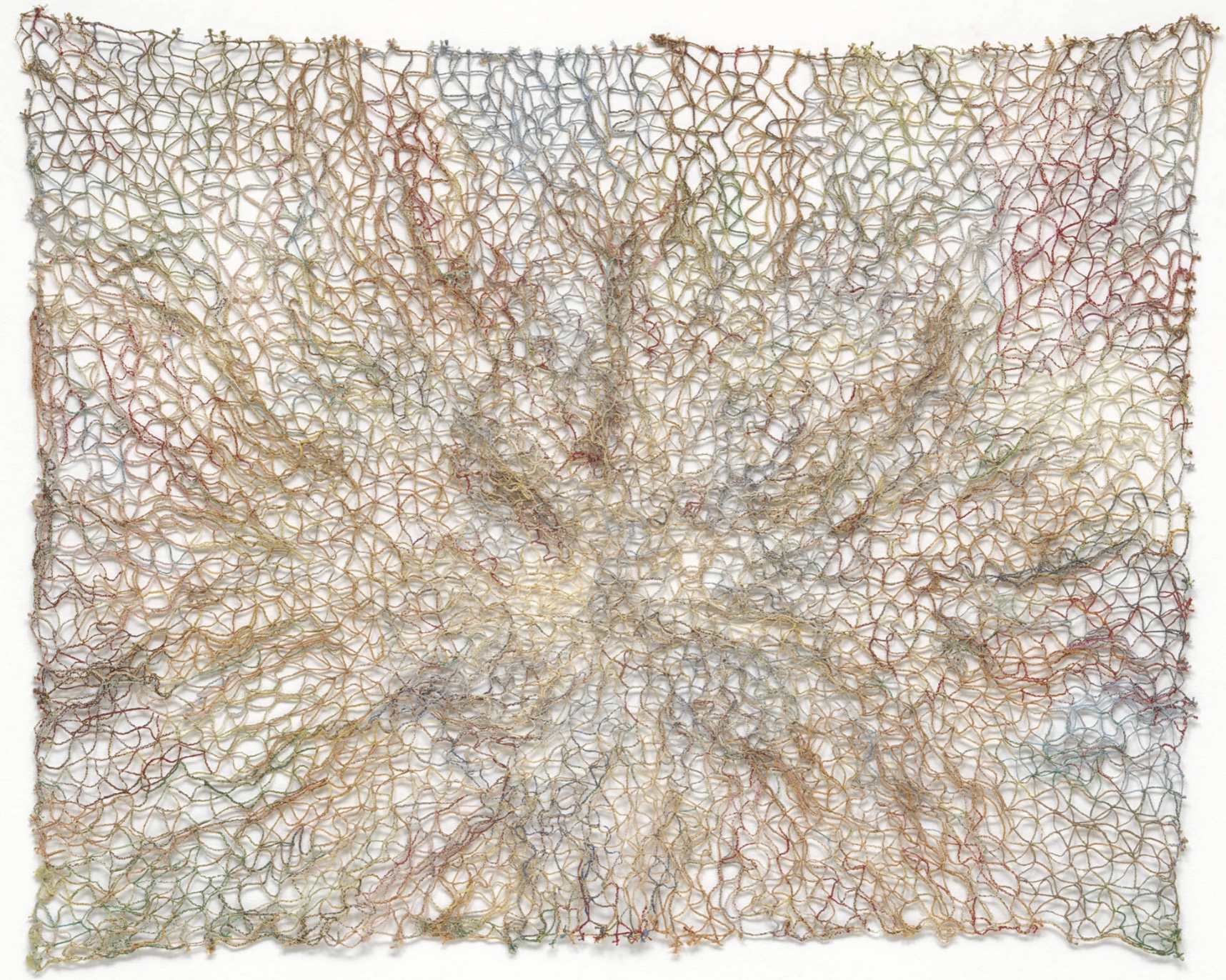
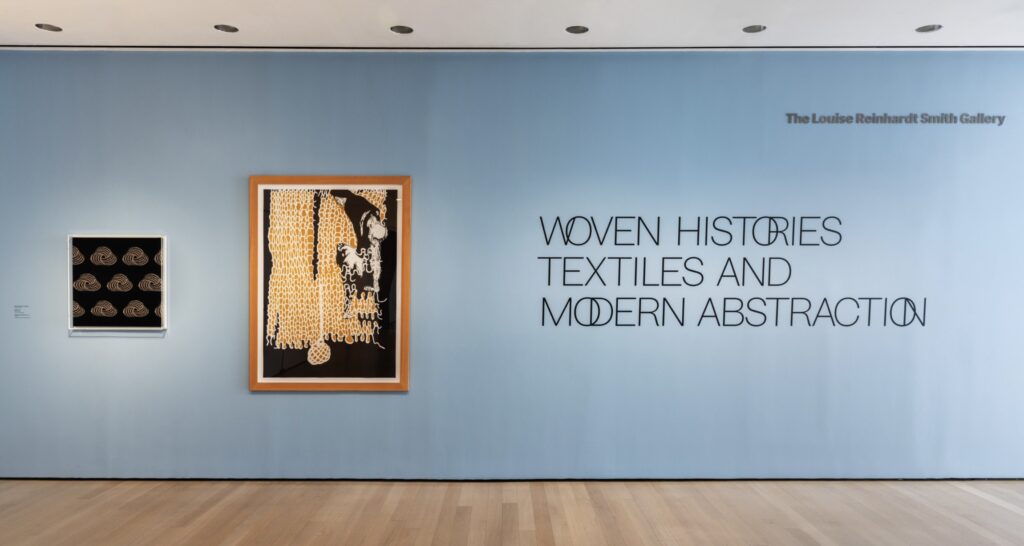
MoMA’s Woven History: Textiles and Modern Abstract does not show textile simplicity as an accessory craft but puts it into the history of modernism and abstract art to re-understand, emphasising how textiles connect the body, daily life, and visual structure. Such a curatorial way breaks through the habit of viewing textiles as a “traditional skill” or a “static sample” and transforms it into a contemporary medium that spans art, design, and social history.
link: MoMA’s Woven History: Textiles and Modern Abstract
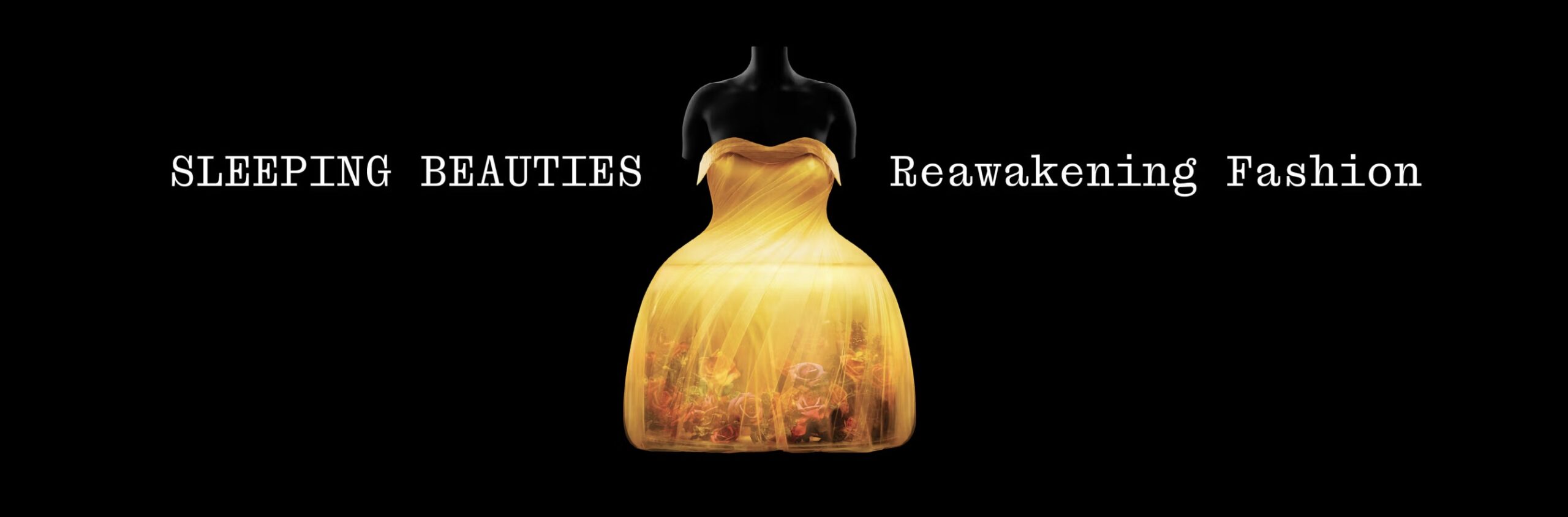
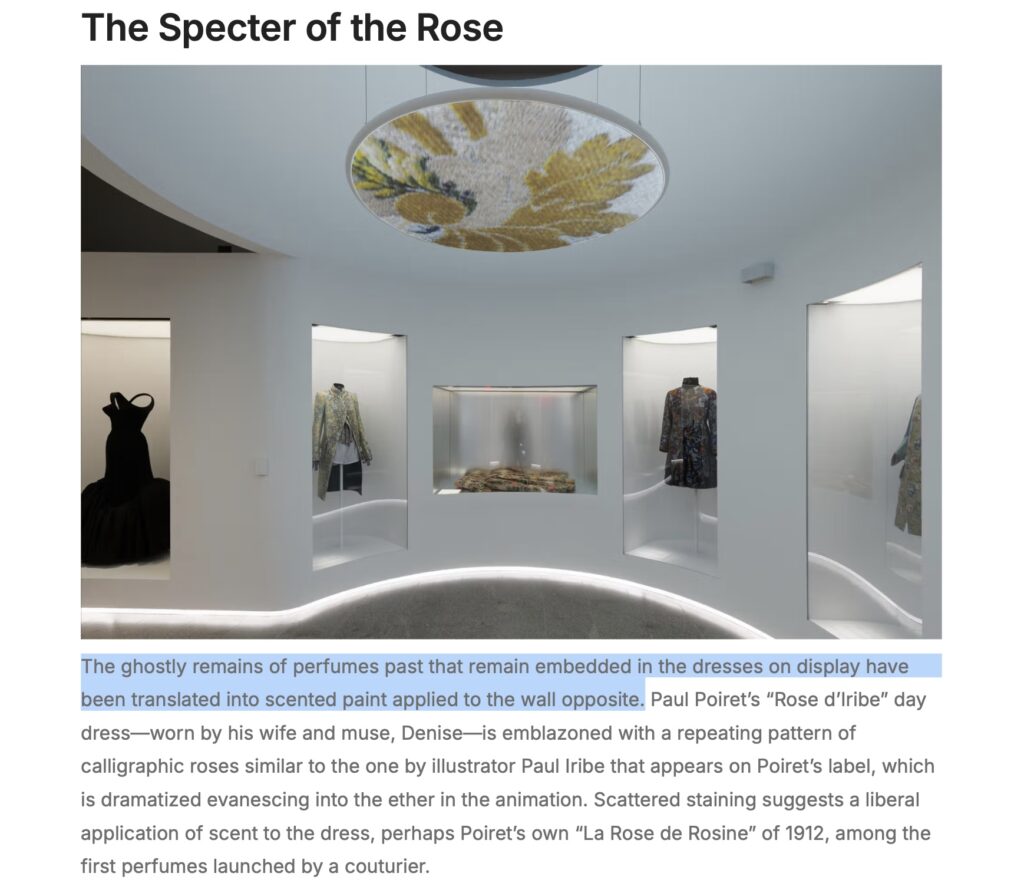
Sleeping Beauties: Awakening Fashion of the Metropolitan Museum of New York puts historical costumes in an immersive environment through images, sounds, smells, and space so that the audience can not only “see” the costumes but also enter their media, fragility, and historical life through a multi-sensory experience. Therefore, traditional costumes are no longer just preserved objects but are reorganised into an experiential event.
Judging from these cases, the so-called “translation” does not package the “traditional media” into a more fashionable form but reappears in the experience that was not easily perceived through the curatorial context. Based on this, my research will continue to focus on “the connection between tradition and contemporary”.
link: Sleeping Beauties: Awakening Fashion of the Metropolitan Museum of New York
Bibliography
Xu Bing. “Square Word Calligraphy: Deep in the Heart of Texas.” Accessed April 1, 2026. https://www.xubing.com/en/work/details/743.
Xu, Bing. Book from the Sky. 1987–1991.
UCCA Center for Contemporary Art. “Xu Bing Exhibition Audio Guide.” Accessed April 1, 2026. https://ucca.org.cn/exhibition/xu-bing/audios/.
Thea, Carolee Thea. On Curating: Interviews with Ten International Curators. New York: D.A.P./Distributed Art Publishers, 2009.
Museum of Modern Art. “Woven Histories: Textiles and Modern Abstraction.” Accessed April 1, 2026. https://www.moma.org/calendar/exhibitions/5733.
Metropolitan Museum of Art. “Sleeping Beauties: Reawakening Fashion.” Accessed April 1, 2026. https://www.metmuseum.org/exhibitions/sleeping-beauties-reawakening-fashion.