The Choice Logic of Returning to the Core Characteristics of Works
In the previous research, the project hopes to use Ai Weiwei’s “The Animal Head of the Twelve Zodiacs” as an important reference.
However, for the student curatorial project with a budget of about 10,000 pounds, the cost of transportation, insurance, installation, and loan exhibition coordination is too high, so it is difficult to enter the actual implementation stage. At first, I thought about whether I could replace the original work with related videos, but now it seems that this approach only solves the budget problem and does not really solve the decision-making exhibition problem. If what I really value is how it builds a sense of power through volume, materials, and visual symbols, then these core characteristics will be weakened after being simply transformed into images.
Understanding feasibility from cases
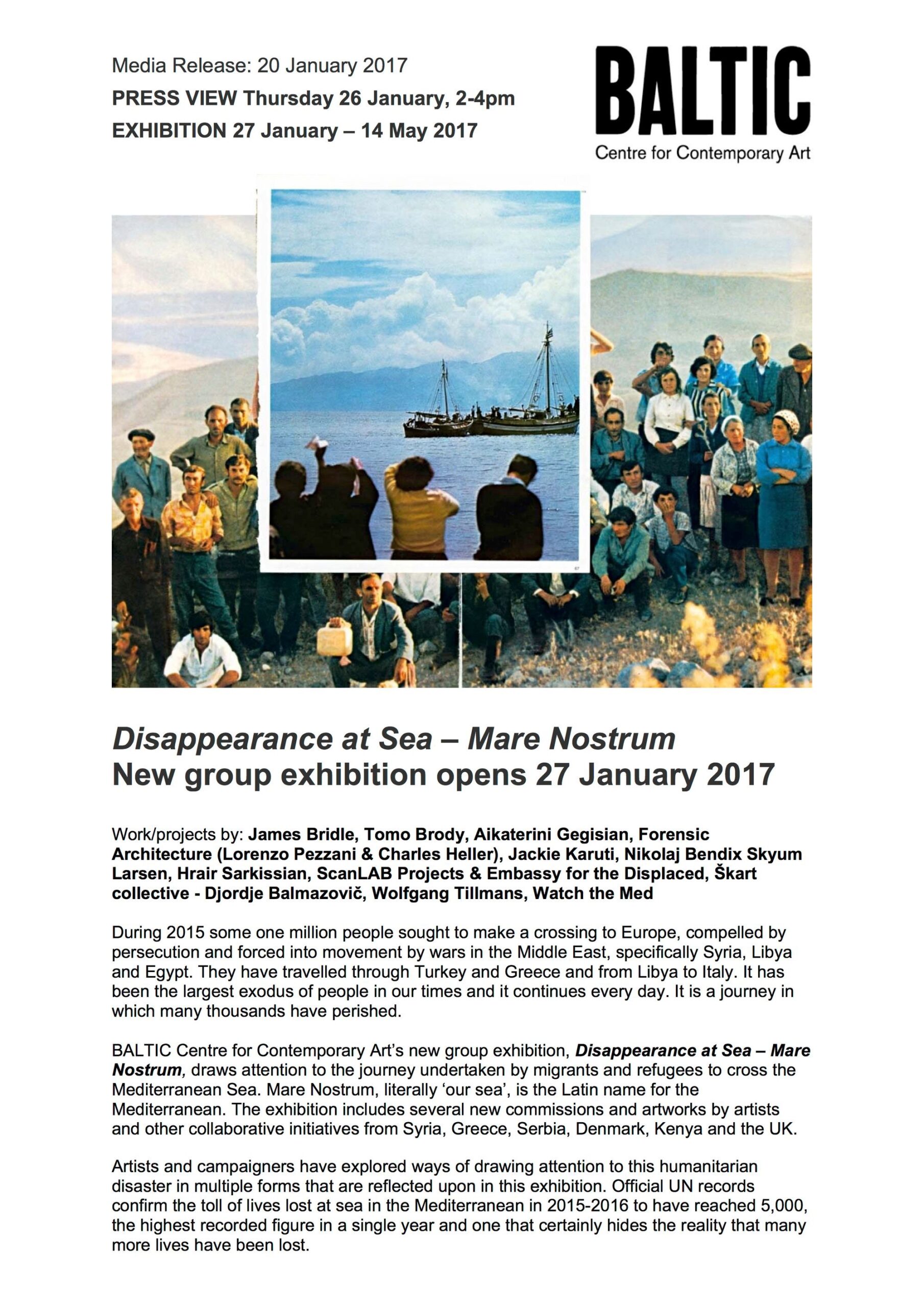
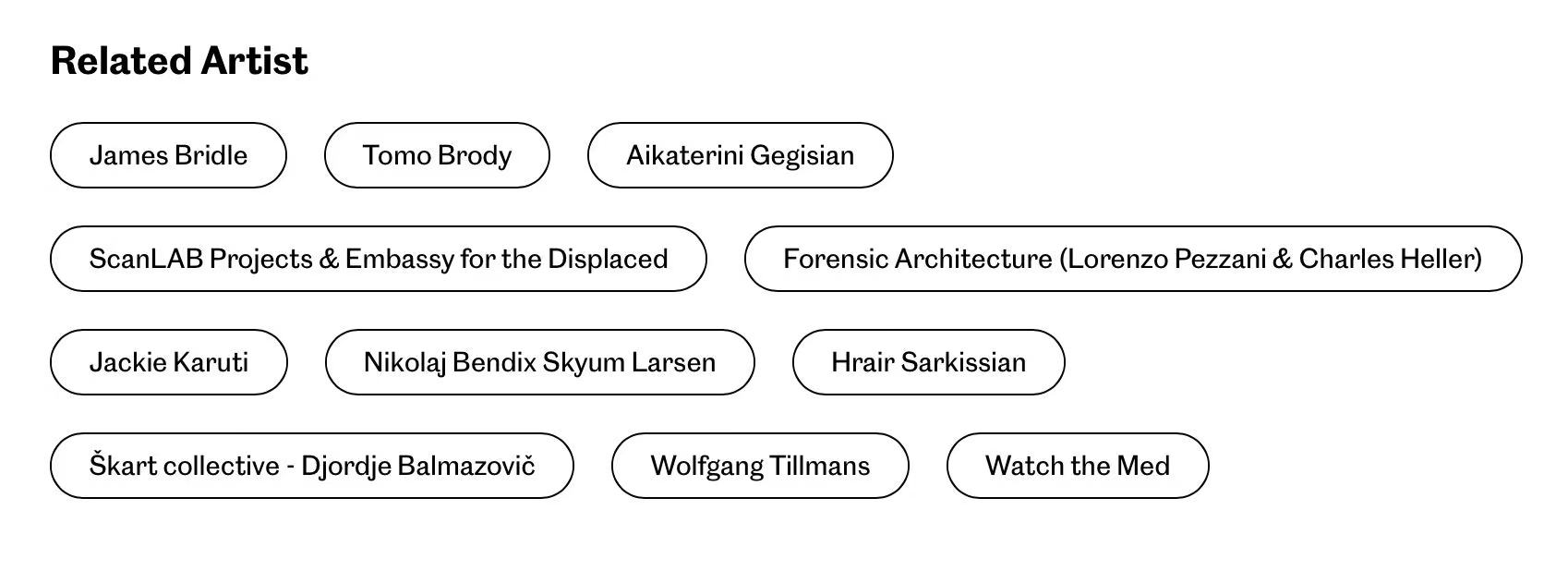 The exhibition “Disappearance at Sea” of the Baltic Center for Contemporary Art focuses on the dangerous journey of refugees and immigrants across the Mediterranean and discusses issues such as death at sea, displacement, and border politics. It does not rely on a super-famous work to support the theme but establishes the topic and emotional structure through many artists and different media.
link: Disappearance at Sea
This case made me realise that the depth of an exhibition does not necessarily come from “big-name works”. Sometimes the works of emerging artists are more direct in emotional expression and easier to form the audience’s empathy with.
This is also reflected in the work of Hannah Nashman, whose curatorial practice focuses on supporting emerging artists and creating platforms for artistic dialogue across institutions and independent projects. Through exhibitions, residencies, and public programmes, she demonstrates how curators can actively contribute to the visibility and development of new artistic voices.
link: The Curators Shaping Contemporary Art: Six Visionaries You Need to Know
This shift has changed my understanding of artist selection. Previously, I prioritised well-known artists, but I now recognise that a more effective approach is to extract the core characteristics of their practices—such as political engagement, dramatic expression, or social empathy. Realising these through works by emerging artists with feasible budgets. In this way, Ai Weiwei can remain as an academic reference within wall texts and research contexts, rather than being physically included. More importantly, this process highlights my role as an emerging curator. By choosing which artists to present, I am not only responding to practical constraints but also contributing to a curatorial ecosystem that supports and circulates new artistic practices.
Bibliography
Baltic Centre for Contemporary Art. “Disappearance at Sea: Mare Nostrum.” Accessed April 1, 2026. https://archive.baltic.art/exhibition/disappearance-at-sea–mare-nostrum-ex233.
Ai Weiwei. Circle of Animals / Zodiac Heads. 2010.https://www.seattleartmuseum.org/whats-on/exhibitions/ai-weiwei-circle-of-animals-zodiac-heads