
While reading Aristotle and Aquinas I noticed what appears to be a similarity between the former’s functions and the latter’s inclinations. In Nicomachean Ethics I.7, Aristotle identifies the distinctive human function as an activity of soul in accordance with reason (or not apart from reason), distinguishing human flourishing from merely nutritive and perceptive forms of …
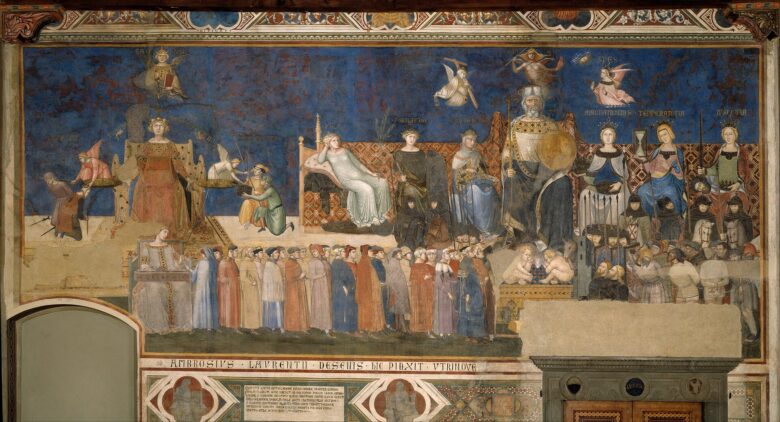
In the opening chapter of Ethica Thomistica, Ralph McInerny presents Aquinas’s view that human actions are moral actions. What this means is that human acts that are conscious, deliberate, and voluntary are the proper objects of moral evaluation. Humans are not responsible – or rather less responsible – for acts lacking these qualities. As with …

In chapter 3 of Whose Justice, Which Rationality, MacIntyre argues that post-Homeric Greek society inherited two different types of goods: Goods of excellence are achieved through the cultivation and exercise of the virtues. They are connected with what it means to excel as a human being and as a citizen. Goods of effectiveness are goods …
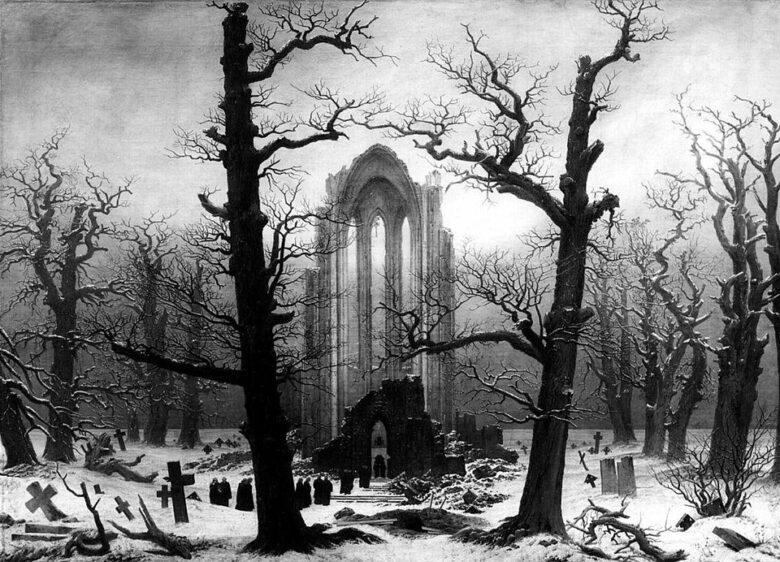
In After Virtue, MacIntyre argues that modern culture has, to a significant extent, abandoned the notion of telos – understood as the human end, purpose, or goal. Once this teleological framework is removed, what remains is a set of inherited moral precepts detached from the context that originally made them intelligible. These precepts persist in …
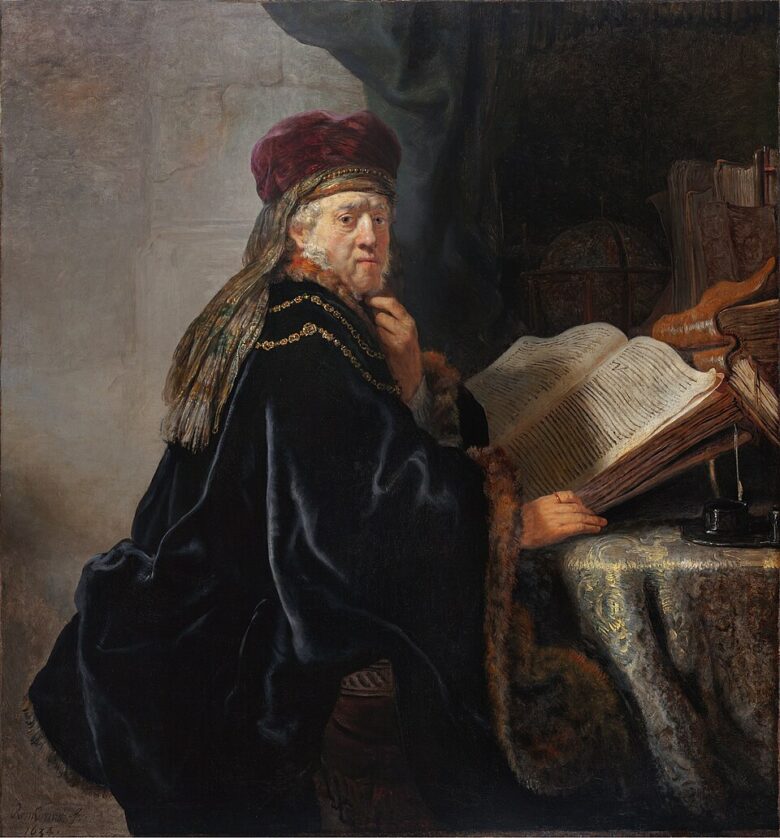
It remains remarkable to me that the ellipted quotation from Bourdieu and Passeron – ‘Academic language is … no one’s mother tongue’ – has taken on the status of a truism within the field of English for Academic Purposes (EAP). Granted it is an elegant and appealing formulation, expressing something many people can readily recognise: …

The Scottish university system differed markedly from the English one. It prioritised broad general education and a strong philosophical foundation: Four-year MA curriculum (usually entered at age 15–16), combining broad study across philosophy, languages, and science with sustained philosophical integration. Specialised or professional study was generally postponed until after this broad foundational education. Entrance and …
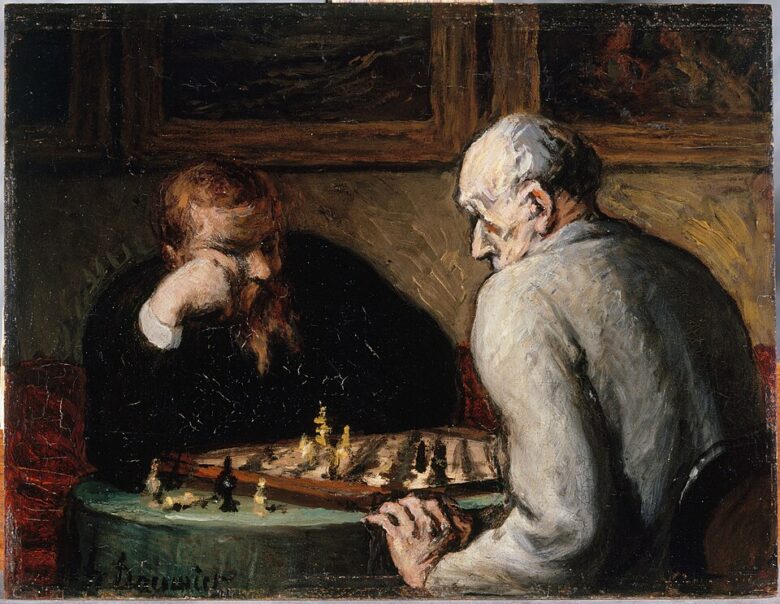
In After Virtue, MacIntyre distinguishes between the internal and external goods of a practice. Internal goods are intrinsic to a specific practice: they can only be achieved by participating in it according to its standards (for example, among the goods of chess are the development of a certain tactical awareness and a particular strategic imagination). …
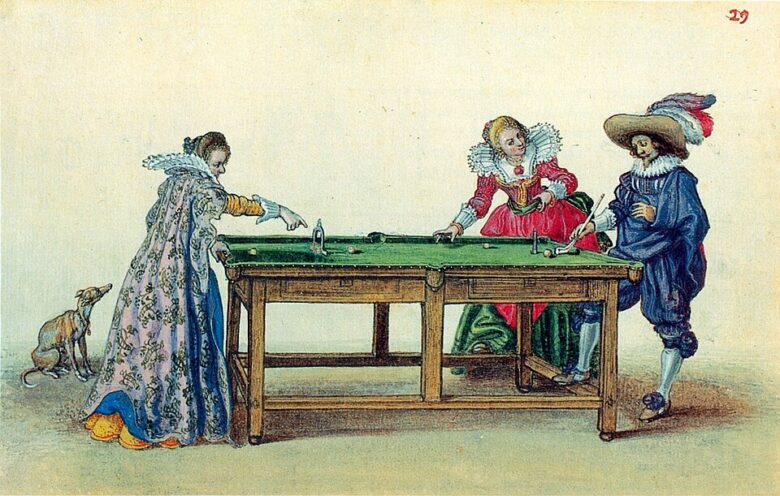
While watching the 2026 World Snooker Championship, I was surprised by how often the word character was used. Commentators repeatedly praised one player or another for showing (good) character in maintaining their form and composure during particularly challenging and stressful situations. The etymology of the word, as outlined in etymonline, is revealing: The …
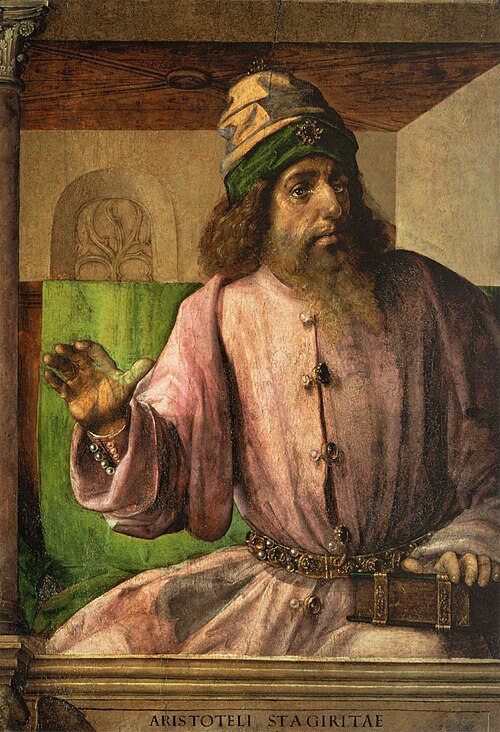
Every so often, an article appears in the national press announcing the death of the university. A recent example in The Telegraph linked the possible demise of universities to the disruptive effects of AI on assessment and coursework. More broadly, the causes usually cited vary: financial instability, student debt, dependence on international recruitment, loss of …

I enjoy reading lists of virtues and was particularly interested to find that Nigel Biggar has recently published a list of virtues for academics, which he terms nine intellectual virtues. These are: temperance respect carefulness patience charity, or generosity humility docility or teachableness thoughtfulness courage Biggar is right to question whether universities can remain ‘eloquent …
