

Category: UNCRC
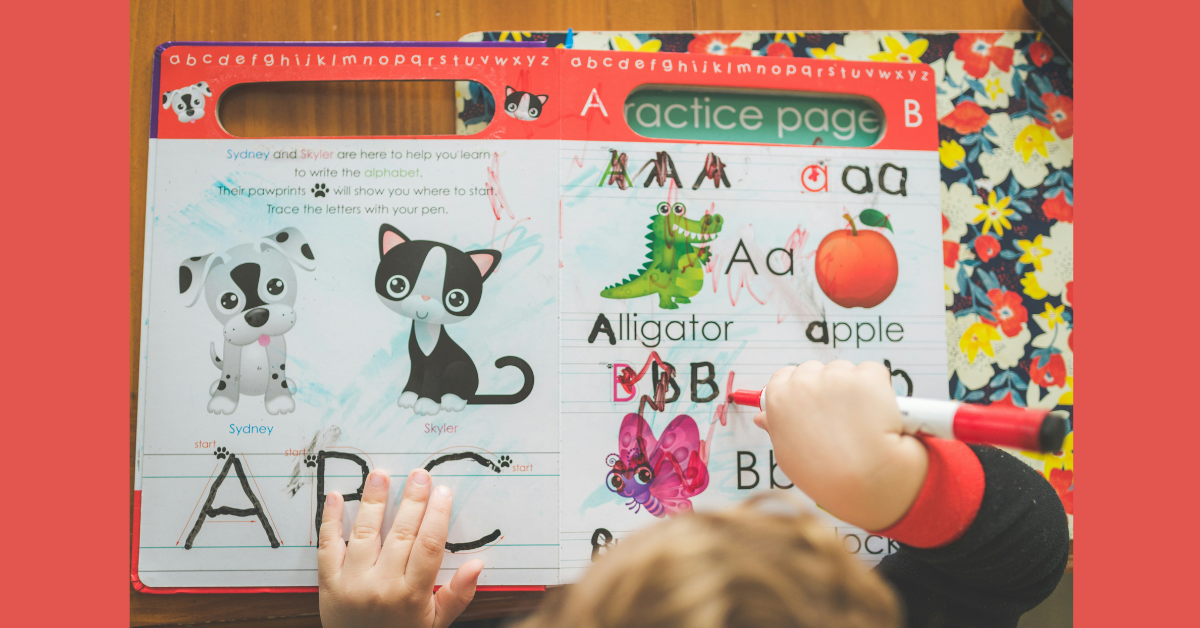
Reading Time: 4 minutesThe number of multilingual classrooms in Scotland is rising. Today, over 58,000 children learn in a language other than English on a daily basis. Scotland’s cultural diversity is reflected in this, but it also presents difficulties, such as how to ensure that every child is respected, seen, and heard in the classroom.
To explore this question, my postgraduate study looked at how Scottish schools are implementing rights-based inclusive education to support students who speak English as an Additional Language (EAL). The study focuses on three main aspects: classroom teaching, sense of belonging, and family engagement.

Reading Time: 4 minutesIn line with the UN Convention on the Rights of the Child, a child is anyone under 18. This study further distinguishes between “children” (12 and under) and “young people” (13–18) to better capture the different social positions, challenges and public perceptions each group faces in public spaces. The research explored how adults in Edinburgh understand the presence and rights of children (12 and under) and young people (13–18) in public spaces such as streets, parks and shopping areas.
Reading Time: 3 minutesIn 2024, Scotland incorporated the United Nations Convention on the Rights of the Child (UNCRC) into law and advanced the New Scots refugee integration policy, showing its commitment to protecting children’s rights and promoting the inclusion of young refugees. However, literature suggests that despite supportive and inclusive policies, the realisation of the rights of young people, including young refugees, remains limited in practice
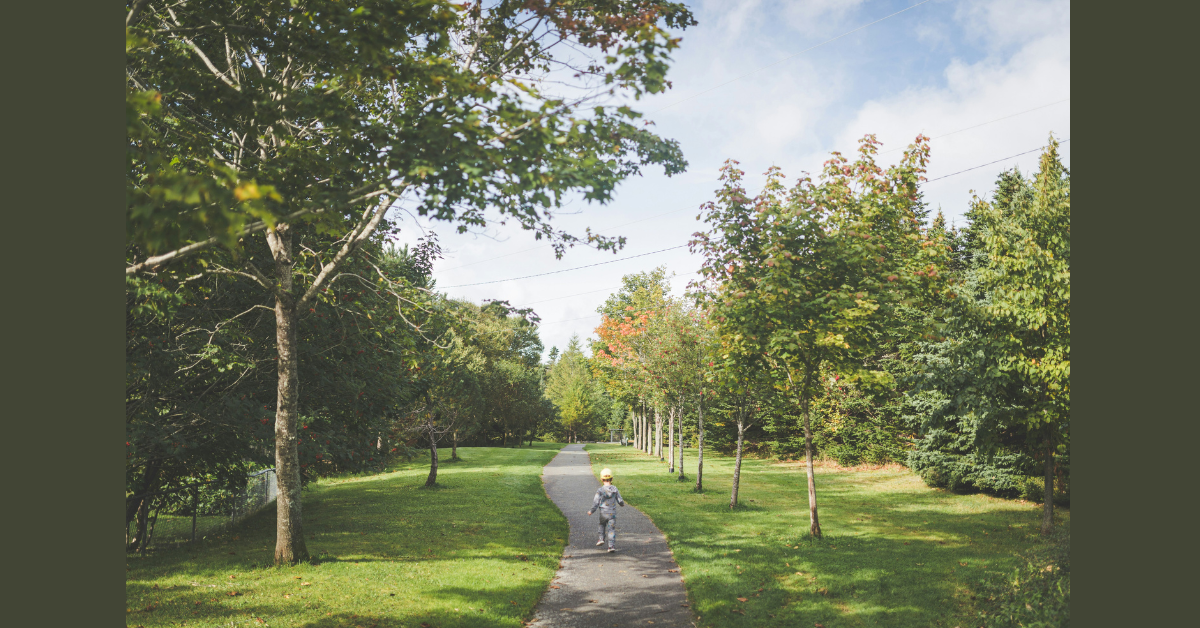
Reading Time: 4 minutesThis project explored how young people in Scotland use and experience what we call “third spaces” — these are public, non-commercial places outside home and school, such as parks, libraries, and youth centres. These spaces often act as a bridge between private and formal life, giving teenagers a chance to relax, meet friends, and feel part of their communities.
Reading Time: 3 minutesChildren’s participation is particularly testing to our adult attitudes, systems and ways of working. This is true in everyday practices – whether in family homes, early year settings and schools, or community spaces – and even more so when addressing power in national policy-making.

Reading Time: 3 minutesChildren are undoubtedly one of the most vulnerable groups in society, often highly reliant on public services and the most likely to suffer from reductions in public spending. It is therefore particularly important to monitor the realisation of children’s human rights through public authorities reporting and carry out impact assessments of the decisions they make.
Reading Time: 4 minutesAll children have human rights. Article 1 of the United Nations Convention on the Rights of the Child (CRC) establishes that, for the purposes of the Convention, “a child means every human being below the age of eighteen years”. The UN Committee on the Rights of the Child states that “The Convention requires that children, including the very youngest children, be respected as persons in their own right” (2005, page 3).
Reading Time: 7 minutesIncorporation of the United Nations Convention on the Rights of the Child (UNCRC) into Scots law represented a pivotal moment in Scotland’s efforts to become a nation where children’s human rights are taken seriously and where there is accountability for them.

Reading Time: 2 minutesFor those of us involved in childhood research, the suffering of children, the taking of children as hostages, the deaths of children– and there are so many children impacted in these and other ways, in Israel and Palestine – is inexcusable.
Reading Time: 3 minutesAuthors: Kay Tisdall, University of Edinburgh; and Patricio Cuevas-Parra, World Vision International. As childhood researchers and policy experts, we come from a children’s human rights perspective with an extensive interest in supporting children and young people’s participation. For years, we have been exploring the implementation of Article 12 of the UN Convention on the Rights […]

Recent comments