Students from the endeavour outreach team turned curiosity into achievement— by supporting local young people to design, build and fly rockets.
Continue reading “From first-time builders to successful rocket launches”

School of Physics and Astronomy
The physics experience
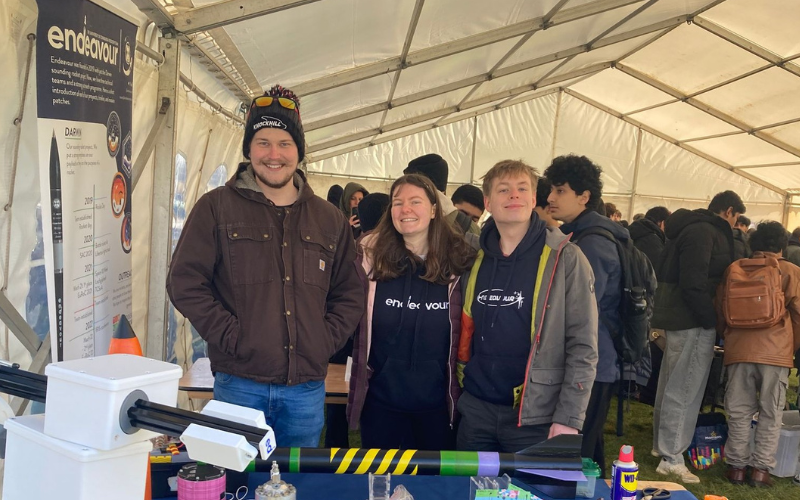
Students from the endeavour outreach team turned curiosity into achievement— by supporting local young people to design, build and fly rockets.
Continue reading “From first-time builders to successful rocket launches”

Physicists work on problems and cases that may directly involve the general public. However, often times, physicists and the public don’t seem to be able to work on the same level. Poetry is one of the most effective methods to bring everyone to the same table—not through lecture, but through dialogue.
By Riveen Kumanayaka
Continue reading “Physicists Can Be Poets Too”
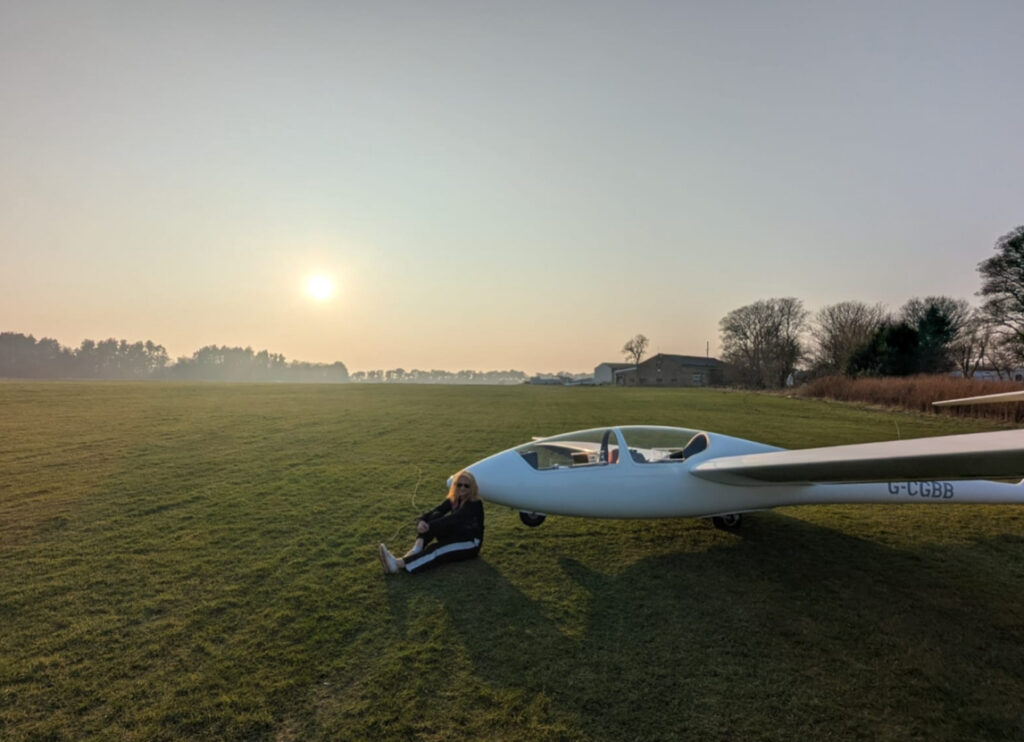
Allison is part of the Edinburgh University Gliding Club. She shares her experience with flying planes without engines as part of her university experience, and explains the physics of the plane designs.
Continue reading “Flying Planes Without Engines?”
