

Cast a spell on the item: Turn Everyday Objects into Art in 5 Minutes
Section 1: Introduction – Art is All Around You ( 2 mins)
Learning Goal: To challenge the preconceptions that art must be a skilled craft and introduce the idea that “concept” is central.
Question: When you hear the word ‘conceptual art’, what’s the first idea that comes to mind?
In my view, Conceptual art is the creation of artworks based on the artist’s perspective. The artist’s ideas form the core of the work.
Background :
Conceptual art emerged in the 1960s, centered on the core belief that the “concept” of art is more significant than the final “object” produced. Inspired by Marcel Duchamp’s “readymade” concept, this movement liberated art from traditional constraints of craftsmanship and aesthetics, transforming it into a primarily intellectual endeavor. It could manifest as an artist’s idea, a selection, or a question—thus vastly expanding the boundaries of what could be considered art.
section 2: Look at this picture
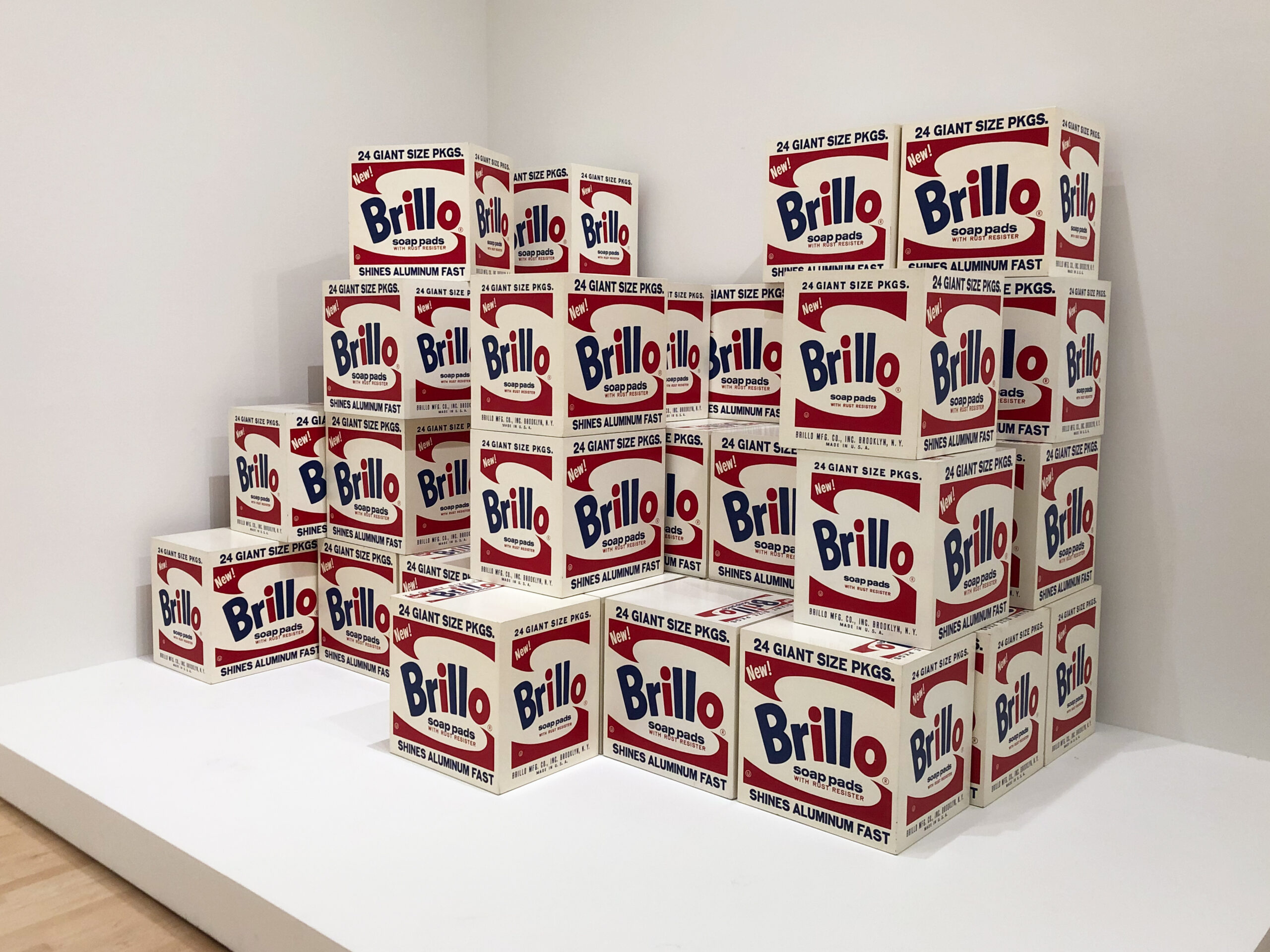
- Look at this picture which is calledAndy Warhol’s Brillo Boxes (1964) . They look identical to the soap pad boxes you’d find in a supermarket, right? The artist, Andy Warhol, didn’t carve or paint these. What he did was choose these ready-made boxes and place them in an art gallery.
- This reveals a central secret of contemporary art: When an everyday object is selected by an artist and placed into a new context—a new setting or idea—it ceases to be ordinary. The new idea and the new scene the artist gives it is the art.
Section 3: The Mission – Your Art Practice ( 10 mins)
Your Mission: Give an Object a New Life
step
Now, it’s your turn. You will play the role of a conceptual artist.
- Selected my object
- Thought of a poetic/interesting new name for it
- Created a scene for it and took a photo
Section 4: Conclusion & Deep Dive ( Time: 5 mins)
In the world of contemporary art, an object’s value is no longer defined by its material or function, but by its social and cultural context and the discussions and meanings it can spark.
Final Thought Box
Think about this: If art can be this, then who is the artist? Is it someone like Duchamp who first had the idea, or is it you, reinterpreting and practicing it in a new era? Where does the authority of art truly lie?
This lesson is over, but your art practice is just beginning. Next time you see an ordinary object, perhaps you’ll look at it with your new “Artist’s Eye.”
- If you want to learn more about conceptual art, you can click here: https://www.tate.org.uk/art/art-terms/c/conceptual-art
- You can share photos and names of your conceptual artworks in the comments section below, allowing more peers to experience the charm of conceptual art.
(https://creativecommons.org/licenses/by-nc-sa/2.0/)