

Sound Practice: Children’s Radio Drama Creation
Synopsis
A practical guide for creation, teaching learners to obtain script texts from the website of the radio drama, and complete the performance of the radio drama by imitating the author’s expression styles and rhythm control.
Introduction
Have you ever wanted to stand in front of the microphone and boldly release your voice? Do you look forward to having a completely original radio drama work of your own in just 20 minutes?
Don’t hesitate!
This Open Toolkit OER will accompany you throughout the process, unlocking every step of the creation of radio drama: from easily obtaining high-quality script texts, to precisely controlling the rhythm of character lines, and then personally recording, and finally generating your own audio files. Every step is clear and easy to understand and practice. Even if you’re picking up a ‘microphone’ for the first time, you can easily get started!
Now, let’s take action together, transforming the inspiration hidden in your hearts into vivid stories that can be heard!
Suitable for the following groups of people
Longing to express one’s own voice
Be able to operate a mobile phone or computer simply
Primary and secondary school students who love art creation
The equipment and conditions to be prepared
A mobile phone or computer with a voice recording function
A good network and a relatively quiet environment
Creative process
Step 1: Choose the radio drama that interests you (3 minutes)
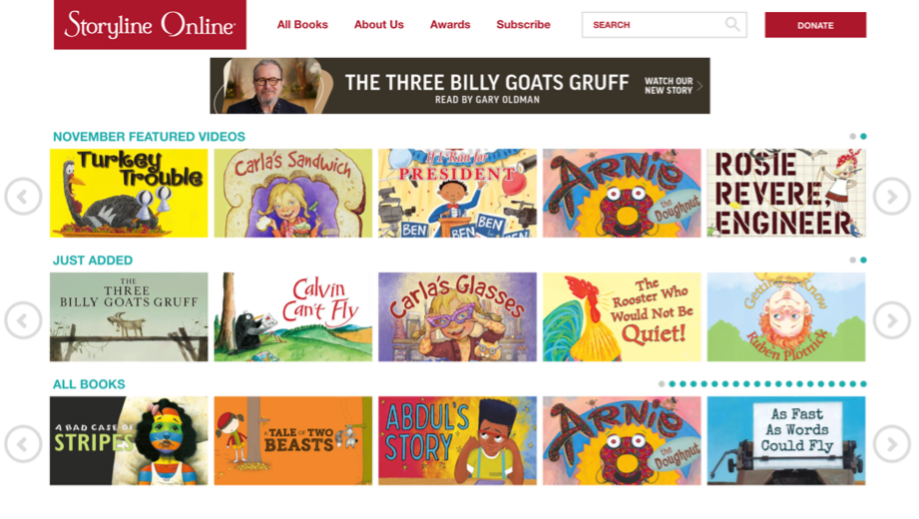
https://storylineonline.net/
Copy this link using your browser and open the StorylineOnline website
⬇️
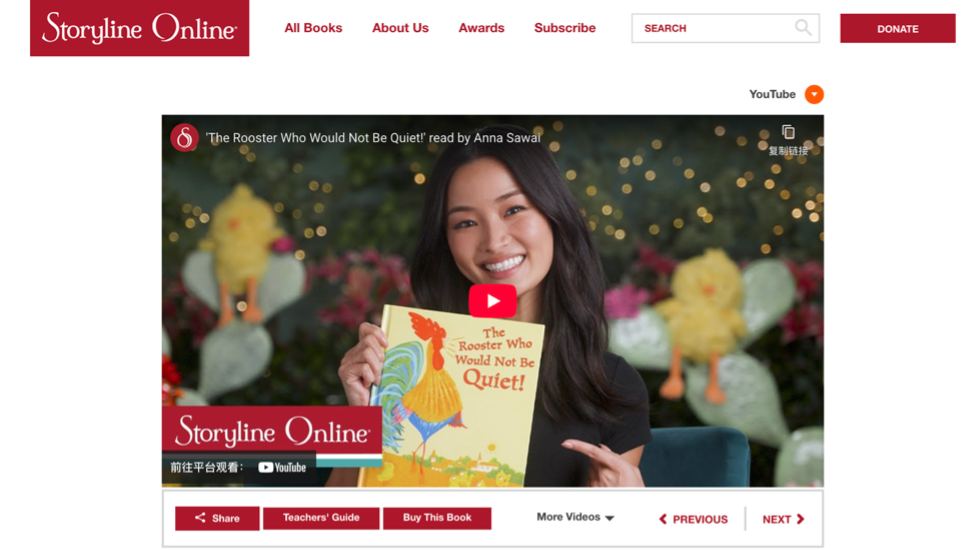
Choose your favourite works by the cover and theme, and you can also play a clip to confirm your choice
Step 2: Obtain the script texts of the radio drama (2 minutes)
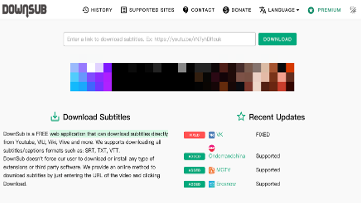
https://downsub.com/
Copy the link to the browser and open the website
⬇️
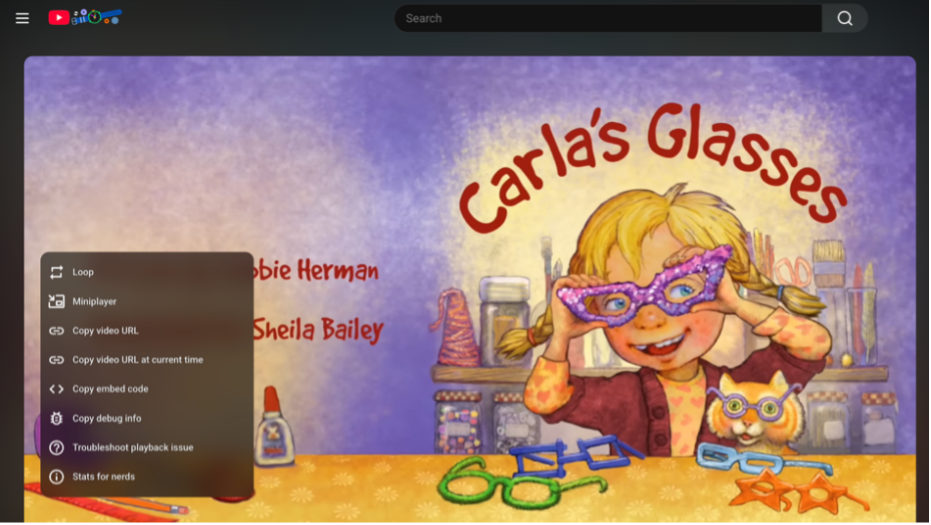
Return to the Storyline Online website and copy the URL of the work that you chose
⬇️
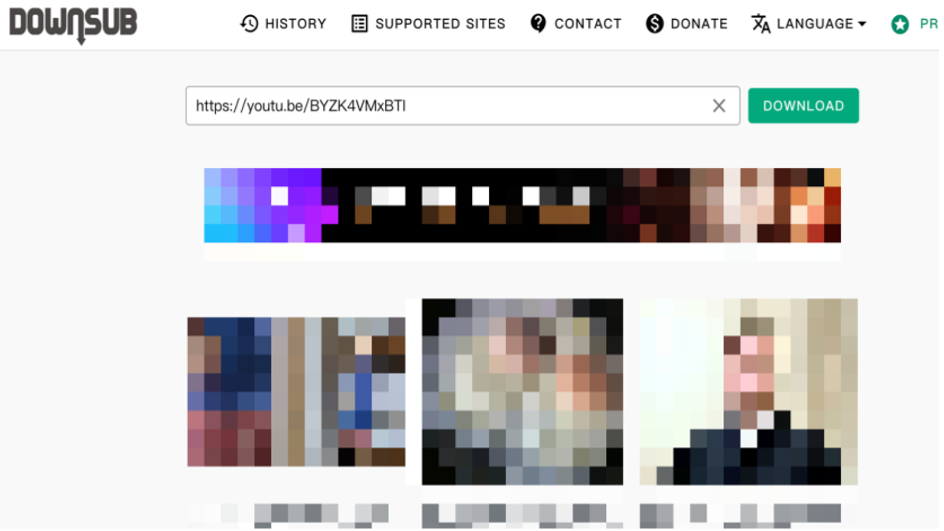
Paste the URL into the search box on the Downsub website and click the ‘DOWNLOAD’ button
⬇️
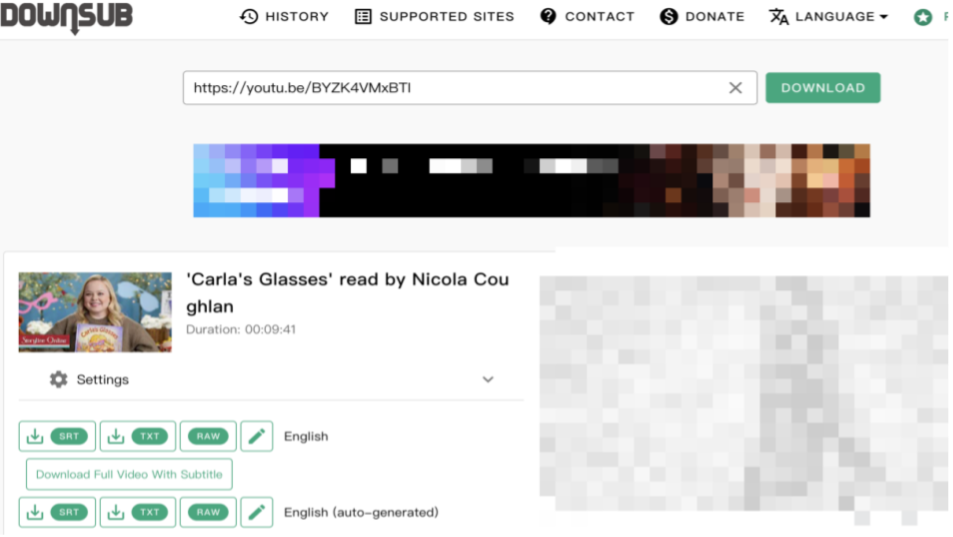
Download subtitles in TXT format
Or, you can directly use the segments I have prepared for you
Directly click on the picture to open the website
1️⃣
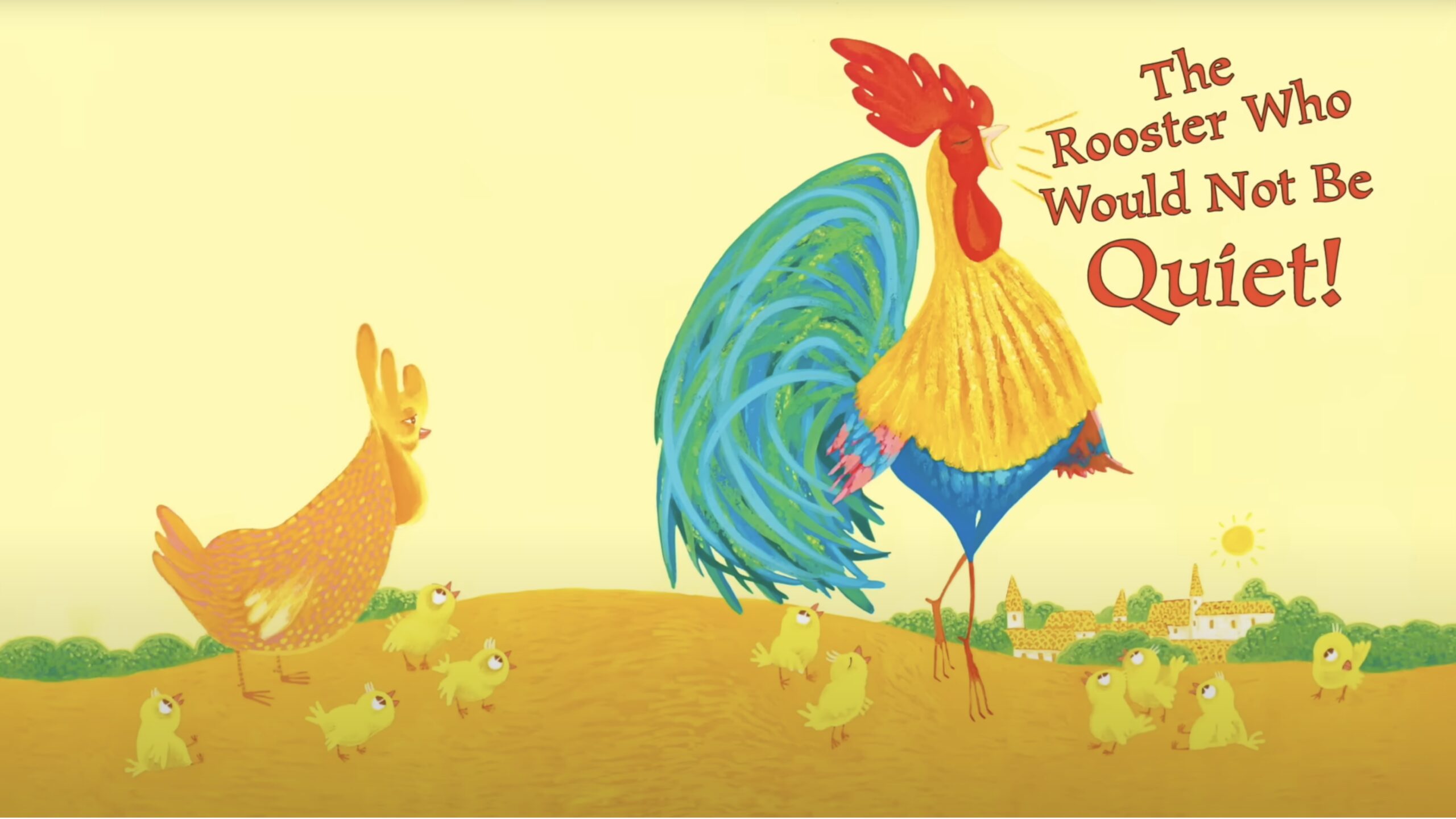
0:25-2:26
Once there was a village where the streets rang with song from morning till night.
Dogs bayed, mothers crooned, engines hummed, fountains warbled, and everybody sang in the shower.
Everyone and everything had a song to sing.
This made the village of La Paz a very noisy place.
It was hard to hear.
It was hard to sleep.
It was hard to think.
And no one knew what to do.
So they fired the mayor.
Now they were a very noisy village without a mayor.
So they held an election.
Vote for Don Pepe.
Only Don Pepe promised peace and quiet.
He won by a landslide.
The next day, a very polite law appeared in the village square:
NO LOUD SINGING IN PUBLIC, POR FAVOR.
Things were getting better already.
But more laws soon followed:
NO LOUD SINGING AT HOME.
NO LOUD SINGING.
NO SINGING.
iBASTA! QUIET, ALREADY!
Until finally . . .
The noisy village of La Paz
was silent as a tomb.
Even the teakettles were afraid to whistle.
Some people left the village — singing loudly.
Others stayed behind and learned to hum.
The rest were just grateful to have a good night’s sleep,
for crying out loud.
2️⃣
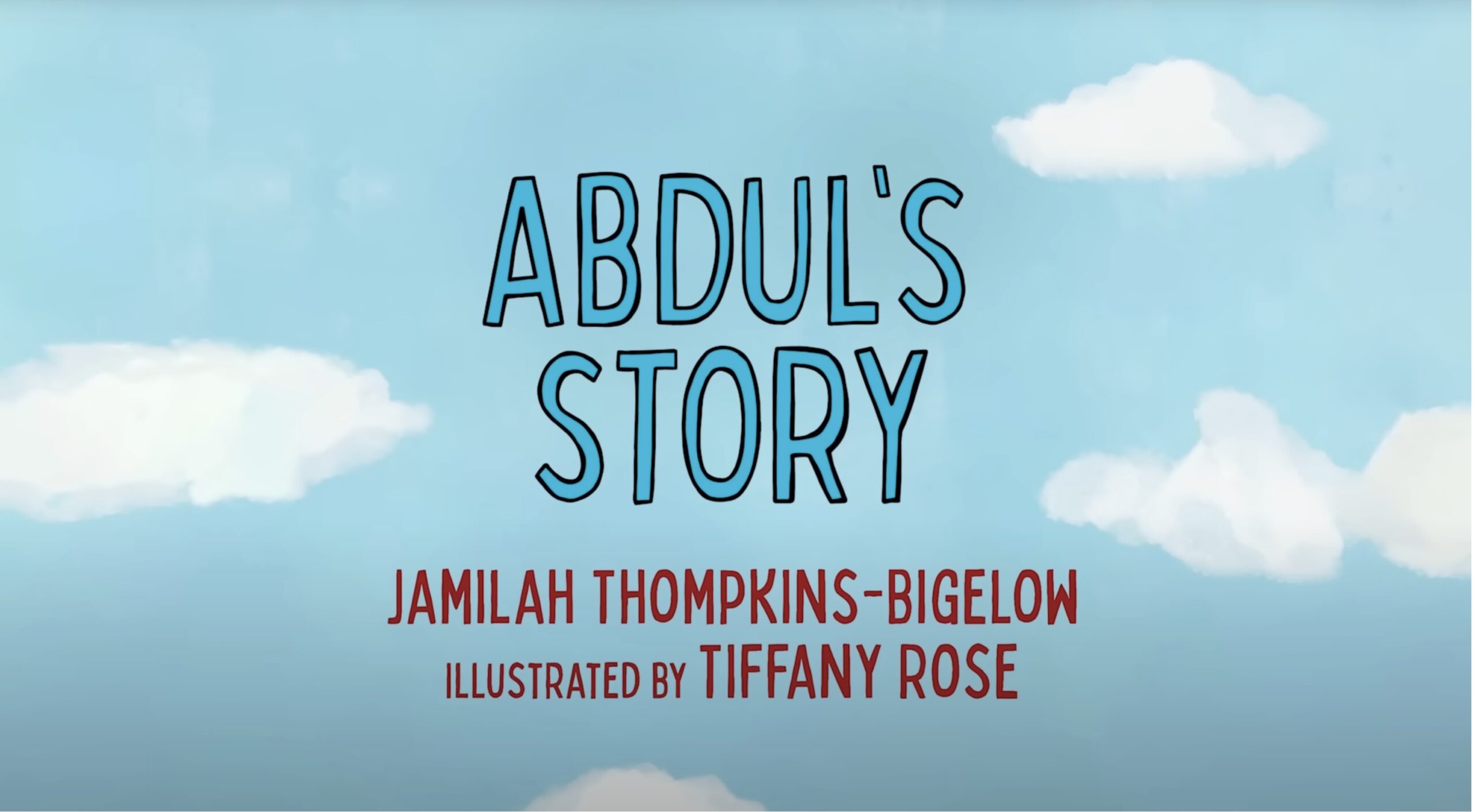
0:22-1:45
Abdul loved to tell stories.
He told one about the high-stepping kids who collected donations in boots.
Another about the teenagers who danced in subway cars.
He had one about the bow-tie-wearing man hawking bean pies on Broad Street
and even one about the woman who sold water ice from her basement on hot summer days.
Writing these stories was hard, though.
Making lowercase b face
the right way was tricky.
P and s, too.
Silent letters were downright sneaky.
How could Abdul know there was
an e if it never made a sound?
Abdul loved straight lines like the ones his barber shaved.
But Abdul’s scribbly, scratchy, scrawly letters never stayed on any line.
During writing period each day, he wrote, then erased his mistakes . . .
wrote then erased . . .
wrote then erased.
His classmates had neat sentences.
Abdul had smudges.
Why write his stories anyway?
The people and places in his schoolbooks
never looked or sounded like the people or places he knew.
Some stories are for books, Abdul decided, but not his.
Step 3: Practice your radio drama (5 minutes)
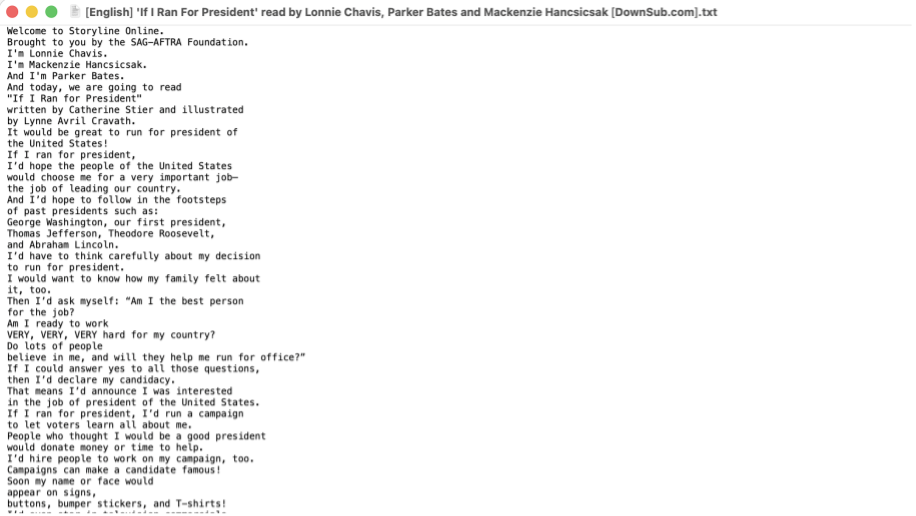
Pick the paragraphs you want to read, no more than two minutes in length, comprising fewer than 300 words
⬇️
Study by referring to the original video. You can watch the video you have chosen once again and listen to the author’s performances. For example, in the text, mark where to pause and where to adjust the volume, etc.
Step 4: Create your radio drama (8 minutes)
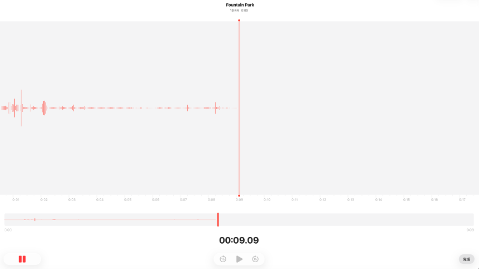
Open the audio recorder software, and record your voice (If conditions permit, you can also wear headphones and record along with the demonstration in the video. It might lead to a better performance in the radio drama.)
Imitation is the simplest way for beginners to learn!
⬇️
Save your own works and post them on Instagram, TikTok or send them to your friends to seek opinions, then get the feedback about your work
Voice is the most vivid medium for storytelling
Every child has a unique talent for expression
Now, pick up the microphone and bring the text to life with your tone, rhythm, and emotions
Create your own radio drama, share it on social media, or team up with your friends to perform
Let more people hear your creativity and voice
Express yourself boldly and create bravely
Your radio drama story deserves to be heard by the whole world
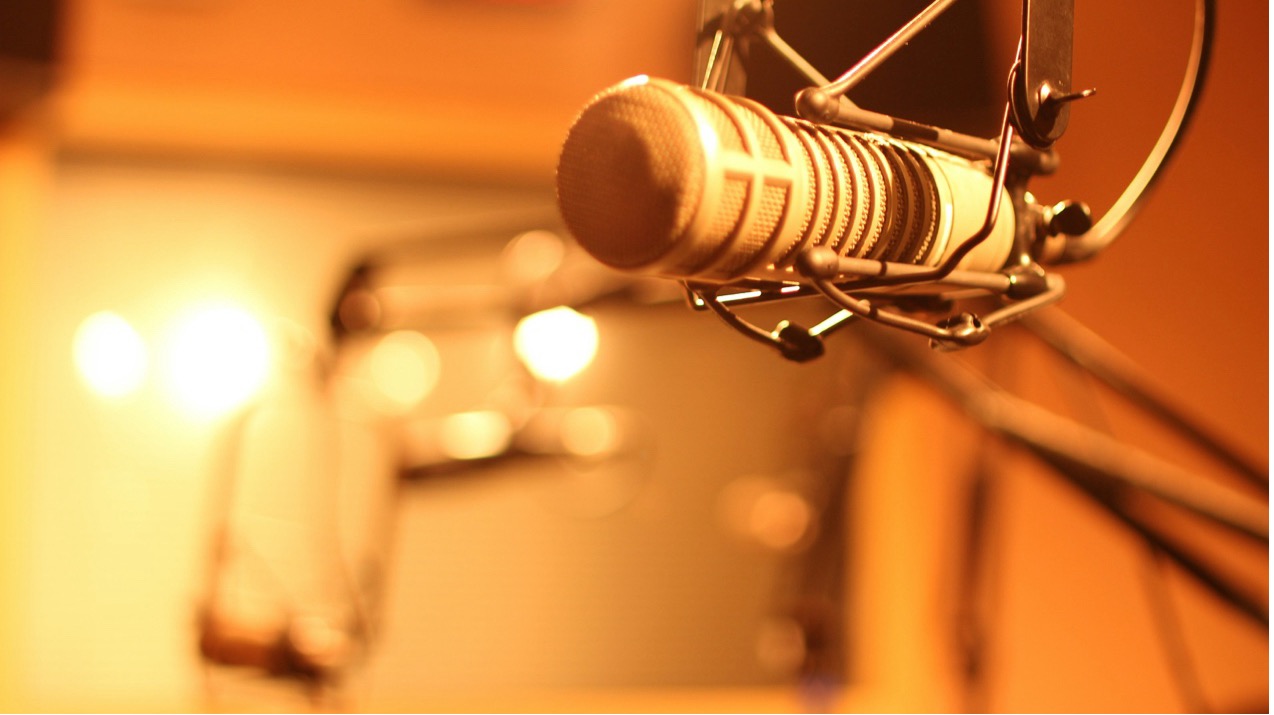
(https://unsplash.com/photos/grey-microphone-on-stand-in-room-boYNDezoa10 License: All photos on Unsplash are licensed under the Unsplash License, which permits free use (including commercial use) of the images. You can download, copy, modify, distribute, and display the photos for any purpose, without needing permission from Unsplash or the photographers. Attribution is not required but is appreciated. Restrictions include: you may not sell the photos as they are (without significant modification) and may not compile the photos to create a similar or competing service. Additionally, if a photo contains identifiable people, brands, or private property, you should ensure there are no additional rights or restrictions that apply and may need to contact the contributor for further clarification.)