

Author: CYS
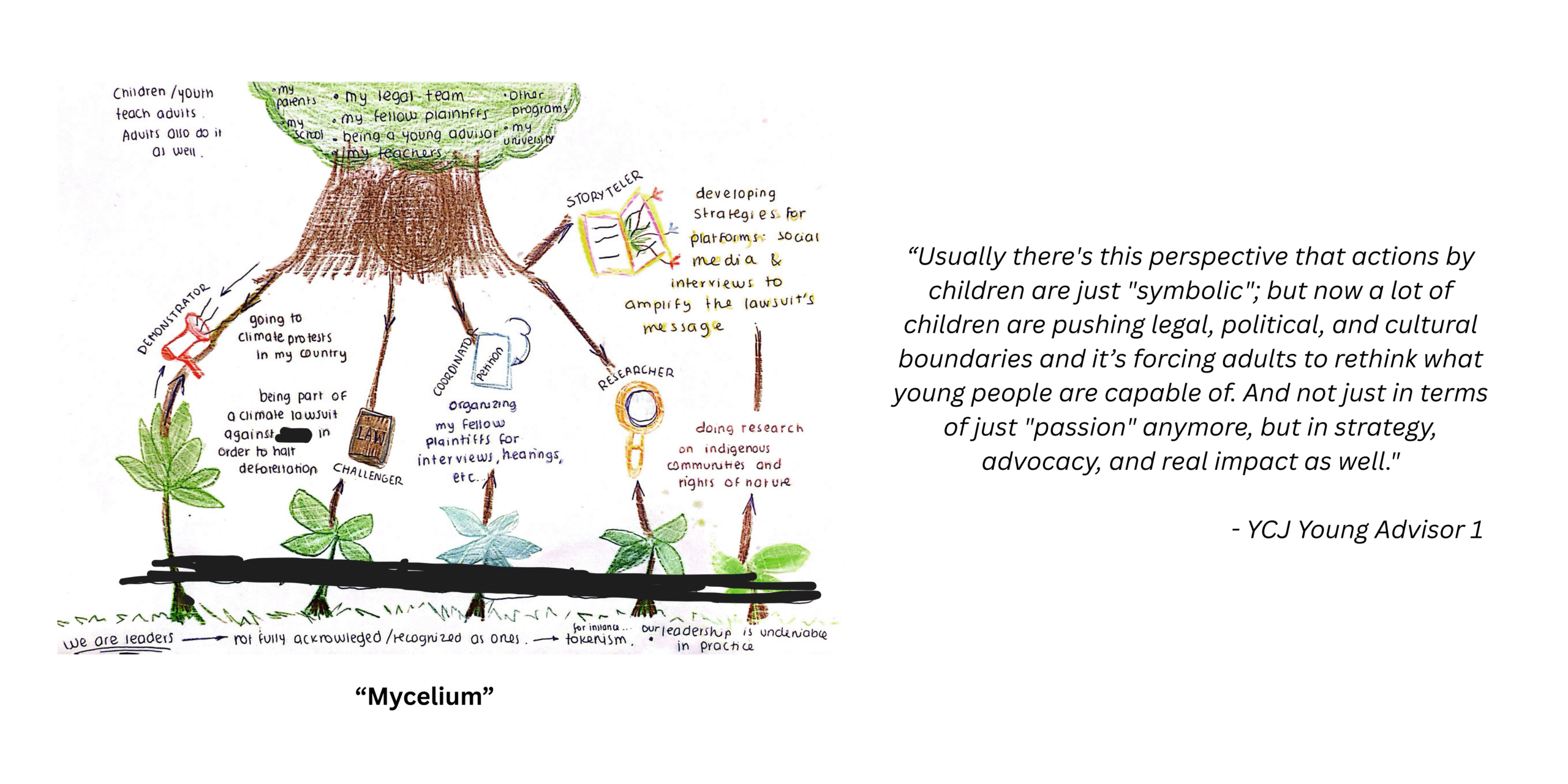
Reading Time: 6 minutesChildren’s climate litigation has boomed in the last 10 years. According to the University College Cork Youth Climate Justice project’s case law database, approximately 81 climate cases have been launched by children and youth, or on their behalf, in countries all over the world in the past decade. These cases include child applicants as young as 7 years and under, but the majority fall within the 13 to 18 years range.[1] They often act alongside young adults up to age 25, and some of them reach adulthood while the case is pending, thus the term child/youth-involved climate litigation.
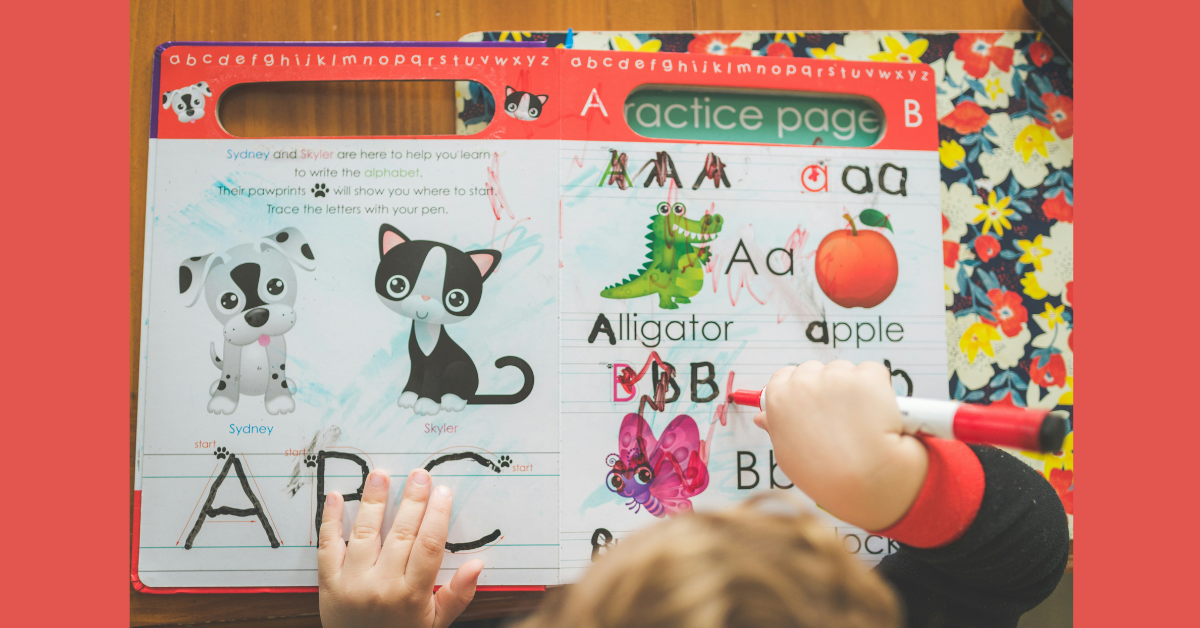
Reading Time: 4 minutesThe number of multilingual classrooms in Scotland is rising. Today, over 58,000 children learn in a language other than English on a daily basis. Scotland’s cultural diversity is reflected in this, but it also presents difficulties, such as how to ensure that every child is respected, seen, and heard in the classroom.
To explore this question, my postgraduate study looked at how Scottish schools are implementing rights-based inclusive education to support students who speak English as an Additional Language (EAL). The study focuses on three main aspects: classroom teaching, sense of belonging, and family engagement.

Reading Time: 4 minutesIn line with the UN Convention on the Rights of the Child, a child is anyone under 18. This study further distinguishes between “children” (12 and under) and “young people” (13–18) to better capture the different social positions, challenges and public perceptions each group faces in public spaces. The research explored how adults in Edinburgh understand the presence and rights of children (12 and under) and young people (13–18) in public spaces such as streets, parks and shopping areas.
Reading Time: 4 minutesScotland has a strong legal and policy commitment to inclusive early childhood education. In principle, all young children should be able to attend their local nursery and take part fully in learning, play and daily activities. This includes those with additional support needs (ASN). This commitment is rooted in Scotland’s Additional Support for Learning (ASL) legislation and strengthened by the 2024 incorporation of the UN Convention on the Rights of the Child (UNCRC).
Reading Time: 3 minutesIn 2024, Scotland incorporated the United Nations Convention on the Rights of the Child (UNCRC) into law and advanced the New Scots refugee integration policy, showing its commitment to protecting children’s rights and promoting the inclusion of young refugees. However, literature suggests that despite supportive and inclusive policies, the realisation of the rights of young people, including young refugees, remains limited in practice

Reading Time: 3 minutesThis dissertation examines how the rights of children from Armed Forces families in Scotland are protected, fulfilled, and promoted during periods of parental separation caused by military service. Guided by the UNCRC (1989), Bronfenbrenner’s ecological systems theory, and the sociology of childhood, it adopts a child rights-based qualitative approach to explore how family, school, and community collectively shape children’s emotional well-being and rights realisation within the structural and cyclical nature of armed forces life.
Reading Time: 4 minutesThis project explored how young people in Scotland use and experience what we call “third spaces” — these are public, non-commercial places outside home and school, such as parks, libraries, and youth centres. These spaces often act as a bridge between private and formal life, giving teenagers a chance to relax, meet friends, and feel part of their communities.
Reading Time: 3 minutesChildren make up nearly 30% of the world’s population, yet they remain largely invisible in global justice efforts. As momentum grows towards a new global justice agenda, children must be at the heart of the people-centred justice movement.
Reading Time: 3 minutesA few months ago, I released my recent book Children’s Participation in the Context of Inequalities: Confronting Children’s Agency, Social Positioning and Power Disparities. In this work, I examine how inequalities and social identities influence the operationalisation of children’s and young people’s participation rights. Children’s social positioning remains subordinated to multiple systems of domination, including patriarchy, colonialism, racism, and intergenerational power relations.

Reading Time: 5 minutesMost young children start interacting with digital technologies from birth as families’ daily practices have increasingly become mediated by digital technologies (Mascheroni & Siibak, 2021). Recent research across the world demonstrates increasing attention to children’s interactions with a diverse range of digital media in homes and beyond (Archer et al., 2021; Azevedo et al., 2022; Siibak & Nevski, 2019; Ziemer et al., 2021). Yet there is little attention paid to the digital activity at home of very young children aged from birth to 3 years.

Recent comments