
Any views expressed within media held on this service are those of the contributors, should not be taken as approved or endorsed by the University, and do not necessarily reflect the views of the University in respect of any particular issue.

CEID Featured Alumni: Dilara Keven


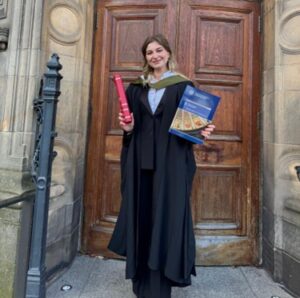
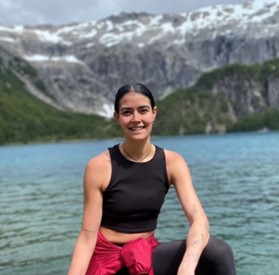
Dilara Keven, CEID Class of 2024
Nationality: Turkish
Current Position: Education Adviser at The Turkish Fulbright Commission

Making the Most of a Second Chance

When I first applied to the CEID programme, I was not accepted. However, when I applied again the following year, this time more prepared and intentional, and received an offer, I knew I did not want to take this opportunity lightly. This second chance came with a strong sense of responsibility, and I was determined to make the most of it from the very beginning.

With this mindset, I tried to be as involved as possible in the CEID programme. In addition to the core coursework, I took on the student representative role and actively participated in activities beyond the classroom. Being part of these spaces allowed me to meet new people, engage with different perspectives, and become more familiar with the wider academic and professional environments surrounding the programme.

However, there were also moments during the programme that were challenging, where I felt overwhelmed and unsure whether I was fully keeping up with the complexity of what we were studying. Moreover, like many of my peers, I was navigating this experience as an international student away from home. Studying in a new country often requires balancing academic responsibilities with emotional, financial, and personal pressures, adding another layer to the learning process.

Despite these challenges, I gradually learned that discomfort is often an essential part of growth. While anything new can feel frightening at first, working through these difficulties helped me develop a strong sense of resilience. Learning to ask for support and trusting the learning process became central to my development, making the experience more meaningful and reinforcing how much strength we build when we step outside our comfort zones.

As I approached the end of the programme, transitioning into professional life felt like a natural continuation rather than a significant challenge. Shortly after graduating, I began working at Fulbright Türkiye, where I am currently involved in higher education and international academic exchange. I regularly engage with data, policy documents, and institutional frameworks, contributing to analytical reports that support programme development and informed decision-making. On a daily basis, I actively use the research skills, comparative perspective, and critical thinking approach I developed during CEID. Whether analysing higher education trends, contributing to institutional reports, or working within international and multicultural contexts, the ability to question assumptions, synthesise information, and present findings clearly remains central to my work.
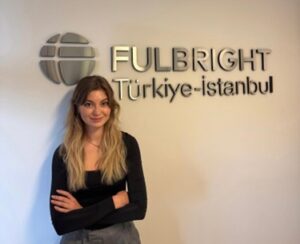
Starting this role shortly after graduation made it clear how well the CEID programme had prepared me, not only academically but also in professional judgment, adaptability, and confidence in international settings. The programme’s emphasis on reflection, analysis, and global perspectives continues to shape how I approach my responsibilities today.

While much of CEID’s impact is visible in my professional life, it also shows itself in more personal and reflective moments. When I mention that I completed my Masters degree at the University of Edinburgh, I still notice people’s reactions. These moments are small but meaningful reminders that this journey was about more than earning a degree. It was also about belonging to a community and an institution that I am proud to be part of.

Overall, the CEID programme helped me become more intentional in how I learn, work, and make decisions about my career. Looking ahead, my motivation to continue improving and working towards my long-term goals stems from the resilience I built throughout this journey. From the application process to graduation and beyond, my experience with the CEID programme reinforced the value of persistence, hard work, and trusting second chances.
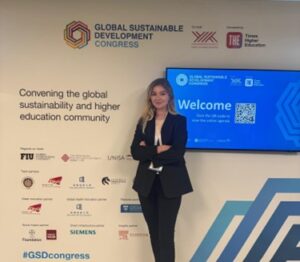
For current and future CEID students, my advice is simple: get involved, even when you feel unsure or not fully ready. Say yes to opportunities, show up, ask questions, and give yourself time to learn. Often, it is the second chance, approached with intention and care, that allows the most meaningful growth.

For more alumni posts


CEID Featured Alumni: Ijaaz Jackaria

Ijaaz Jackaria, CEID Class of 2023                                                                      Nationality: Mauritian                                                                                                              Current Position: EdTech Consultant at UniHawk, Dubai, UAE


I’m half-scholar and half-practitioner – that’s how I see myself.

I started off as a junior education consultant right after I graduated from my undergraduate studies in Philosophy at the University of Chicago. When I first joined the MSc CEID programme in 2022, my aim was to shift career, to steer away from academics, and gear toward a professional degree within the field of Education.

Back then, I had no idea that the eventful year to come during my time as an MSc CEID student would culminate where I currently am, both academically and professionally. After diving into the Anthropology of Education course; after flying to Finland and presenting at the GINTL Seminar at University of Jyvaskyla; after completing an ethnographic placement-based dissertation on youth transitions and citizenship with the Al Qasimi Foundation for Policy Research in Ras Al Khaimah, UAE; after co-authoring an academic paper with no other than Dr William Smith and my CEID peers on Voluntary National Reviews, global governance, and education; after producing a narrative-based podcast on FreshEd Flux with an exclusive Behind the Scenes interview with Dr. Will Brehm; and after braving multiple rejections from the PhD programs I applied to – lo and behold, I’m still in the field of education consulting, and I love Philosophy more than ever.

Am I back to square one? Definitely not.

Today, I’m a digital nomad working remotely around the world as an EdTech Consultant for UniHawk, a company headquartered in Dubai where we mentor high school students in their university applications for their undergraduate studies. My MSc in CEID allows me to bring a new perspective to the business, a scholarly perspective within a startup corporate environment. I develop digital tools to facilitate our counselling processes, create digital spaces for students to share their voices, and foster partnerships with academic institutions across digital domains.


Challenges Along the Way

Challenges, there were many! Especially after graduating from CEID. For me, the biggest challenge was to make choices between options: to apply for a PhD or a full-time job? PhD in Education or PhD in Anthropology? Relocating for stability or constantly moving for the adventure? And I did a bit of all, refusing to settle for one over the other.

And then there were rejections: rejections from job applications, rejections from PhD programs, rejection from journals for academic publication. I believe dealing with those and finding other opportunities is a natural part of the process.


Piece of Advice

While the field of education consulting does not necessarily require an MSc degree in Education, an MSc in CEID definitely prepares you for a job in education consulting – whether as an admissions counsellor for a university, a high school counsellor in a private or public school, or an education consultant for a private company. Privatisation of education is usually frowned upon in academic circles; there is no denying that it has widened the inequality gap in certain contexts. However, one of the very first lessons you learn in Introduction to Comparative Education is that context matters in education policy. So, keep an open mind when considering a career in private education.

Same goes for technology. Being in EdTech, all my interactions with my colleagues and students are exclusively through the screen of my laptop. It is limiting in many ways, but digital education together with AI is a booming industry; they offer limitless avenues for innovation. So, always keep an eye on the latest technological trend if you want to enter the field of Education Technology.


For more alumni posts

CEID Featured Alumni: Maria Jose Casares Garcia

Maria Jose Casares Garcia

Maria Jose Casares Garcia, CEID Class of 2022                                                           

Nationality: Mexican

Current Position: Independent Consultant


Hello CEID Community,

I’m Maria Jose Casares Garcia, a proud 2022 alumna of the CEID MSc program. Currently, I’m embarking on a new learning journey in Community Networks at an international organization, LocNet. As part of the training team, I focus on enhancing community networks as communication and learning strategies. These strategies empower communities to address their communication needs and access to information, fostering autonomy and self-determination.

Reflecting on my post-Masters journey, I’ve realized the pivotal role CEID played in shaping my career. The courses, events, and connections I made there significantly contributed to my personal and professional growth, providing a broader world perspective. Each experience during my MSc endowed me with a strong academic foundation, a global outlook, and practical skills vital in education. For instance, my recent collaboration with international organizations like APC involved evaluating the National Schools of Community Networks in Brazil, Indonesia, Kenya, Nigeria, and South Africa (2021-2023). A key aspect of my involvement was my familiarity with different methodologies, particularly Participatory Action Research (PAR). Without this knowledge, I wouldn’t have been effective in this role. Now, working with people who apply theory in practice, I’ve grown passionate about PAR, recognizing its relevance in addressing community needs and aspirations.

Despite these enriching experiences, I’ve also encountered challenges. Issues like connectivity, communication systems, and understanding the needs of rural and indigenous communities remain complex and demand continuous learning. I’ve often felt overwhelmed, lacking various tools and knowledge. However, maintaining humility, effective communication, openness to learning, and expressing doubts have fostered a trusting and supportive work environment, aiding my continuous growth.


Facing Challenges Post-Masters

 Transitioning from academia to a professional setting was challenging. Post-masters, I navigated a complex job market, trying to align my aspirations with reality. Initially, I pursued job opportunities that met my flexibility and salary expectations. However, I soon realized these weren’t my primary concerns. I yearned for challenges and learning opportunities, understanding that my “next job” wouldn’t be my dream job. This realization helped me value and prioritize long-term goals, leading to gratitude and humility about my achievements and future prospects.


Future Goals

Looking forward, my aim is to continue learning, aspiring to make impactful contributions in education and foster positive change. I plan to use my skills and experiences not only professionally and academically but also as an empathetic and respectful human being. I’ve learned that people often value these personal qualities over knowledge and experience, which can always be acquired. The essence of who you are and choose to be is crucial.


Advice for Aspiring Professionals

For those pursuing a career in this field, I offer three pieces of advice:

  • Know What You Want: Prioritize your values over following trends. Even if a job seems prestigious, consider what truly fulfills you. Focus on what’s most important for your wellbeing. Opportunities aligned with your core values are easier to navigate than venturing aimlessly.
  •  Have a Balanced Life: Engage with your community and professional passions, but also embrace hobbies and social activities. Remember the importance of vacations and relaxation. Strive for a life that balances career ambitions with personal interests and wellbeing.
  • Ask for Help: Life can be overwhelming; it’s okay to seek help. Requesting assistance shows your humanity, not weakness. Embrace vulnerability as a strength, building genuine connections and support networks for challenging times.


In closing, embrace each moment of your journey. Learn from every experience and use this knowledge to forge your unique path to success. Your journey is uniquely yours – cherish it and let it guide you towards greatness.


Warm regards,

Maria Jose Casares Garcia


For more alumni posts


css.php

Report this page

To report inappropriate content on this page, please use the form below. Upon receiving your report, we will be in touch as per the Take Down Policy of the service.

Please note that personal data collected through this form is used and stored for the purposes of processing this report and communication with you.

If you are unable to report a concern about content via this form please contact the Service Owner.

Please enter an email address you wish to be contacted on. Please describe the unacceptable content in sufficient detail to allow us to locate it, and why you consider it to be unacceptable.
By submitting this report, you accept that it is accurate and that fraudulent or nuisance complaints may result in action by the University.

  Cancel