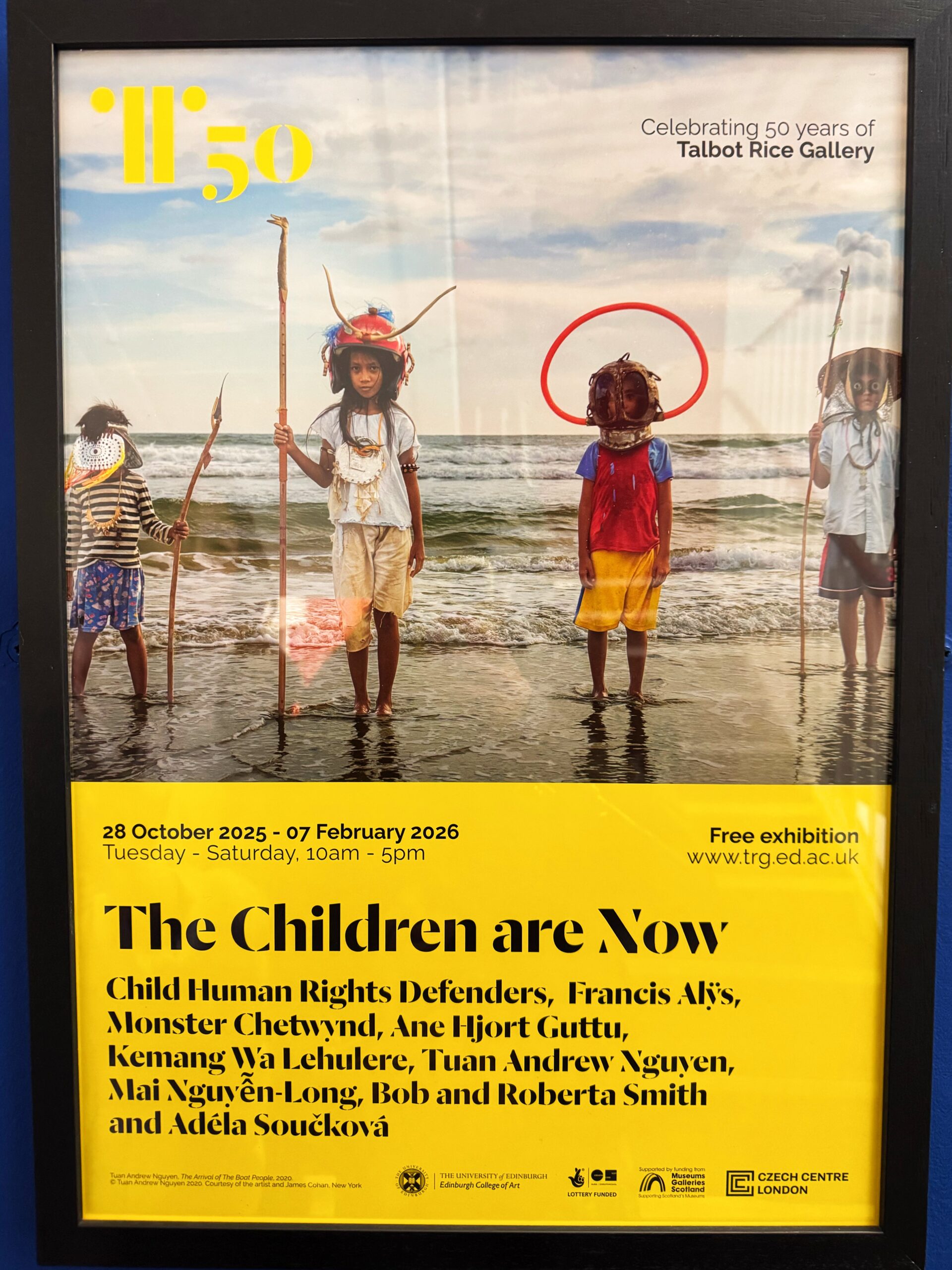


Exhibition Viewing: The Children Are Now
📍Gallery: Talbot Rice Gallery
This is an exhibition about “childism”, calling on people to seek ways to grant children rights and to reconsider the role of children in shaping our world.
Link:The Children are Now
Exhibition layout:
First exhibition area: On the first floor of the entrance hall, The Boat People is screened, telling the story of five children who are the last survivors on Earth. They develop a ritual of replicating the items they find with wood, burning them and scattering the ashes into the sea. Large-scale art models and paintings are also displayed, such as Hell Mouth 5 and Vomit Girl, etc.
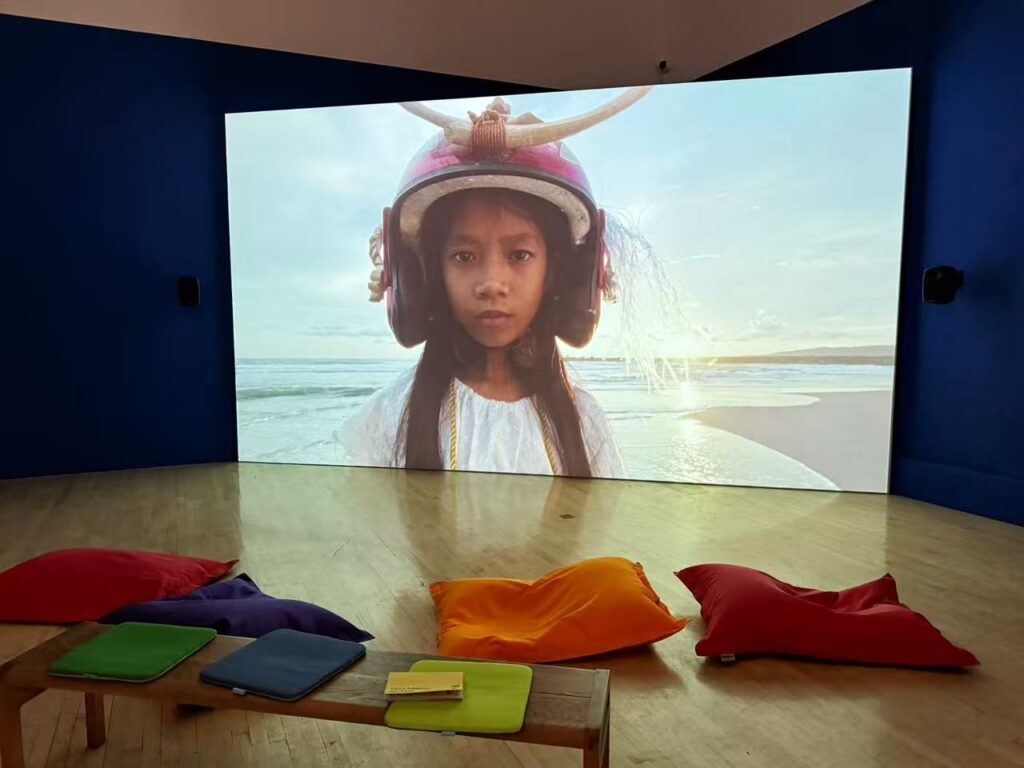
Fig 1 :Film—The Boat People(2020)
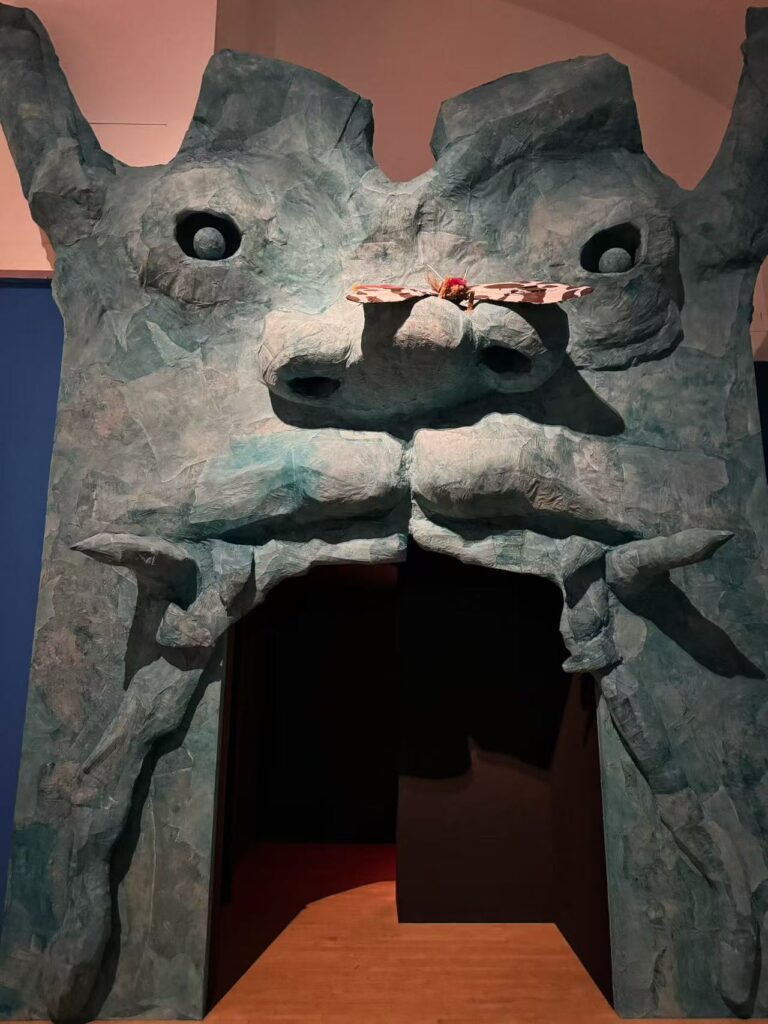
Fig 2 :Hell Mouth 5(2025)
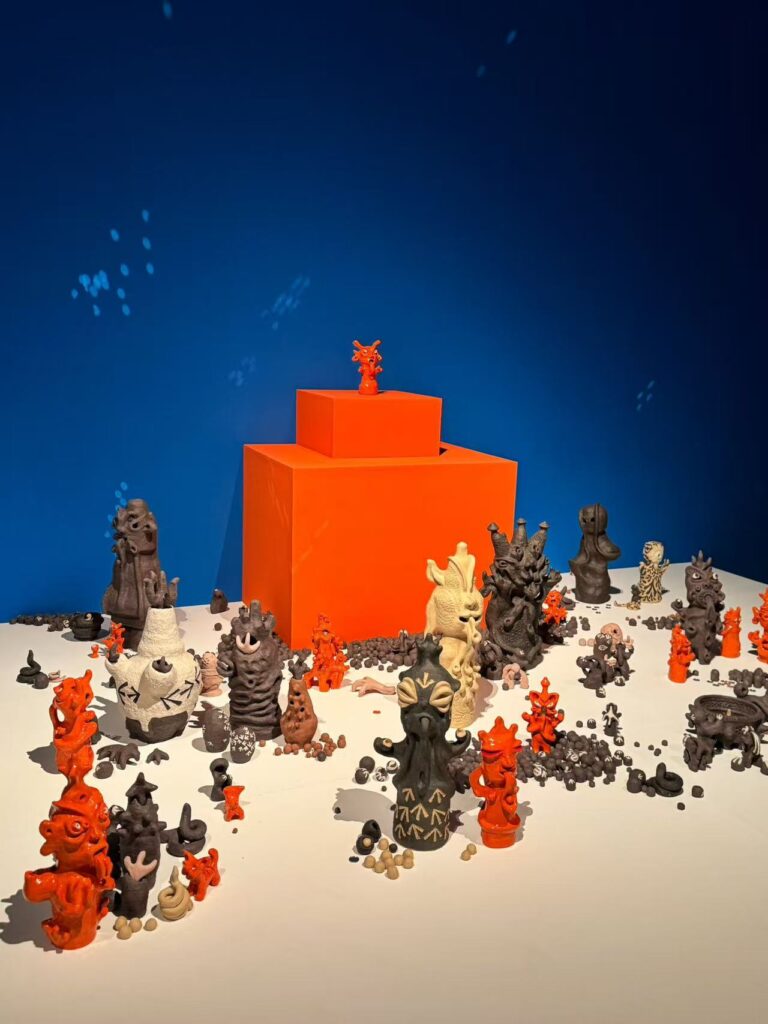
Fig 3 :Vomit Girl:Grounding(2025)
Second exhibition area: On the second floor, there are two viewing areas. For example, the documentary “Freedom Needs Free People” captures and records children’s rebellious behaviors, making children no longer the objects of description but first-person narrators expressing their views on the world. It shows that children are independent individuals. Through filming, it provides a platform to expose the issues he has noticed. There are also related art installations and the display of 38 slogan boards from child rights defenders, etc.
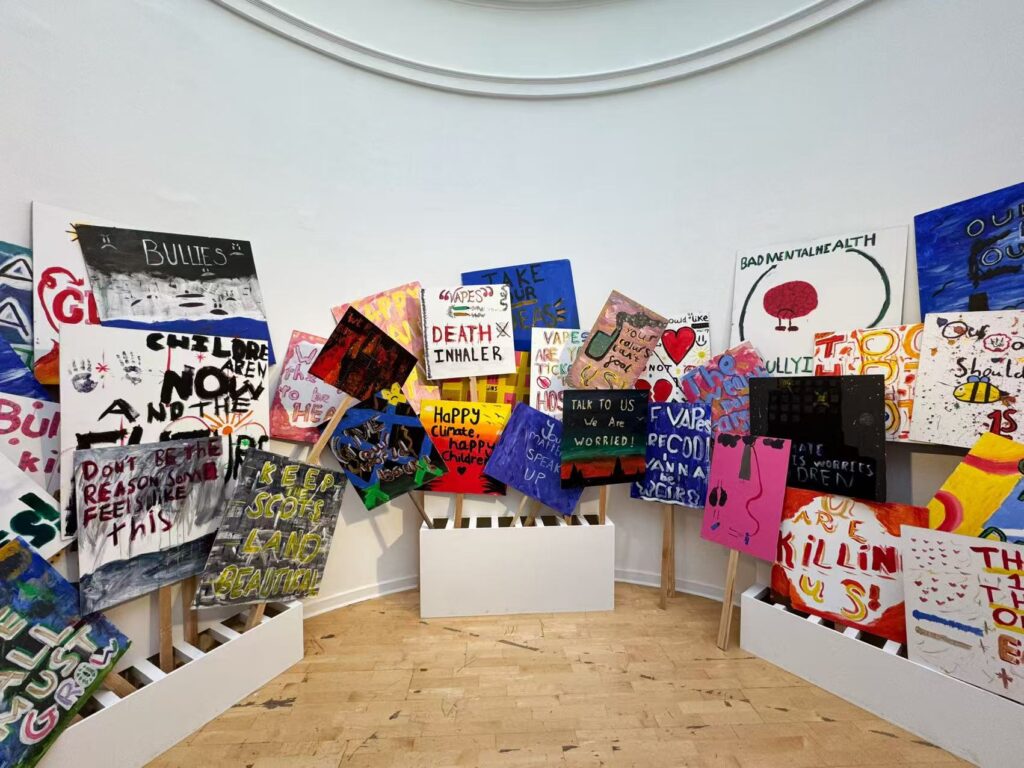
Fig 4 :38 placards, acrylic paint, white emulsion on wooden boards(2025)
Third exhibition area: By going down the stairs to the first floor, there is a viewing hall and an interactive space for the audience. People entering the exhibition area can practice the “hopscotch” game with the posters and props provided at the entrance, emphasizing co-creation and experience. It enables the audience to enter children’s games and transform from viewers to participants.
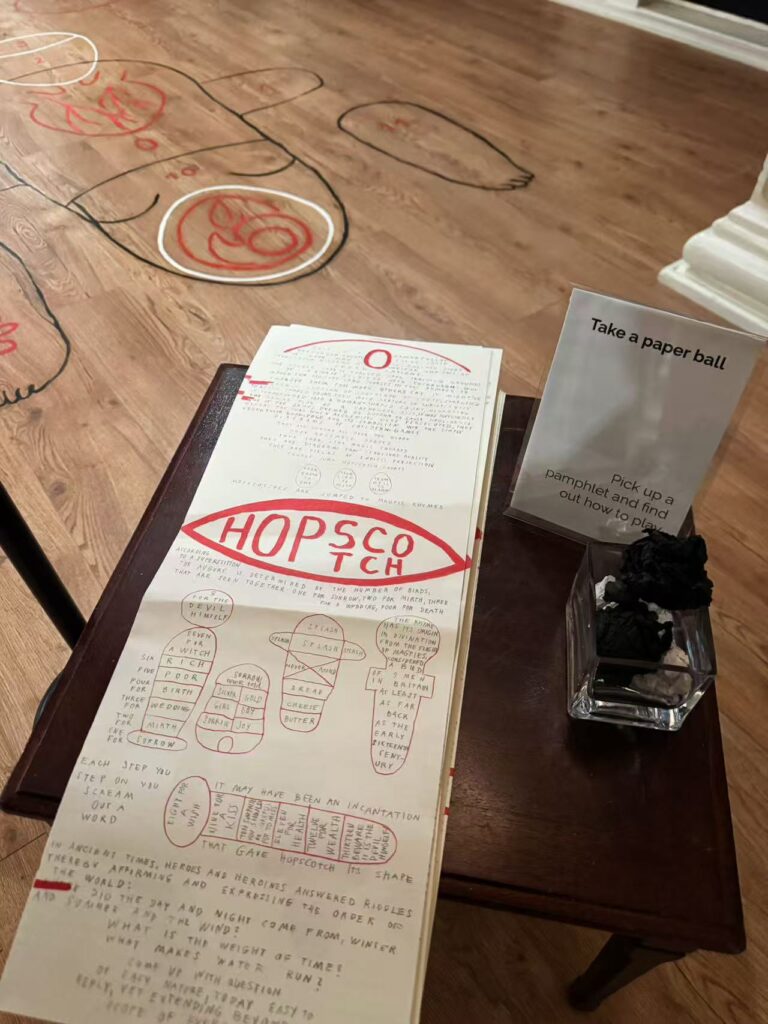
Fig 5 :First-floor audience interactive gaming area
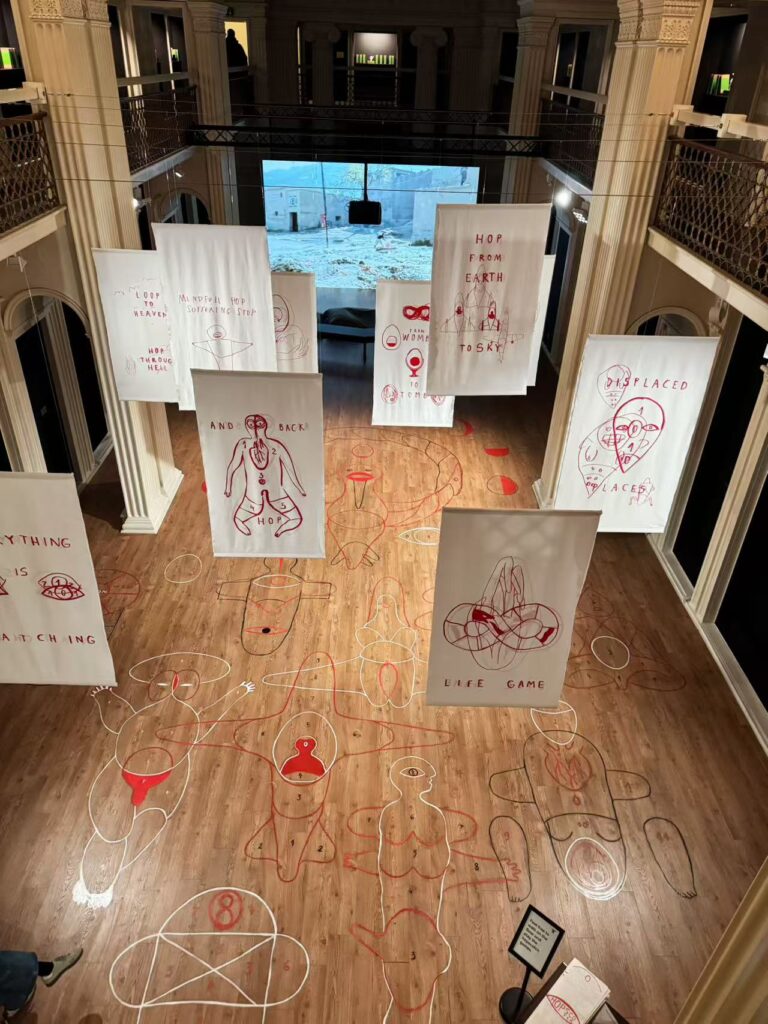
Fig 6 :hopscotch(2025)
Key Learnings from the Exhibition:
The exhibition constructs a viewing mechanism through the arrangement of the exhibited works, guiding visitors’ inner thoughts and states through the order of presentation. This method effectively amplifies the resonance impact of the theme.
The audience, previously conceived as a ‘viewer’ or ‘beholder’, is now repositioned as a co-producer or participant (Bishop, 2023). The exhibition establishes a participatory interactive space, transforming the audience into active participants. This method goes beyond mere entertainment; it immerses the audience in the perception and action patterns of children. This interactive method can be integrated into personal future curatorial practices.
The exhibition centers on children and advocates for recognizing their agency. It is not speaking for children, but creating conditions for them to speak for themselves, enabling the audience to learn to listen. This approach provides insights into a more dispersed and reflective curatorial method for future exhibitions dealing with related social issues. The artist is conceived less as an individual producer of discrete objects than as a collaborator and producer of situations (Bishop, 2023). Curating not only focuses on the presentation of artworks but also on the generation of social meaning and the potential for broader social impact. In this sense, the artist is no longer positioned as an autonomous individual producer, but as a collaborator embedded in a specific environment, jointly creating meaning with the audience.
Course Reflection:Questions to consider when curating
Why – Make an exhibition
Who-Are your audience
How-What restrictions or rules are there
When-How is it relevant now
What-Makes something interesting
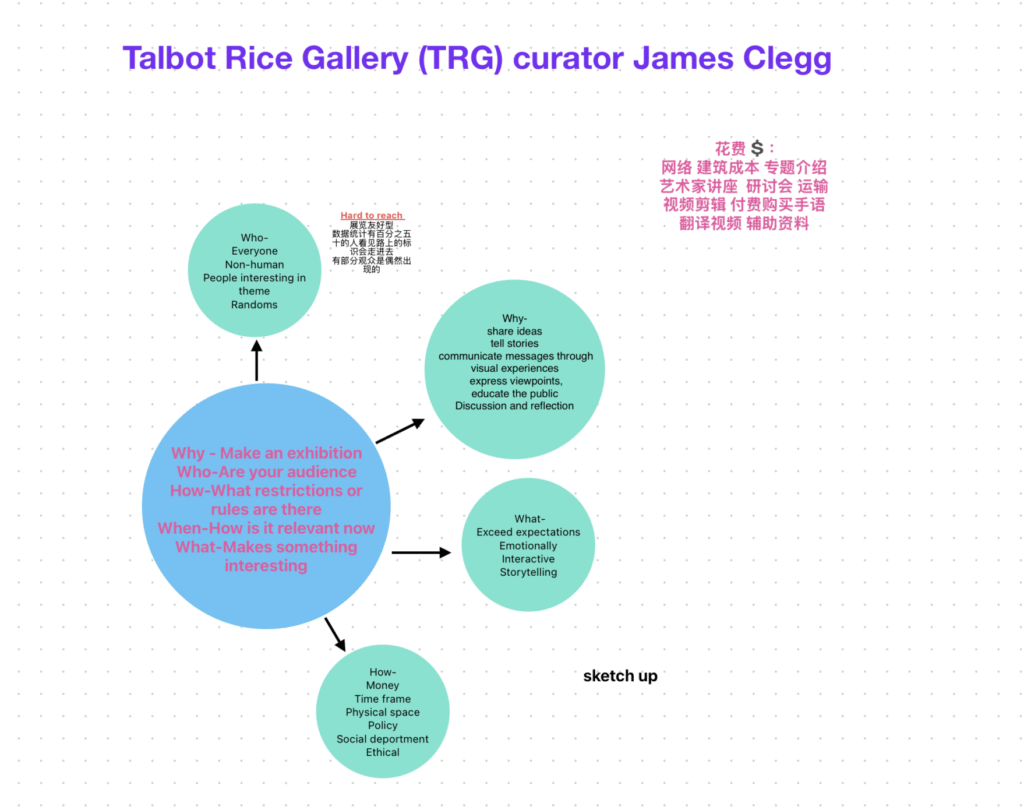
Fig 7 :Screenshot of class notes
References
Bishop, Claire. Artificial hells: Participatory art and the politics of spectatorship. Verso books, 2023.



Leave a Reply