

1. Project Overview
Exhibition Title: Invisible Load—The Boundary Between Gazing and Being Gazed Upon
Venue: Summer Hall Sciennes Gallery
Dates: May 4–8, 2026 (5 days) 10:00 a.m.–6:00 p.m.
Lead image:
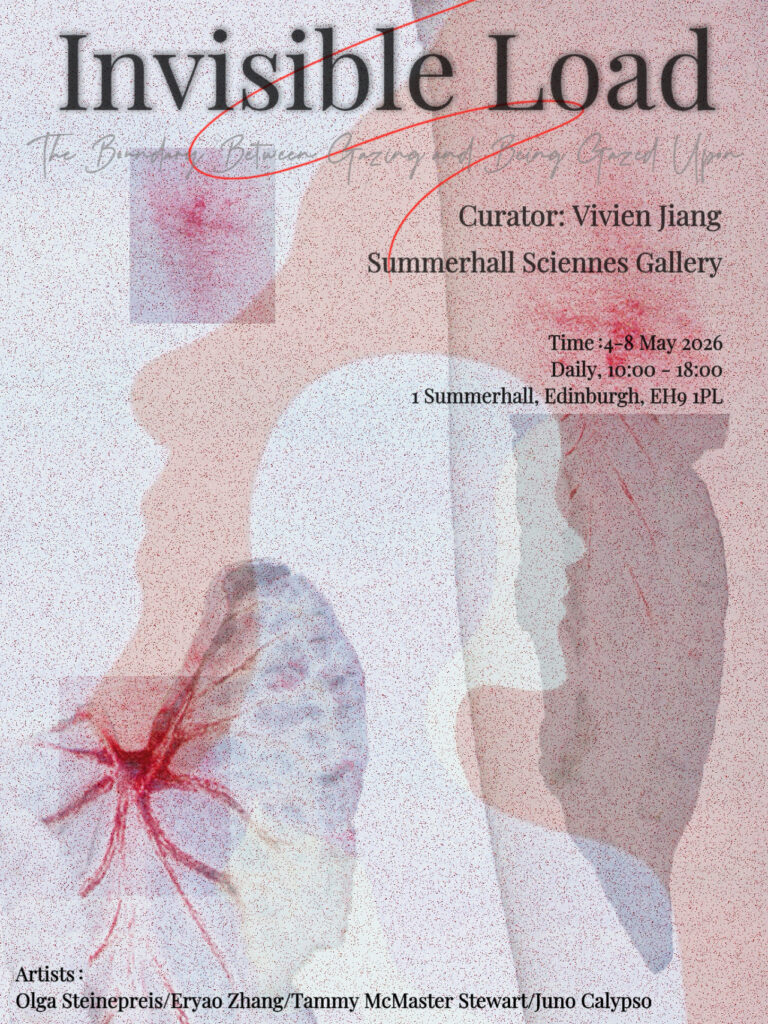
Fig 1 :Poster for the exhibition “Invisible Load—The Boundary Between Gazing and Being Gazed Upon”
2. Curatorial Narrative
“Invisible Load” is a contemporary art exhibition centered on the female perspective, and it also represents a profound social dialogue. Through various artistic forms such as photography, video, and installation art, it presents key issues such as gender roles, domestic labor, body discipline, and social expectations. It reveals the inner anxiety and unease of women, showcases their struggles and resistance in the face of social expectations, and deeply explores how women construct and reshape their identities within the constraints of social expectations and the gaze. It attempts to break through the long-standing gender stereotypes.
These pressures faced by the women usually do not manifest in the form of dramatic events; instead, they exist in various aspects of life in a continuous and repetitive manner. Over time, they gradually evolve into internal feelings of anxiety, unease, and self-doubt.The exhibition space is divided into multiple narrative areas, adopting a “multi-theme/ non-linear” structure, regarding women’s anxiety as a state group formed by multiple social, cultural, and visual mechanisms, rather than a single narrative. By constructing a multi-part space framework, from implicit domestic labor to the gaze mechanism, and to the construction of identity and women’s anxiety, it gradually guides the audience to immerse themselves in the exhibition, making these intangible yet persistent pressures visualized. Through audience participation messages, it encourages the public to incorporate their own experiences into the narrative, forming a collective archive of public participation. It is hoped that through the power of art, it can trigger social reflection, encouraging more and more women to bravely break free from constraints and rediscover their own value, writing their own stories with a freer and stronger mindset.
3. Artists and Artworks
Artist: Olga Steinepreis
Olga Steinepreis is an artist who primarily uses photography as her creative medium. Her works reflect on motherhood and childhood through self-portraits and photos of family members. At the same time, she combines her personal experiences to explore issues such as identity, sense of belonging, the conflict between ideal and reality in motherhood, and the position of women in contemporary society. Her related series of works employ photography, surrealism, and digital technology to transform her ideas into reality, not only reflecting the current social reality but also encouraging women to reflect on their own identities.
Artwork: I’ve Had a Dream…
This series is a ongoing photography project. Through surreal self-portraits and processed images, the artist explores the pressures faced by female characters and the issues of identity. In these photos, both the heavy domestic chores she is confronted with and her longing for her past self and her dreams are depicted.These works reflect the expectations placed on mothers in today’s society and showcase the conflict between reality and dreams. They express in a visual way, the heavy burden of family life, the increasing responsibilities, and the intangible pressure endured as a “perfect mother”.
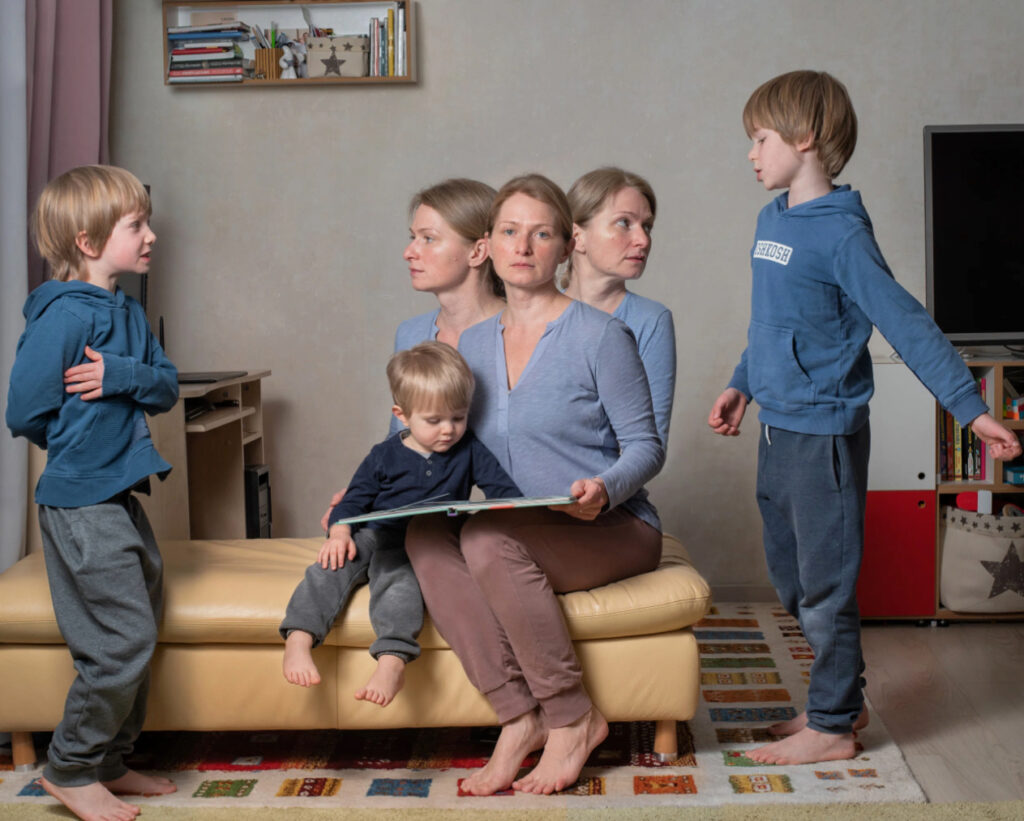
Fig 2 : Photographic work I’ve Had A Dream…(2023)
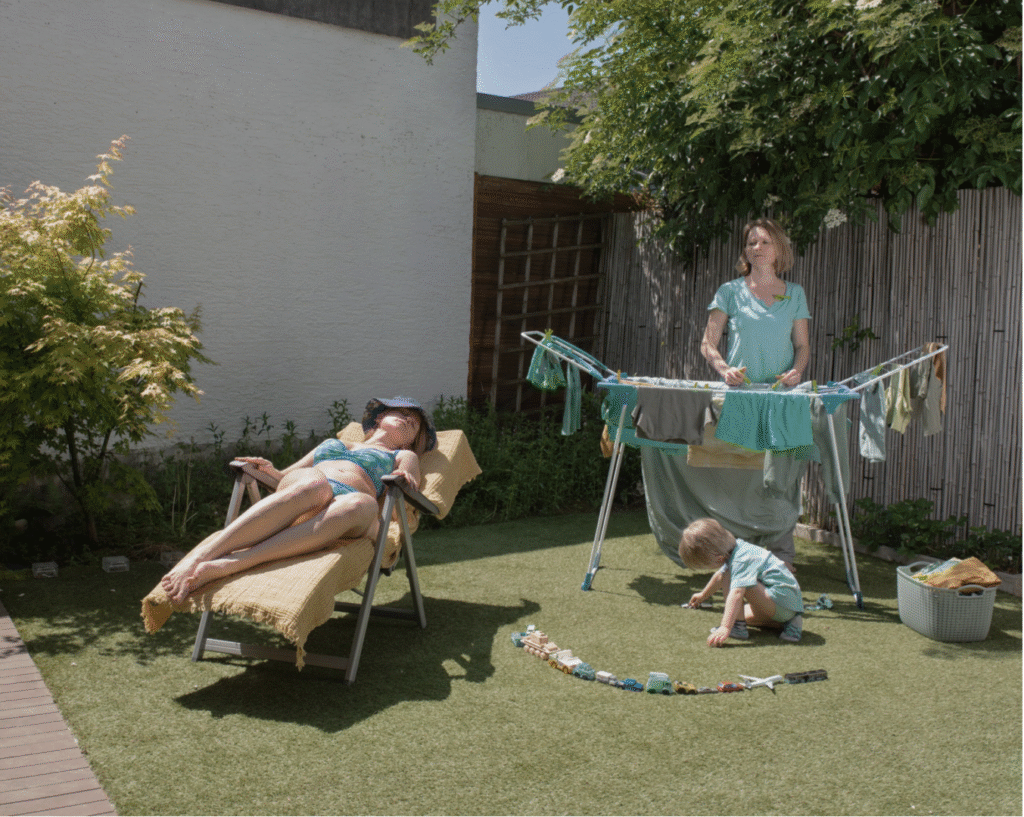
Fig 3 : Photographic work I’ve Had A Dream…(2023)
Artwork: “My Mother Doesn’t Work”
This work originated from an accidental statement made by the artist’s son, revealing the social perception that the daily labor of housewives is often overlooked and not regarded as “true work”. This photograph captures the repetitive actions of a housewife, with no complete face in the picture. It emphasizes the invisibility of “the body and labor”, triggering reflections on gender division of labor and the value of labor, and revealing the “invisibility” and neglected value of women’s labor.
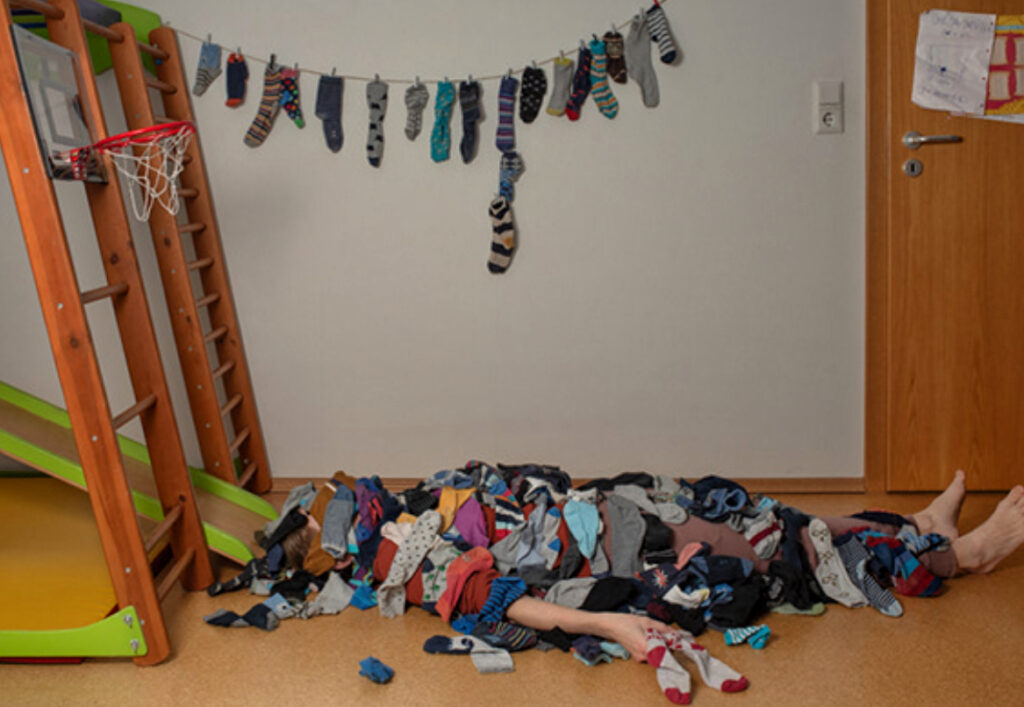
Fig 4 : Photographic work “My Mother Doesn’t Work”(2024)
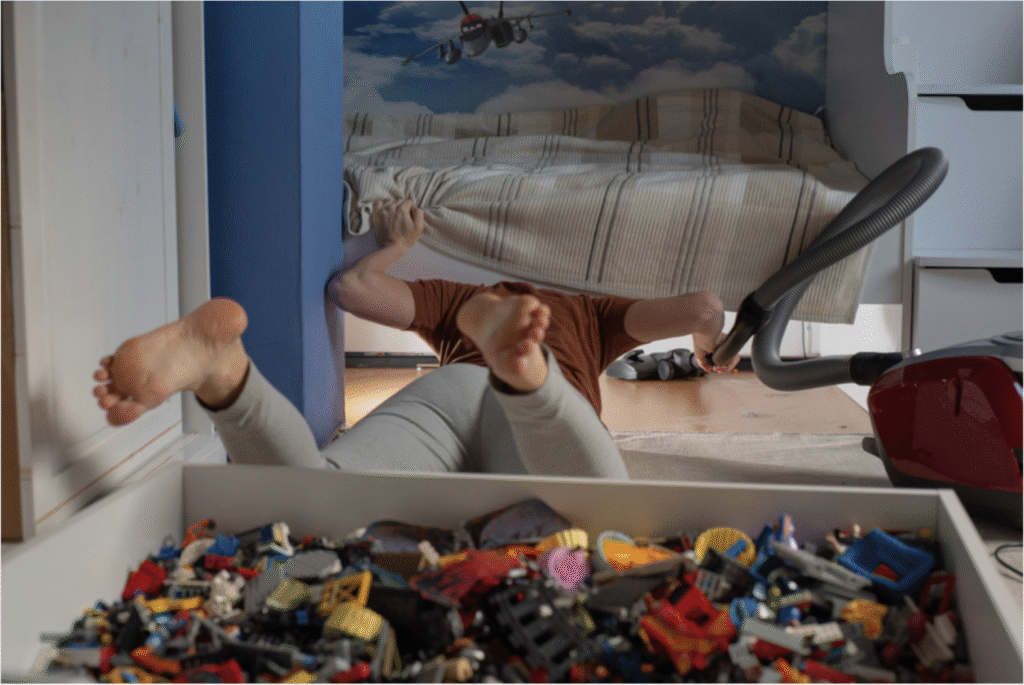
Fig 5 : Photographic work “My Mother Doesn’t Work”(2024)
Artist: Eryao Zhang
She is a current graduate student in contemporary art practice at the University of Edinburgh. Her works often combine installations and videos, focusing on the way the female body is observed and disciplined within the social structure. She is skilled in using various art media to challenge the long-standing stereotypes imposed on women by society, and to explore the position of the female body in the social order as well as the pressures it bears.
Artwork: Woman Lying on the Lawn
A naked woman was lying on the grass, and was “discovered” by a group of neatly dressed individuals. This installation showcases the female as an object of observation, and these people represent the observers and researchers. It directly echoes Laura Mulvey‘s male gaze mechanism (Mulvey,2013) —transforming the female body into a display item and making it an open matter. However, this artist has reversed the proportions: the female body is enormous, while the observers are so small they are like dust; revealing that the female body loses its subjectivity in the face of social order and becomes a certain existence defined and handled by others.
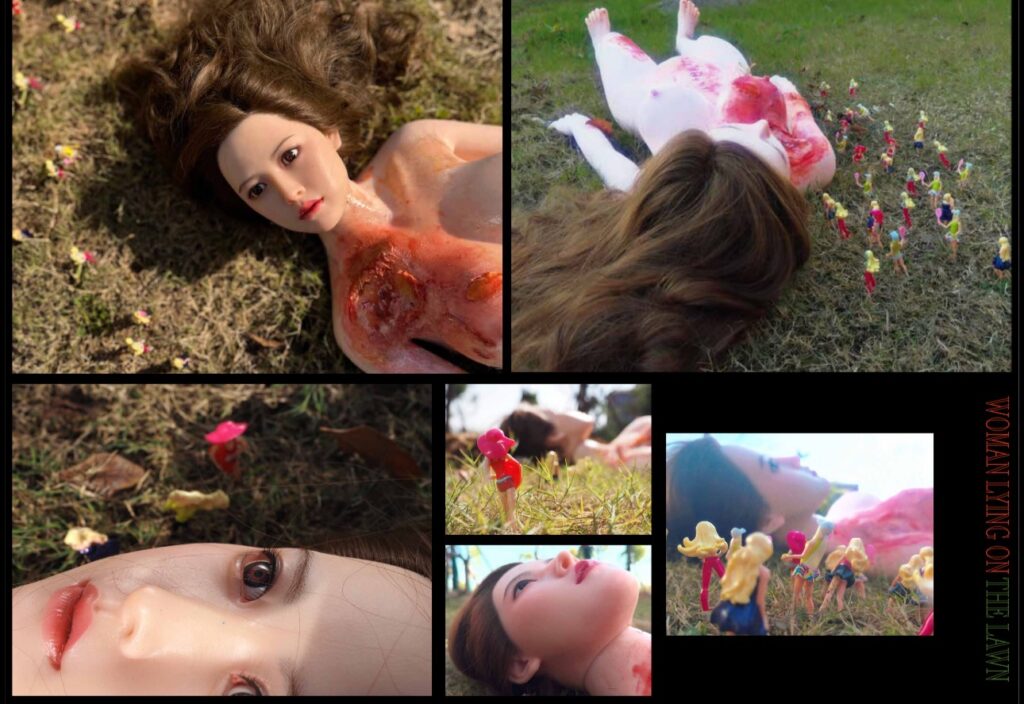
Fig 6 : Installation “Woman Lying on the Lawn”
Artwork: Regurgitate
This is a work about the “myth of reproduction”. It is a mechanical puppet device, and the display scenes and shooting process are all recorded. It de-materializes the real process of female reproduction and uses fairy tales to conceal the reality of the female body. In this device, the disappearance and reappearance of the baby is not a one-time event, but a cyclical process, symbolizing that the female identity is allowed to emerge and be pushed back within social norms, as well as the activation and fading of the mother role in specific situations.
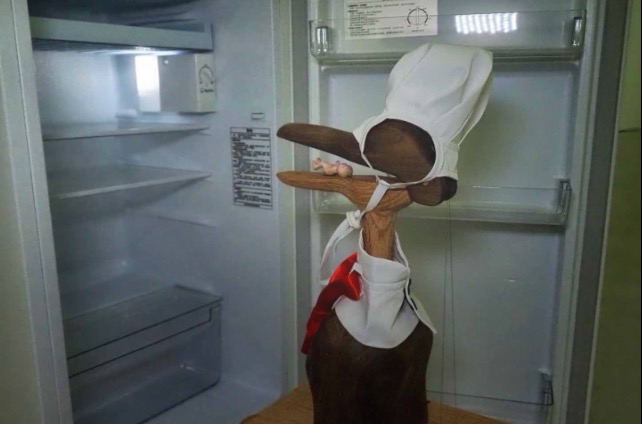
Fig 7 : Installation “Regurgitate”
Artist:Tammy McMaster Stewart
A current graduate student in Contemporary Art Practice at the University of Edinburgh, her work often combines photography and video, exploring the conflict between women’s emotional expression and social norms. Through her art, she transforms invisible emotions into a visual statement, challenging societal expectations regarding women’s “proper behavior” and “emotional control,” and revealing how patriarchal structures discipline women’s behavior.
Artwork: A Woman at Her Worst
In her art, titles carry potent meanings, challenging societal stereotypes that women must be prim and proper—that anger makes them appear “out of control.” Such emotions are amplified and labeled, directly pointing to women’s disciplined state within patriarchal structures (Foucault,1977). The artist references “masculine within the feminine,” exploring land boundaries and political control while also carrying metaphorical implications for the regulation of the female body.
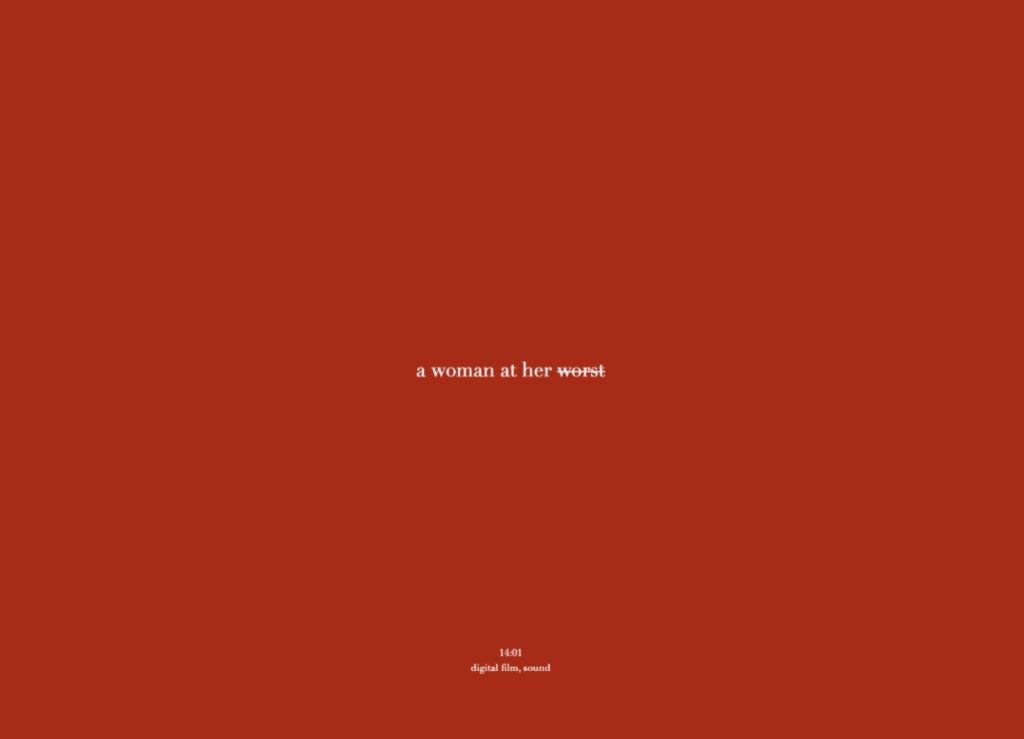
Fig 8 :“A Woman’s Worst Moment” Video Cover Excerpt
Artist:Juno Calypso
She is a British photographer. Her self-portrait works showcase her personal feelings about feminism, desire, loneliness and self-sufficiency, with a highly critical tone. When working alone, she created the image of another self, and took a series of highly stylized photos in a unique environment. Her artistic works are both gloomy and possess feminine charm, yet never lacks a sense of humor.
Artwork: Joyce II
Through the fictional character Joyce, an artistically self-directed and self-performed character, various exaggerated and seemingly ideal yet strange scenes are presented. This approach explores the loneliness felt by modern women in the rituals of beauty, desire, and self-expectation, as well as the “perfect woman” standards constructed by society. It reflects on the tension and contradictions between the female body, cultural norms, and personal identity.
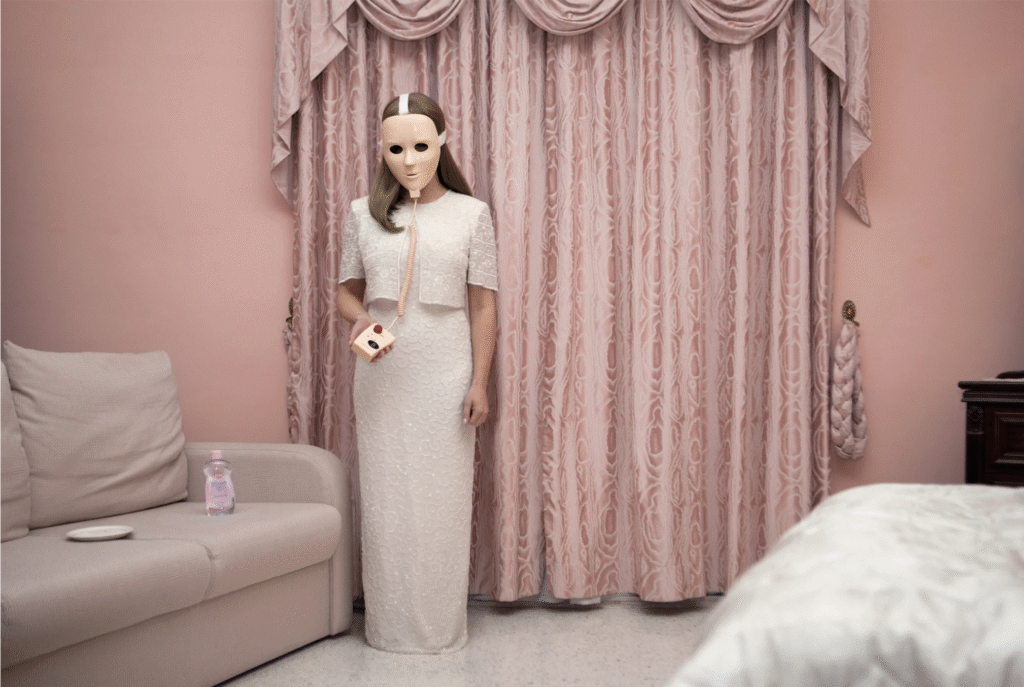
Fig 9 :“Joyce II” Photography Series—Twelve Reasons Why You Always Feel Tired
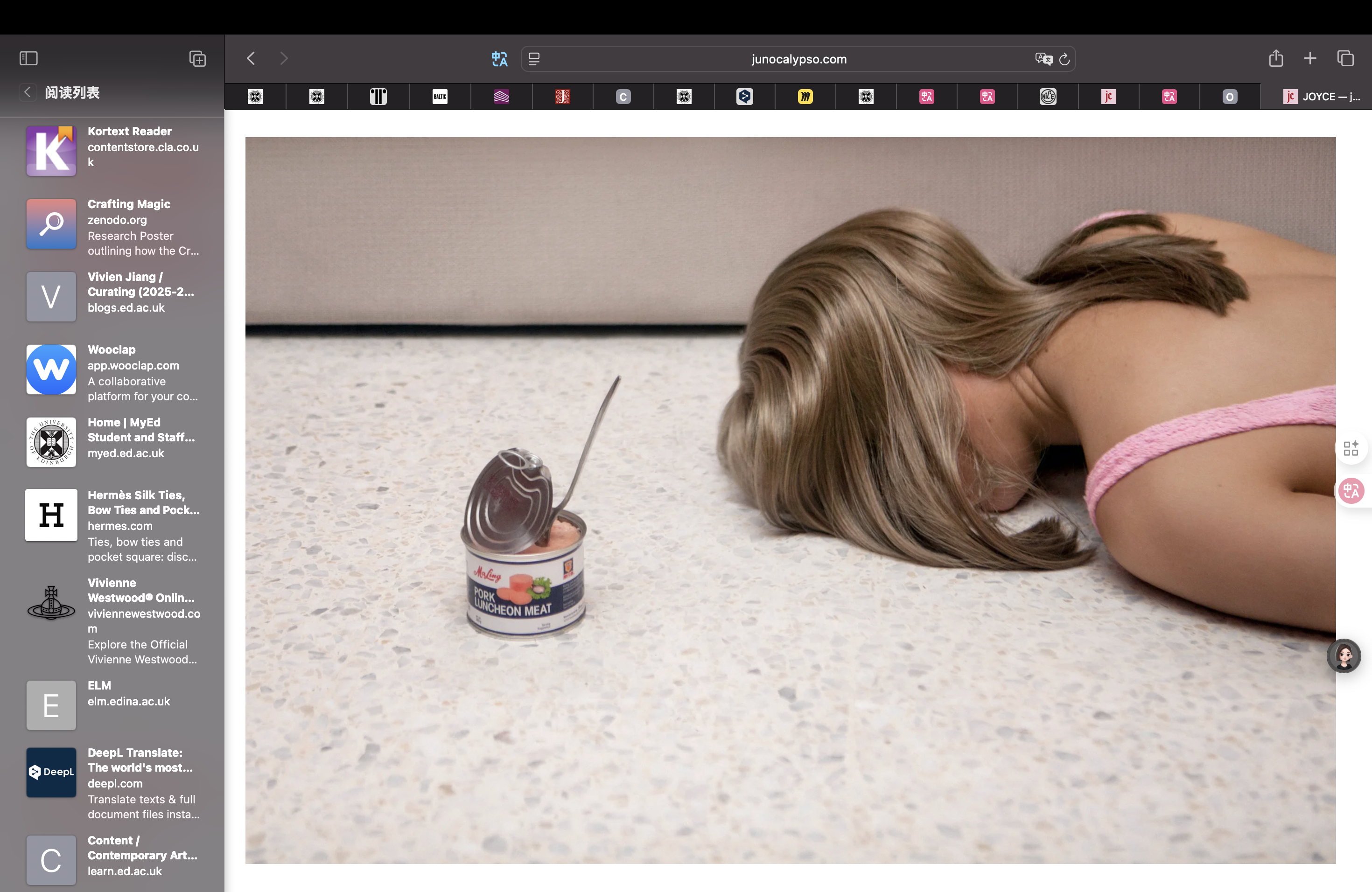
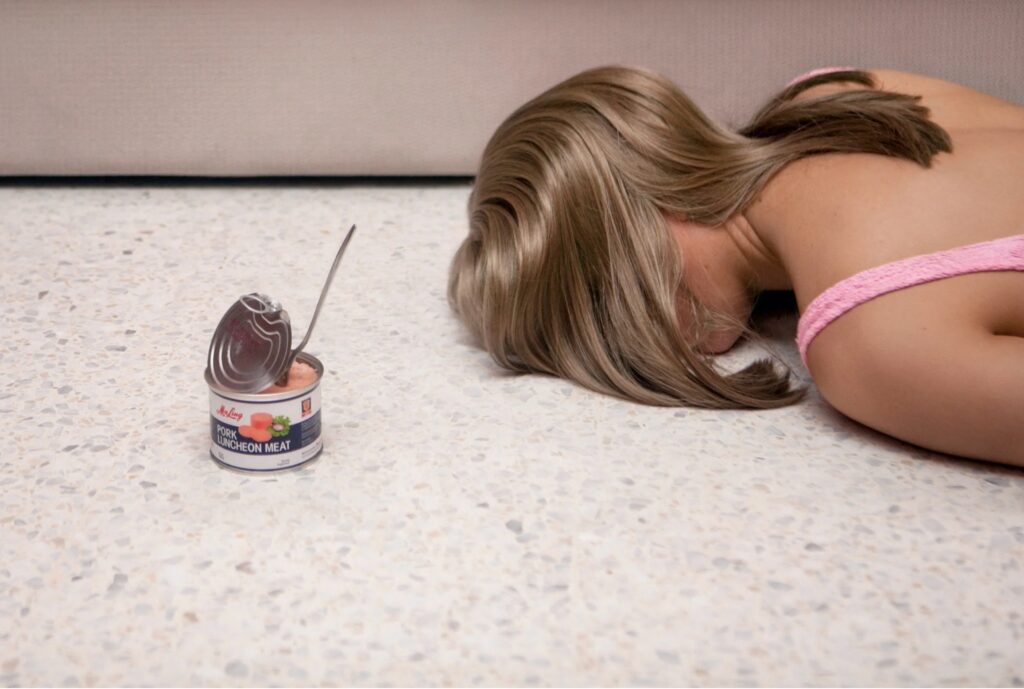
Fig 10 :“Joyce II” Photography Series—Reconstituted Meat Slices
4. Spaces, Location and Layout
Summer Hall stands as one of Edinburgh’s most significant venues for contemporary art and art-related events. Its diverse spaces are well-suited for visual art exhibitions, accommodating works across various media. Inside, it offers open galleries, corner spaces, corridor areas, and more. This layout facilitates narrative exhibitions exploring spatial and visual relationships, supporting the zoned display of photography and video works, as well as the installation of art pieces throughout the galleries.
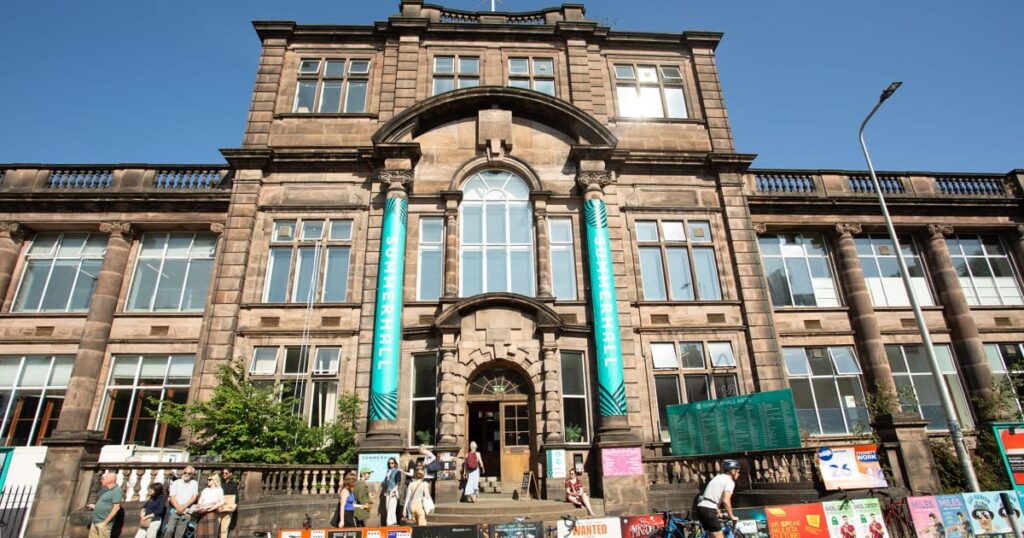
Fig 11 :Exterior photo of Summer Hall, the selected venue Source:SummerhallArts,https://www.summerhallarts.co.uk
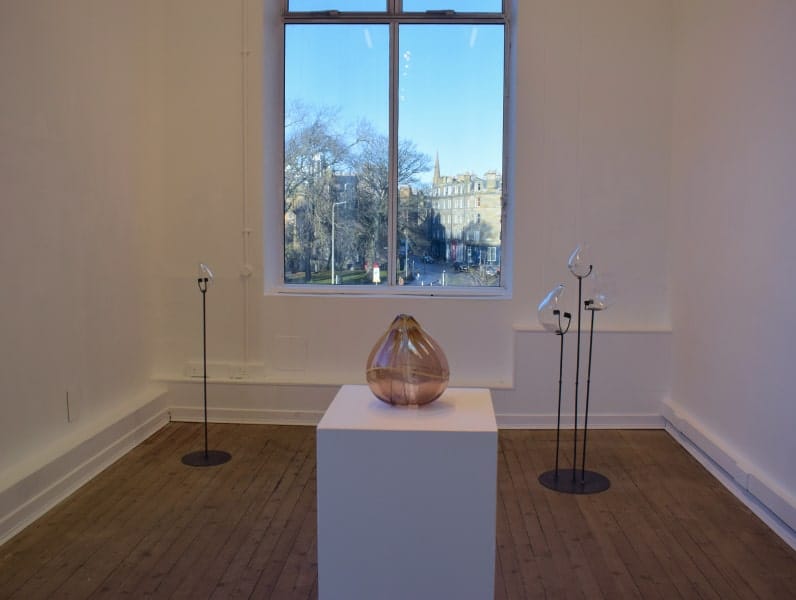
Fig 12 :Interior photos of the selected venue, Summer Hall Sciennes Gallery Source:SummerhallArts,https://www.summerhallarts.co.uk
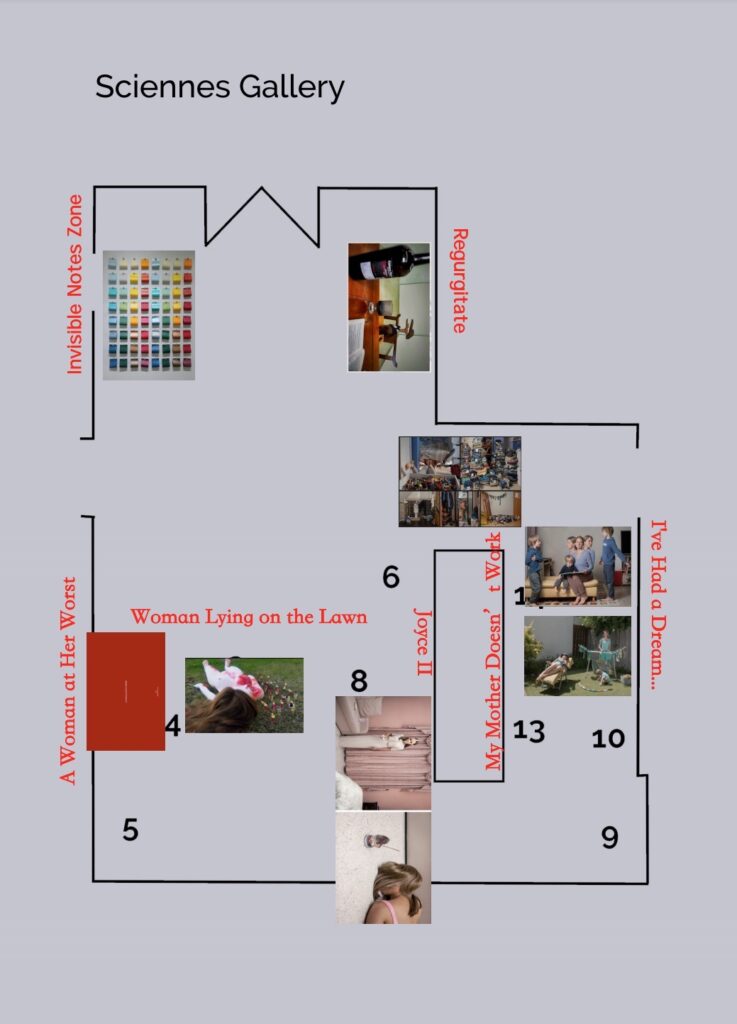
Fig 13 :Spatial Layout of the Venue and Design of Artwork Placement
5. Public Programme
Interactive Section: Invisible Notes Zone
This public project is open to all visitors and runs throughout the entire exhibition period. Visitors can anonymously write down their anxieties, stress, unheard voices, or words they want to say to others on the provided sticky notes. The written notes are then pasted on the translucent wall. Over time, the wall gradually fills up, revealing the anxieties and intangible pressures faced by each individual, transforming individual experiences into social empathy, and also transforming the visitors from “viewers” into “co-creators” of the exhibition.: Invisible Notes Zone
This public project is open to all visitors and runs throughout the entire exhibition period. Visitors can anonymously write down their anxieties, stress, unheard voices, or words they want to say to others on the provided sticky notes. The written notes are then pasted on the translucent wall. Over time, the wall gradually fills up, revealing the anxieties and intangible pressures faced by each individual, transforming individual experiences into social empathy, and also transforming the visitors from “viewers” into “co-creators” of the exhibition.
Workshop: Invisible Diary
Friday, May 8, 2026, 2:00–4:00 PM
This workshop will be hosted and organized by me, with participating artist Eryao Zhang. We will explore the body, social structures, and visual expression within a feminist context, and discuss the inspiration behind the artwork (such as relevant reading materials and the artist’s personal experiences), creative concepts and methods, and how to convey ideas through artistic practice. A Q&A session will be held to facilitate dialogue between the audience and the artist. Guided by the artist’s insights, participants will use collage and painting to express the unspoken pressures and emotions of daily life. Finally, a “visual diary” will be created by combining the participants’ works, responding to the exhibition’s theme.
One-hour artist talk and live interaction with Eryao Zhang, followed by one hour of participant creation and sharing
Free art supplies will be provided on-site, including drawing paper, markers, collage materials (magazines, newspapers, colored paper, etc.), scissors, glue, and other tools.
6. Curatorial Rationale
The “Invisible Load” exhibition project, from a contemporary art perspective, combines “thematic”, “participatory” and “social intervention” as practical approaches, focusing on the invisible pressures that women bear under the social structure and gender norms, as well as their impacts on identity formation. The core of this exhibition lies in using various media such as photography, video, and installations to visually present the anxieties brought about by the invisible gender regulations, social expectations, and household labor to the public. It transforms the individual experiences and artistic creations of the artists into visual expressions with public significance.
At the curatorial strategy level, the exhibition adopts a critical perspective and employs multiple media to convey its thematic ideas. By structuring the narrative through spatial zoning—from the invisible labor of women within the family to the “mechanisms of the gaze” in public spaces, and from social discipline to the construction of female identity and the body—the selected works collectively form a multi-voiced spatial framework. This framework gradually guides viewers from mere observation toward reflection, sparking social resonance and introspection. Public programs—the “Invisible Notes Zone” and “Invisible Diary” workshop—extend the exhibition’s content, encouraging viewers to transition from observers to participants (Bourriaud,1998). These activities enable them to express themselves and listen to others, further deepening discussions on creative concepts and artistic practices while fostering meaningful exchanges among visitors and between visitors and artists (Bishop,2023).
At the curatorial ethics and accessibility level, this curatorial project focuses on the complexity of diverse female experiences, avoiding the reduction of women’s circumstances to a single narrative. Selected artists include current students and emerging artists, emphasizing respect for their creative autonomy rather than reducing their work to theoretical “examples.” Through their artistic practice, they reveal the invisible pressures faced by contemporary women, placing these issues within a social context for reflection and examination. Furthermore, the exhibition targets a broad audience, including art students, the local women’s community, the general public interested in photography or feminism, and local residents, among others, ensuring that viewers of diverse cultural backgrounds and age groups can participate. The exhibition aims to provide visitors with a clear viewing route, easy-to-understand “easy read” exhibition texts and font sizes, and audio guides available next to relevant artworks.
Overall, this curatorial project is more than just an exhibition; it is an exploration of curatorial practice that bridges the gap between critical theory and practical application, integrating art with social issues and public engagement, and encouraging viewers to rethink the relationship between female identity, the body, and social structures.
7. Basic Budget
The budget for this individual curatorial project has been developed with full consideration of all necessary expenses, including venue rental (including VAT), reasonable compensation for artists (in accordance with the principle of fair pay) (Creative Scotland,2022), exhibition promotion and prop procurement, space setup and audiovisual equipment, public program implementation, as well as personnel and insurance costs. The table below provides a detailed breakdown of the budget for this individual curatorial project:
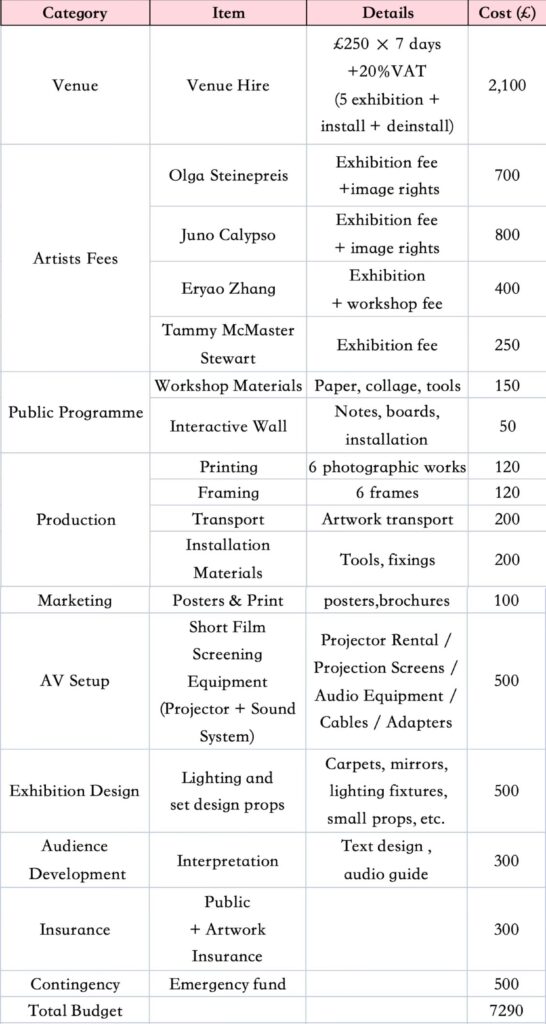
Fig 14 : Budget Sheet for a Personal Curatorial Project
References
Steinepreis, Olga. I’ve Had a Dream. Accessed April 18, 2026. https://olgasteinepreis.art/i-ve-had-a-dream.
Olga Steinepreis, My Mother Doesn’t Work (2024–ongoing), accessed April 18, 2026, https://olgasteinepreis.art/my-mother-doesnt-work-2024-ongoing.
Mulvey, Laura. “Visual pleasure and narrative cinema.” In The sexual subject, pp. 22-34. Routledge, 2013.
Foucault, Michel. “Discipline and punish: The birth of the prison, trans.” Alan Sheridan (New York: Vintage, 1979) 227 (1977).
Calypso, Juno. Joyce II (series). Accessed April 18, 2026. https://www.junocalypso.com/joyce-ii/ggluhx3xy41mpvno7t6dixv2pbd0u1.
Summerhall Arts. Summerhall Arts. Accessed April 18, 2026. https://www.summerhallarts.co.uk.
Bourriaud, Nicolas. “Relational aesthetics (Les Presses Du Reel edition).” Les Presse Du Reel, Franc (1998).
Bishop, Claire. Artificial hells: Participatory art and the politics of spectatorship. Verso books, 2023.
Creative Scotland. Fair Pay: Rates of Pay Signposting Guide. August 2022. https://www.creativescotland.com/



Leave a Reply