

This week, I visited the National Museum of Scotland to view the exhibition and learn[1]. Through this visit, I gained practical skills that will be useful for future curatorial work at large art galleries and museums.
First, the map at the entrance is available in multiple languages, which is an example of accessible design worth studying. The map shows the specific locations of each exhibition hall, as well as the most famous or recommended exhibits in each hall. However, because it requires translation into multiple languages, I am unable to incorporate this into my SICP project due to my current limited budget; nevertheless, it will be beneficial for my future curatorial practice in permanent exhibitions at large art galleries and museums. I noticed that the Science and Technology Gallery and the Art, Design, and Fashion Gallery at the National Museum of Scotland are highly interactive. This interactivity allows visitors to build a relationship with the exhibits within the galleries. A temporary exhibition titled Edinburgh Science Festival[2] is currently on at the Art, Design, and Fashion Gallery. I found this exhibition particularly appealing to families with children, as it offers numerous interactive installations designed for children to learn and explore. Staff members provide explanations and assistance at each installation.
My SICP public project, “Create Your Tiny Village,” takes the form shown in Figure 4: a table set up with Kefan Zhang—the artist whose artwork inspired my public project—standing by to assist participants. However, this large-scale art festival format—featuring multiple interactive installations or public projects within a single exhibition hall—is difficult to implement in my SICP due to staff limitations, the small size of my venue, the need to rent additional space for a public program, and insufficient funding. Therefore, I will document these interactive and experiential installations for use in my future curatorial studies and practice. In contrast, the Ancient History exhibition in the Scotland Gallery lacks interactivity, consisting mostly of text and a single display of artifacts. While this serious style fits the atmosphere of a history exhibition, it is not very appealing to children.
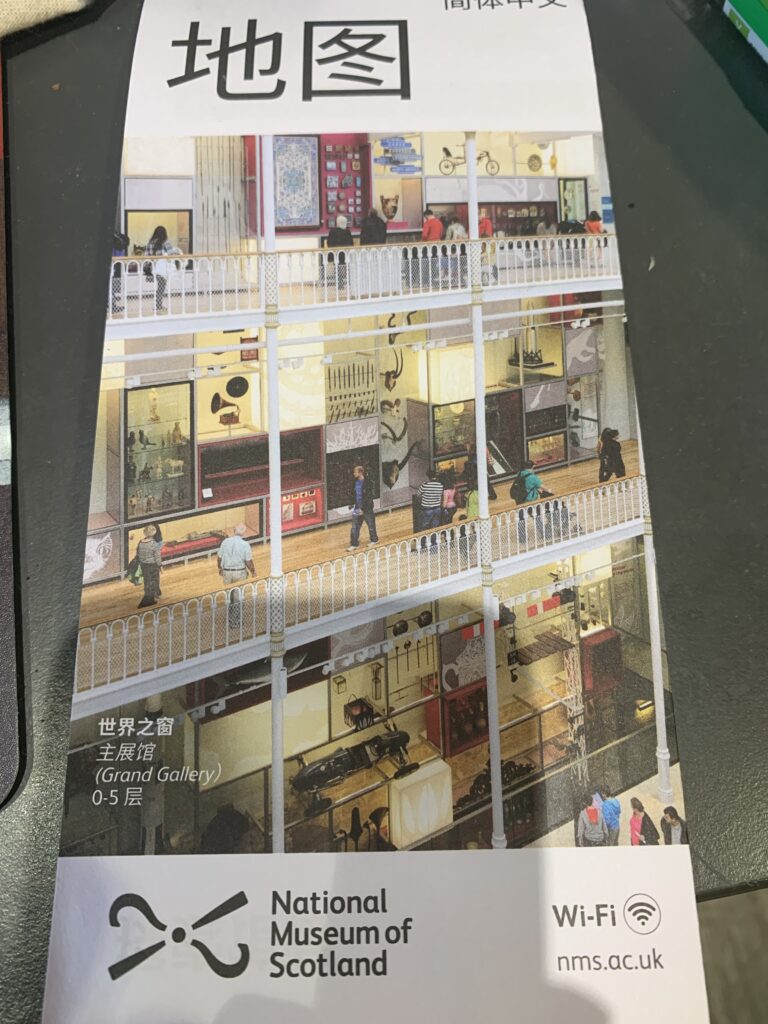
Figure 1: A map in Chinese provided at the museum’s main entrance
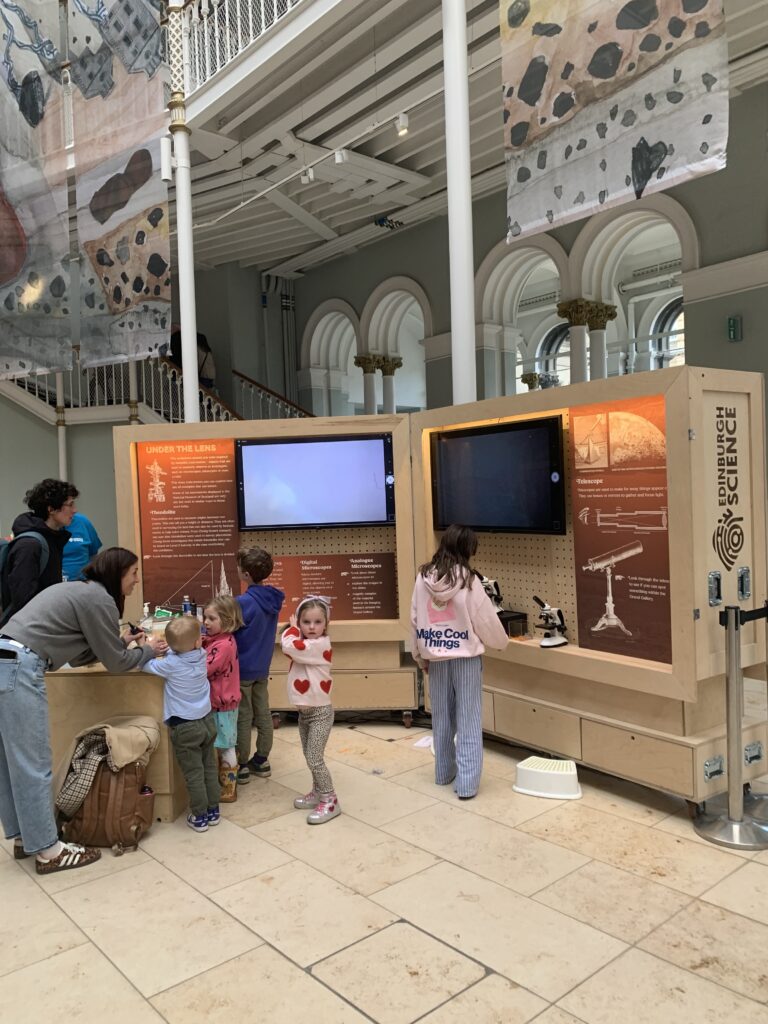
Figure 2: An interactive installation in Edinburgh Science Festival at Art, Design, and Fashion Gallery, which is very popular with families with children.
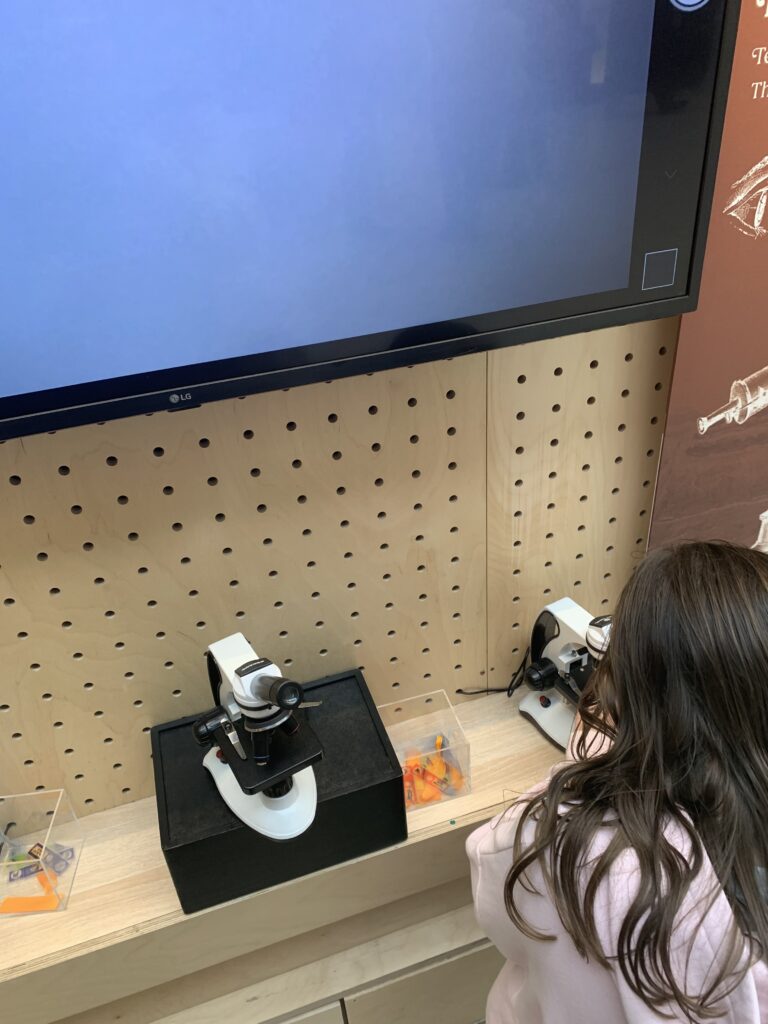
Figure 3: An interactive installation in Edinburgh Science Festival at Art, Design, and Fashion Gallery, which is very popular with families with children.
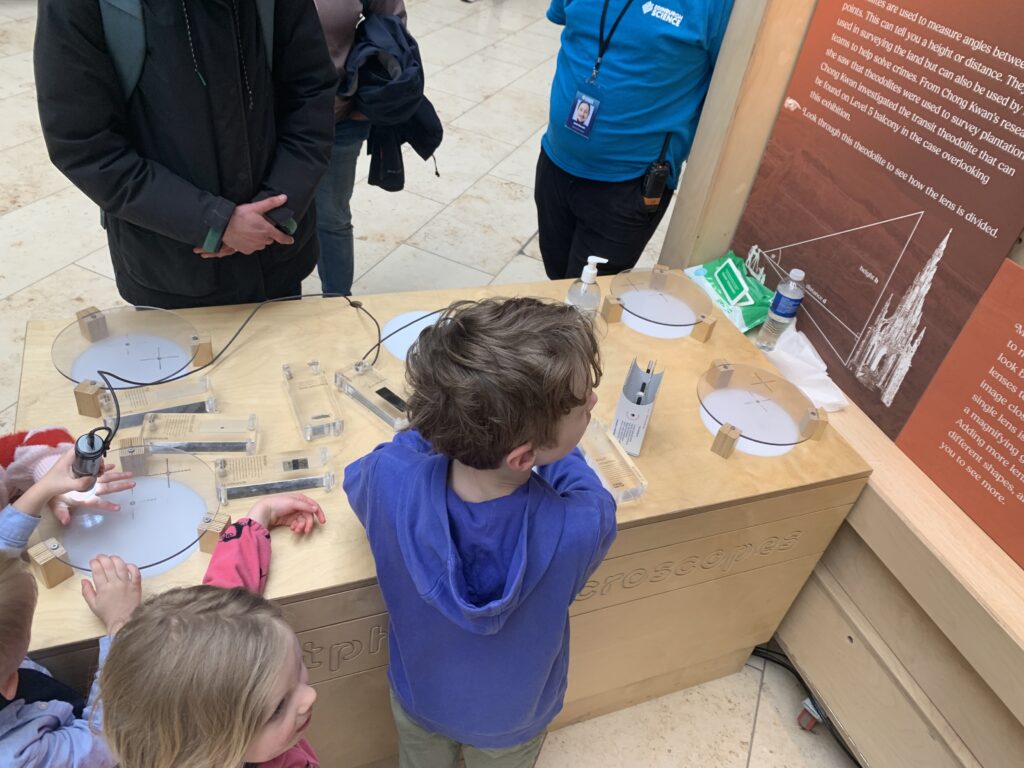
Figure 4: An interactive installation in Edinburgh Science Festival at Art, Design, and Fashion Gallery, which is very popular with families with children.
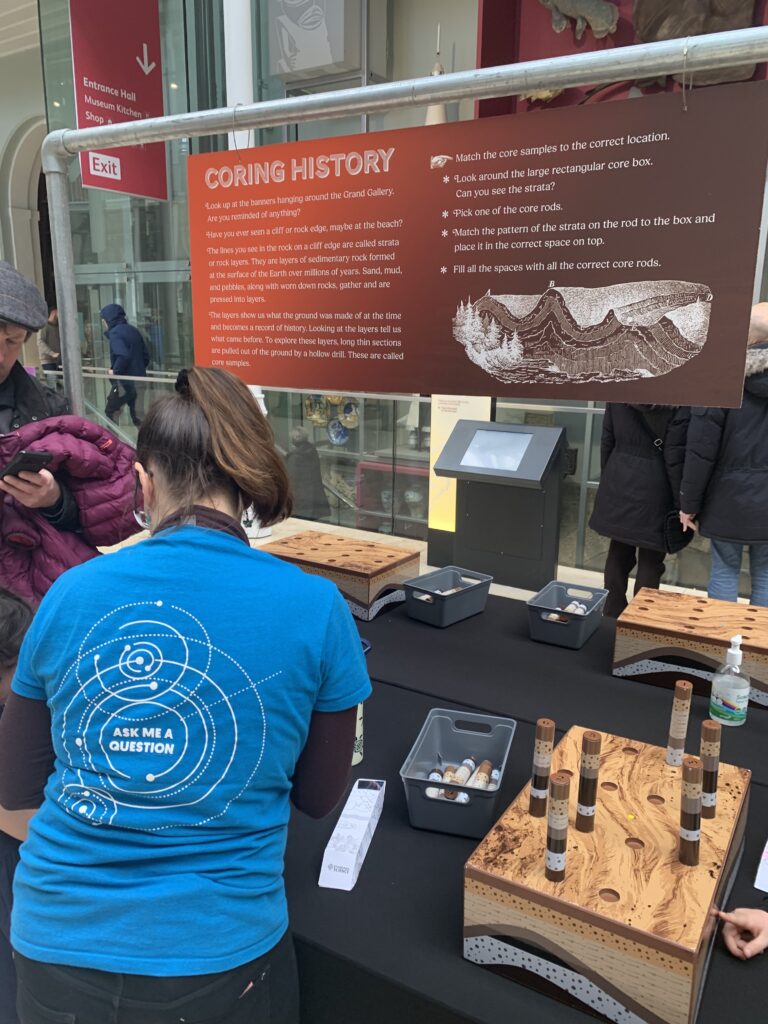
Figure 5: An interactive installation in Edinburgh Science Festival at Art, Design, and Fashion Gallery, which is very popular with families with children.
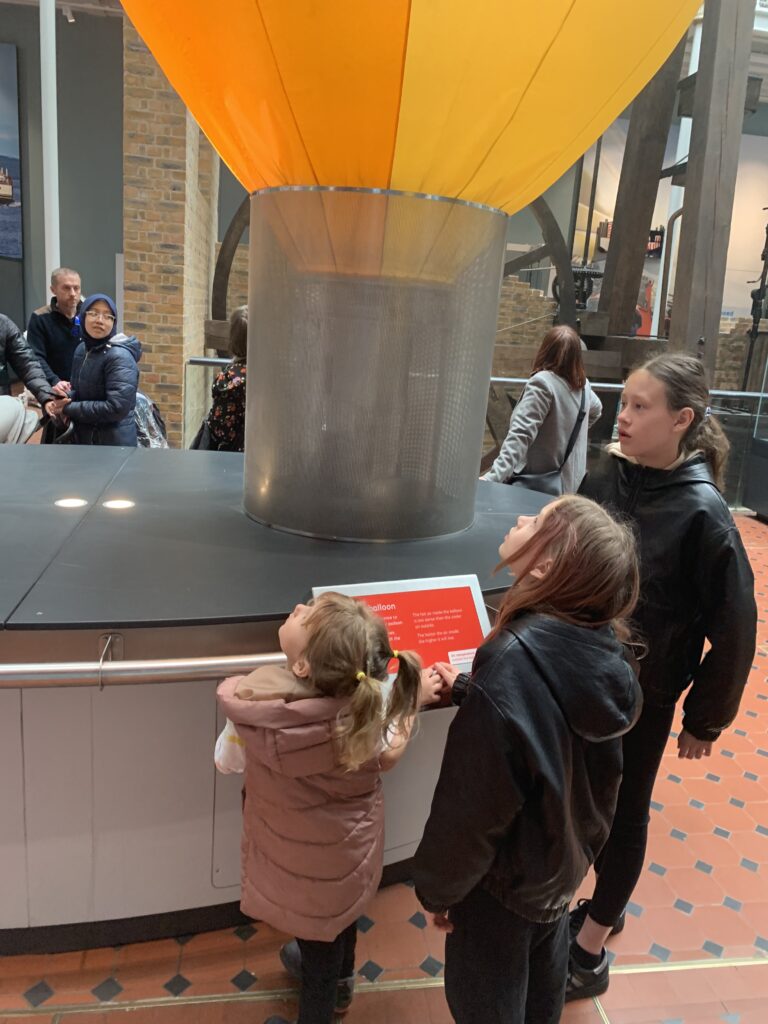
Figure 6: An interactive installation in Edinburgh Science Festival at Art, Design, and Fashion Gallery, which is very popular with families with children.
Secondly, in the Art, Design, and Fashion gallery, I noticed that the curators used video introductions to explain the artworks. In front of each display case, there was a screen where visitors could watch the artists themselves or researchers discuss the exhibits. Some clothing exhibits had touchable fabric samples, which helped increase visitor engagement and experience. I also observed other forms of textual presentation throughout the museum. For example, shelves were set up to hold guidebooks and multi-angle display boards. In the Scotland exhibition hall, I observed how certain physical exhibits were displayed. For landscape design works, physical models can be displayed; this approach could be useful for my SICP project in larger exhibition spaces in the future.
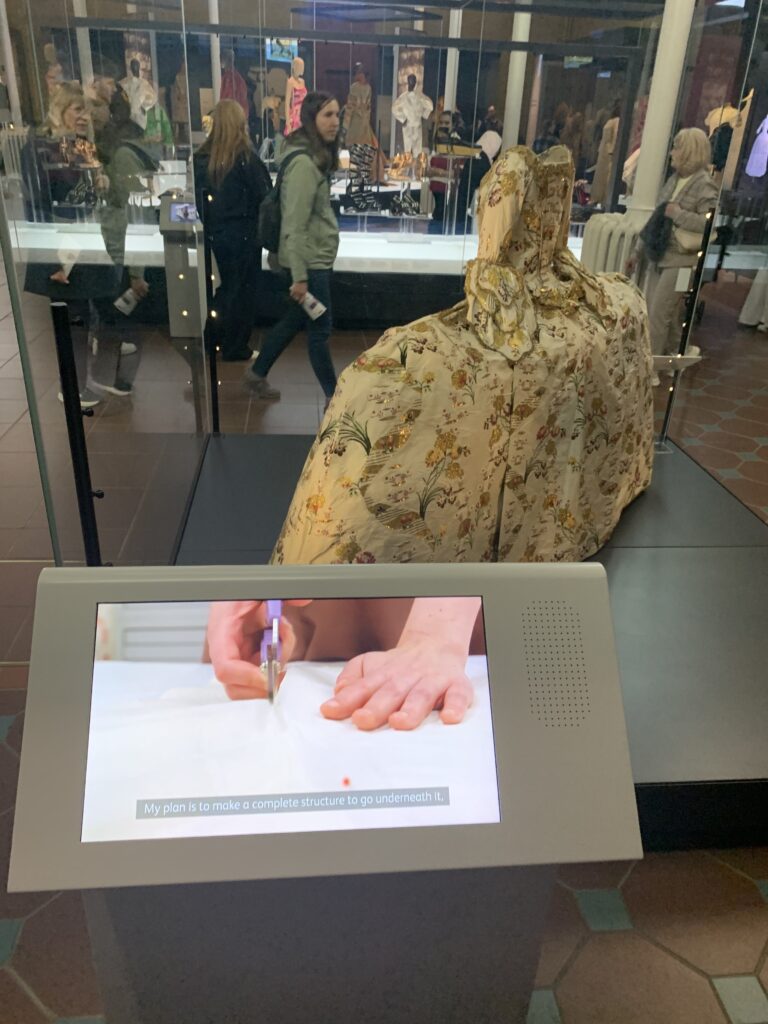
Figure 7: Video explanations alongside the artworks in the Art, Design, and Fashion Gallery
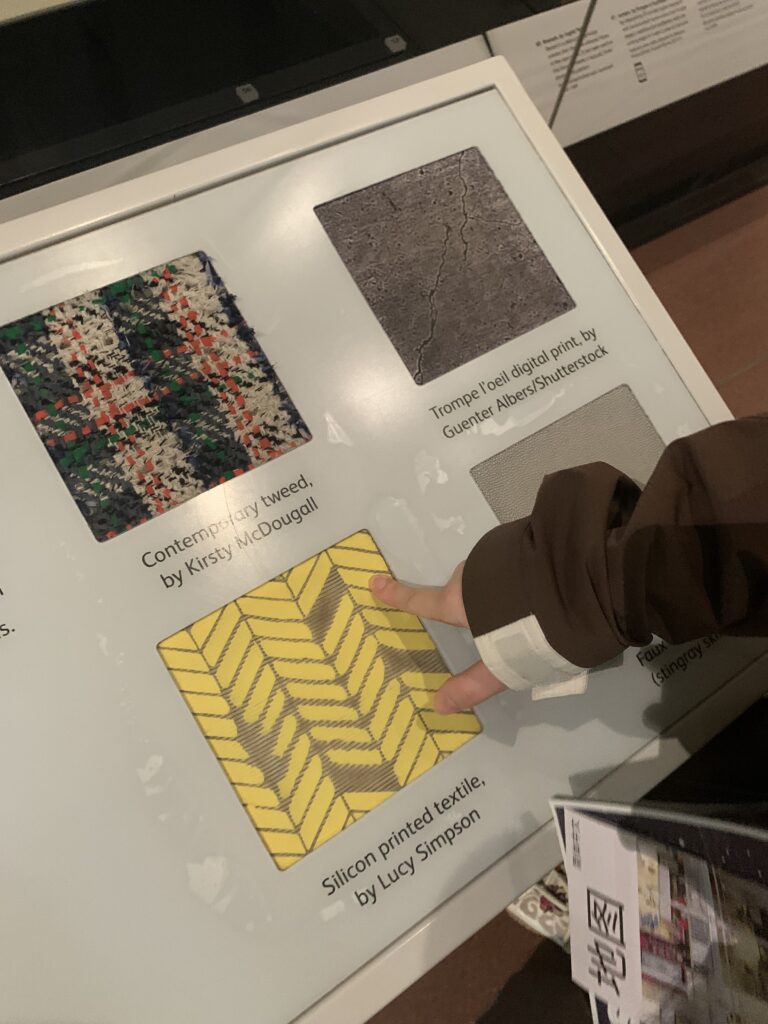
Figure 8: Touchable fabric samples displayed next to the artwork in the Art, Design, and Fashion Gallery
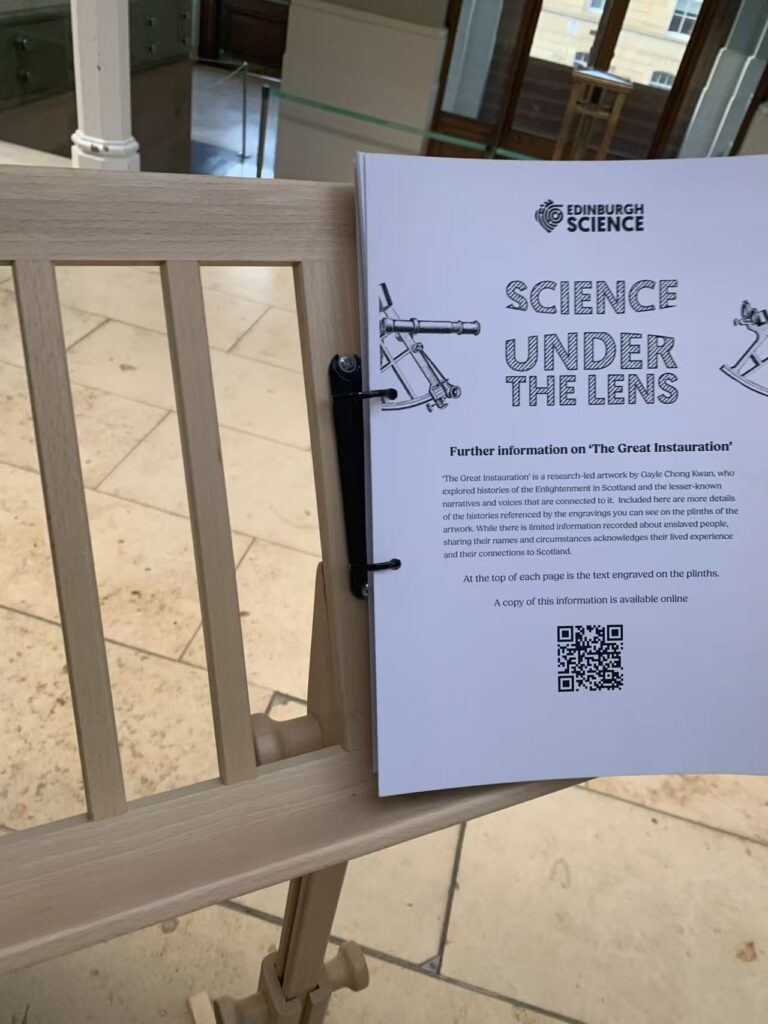
Figure 9: Text descriptions displayed on shelves at the Edinburgh Science Festival
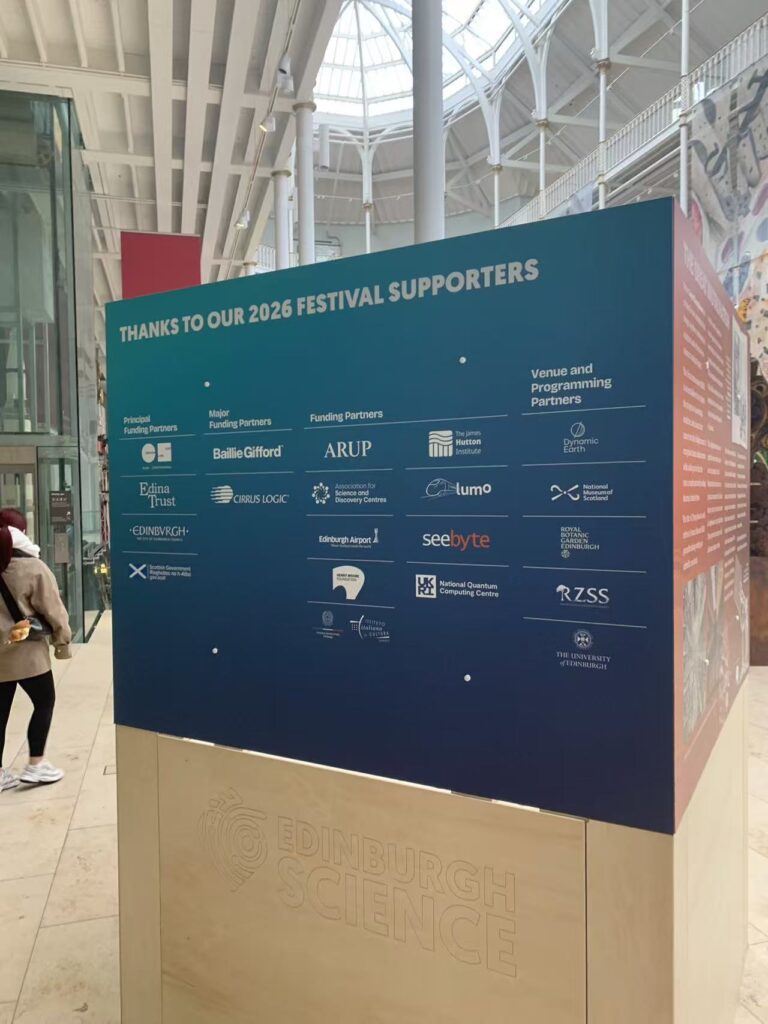
Figure 10: Text displayed on multi-angle boards at the Edinburgh Science Festival
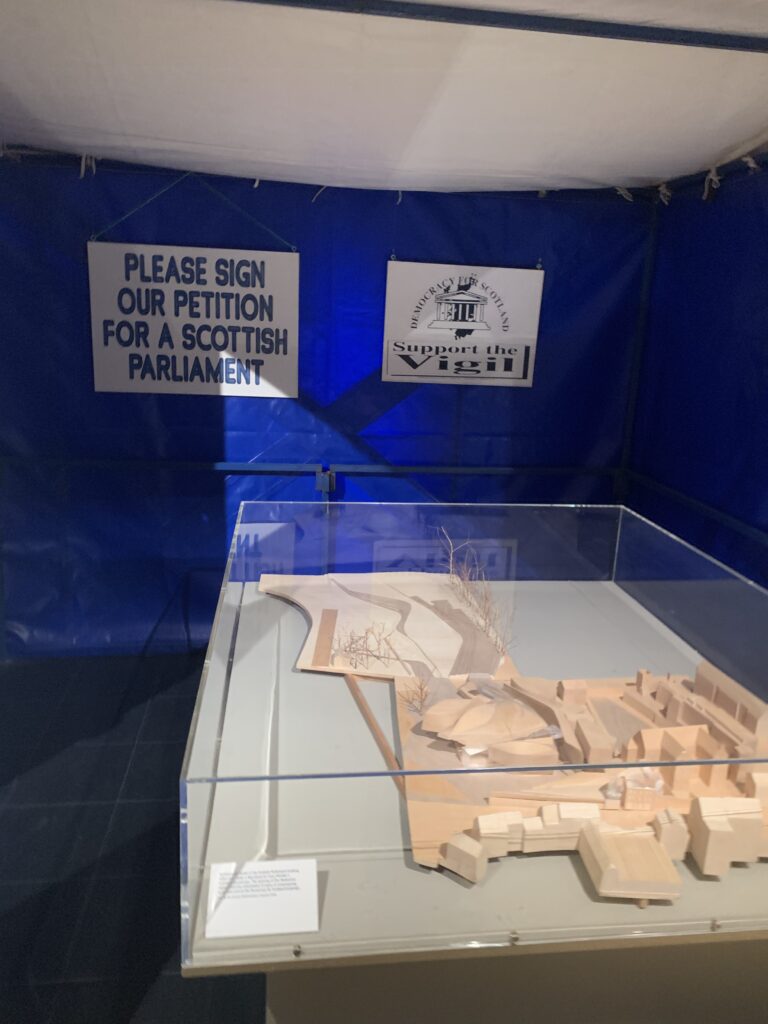
Figure 11: A model of a landscape design work in the Scotland exhibition hall
[1] Home | National Museums Scotland
[2] Edinburgh Science Festival 2026 | National Museums Scotland



Leave a Reply