

Introduction
The title of my SICP is Peripheral Future: Design Answers Rural, which means responding through design to the problems faced by rural areas—such as being treated as mere appendages by cities, being overtaken by tourism, and having agricultural development hindered by industrial waste. “Peripheral” does not aim to create a binary opposition between center and periphery, but rather seeks solutions for rural areas from the perspective of victims exploited by cities[1].
This article first discusses how I acquired knowledge through reading and courses, and applied it to my SICP as theoretical support. Second, I focus on how I visited exhibitions outside of class to absorb curatorial practices. Third, I will emphasize the contributions I made in collective and challenges and achievements I faced during collective exhibition. Finally, I will conclude by discussing the knowledge and skills I gained from studies and skills I still need to acquire in the future.
1. Theoretical Support from Lecture and Reading
A strength of my SICP project is that the selection of artworks aligns perfectly with each branch of the exhibition’s concept, addressing topics such as the industrial legacy of rural wastelands, rural tourism, and agriculture and nature.
Most importantly, I established my exhibition theme and concept in Weeks 1–2 by reading Centres ⁄ Peripheries– Complex Constellations. As an undergraduate, I visited Huge Village in Hebei Province, near Beijing. I observed that the local government had set up and maintained its publicity boards and political propaganda centers in a very well-organized way. However, the nearby rivers had dried up, and villagers continued to leave their hometowns as migrant workers. The children, lacking parental guidance, were reluctant to engage with the art education. At the time, I felt only helplessness and sorrow. Through my readings this semester, I have come to understand that this represents a form of oppression by the center upon the periphery[2]. I now realize that I can make a contribution to help rural residents achieve a better life. Several authors in the article point out that art serves a counter-hegemonic function and helps reveal the truth[3]. And raise the question: Could these peripheries use the power of art to sustain their local communities and economies as well as shed light on diversity and inclusion[4]? This question sparked my reflection, so I hope to address the issue of rural areas being viewed as peripheral regions exploited by cities through this exhibition.
Through a detailed reading of “Introduction” in MyVillages during week 3, I selected the artworks based on the issues raised in the text. Because the article mentions the rebelliousness of land art[5], I therefore wish to bring a small-scale land art installation Concrete Bamboo originally created in the countryside into my white cube gallery. This satirical metaphor portrays imprisoned earth and nature, perfectly matching the artwork’s theme: industrial materials invading and reshaping rural landscapes. According to the article, rural agriculture’s survival space is being squeezed out by industry[6] as well as food production, manual labor, and land use issues[7], I chose Sara Dobbs’s work, Cooped . Farmed . Displayed. The article also discusses rural tourism, including the positive aspect of increased tourism revenue leading to greater focus on rural preservation[8]. However, I have been thinking more about whether the new entertainment facilities built by the tourism industry and the artificial decoration of nature truly benefit rural residents and the natural landscape. Therefore, for this exhibition, I have selected two architectural landscape design works—Alness Memorial Geopark Sequence and Intelligent Wilderness—to offer examples of the kind of landscapes that rural tourism should strive to build.
2. Practical Methods for Viewing Exhibitions
Through my extracurricular studies this semester, I have established my exhibition venue and Text Display Formats.
One of the strengths of my SICP project is that the venue selection aligns perfectly with the exhibition’s content. When selecting venue, I analyzed outstanding examples through online learning and conducted field visits to galleries in Edinburgh. During the second and third weeks, I researched online for art festivals that showcase locally created land art with a strong local identity. For example, Japan’s famous Echigo-Tsumari Art Triennale[9], as well as the Anji Youth Art Creation Camp organized by the Academy of Arts & Design at Tsinghua University in Anji County in 2023[10]. This type of art festival is beneficial for the development of the local tourism industry and provides aesthetic enrichment for the local residents. However, due to financial constraints, I am unable to bring artists to the area and provide them with the funding needed to support their living and creating in the local countryside for several months. Furthermore, since I am unsure of the current standard of art education in the area, I cannot be certain whether these works will be accepted by the locals—whether they will be viewed as mere decorations that disrupt daily life, or as critical rural art that sparks reflection.
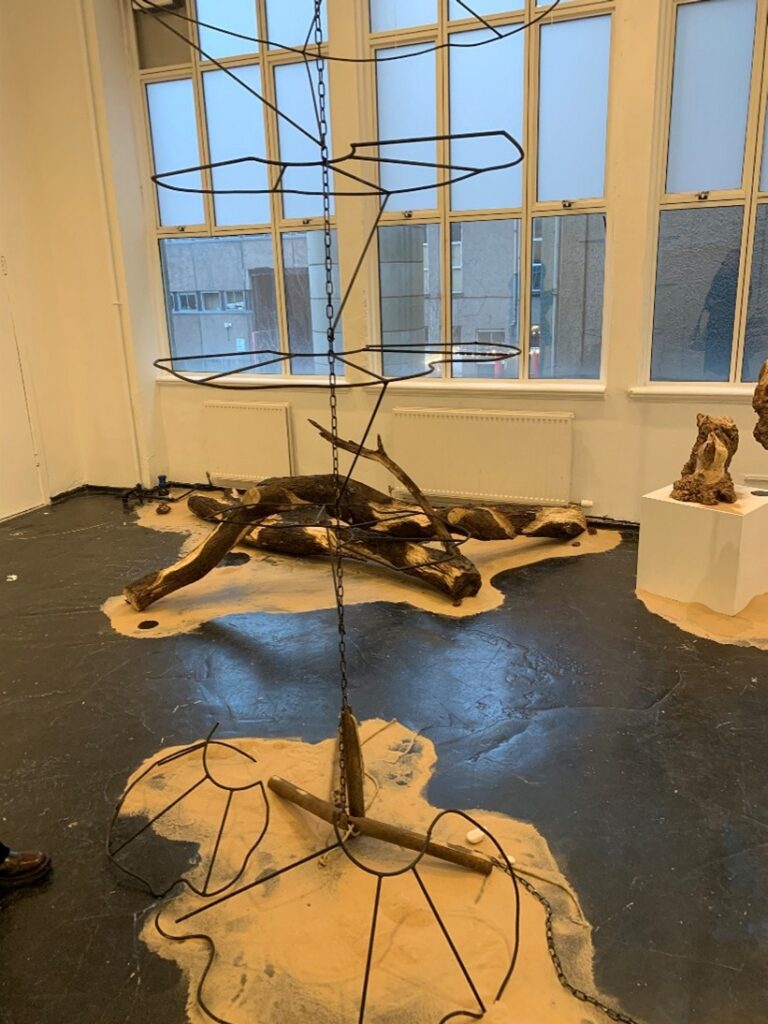
Figure 1, Molly Wickett’s exhibition “All Day, Waiting For Another Sun to Rise” at Summerhall Corner Gallery, illustrates that the space lacks walls suitable for displaying printed works.
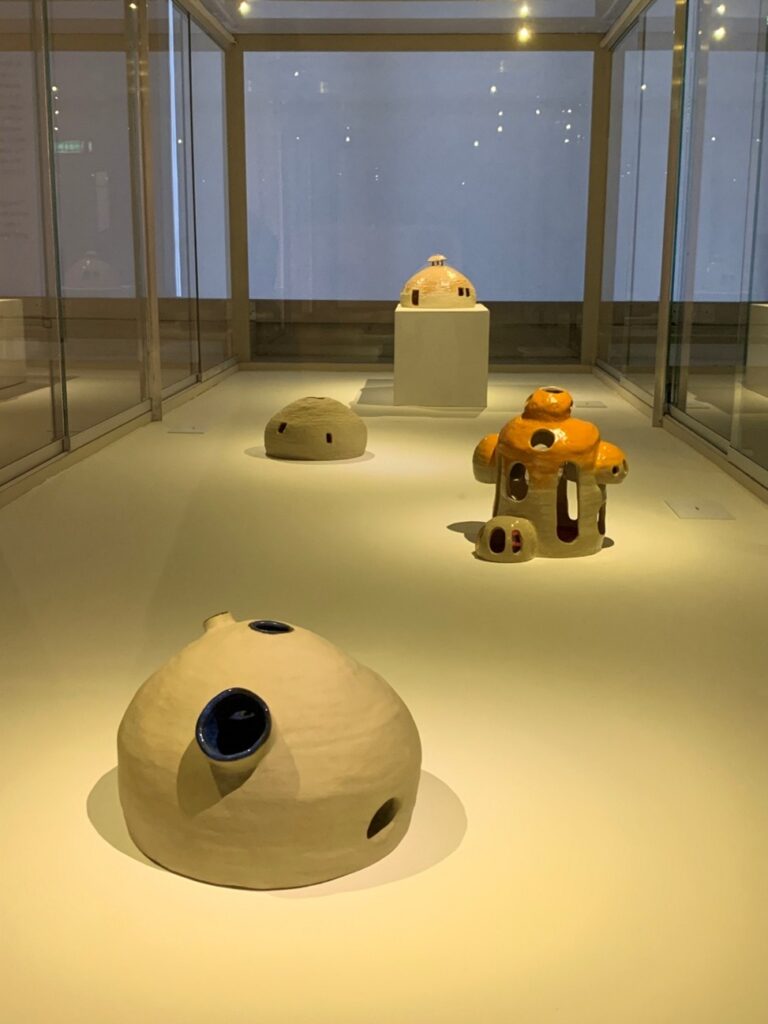
Figure 2, Taraneh Dana’s exhibition “A Heart in Exile” at Summerhall Lab Gallery, illustrates that the space lacks a location suitable for displaying large-scale installations.
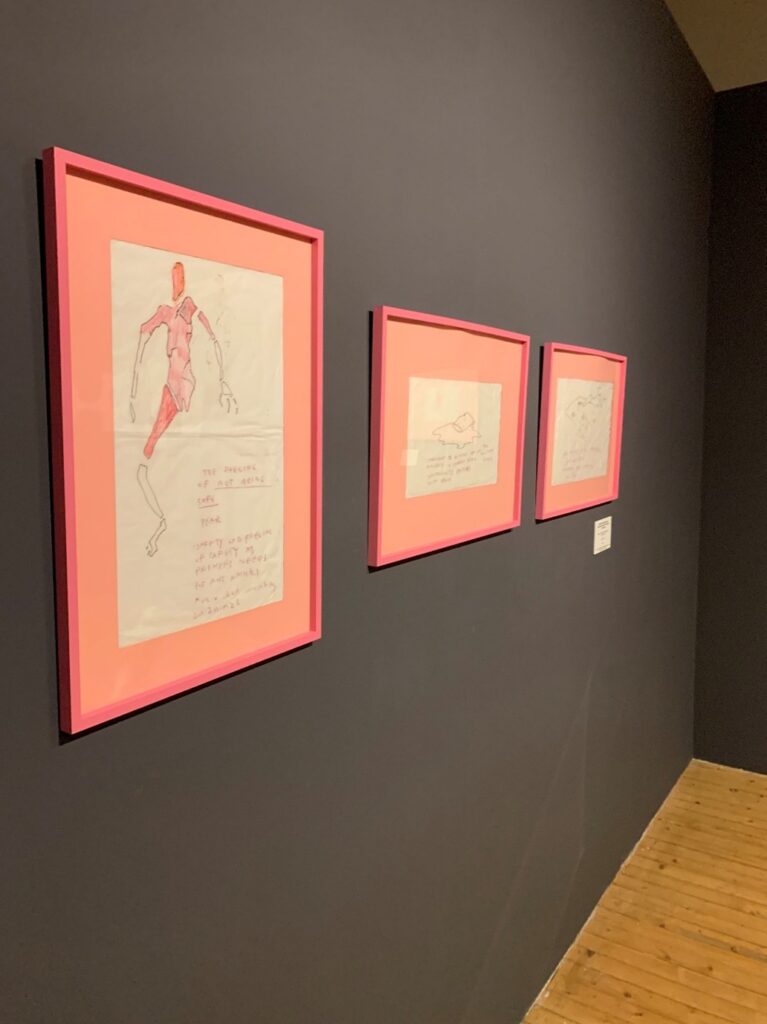
Figure 3, Kasia Oleskiewicz’s exhibition “Any Body Home” at the Summerhall War Memorial Gallery, shows that the space has walls for displaying printed works.
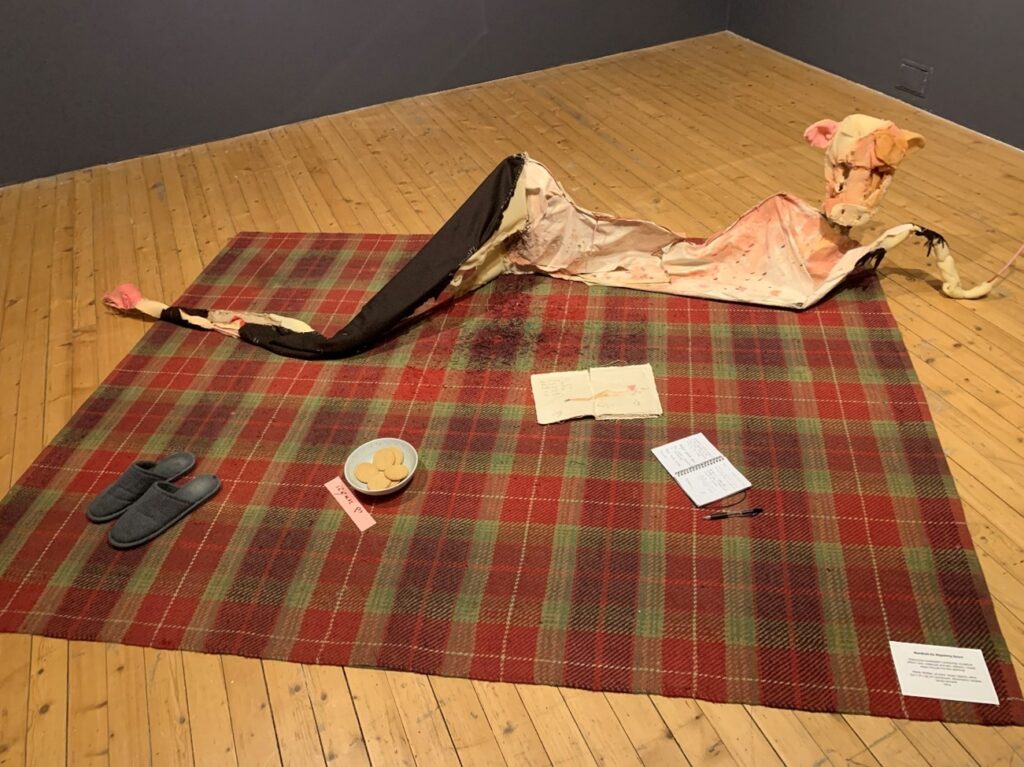
Figure 4, Kasia Oleskiewicz’s exhibition “Any Body Home” at the Summerhall War Memorial Gallery, demonstrates that the space can display large-scale installations.
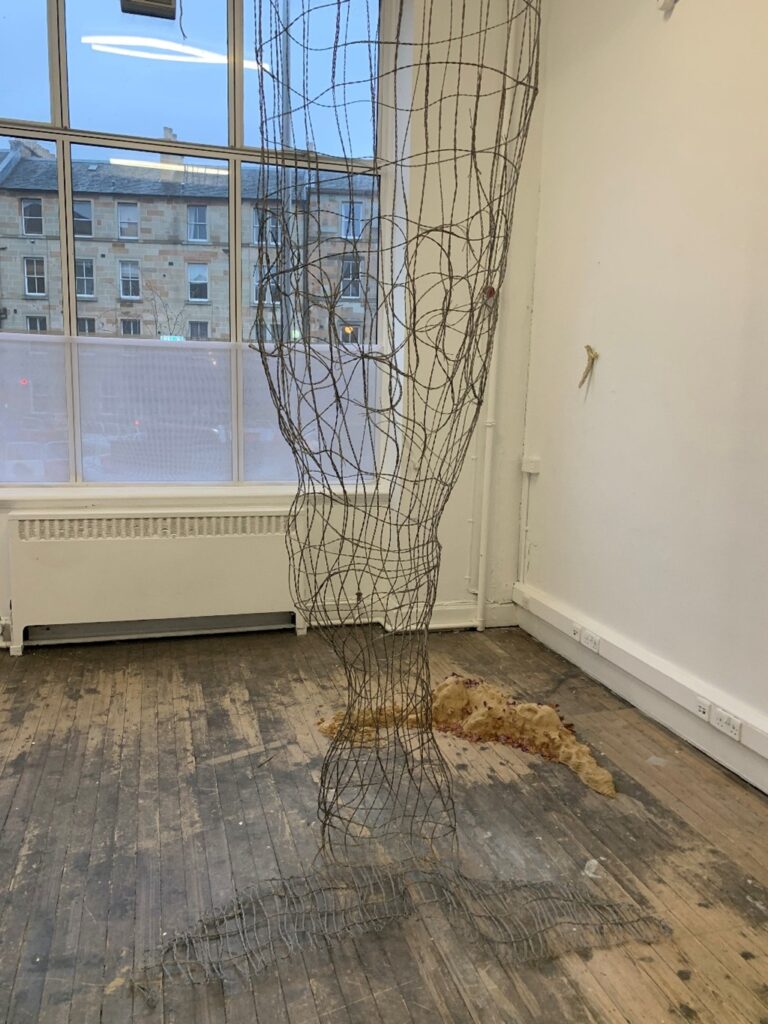
Figure 5, Eilidh Appletree’s exhibition “Net Worthy” at the Summerhall Sciennes Gallery, demonstrates the space can showcase large-scale installations.
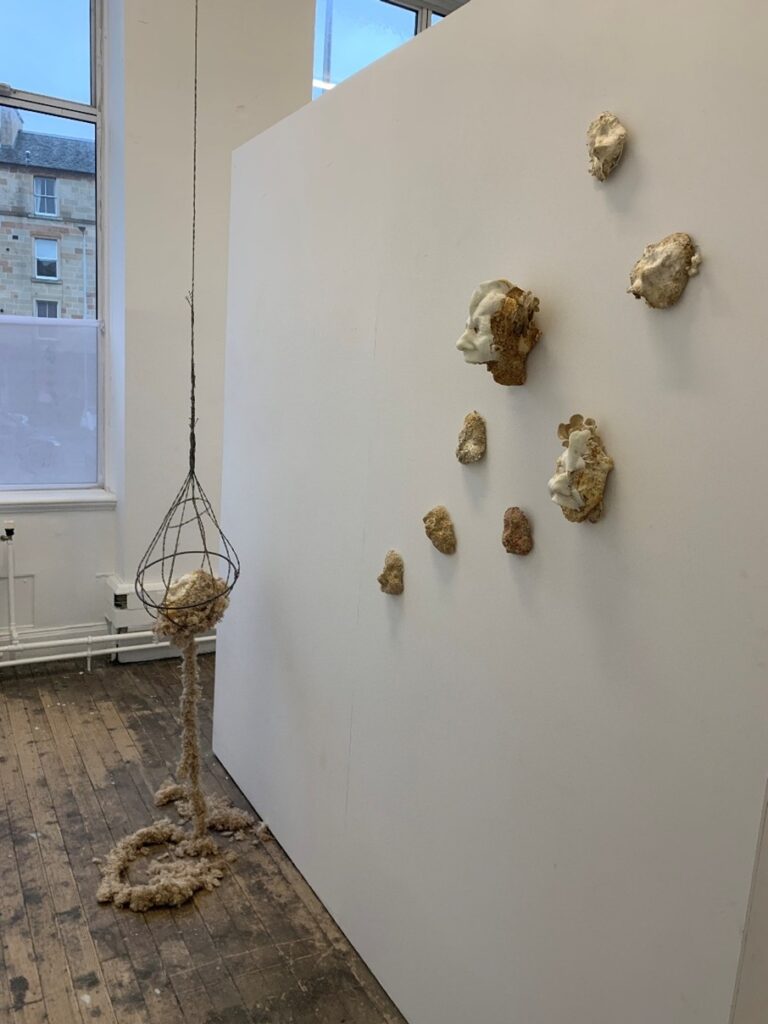
Figure 6, Eilidh Appletree’s exhibition “Net Worthy” at the Summerhall Sciennes Gallery, shows that the space includes walls for displaying print works.
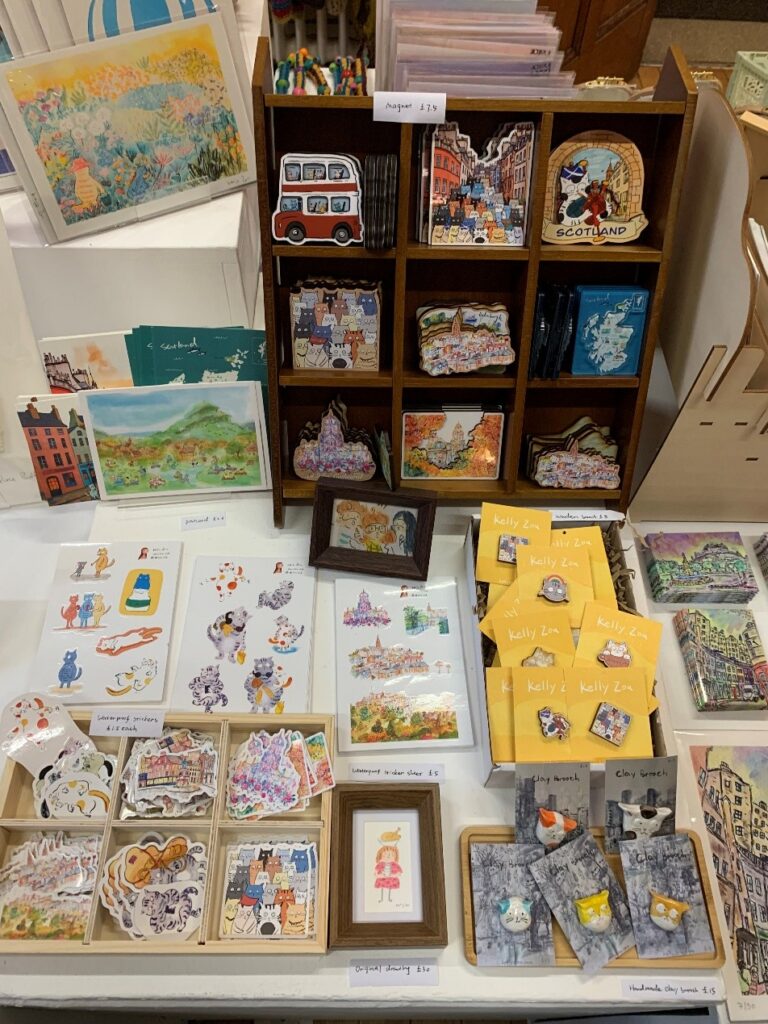
Figure 7, Summerhall Arts Boutique, which is connected to the exit of Sciennes Gallery and can sell exhibition souvenirs.
In week 6, I chose Summerhall’s Sciennes Gallery for my exhibition: it has ample wall space for paper artworks, a central area for large installations, and access to its arts boutique for souvenir sales. I emailed Summerhall staff to enquire about rental fees and floor plans, and shared the email with collective members using this space. In week 10, rereading Building a User-Generated Museum[12] further confirmed that rural contemporary art exhibitions need careful assessment of local villagers’ acceptance, otherwise they risk failure.
I had some questions about how to present the text, so I visited Ilana Halperin’s exhibition What is Us and What is Earth at Fruitmarket Gallery and studied their approach to text presentation—specifically, the use of freestanding display cases to present the artist’s creative concepts and work descriptions. I incorporated this approach into my own exhibition, using it to present the archival materials, curatorial concepts, and artwork descriptions.
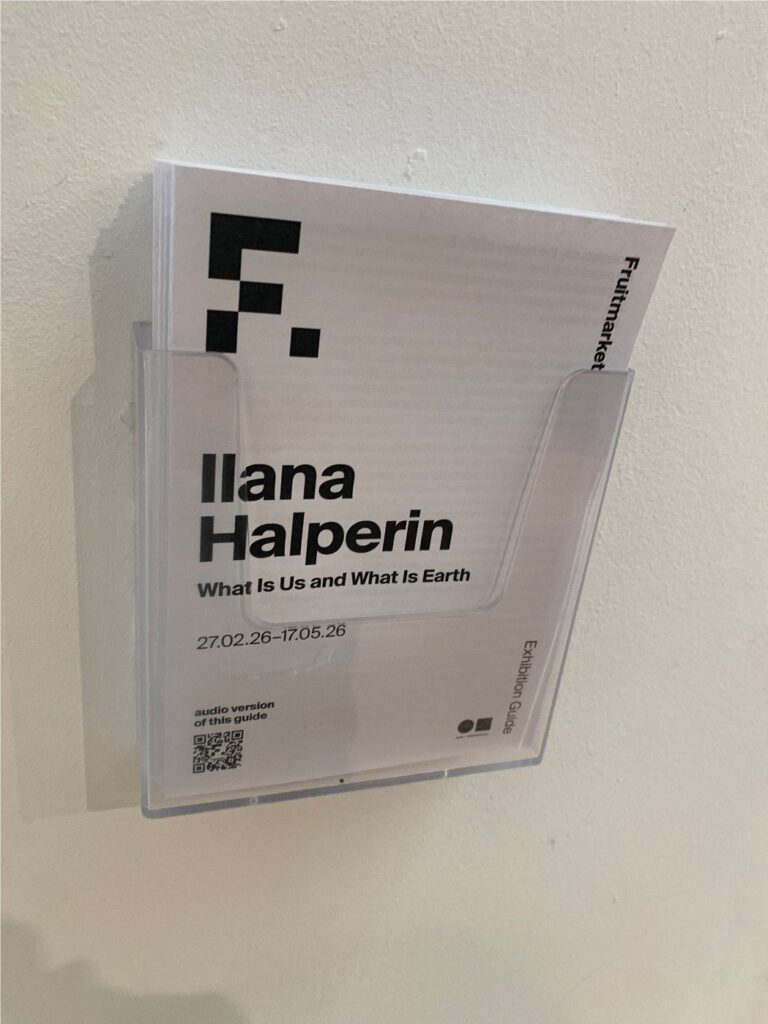
Figure 8, Ilana Halperin’s exhibition “What is Us and What is Earth” at Fruitmarket Gallery, illustrates their approach to presenting texts.
3. Challenges and Achievements in Collective
I believe one of my strengths this semester was that I integrated the readingswith SICP, the Collective Manifesto, and the Collective Exhibition, thereby clearly mapping out my learning journey for the semester.
From the fourth week, each of us came up with two statements based on our SICP content. Through continuous refinement, we ultimately established our group, “No Idea.” This does not mean we are a passive, inactive group; rather, it reflects the reality that there are many issues in the world that we have identified but which are nearly impossible for just a few of us to change on our own. Therefore, even if we have “No Idea,” we still choose to face the problems head-on and do our best to solve them. As most of our group members’ SICP projects are nature-related, our manifesto is deeply influenced by our reading and exhibition concepts. For example, after reading Centres ⁄ Peripheries– Complex Constellations[13], I proposed: “We cannot bridge the Center–Periphery divide, but curating can prompt more people to reflect.” This reflects my hope, in my SICP, to guide urban audiences to reflect on the exploitation and oppression of peripheral areas by the city. Having read Building a User-Generated Museum [14], I proposed the statement, “We regard curating as an ongoing practice rather than a one-off exhibition,” which reflects my belief that exhibitions can continue to influence people’s thinking. “We refuse to wait for others to document our era. We take on the responsibility of archiving the Anthropocene now.” This reflects my ideal of presenting archives based on the principle of radical empathy, as learned in the Week 8 class[15].
During group exhibition preparations, we debated whether field measurements required resource consuming. I raised this as Zhiyu Yang asked me to bring bubble wrap—the material I selected. Recalling our collective’s manifesto: “We will not create physical waste to show art,” I questioned if new bubble wrap would violate the manifesto, the artist’s intent, and the exhibition theme “Breathe” centered on environmental protection. We ultimately used tape to mark dimensions instead.
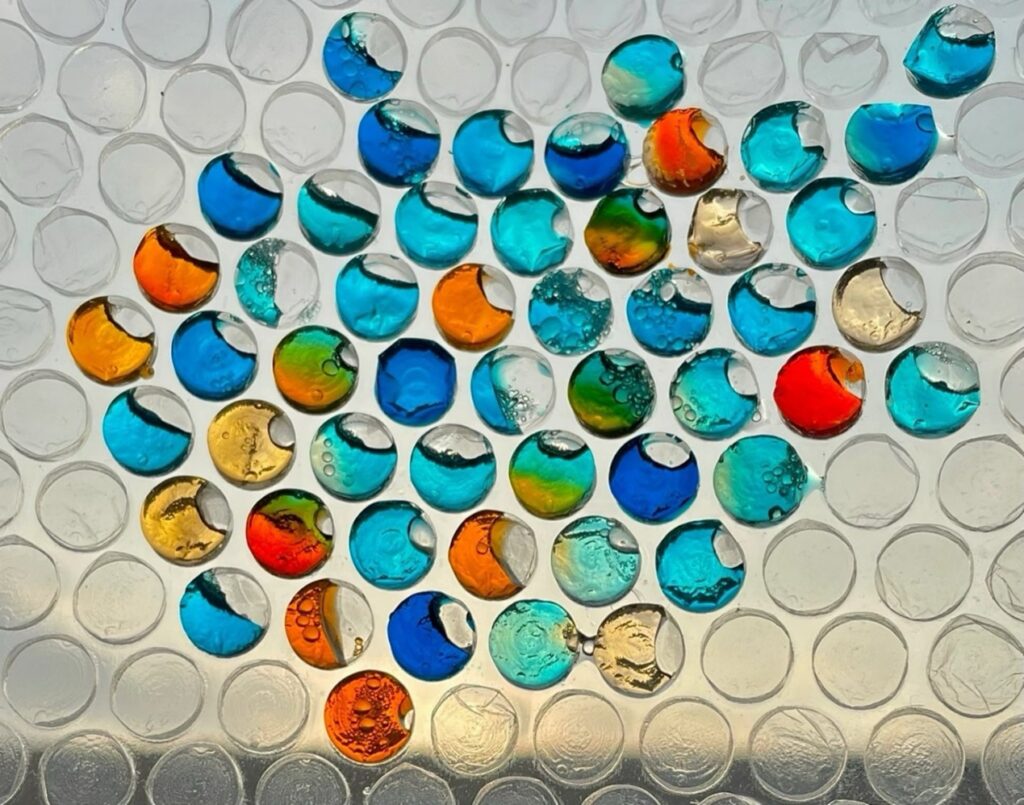
Figure 9: The collective exhibition artwork I selected. Bubble Sample, Fengjunya Zheng, 2022, Bubble wrap, food coloring, gelatin powder, Variable dimensions.
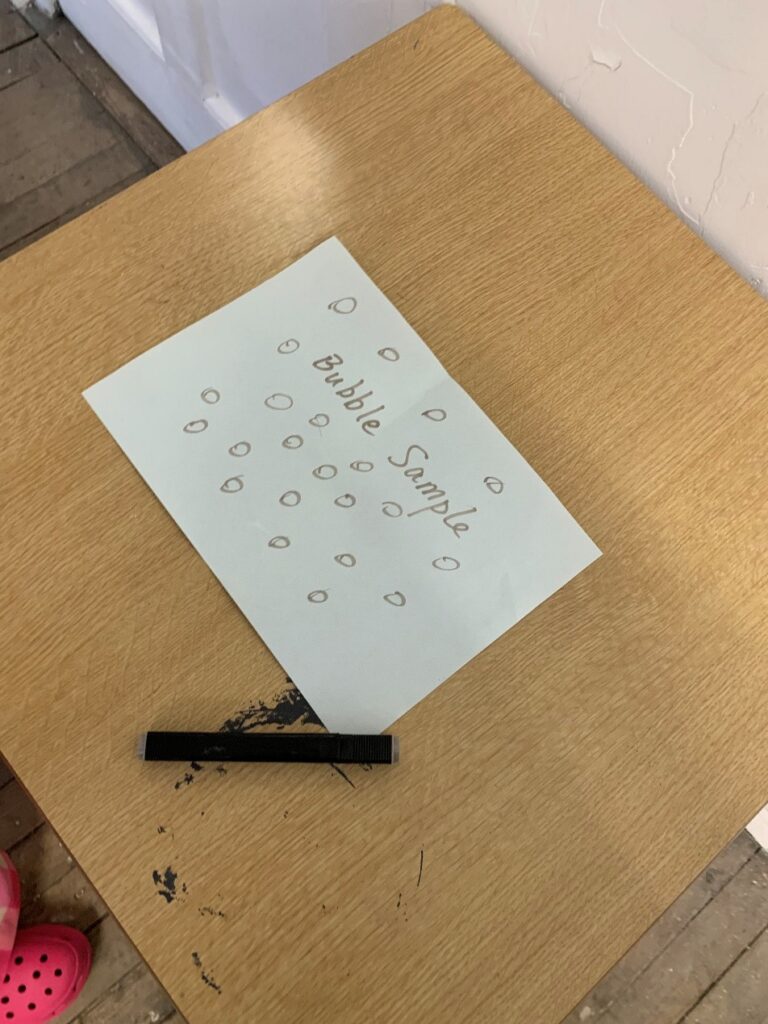
Figure 10: Our collective simulating the installation of the artwork using scrap paper.
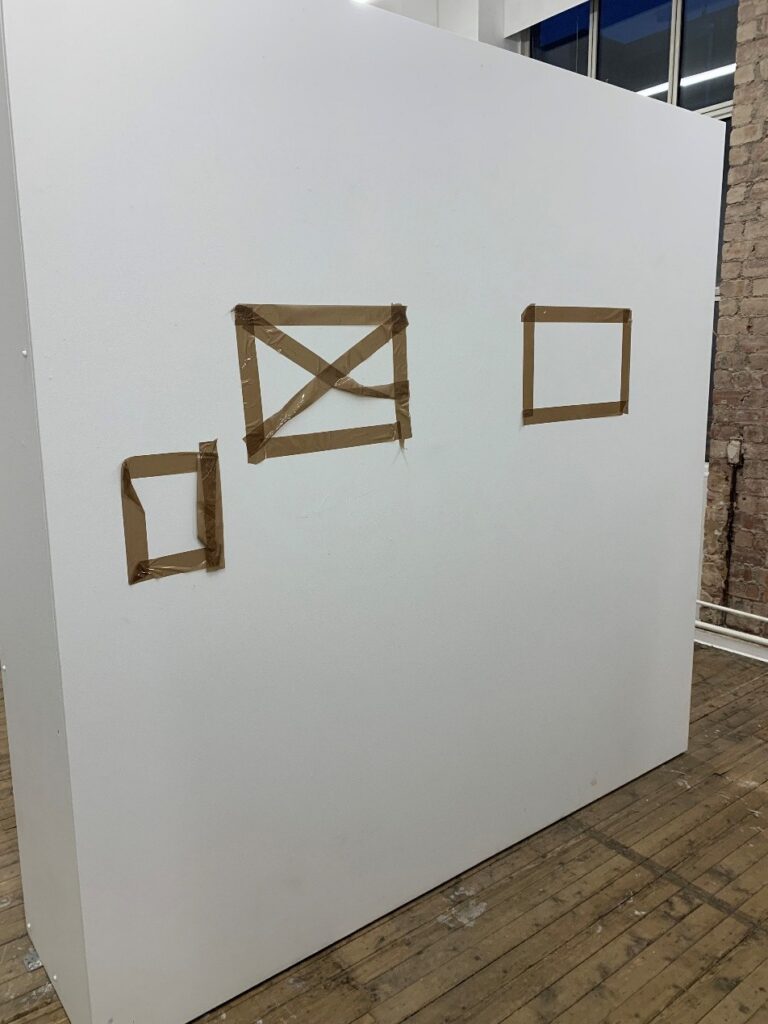
Figure 11: Our collective simulating the installation of the artwork using tape measure and tape.
In the collective, I noticed that I am still a novice when it comes to poster graphic design and creating 3D models of exhibition spaces. One area where my SICP project lacks is the absence of clearer, more visually appealing floor plans. Through the skills I acquired this semester, I have learned to use software to create exhibition posters. However, I still need to learn how to design more visually appealing floor plans as I continue my studies in curation.
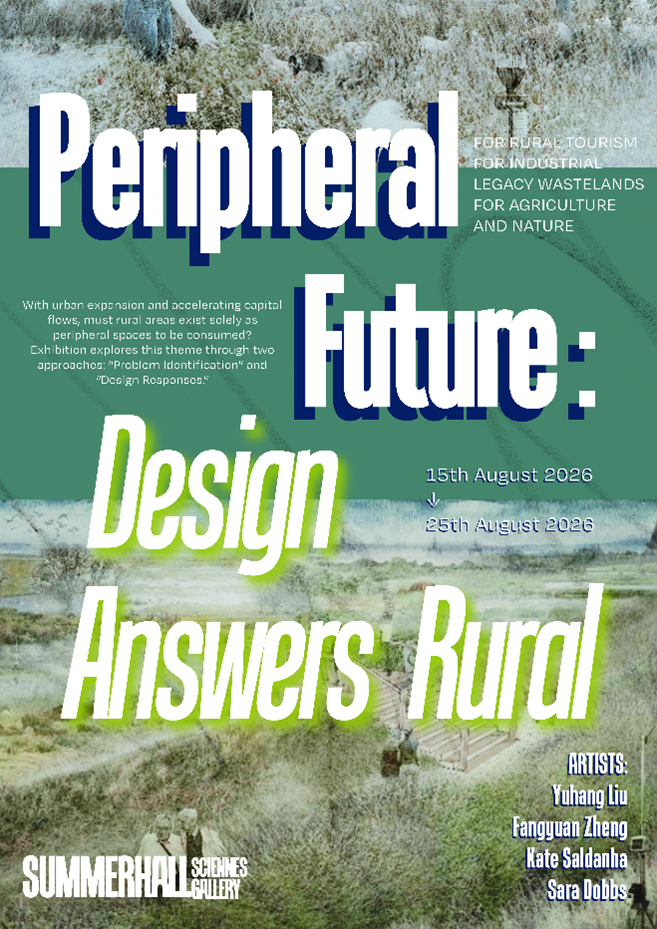
Figure 12: This is the SICP poster I designed. The dominant green color represents the natural countryside, while the overlay of gray symbolizes human intervention in nature and conveys the idea that nature awaits the changes people will bring.
Conclusion
Through this semester’s reading and learning, extracurricular exhibition visits, and collective activities, I have learned how to identify exhibition themes of interest from theoretical readings, and how to select artworks based on specific questions within those themes. This process will help me plan the style of different galleries and organize works in large art museums in the future. I visited nearly one exhibition per week this semester, accumulating curatorial practices suitable for various types of venues. Collective activities, in particular, taught me that curators do not work in isolation; exhibitions are the result of collaboration. In my future curatorial studies, I hope to enhance my design and modeling skills so that I can not only engage in written exhibition planning but also take on the visual design work for exhibitions.
Footnotes
[1] Ronald Kolb, Camille Regli, and Dorothee Richter, “Centres ⁄ Peripheries– Complex Constellations,” Notes on Curating 41 (June 2019): 3.
The periphery is a remote, rural place, and it delivers raw materials, food, and other resources to the centre under the condition of exploitation.
[2] Kolb et al., “Centres ⁄ Peripheries– Complex Constellations”, 7.
…… while trying to build relationships with the centre, the peripheries still find themselves heavily excluded, both on the structural and intellectual level.
[3] Kolb et al., “Centres ⁄ Peripheries– Complex Constellations”, 6.
Nevertheless, art and culture have the possibility to produce “truth,” to reveal and to comment, and they are able to act to a certain extent as a counter-hegemony
[4] Kolb et al., “Centres ⁄ Peripheries– Complex Constellations”, 7.
[5] Kathrin Bohm and Wapke Feenstra, “Introduction,” in MyVillages, ed., The Rural (London: Whitechapel Gallery, 2019), 13.
Land Art can be seen as an early venturing away from the city, an institutional critique towards the urban and white cube-bound art apparatus.
[6] Bohm and Feenstra, “Introduction,” 15.
Industrial and technological revolutions/infrastructures in urban areas offered overcrowded and economically weak rural communities a new home, causing depopulation and a new urban working class, while industries that rely on ground and soil resources dig up rural landscapes and spit them out as hubris and holes.
[7] Bohm and Feenstra, “Introduction,” 16.
…… we need to rethink our position to manual labour, land use and food production.
[8] Bohm and Feenstra, “Introduction,” 17.
In the Lake District of England (a famous area of natural beauty) a farmer was recently prosecuted for keeping a messy farm ……the concern was that people would get a bad impression of the area …… the farmer was fined, and obliged to clean up his farm and introduce new tidier farming methods.
[9] Echigo-Tsumari Satoyama Collaboration Organization, Echigo-Tsumari Art Triennale Official Website, accessed April 4, 2026, https://www.echigo-tsumari.jp/.
[10] Tsinghua University Academy of Arts & Design, “Art Toward Mountains and Rivers: The Opening of the Achievement Exhibition of the 2023 Anji Youth Art Creation Camp of Tsinghua University Academy of Arts & Design”, Official Website of Tsinghua University Academy of Arts & Design, October 27, 2023, https://www.ad.tsinghua.edu.cn/info/1389/30427.htm.
[11] Alistair Hudson, Building a User-Generated Museum: A Conversation with Alistair Hudson, openDemocracy, 5 May 2017, https://www.opendemocracy.net/en/building-user-generated-museum-conversation-with-alistair-hudson/.
Always the ambition was that this would not be a singular exhibition but a tool in developing this as a continual strategy as we went along.
[12] Alistair Hudson, Building a User-Generated Museum.
But it naturally makes it a place where there are a lot of intense versions of all the problems we see in British post-industrial, post-colonial society. So it’s not one that’s necessarily receptive to the idea of an art gallery.
[13] Kolb et al., “Centres ⁄ Peripheries– Complex Constellations”, 6.
Nevertheless, art and culture have the possibility to produce “truth,” to reveal and to comment, and they are able to act to a certain extent as a counter-hegemony
[14] Alistair Hudson, Building a User-Generated Museum.
Always the ambition was that this would not be a singular exhibition but a tool in developing this as a continual strategy as we went along.
[15] Alasdair Gray Archive – a generative ‘living’ archive – curated through ‘radical care’ by Custodian Sorcha Dallas.
This is a feminist approach to archiving called radical empathy, which is the “ability to understand and actively consider another person’s point of view in order to connect more deeply with them.”
References
Kolb, Ronald, Camille Regli, and Dorothee Richter. “Centres ⁄ Peripheries– Complex Constellations.” Notes on Curating 41 (June 2019): 3.
Bohm, Kathrin, and Wapke Feenstra. “Introduction.” In The Rural, edited by MyVillages, 13. London: Whitechapel Gallery, 2019.
Echigo-Tsumari Satoyama Collaboration Organization. Echigo-Tsumari Art Triennale Official Website. Accessed April 4, 2026. https://www.echigo-tsumari.jp/.
Tsinghua University Academy of Arts & Design. “Art Toward Mountains and Rivers: The Opening of the Achievement Exhibition of the 2023 Anji Youth Art Creation Camp of Tsinghua University Academy of Arts & Design”. Official Website of Tsinghua University Academy of Arts & Design, October 27, 2023. https://www.ad.tsinghua.edu.cn/info/1389/30427.htm.
Hudson, Alistair. “Building a User-Generated Museum: A Conversation with Alistair Hudson.” openDemocracy, May 5, 2017. https://www.opendemocracy.net/en/building-user-generated-museum-conversation-with-alistair-hudson/.



Leave a Reply