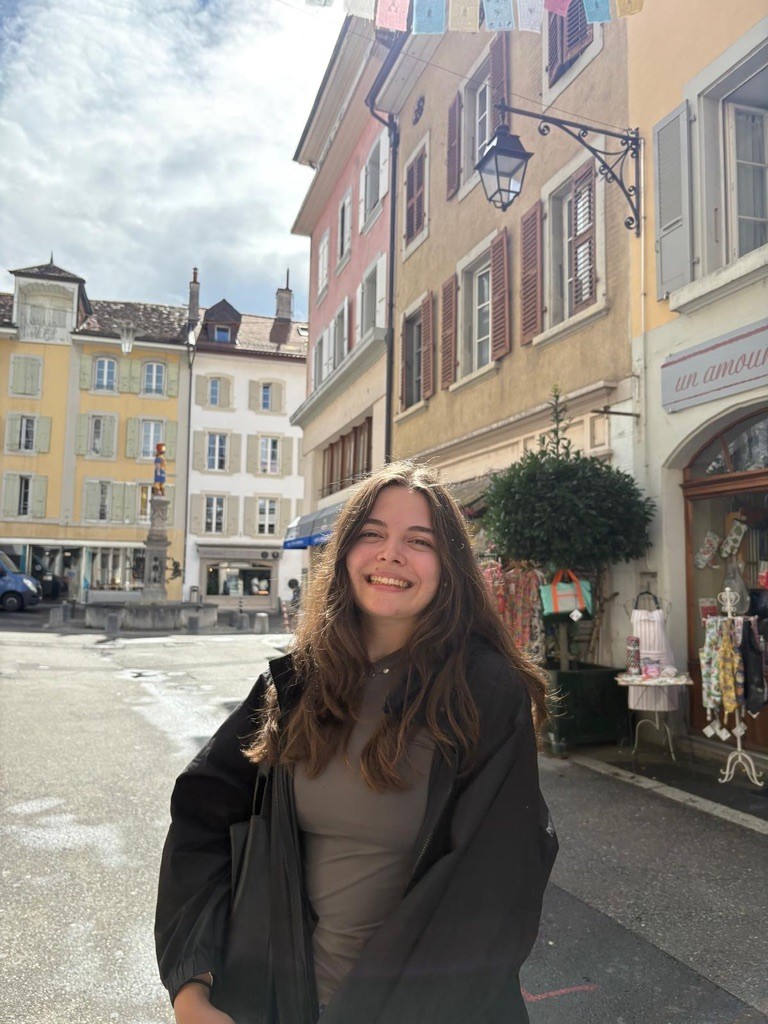
Daisy is a fourth-year English Literature student. She has been interested in Digital Humanities since she attended the Digital Kafka symposium in 2025. Her project, ‘cd:<relationship>’ is concerned with dramatising how humans emotionally connect to AI, particularly how people can fall in love with their chatbot. Her role on this project was profiles manager.
Likes:
– 4D colourful graphs
– Ngramming
– Music as a medium for presenting analysis, Dislikes:
– Hashtags being in lowercase
– Google Books
– Being on the command line Daisy’s Project
– 4D colourful graphs
– Ngramming
– Music as a medium for presenting analysis, Dislikes:
– Hashtags being in lowercase
– Google Books
– Being on the command line Daisy’s Project
Zita is a fourth-year English Literature student interested in the implications of AI use in the future of creative jobs and industries, particularly the questions of authorship and copyright in material used to train AI bots. Her project, ‘A Day at the Gallery’ interrogates the claim that AI ‘democratises’ art by considering the human dimension of artistic output in relation to contemporary readings of Walter Benjamin’s influential essay, ‘The Work of Art in the Age of Its Technological Reproducibility.’ She worked as a project manager for the site.
Likes:
– Purple
– Public libraries
– Reading unhinged posts on r/MyBoyfriendIsAI Dislikes:
– Any citation style that is not MLA Zita’s Project
– Purple
– Public libraries
– Reading unhinged posts on r/MyBoyfriendIsAI Dislikes:
– Any citation style that is not MLA Zita’s Project
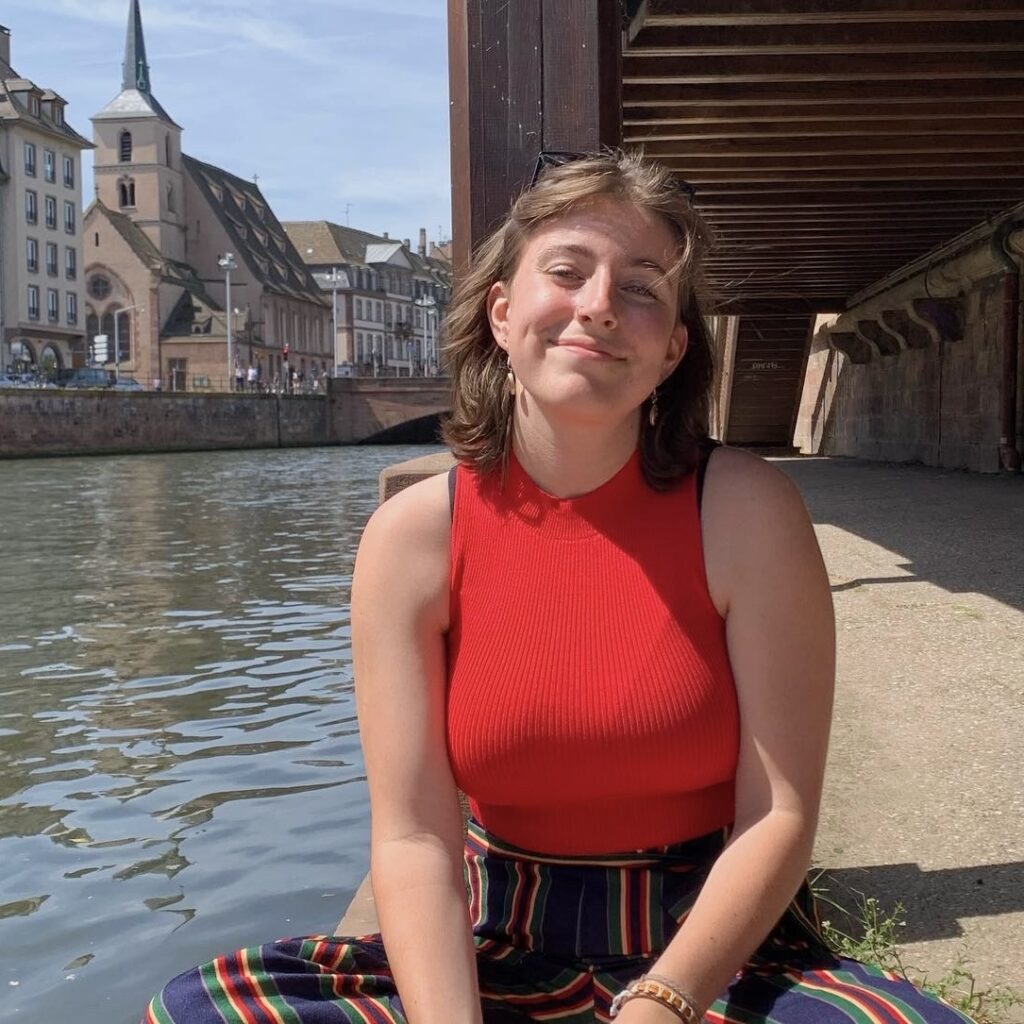
Jacob is a fourth-year Philosophy and English Literature student. They chose to study Digital Humanities in an attempt to engage with a new and flourishing field of study, and is particularly interested in accessibility and intersections with queer theory. Their project, ‘Maxwell’s Silver Hammer’ is a short piece of creative writing designed to illustrate the pitfalls and issues often encountered when using AI in its current state. Their role on this project was images director.
Likes:
– Sci-Fi
– Queer Theory
– Concordance tools Dislikes:
– AI
– Subpar Data Analysis
– Interdepartmental Conflict Jacob’s Project
– Sci-Fi
– Queer Theory
– Concordance tools Dislikes:
– AI
– Subpar Data Analysis
– Interdepartmental Conflict Jacob’s Project
Lauren is a fourth-year English Literature and History of Art student. Her interest in music publishing led her to Digital Humanities, and her project, ‘Artificial Intelligence and Digital Blackface’ explores how AI-produced digital Blackface perpetuates the commodification of Black culture. She was the website designer on this task.
Likes:
– Curated playlists
– The (occasional) use of Comic Sans
– JSTOR Dislikes:
– AI-generated creative media (in any format) Lauren’s Project
– Curated playlists
– The (occasional) use of Comic Sans
– JSTOR Dislikes:
– AI-generated creative media (in any format) Lauren’s Project
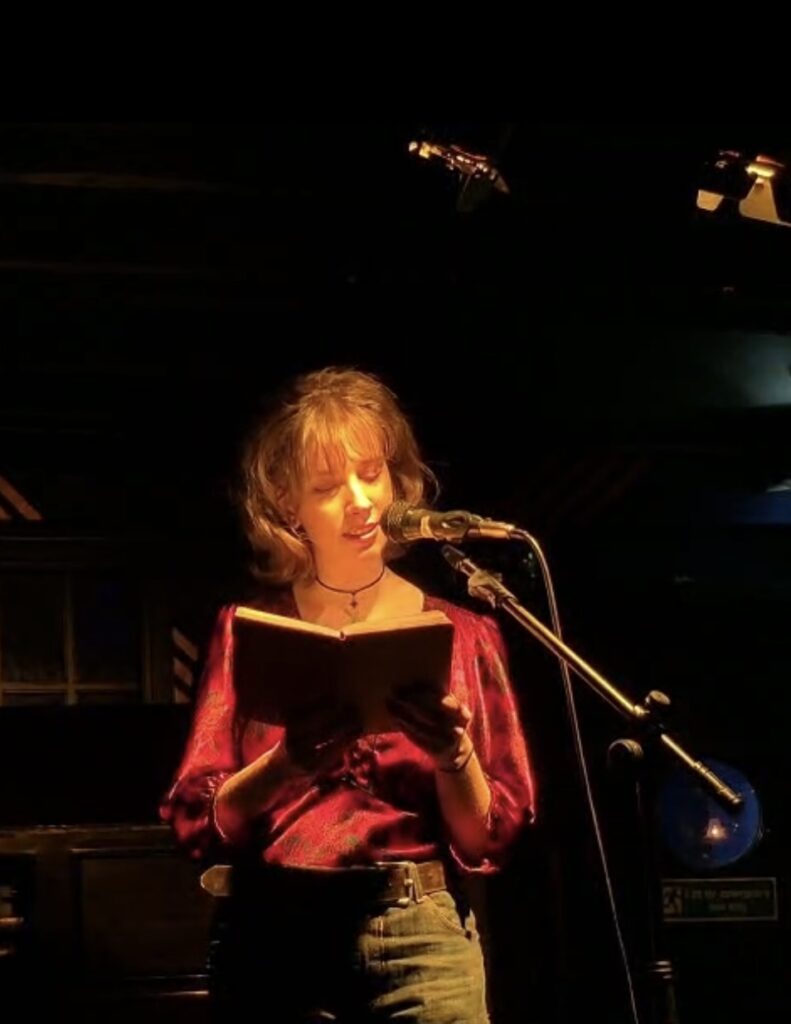
Niamh is a fourth-year English Literature student at the University of Edinburgh. She has studied Digital Humanities for the first time this semester. She is interested in the field as it explores how the humanities are adapting with, and in relation to, advancements in technology. Her project, ‘Ailo: A Comic’ explores issues with AI hallucinations and the production of misinformation by Large Language Models. The project is intended to be a visual and accessible means by which to explore larger issues of ethics and responsibility in regards to generative AI. Niamh’s role in this project was helping with copy editing and ensuring accurate and consistent citation styles were used throughout.
Likes:
– Maps
– Helvetica font Dislikes:
– Zoom calls
– Paywall news sites Niamh’s Project
– Maps
– Helvetica font Dislikes:
– Zoom calls
– Paywall news sites Niamh’s Project
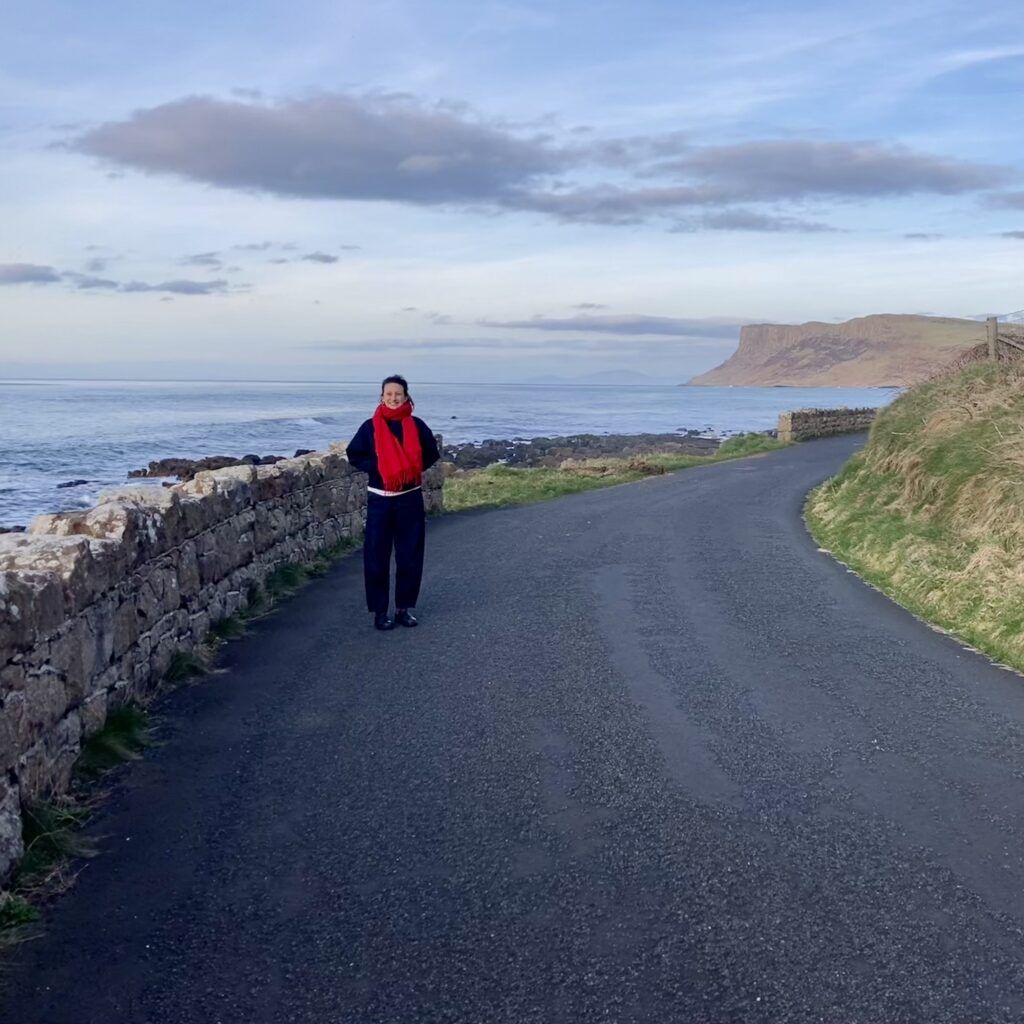
Eli is a fourth-year English Language and Literature student. Digital Humanities allows them to combine two great loves: analyzing words and analyzing literature. Their project, ‘The Poetry Turing Test’ asks people to distinguish between AI-written and human-written poetry, and provides a peek into the creation of each. They worked as a project manager for this site.
Likes:
– Hashtags being in lower case
– Learning new programming languages
– Arguing with Gemini Dislikes:
– Cleaning data
– hiQ Labs, Inc. v. LinkedIn Corp
– Trying to remember file structures Eli’s Project
– Hashtags being in lower case
– Learning new programming languages
– Arguing with Gemini Dislikes:
– Cleaning data
– hiQ Labs, Inc. v. LinkedIn Corp
– Trying to remember file structures Eli’s Project
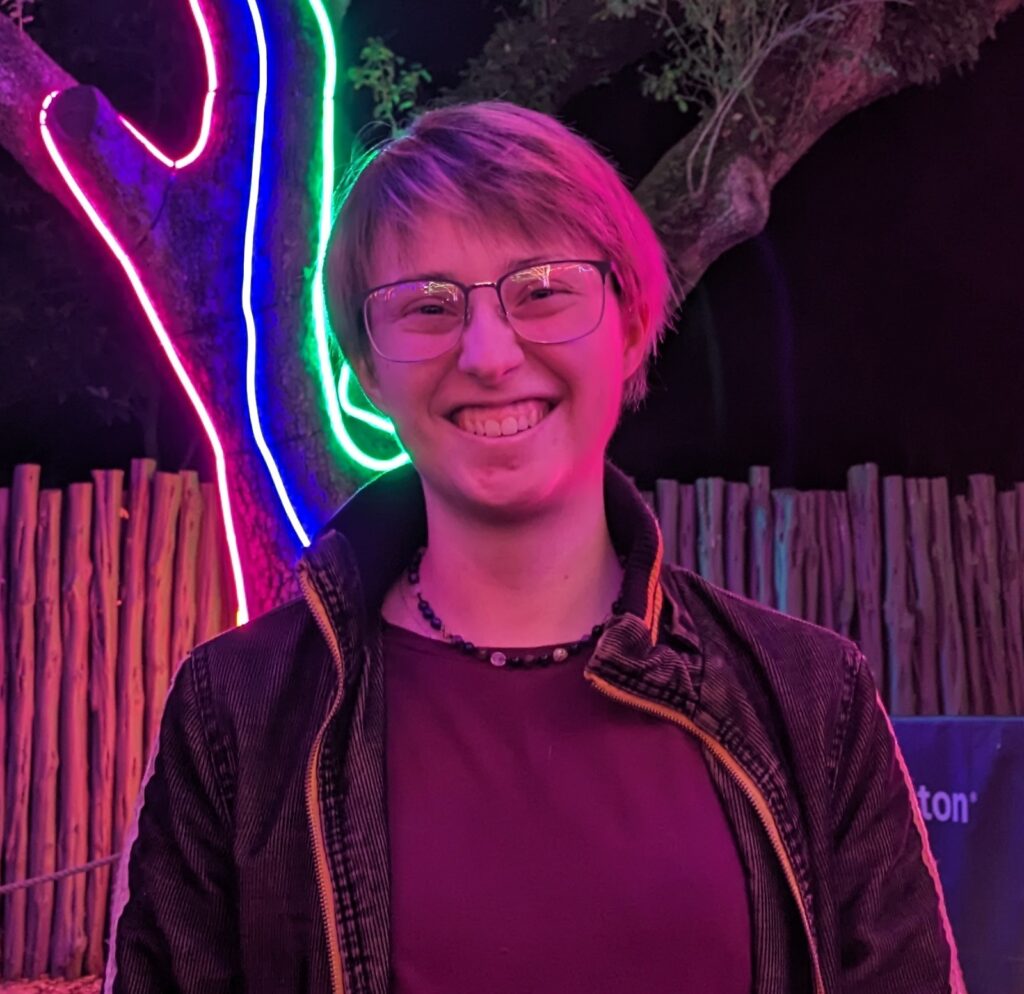
Regan is a fourth-year English Literature student at Edinburgh University. After noticing the intersections between literature and technology while interning in media research last summer, studying the Digital Humanities has revealed new frameworks for Regan to explore the changing relationship between the media and the machine. Her project, ‘The Underside of AI Overviews’ speaks to this focus. By analysing the impact of AI Overviews on the publishing industry, Regan will explore how Large Language Models shift the power dynamics of news distribution, threatening the legitimacy of the free press. Her role in this project was copy-editor.
Likes:
– Modernism(s)
– Corpus analysis
– Human-made journalism! Dislikes:
– AI overviews Regan’s Project
– Modernism(s)
– Corpus analysis
– Human-made journalism! Dislikes:
– AI overviews Regan’s Project
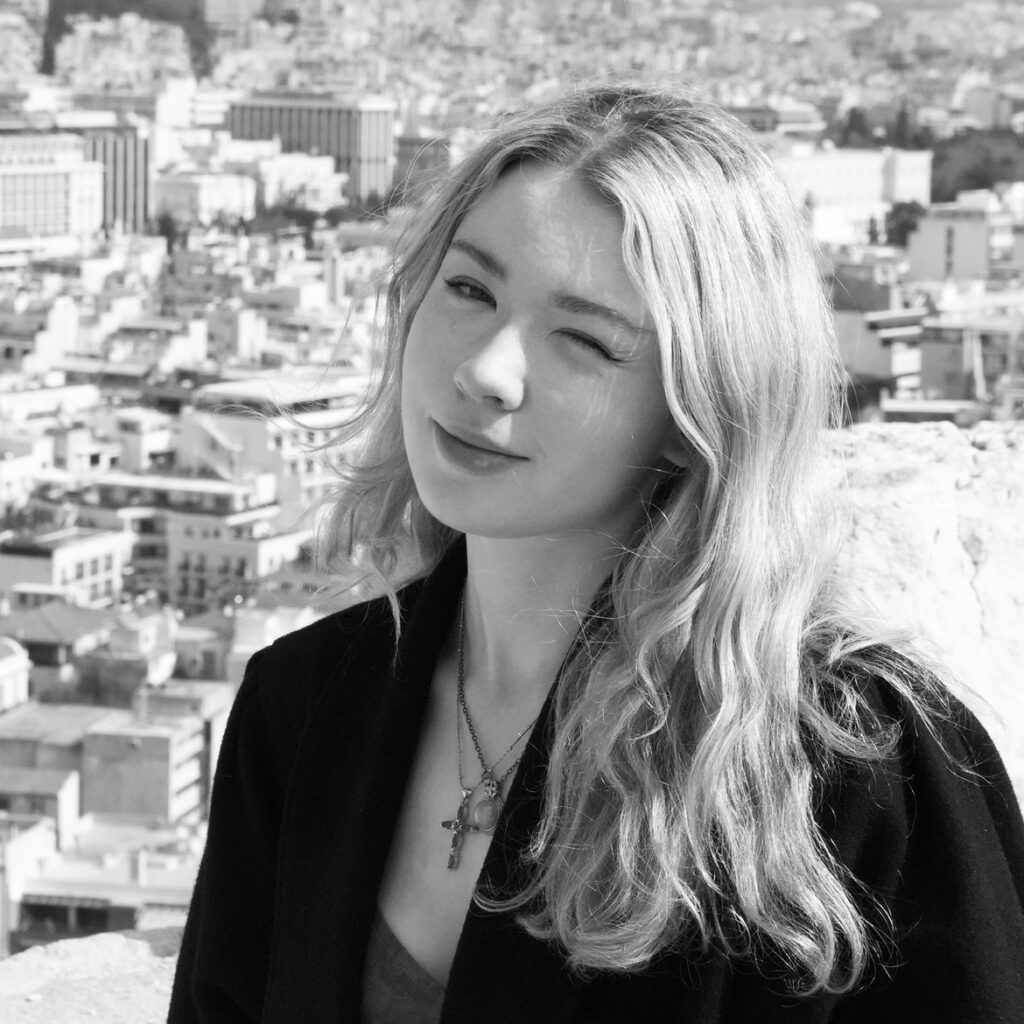
Arianne is a fourth-year English Literature student at the University of Edinburgh. They chose to study Digital Humanities because, in an increasingly technology-driven world, understanding the digital tools shaping the humanities allows scholars to become actively involved in the change, rather than be sidelined by it. Their project, ‘The Death of the Author and the Birth of the AI Reader’ investigates how AI-produced literary analysis is shaped by prompts and latent biases, examining how AI creates meaning from Sylvia Plath’s poetry. On the collaborative website project, their role was managing and editing the annotated bibliography.
Likes:
– Physical media
– Sylvia Plath Dislikes:
– AI being confidently wrong Arianne’s Project
– Physical media
– Sylvia Plath Dislikes:
– AI being confidently wrong Arianne’s Project
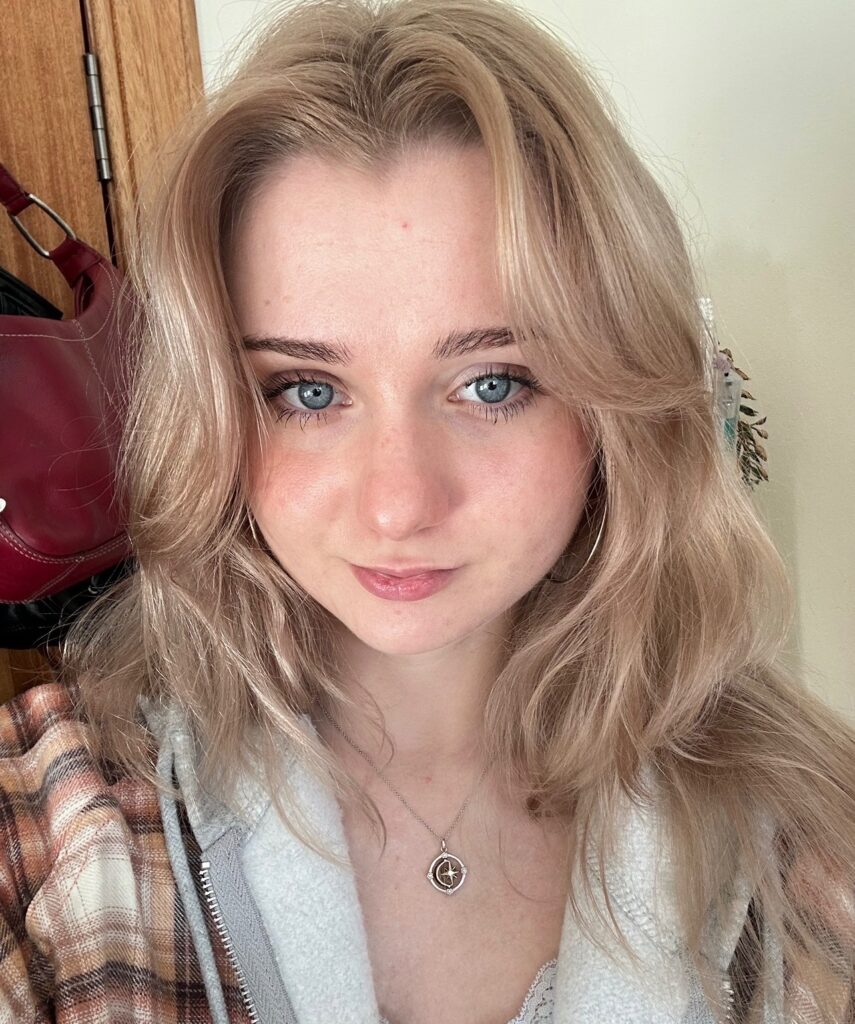
Euan is a fourth-year Scottish Literature student. Studying Digital Humanities for the first time, they are interested in the ways in which new technologies like AI intersect with culture and creativity. Their project, ‘Slopify Music’ is an audio advert for a fictional music streaming platform, imagining how AI might impact cultural mediation in a speculative future. Their role in the project was creating the Welcome page.
Likes:
– Old photographs and maps of Scotland
– Speculative fiction
– Irn-Bru Dislikes:
– The infinite scroll Euan’s Project
– Old photographs and maps of Scotland
– Speculative fiction
– Irn-Bru Dislikes:
– The infinite scroll Euan’s Project
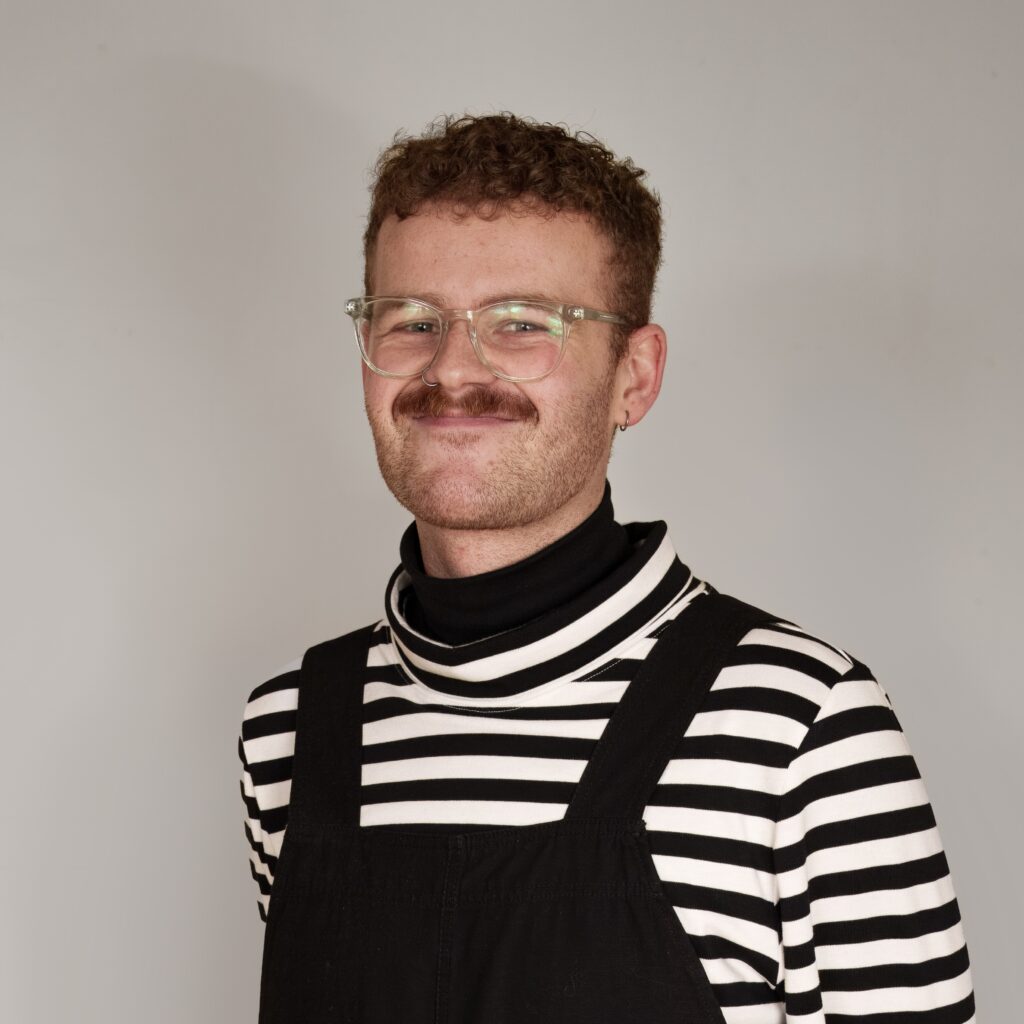
Julia is a postgraduate student currently pursuing an MSc in Literature and Modernity: 1900 to the Present. Her research interests focus on queer and feminist literature, particularly metafictional writing of post-humanism and trans-humanism. Julia seeks to answer the question: What does it mean to be human, when our bodies and identities become entangled with technologies? She chose to study Digital Humanities as it allows for a critical investigation of digital technologies’ influence on our societies. Her project, ‘Julia 2.0′ is an experiment in which she seeks to create her own ‘digital human twin’ and a reflection on what the generative AI ‘sees’ when we try to establish a relationship with it, highlighting the dangers of using such technologies among vulnerable people. Julia created the Learn More page and worked as a proofreader on this project.
Likes:
– Centre-aligned texts
– Critical thinking (particularly about our influence on others)
– Flowers, plants, hills and joyful rays of sunshine Dislikes:
– Blind pursuit of ill-defined progress
– Scottish long wintry gloom Julia’s Project
– Centre-aligned texts
– Critical thinking (particularly about our influence on others)
– Flowers, plants, hills and joyful rays of sunshine Dislikes:
– Blind pursuit of ill-defined progress
– Scottish long wintry gloom Julia’s Project
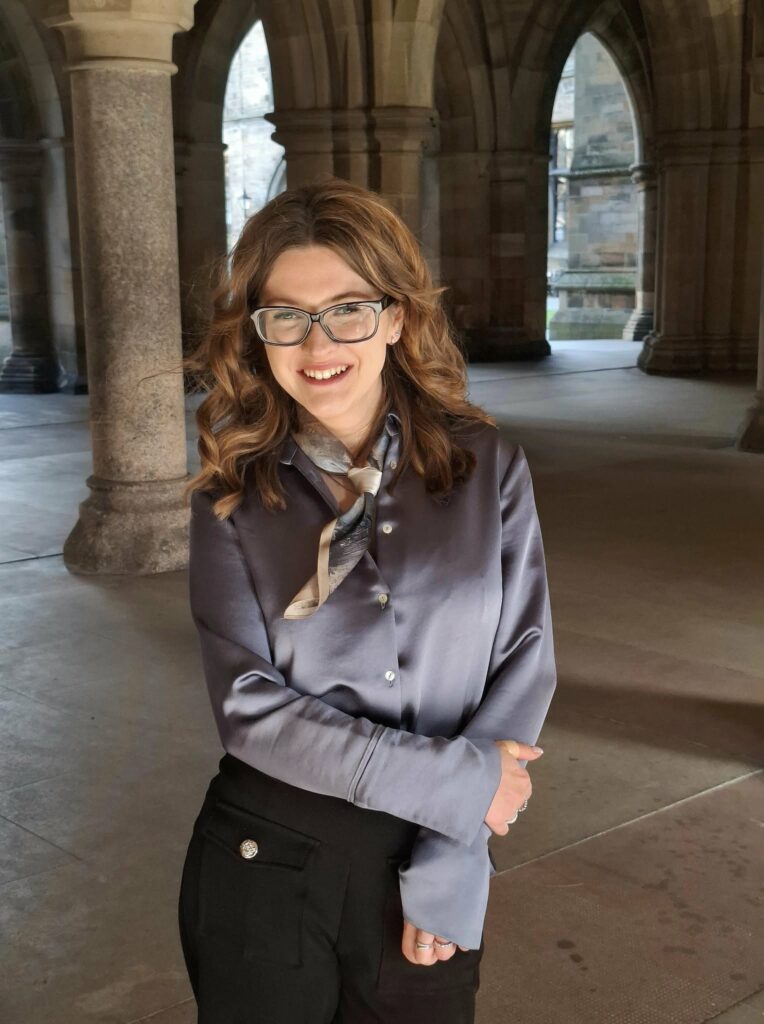
Isadora is a fourth-year History of Art and English Literature student, interested in how creative pursuits and cultural artifacts interact with and are defined by their present. Studying Digital Humanities enables her to access new facets of both of her areas of study. Her project, ‘Merit, Manners and ChatGPT’ investigates the ‘helpfulness’ of the chatbots that have become a part of daily use, questioning the degree of truth we can ever get from them. Isadora is responsible for this project’s How to Cite page.
Likes:
– Trying to learn languages
– Tech company exposés Dislikes:
– Disorganised folders
– When an LLM says it was ‘thinking’ Isadora’s Project
– Trying to learn languages
– Tech company exposés Dislikes:
– Disorganised folders
– When an LLM says it was ‘thinking’ Isadora’s Project
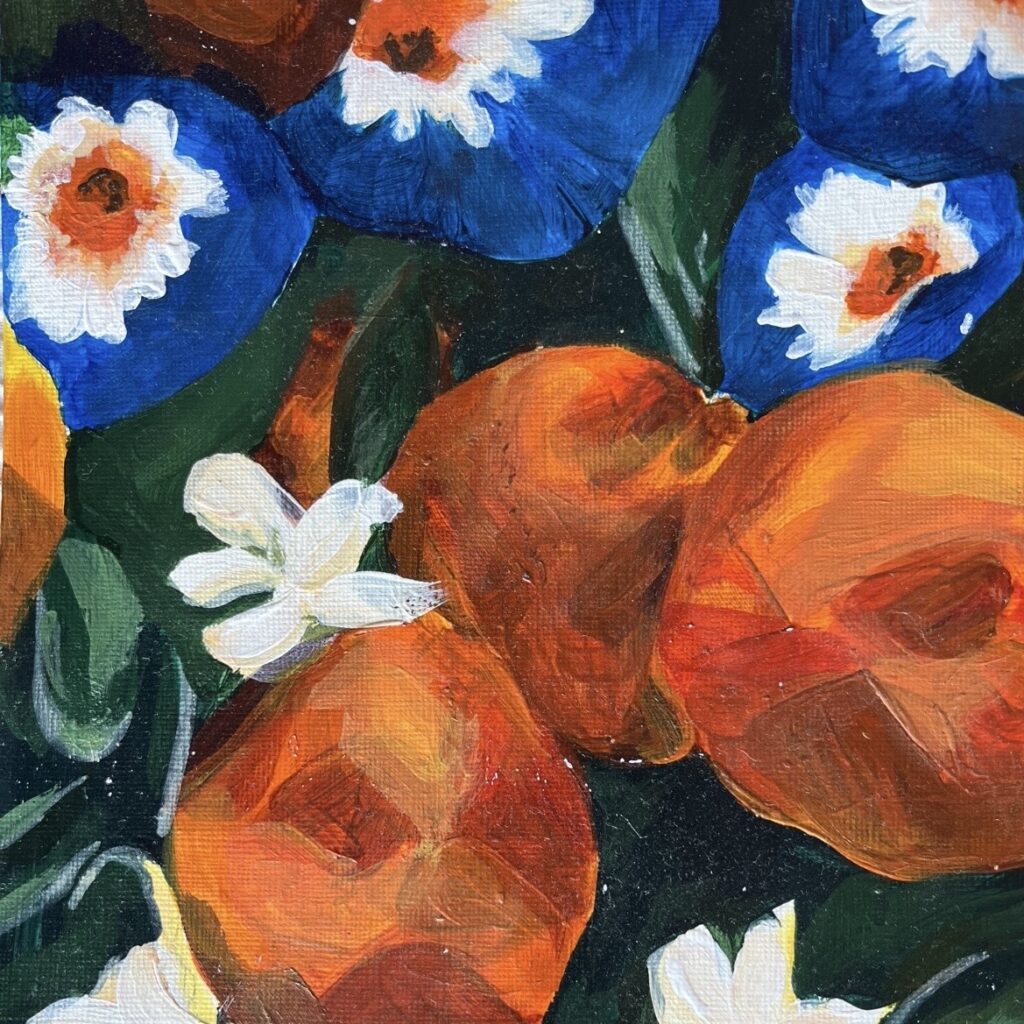
Wurdaan is a fourth-year English Literature student at the University of Edinburgh. Interested in the development of political and ethical norms, Digital Humanities allows him to utilise his literary background in an interdisciplinary field. His project, ‘I Became a Datafarmer for a Day’ focuses on the everyday violations of privacy and consent. Wurdaan worked as a proofreader for this project and the Why We Do This page.
Likes:
– Apple juice
– Monkeys
– Reading (sometimes) Dislikes:
– Grammar
– Spelling
– Borders (like the international kind) Wurdaan’s Project
– Apple juice
– Monkeys
– Reading (sometimes) Dislikes:
– Grammar
– Spelling
– Borders (like the international kind) Wurdaan’s Project
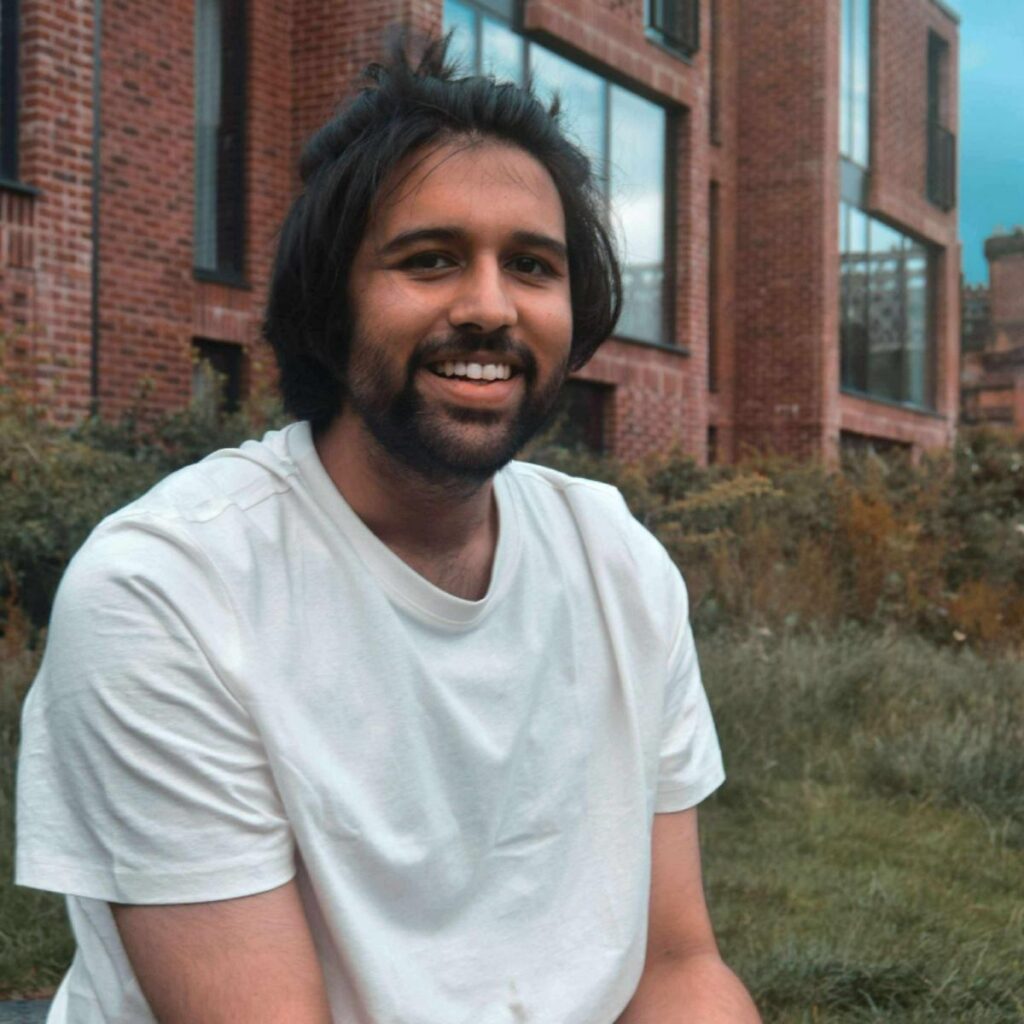
Eilidh is a third-year English Literature student at the University of Edinburgh. Her academic interests lie in the interdisciplinary reach of literature, spanning philosophy, politics, and, more recently, digital technologies. Studying Digital Humanities allows her to explore questions of ethical and philosophical nature within a rapidly evolving technological world, applying critical theory to contemporary media and digital forms. Her project, ‘Who is Responsible?’ explores issues surrounding AI bias, misinformation, and responsibility, using Barthesian theory to expose the dangers that generative AI poses to the traditional humanities. Her role on this project was site structurer.
Likes:
– Maps
– Critical theory
– Conversations with real people Dislikes:
– Hot takes with no nuance
– Algorithmic determinism Eilidh’s Project
– Maps
– Critical theory
– Conversations with real people Dislikes:
– Hot takes with no nuance
– Algorithmic determinism Eilidh’s Project
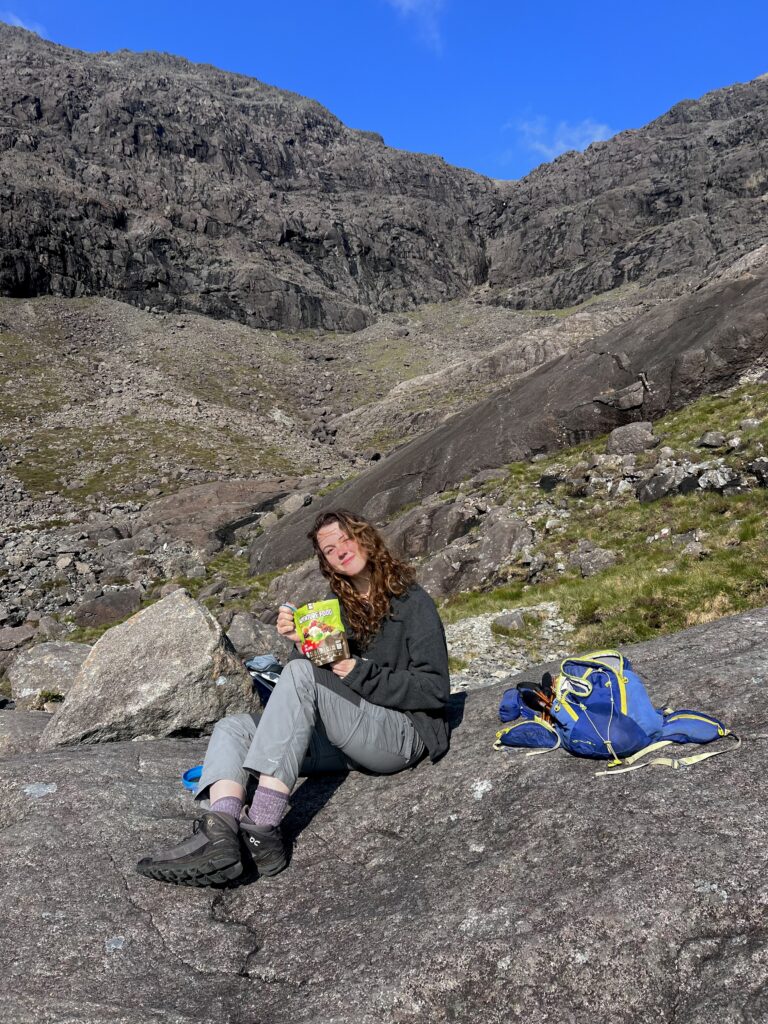
Alicia is a third-year English Literature and Classics student. Her interest in the Digital Humanities was first sparked after engaging in a class that interrogated the ethics and practices present in the fields of copyright and intellectual property alongside the emergence of technologies such as generative AI. Her project, ‘Colonial Narratives in Artificial Intelligence’ takes the form of an animation and tackles the question ‘how could the digital humanities help us re-imagine decolonial approaches to AI?’. In this project, Alicia was a proofreader.
Likes:
– AntConc
– Coffee Dislikes:
– The command line
– UK copyright law protecting AI generated works
– Wind Alicia’s Project
– AntConc
– Coffee Dislikes:
– The command line
– UK copyright law protecting AI generated works
– Wind Alicia’s Project