Week 8 Site and Spatial Conditions
🌚Observations from the Exhibition Hall
This week, I visited What is Us and What is Earth by Ilana Halperin at the The Fruitmarket. The exhibition spans both the upper and lower galleries, creating a large and open spatial environment. I visited the exhibition twice at different times of day, which made me more aware of how the site conditions shape the viewing experience.
During my first visit at midday, natural light entered the upper gallery through the ceiling, making the stone works appear more vivid and detailed. In contrast, my second visit took place in the evening, when the weather was darker and artificial lighting was used instead. The atmosphere became more controlled and slightly subdued. Although the works themselves did not change, their appearance and impact shifted noticeably. This made me realise that lighting is not simply a technical support, but an active element in shaping how the exhibition is experienced.
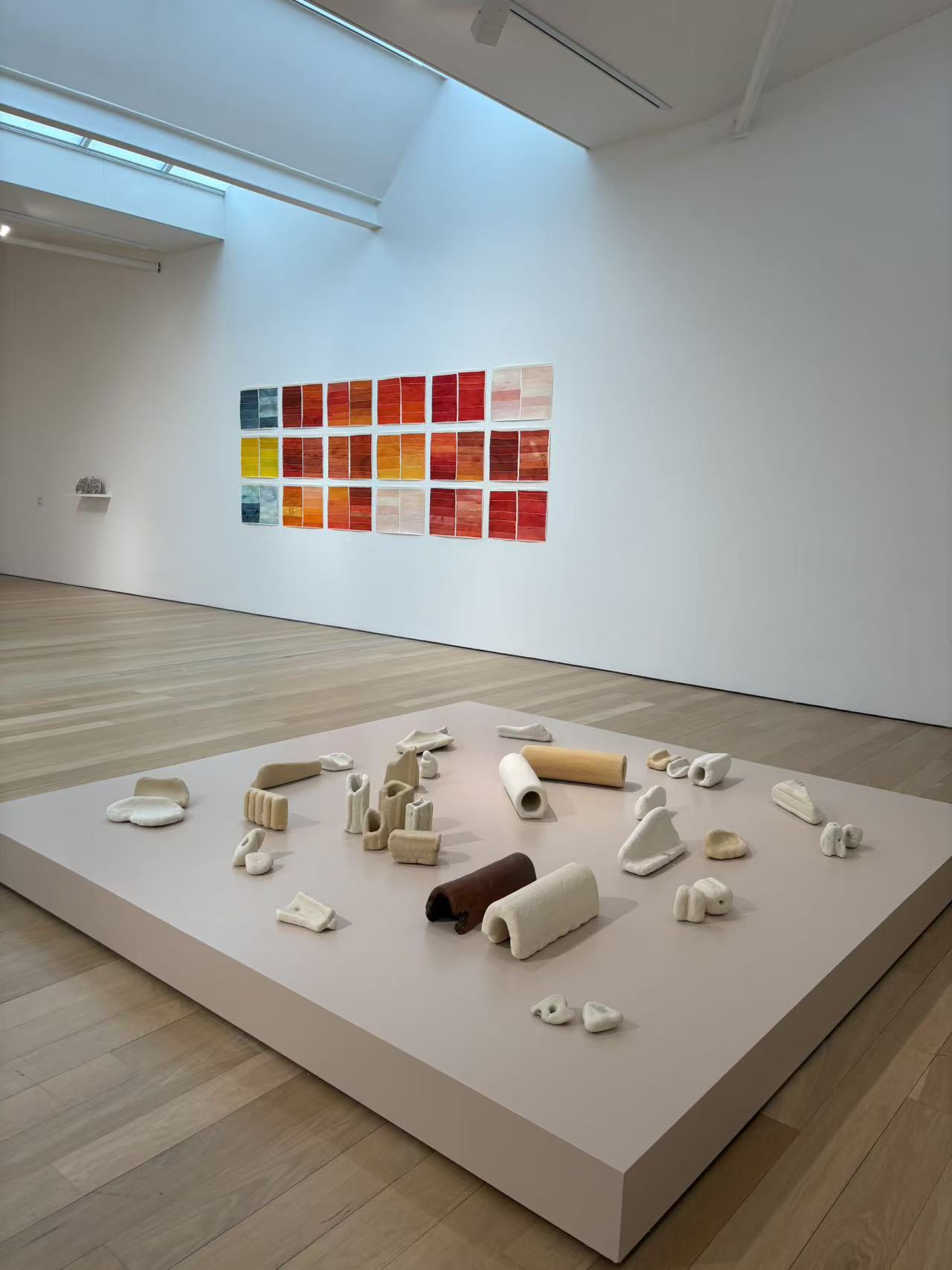
(Natural light in the gallery space. Ilana Halperin, What Is Us and What Is Earth, Fruitmarket Upper Gallery, Edinburgh. Photograph by Xiaobao Ye, 2026)
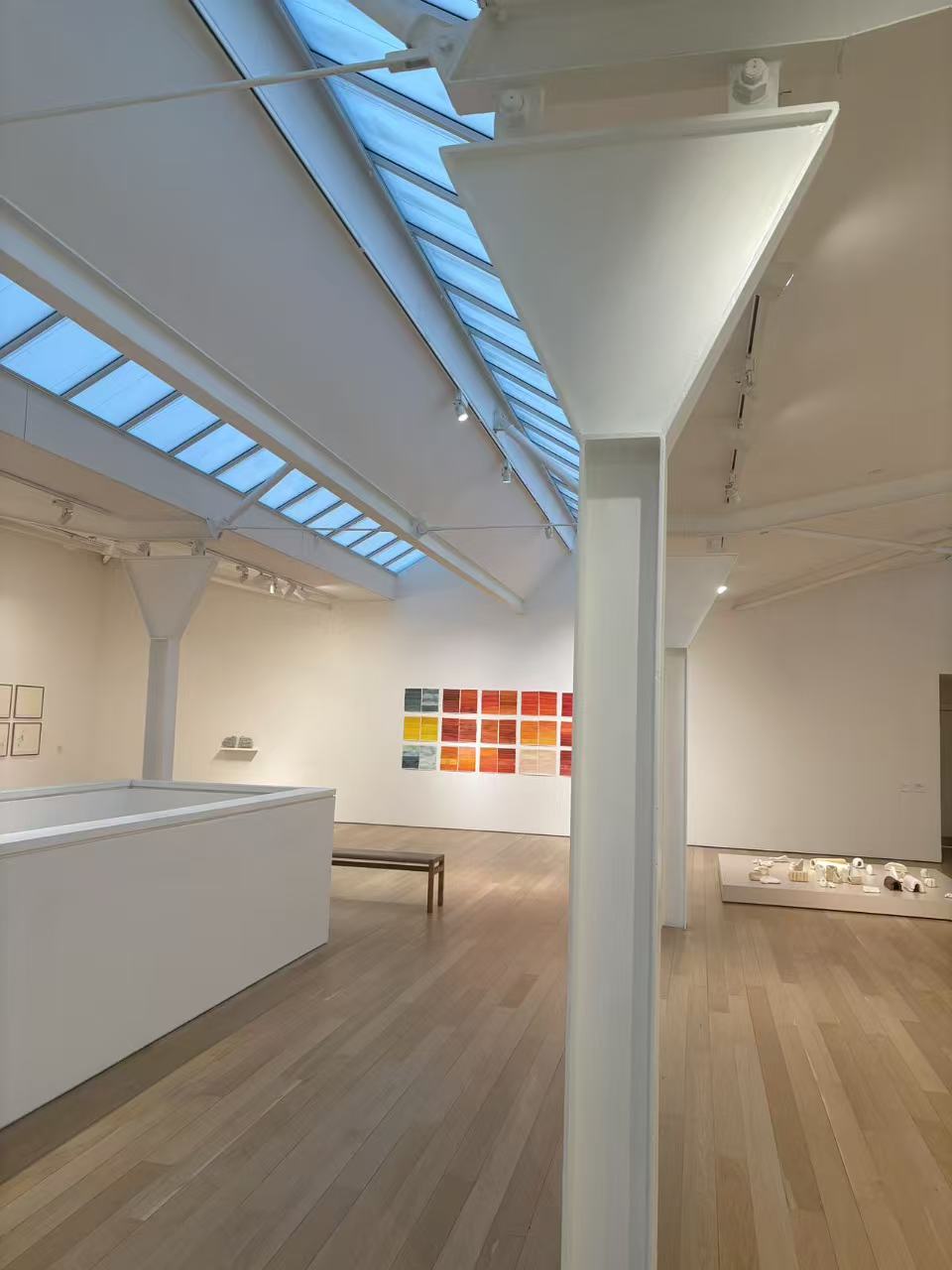
(Artificial light in the gallery space. Ilana Halperin, What Is Us and What Is Earth, Fruitmarket Upper Gallery, Edinburgh. Photograph by Xiaobao Ye, 2026)
I also noticed that the ceiling structure is irregular, with skylights and uneven surfaces. While visually interesting, this creates practical limitations, as some areas are not suitable for hanging. This observation made me more aware that the site is not neutral, but directly affects how an exhibition can be installed.
🐏My Choice of Exhibition Space
Reflecting on my own project, I realised that my idea of a circular viewing structure relies heavily on suspended fabric. This means the exhibition space must support hanging, have a relatively regular layout, and avoid central obstacles that interrupt movement. Compared to the Fruitmarket, where the upper gallery ceiling is complex and the lower level does not fully support a circular flow, and also the collective space In Vitro Gallery at Summerhall, which includes fixed walls, these conditions are not ideal.
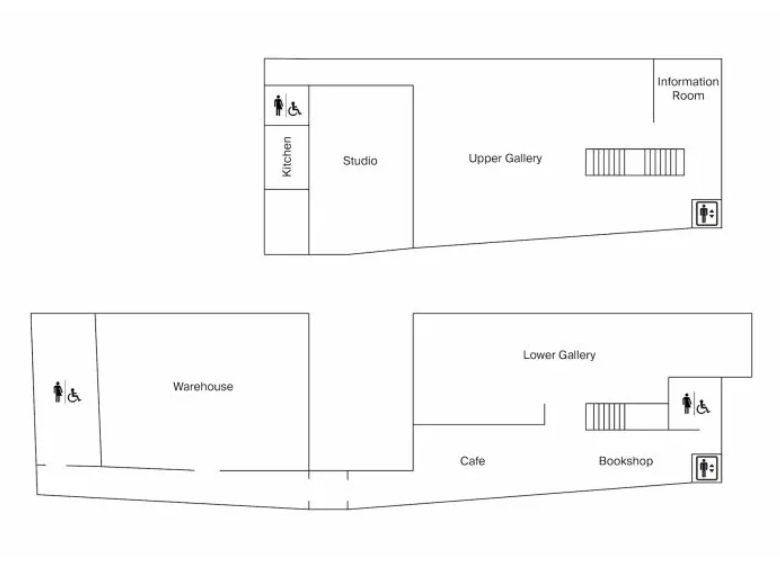
(Fruitmarket Gallery floor plan. Source: Fruitmarket Gallery website)
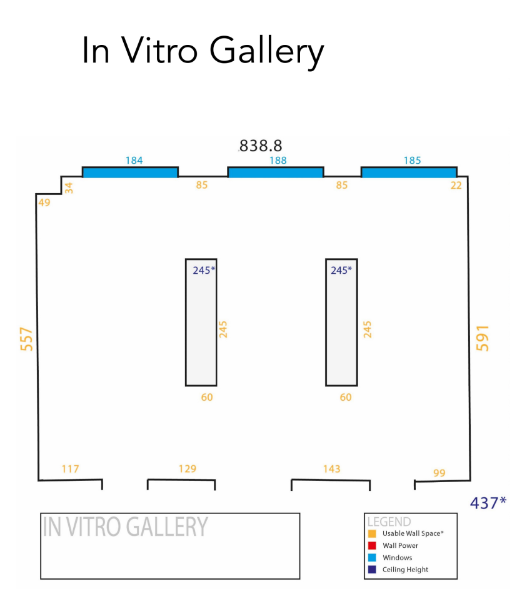
(In Vitro Gallery floor plan. Source: provided by course tutor)
Through further research, I identified the Dundas Street Gallery as a more suitable space. The gallery is approximately 65 square metres, with a 2.5 metre ceiling height and a built-in hanging system, making it well-suited for suspended fabric installations. Its scale also supports a circular layout, allowing for a clear yet fluid movement through the space.
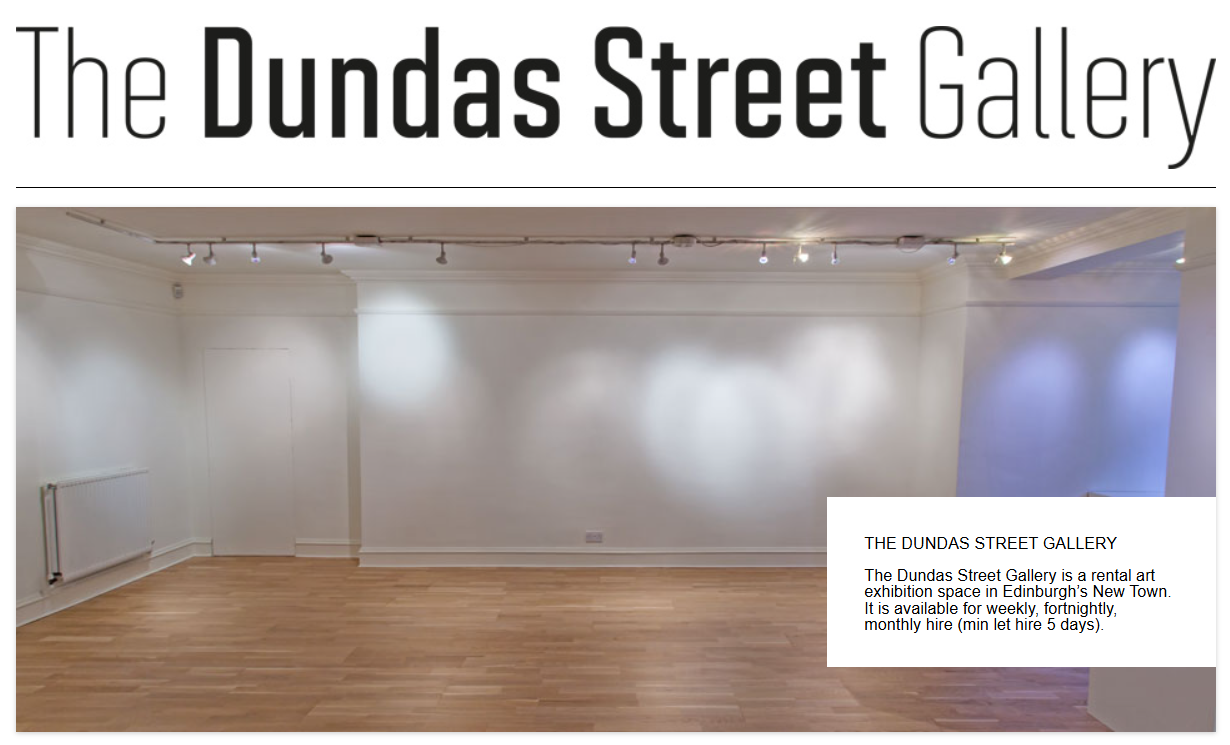
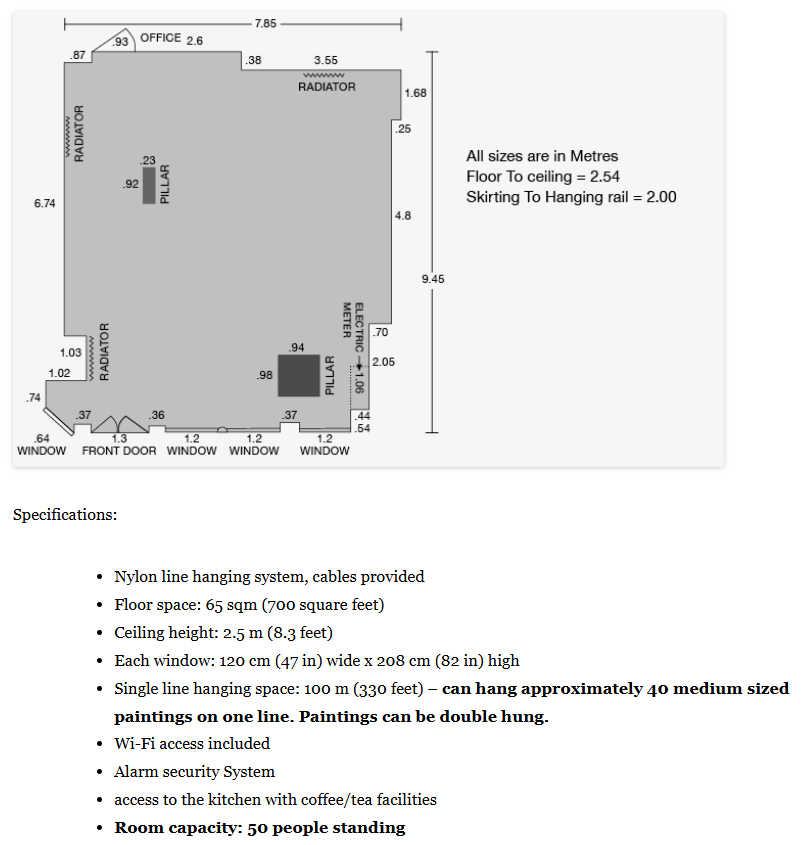
(The Dundas Street Gallery, Edinburgh. Source: The Dundas Street Gallery website)
This process made me realise that curating is not only about developing ideas, but about adapting them to the specific conditions of a site.
Reference
https://www.dundas-street-gallery.co.uk/
.https://www.fruitmarket.co.uk/hold-your-event-with-us