Week 12 Simplifying the Framework and Redesigning the Workshop
🤔Rethinking the Theory
🧶Updating the Workshop: From Circular Writing to Mapping My Circles
My earlier idea, Circular Writing was focused on a looping writing structure, but I started to question whether it was genuinely accessible, or whether it repeated the same issue I noticed in the Mnemosyne Mapping workshop: a format that assumes comfort with literary or academic practices.
🐻 Add an Interaction Section in Exhibition Space
At The Fruitmarket, the Information Room in Ilana Halperin’s What Is Us and What Is Earth offered a quiet space for drawing, resting, and leaving responses.
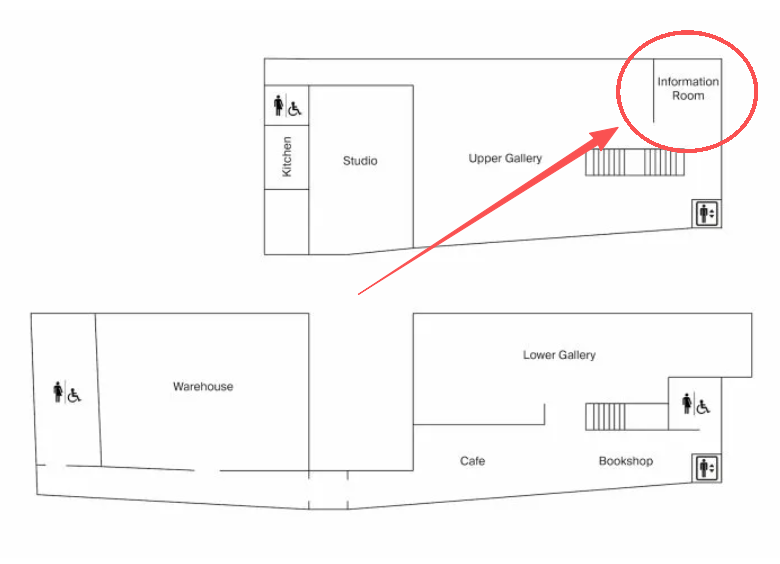
(Floor plan of Fruitmarket, Edinburgh, showing the Information Room location (highlighted). Source: Fruitmarket Gallery)
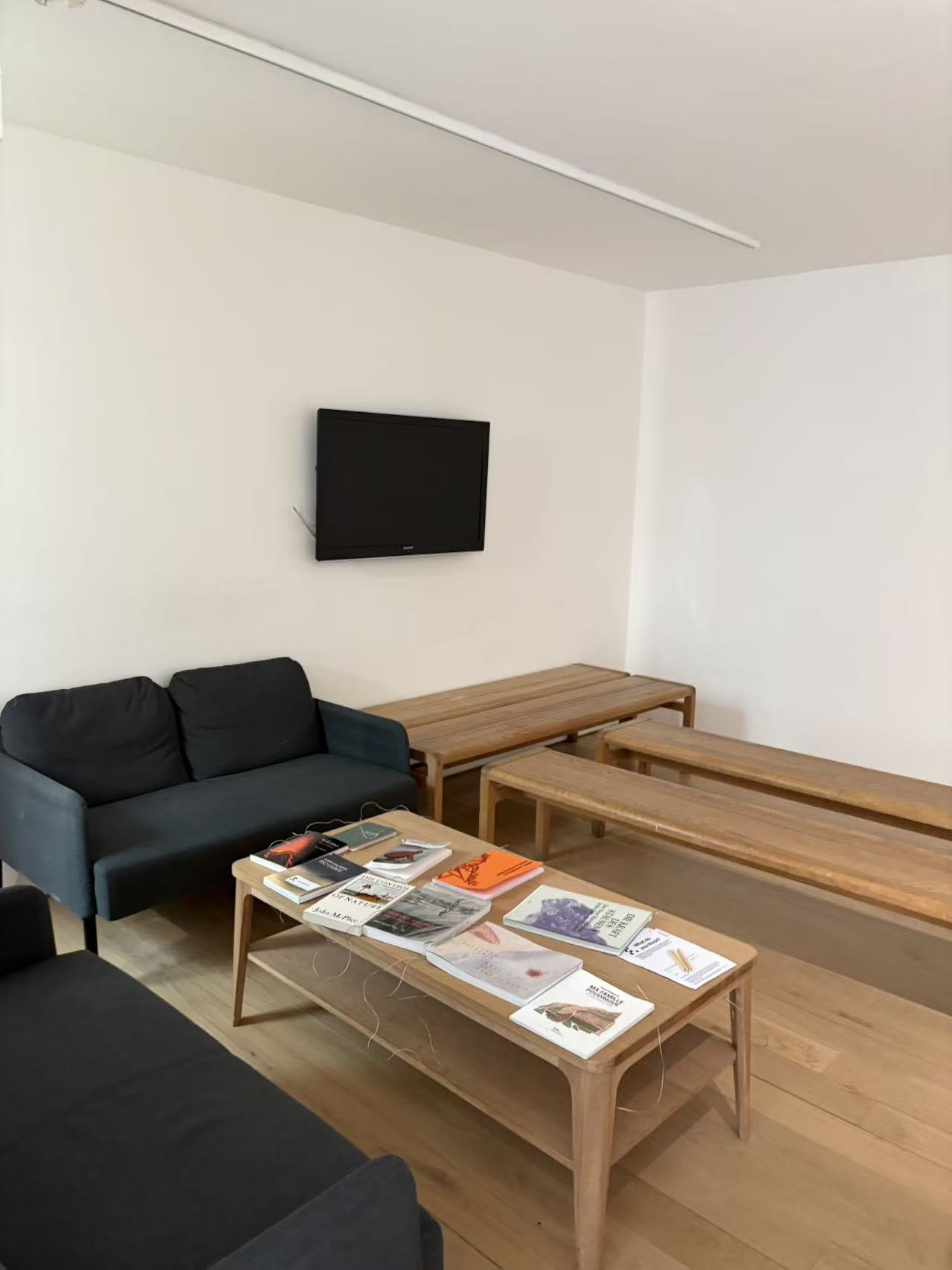
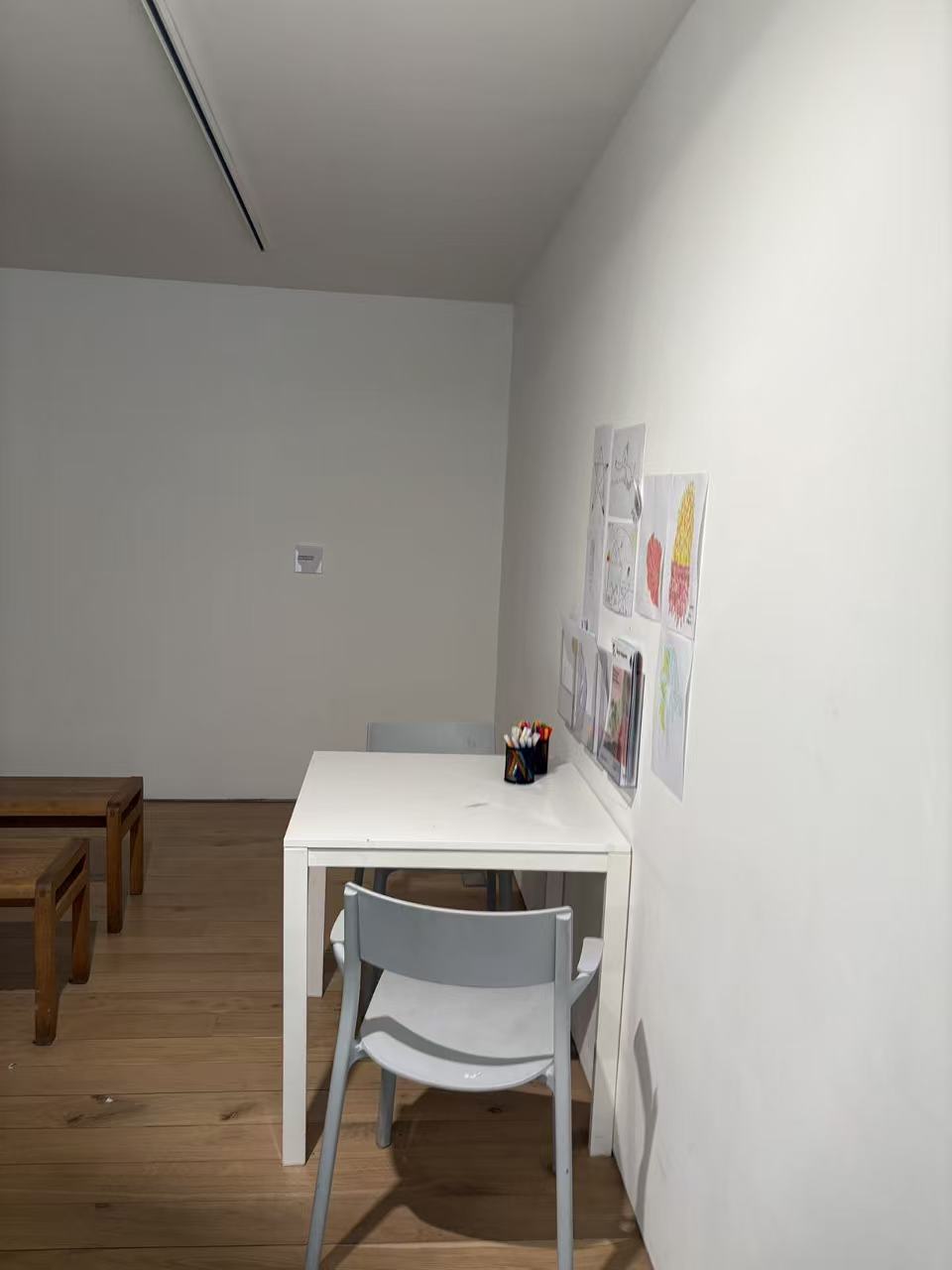
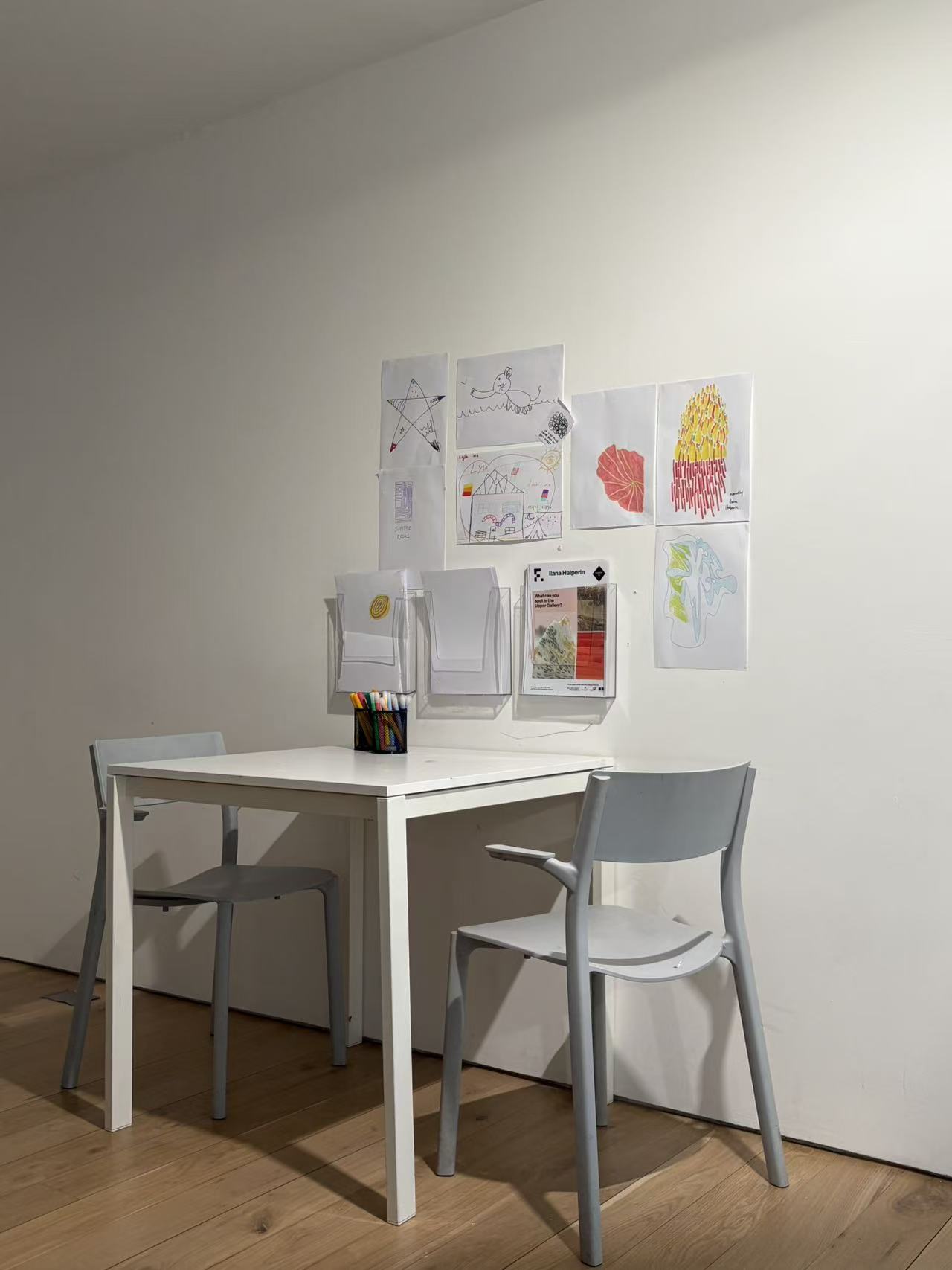
(Information Room in Ilana Halperin’s What Is Us and What Is Earth, Fruitmarket Upper Gallery, Edinburgh. Photographs by Xiaobao Ye, 2026)
I want to create a similar area at the end of my exhibition(site 7), with desk, sofa, bench, paper, prompts, and selected workshop outcomes as workshop archieve, my worshop will run in the first day of the exhibition. In the site 7, visitors can write or draw, leave their responses, or take them away.
The workshop would conclude with responses displayed on a message board. This also connects to Grant Kester’s idea that meaning can emerge through dialogue and exchange, not only through objects (Kester, 2004). In this way, the workshop extends the exhibition through participation and reflection.
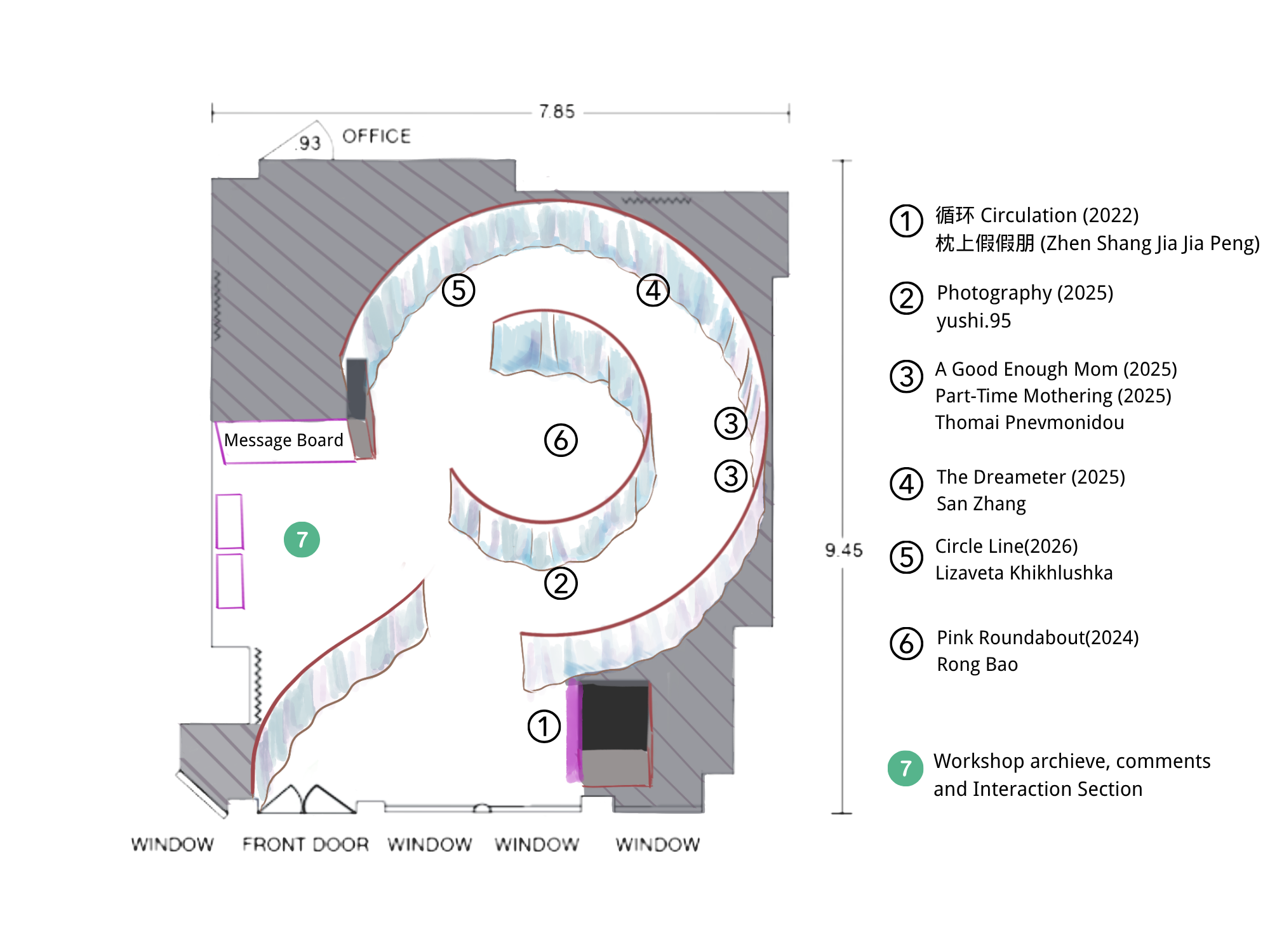
(Exhibition layout for Endless Circulation, The Dundas Street Gallery, Edinburgh. Floor plan by Xiaobao Ye, 2026)
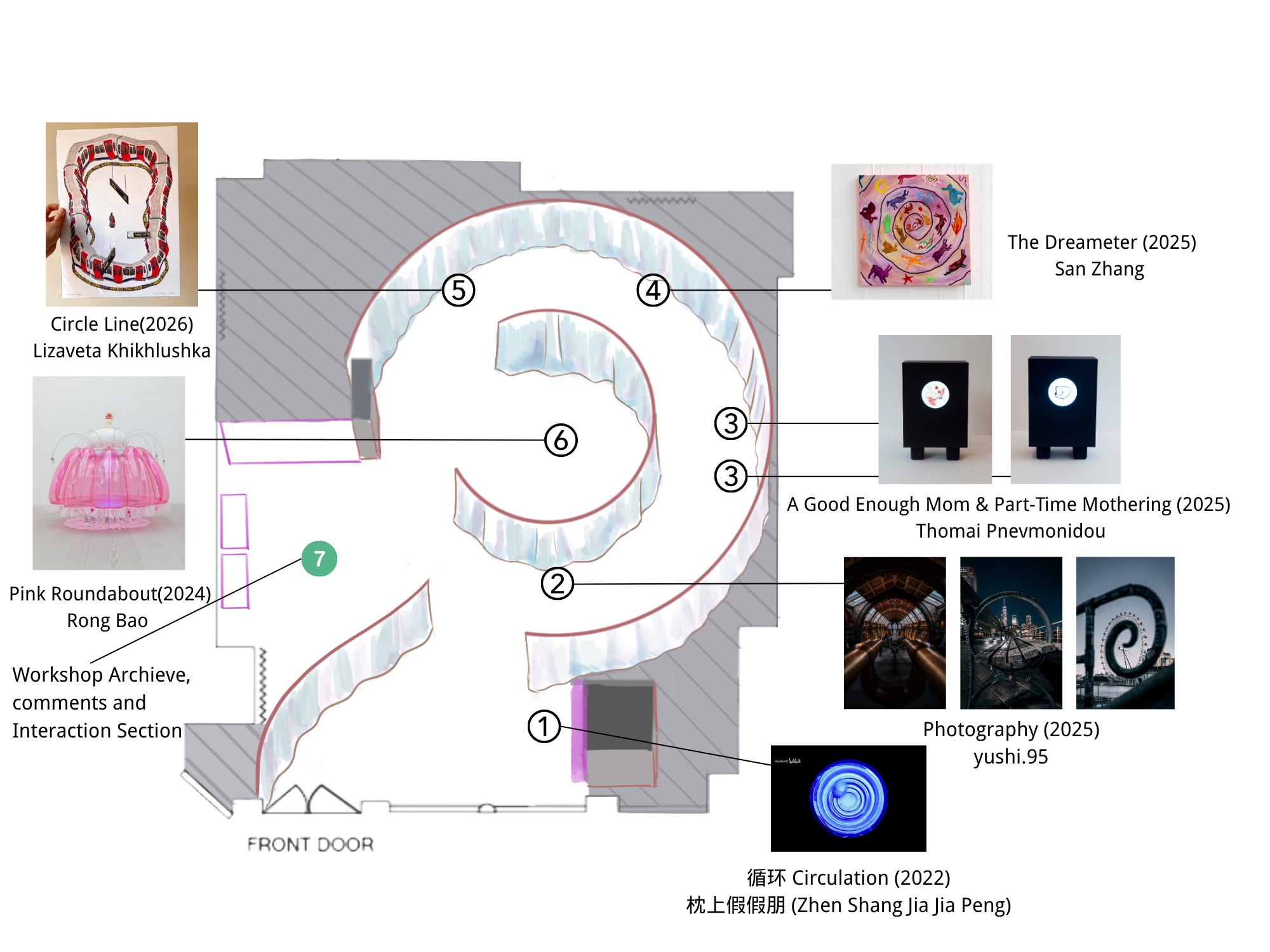
(Proposed exhibition layout for Endless Circulation with artwork references, The Dundas Gallery, Edinburgh.
Floor plan by Xiaobao Ye, 2026)
Reference
.https://www.fruitmarket.co.uk/hold-your-event-with-us/
Nietzsche, Friedrich. The Gay Science. Translated by Walter Kaufmann. New York: Vintage Books, 1974.
Deleuze, Gilles. Difference and Repetition. Translated by Paul Patton. New York: Columbia University Press, 1994.
Kester, Grant. Conversation Pieces: Community and Communication in Modern Art. Berkeley: University of California Press, 2004.