Why shift from history to myth?
In the previous weeks, I focused on how to translate traditional media or reactive historical works to address contemporary issues. However, this week marks a shift to “myth” as a curatorial approach. This transition is an extension. If historical works provide specific contexts, then myth operates at the level of narrative structures that continue to shape how meaning is produced.
How does narrative continue to operate?
The core of curation is not just to choose works but to construct a narrative structure. Especially in the contemporary context of globalisation, information saturation, and rapid image circulation, narrative has not failed but continues to operate in a more subtle way, affecting how we understand power, gender, and viewing. Myth is therefore not just a cultural heritage of the past but a traditional narrative structure that is still being told, rewritten, and activated.
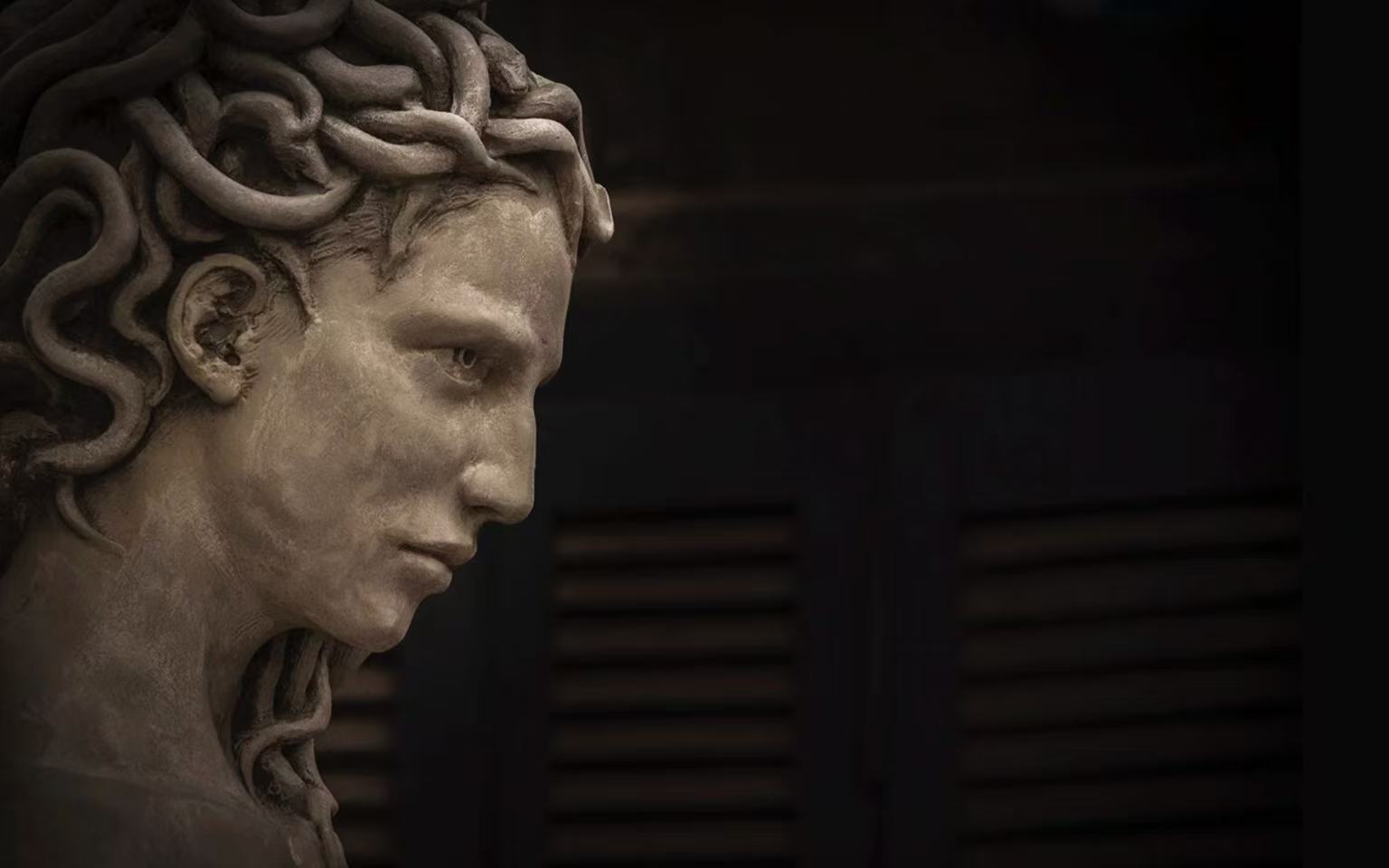
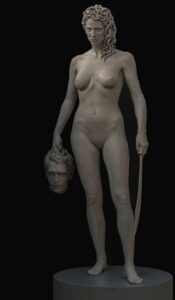
Medusa is a very direct example. In the traditional narrative, she is often portrayed as a “monster”, and her eyes are regarded as a dangerous force; however, if we re-watch it in the context of contemporary curation, she can also be understood as a narrative node about gaze, gender power, and punishment mechanisms. She is not a natural threat, but in the process of being watched, defined, and mythologised, she is built as the opposite of order. This means curation is not to reproduce an established story but to translate, activate, and reorganise the meaning.
Rural Art Is, edited by Myvillages (Kathrin Böhm & Wapke Feenstra), points out in the introduction that neither “countryside” nor “myth” can be displayed as a static object. The countryside is not a landscape for the city to watch, and myths are not traditional materials that can be simply displayed. They are embedded in the real power relationship and cognitive structure. Therefore, the ethics of curation are not only how to explain the content but also how to avoid the object being exoticised, landscaped or simplified again.
The curability of Summerhall
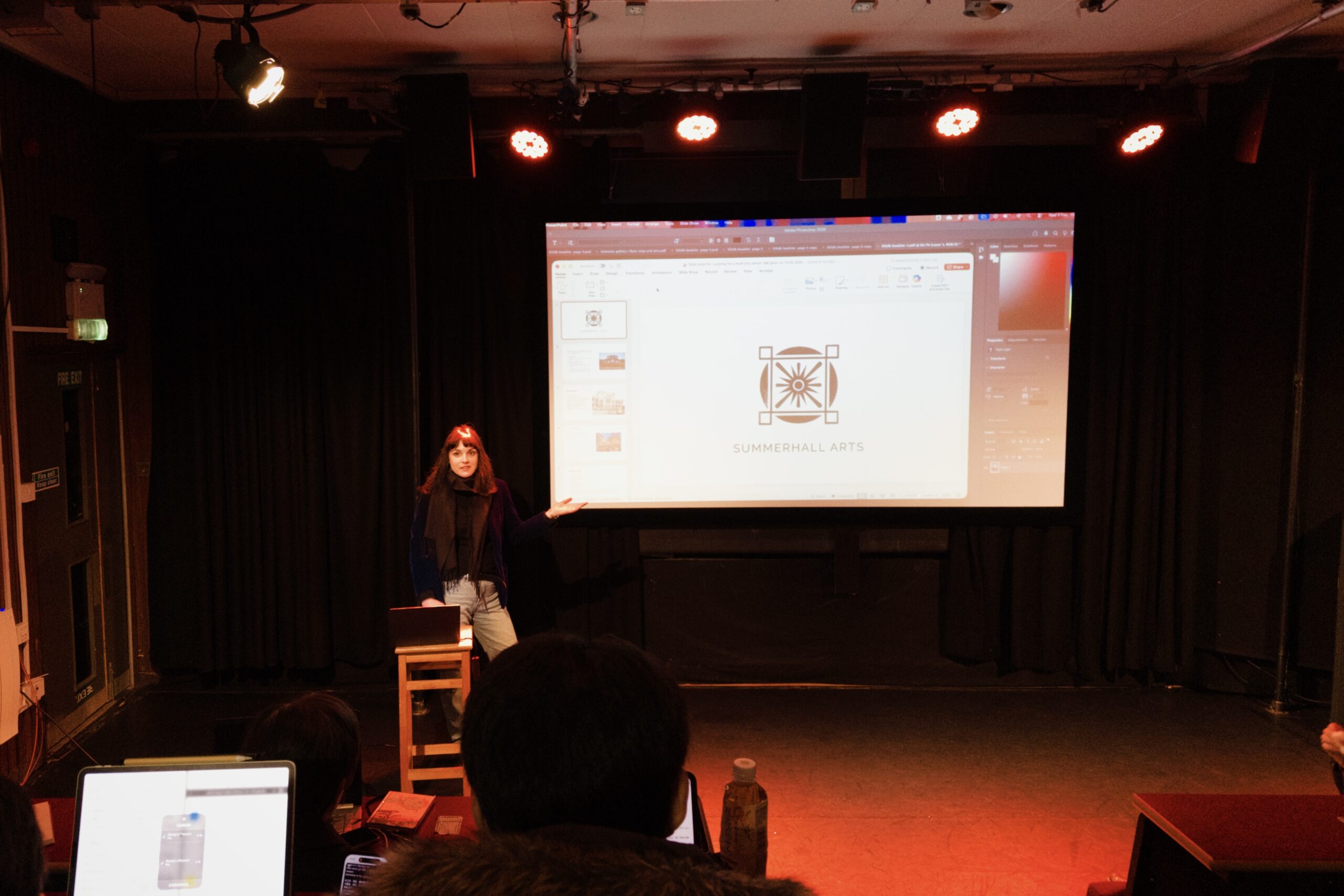
According to the introduction of the manager of Summerhall. Its significance is not only a ready-made art organisation but also its strong adaptability. As a multifunctional art space transformed from historical buildings, Summerhall accommodates visual arts, performances, public projects, and educational cooperation at the same time and keeps close contact with the UoE. This interdisciplinary and inter-institutional structure makes it not only a container for displaying works but also a methodological space that can carry complex narratives. Its historical level, public attributes, and cooperative network all make me feel that it is suitable to place a project about traditional narratives.
Bibliography
Luciano Garbati. Medusa with the Head of Perseus. Accessed April 1, 2026. https://www.lucianogarbati.com/medusa.
Myvillages. “Introduction.” In Rural Art Is, edited by Kathrin Böhm and Wapke Feenstra. Berlin: Jovis Verlag, 2019.