

Project Overview
- Explores how contemporary Southeast Asian diaspora artists continuously generate and reconstruct their identities through materials, bodies and visual language within a cross-cultural context.
- Diaspora is not a starting point but a continuous process of generation.
- They are not only forms of expression, but also mediums that carry historical memories, bodily experiences and cultural traces.
Research Context
Artists will be selected through research platforms such as New Contemporaries and local art school networks.
The project will draw on the “Translation and Hybridity” (Simon, 2012). It focuses on migration, language, and cross-cultural communication, providing an important exhibition context for this project.
Key Themes
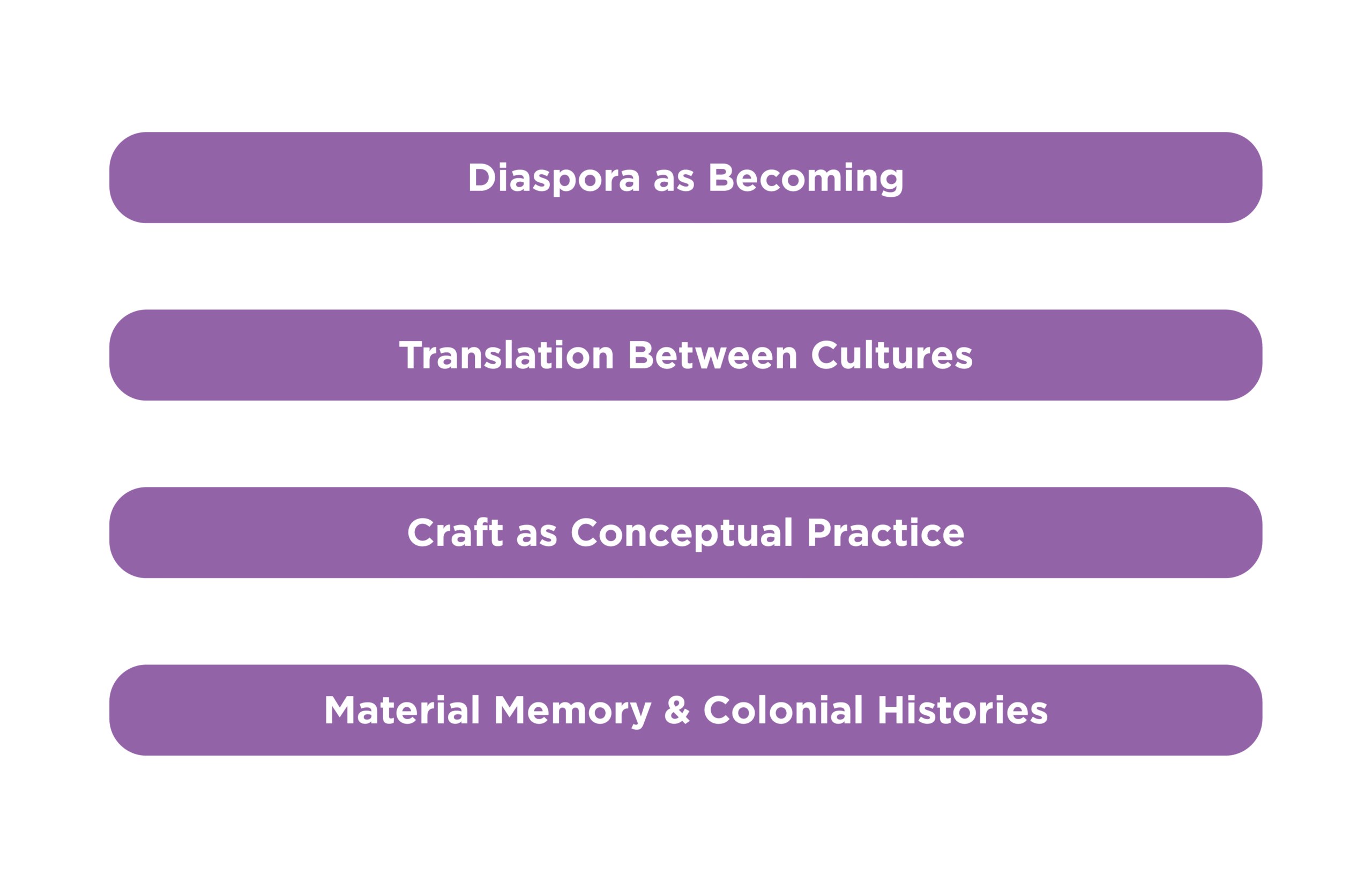
Image by: Tianshun Zhao
- Diaspora identities are not fixed essences; rather, they are constantly formed within the context of history and culture.
- Art, as a medium for cross-cultural translation, is reinterpreted in different contexts.
- Technology and materials have become an important form for expressing ideas in contemporary art.
- The materials carry the colonial history, migration experiences and physical memories.
Indicative Artists
KV Duong
By using materials such as rubber to metaphorically represent the history of Vietnam during the French colonial period, the work uses the body and materials as mediums for politics and history.
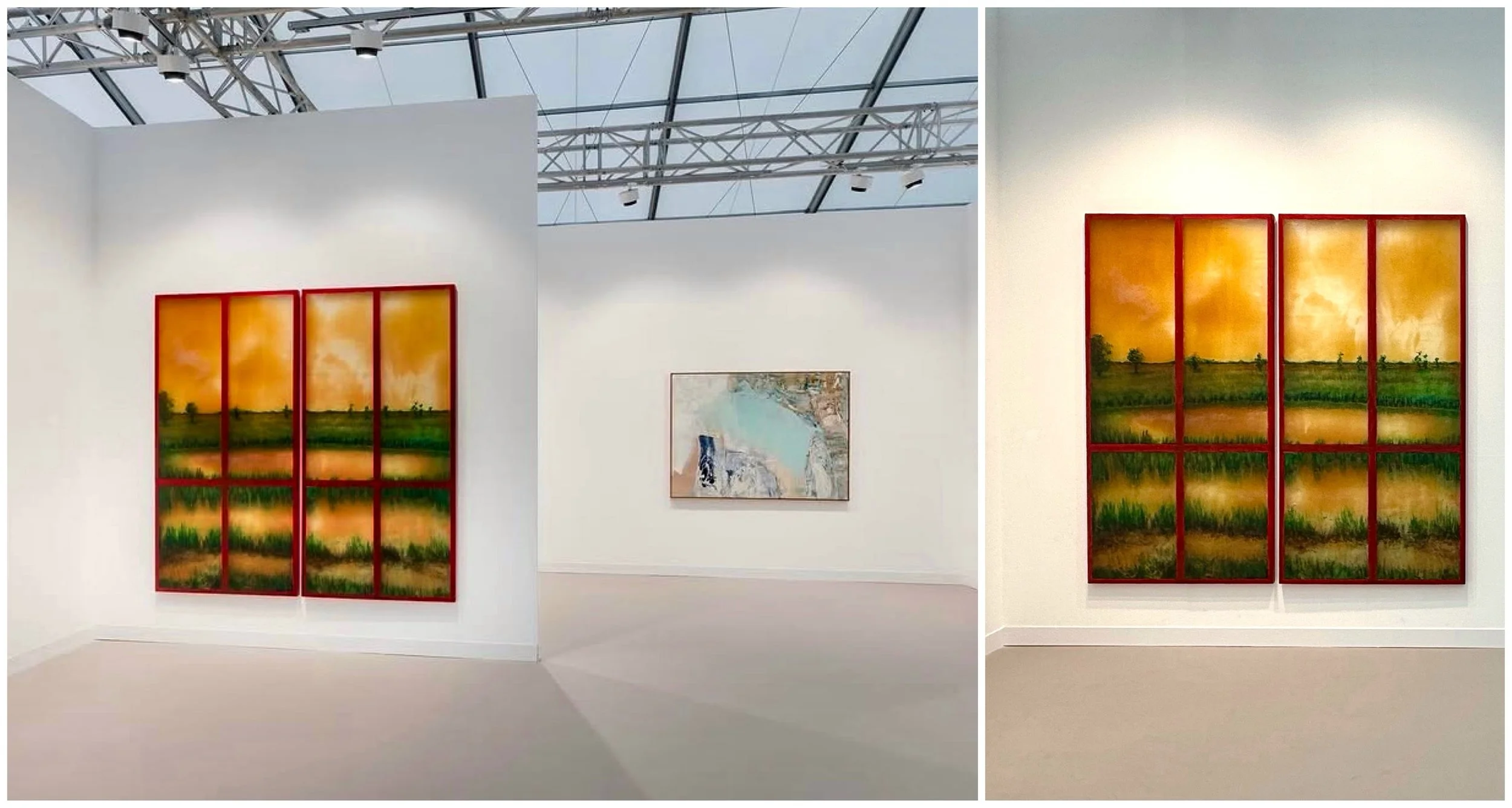
Frieze London, Pippy Houldsworth Booth, London UK, 2025
Danh Võ (Optional)
Reconstructing cultural memories using wood, birdcages and colonial-era letters. Considering budget constraints, it may serve as a research reference.
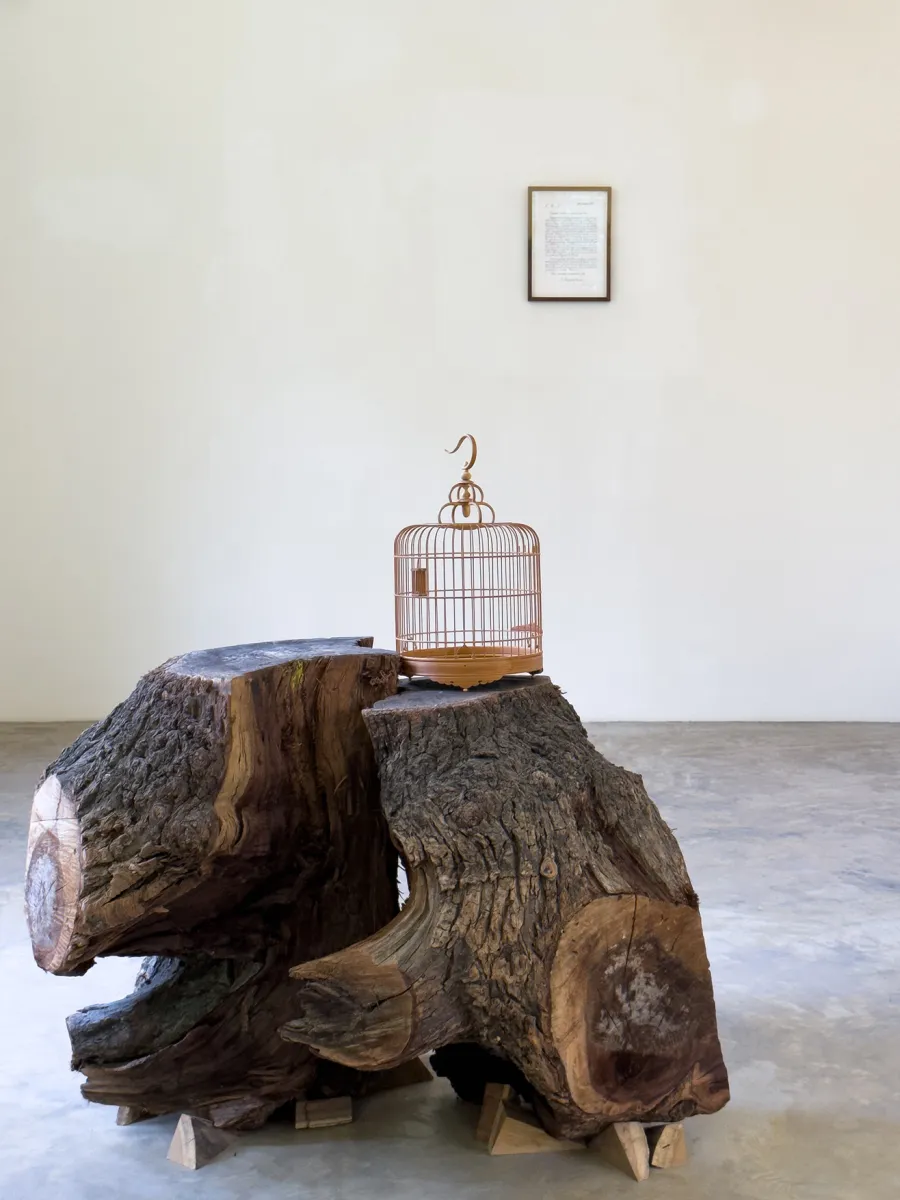
Danh Vo, Untitled, 2021 © Mirrored Gardens
Nhu Xuan Hua
Her website only presents images without any textual explanations. This absence of text itself creates a visual break, echoing the absence and gaps in the fragmented experience.
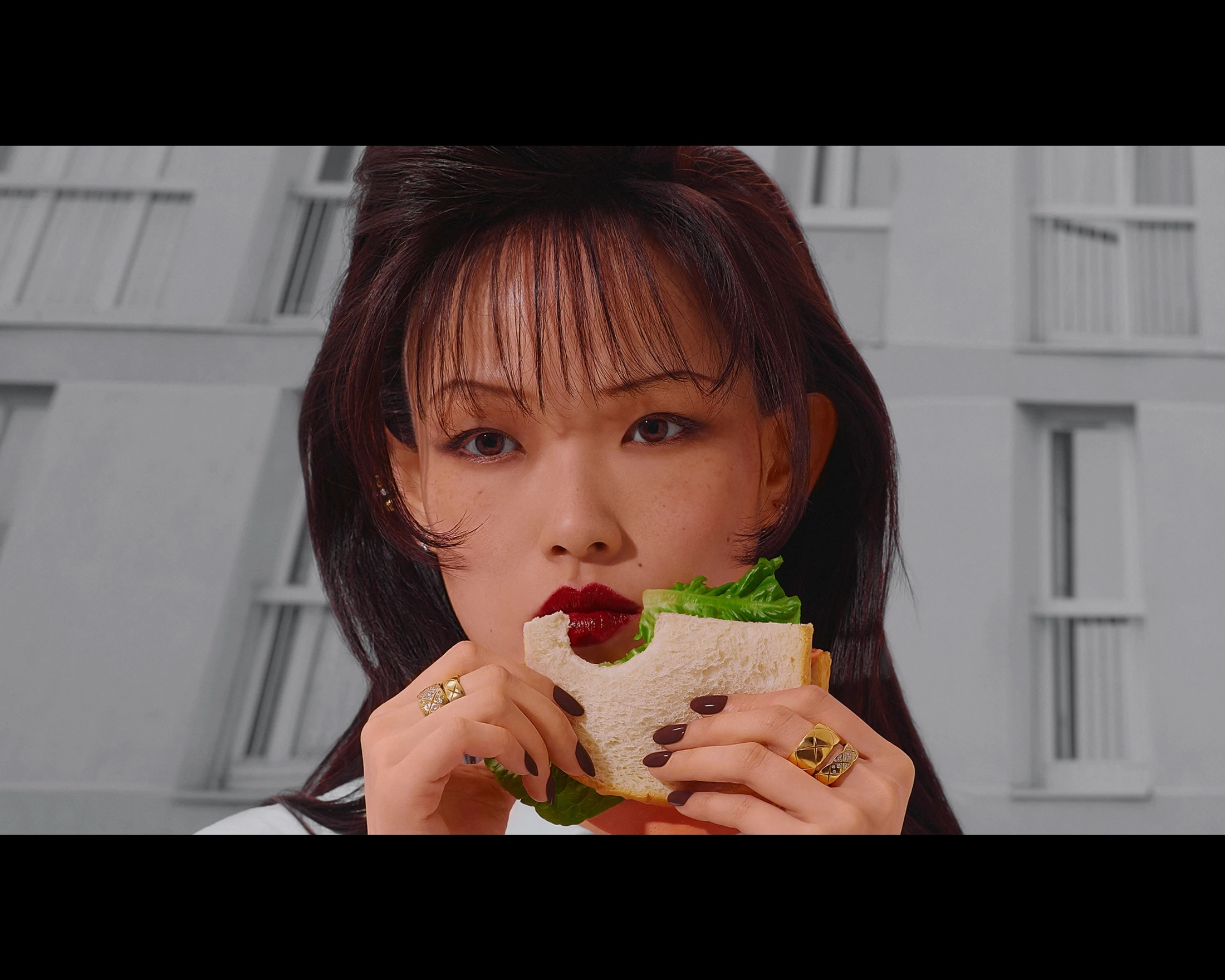
Is this a play? © Nhu Xuan Hua
Curatorial Format
The combination of a small white cube exhibition and a public project, tailored to fit within a budget of approximately £10,000.
The public projects will include:
- Artist workshops
- Lectures and seminars
This section is inspired by the Edinburgh Art Festival project “Decolonising the Outdoors: diaspora/sunago”, which creates a safe and caring shared space through collective activities and discussions.
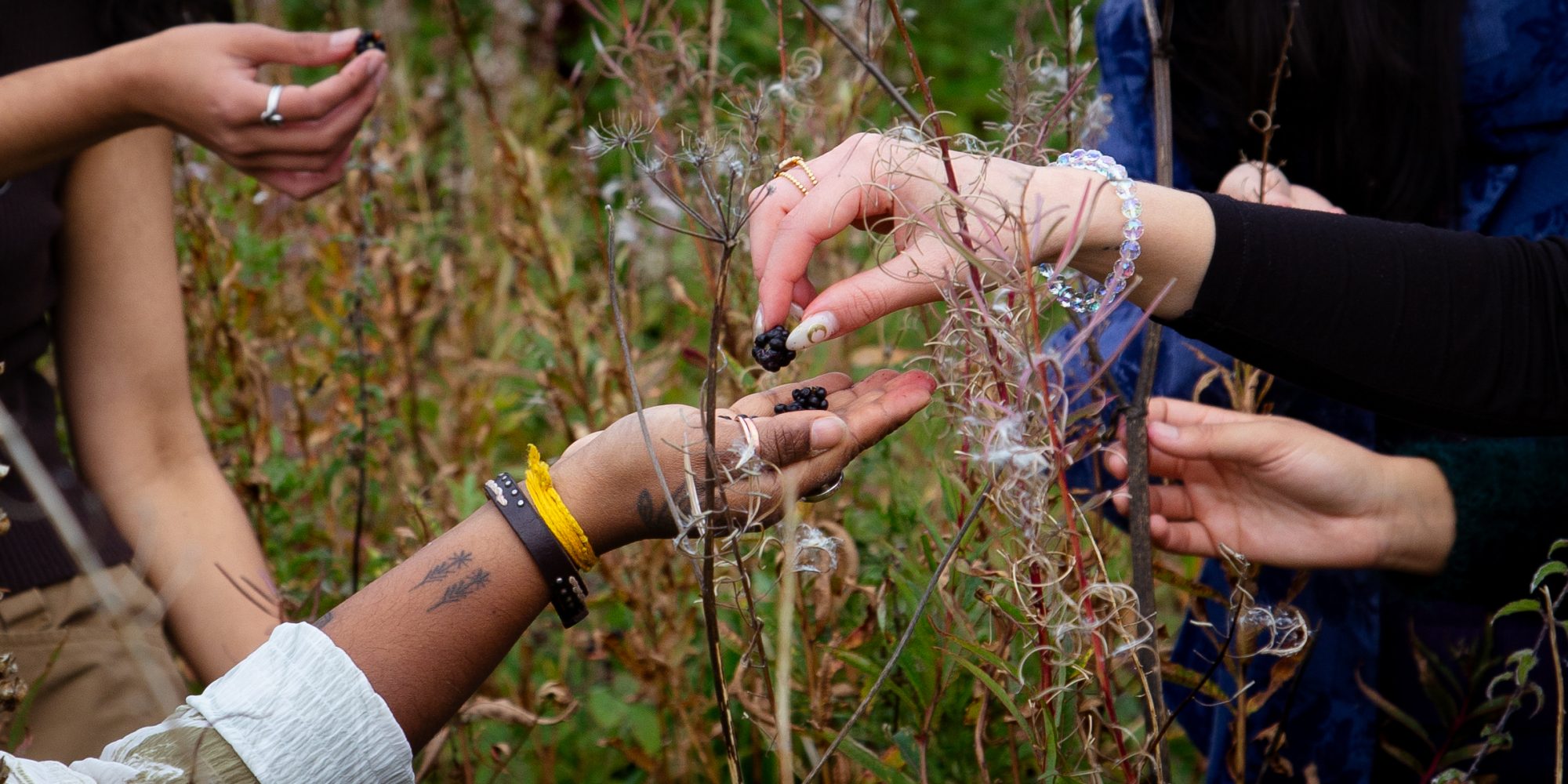
Decolonising the Outdoors: diaspora/sunago, Image credit: Unfracturing 8 by Aileen Angsutorn Lees
Precedents
Documenta 15
Propose a curatorial model centered on sharing resources and collective collaboration, emphasizing the joint production of knowledge and materials.
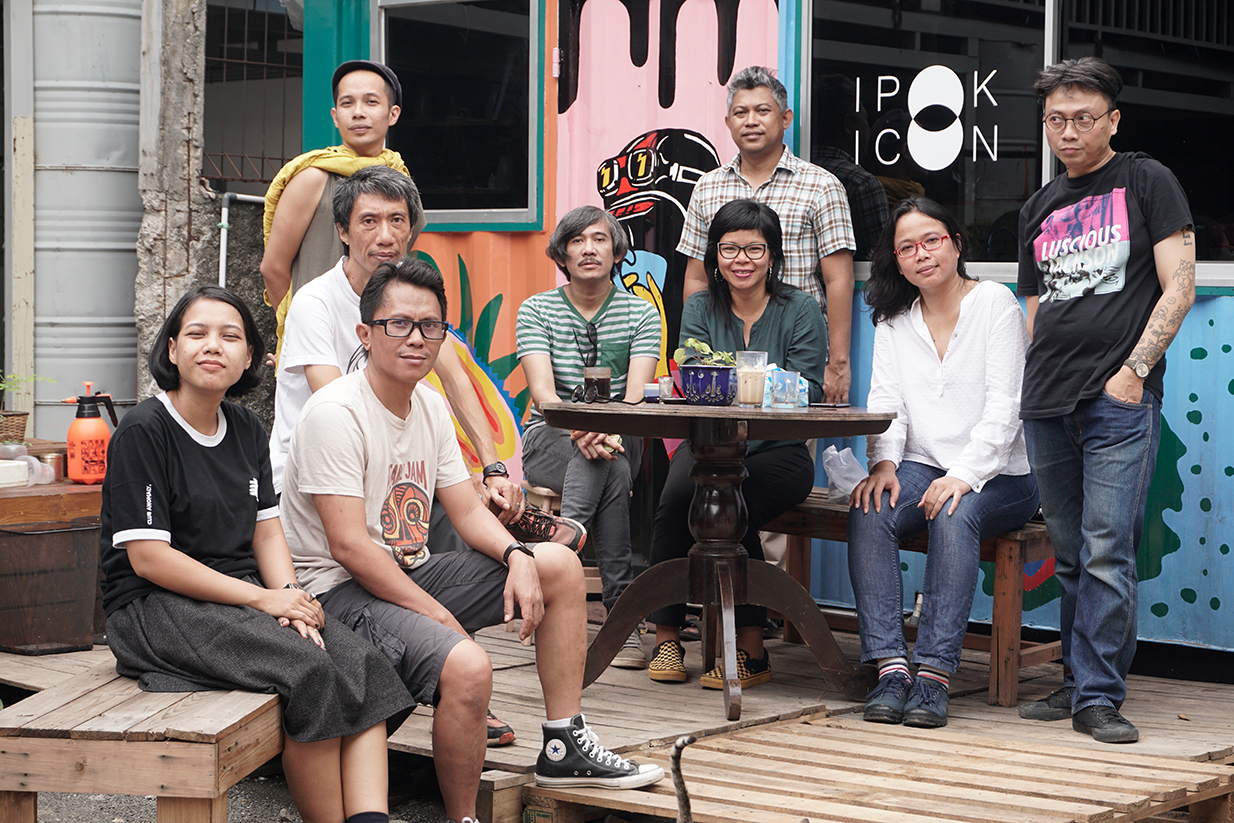
ruangrupa, 2019, Ajeng Nurul Aini, farid rakun, Iswanto Hartono, Mirwan Andan, Indra Ameng, Ade Darmawan, Daniella Fitria Praptono, Julia Sarisetiati, Reza Afisina, Photo: Gudskul / Jin Panji
The concept of lumbung
Encourage the sharing of resources and ideas, expanding the social and collaborative dimensions of the exhibition.
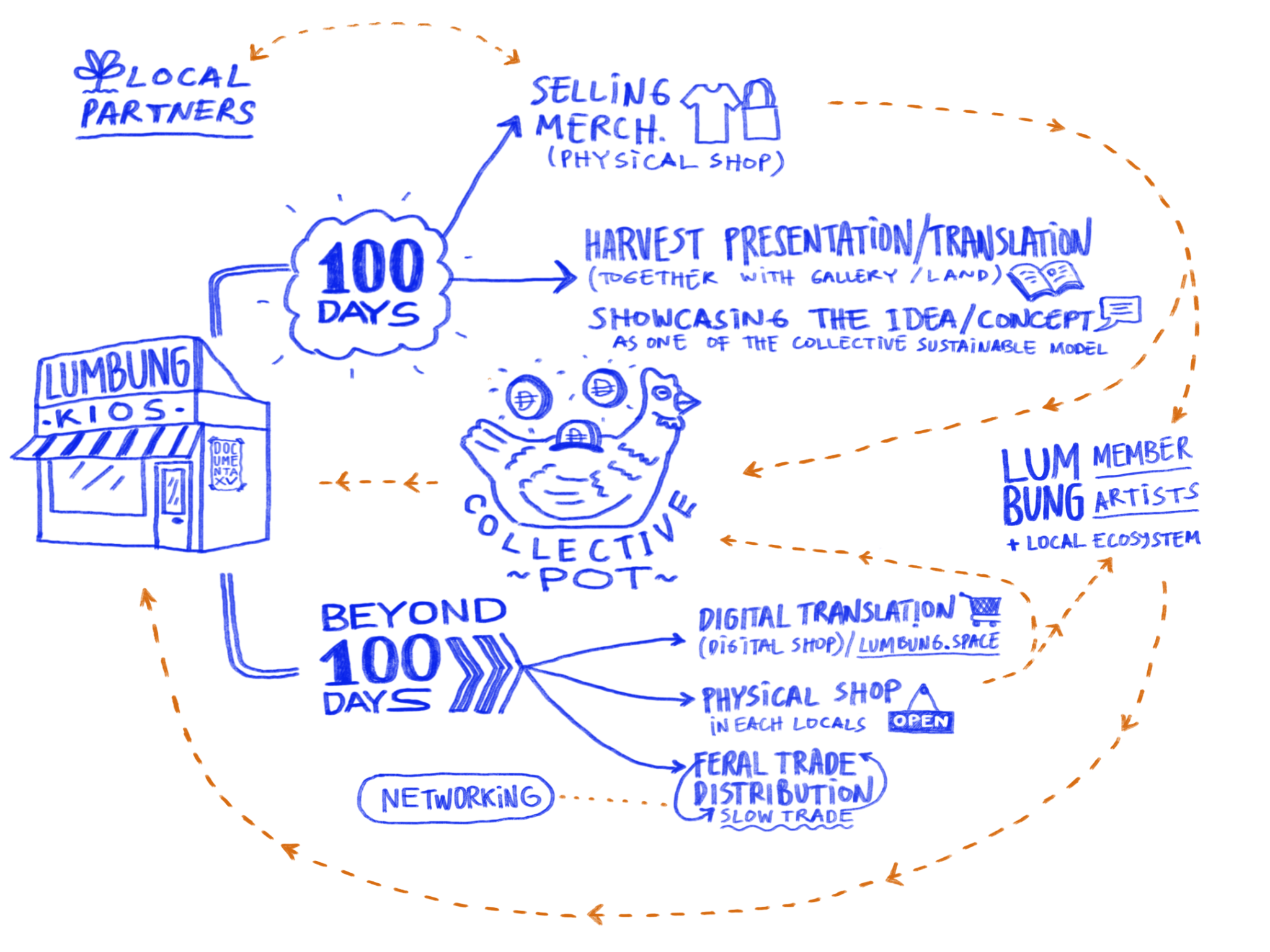
documenta fifteen: lumbung Kios, Harvest by Angga Cipta, 2022
Green Papaya Art Projects
The case of the artist-initiated space provides important references for small-scale, collaborative and artist-led projects.
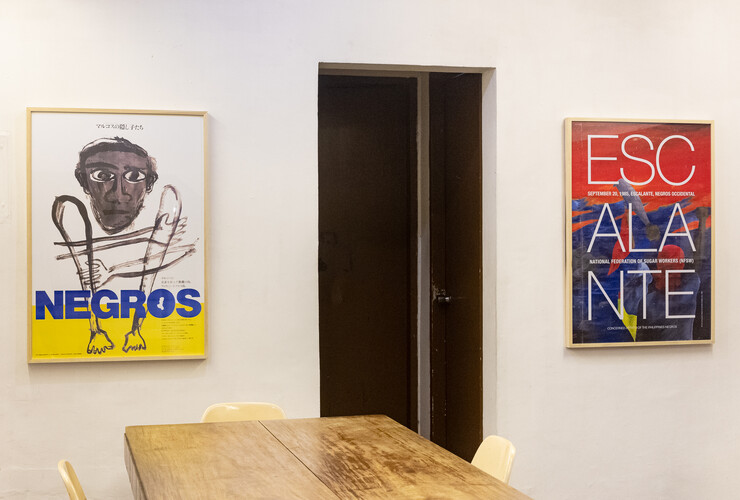
A Remembrance of a Future (and Past) Fury © Asia Art Archive all rights reserved
Open Questions
Further exploration is needed:
- The final list of artists
- Potential exhibition venues
- The balance between the exhibition and public projects
- How to achieve the project scale within a £10,000 budget
Reference List
Simon, S. (2012) “Translation and Hybridity,” John Benjamins Handbook.
(Translating Diaspora- Material, Memory and Cultural Hybridity © 2026 by Tianshun Zhao is licensed under CC BY 4.0)
(Translating Diaspora- Material, Memory and Cultural Hybridity © 2026 by Tianshun Zhao is licensed under CC BY 4.0)
(documenta fifteen: lumbung Kios, Harvest by Angga Cipta, 2022)
(ruangrupa, 2019, Ajeng Nurul Aini, farid rakun, Iswanto Hartono, Mirwan Andan, Indra Ameng, Ade Darmawan, Daniella Fitria Praptono, Julia Sarisetiati, Reza Afisina, Photo: Gudskul / Jin Panji)
(Decolonising the Outdoors: diaspora/sunago, Image credit: Unfracturing 8 by Aileen Angsutorn Lees)
(Is this a play? © Nhu Xuan Hua)
(Danh Vo, Untitled, 2021 © Mirrored Gardens)
(Frieze London, Pippy Houldsworth Booth, London UK, 2025 Photo by Mark Blower. Image courtesy of Pippy Houldsworth Gallery)
(Key Themes © 2026 by Tianshun Zhao is licensed under CC BY 4.0)
(A Remembrance of a Future (and Past) Fury © Asia Art Archive all rights reserved)



3 March 2026 at 13:29
Tianshun, you have done well to keep up a consistent habit with your blog, good work.
Throughout your posts you demonstrate lots of engagement with course content and themes, and this is assisted by helpful diagrams and documentation. Sometimes your interpretation can be a little incorrect. For instance, in your Week 2 post your mapping illustration suggests that a space like MoMA is more experimental/peripheral than artist-led spaces or the Fruitmarket when the reverse is more accurate.
You demonstrate a fair degree of independent research, through, for example, the discussion of your curatorial manifesto in your Week 4 blog. Bringing in theory here is successful, though I would encourage you did engage more closely with sources through direct quotation. In your week 5 course, you introduce thinkers like Stuart Hall and, again, close reading of their texts would be helpful.
You engage with practice through discussion of the artists you are interested in. Here, an original analysis of the artworks you have seen would be great—what makes them successful, how do they imbue material with thought?
There are some key issues to consider as the project develops, including the feasibility of including certain collaborators, the location of your project, whether it involves new or existing work, and what the overall curatorial position or argument is meant to be.