
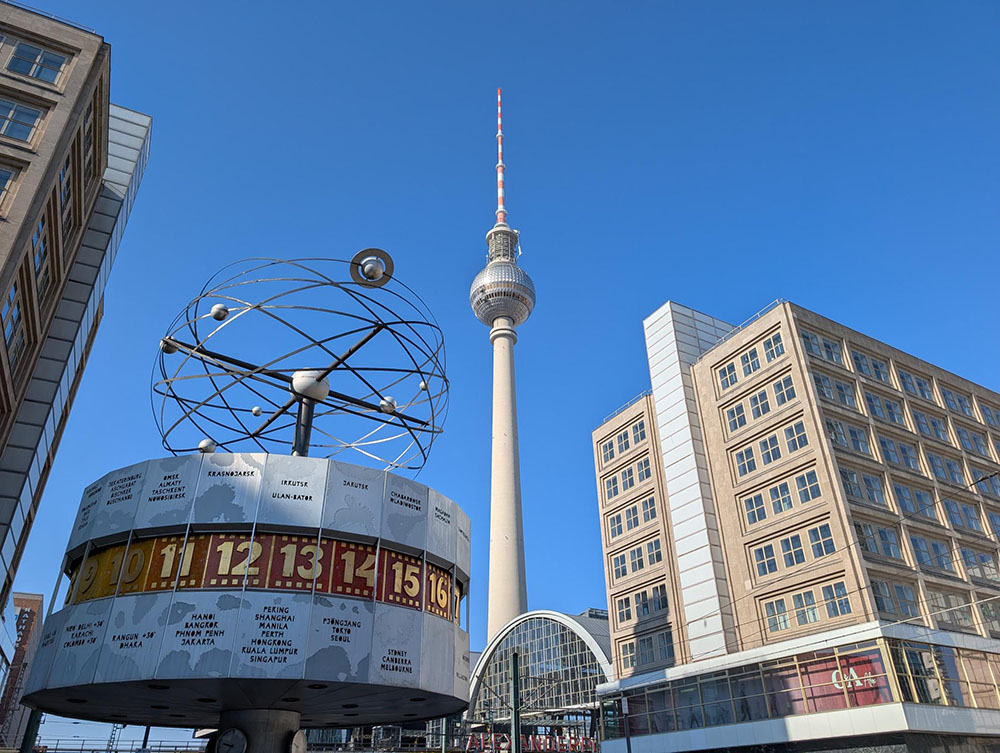
I was delighted to be a part of the Knowledge Exchange cohort to travel to the Freie Universität Berlin this past March.
The Libraries of the Freie Universität Berlin (FUB) and the University of Edinburgh share a Memorandum of Understanding. This sets out a formal collaboration between both Libraries for sharing professional knowledge and experience, including visits between the two Libraries.
I attended with 12 other colleagues from a variety of different departments in the Library. Most of us had never worked together before so we got to know each other really well during the trip, which was in itself a fantastic experience.
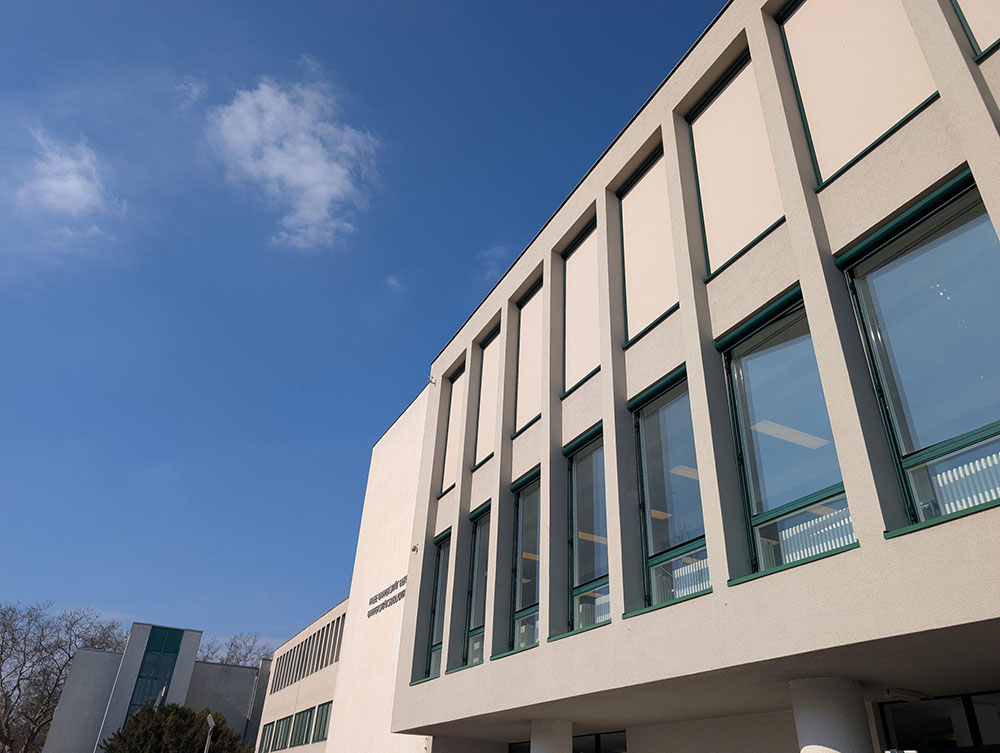
The campus is based in the Dahlem district, southwest of the centre of Berlin. The Library is spread across 14 locations on the campus, including the Central Library. This is where the knowledge exchange programme took place, comprising of three days of presentations, visits and themed discussions.
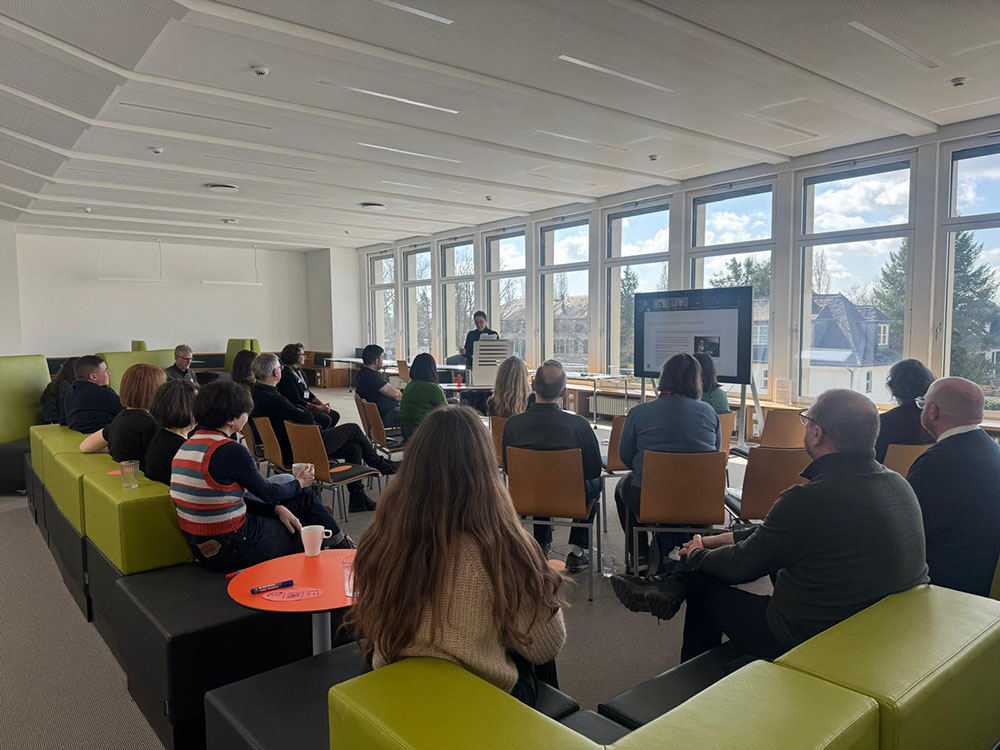
Colleagues from both Universities presented on their work and projects.
University of Edinburgh colleagues presented on sensory maps, DataShare, resource lists and digital collections migration, among other topics.
FUB colleagues covered the history and structure of libraries in Germany, scientific collections, user experience research and liaison librarianship.
Also presented on was the FUB’s fascinating work in recording oral histories for the online archive ‘Forced Labor 1939-1945’. This archive contains video and audio testimonies of victims of forced labour under the Nazi regime.
Issues around the use of artificial intelligence in libraries was also heavily discussed as part of the themed discussions, as well as how to engage diverse communities with collections.
As part of the exchange, we visited a few of the FUB Library’s other buildings.
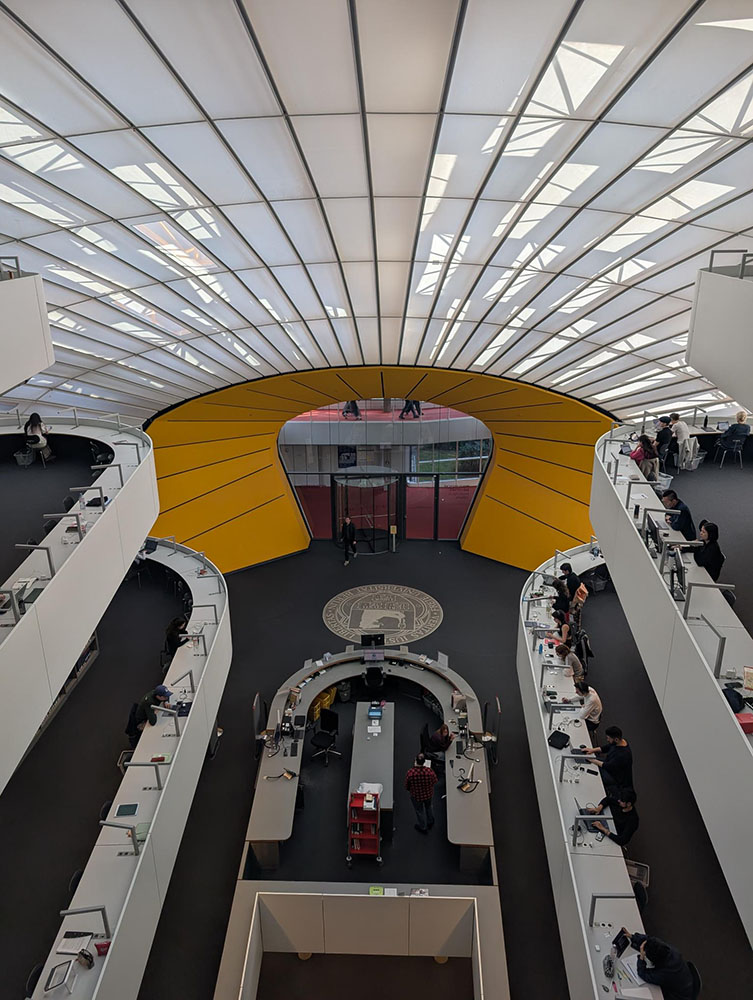
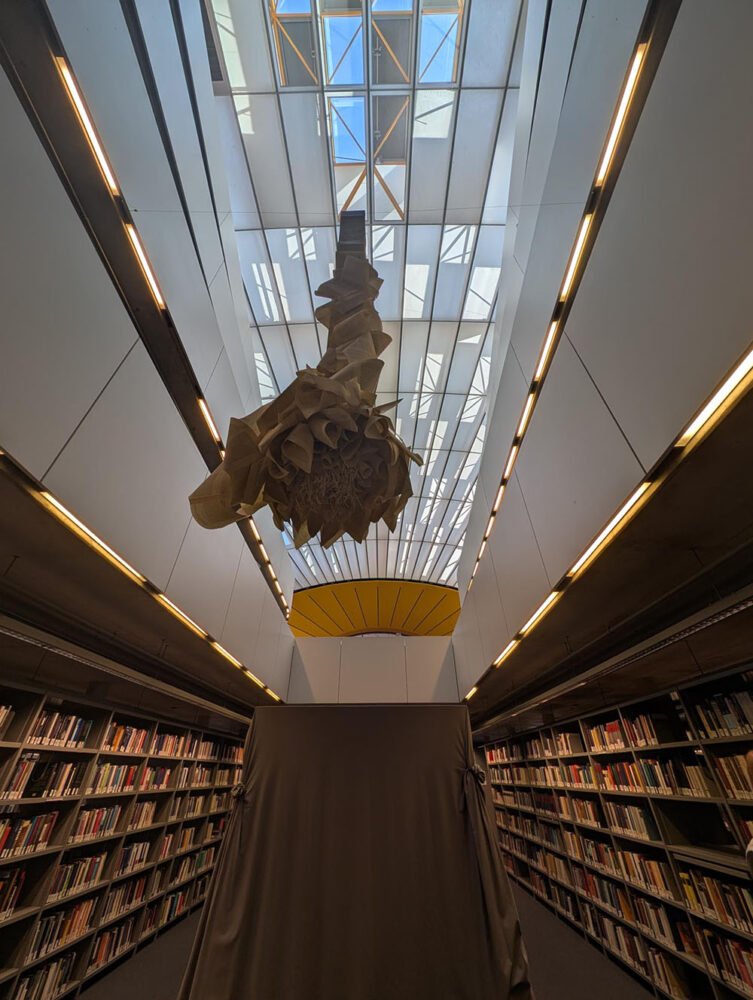
The Philological Library holds volumes from a broad range of subjects including Slavic Studies, Philosophy and Medieval Latin Philology, among others. The striking building (nicknamed ‘the brain’) was designed by Norman Foster and opened in 2005.
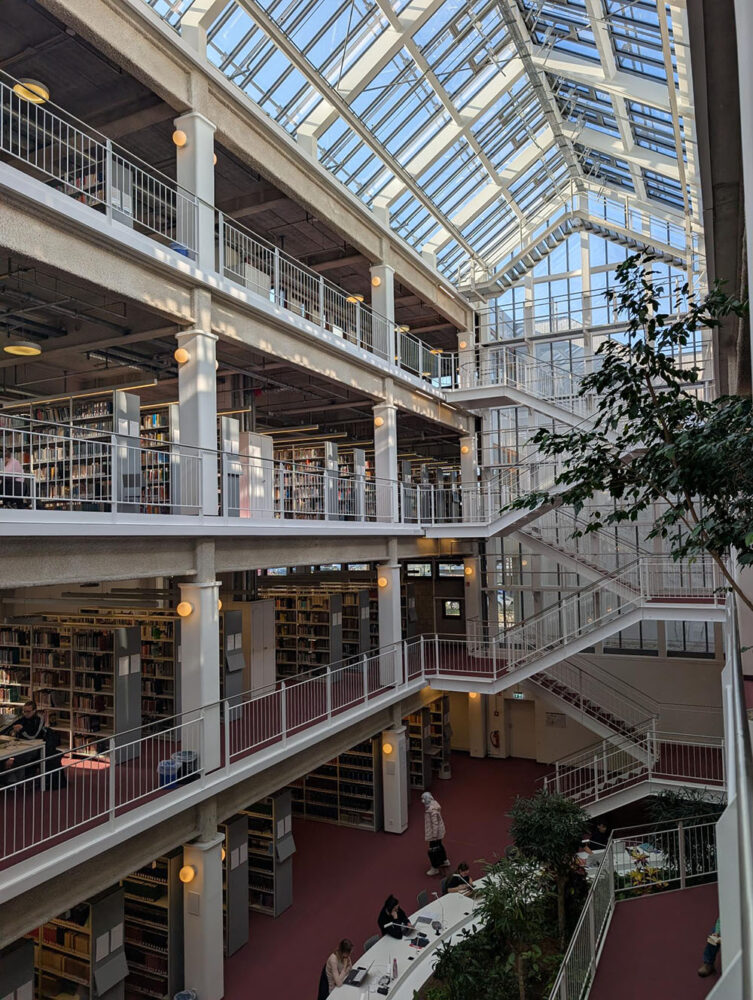
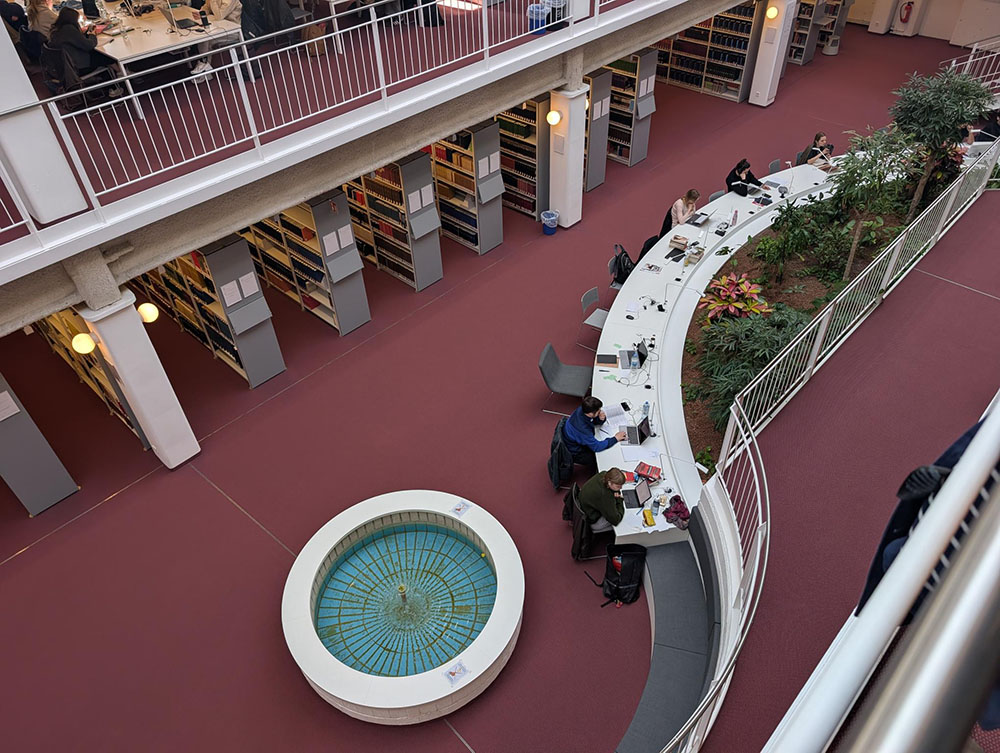
The Campus Library holds approximately 1 million volumes covering Maths, Sciences and East Asian Studies, among other subjects. I thought that the water fountain and plants throughout the space were a fantastic idea, making for a calm and soothing space that is highly conducive to studying.
We also visited the Humboldt University Library, receiving an introduction to the history of their special collections.
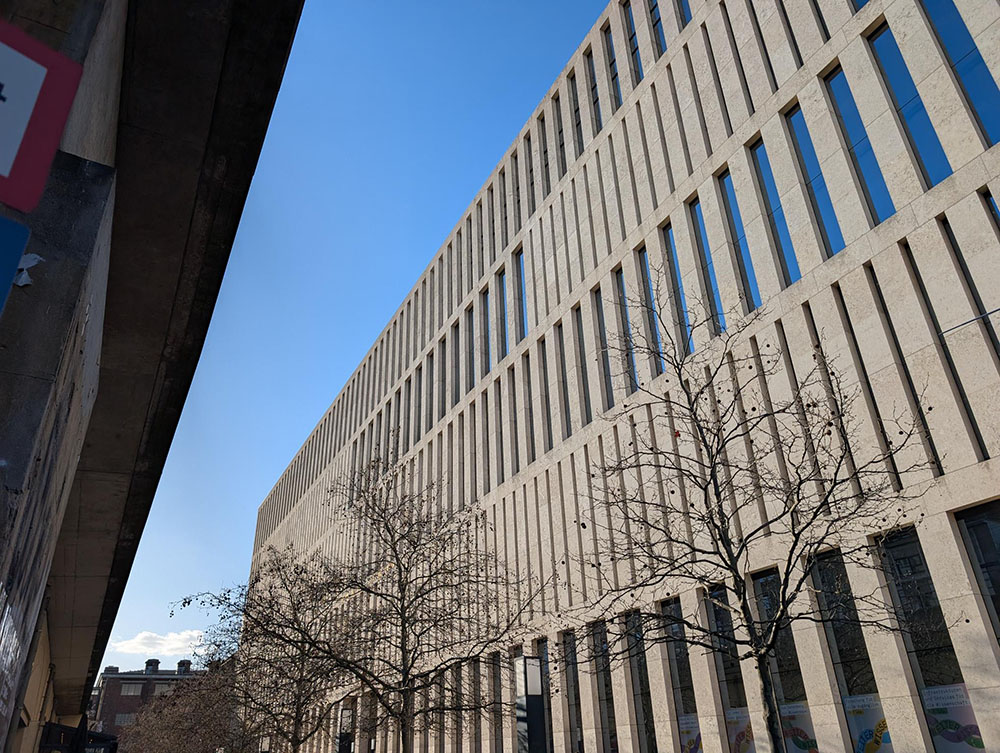
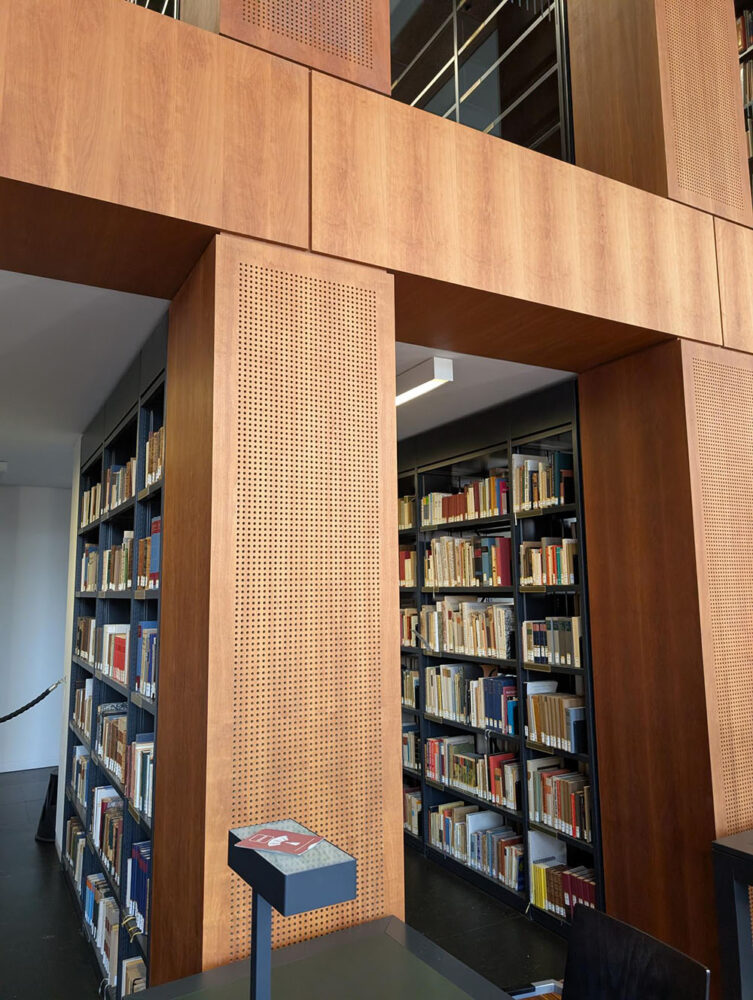
The Library is currently digitising the reference material used by the Brothers Grimm, whose library the Humboldt University holds a large proportion of.
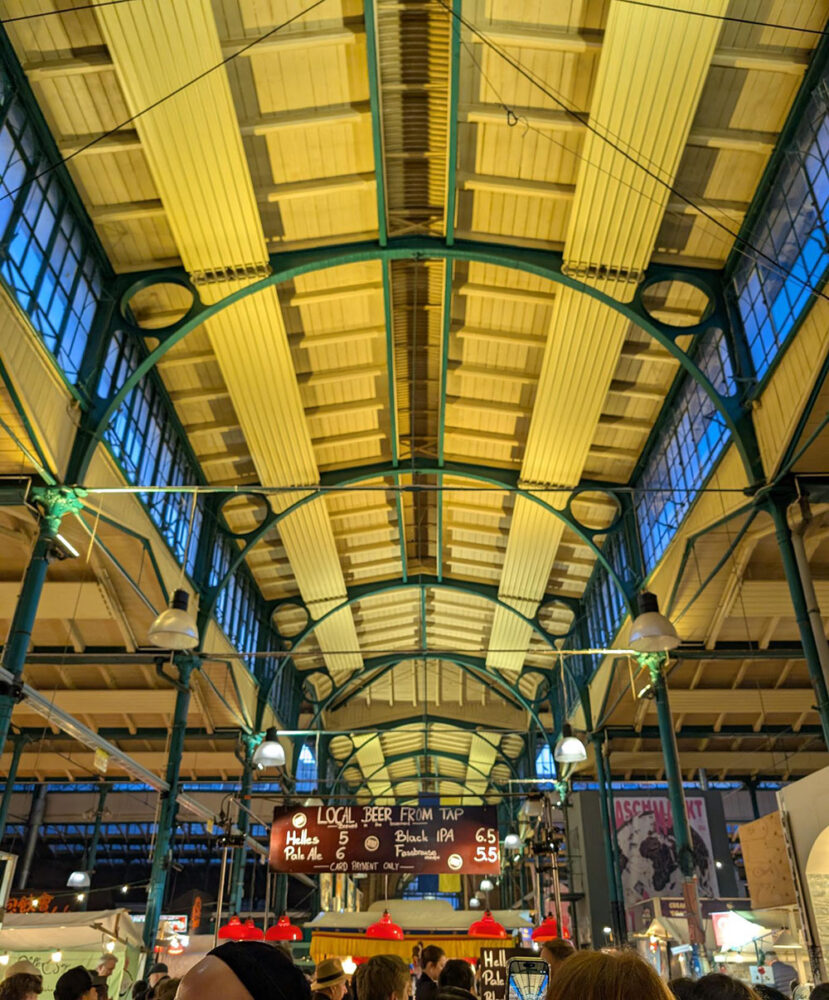
We finished the exchange visit with a well-deserved trip to the food market at the Markthalle Neun in the Kreuzberg district, toasting to the end of a week of stimulating ideas and discussions. Many of us tagged a few days onto the trip to get a chance to further explore this fascinating city.
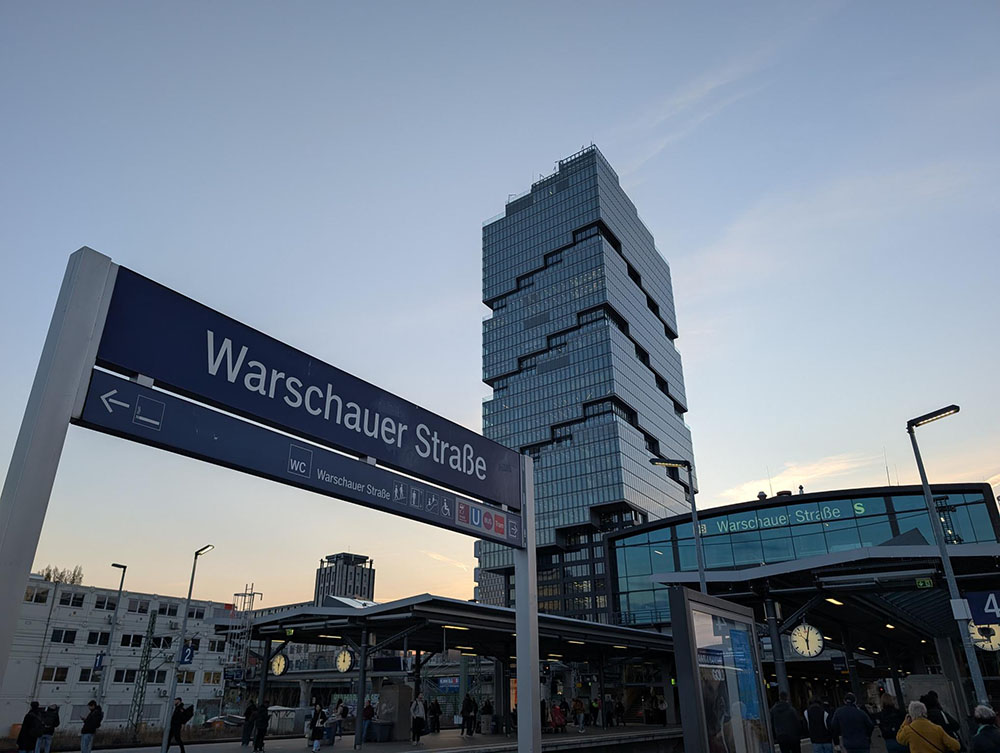
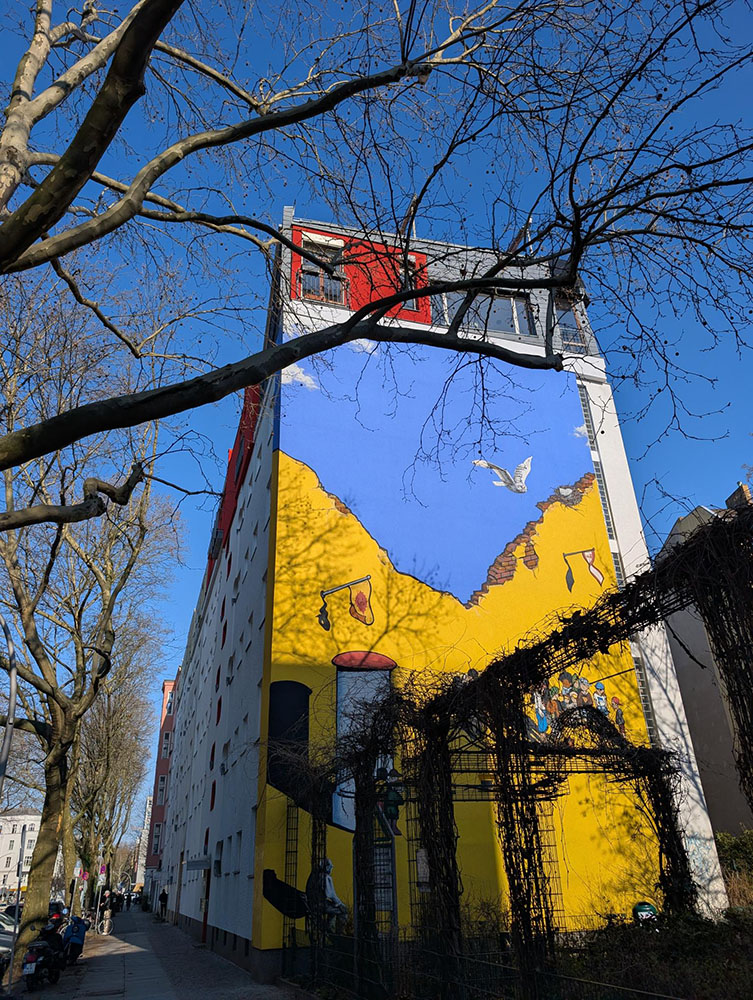
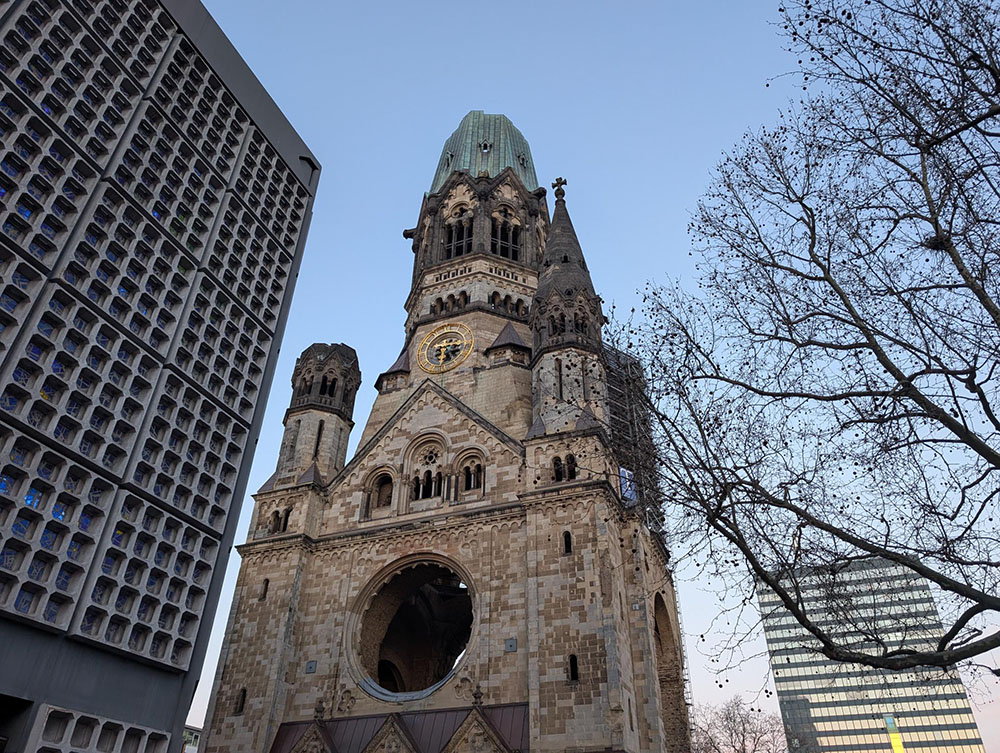
This trip was a fantastic experience for me both professionally and personally, not only to learn about a university library in another country and how they operate and the challenges they face, but also to learn about the work of other Edinburgh colleagues who I don’t normally work with, and to get to know them on a personal level too.
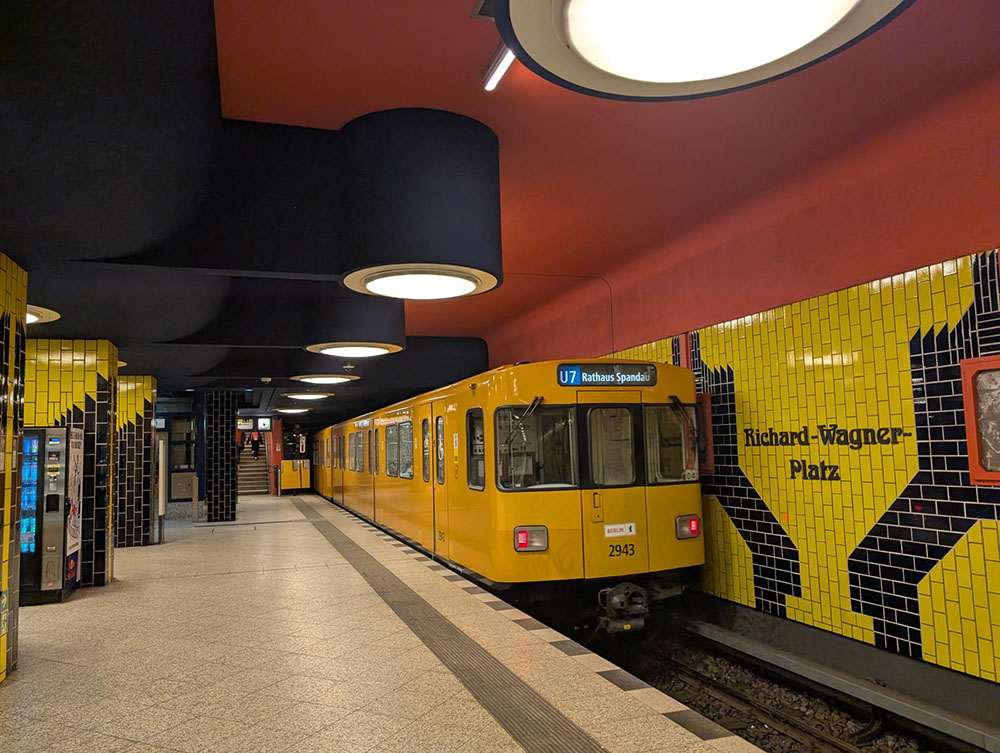
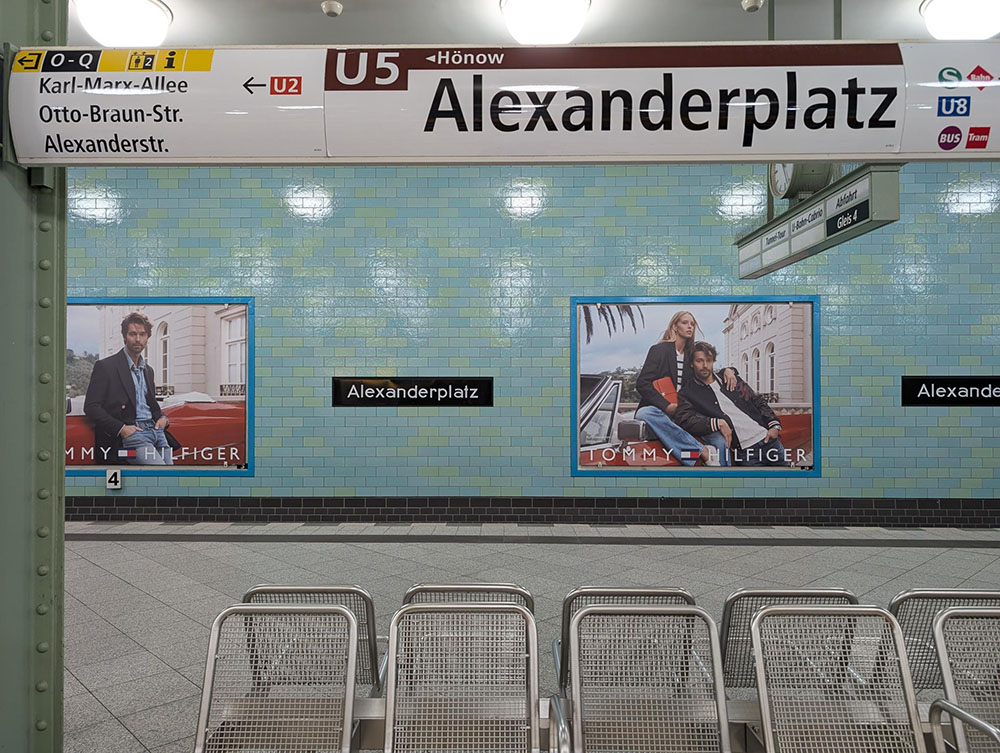
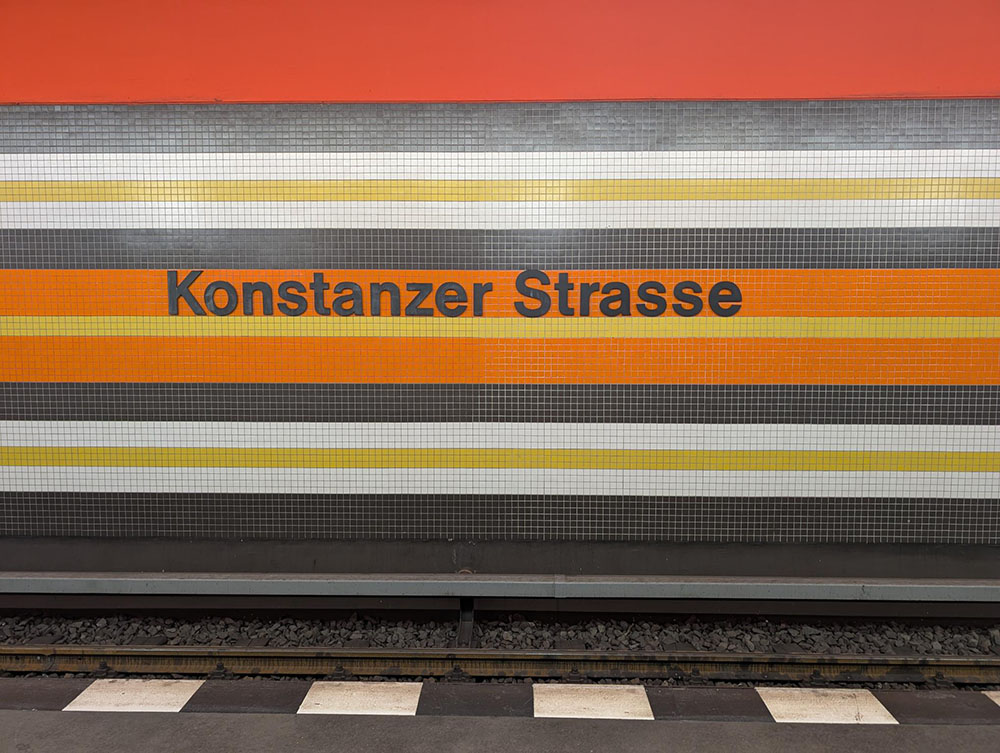
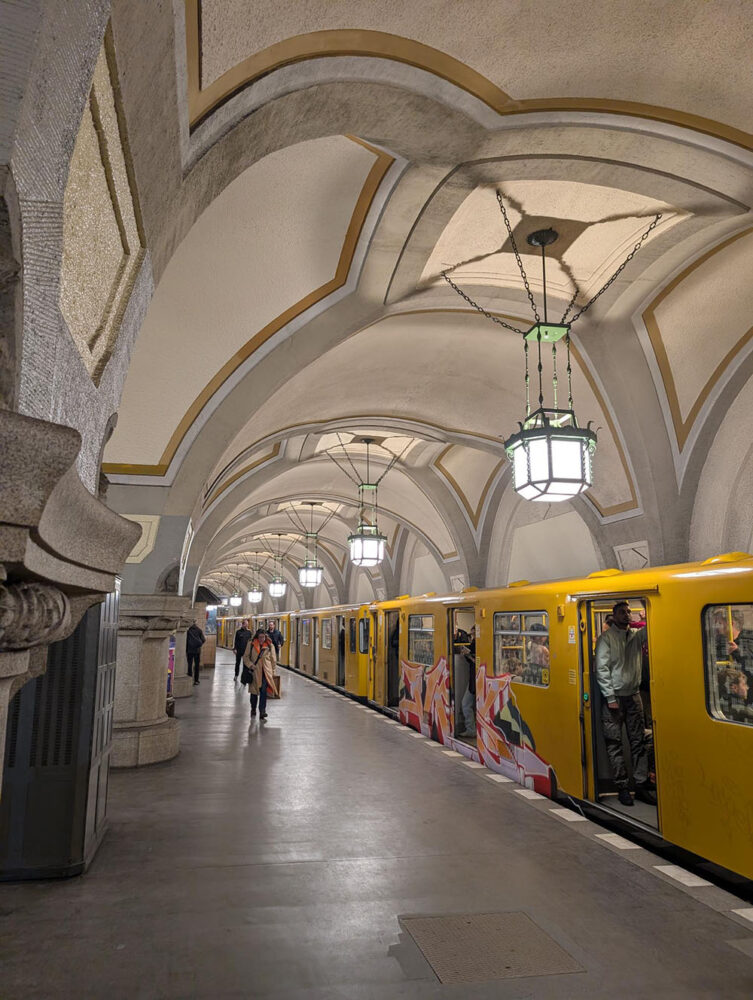
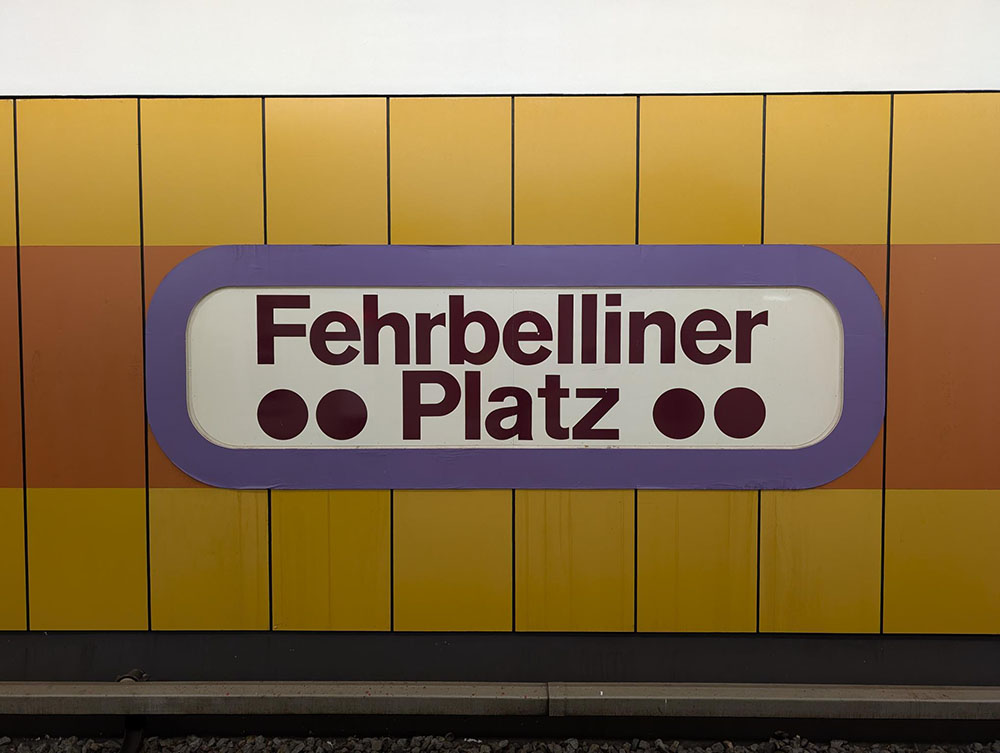
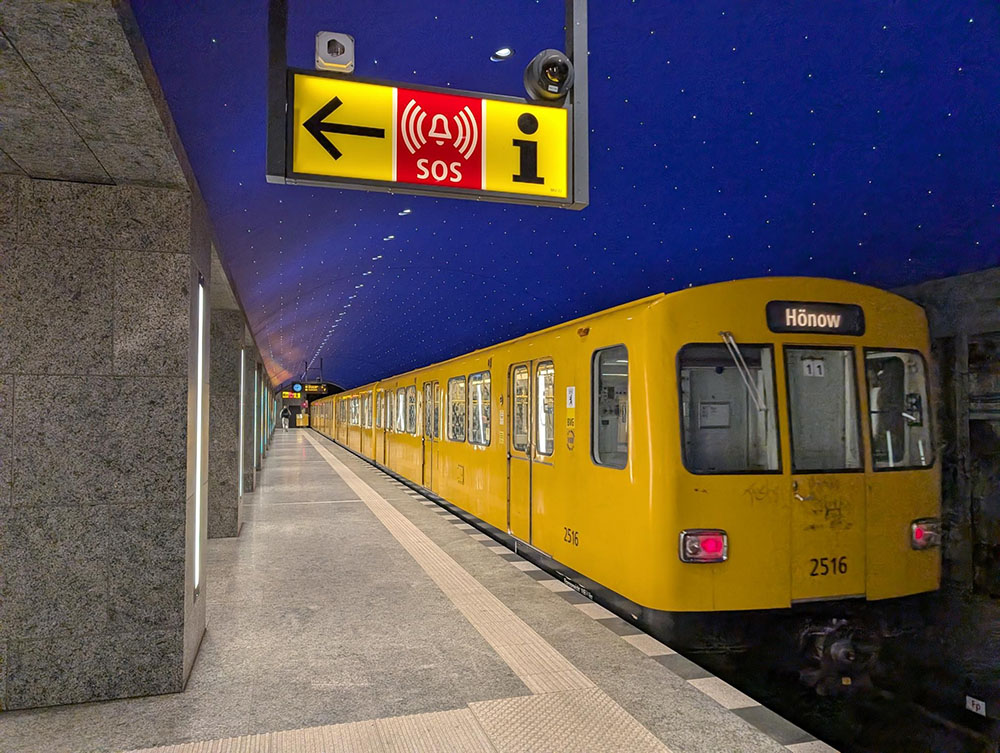
It goes without saying that Berlin is a fascinating place to visit. I leave you with a few images of the beautifully diverse designs seen in the metro stations across the city.
Gabrielle Migdalska, Digital Collections Support Officer