Knowledge Exchange Visit to the Freie Universität Berlin

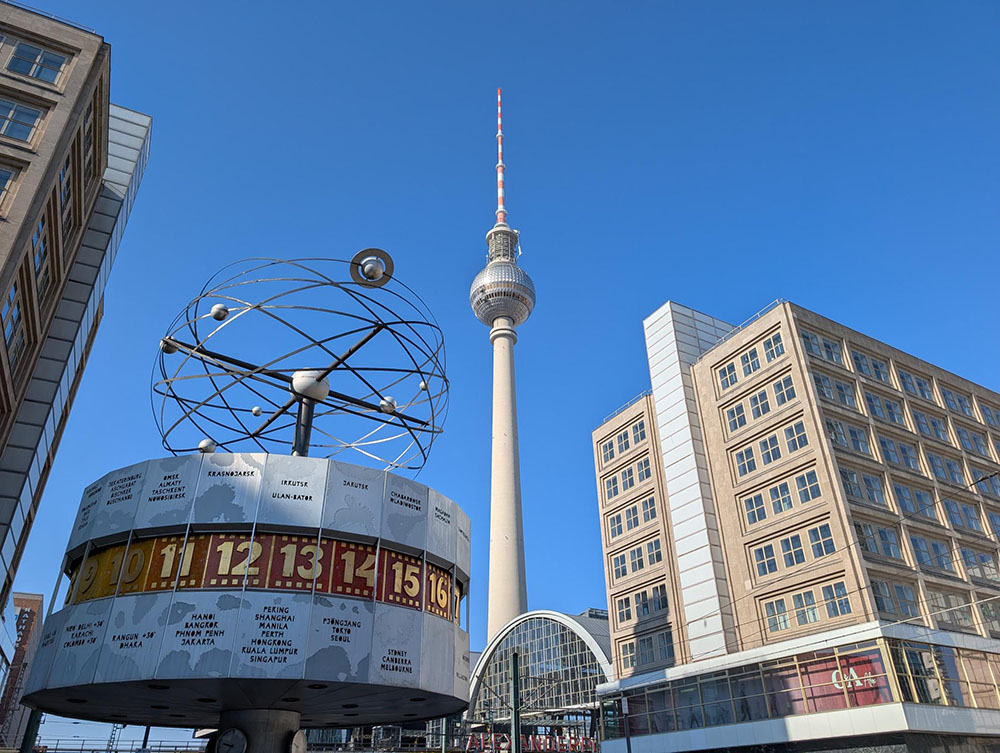
View of the World Clock and Television Tower (known as the Fernsehturm) at Alexanderplatz in Berlin
View of the World Clock and Television Tower (Fernsehturm) at Alexanderplatz

I was delighted to be a part of the Knowledge Exchange cohort to travel to the Freie Universität Berlin this past March.

The Libraries of the Freie Universität Berlin (FUB) and the University of Edinburgh share a Memorandum of Understanding. This sets out a formal collaboration between both Libraries for sharing professional knowledge and experience, including visits between the two Libraries.

I attended with 12 other colleagues from a variety of different departments in the Library. Most of us had never worked together before so we got to know each other really well during the trip, which was in itself a fantastic experience.
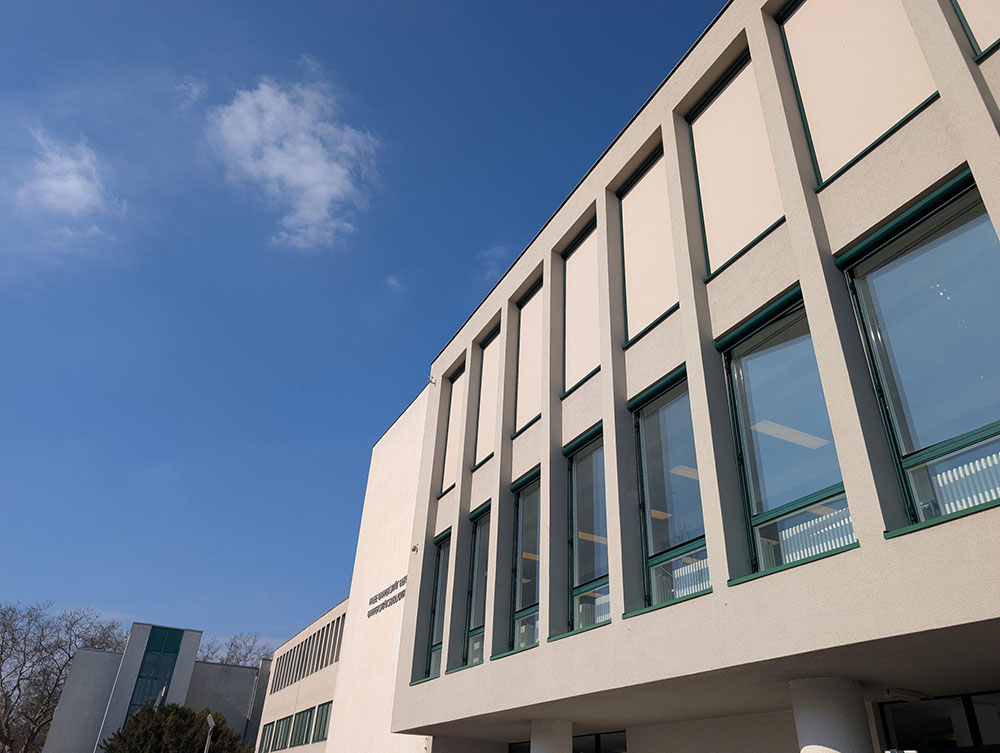
External view of the Freie Universität Berlin Central Library building
Exterior view of the Central Library at the Freie Universität Berlin

The campus is based in the Dahlem district, southwest of the centre of Berlin. The Library is spread across 14 locations on the campus, including the Central Library. This is where the knowledge exchange programme took place, comprising of three days of presentations, visits and themed discussions.
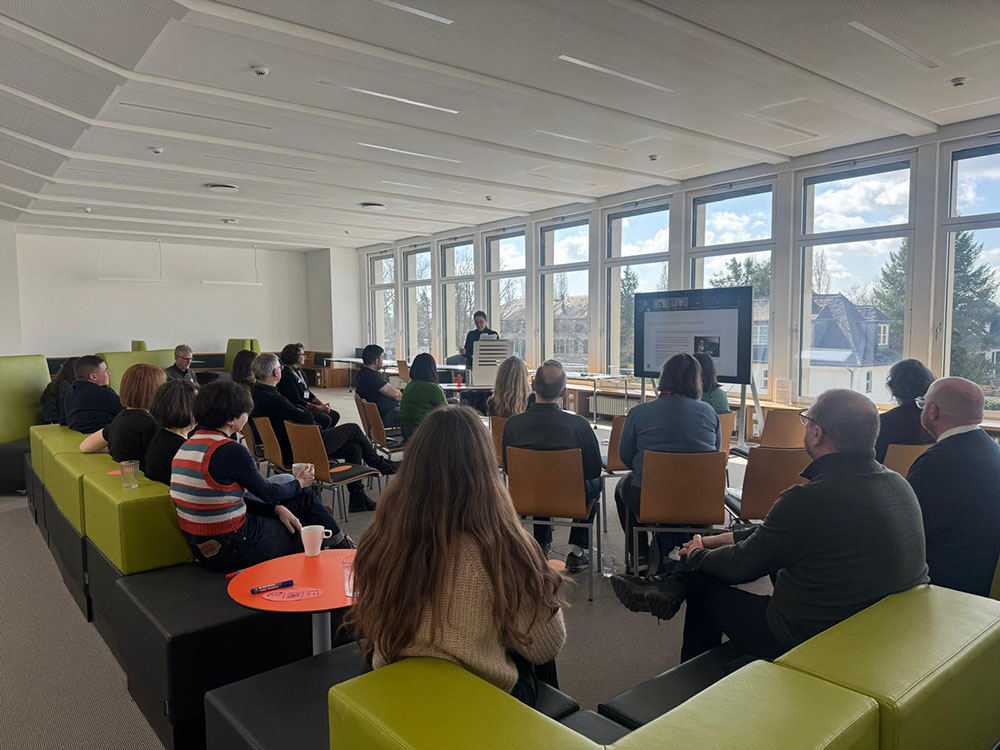
A speaker presenting in front of an audience at the Freie Universität Berlin Central Library
Presentations in full swing at the Central Library

Colleagues from both Universities presented on their work and projects.

University of Edinburgh colleagues presented on sensory maps, DataShare, resource lists and digital collections migration, among other topics.

FUB colleagues covered the history and structure of libraries in Germany, scientific collections, user experience research and liaison librarianship.

Also presented on was the FUB’s fascinating work in recording oral histories for the online archive ‘Forced Labor 1939-1945’. This archive contains video and audio testimonies of victims of forced labour under the Nazi regime.

Forced Labor 1939-1945

Issues around the use of artificial intelligence in libraries was also heavily discussed as part of the themed discussions, as well as how to engage diverse communities with collections.

As part of the exchange, we visited a few of the FUB Library’s other buildings.
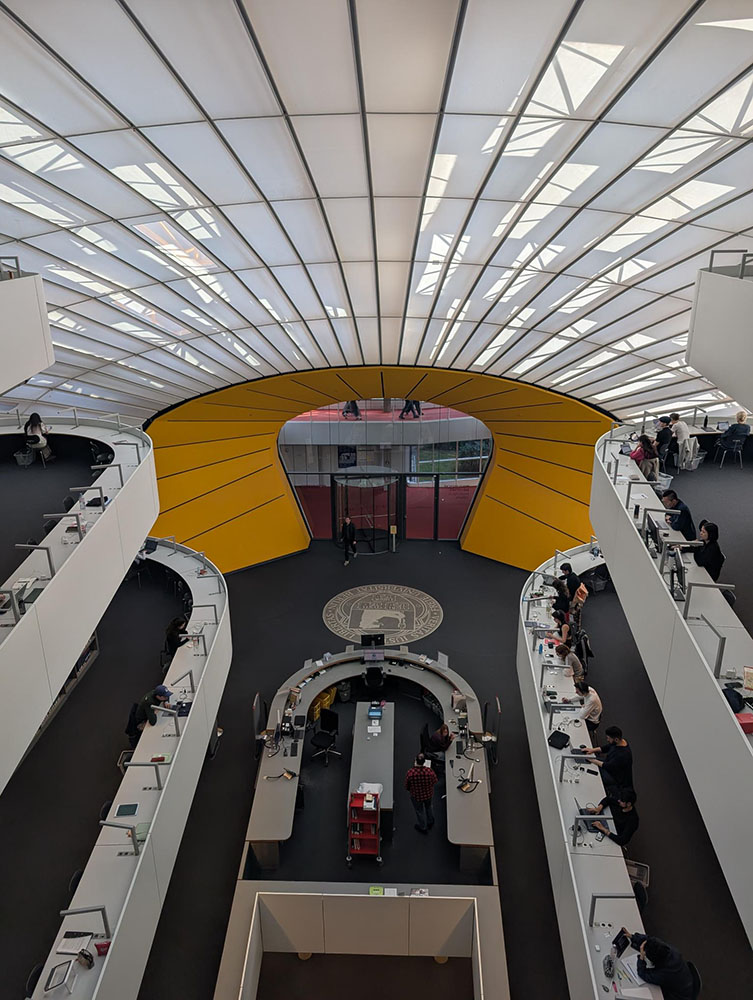
Internal view overlooking the entrance of the Freie Universität Berlin Philological Library, showing students studying at desks
View overlooking the entrance of the Philological Library
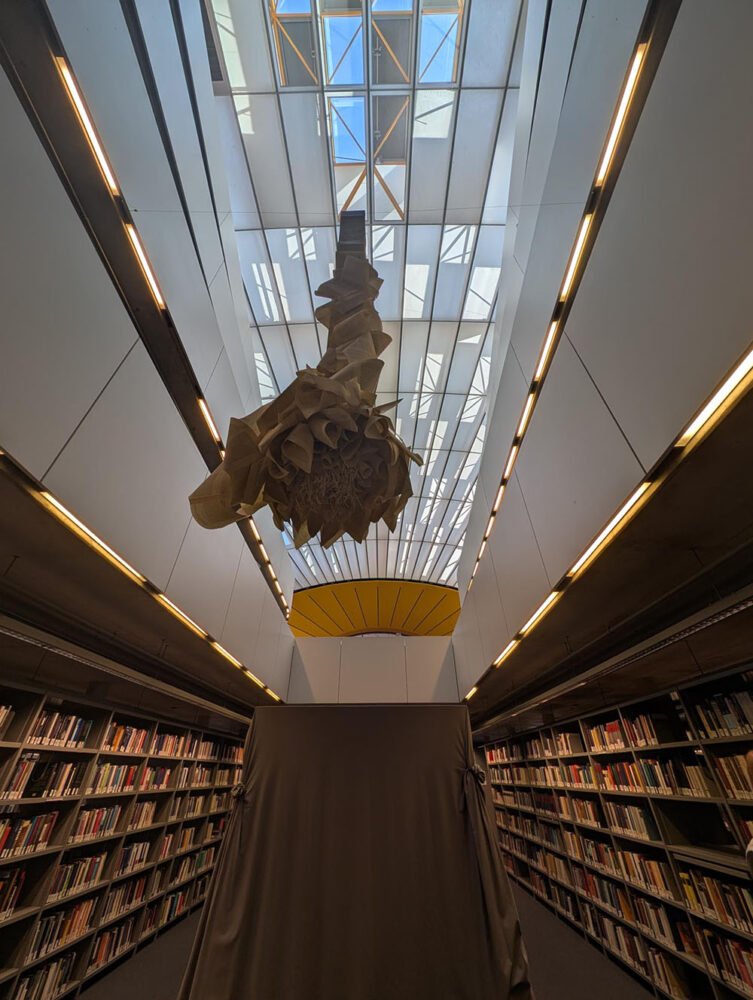
Internal view of the Freie Universität Berlin Philological Library, showing a ceiling art sculpture and bookshelves
Ceiling art sculpture at the Philological Library

The Philological Library holds volumes from a broad range of subjects including Slavic Studies, Philosophy and Medieval Latin Philology, among others. The striking building (nicknamed ‘the brain’) was designed by Norman Foster and opened in 2005.
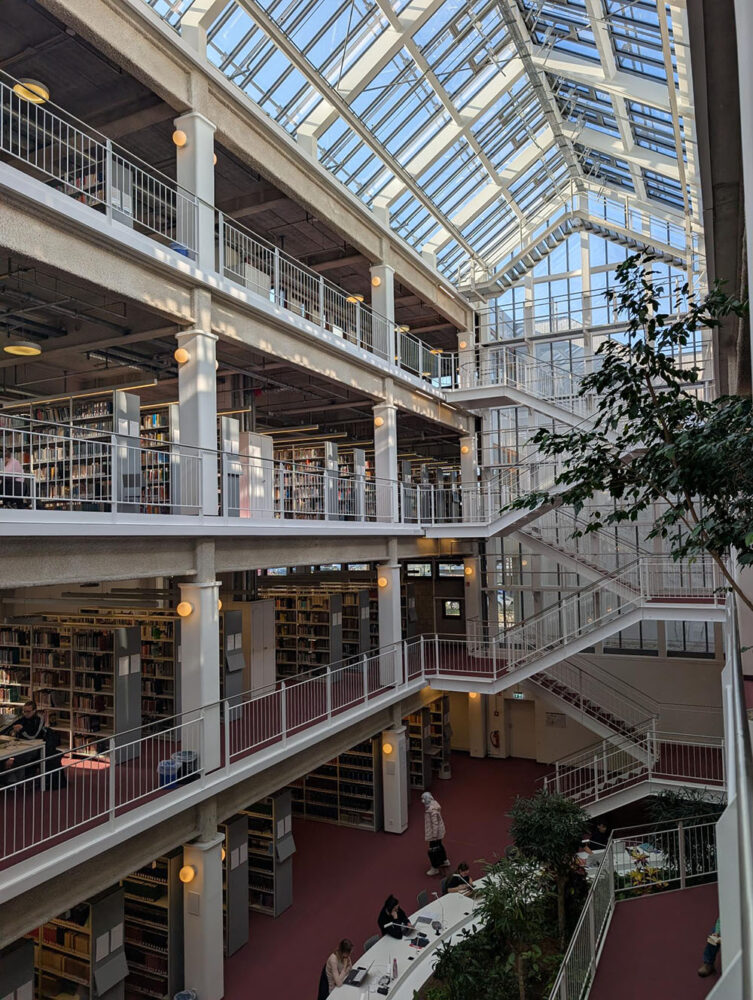
 

Internal view of the Freie Universität Berlin Campus Library, showing the mezzanine space with rows of bookshelves on each floor
View of the mezzanine space at the Campus Library
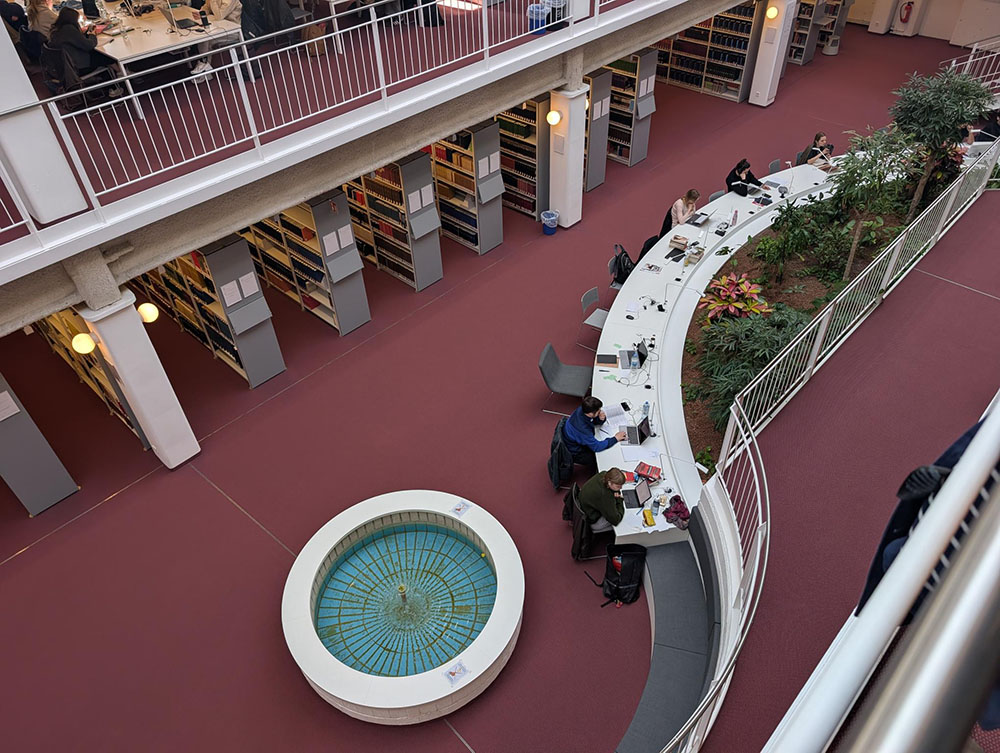
Internal view of the Freie Universität Berlin Campus Library, showing a water fountain and students studying at desks
Water fountain, plants and study desks at the Campus Library

The Campus Library holds approximately 1 million volumes covering Maths, Sciences and East Asian Studies, among other subjects. I thought that the water fountain and plants throughout the space were a fantastic idea, making for a calm and soothing space that is highly conducive to studying.

We also visited the Humboldt University Library, receiving an introduction to the history of their special collections.
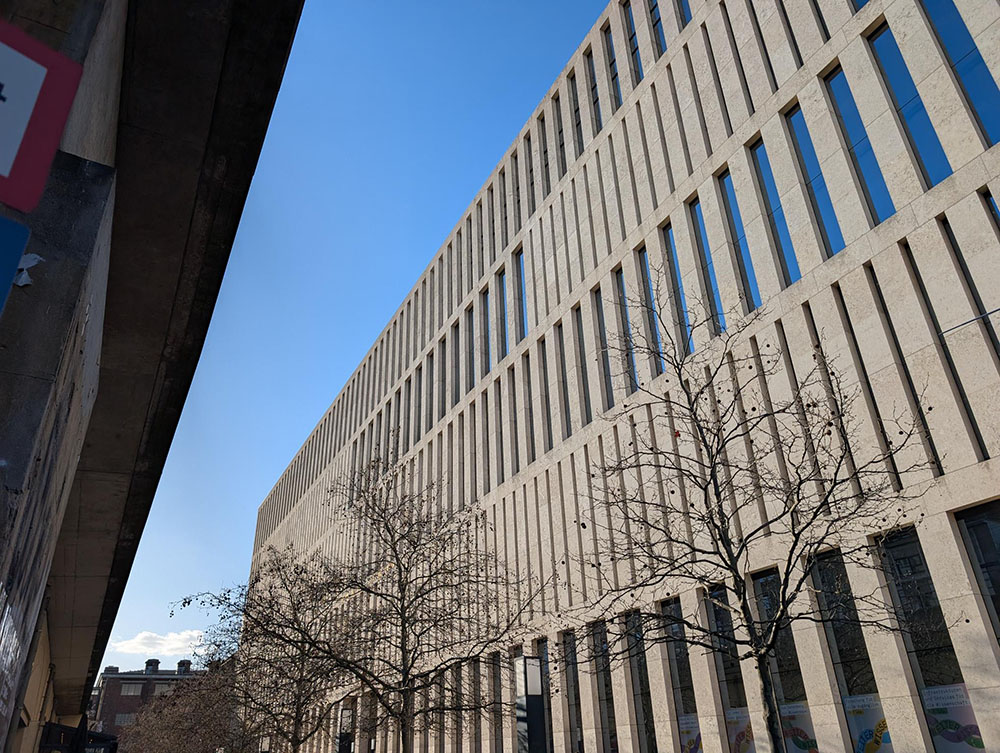
Exterior view of the Humboldt University Library
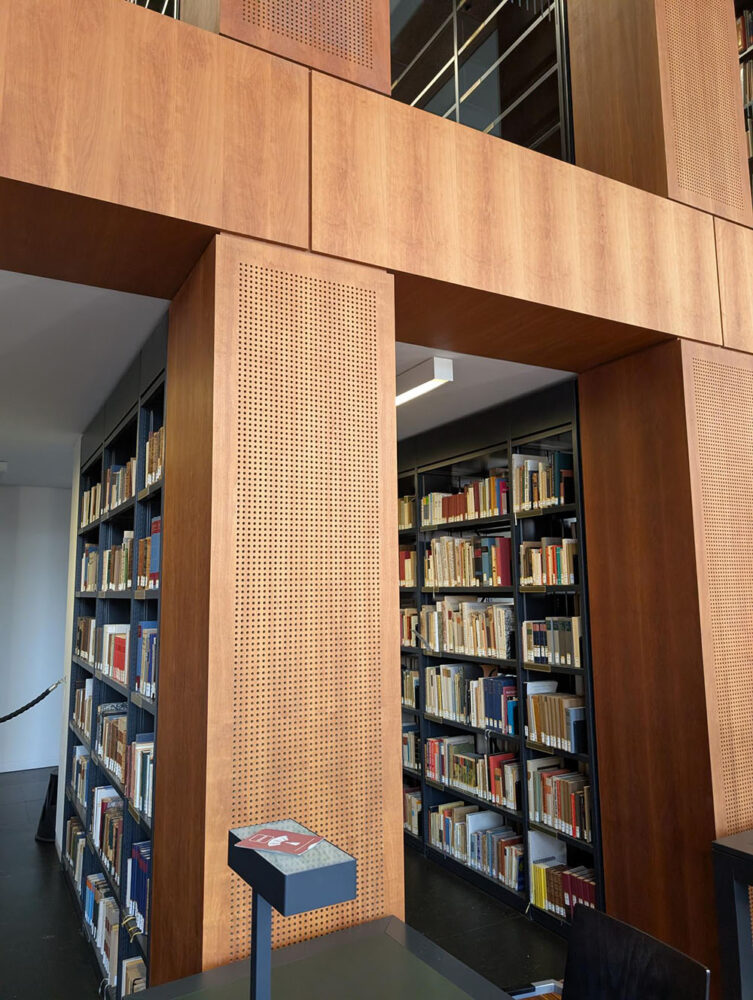
View of the Special Collections reading room at the Humboldt University Library
The Special Collections reading room at the Humboldt University Library

The Library is currently digitising the reference material used by the Brothers Grimm, whose library the Humboldt University holds a large proportion of.
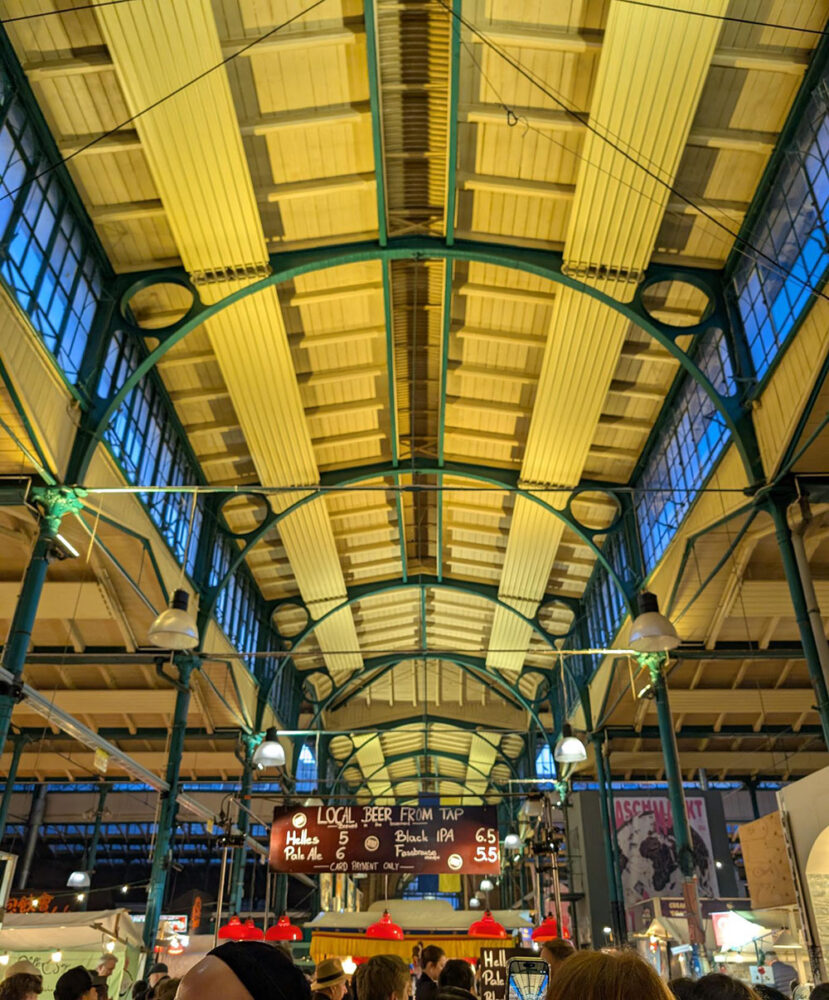
 

View of the entrance to the Markthalle Neun food market
Markthalle Neun food market

We finished the exchange visit with a well-deserved trip to the food market at the Markthalle Neun in the Kreuzberg district, toasting to the end of a week of stimulating ideas and discussions. Many of us tagged a few days onto the trip to get a chance to further explore this fascinating city.
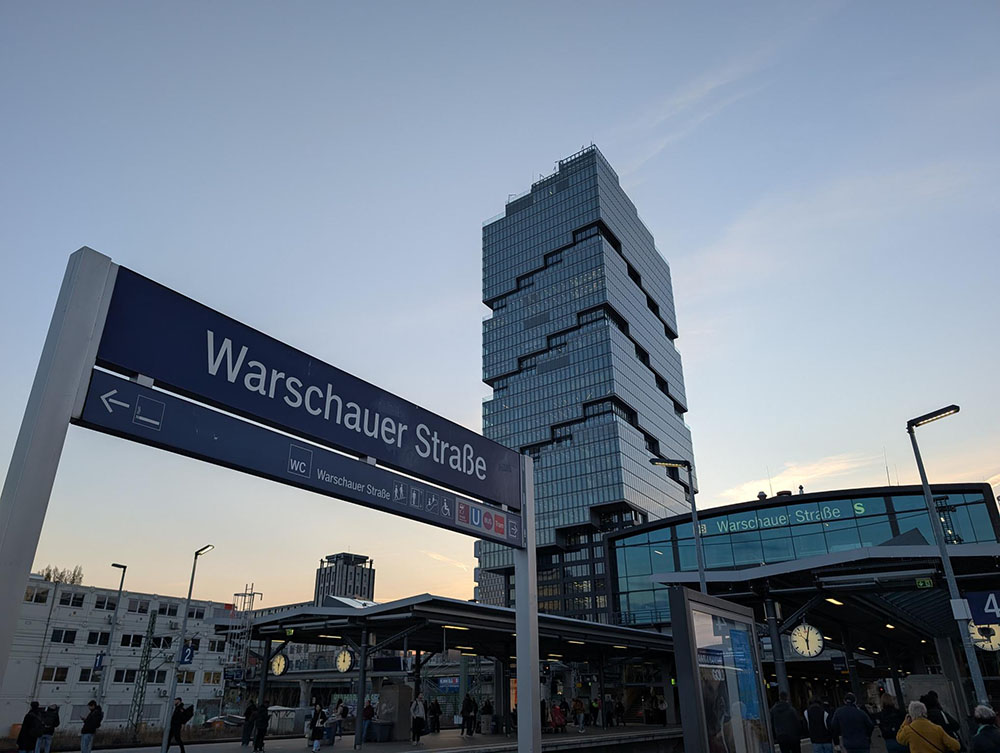
The platform of Warschauer Straße metro station
Warschauer Straße metro station
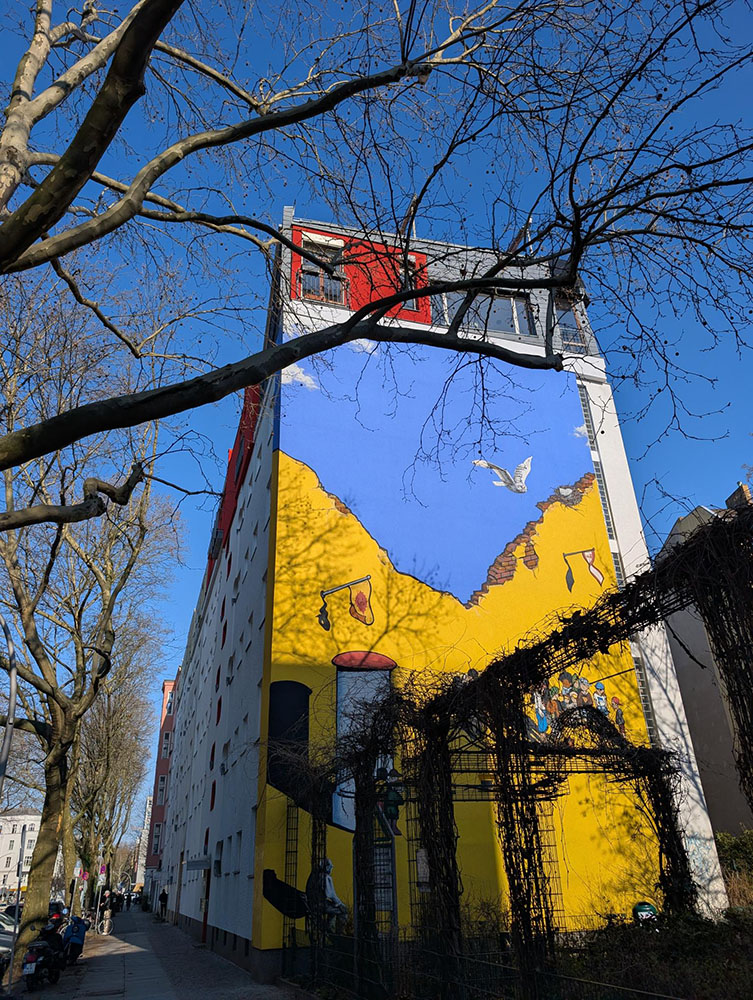
Art on the side of a building
Building art
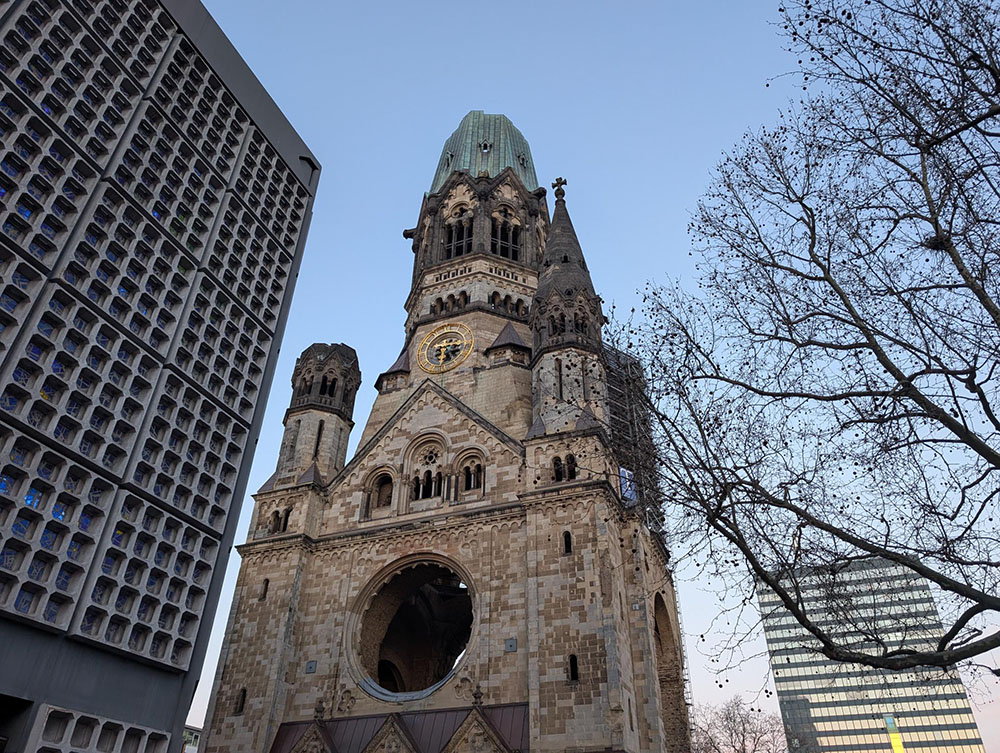
View of Kaiser Wilhelm Memorial Church
View of the Kaiser Wilhelm Memorial Church

This trip was a fantastic experience for me both professionally and personally, not only to learn about a university library in another country and how they operate and the challenges they face, but also to learn about the work of other Edinburgh colleagues who I don’t normally work with, and to get to know them on a personal level too.

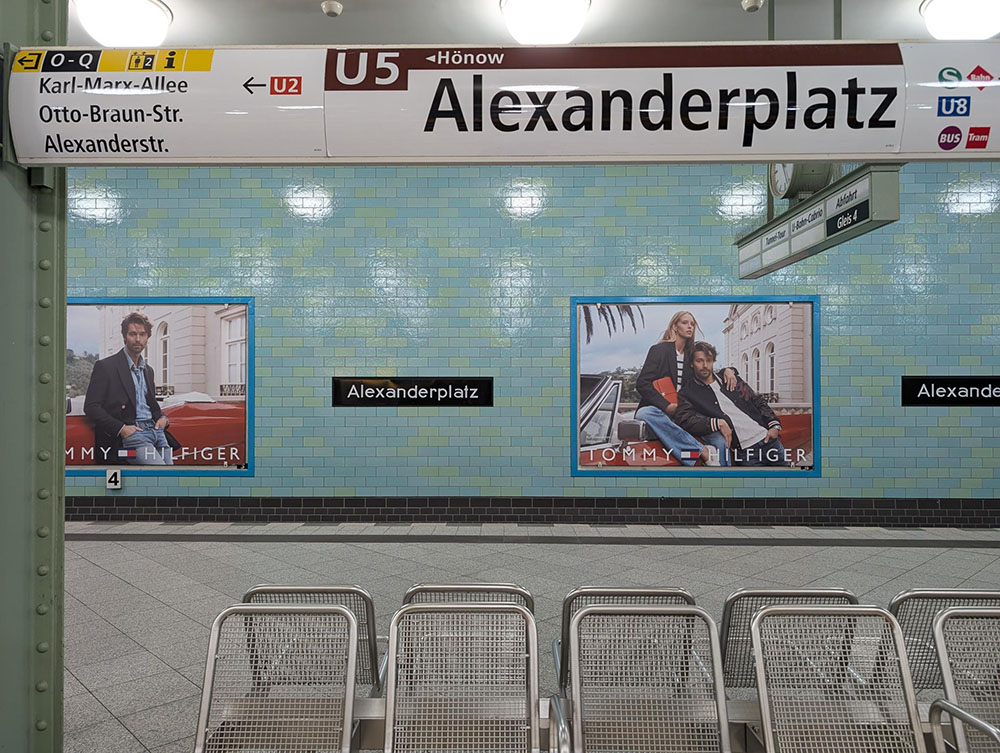
It goes without saying that Berlin is a fascinating place to visit. I leave you with a few images of the beautifully diverse designs seen in the metro stations across the city.
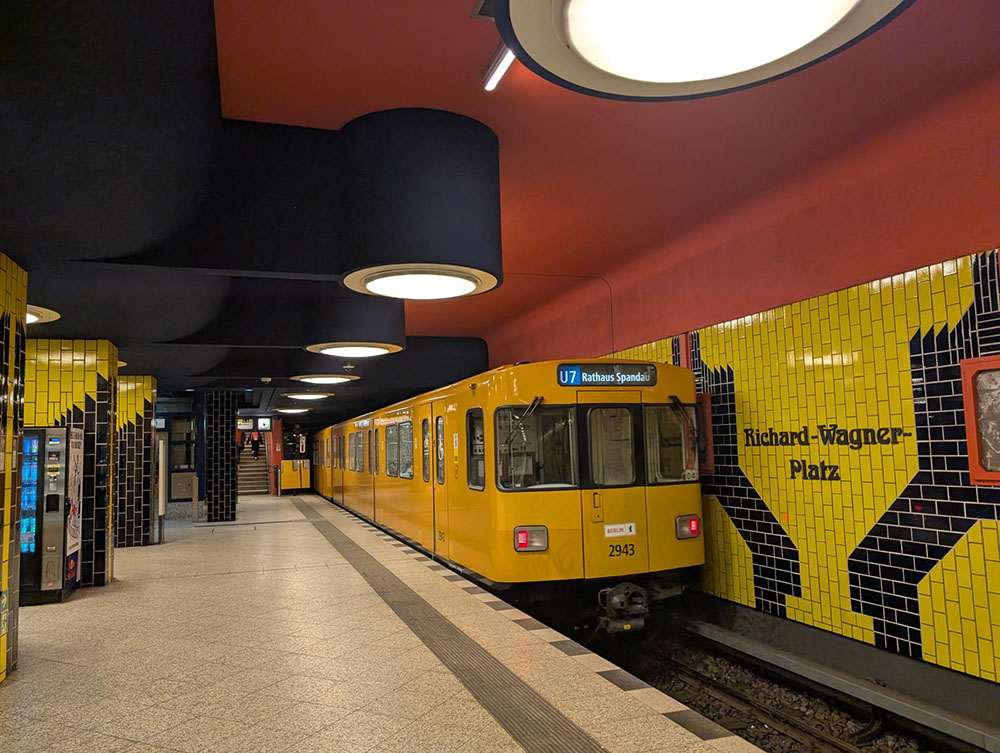
View of platform at Richard-Wagner-Platz underground station in Berlin
Richard-Wagner-Platz metro station
View of platform at Alexanderplatz underground station in Berlin
Platform at Alexanderplatz metro station
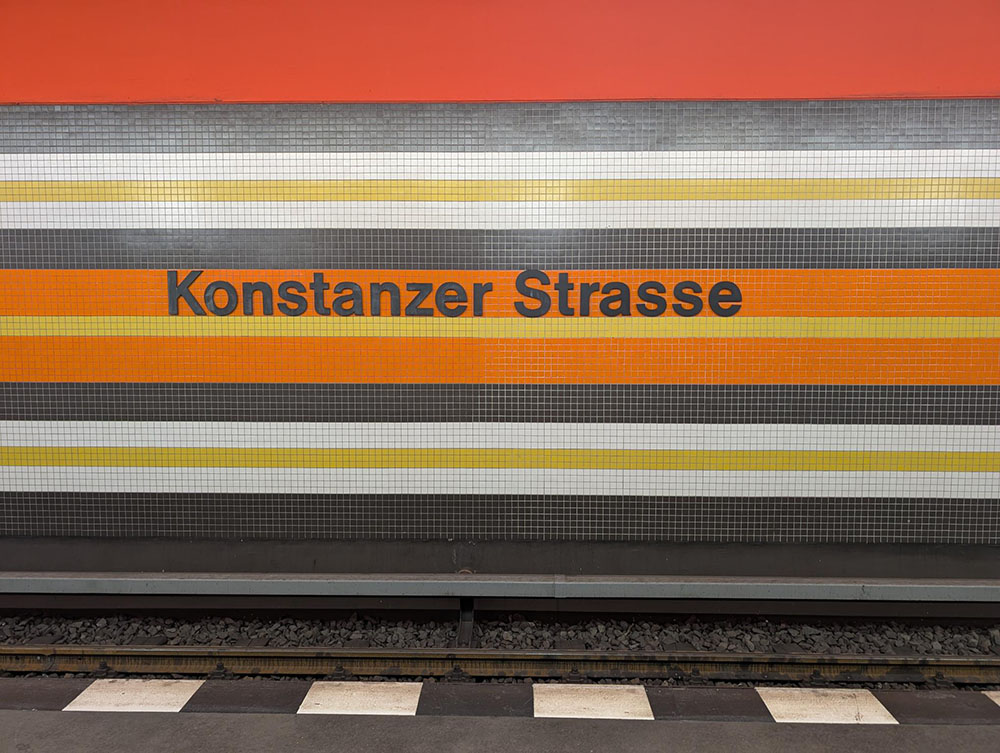
View of decorative signage at the Konstanzer Straße underground station in Berlin
Signage at Konstanzer Straße metro station
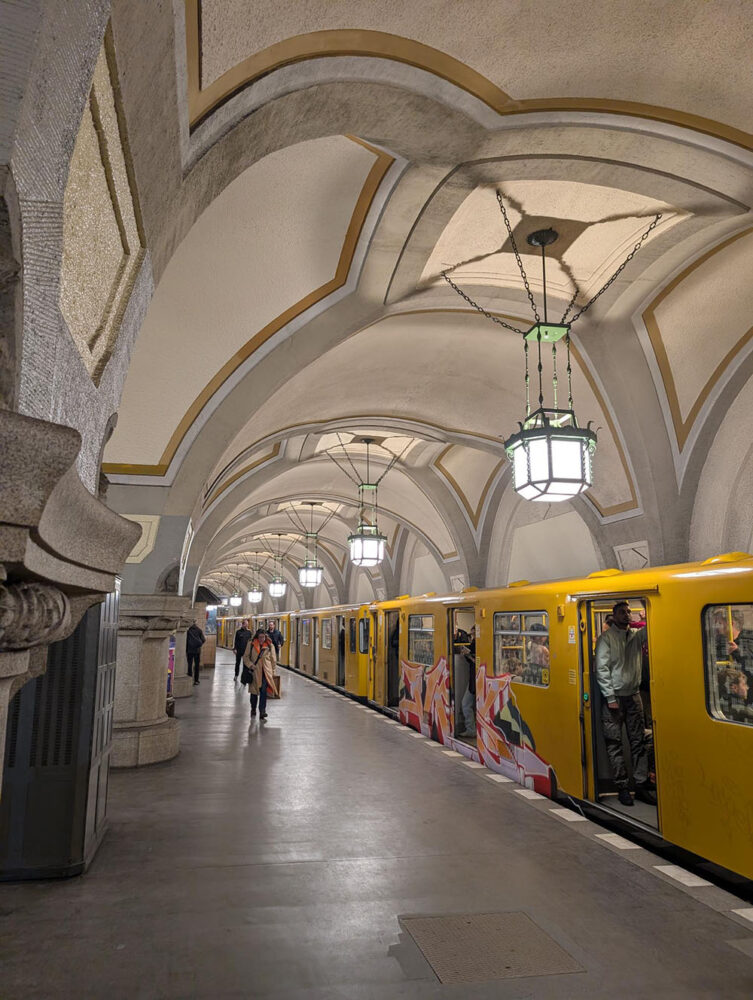
View of platform and metro car at Heidelberger Platz underground station in Berlin
Platform at Heidelberger Platz metro station
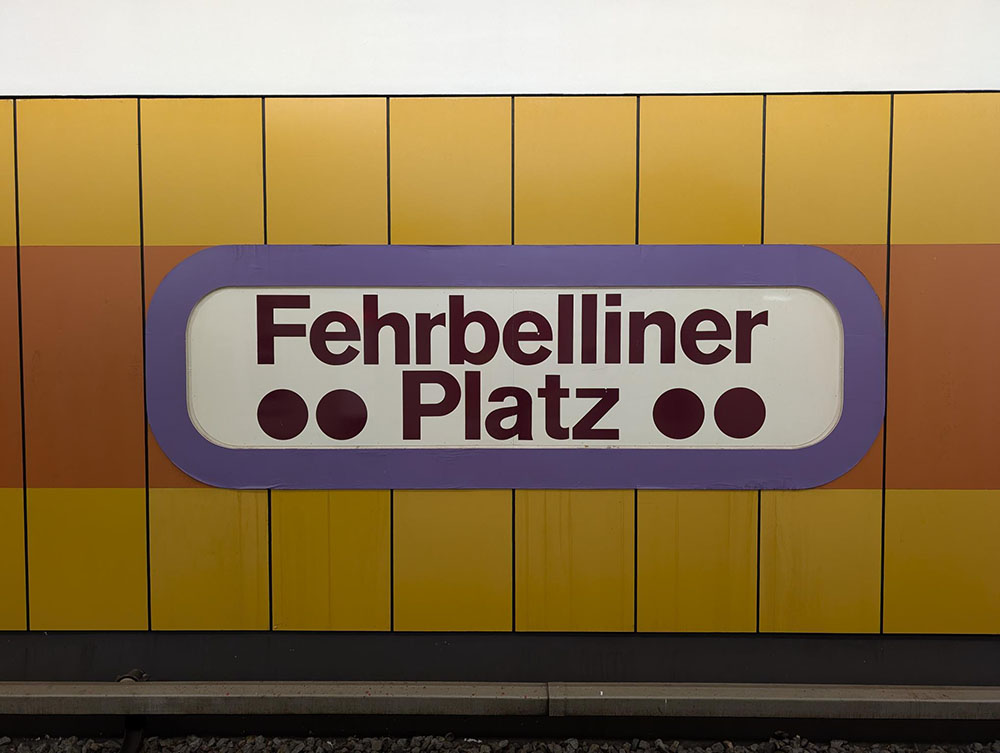
View of decorative signage at Fehrbelliner Platz underground station in Berlin
Signage at Fehrbelliner Platz metro station
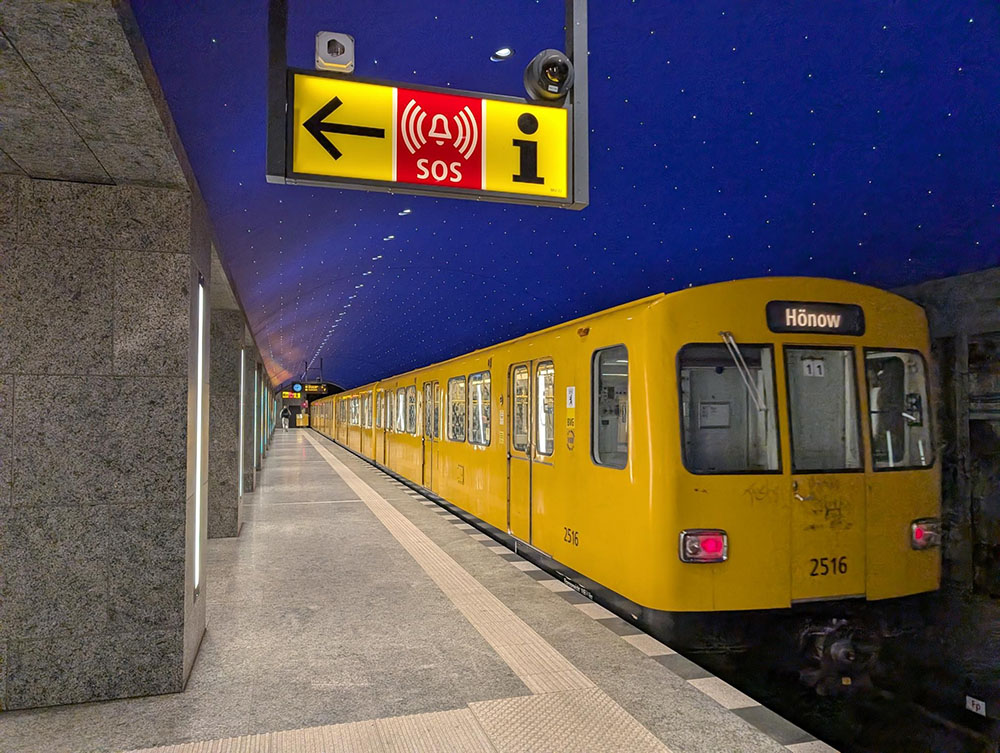
View of a metro car in an underground station in Berlin
Metro car and platform

Gabrielle Migdalska, Digital Collections Support Officer

Digitising the Bulletin

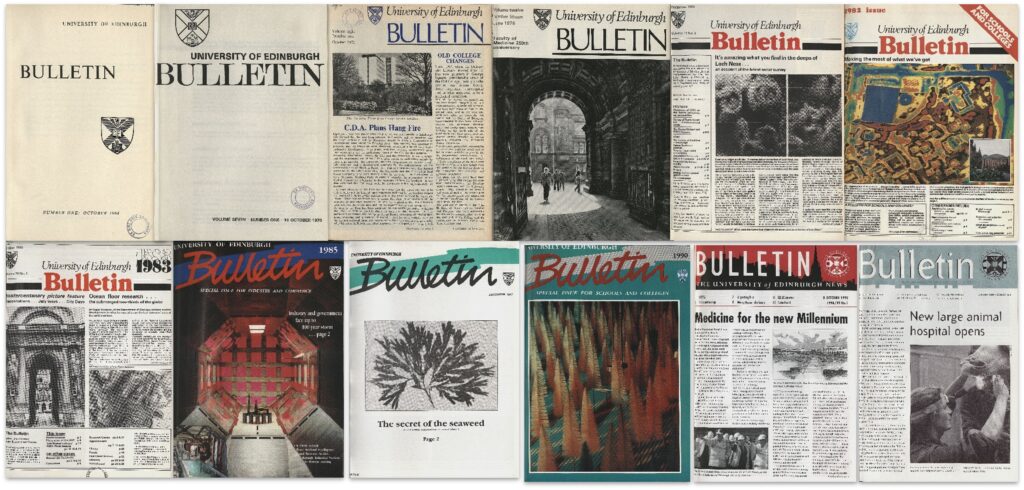
Collage of past Bulletin covers

The University of Edinburgh Bulletin (EUA IN1/PUB/4) is the institution’s internal magazine, covering news from around the University.  It was established in 1964, succeeding the University of Edinburgh Gazette which had been running since 1952. Since 2009, it has been available in digital form and is now a wholly digital publication.”  Grant Buttars, University Records Archivist

Continue reading “Digitising the Bulletin”

Highlights of the OneHealth Project

This spring the short but broad digitisation project, OneHealth, reached its end. The OneHealth project was focused on early animal welfare history, utilising new material brought in from a trio of organisations: Royal Zoological Society of Scotland, The Royal (Dick) School of Veterinary Studies, and the animal welfare charity OneKind. During those 6 months, we had a vast and diverse materials pass through our studios. From the historically rich early records of Edinburgh Zoo to morbidly curious Veterinary School implements to the delightfully pet centric magazines of the OneKind charity, the project spanned a wide range of items.

Continue reading “Highlights of the OneHealth Project”

World Photography Day 2024

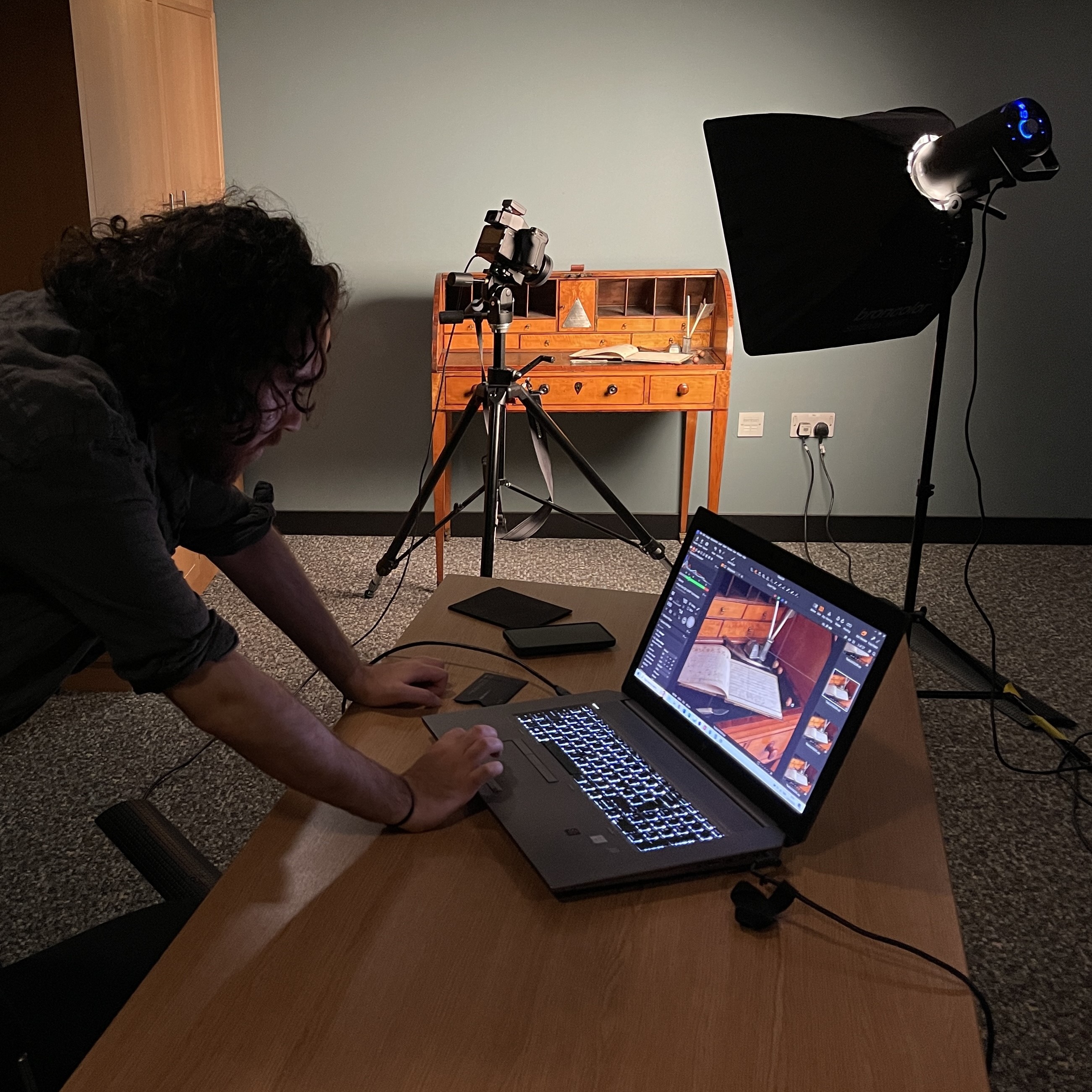
Today is World Photography Day, ‘an annual celebration of the art, craft, science and history of photography.’ This year, we’d like to turn the spotlight on the amazing photographers working in the Cultural Heritage Digitisation Service by allowing them to highlight their favourite collection items they’ve photographed, and to share a piece of their own work as well. We hope their insights into the medium and their technical process will prove both interesting and informative! 

Continue reading “World Photography Day 2024”

Knowledge Exchange Week 2024 – Reflections

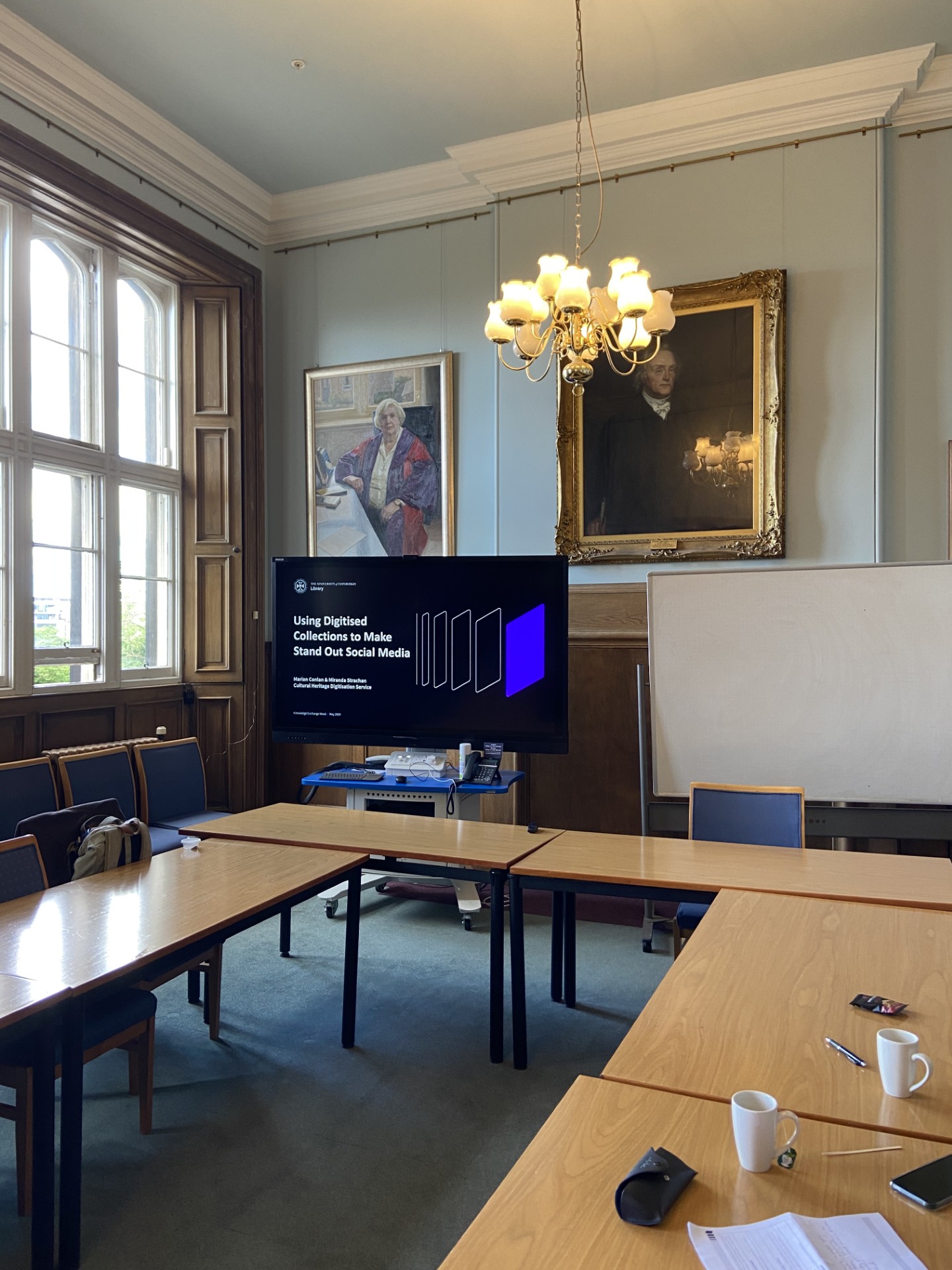
Last month, team members Marian and Miranda attended Knowledge Exchange Week, hosted by the University of Edinburgh. This was the fifth time the event had been held, and the theme was the ‘Open Library.’ The event also incorporated the Edinburgh Open Research Conference. After a whirlwind week of programming and networking, we thought it might be interesting to hear more about what they learned and experienced.  

Continue reading “Knowledge Exchange Week 2024 – Reflections”

Back to the Wall: A Year of Experimenting with the Main Library’s Digital Wall

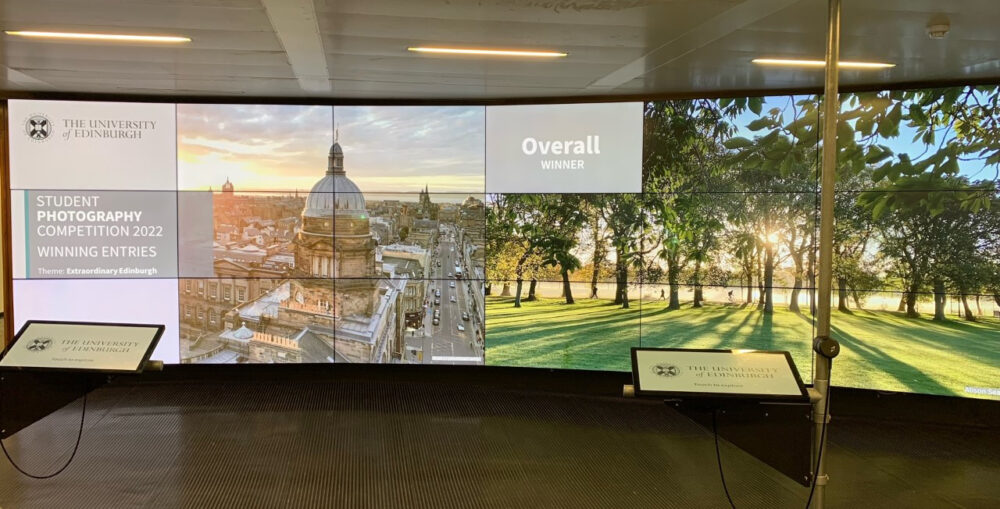
The Cultural Heritage Digitisation Service (CHDS) has managed the Main Library’s Digital Wall since it was installed in late 2019.1 The Wall is made up of two sets of nine 4k screens which are operated by touch screens: users can navigate high resolution images of the library’s cultural heritage collections as well as watch videos that feature specific collection items, projects and pieces of work undertaken by library staff. When the Wall is not in use, it displays massive “Attractor” videos which run across all 18 screens, designed to draw users in.  Continue reading “Back to the Wall: A Year of Experimenting with the Main Library’s Digital Wall”

Documenting I.C.28

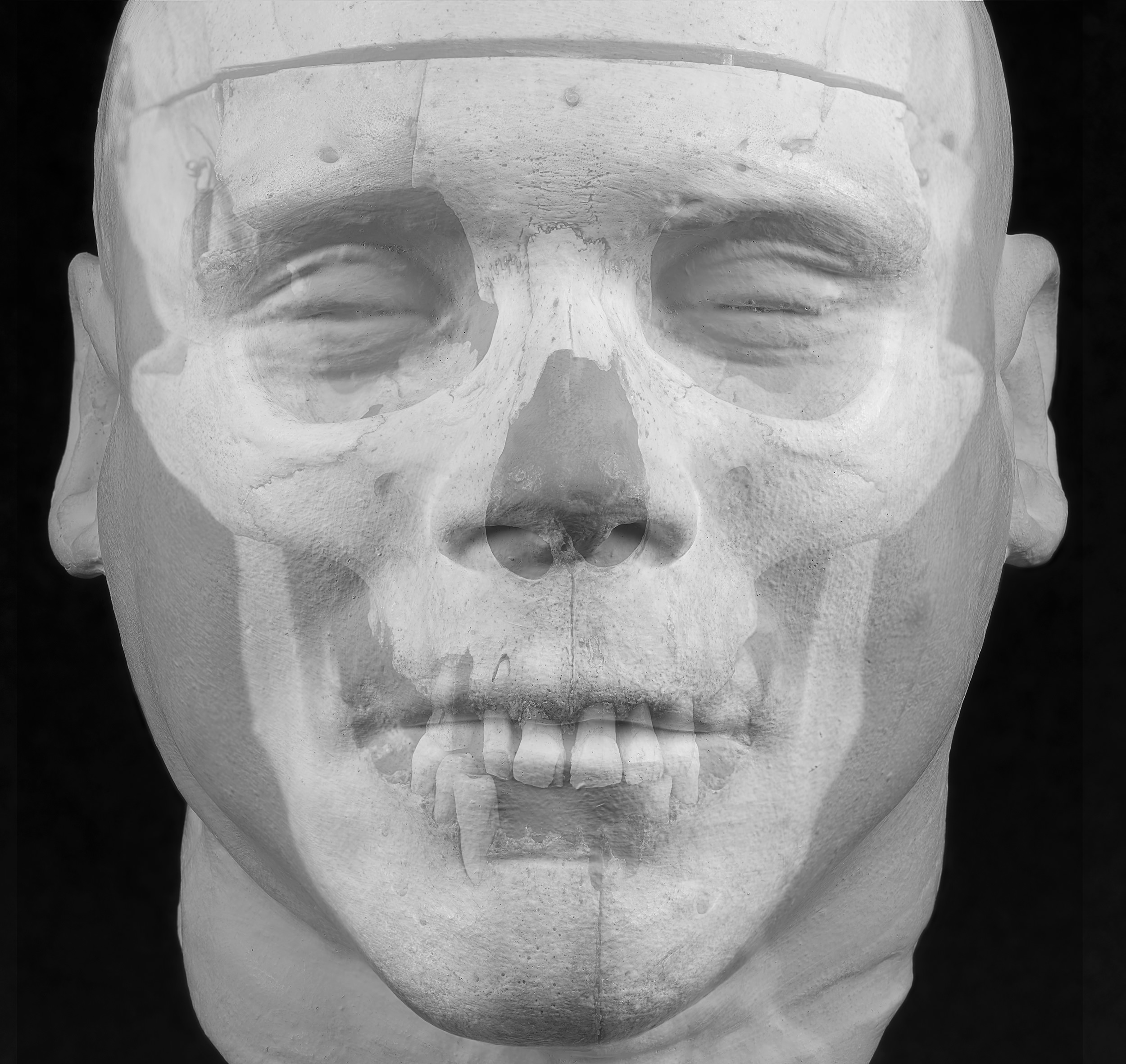
Black and white composite image of the death mask of William Burke, overlayed with the image of his skull, matching up eyes to eye sockets, teeth to mouth etc.

Last summer, I spent five days photographing the skeleton of William Burke to document recent conservation as a record for future collection care. The remains had been conserved and cleaned for the first time since the 1800s and the skeleton was going on display at the National Museum of Scotland for their 2022 exhibition “A Matter Of Death and Life“. I also photographed the life and death masks of Burke, Hare and Robert Knox (“the man who buys the beef”).

Continue reading “Documenting I.C.28”

From Tantruming Cobots to Stephen Hawking at Work- CHDS at the AHFAP 2022 Conference


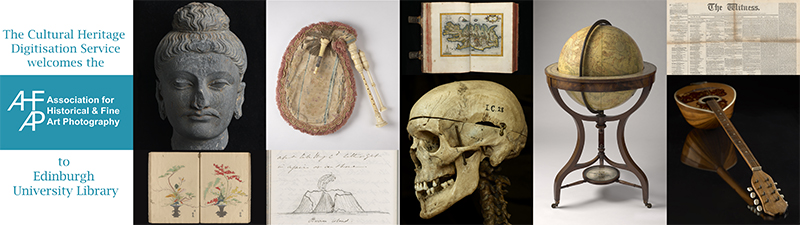
The Association for Historical and Fine Art Photogapher’s (AHFAP) conference is always a highlight of the year and, alongside 2and3D Photography at the Rijksmuseum and Archiving, it has become one of the must-attend events for any cultural heritage imaging professional. This year we were fortunate that AHFAP took place at the National Museum of Scotland here in Edinburgh, meaning for the first time ever the entire Cultural Heritage Digitisation team could attend!  Continue reading “From Tantruming Cobots to Stephen Hawking at Work- CHDS at the AHFAP 2022 Conference”

Introducing a 3D Digitisation Service: Feasible or Fantasy?

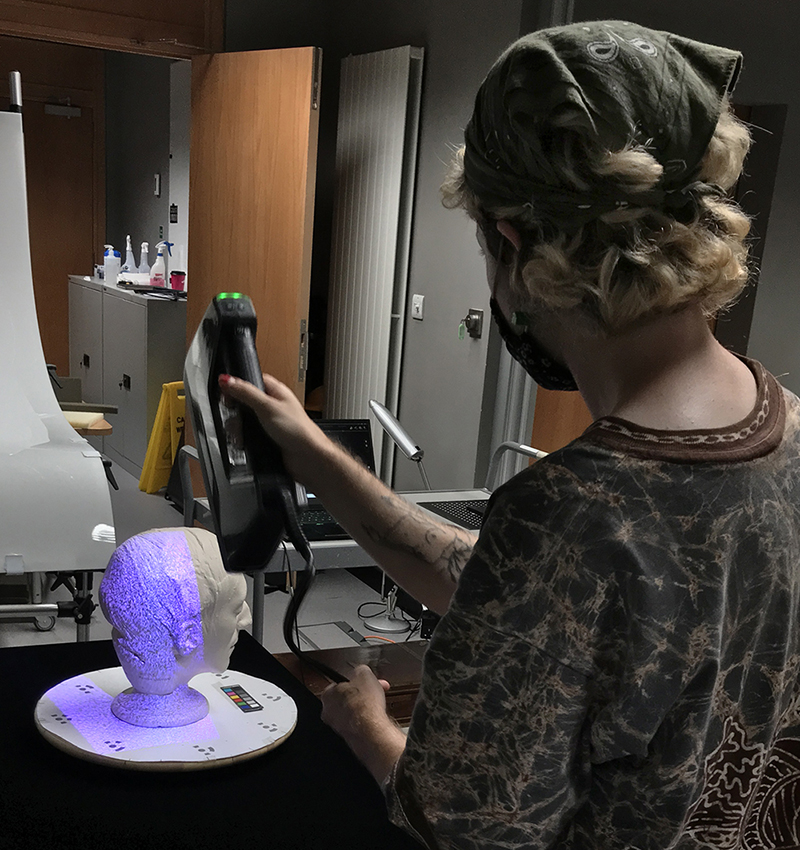
For the past eleven weeks I’ve had the opportunity to intern with the Digital Imaging Unit, working on a project to evaluate the potential of establishing a 3D digitisation service within the department. “3D digitisation” in this sense encompasses everything from the initial production of digital models – using suitable items from across the University Collections – to online display, preservation of 3D data, and 3D printing. The project was roughly organised into three phases: research, testing, and implementation.  
Although I worked primarily with Susan Pettigrew (Photographer, DIU) and Mike Boyd (uCreate Manager) I always felt supported by the other Library & University Collections staff; everyone I had the chance to speak to was eager to discuss their own work on top of contributing to the project. 

Continue reading “Introducing a 3D Digitisation Service: Feasible or Fantasy?”

Lyell’s School of Rock


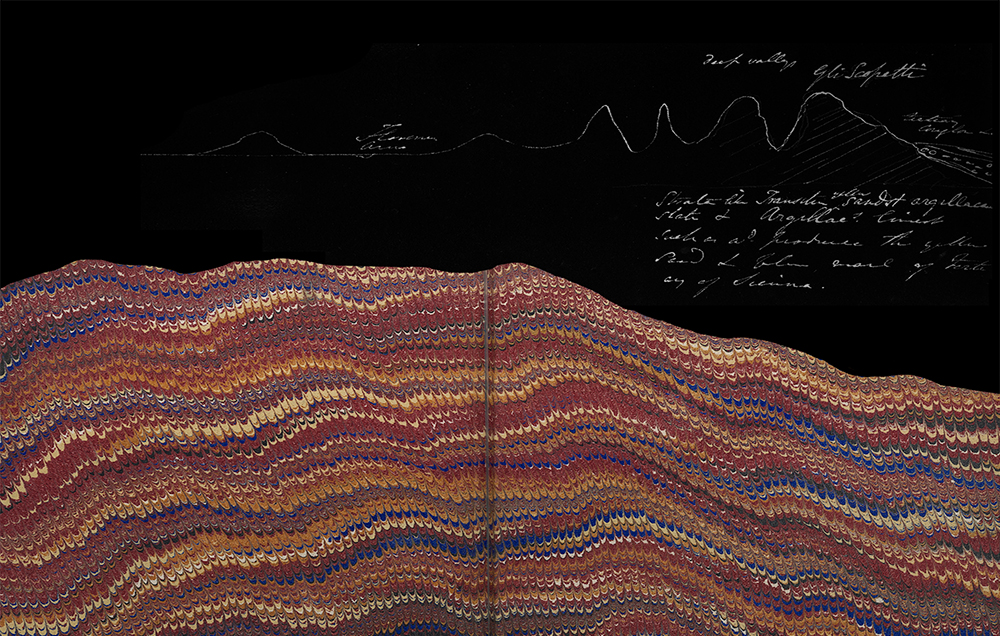
In November 2019 the Library excitedly welcomed Sir Charles Lyell’s two hundred and ninety-four notebooks into its Special Collections. With support and funding from leading institutions, groups and donations pledged from over 1000 individuals, this tectonic acquisition meant the notebooks were able to stay in the UK and join the Library’s existing collection of Lyell-related materials. As part of the DIU team, I was lucky enough to photograph Lyell’s notebooks, working with the world’s finest quality cameras to digitise a previously private collection into the public sphere and beyond.

Continue reading “Lyell’s School of Rock”