

Overview
In the fifth week of the course, we focused on “Media + Time” and explored how time-based art media has entered the art museum system through the historical evolution of film, video, and digital technology. We also analyzed how its spatial presentation has reshaped the viewing logic and contemporary curatorial practices. For my individual curatorial project, I read relevant literature and identified some potential artists to conduct preliminary thinking on the form of the exhibition.
Time Media and Curating
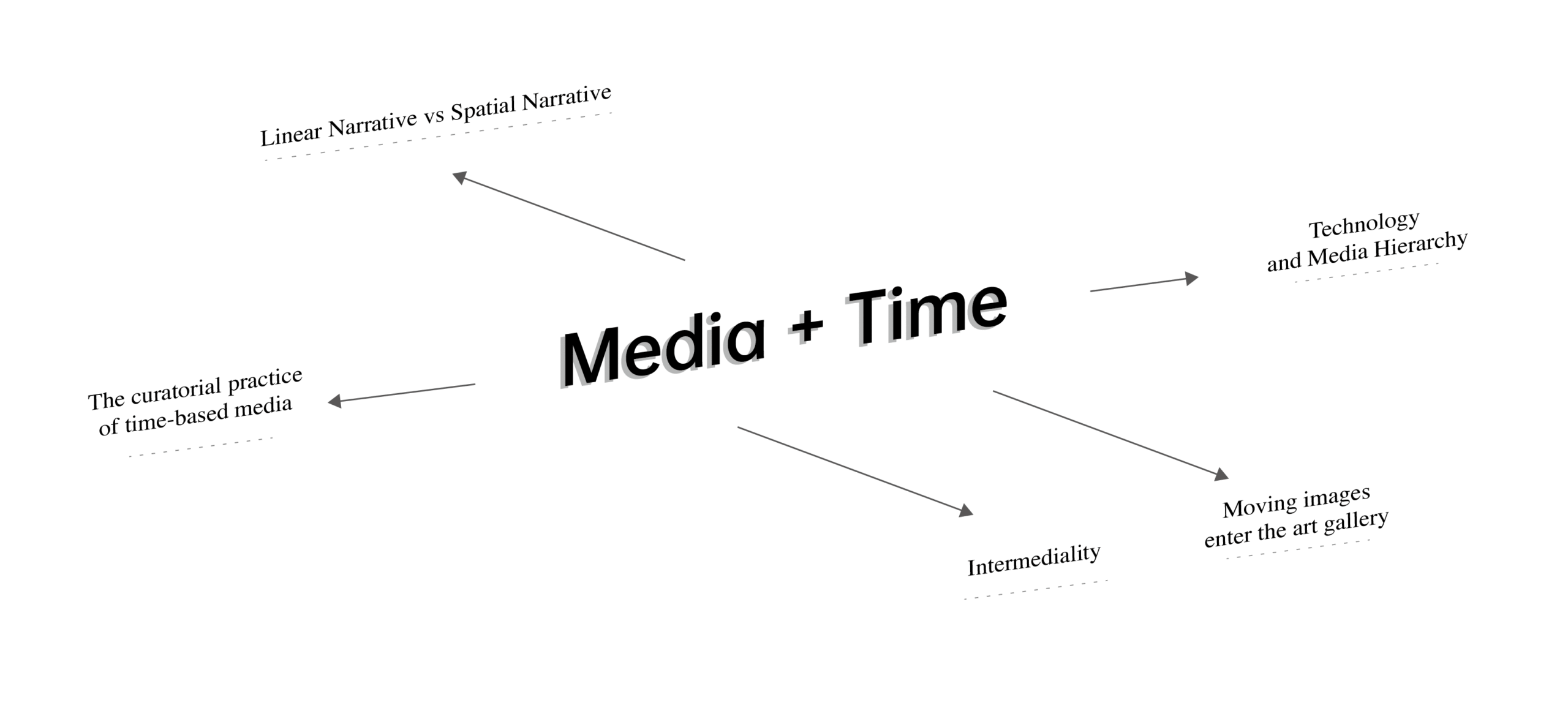
Image by: Tianshun Zhao
- Time-based media art lies at the intersection of film, performance, digital art and exhibitions. Curating requires an understanding of how different media interact and translate with each other.
- In contemporary art, moving images have become the core language. Art galleries have shifted from the “white cube” to the “black cube”, and the exhibition space itself has become an integral part of the works.
- From film, video to digital and online media, the production, editing and presentation methods of time media have been constantly changing, influencing the forms of art and the ways of viewing.
- The film emphasizes linear viewing from beginning to end, while the video installation uses a looping and multi-screen structure to allow the audience to occupy time within the space.
- Curating is not just about conceptual work; it also involves comprehensive collaboration regarding screening formats, distribution channels, budgets, technical conditions, and accessibility for the audience.
Thoughts on Personal Curatorial Projects
Stuart Hall, Cultural Identity and Diaspora, 2015
- Identity as Becoming
- Two Definitions of Cultural Identity
- Difference and Hybridity
- Positioning and Representation
- Diaspora and Historical Rupture
Pamela N. Corey, Beyond yet Toward Representation: Diasporic Artists and Craft as Conceptualism in Contemporary Southeast Asia, 2016
- Craft as Conceptual Mediation
- Diasporic Returnee Subjectivity
- Beyond Trauma Readings
- Representation as a Necessary Function
- Confluence of Craft and Conceptualism
- Craft as Index of the Local
- Abstraction and Narrative Coexistence
- Urban Craft as Conceptual Strategy
- Reframing Global Contemporary Art
- Conceptualism with Material Objecthood
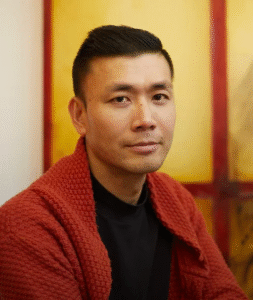
KV Duong https://www.kvduong.com
He is a performance artist who reflects on issues through materials and body.
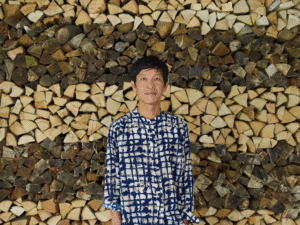
Danh Võ
https://www.tate.org.uk/art/artists/danh-vo-24524
https://mirroredgardens.art/danh-vo-2/
He constructed a Vietnamese-style pavilion, using a large amount of wooden materials and also selecting some local visual elements from Guangzhou, such as birdcages.
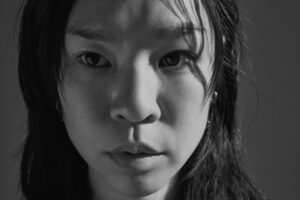
Nhu Xuan Hua
The immediate impression I got was that the breaks in the text left a visual impression.
- Workshops are a form of embodied expression
-
Seminar is to further construct the context of the exhibition
Reference List
Corey, P. N. (2016) ‘Beyond yet toward representation: Diasporic artists and craft as conceptualism in contemporary Southeast Asia’, The Journal of Modern Craft, 9(2), pp. 161–181.
Hall, S. (2015) ‘Cultural identity and diaspora’, in Williams, P. and Chrisman, L. (eds.) Colonial Discourse and Post-Colonial Theory: A Reader. London: Routledge, pp. 392–403.
(Contemporary Forms and Creative Content © 2026 by Tianshun Zhao is licensed under CC BY 4.0)
(Contemporary Forms and Creative Content © 2026 by Tianshun Zhao is licensed under CC BY 4.0)
(Media+Time © 2026 by Tianshun Zhao is licensed under CC BY 4.0)
(kV DUONG Image courtesy of Brave Projects and James Champion © KV Duong 2026)
(Portrait of Danh Vo, 2020. ARTWORKS © THE ARTIST. © 2026 WHITE CUBE)
(Courtesy by artist © Nhu Xuan Hua)



Leave a Reply