MBChB student Kavya Shankar on the joys of gaming
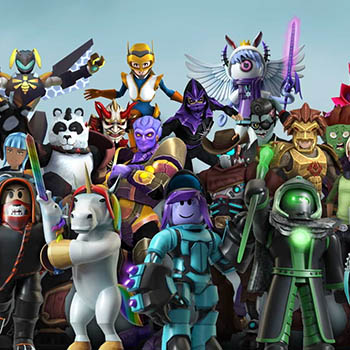
 There is a very specific kind of friendship that forms when six people are running for their lives from a poorly designed monster in a Roblox horror game. It is the same kind of friendship that survives playing Mario Kart, where every blue shell feels like a targeted act of violence. Between racing on Rainbow Road and badly timed jump scares, I think I may have found some of my favourite parts of year one.
Judging by what I knew of med school, I expected that playing games would become something to fill the hour between lectures or help avoid opening my notes for another 30 minutes. Instead, it quickly became tied to people. It is strangely easy to get to know someone when you are both yelling over Mario Kart, watching them abandon you in a horror game, or judging the state of their Clash Royale deck.
Some of the best of it looked completely unremarkable from the outside. Minecraft game nights where nobody was doing anything particularly impressive, just existing in the same space, building things that had no reason to exist, and getting distracted halfway through whatever they were doing. It only mattered that we were there, together at the same time. That same feeling carried into Clash Royale, which became this strange running thread between people, spectating each other and sending screen recordings of wins that absolutely did not need to be documented. It became something that was always there in the background, something to react to, something that kept conversations going without needing to think about it too much.
A lot of the time it was white noise in the background of a study room, people half revising and half talking at the same time. My Acfam trying to study while my academic grandparent had League of Legends running at the front of the room is something that will probably stay with me. I knew virtually nothing about League, and honestly, I still mostly do not. Half the time I had no idea what was on the screen, but there was something weirdly calming about it. Just sitting there, watching someone else completely locked into something while we talked about everything except medicine. It was mind-numbing in the best way possible and made taking a break feel a little less forced.
The nights I come back to my room and play Zelda felt like the opposite of that noise. Everything else dropped away for a bit. Part of it is just how good the game looks. You stop for a second because the sky looks too good for something you are just meant to be running past. The colours, the landscapes, the small details you really don’t need to notice. It is incredibly calming to sit in something that looks that put together for a while. I honestly have the Nintendo Society to thank for bringing a lot of this together. Through the year it gradually began feeling less like just another society and more like a space where I could count on people taking fictional racing with the same seriousness I did and where something as simple as showing up for an event felt like being back home.
I used to think hobbies were what happened once I was done working, like relaxing was something you earned after being productive enough. Medicine gets rid of that idea very quickly because your work is never really finished. There is always another lecture, more notes, another reason to feel like you should be doing more. I think that is what I did not expect: not that gaming would be fun, but that it would sit so easily alongside everything else. There is something about doing something low stakes with other people that removes all the pressure to be interesting. You are simply reacting, laughing, competing, losing, and retrying.
And it isn’t an isolated experience, it is loud, quiet, competitive, comforting, mindless, strategic, and social all at once. It sits in different parts of the day in different ways, but it always ends up doing the same thing, which is making things feel a bit less heavy than they did before. It sounds ridiculous written down, which is probably why it matters so much. Some of the best parts of first year were small, almost insignificant, unplanned moments on a screen somewhere, and I do not think I would have enjoyed university half as much without them.