
In recent years at UK universities such as the University of Edinburgh, the language of community and belonging has become increasingly visible. This is evident in institutional initiatives – task groups, staff and student guidance, and strategic plans – that foreground connection, inclusion, and student experience. One explanation is straightforward: universities are responding to identifiable …
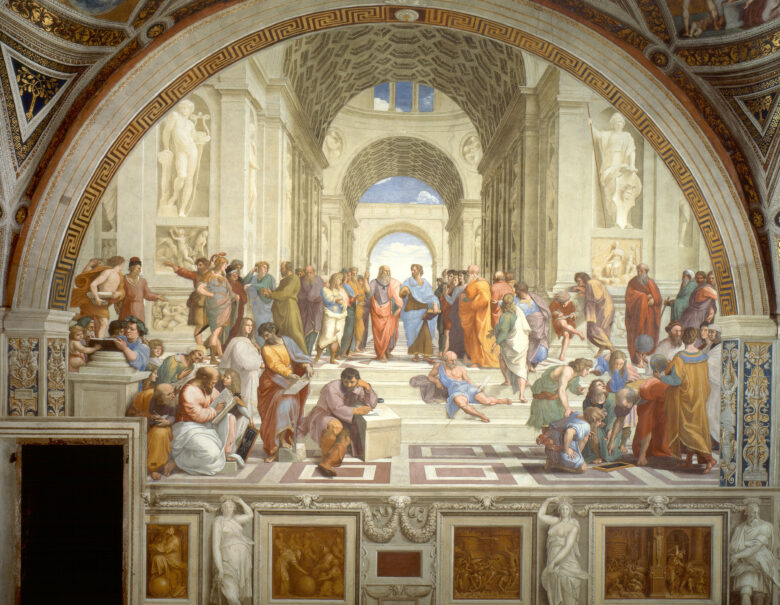
In Three Rival Versions of Moral Enquiry, MacIntyre writes that any answer to the question what are universities for? should begin with this: They are, when they are true to their own vocation, institutions within which questions of the form ‘What are x’s for?’ and ‘What peculiar goods do y’s serve?’ are formulated and answered …
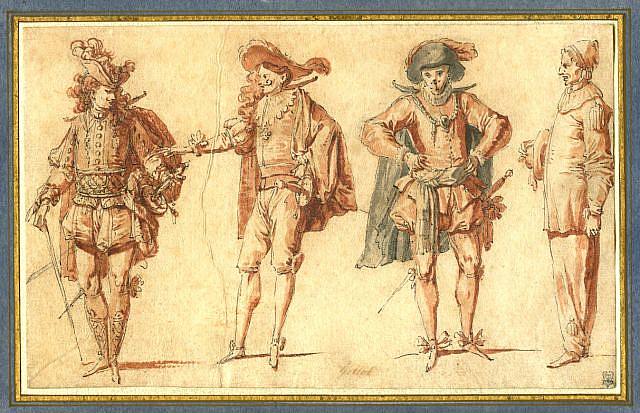
Introduction A rich aesthete, a therapist, and a manager walked into a university… It sounds like the setup for a joke, but it is no laughing matter. These three characters have quietly shaped the moral logic of many contemporary universities and show no signs of leaving. In After Virtue, Alasdair MacIntyre diagnoses modern culture as …

McInerny, R. (1997) Ethica Thomistica: The Moral Philosophy of Thomas Aquinas. Revised edition. Washington, DC: The Catholic University of America Press. Chapter 1: Morality and Human Life 1. Human Action and Moral Appraisal Human actions are moral actions. A human act is one that is conscious, deliberate, and free, and therefore something for which the …
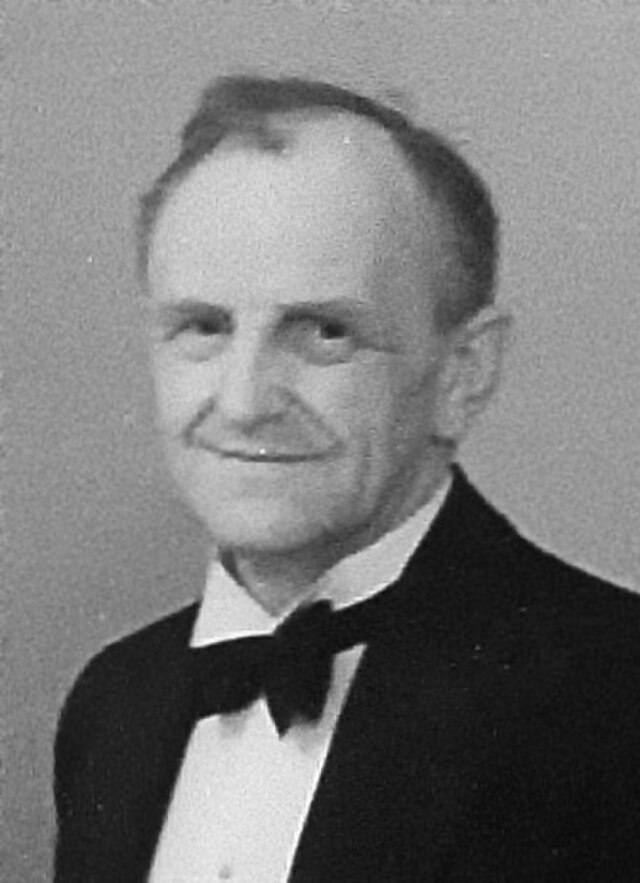
Today there is almost constant talk in universities of excellence: excellence of institutions, of staff, and even of students. A quick search of the University of Edinburgh website yields teaching and research excellence (including the Research Excellence Framework), academic excellence, Exemplars of Excellence in Student Education, VLE Excellence, Tercentenary Awards for Excellence, the Centre for …
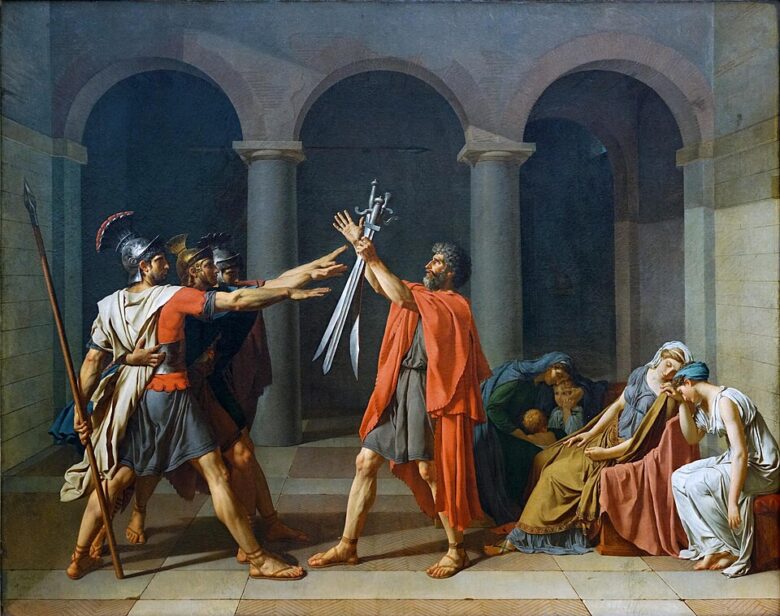
Few concepts are invoked more confidently in contemporary universities than the student voice. Yet the way the term is framed – and especially the language of championing it – obscures the limits of student judgement while betraying a deeper unease with educational authority. In higher education, what is needed is not greater responsiveness, but the …

One of my favourite poems by Seamus Heaney is this one from his 1991 collection Seeing Things. This poem is the eighth in the first section (Lightenings) of Part 2 (Squarings). viii The annals say: when the monks of Clonmacnoise Were all at prayers inside the oratory A ship appeared above them in the …

Patient: Do you think I have low self-esteem? Therapist: No, it’s about right. How do we know whether our own evaluation of ourselves, and of our lives as a whole, is accurate or justified? How can we tell if we’re genuinely living a good life? MacIntyre (2016, p. 222) makes the bold claim that at …

A day after submitting my blog post (The Good Life of the University) to the Teaching Matters blog team, I happened on an interview (2012) with MacIntyre in which reference is made to an essay of his (Catholic Universities: Dangers, Hopes, Choices) which appeared in an edited book called Higher Learning and Catholic Traditions (2001). …

Link to post on Teaching Matters blog: https://blogs.ed.ac.uk/teaching-matters/the-good-life-of-the-university/ Introduction Study with us for an extraordinary future, says the University of Edinburgh’s webpage. But what kind of future does a university education promise – one of personal growth, or merely a means to an end? Universities themselves rarely address this question. When they do, their response …
