

Tag: Rare Diseases
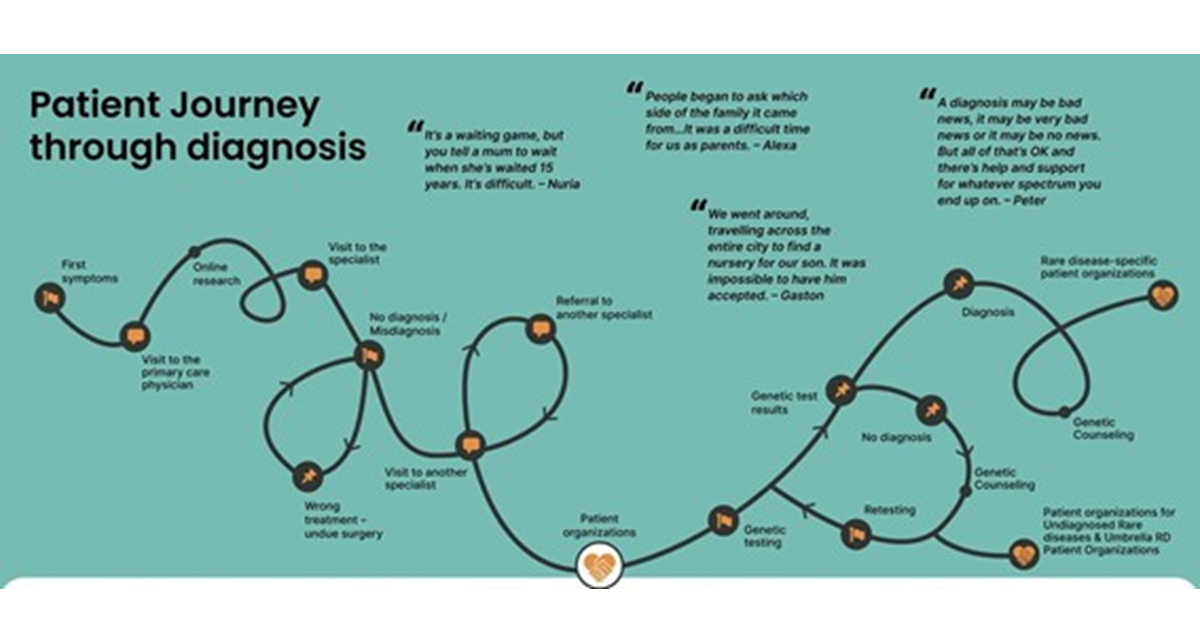
By Cléo Pereira De Almeida, PhD student I remember swinging my legs in the waiting room chair. My brother and parents were behind a closed door that the nurses kept insisting I could not enter. Still, I could hear my mother crying. Appointment after appointment and test after test, a quiet realisation began to form: […]

By Elllie Richards, PhD student All living things, from people and animals to trees and bacteria, have a genome: a complete manual written in the language of DNA. This encodes instructions for how to make proteins, the building blocks that make and control our bodies, controlling everything from cellular motility and survival all the way […]
As researchers and academics, sometimes we can get a bit caught up in our world of experiments and data – we don’t think about the daily struggles of people living with the conditions we study. Rare diseases are categorised as conditions affecting fewer than 1 in 2000 people. They are individually infrequent, but collectively common, […]

For International Women’s Day, IGC Bioinformatics Analysis Core Manager Dr Jing Su talks about her career and experience as a female leader. I come from China and was born and raised in Beijing, a city rich in history and heritage. Growing up in the capital, I was surrounded by centuries-old landmarks, with the Forbidden City […]
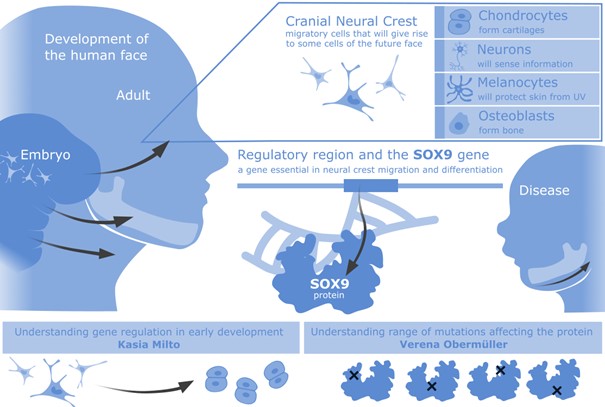
How can early career researchers, such as PhD students, integrate the expertise of several labs into their research? This post aims to introduce why we research rare diseases, particularly craniofacial disorders, and share the experiences of students working across labs with complementary expertise. Congenital malformations are conditions which emerge early in development. Researching the genetics […]
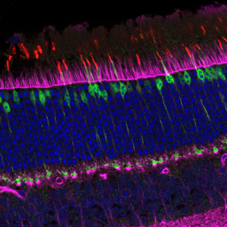
Above: Image by Chloe Brotherton, Pleasantine Mill’s lab A rare disease is defined as a disease that affects less than 1 in 2,000 people in the general population, which is the equivalent of 4 million people worldwide 1. To this day, around 6,000 different rare diseases are known 1. Although a single rare disease […]
