Any views expressed within media held on this service are those of the contributors, should not be taken as approved or endorsed by the University, and do not necessarily reflect the views of the University in respect of any particular issue.
Detail of portrait showing a group of women washing clothes in a river. This miniature comes from a collection of portraits (Tasawir), which originate from India and date to the mid-19th century. Although many of the images in the oriental manuscripts collection tend to relate to religion or mythology, this portrait is interesting as it provides a fascinating insight into the life of ordinary people, during the rule of the British Raj.
On the 2nd June, I was lucky enough to begin employment as the Employ.ed Digital Collections intern for the CRC. Although I begin with a little trepidation – like most people when they start a new job, I spent the night before worrying that I’d be really bad at it or that no one would like me – I am now in my fifth week and enjoying it immensely: I don’t really want to leave! Continue reading “Discovering the Orient”
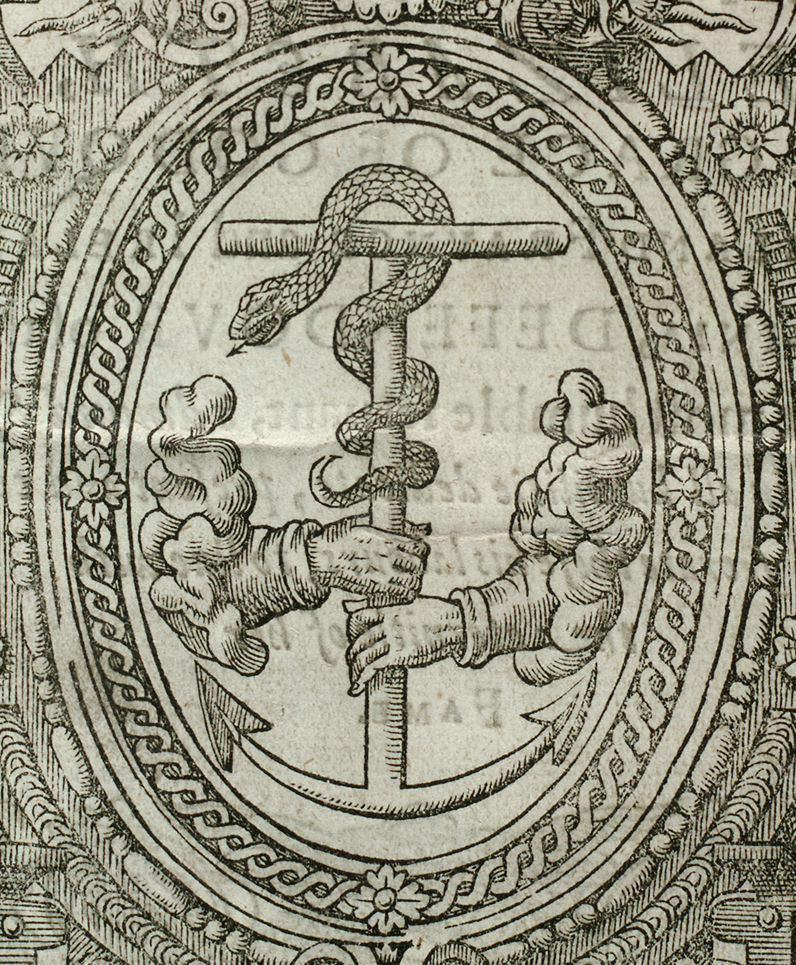
Another visual essay from me this week. I thought it would be interesting to share a closer look at the amazing work of the invisible artists who populate the title pages of many books in our collections. I am constantly astonished at the graphic accomplishment present in these works from anonymous artists. I have spent some time highlighting details that are inspiring works in their own right. These works stand on their own feet and in their own space. All images this week are details from ” The Faerie Queene “. Shelfmark JY 1096. Points of note are the best snake tongue ever drawn (see below) and a fantastic phoenix rising from flames. More images from the book can be found within our image collections at http://images.is.ed.ac.uk/
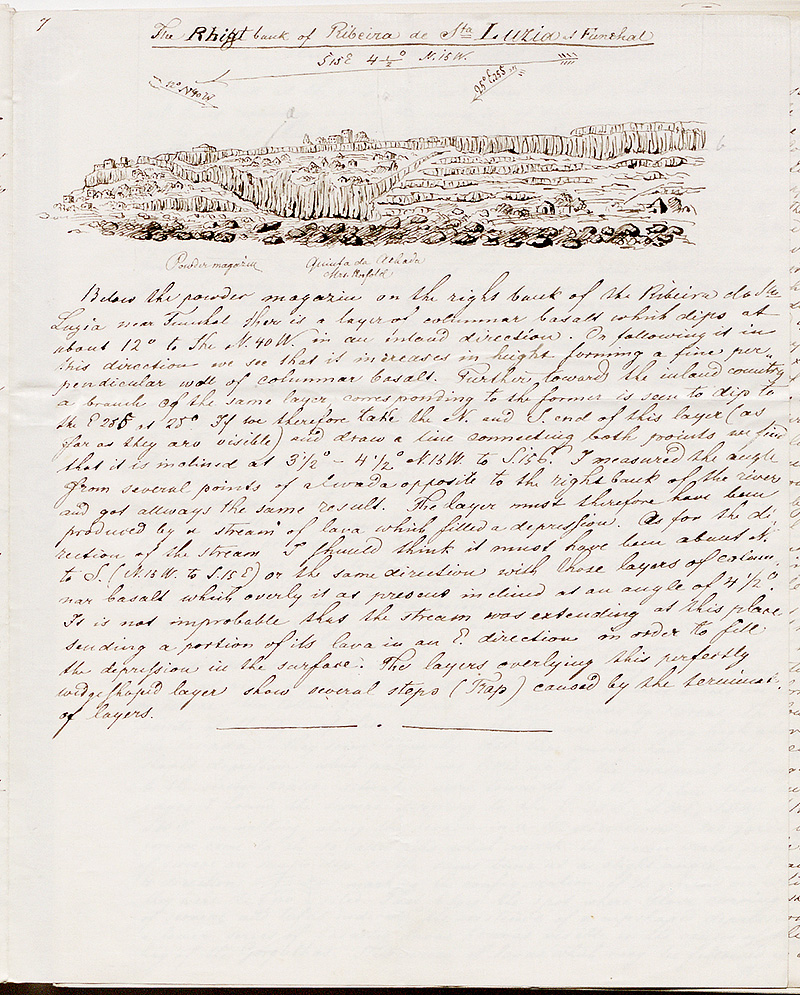
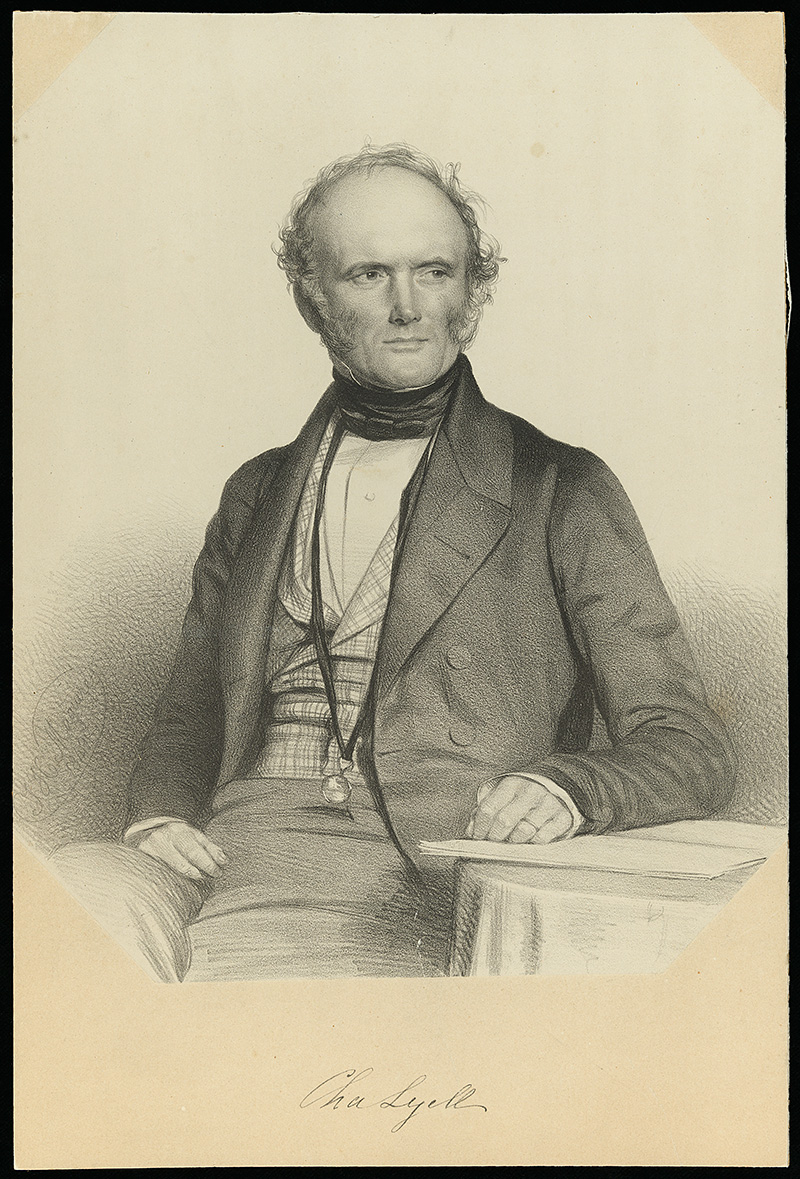
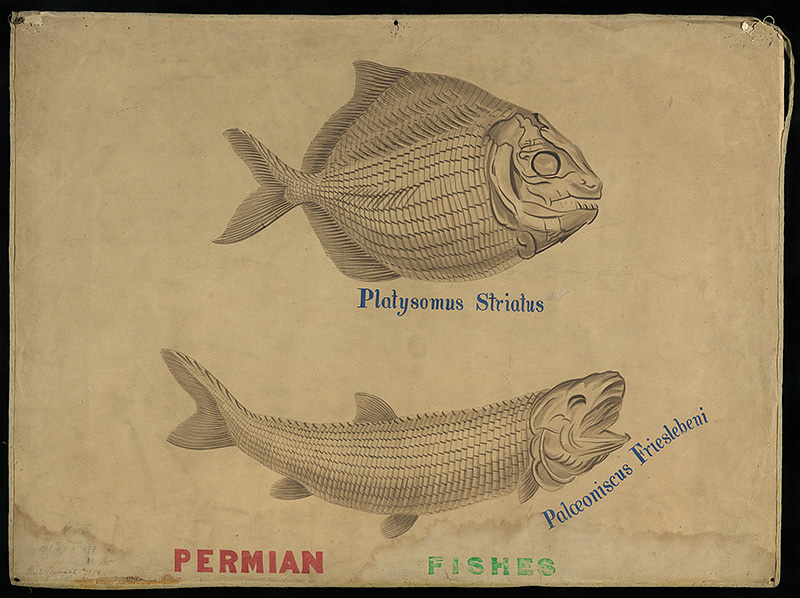
This week saw the start of a small project to digitise some papers that recently came to the CRC from the The Cockburn Museum, School of GeoSciences. The collection contains an interesting mixture of lecture notes, photos, etchings, scrolls, correspondence and large format drawings. What is more, many of these papers come from some of the biggest names in the field. Today I scanned 112 pages of Charles Lyell’s handwritten notes on mountain ranges in Madeira, including pen and ink geological sketches. These delicate and precise drawings of geological details show what fine draughtsman this influential geologist was (see http://en.wikipedia.org/wiki/Charles_Lyell).
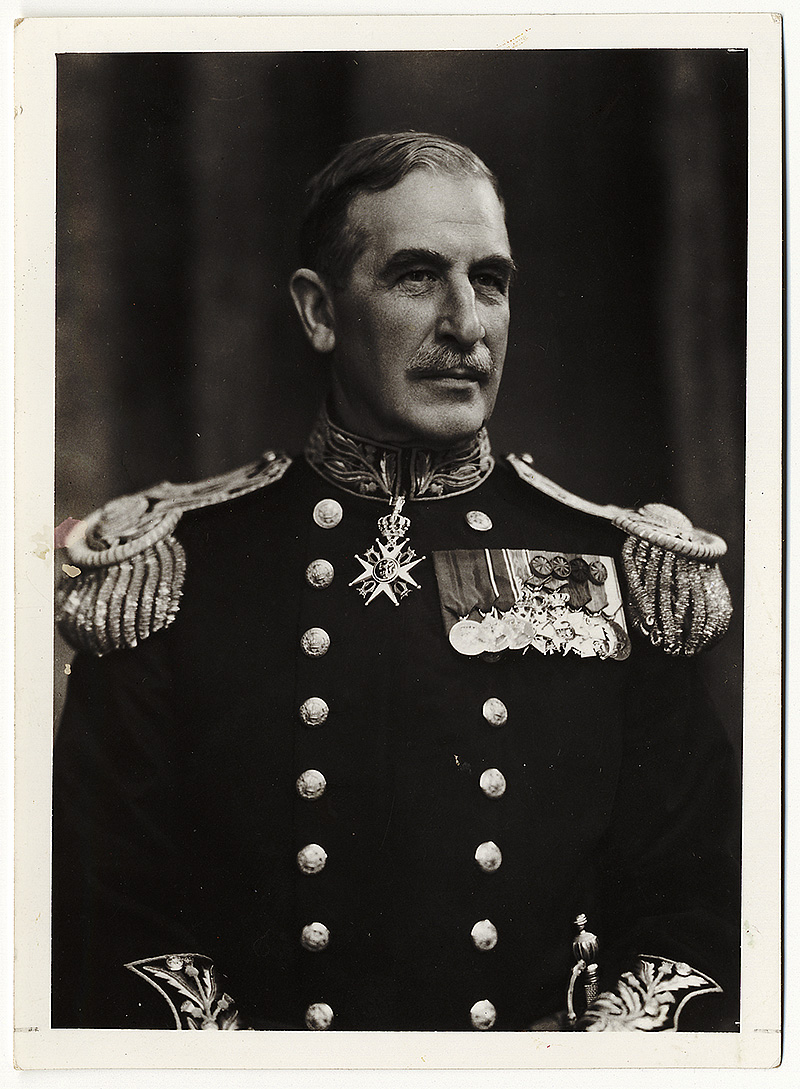
The correspondence of Sir Archiblad Geikie also figures largely, along with a portrait photograph. Geikie was appointed the first Director of the Scottish branch of the Geological Survey in 1867, as well as holding the geology and mineralogy professorship here at the University (see http://en.wikipedia.org/wiki/Archibald_Geikie).
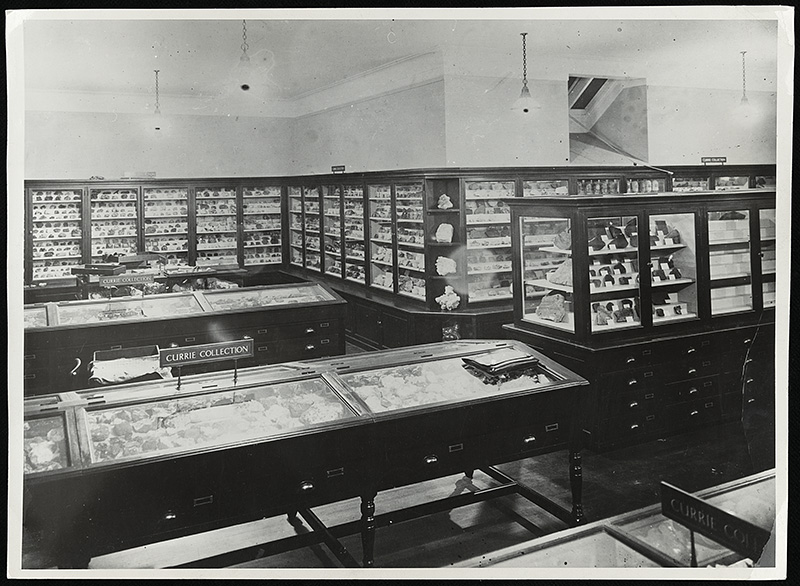
Also included are some photo’s of the old Geology Museum, and perhaps my favourite – 6 plates of fossilised fishes. We hope to be able to deliver these all online in the not too distant future!
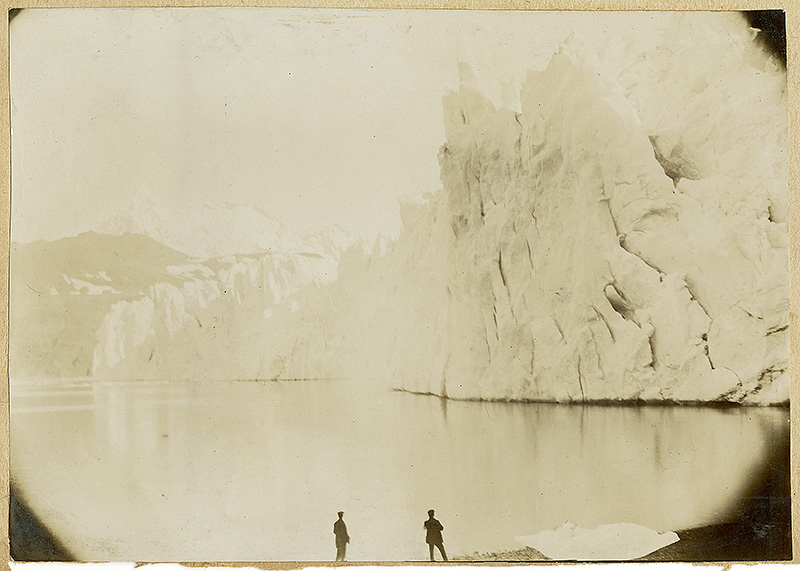
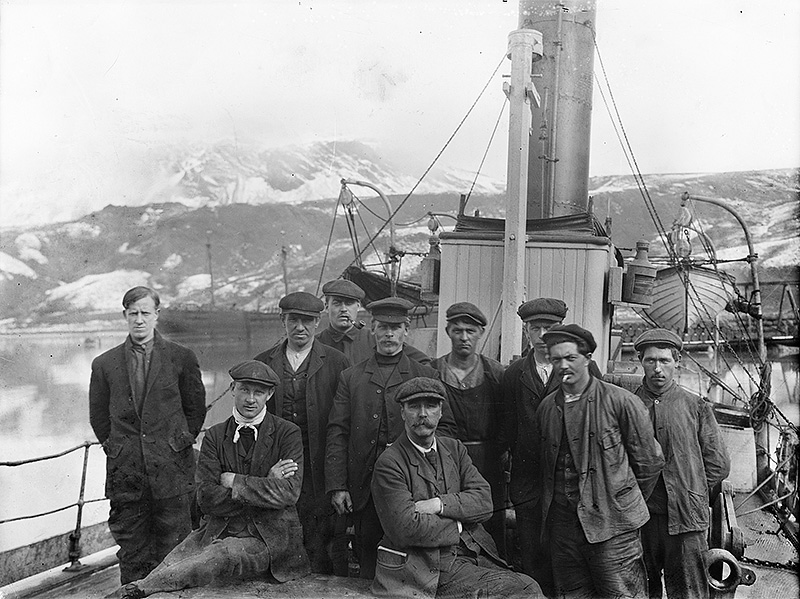
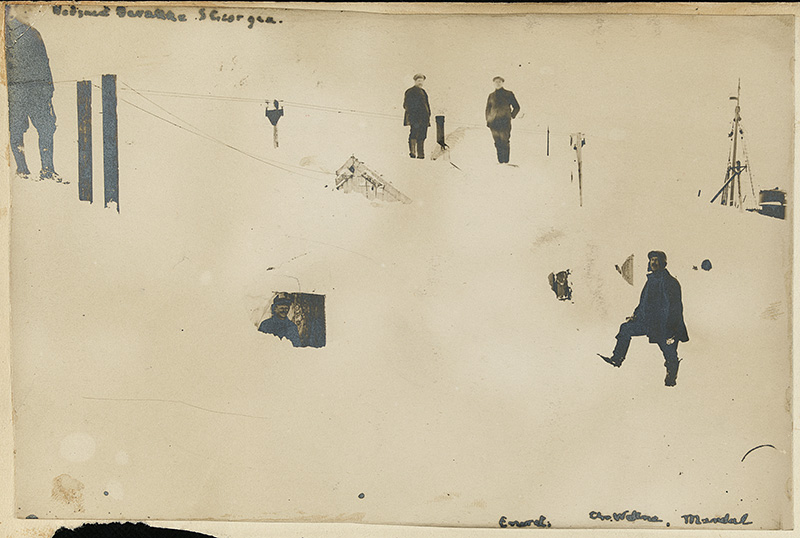
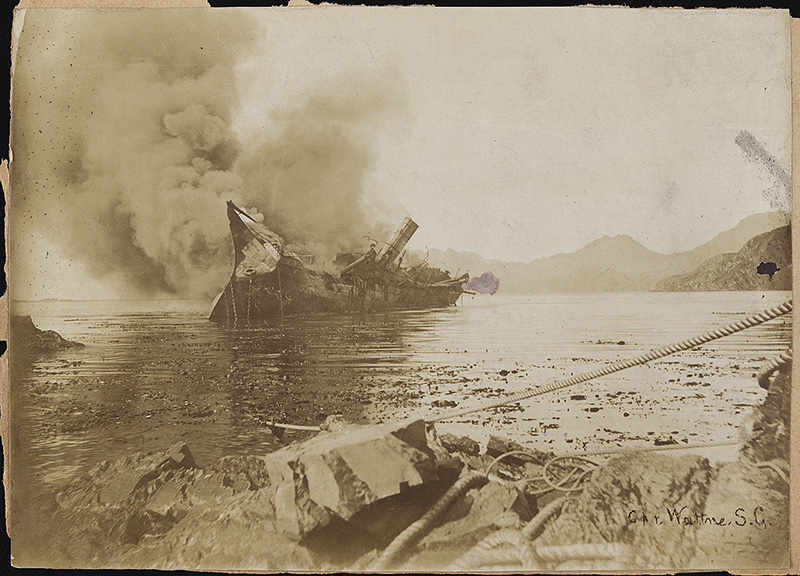
Last year the Salvesen Collection, which has been in the possession of the University since 1969, was given permission to make the images publically available online for the first time. The collection description tells us that ‘the history of the firm of Christian Salvesen goes back to 1851 when Christian Salvesen arrived in Leith and set up in business as a ship owner and broker. Two years later he joined the Edinburgh merchant George Vair Turnbull, continuing in partnership with him until he went solo in 1872. Three of his sons, Thomas, Frederick and Theodor (http://images.is.ed.ac.uk/luna/servlet/s/we94g6) joined him in the business; the fourth, Edward, preferred a legal career which began with a law degree from the University of Edinburgh, and which culminated in his elevation to the College of Justice and the Bench as The Hon. Lord Salvesen (1857-1942)’.
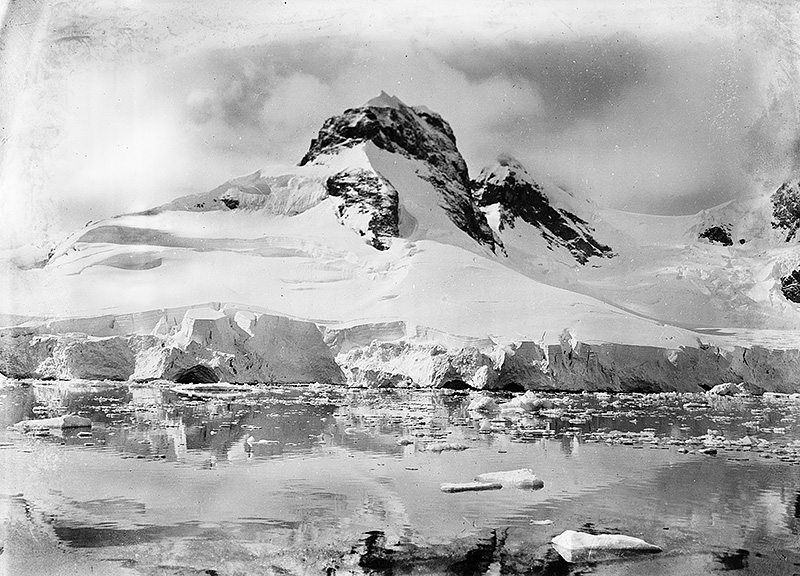
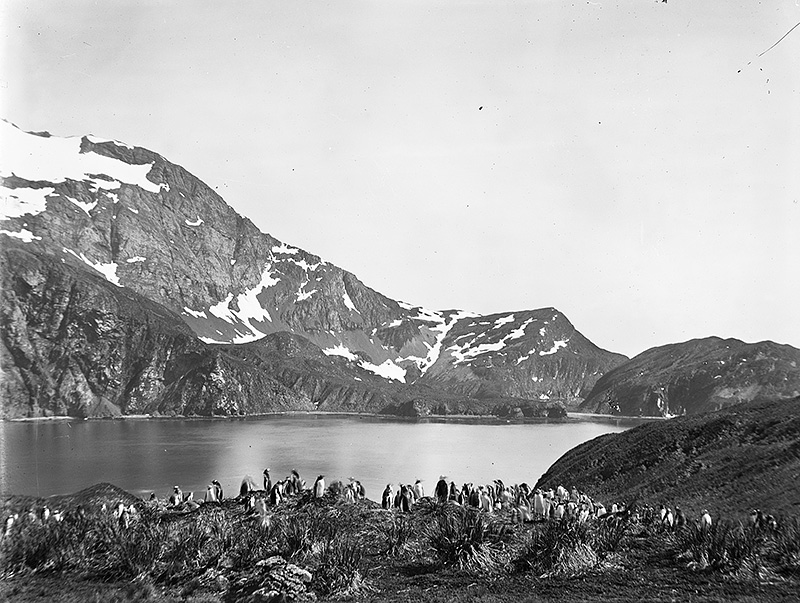
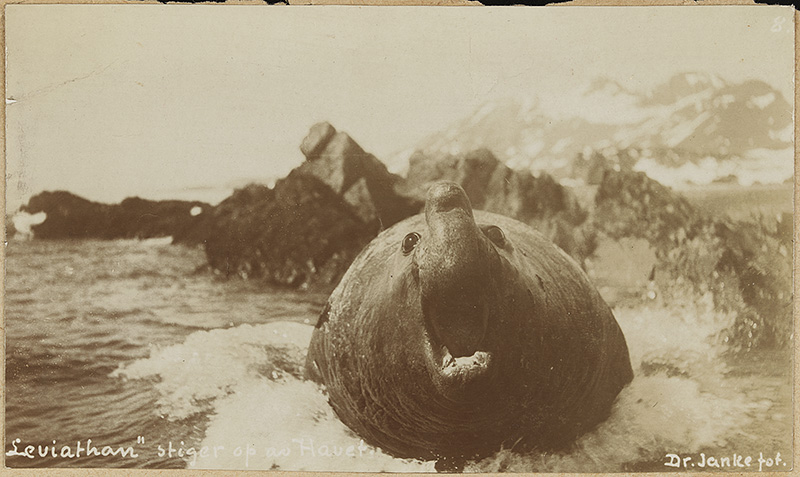
Our collection of photographs and papers is largely about the company’s whaling concerns in South Georgia. So far only a small proportion of the photographs have been digitised- around 192, however they cover a wide range from landscapes and wildlife to the people and life at the Leith Harbour base in South Georgia .
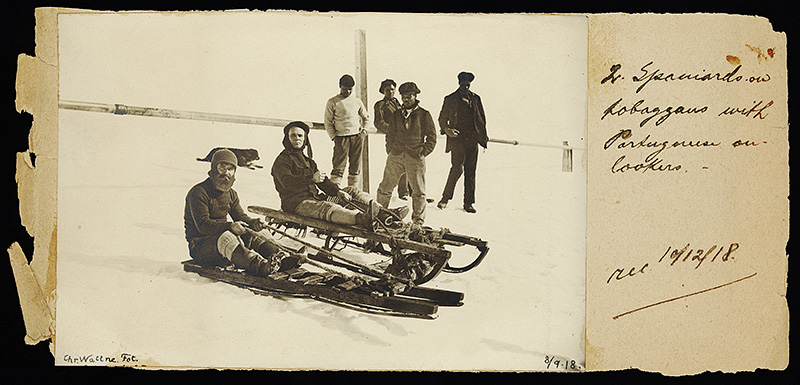
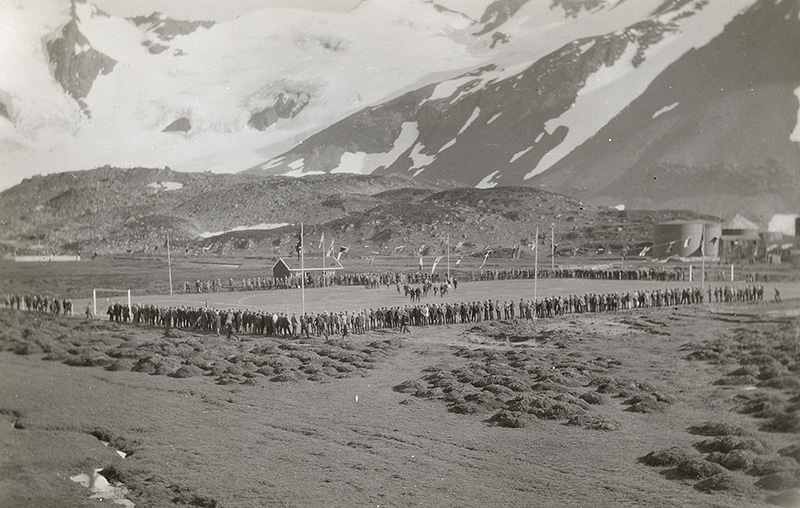
From the light hearted shots of sledging http://images.is.ed.ac.uk/luna/servlet/s/c6e03o and football http://images.is.ed.ac.uk/luna/servlet/s/bs1r73 (I love that this photo came from an envelope entitled ‘Penguins and Social Life’), to coping with the extreme weather encountered only a little to the north of Antarctica. While some of the snow fall photos have an element of humour to them, like “The Old Powerhouse surrounded in 6″ of snow, had to be removed to fire the chimney, Dec 10/12/18” – remember that December is summer for South Georgia http://images.is.ed.ac.uk/luna/servlet/s/56h599 .
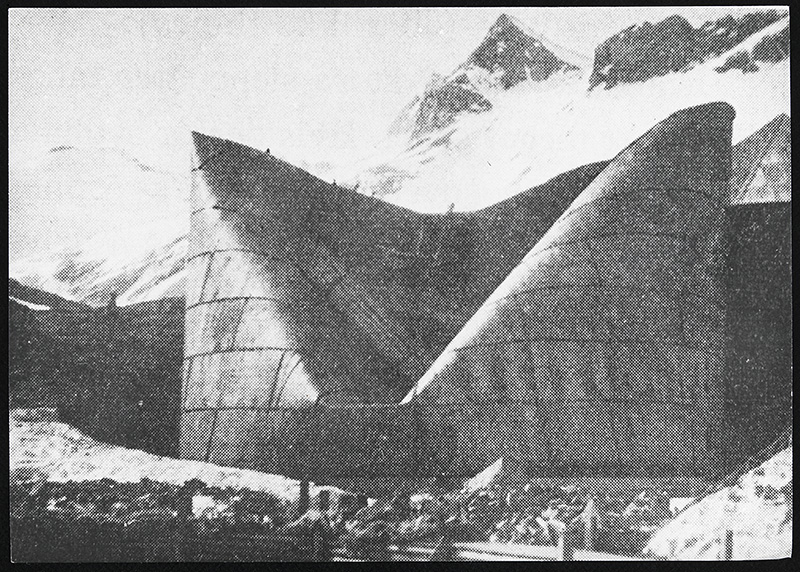
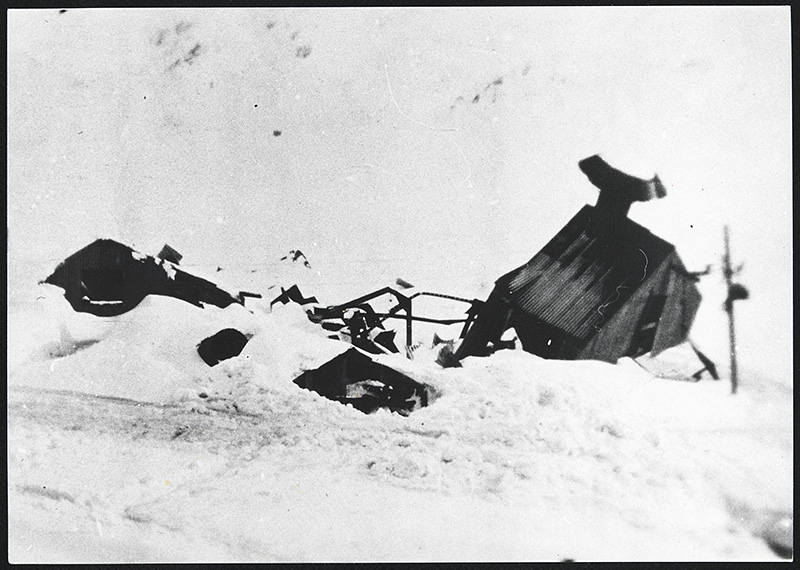
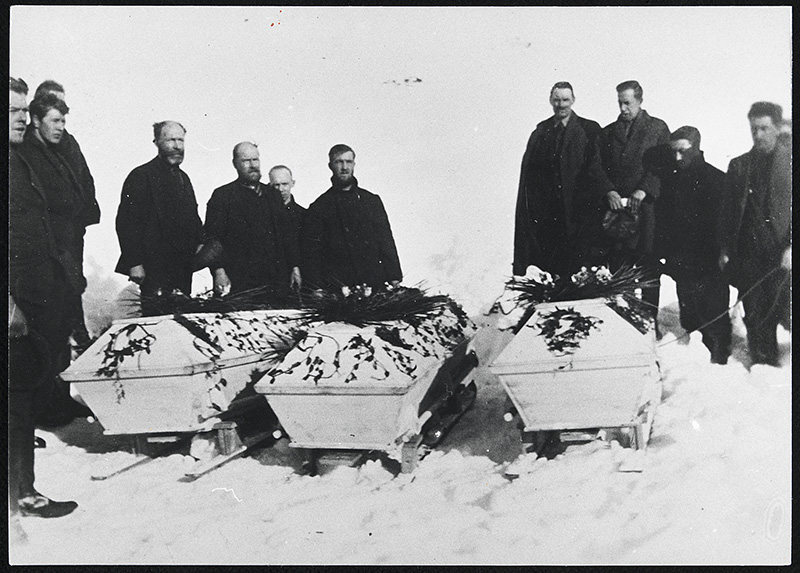
Others are far more shocking. The season of 1929-30 appears to have been one of the worst- an old news clipping shows the damage to one of the giant vats in the harbour, a note with the photo reads “Power of the Wind. Oil tank in Leith Harbour pressed together by the wind. I saw it happen” http://images.is.ed.ac.uk/luna/servlet/s/rm184k . In the same season an avalanche hit the base with devastating consequences. This blurred and grainy photograph shows the wreckage of the Foundry http://images.is.ed.ac.uk/luna/servlet/s/zysa4o and the next reveals the human cost http://images.is.ed.ac.uk/luna/servlet/s/f8akdg
Throughout it all they documented their lives, challenges and environment. Although whaling has thankfully had its day, I’m glad they have left this wonderful resource for us all http://images.is.ed.ac.uk/luna/servlet/s/5dhlh7
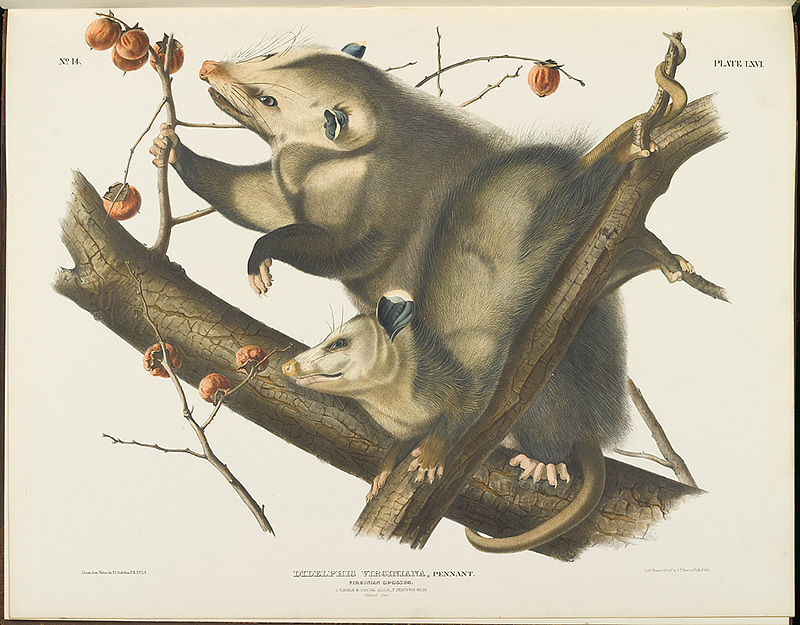
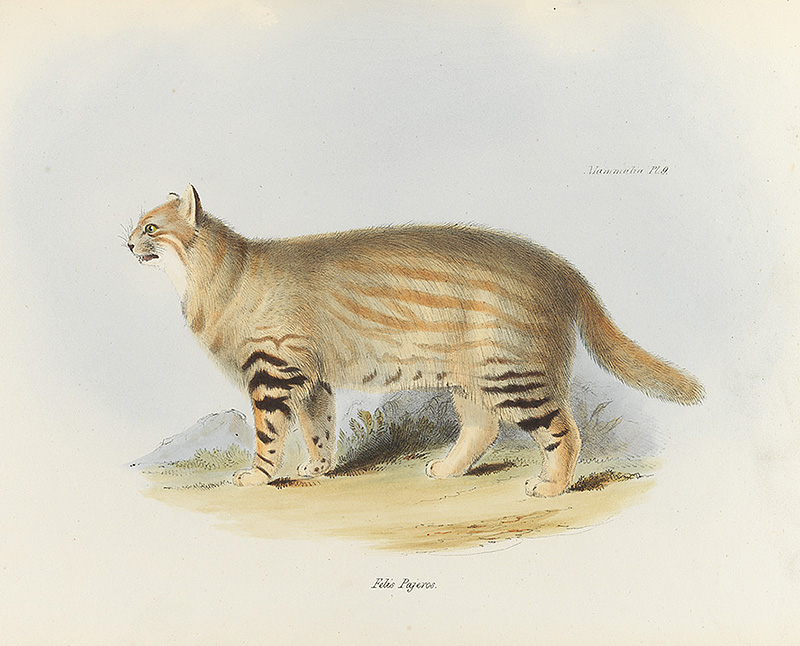
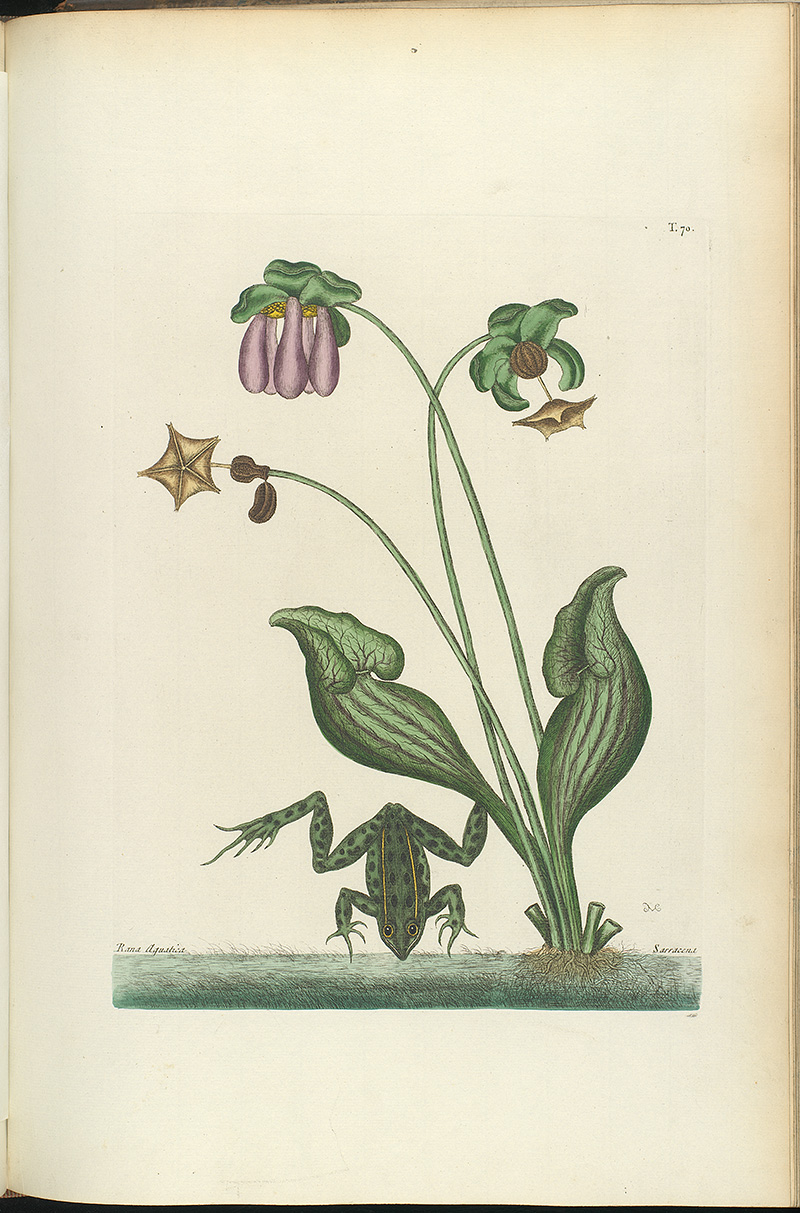
Maybe it is this lovely spring weather that has got me thinking about the wonderful books on Natural History in our Collections. Perhaps the most notable of which is The Viviparous Quadrupeds of North America, Vol.II, 1846 by John James Audubon. Famed for his fine artistry, life-like poses and inclusion of habitats, this naturalist was regularly quoted by such towering figures as Darwin. http://en.wikipedia.org/wiki/John_James_Audubon
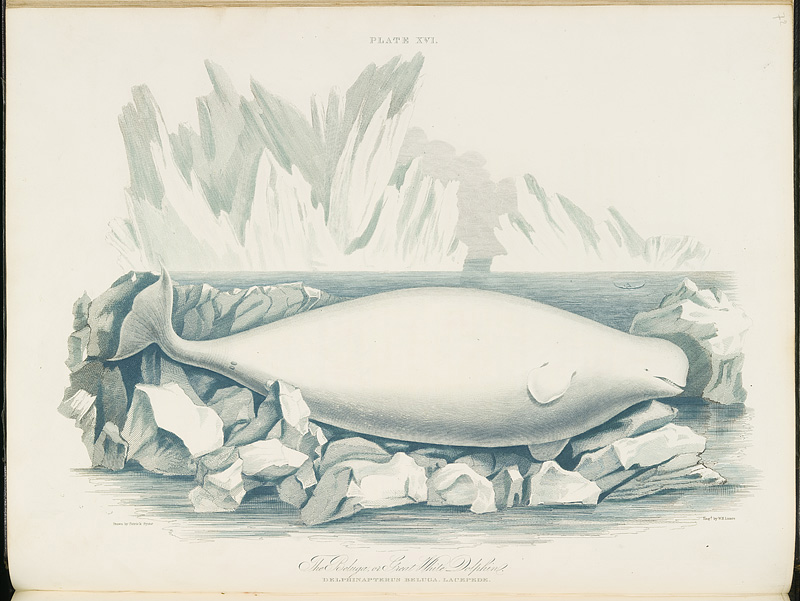
One original we have completed in its entirety is the book by Edinburgh’s own James Wilson, Illustrations of Zoology. Surely this is the next candidate to be converted into the book reader format? Here you can see ‘The Great White Dolphin’ (Beluga) drawn by Patrick Syme and engraved by W.H. Lizars. James Wilson tells us that ‘For three months in 1815 a White Whale was observed to inhabit the Firth (‘Frith’) of Forth’. http://en.wikipedia.org/wiki/James_Wilson_%28zoologist%29
Last week we were very pleased to make 864 new images available to the public. In the DIU we had recently completed a batch of nearly 1000 high quality images from Readers Orders and Staff requests, so we handed these over to Library Digital Development Team to upload into LUNA http://images.is.ed.ac.uk/ . Of the images that could be made available to the public…
372 Images were added to the Western Medieval Manuscripts Collection
196 Images were added to the CRC Gallimaufry Collection
162 Images were added to the New College Collection
54 Images were added to the Roslin Institute Collection
11 Images were added to the Architectural Drawings Collection
10 Images were added to the Salvesen Collection
10 Images were added to the University of Edinburgh Collection and
8 Images were added to the Incunabula Collection
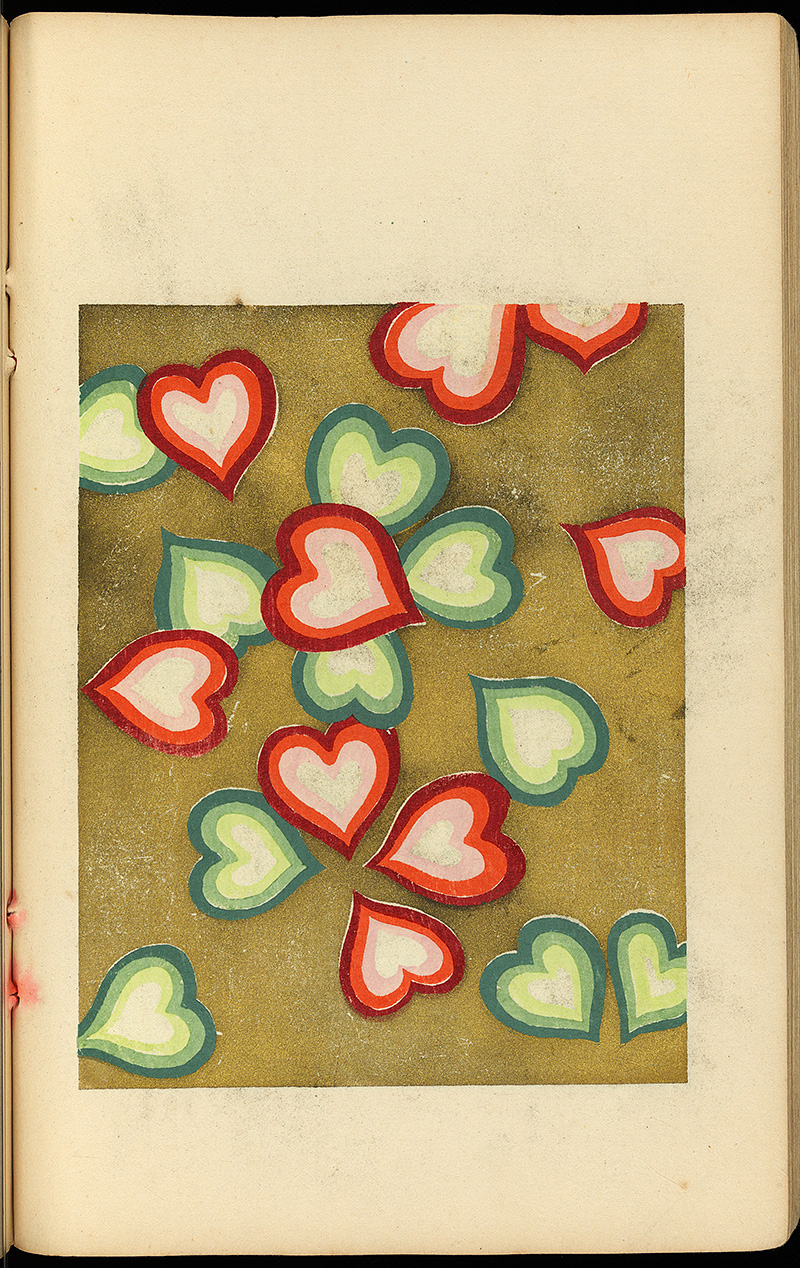
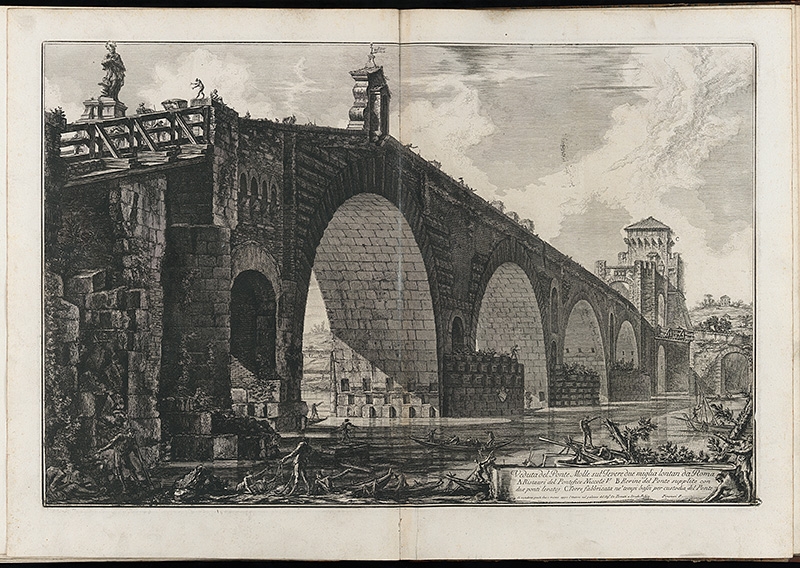
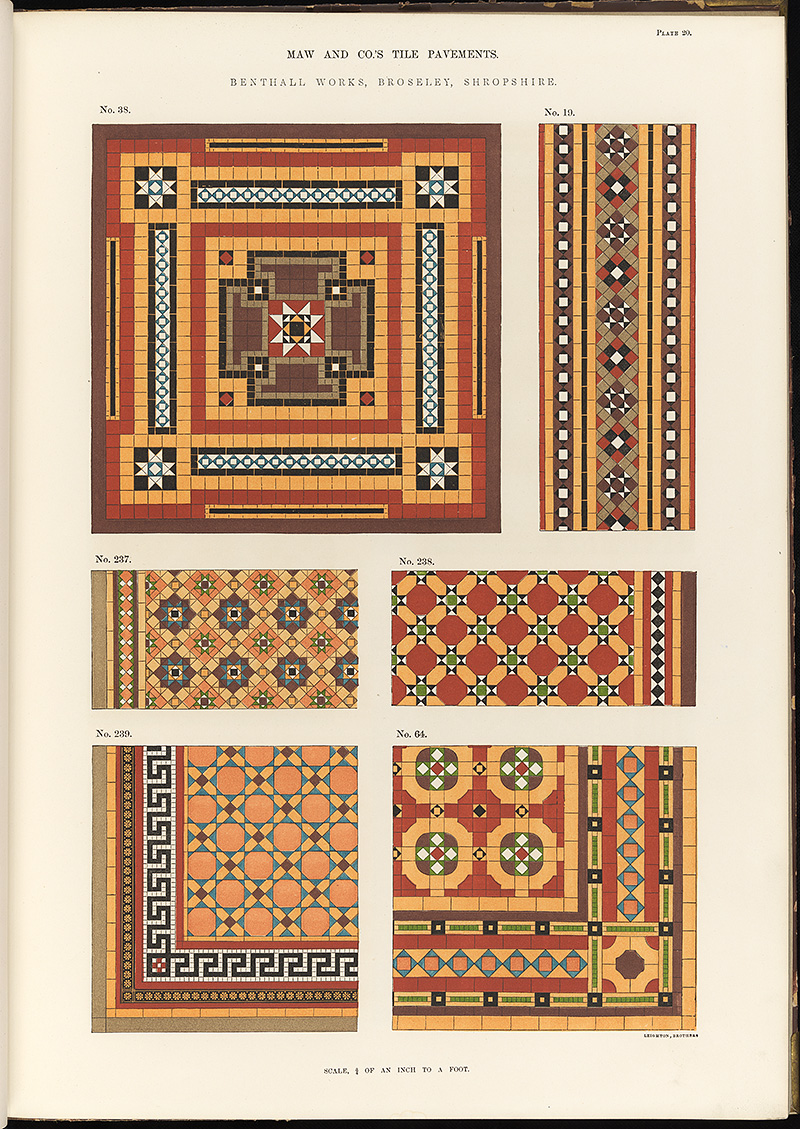
However, we are perhaps most excited to announce the new collection of ECA Rare Books http://images.is.ed.ac.uk/luna/servlet/s/j8mxaj . Elizabeth Quarmby Lawrence has been very busy cataloguing these books (see our earlier post http://libraryblogs.is.ed.ac.uk/diu/2013/10/16/gems-from-the-eca-rare-books-collection/ ) and tells us that the “Rare Books Collection of Edinburgh College of Art, includes about 1,500 items, which date from before 1489 to the twentieth century. Most of them are printed books; many of them are illustrated. It is particularly strong in books of the eighteenth and nineteenth centuries on architecture, design and ornament. There are also nineteenth-century photographs, examples of textile design, and early nineteenth-century hand-painted designs for Edinburgh Shawls. Many of the books originated in the collections of the institutions which preceded ECA: the drawing academy of the Board of Trustees for Manufactures in Scotland, and the School of Applied Art. This collection is now housed in the Centre for Research Collections in the Main Library”.
Making new images available requires a real team effort, and I’d like to say a special thanks to Deputy Photographer Malcolm Brown, Scott Renton & all the Library Digital Development Team, and of course Elizabeth Quarmby Lawrence for all the metadata!
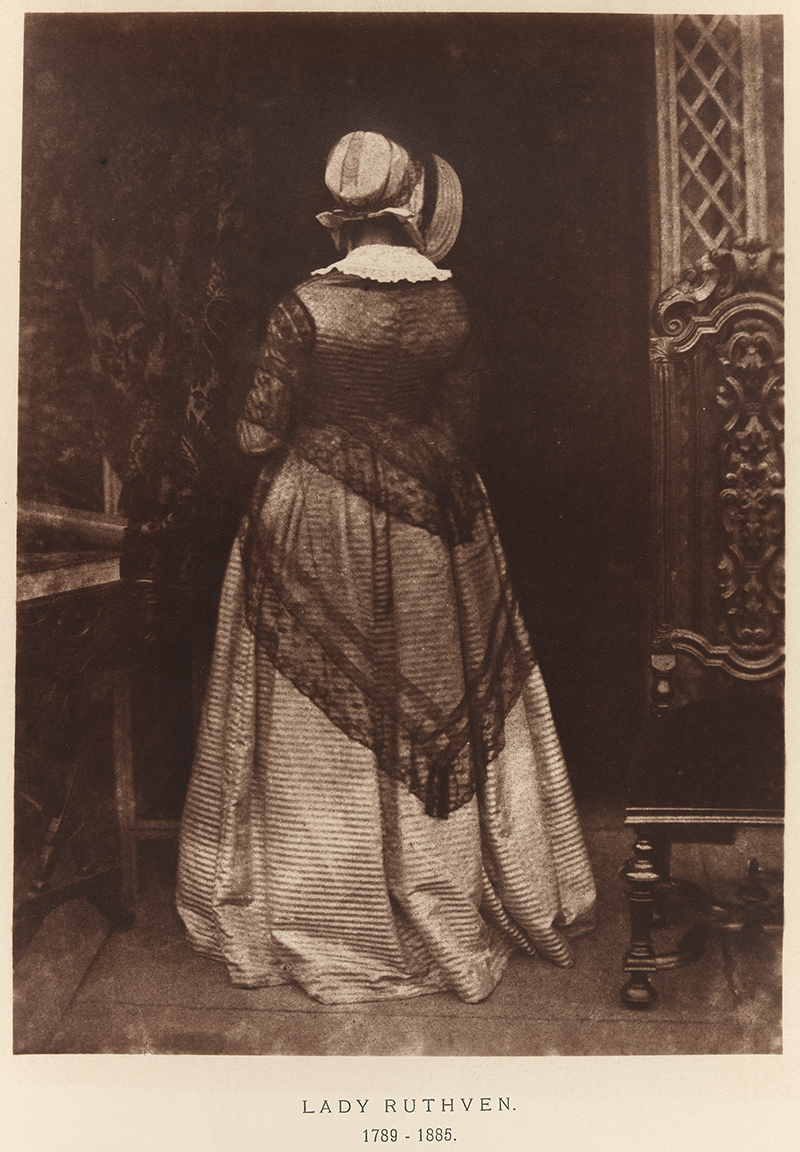
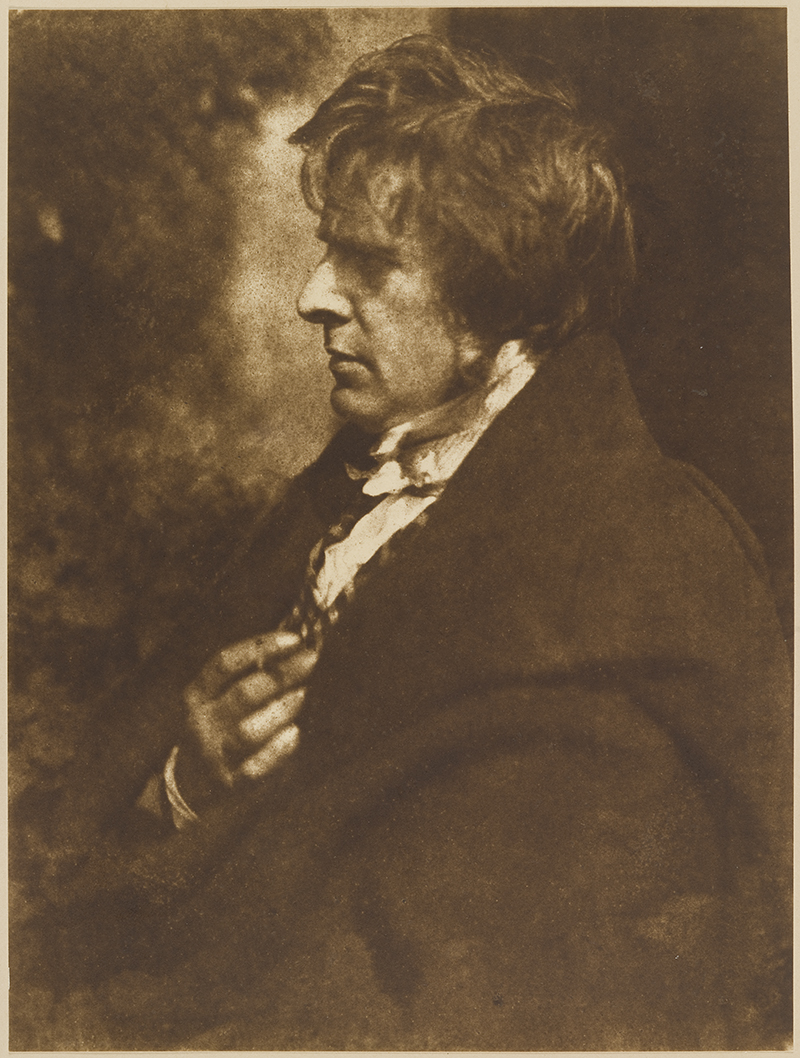
The Centre for Research Collections is a remarkable resource for students at Edinburgh University, not only for research purposes, but also for experience working with collections.I am an MSc student studying Material Cultures and the History of the Book.As part of the course we were encouraged to volunteer within the CRC.My interests lie in the field of the visual arts and the materiality of books, specifically the in the world of digital media.Serena Fredrick at the CRC was able to match me up with the Digital Imaging Unit and within the DIU I have been researching and enhancing the metadata for one of the university’s photographic image collections: the Hill and Adamson Collection.Hill and Adamson are world-renowned pioneers of early photographic techniques.Building on the work of Englishman Henry Fox-Talbot, they created some iconic images of mid-nineteenth century Edinburgh from their studio on Calton Hill.
Hill and Adamson’s original creative remit was to capture portraits of leading members of the Free Church of Scotland who had been involved in the disruption of the established Church of Scotland in 1843, with the intent of using these portraits as study aids for a massive painting commemorating the disruption.
Soon word of this new means of portraiture spread and Hill and Adamson started creating images of and for Edinburgh society. The collection is full of images of friends and family of Hill and Adamson, as well as being a veritable who’s who in Edinburgh.
Hill and Adamson realised that this artform could also be used as a form of documentary reporting and began taking photographs of the Newhaven fishermen and women, as evidence of a strong, united and self-sufficient community.
Unfortunately Hill and Adamson’s collaboration was short-lived due to Adamson’s continually failing health and eventual death at the age of only 27 in 1848. However, during their prolific partnership they were responsible for the creation of thousands of incredible images. I have loved being a part of the team bringing this collection onto a digital platform and increasing access to such an important and exciting set of images. Here are a few of my favourite images, all of which can be found at: http://images.is.ed.ac.uk/luna/servlet/UoEcar~4~4
Caroline Ramsay, MSc Material Cultures and the History of the Book
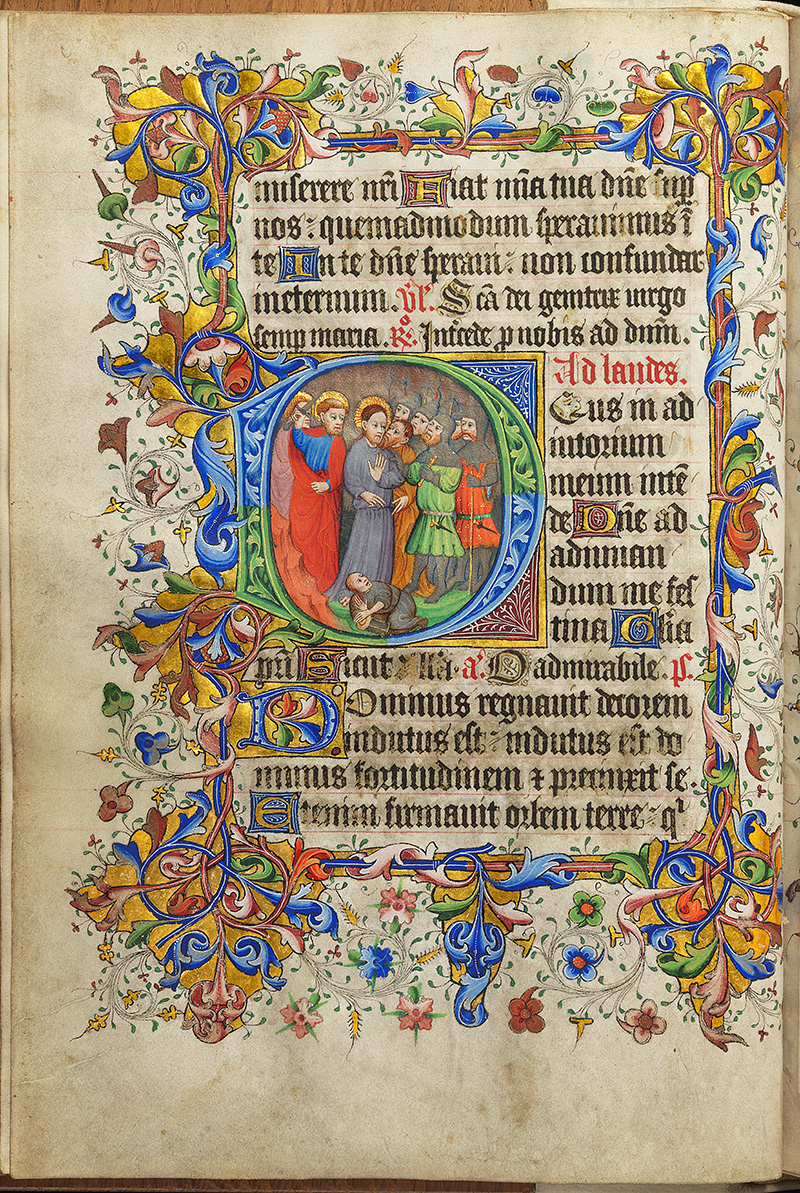
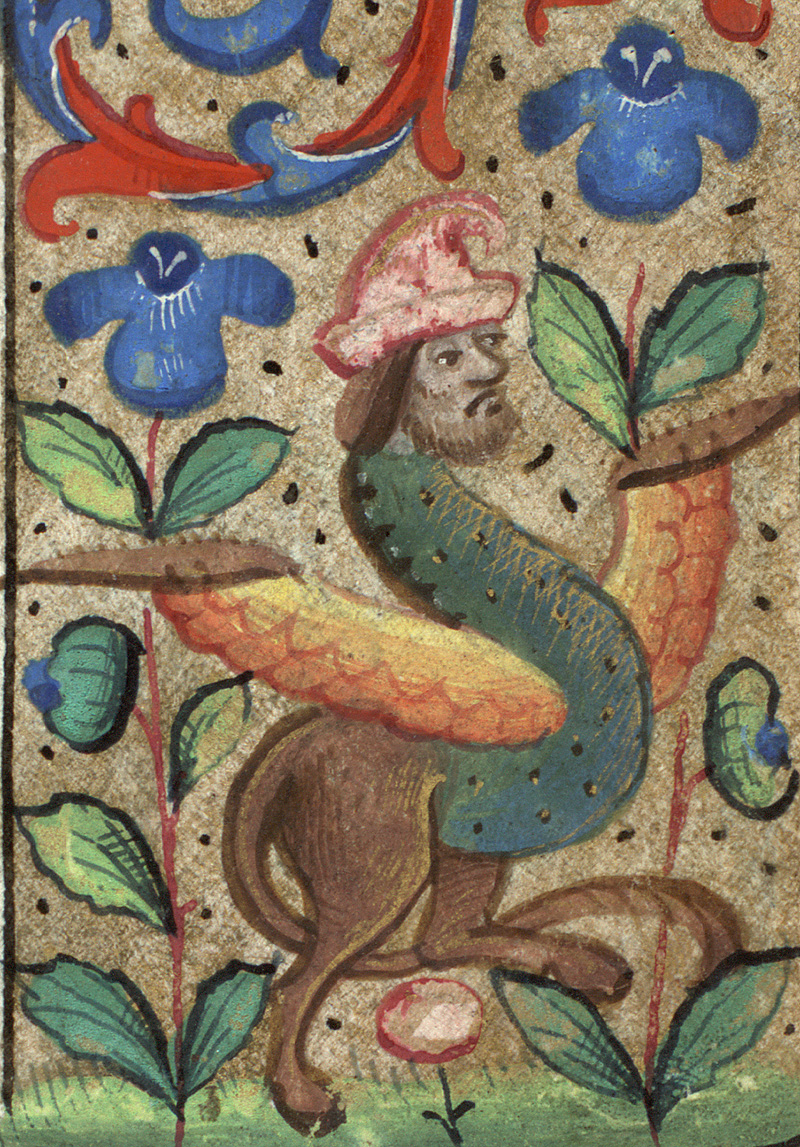
I’ve seen a startling number of beasties hiding out in our Collections over the years, and the time has come to celebrate them! From the delightful details in the margins of Books of Hours…
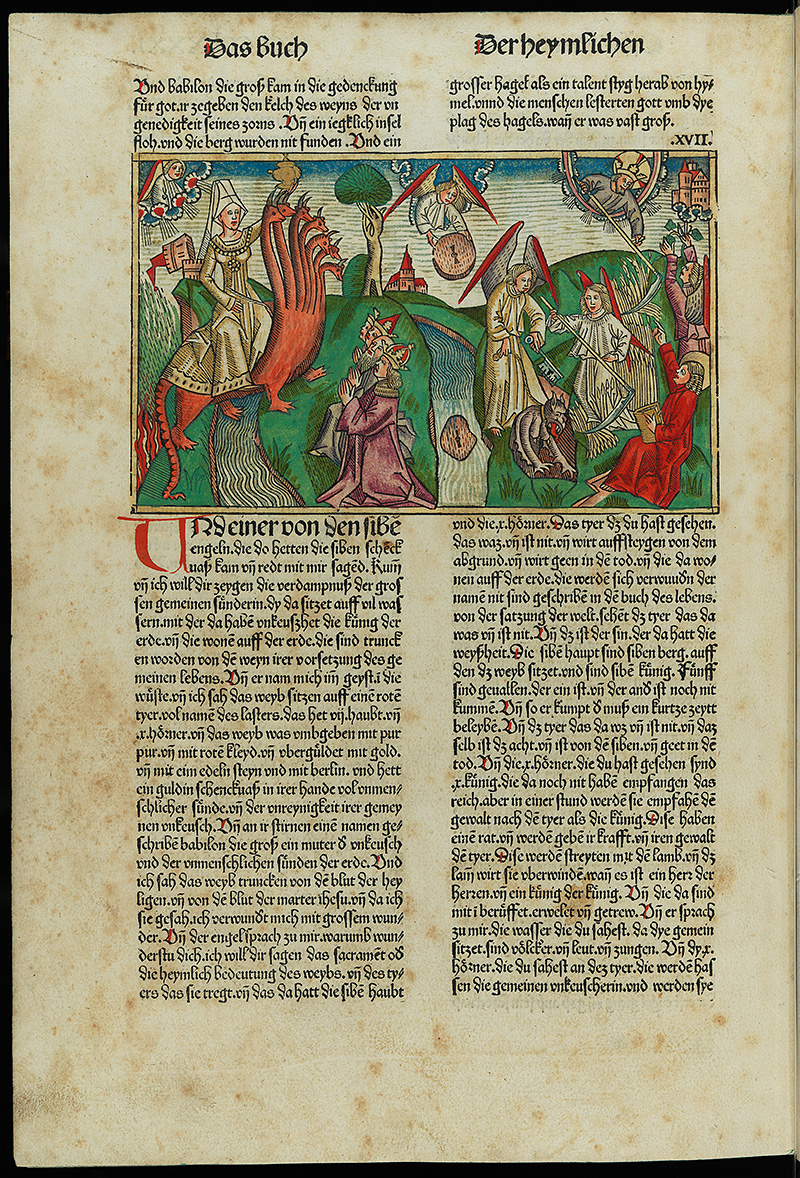
…to the damsels in distress being rescued from fantastical monsters.
It is also wonderful to see the same story illustrated from 2 very different traditions: St. George and the Dragon in a Book of Hours circa 1500 and made in France for a Scottish owner…
…or the strikingly different St. George and the Dragon in the Ethiopian Manuscript Gadala Georgois.
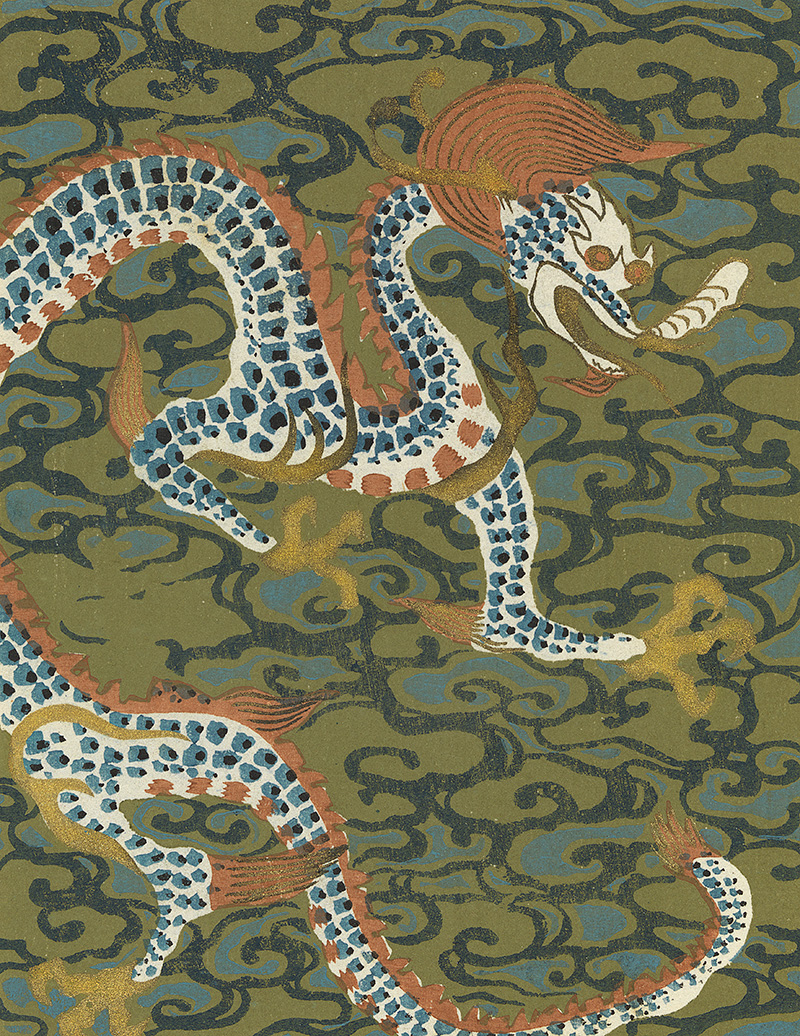
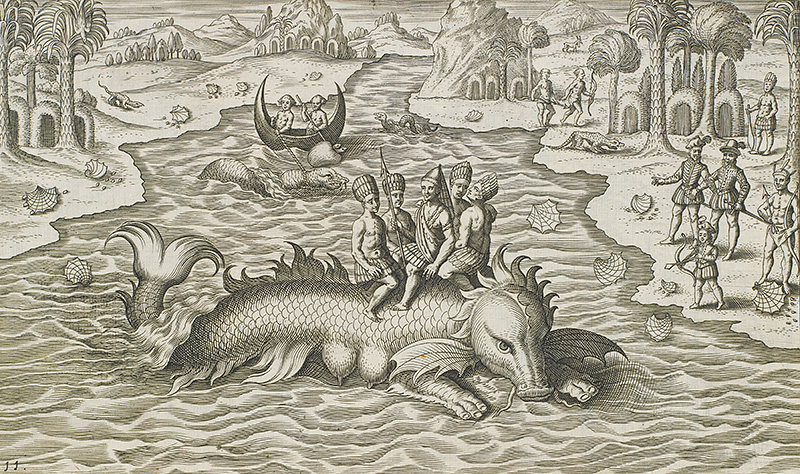
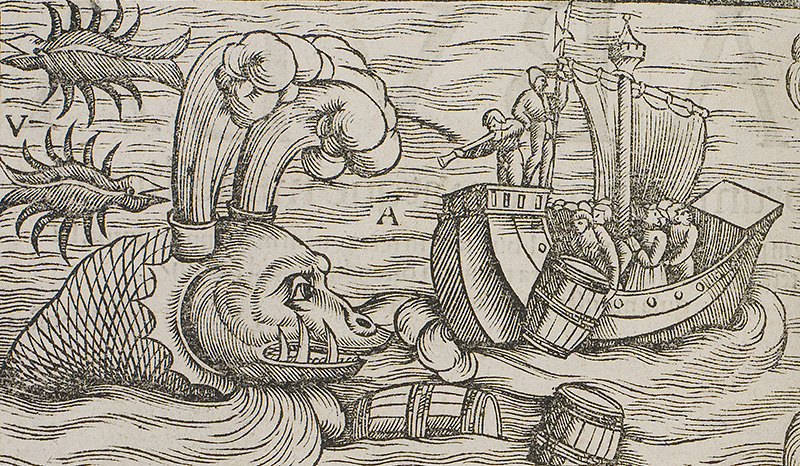
It doesn’t appear to matter where in the world -West, East, or South America- every nation has its own set of Beasties.
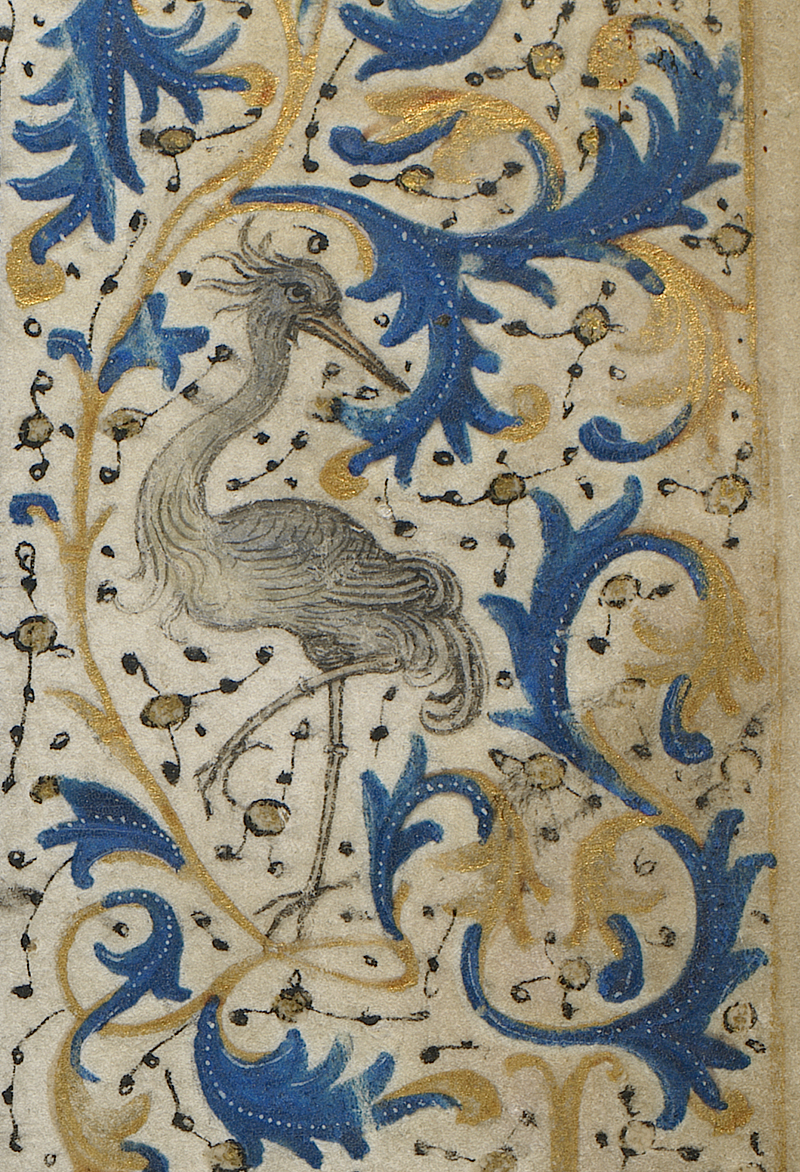
A large part of what we do in the Digital Imaging Unit is fulfilling digitisation requests from all over the world from researchers and academics who want access to our collections. This week one request required three images from Ms 195 “Poems Of Virgil” , which is part of the University’s Western Medieval Manuscripts Collection. The detail of the Heron ? or Crane? struck me as an astounding piece of work. The economy of line used to describe the plumage and structure of the bird is very accomplished. I felt this image is worth sharing in detail as it highlights the quality of visual literacy preserved within our collections. The detail also highlights that high quality capture of these works can aid discovery and give us insight into the material. If you compare the detail to the full image via the link to Ms 195 you can see how easily this information could be lost to the eye. The high quality capture provided by top of the range Hasselblad cameras gives us new “ways of seeing” the collections that in turn has multiple applications.
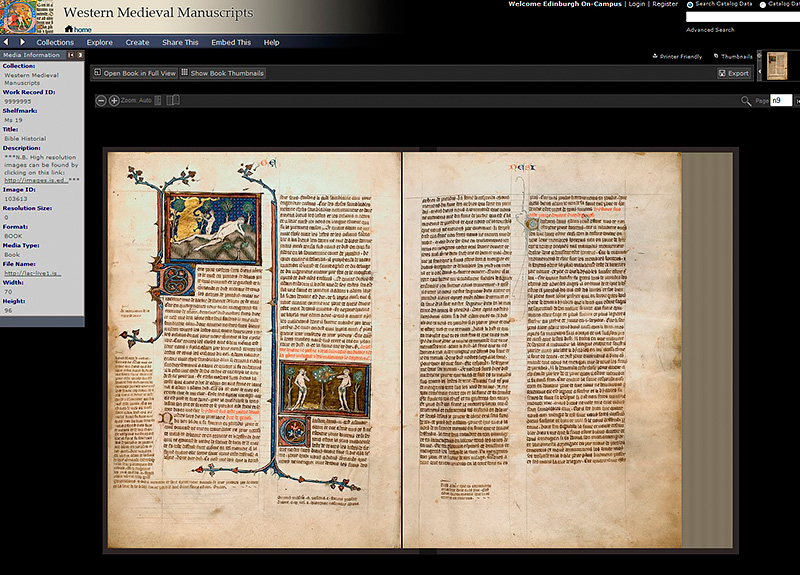
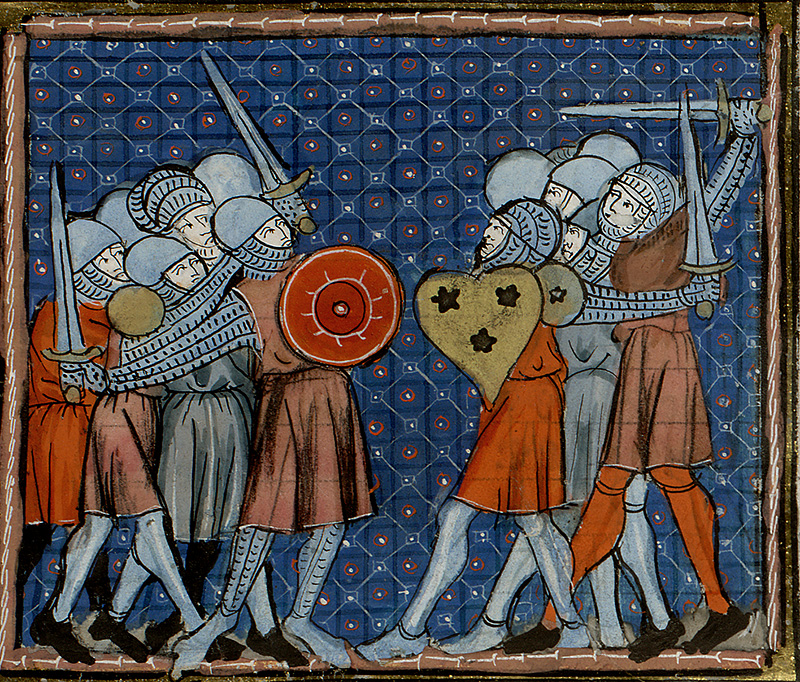
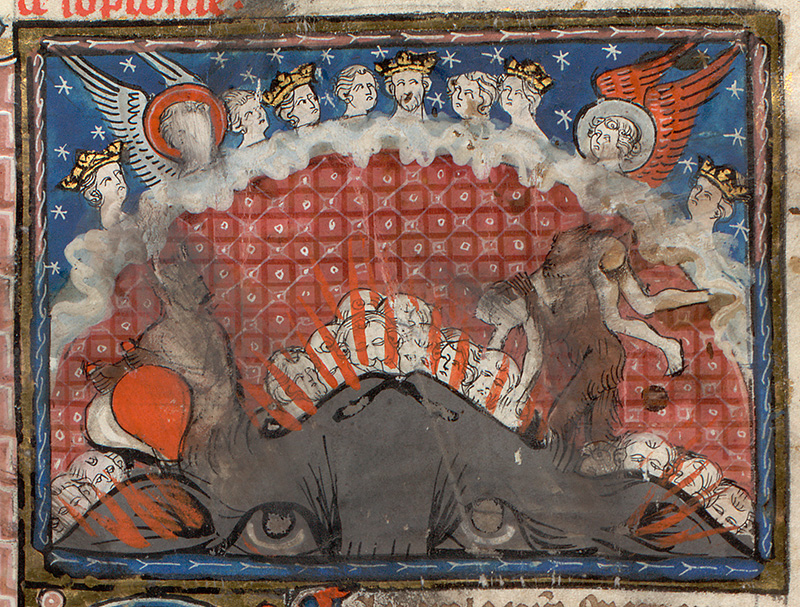
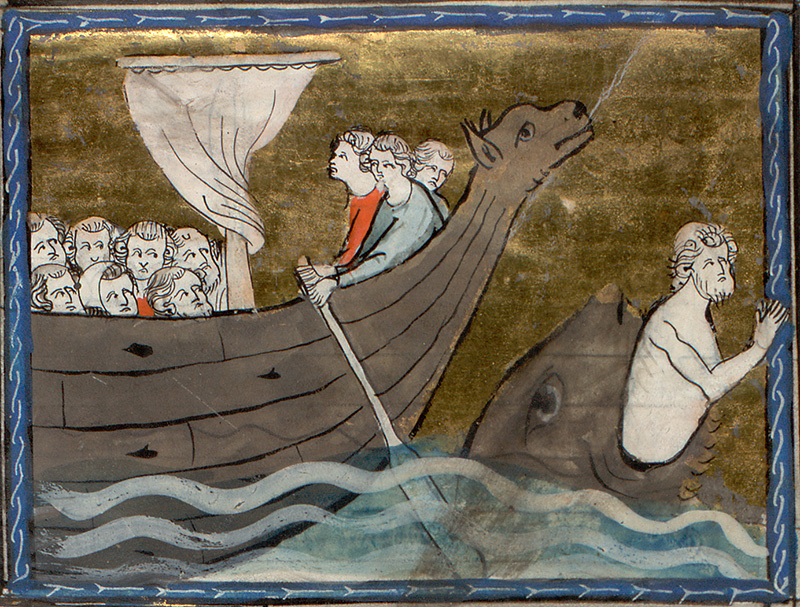
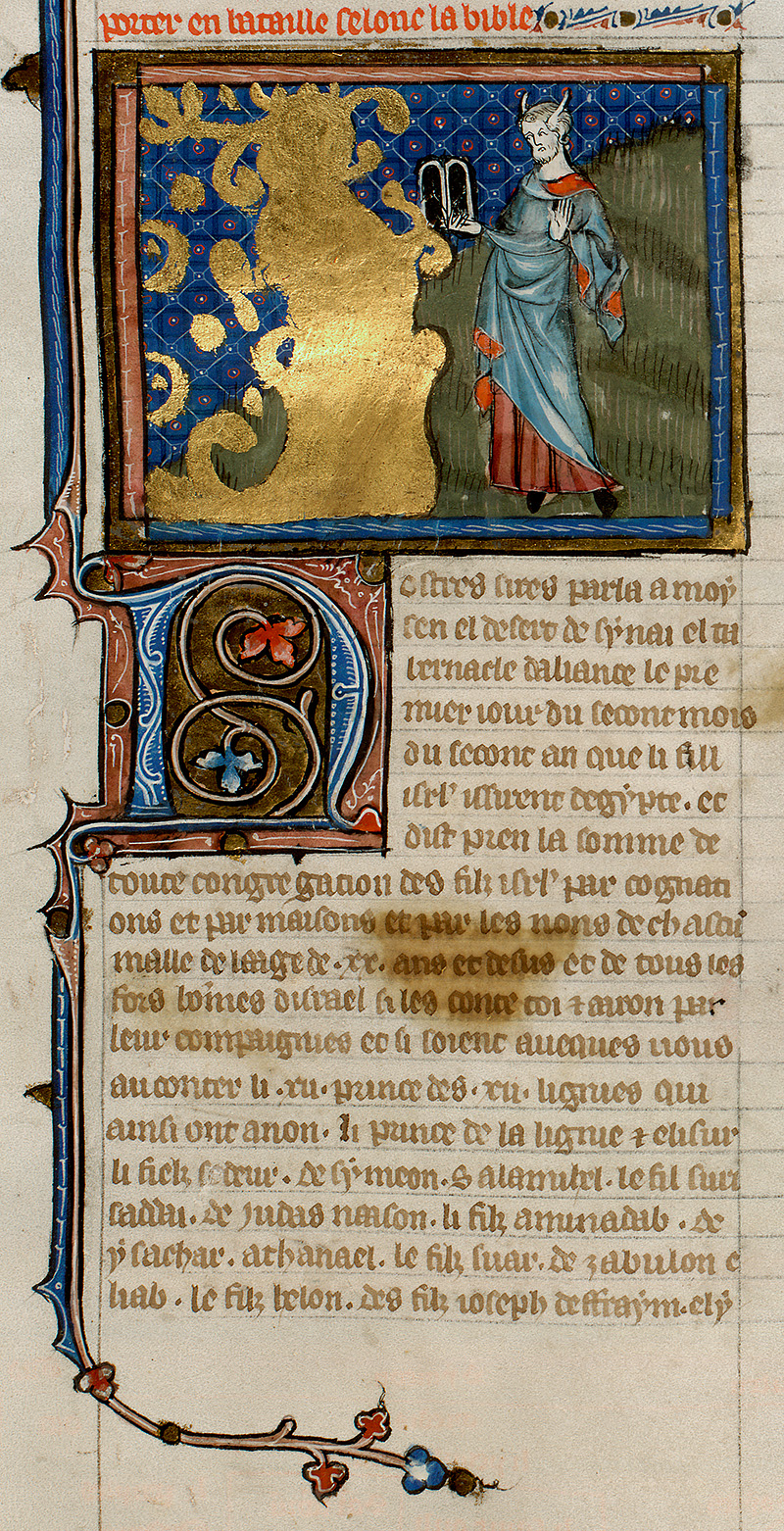
When we started at the DIU at the beginning 2004, a project to digitise a beautiful French Bible known to us as Ms 19 was already half completed, our first job was to finish it. Once this was done it was archived up to server space, and sadly, for many years, forgotten. Which is why I am delighted to announce that it is now available in Book Reader format here http://images.is.ed.ac.uk/luna/servlet/s/523yw6 . Our volunteer Ellisa Manahova – Panagiotaki has been very busy preparing the images to go into the book reader- all 966 pages. Furthermore, volunteer Jessica Macaulay has been working on enhancing the metadata for us, which we hope to add in the coming months.
The Bible has some fantastic illuminations, including ones where God has, in an act of very polite censorship, been removed with gold paint. Enjoy!