Any views expressed within media held on this service are those of the contributors, should not be taken as approved or endorsed by the University, and do not necessarily reflect the views of the University in respect of any particular issue.
Last week Mercator’s beautiful Atlas sive Cosmographicae found its way into the DIU, only after it arrived did we discover that it was actually his 503rd Birthday, a fact celebrated by google with a Google Doodle http://www.google.com/doodles/gerardus-mercators-503rd-birthday.
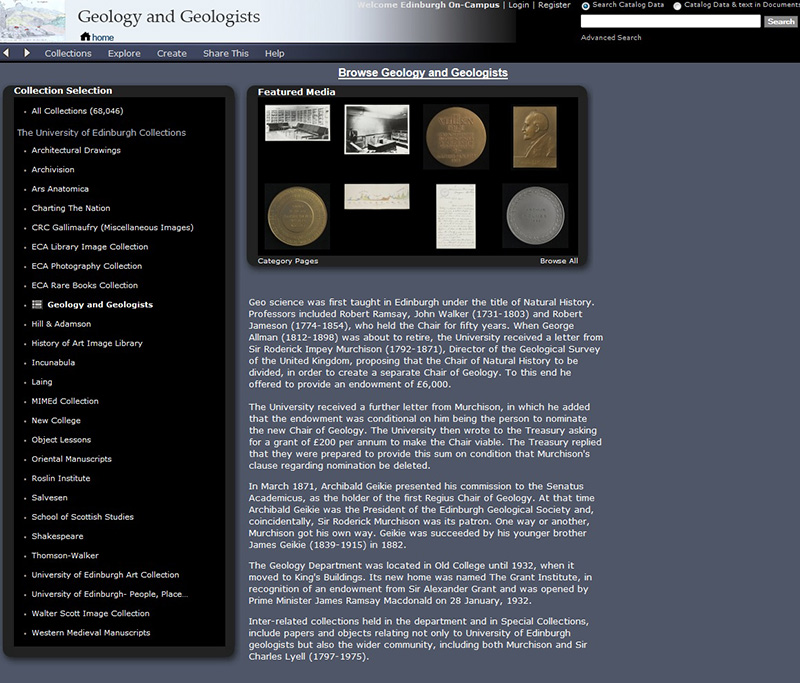
Last week we were very excited to see a new LUNA collection go live- ‘Geology & Geologists’. This brings together images from the CRC’s Lyell collection (a wonderful mixture of correspondence and drawings), Arthur Holmes Geology medals, as well as recent images from The Cockburn Museum, School of GeoSciences. The Cockburn collection contains photographs of past Professors, and historic photos of the department as well as plates of fossilised fish.
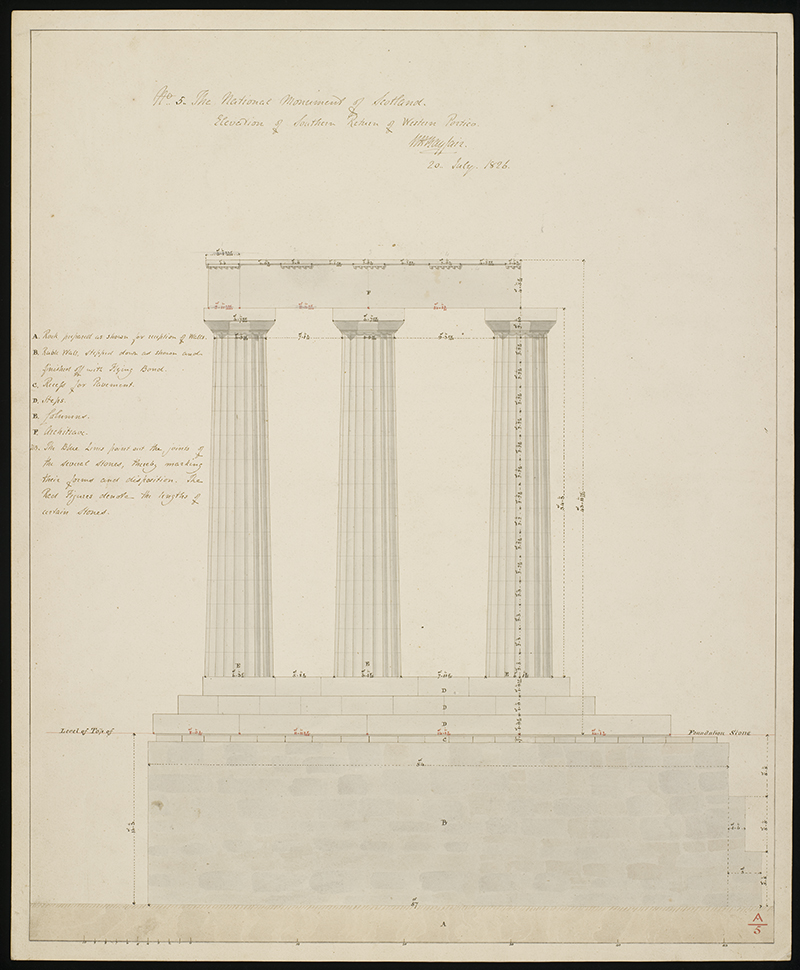
Playfair, William Henry (b.1789, d.1857) Return of Western Portico, 1826
The Digital Imaging Unit has digitised many architectural drawings held in University of Edinburgh special collections over the years. They always present a challenge because of thier scale. They offer a fascinating glimpse of history in relation to many of the buildings in Edinburgh that we are familiar with on a daily basis. I think many of us have a positive relationship with the National Monument more commonly known as the Acropolis on Calton Hill. Continue reading “The National Monument of Scotland”
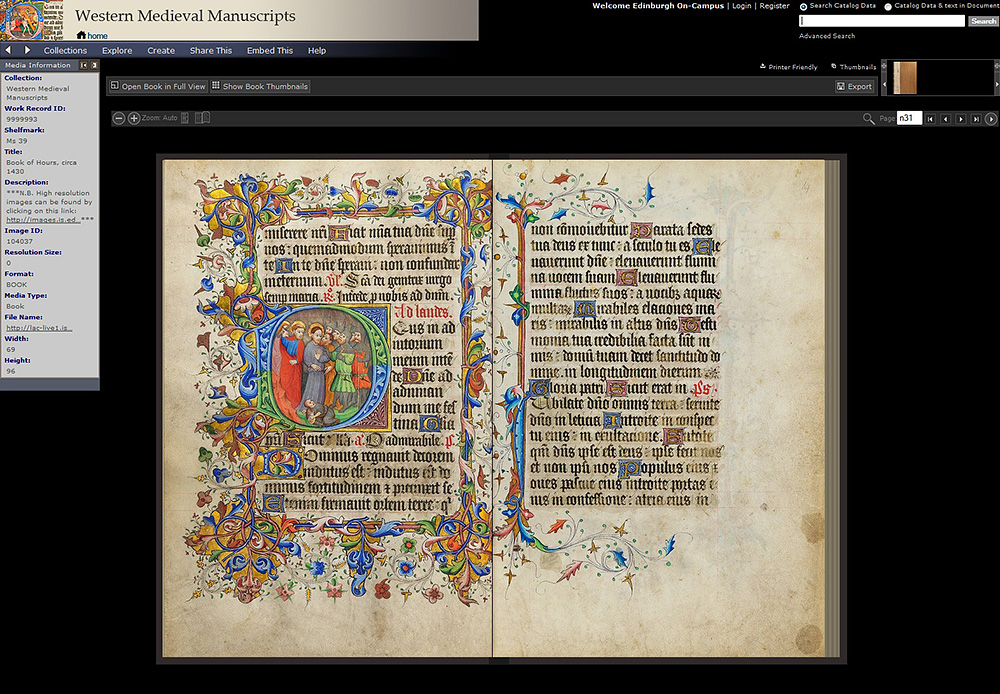
We kick off 2015 with the addition of 3 new Book Readers added to LUNA. The first two are both music manuscripts that came down to the DIU as part of the Readers Orders trolley. It is not often that we receive volumes to be digitised in their entirety this way, so it seemed a good opportunity. As a result we spared a bit of time to do the additional work to prepare them for the book reader software after the High Resolution images had been delivered to the customers. Continue reading “3 Additions to the LUNA Book Reader Collection”
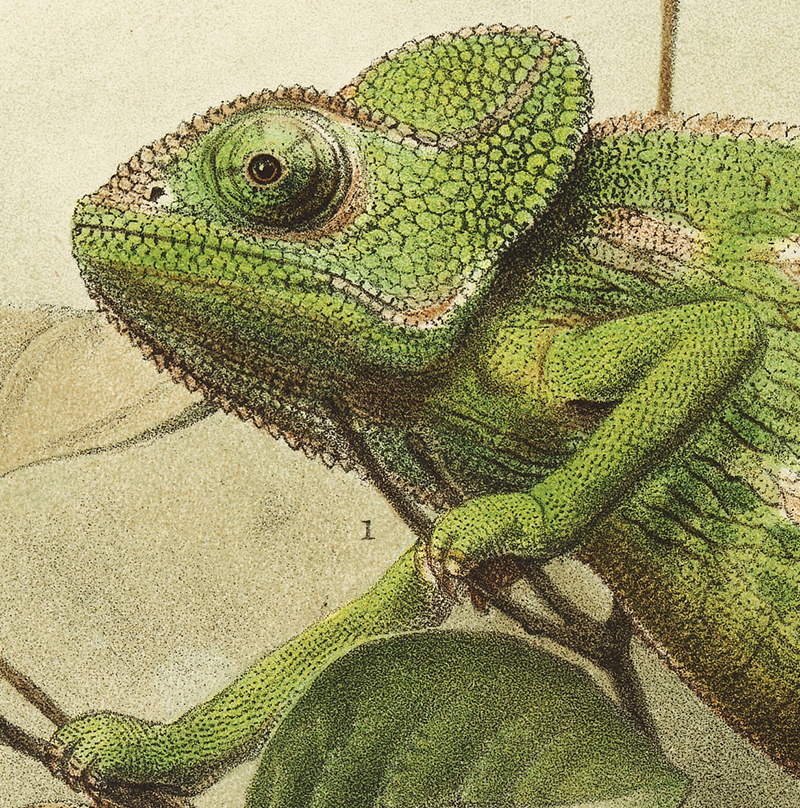
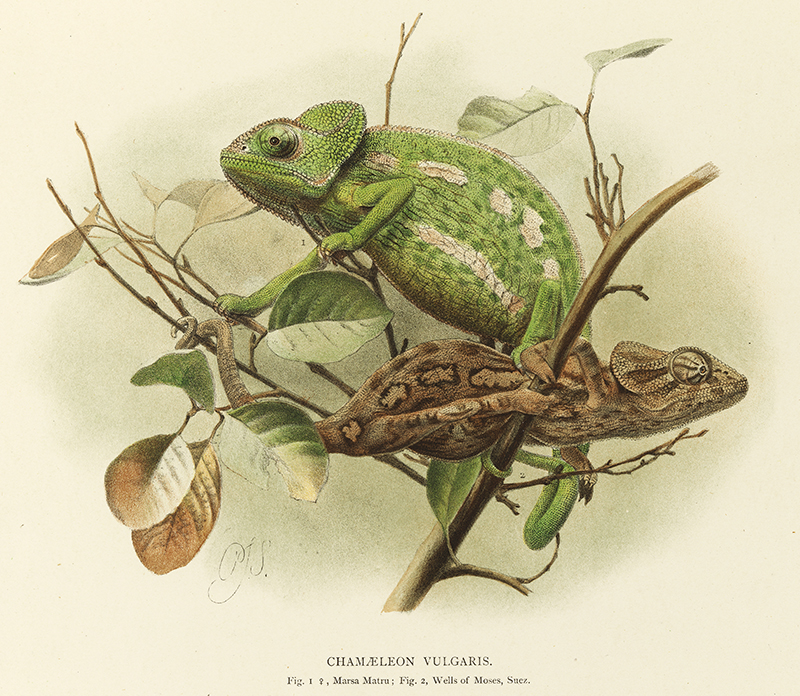
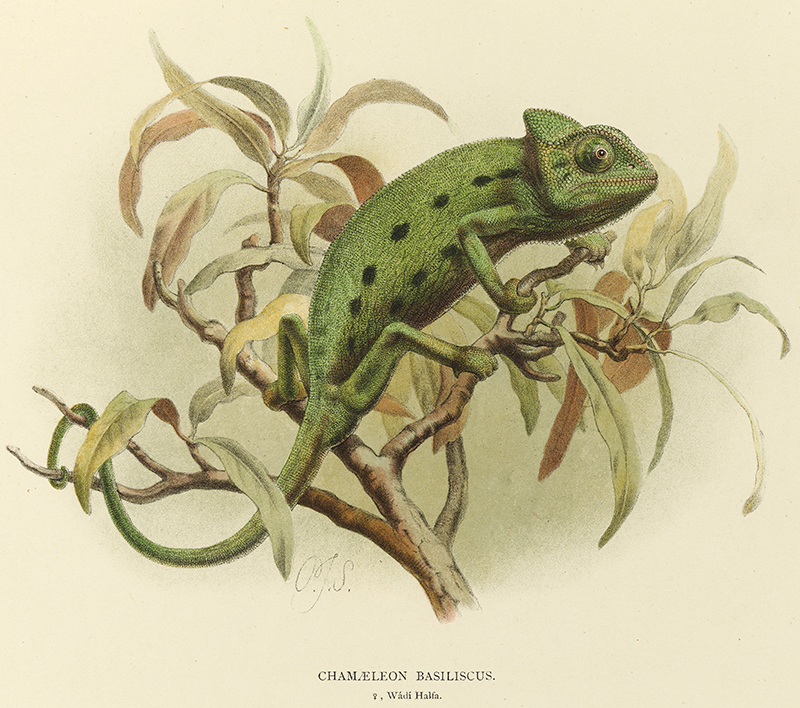
I wanted to share some fantastic images that have come through the Digital Imaging Unit via general random digitization requests. This material is bound for individual researchers and would normally pass under the radar. We have enough amazing material passing through DIU to make this a monthly blog feature. First up is from “Zoology of Egypt, Reptilia and Batrachia” by John Anderson Shelfmark : L*.17.93. The whole book is packed with outstanding images and worthy of digitisation in its entirety.
One of my daily problems in this job is being drawn into the objects we are digitising- it is always too tempting to start reading, and yesterday was one of the toughest challenges I have faced! A reader had requested a book-scan copy of a transcript from a Diary of John Shaw Smith and his wife Mary as they did the Grand Tour of the Mediterranean and Middle East between 1849-1852 (see http://www.archives.lib.ed.ac.uk/catalogue/cs/viewcat.pl?id=GB-237-Coll-20&view=basic ). Perhaps it was that John Shaw Smith was one of the earliest photographers to visit these regions (see http://www.luminous-lint.com/app/photographer/John_Shaw__Smith/A/), or perhaps it was because I have visited many of the places they travelled to, however once I started I became fascinated by the lively, sharp witted pair and their adventures. Continue reading “Photographists and the Grand Tour”
Our wonderful Intern Gemma is leaving us today, but she has managed to squeeze in one more post before she goes. Gemma has done some really amazing work for us, after completing her cataloguing project of Oriental Manuscripts (her work can be seen here http://images.is.ed.ac.uk/luna/servlet/UoEsha~4~4 ) in record time, she has helped out with Flickr, Walter Scott and a new project about not yet officially started too. I’d like to say a very big thank you to Gemma for all her hard work- we’re going to miss her! Over to Gemma…
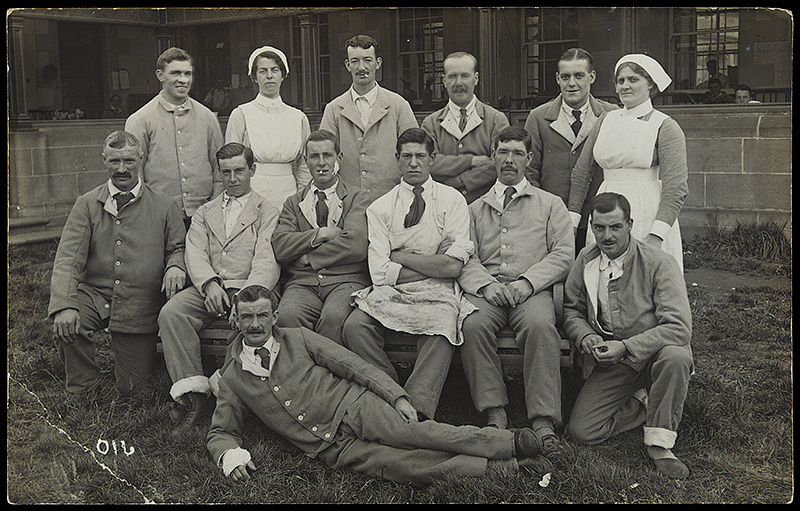
A large order from the Lothian Health Services Archive came our way recently, which included postcards from the hospital & group portraits of staff and patients. In amongst them I discovered an early example of photo bombing- look between the shoulders of the 2 chaps in the centre of the back row- I love combination of serious faces of the people posing and the incongruous jaunty feet in the air behind them. Was this intentional? Or did he simply happen to be doing a handstand at the time…?