Author: s2850840
Case Study on Air Pollution Visualization Device – Thijs Biersteker
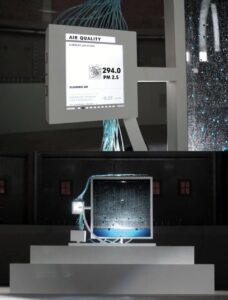
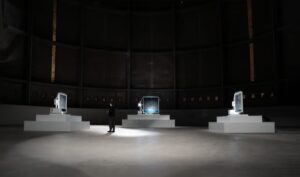
From the perspective of the work itself, its ingenuity and impact lie in three core aspects: Firstly, it translates abstract data into concrete forms, using the dynamic changes in the number of oil droplets to correspond to the real-time PM2.5 concentration monitored by sensors, turning the obscure environmental monitoring data into visual symbols that the audience can intuitively perceive, breaking the barrier between professional data and the general public in terms of understanding; Secondly, it evokes emotional resonance by using the cost of reality to trigger empathy. It does not simply list the hazards of PM2.5, but ties it to specific health issues such as lifespan loss, stroke, and heart disease, and even quantifies the lethality of pollution through comparisons with the number of deaths from the novel coronavirus, making viewers shift from an indifferent “not concerning me” state to a concern for their own health. This emotional impact based on reality is far more persuasive than simple textual explanations; Thirdly, it strengthens action awareness through contrast, juxtaposing polluted air with clean air, and visualizing the harm of “every polluted breath”, making the work no longer just an information output but a strongly guiding call to action, naturally prompting viewers to think and discuss air pollution issues, achieving a value upgrade from “expression” to “connection” in the artistic work. Overall, the GASP installation not only successfully achieves the core goal of “turning intangible pollution into tangible” but also shows me the power of design , design can not only be works that pursue visual beauty, but also can carry real issues, connect the public and society, and promote thinking and action. This also sets an important direction for my subsequent design practice: to make design rooted in reality, with both beauty, warmth, and practical significance.
