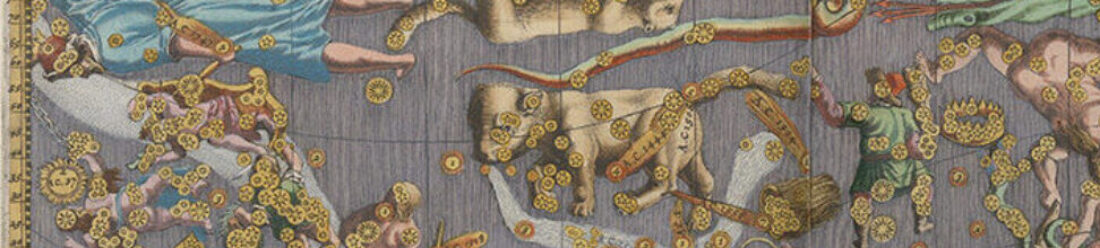

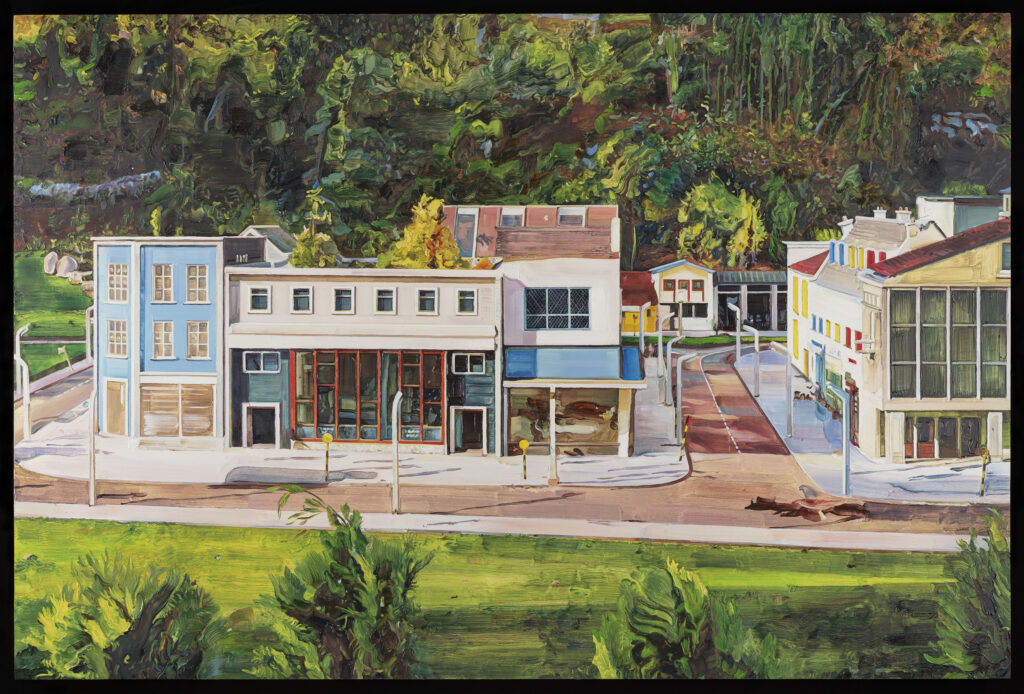
For the last two years we have been working on an exciting project to digitise the University of Edinburgh’s Art Collection. This has been a joint effort between both the Conservation and Collections Management and CHDS teams to create new visual records of the University of Edinburgh’s impressive Art Collection.
Preparing for the Art Digitisation Project – Gaby Cortes (Documentation Assistant)
As a result of funding from the Torrie Endowment, in 2023 I took up a temporary role as Documentation Assistant for the Art Collection. This role lay within the Conservation and Collections Management team and was created with the aim of improving all documentation surrounding the Art Collection.
This project was split into two crucial phases: first I worked to improve existing documentation by uploading a backlog of over 1200 images of Art Collection material to our public online catalogue. Once these images were made accessible to the public. I was then responsible for undertaking a full audit of the collection. The Art Collection contains over 8000 individual works of art ranging from traditional fine art, works on paper, and sculpture, all the way through to our Contemporary Art Research Collection. Auditing this collection took hundreds of hours and involved locating and assessing works spread across all five university campus sites.
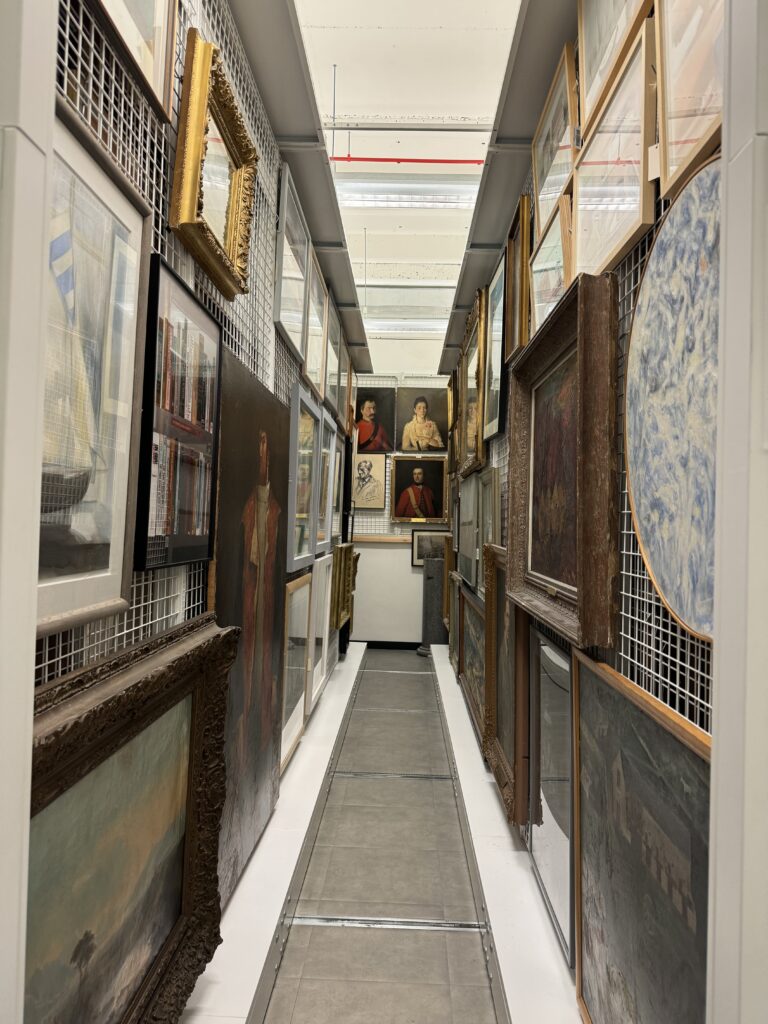
As a result of the audit, we realised that over 2500 artworks were in need of digitisation, having either poor or no reference images at all! I worked closely with Susan Pettigrew, the Digitisation Studio Manager, and Juliette, Malcolm, and George, our team of photographers, to create work packages of the collections that needed photography. This involved collaborating with Susan to create detailed metadata spreadsheets, discussing set views for certain object types and organising logistics for moving collections from our stores to the digitisation studio. Having this approach ensured that the work was split fairly amongst the digitisation team and that there was an uninterrupted supply of collections for photography over the course of the project. Work packages were grouped either by priority such as for new acquisitions or installations, location, collection type (like textiles or works on paper), or if they were a small self-contained collection. This standardised the digitisation requests, which meant that the photographers wouldn’t need to reset the studio for every artwork.
Over the course of this project our photographers worked on a vast range of interesting artworks that presented unique challenges to photograph. Below are just a few examples the collections that were captured and the techniques our photographers used to ensure faithful representations of the works were achieved.
Gillies Ceramics – Juliette Lichman (Photographer)
For the majority of this project, Juliette photographed the Emma Gillies ceramics collection. The vast range of object types has meant that she had to problem solve and devise a range of shooting techniques that best suited the shape and material of each object.
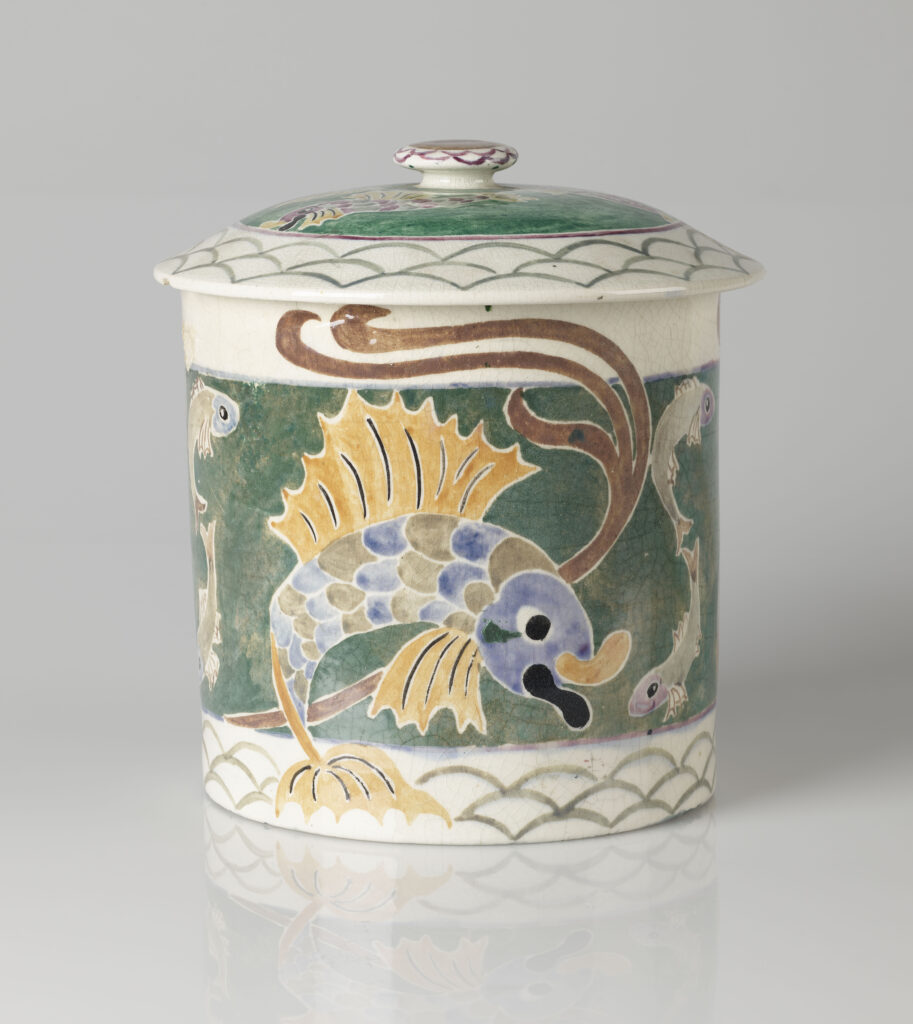
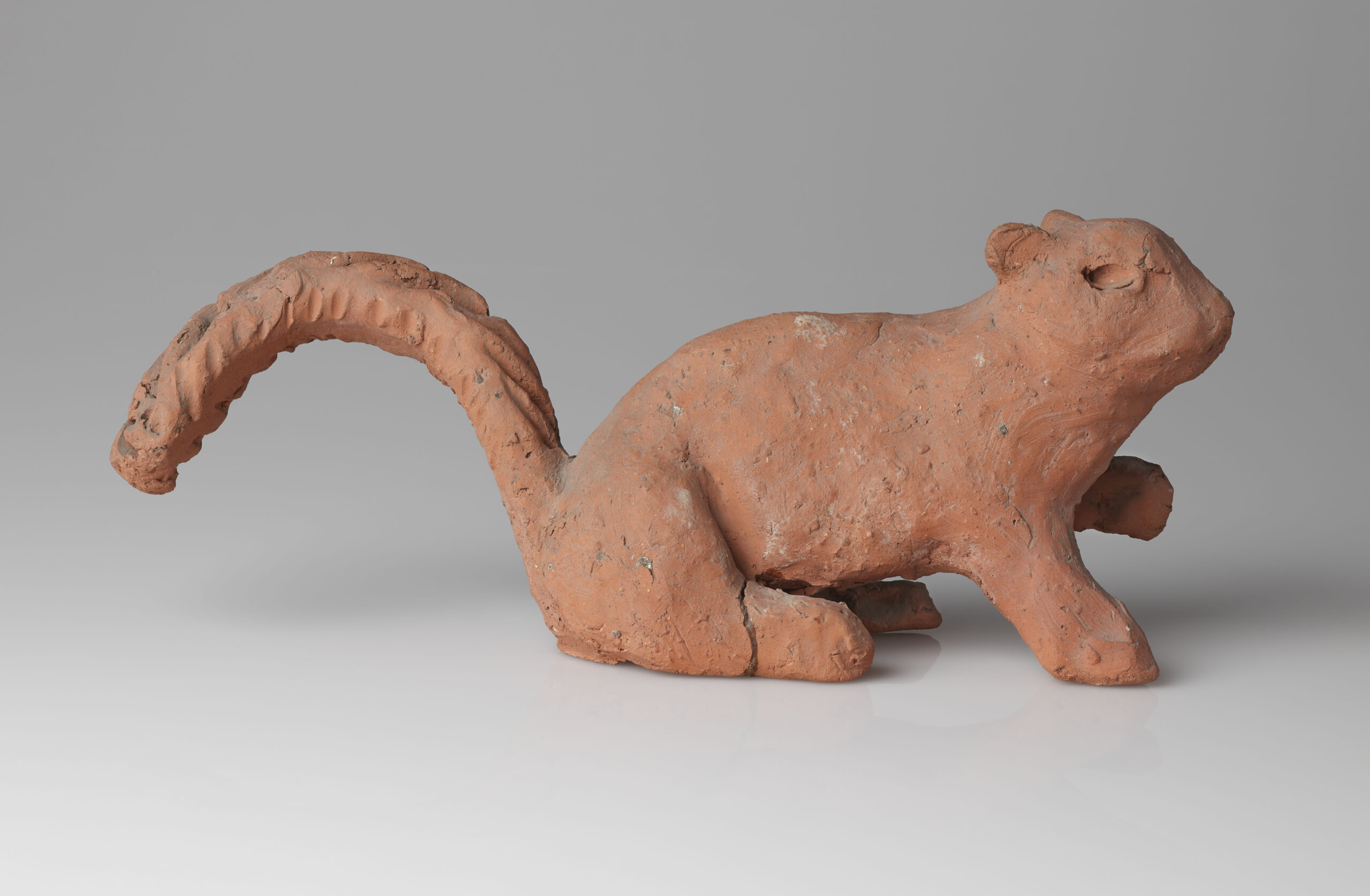
Shooting in batches of 1-2 boxes of items per week, it became clear that it was most efficient to capture the same kinds of objects in succession as they required their own unique lighting setups and processing techniques. Above all, reducing glare and reflections was the most important thing to ensure the ceramics were represented faithfully.
‘Eternal Spring’ – George Hodgson (Photographer)
George photographed a range of works from the collection, including a particularly tricky new acquisition titled ‘Eternal Spring’ – an acquisition from the ECA Degree show which included a set of 10 delicate 3D printed flowers.
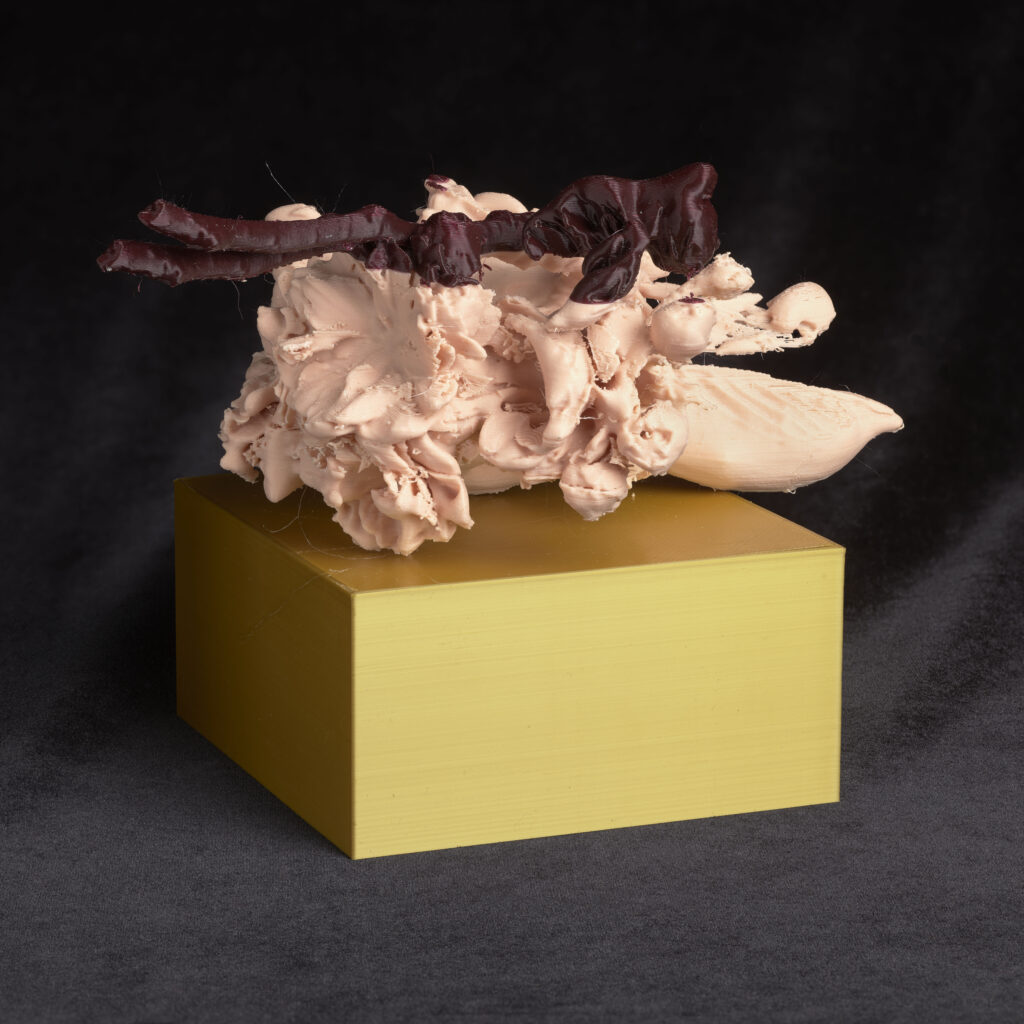
Capturing the delicate filaments of plastic and the complexity of the different colours and surface textures present in the 3D printed surface was a particular challenge here. It required precise balance of lighting, as well as focus stacking, to ensure all aspects of these flowers were captured in crisp detail.
Eduardo Paolozzi Maquettes – Malcolm Brown (Photographer)
Malcolm was involved in the capture of the vast Eduardo Paolozzi plaster maquette collection, updating the existing images with new photographs using carefully fine-tuned lighting, a slightly darker background and more distinct angles, so the white maquettes have more clarity and refinement.
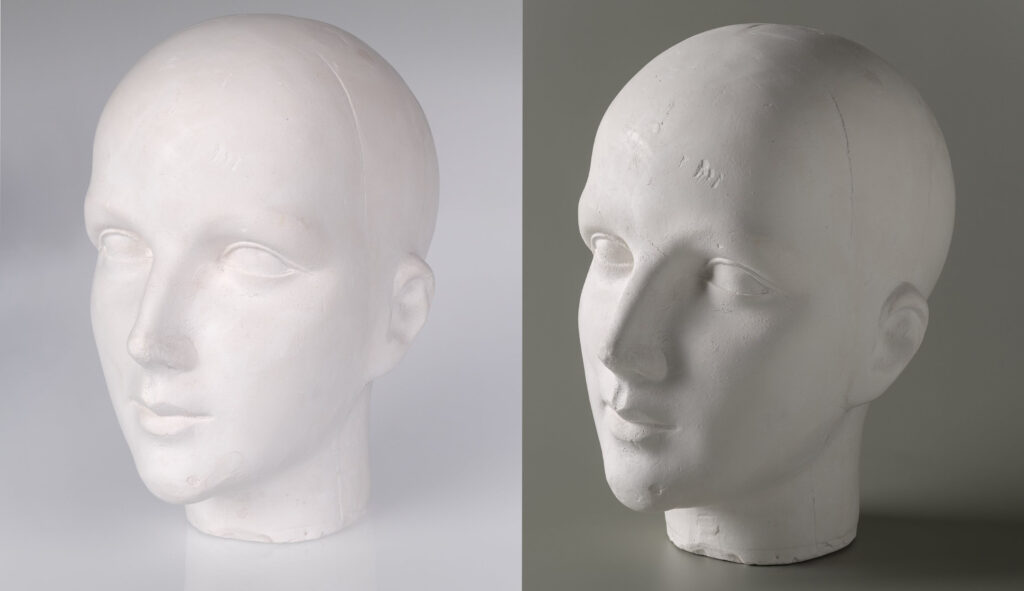
The subtleties of the object come to life; a range of textures, materials and techniques are revealed in these new images, which is beneficial for researchers and art appreciators alike. In addition, despite being record shots the photographs can also be used for editorial purposes as the attention to detail and image quality renders them publication-worthy. This makes our work useful across a range of disciplines and future-proof to limit unnecessary handling of the originals.
Quilt – Juliette Lichman (Photographer)
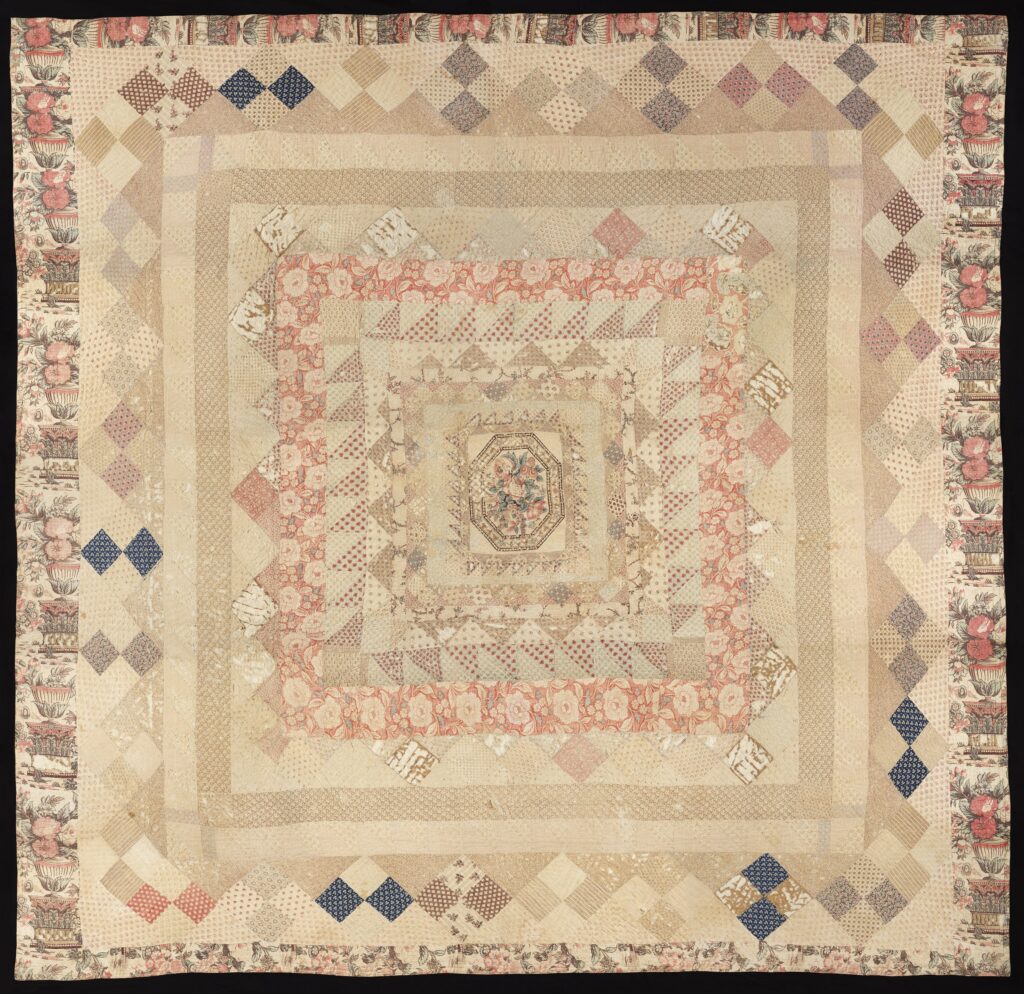
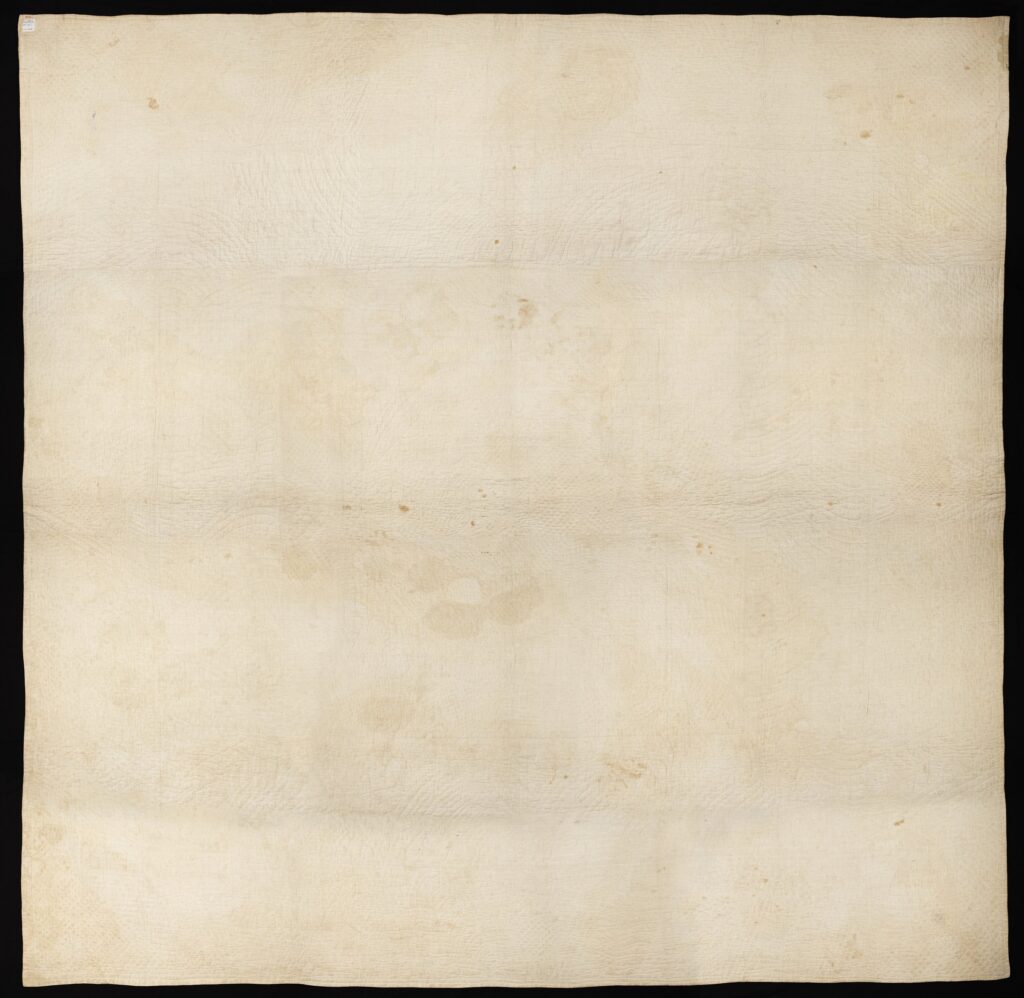
In the later stages of the project, some textiles started to come through the department. One example was a large 2.5m squared 18th century quilt, which presented unique challenges for photography. We are limited in space in the studio, and due to its size the only option was to photograph it on the floor, then digitally stitch the shots together. With the camera on the studio stand as high as it would go and enough overlap between each image for easier blending, this still took 15 photographs to capture the front side. With Gaby Cortes on hand to help with the delicate unwrapping and handling of the piece, the capture took a full day for the front and another for back of the quilt. The lighting remained consistent, but even so, there were some small discrepancies that had to be corrected during post-processing.
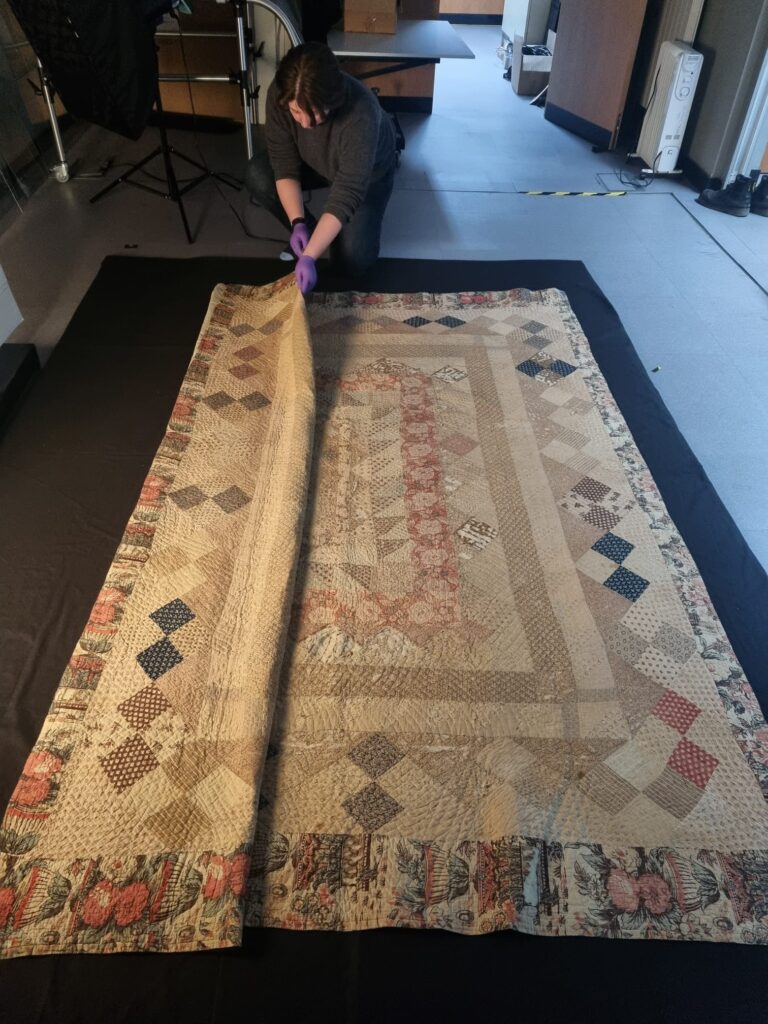
The stitching of images took a significant amount of time, due to the precise and careful placement of overlapping images and aligning the patterns on the printed cotton. In many cases the images had to be pattern matched on all four edges of the photographs. Digitally stitching fabric in sections is also notoriously tricky as the minuscule grid-like structure of woven fabrics needs to match up perfectly or there is an obvious blur or mis-match across the join, which can be very obvious. Additionally, the material was regularly disturbed due to the necessity of folding and rolling the sections of the quilt during capture, which meant that the source images were not always perfectly aligned along the entire edge.
Overall, the Art Digitisation project has been very successful, generating 553 brand new images of previously undocumented parts of the Art Collection. We hope these new record shots will aid in future research and assessment, and bring more awareness to the university’s incredible Art Collection, especially the lesser-seen pieces. And, if this has piqued your curiosity and you want to see more of these wonderful images, you can visit our public online catalogue here!
Gaby Cortes (Digitisation Operator) & Juliette Lichman (Photographer)