
This short animation uses a simple shopping bag analogy to explain the science behind personalised medicine. AMBER research is focused on identifying the key genetic…
Leave a CommentAuthor: Iona

Researchers used data from over 71,000 health records to help identify a definition for treatment-resistant depression (TRD). They found that 2+ switches between antidepressants and/or…
Leave a Comment
In this blog post, we explore how researchers detect small genetic variations between individuals and bring them together into a single score. We’ll also look…
Leave a Comment
Researchers used computer technology to gather together clinical trial data from the US and EU and identify which ones had collected blood samples or genetic…
Leave a Comment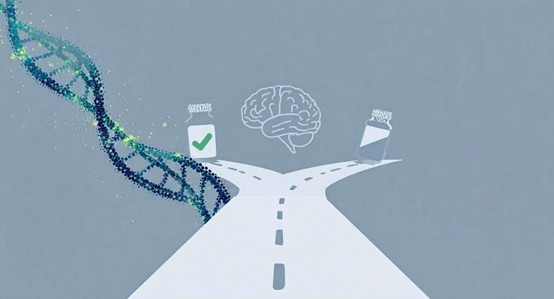
Researchers identified a DNA pattern in one dataset and used it to predict antidepressant response in another dataset. Although it is early days, this finding…
Leave a Comment
Researchers found that people who switched from an SSRI to another type of antidepressant had similar genetic patterns to those who didn’t get better in…
Leave a Comment
Understanding mental health—and the many factors that influence it—requires large amounts of detailed information. To help with this, researchers in Scotland created a new project…
Leave a Comment
Depression affects millions of people worldwide, and while medications called antidepressants can help, they don’t work for everyone. In fact, only about one-third of people…
Leave a Comment
In this first of three posts, AMBER researchers explain some of the background to the project, including some of the things we already know and…
1 CommentIn this video, Professor Sue Fletcher-Watson (University of Edinburgh), introduces the AMBER project and gives an overview of each ‘work-package’ [group of people working together…
Leave a Comment