

Why I decided to do a masters at Edinburgh
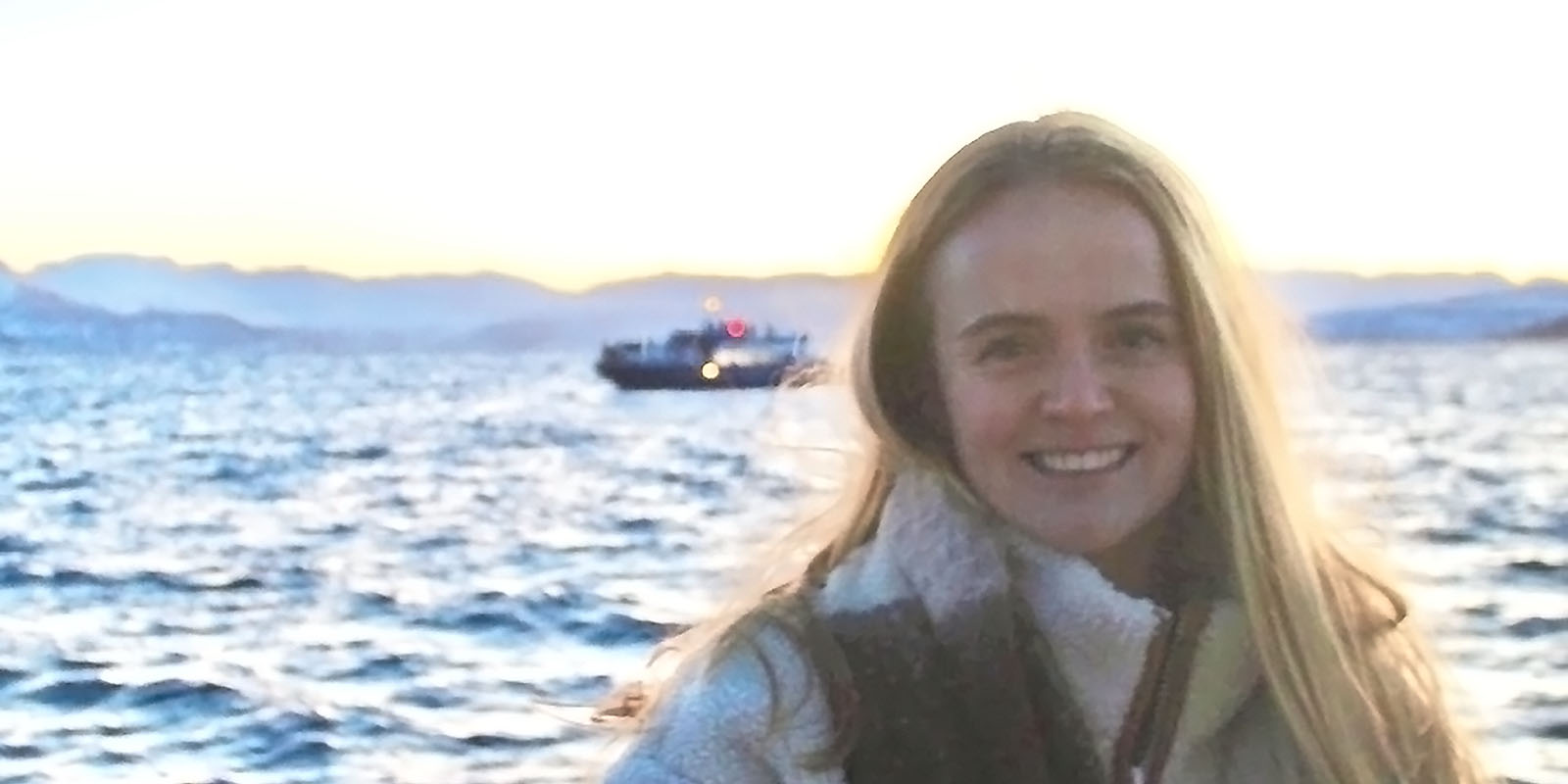
By Allie, from the USA, studying MSc Climate Change Management
I’m Allie, a masters student from the United States, currently on the one-year, full-time MSc Climate Change Management programme. I decided to do a masters in order to change career and pursue a passion. I did my undergraduate studies in Neuroscience and French, so I had a bit of a science background, but changing to climate change management was a pretty big change.
While some of my classmates have progressed directly from undergraduate study, many others, like myself, have returned to studying after working for a while. In the three years prior to starting my postgrad, I worked in France as an English teacher.
I wanted to move into a new field and follow a passion for something that had always been under the surface – the topic of environmental justice. I guess my hope in pursuing this programme is to find a way to help make the world a better place through the skills and knowledge that I’ll gain.
Paying for my masters
Funding my studies and paying tuition fees has been an interesting experience, particularly as a student from the United States, where I think there’s a certain level of desensitisation to the costs involved with university study. I’m using student loans from the US, although I know there are lots of other payment options that I’ve talked with my fellow students about.
So, that’s just my path, but there are lots of ways to fund it and obviously depending on where you’re from and what you’re used to, you’ll either find it to be more or less expensive.
How does it differ from undergraduate studies?
I typically have a few lectures each week and they will typically last an hour or two. There are generally 30 to 40 students in a lecture, which is much smaller than what most people are used to at undergraduate level – certainly that’s my experience.
I also have seminars which usually follow the lectures. In seminars you’ll go into even smaller groups, sometimes with a lecturer or a PhD student. Here, you discuss different topics in more depth. You’re usually given material that you need to have completed before the seminar. It could be something to read or sometimes it may be a video or another type of material to engage with. In the seminar, you’ll be broken down into smaller groups and work on the material together.
Compared to my undergraduate studies, I have far fewer contact hours – and that can be quite challenging because you have to really hold yourself accountable in terms of how you manage your time outside of the class. I’ve found staying on top of the deadlines to be a real challenge, because I’ve had a couple years off from studying, so I’m kind of re-learning how to be a student.
Specialisation and academic freedom
On my programme, you certainly get the opportunity to specialise, while also having the chance to do something quite different. For instance, I have three classes each semester and one of those is optional and for this one, you can choose from across the entire School of Geosciences.
So even if you’re doing Climate Change Management, like myself, you can tailor what you learn to whatever you’re interested in, whether that’s Marine Sciences or the Principles of Sustainability.
The dissertation at the end also gives you flexibility, allowing you to pick a very specific topic that you want to delve into and study this topic for several months. Compared to undergraduate, I think the focus is much deeper and you can tailor your postgraduate degree according to your specific interests.
Preparing for my dissertation
Although I’m only a few months into my masters and the dissertation is still relatively far away, it is already something I’ve been thinking about. When I’m engaging with readings or research, I find it useful to keep notes on topics that interest me, as it’s going to be helpful when I start work on my dissertation.
My programme also has a long meeting (2 to 3 hours I think) coming up next week, which is designed to start preparing us for the dissertation and get us thinking about it. That’s going to be very useful.
Another wonderful thing about my programme and across the School of Geosciences is the guest speakers they bring in and the different events they organise. I don’t recall experiencing anything like that during my undergraduate studies. These talks provide a really good opportunity to engage with scholars from different universities, and sometimes that is where you’ll find ideas that might spark the interest for your dissertation.
Got questions about student life at Edinburgh?
Allie was speaking with us during the ‘So what exactly is a masters?’ session during the Postgraduate Virtual Open Days in November 2025.
To participate in one of our upcoming postgraduate events, view the upcoming event schedule: