Stage Summary and Reflections on This Week’s Curatorial Work
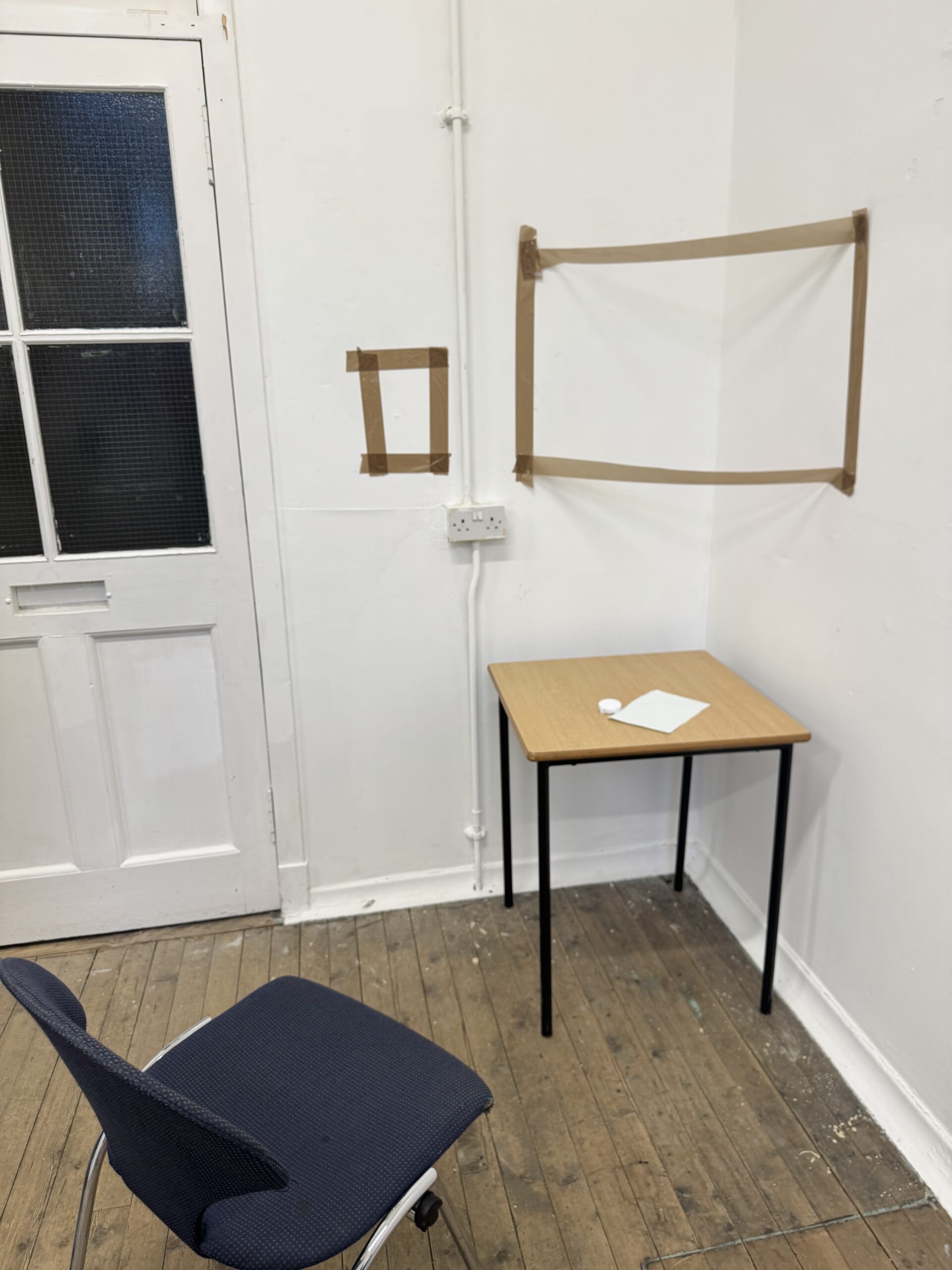
The key focus of this week’s collective exhibition planning was centered around deepening the content of the group exhibition, determining the artworks to be exhibited, conducting on-site inspections of the exhibition space and planning the layout of the works. At the same time, the preliminary calculation of the exhibition budget and the systematic organization of the artists’ information for the exhibition were completed. This stage of work marks the gradual transition of the project from the initial concept planning to the implementation stage, creating a real connection between the curatorial concept and the actual space, and laying the foundation for the subsequent work process.
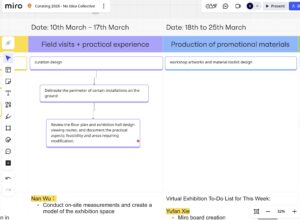
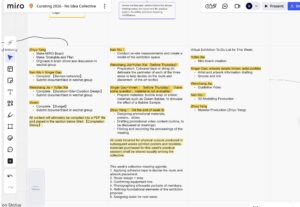
At the level of exhibition content, this week we further refined and improved the overall narrative structure of the exhibition. The exhibition focuses on the core topic of “Life Force and Natural Systems”, and constructs three progressive exhibition chapters through spatial narration: Rhythm – Entanglement – Renewal. The video and art installations in the entrance area mainly guide the audience to pay attention to the most basic rhythms and changes of life, such as microscopic life activities and changes in the natural environment, thereby establishing a state of perception of the natural system; in the middle section of the exhibition, by emphasizing the symbiotic relationship and ecological interaction among different life forms, the audience is guided to shift from observing nature to understanding the complex ecological network; in the final space of the exhibition, the works mainly focus on time, environmental changes, and the impact of human activities on the natural system, guiding the audience to think about the impact of human activities on nature and the possibility of the future relationship between humans and nature. Through this spatial narrative structure, the exhibition forms a rhythm similar to “breathing”.
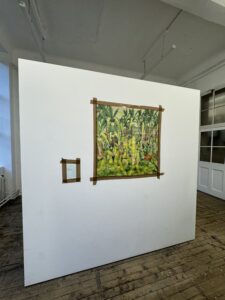
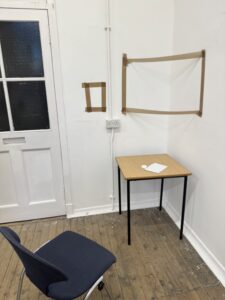
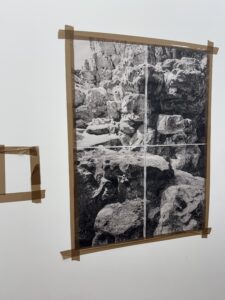
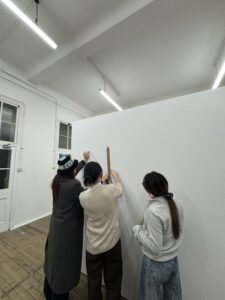
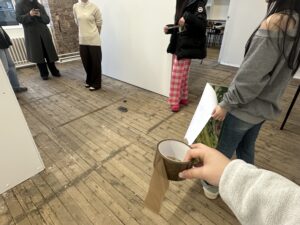
After the content framework became clearer, the group members went to Summer Hall for a field study on Thursday and made preliminary plans and size measurements for the placement of all the works. By actually entering the exhibition hall environment, they recorded and analyzed the wall dimensions, spatial flow, distances between the works, and the possible viewing paths of the audience. This practical process made me realize that curating is not merely the design of theoretical narrative structures, but rather a highly space-dependent practical work. Many painting works and art installations seem to be arranged reasonably on the floor plan, but in the actual exhibition space, they need to be re-adjusted. For example, larger art installations require a larger viewing distance visually, and their placement will affect the organization of the overall flow. These details can only be truly understood after the field study.



Leave a Reply