
Our initial plan for the 8 sessions through March to May 2025 evolved from its tentative stages as the sessions went on. Our timeline was:
- Monday 17th March (4-6pm)
- Friday 28th March (3-5pm)
- Friday 4th April (3-5pm)
- Friday 25th April (3-5pm)
- Friday 2nd May (3-5pm)
- Monday 5th May (4-6pm)
- Friday 9th May (3-5pm)
- Friday 16th May (3-5pm)
We progressively updated the plan based on the conversations and responses from the participants.
Session 1 – Introduction
In this initial workshop, we welcomed students and did a quick ice breaker and administered an adapted version of the critical consciousness questionnaire. We then posed the following questions:
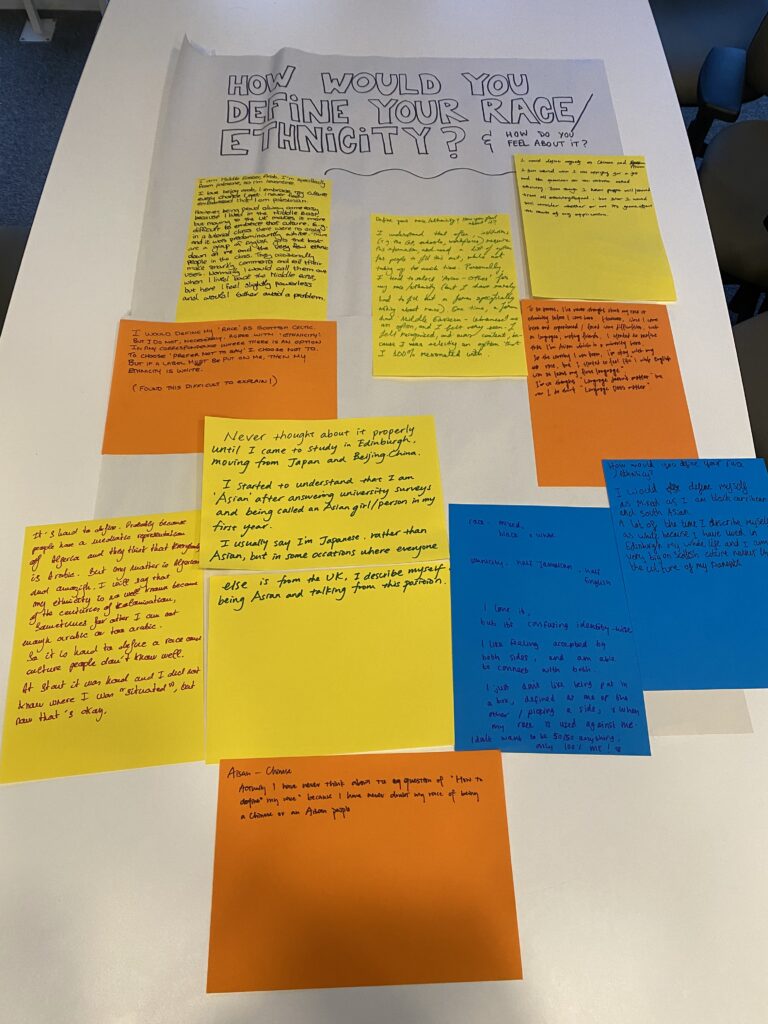
- How would you define your ethnicity/race? And how do you feel about it?
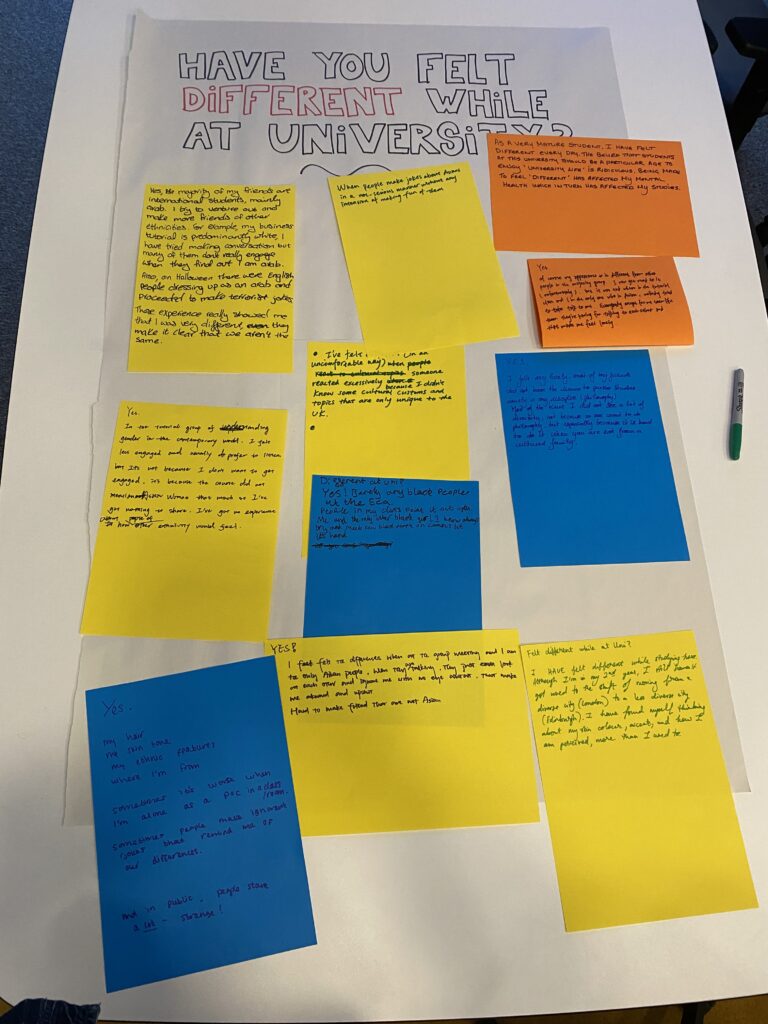
- Have you felt different while studying at the University?
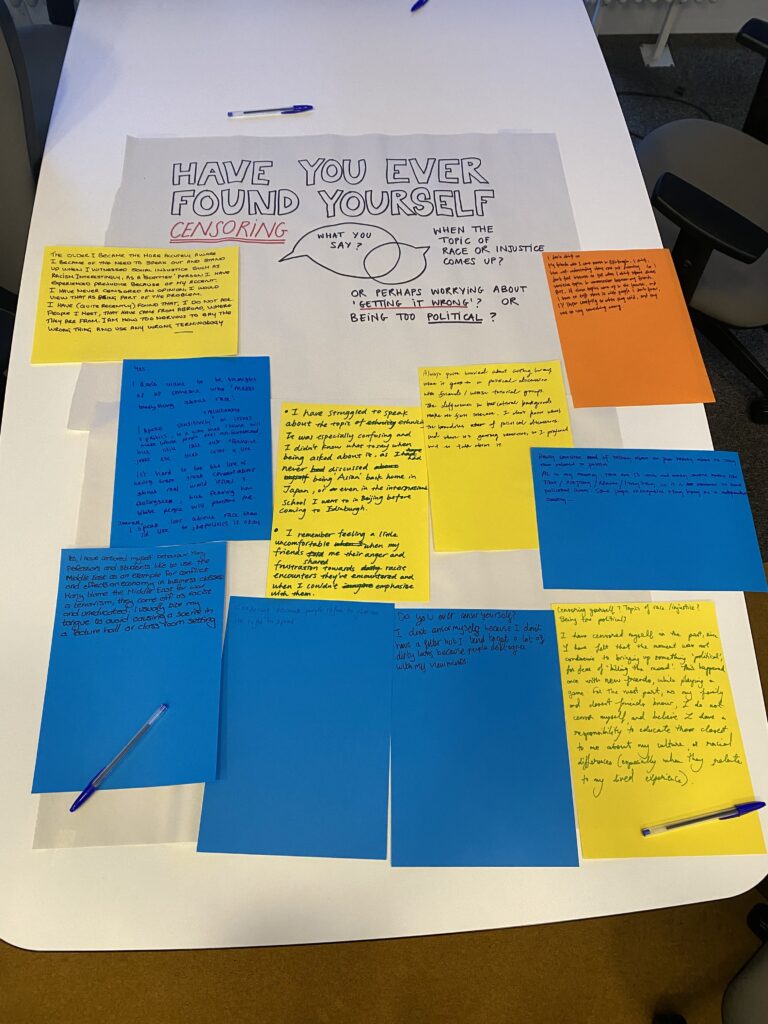
- Have you ever found yourself censoring yourself, when the topic of race or injustice comes up worrying about ‘getting it wrong’ or perhaps being too political?
After students wrote down their answers, they had a chance to read each other’s responses and then have a focused discussion reflecting on their current experiences of learning and interacting with racial differences at the University.
<need to make this confidential>
Session 2 – Problematising experience I: Individual positionality
This workshop was divided into three parts:
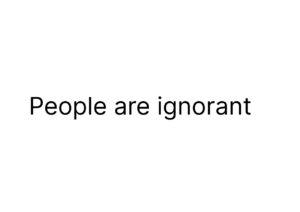
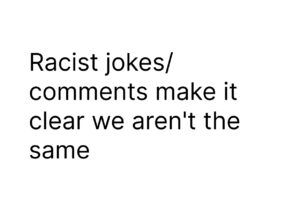
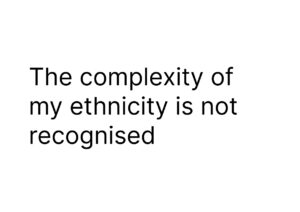
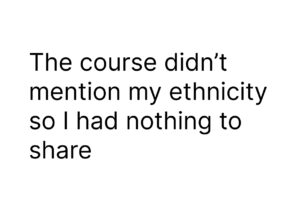
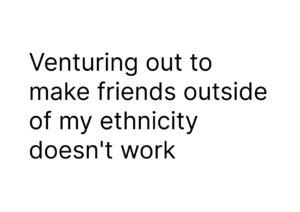
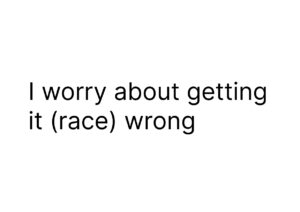
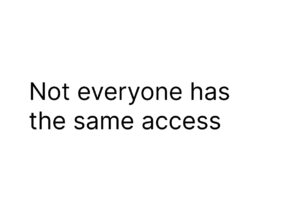
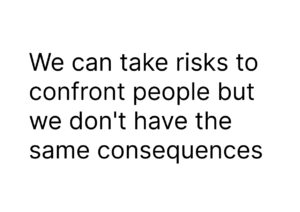
- First, we – the facilitators – presented the themes discussed in Workshop 1 to the students for them to correct, amend and co-analyse.
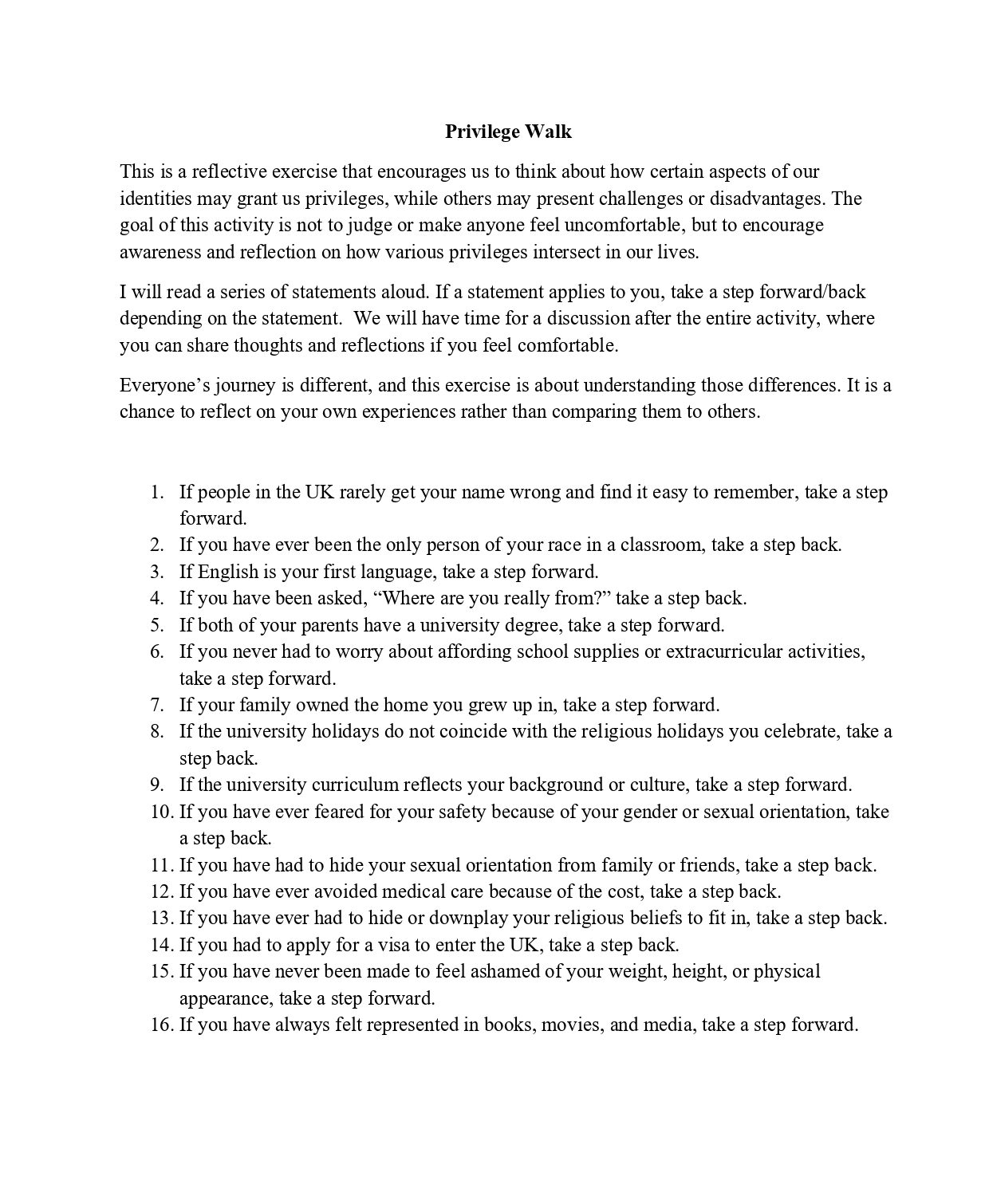
- Second, we invited students to participate in a privilege walk (an interactive activity where participants step forward or backward based on statements reflecting social advantages or disadvantages, highlighting differences in privilege).
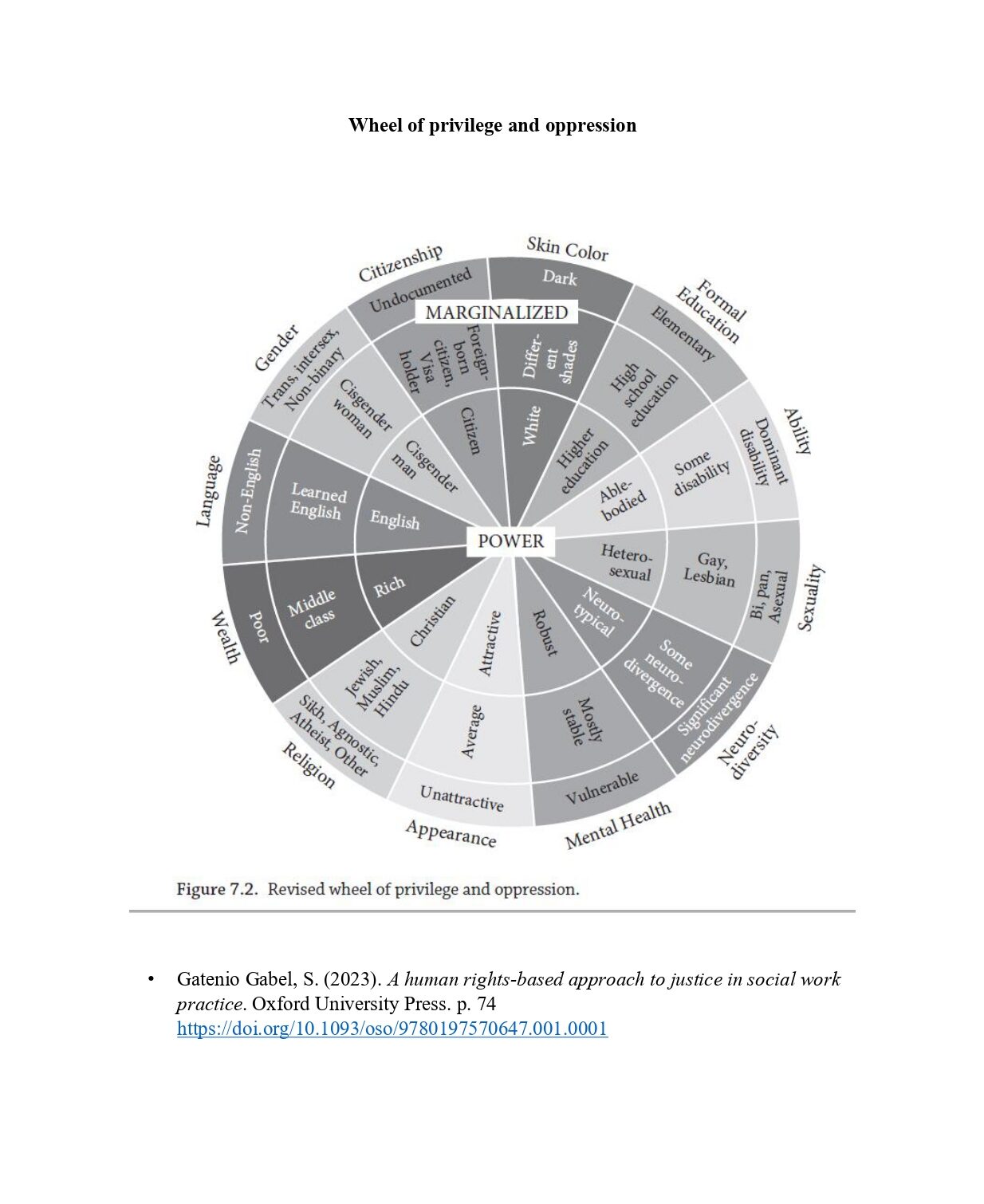
- In the final part of the workshop, we introduced the wheel of privilege (Gatenio Gabel, 2024, p. 74) and held a group discussion about the experience of the above activities and the ideas or themes emerging from them.
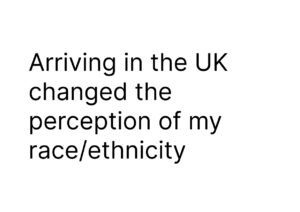
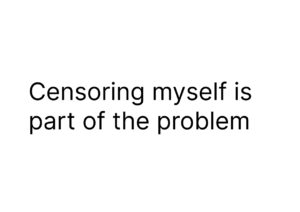
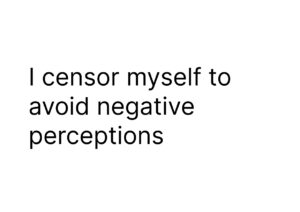
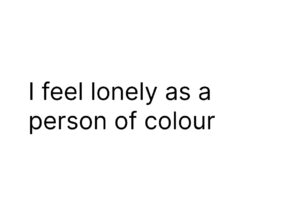
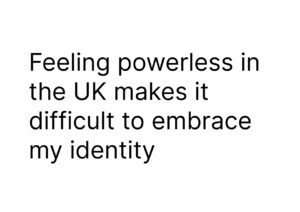
The themes we presented (using participants’s own language from Session 1):





Session 3 – Problematising experience II: Historical and generational experiences
This workshop was divided into two parts:
- First, we invited students to produce an individual critical genogram.
- Second, we held a group discussion about the experience of producing these genograms and the ideas or themes emerging from them.
<critical genogram example image>
Session 4 – Co-analysis session
In the fourth workshop, we began our co-analysis. We offered the themes found in the previous three workshops for students to expand on and co-analyse. To facilitate this activity, we provided theory cards designed by the facilitators.
<theory cards image>
Session 5 – Interracial dialogue
Based on the discussions and activities from previous workshops, this session focused on facilitating an intentional dialogue across racial differences in the context of learning and teaching. We had two questions to help launch the dialogue:
- How do you feel your race/ethnicity affects your experience at the University?
- Have you heard something here that has impacted your understanding of race/ethnicity?
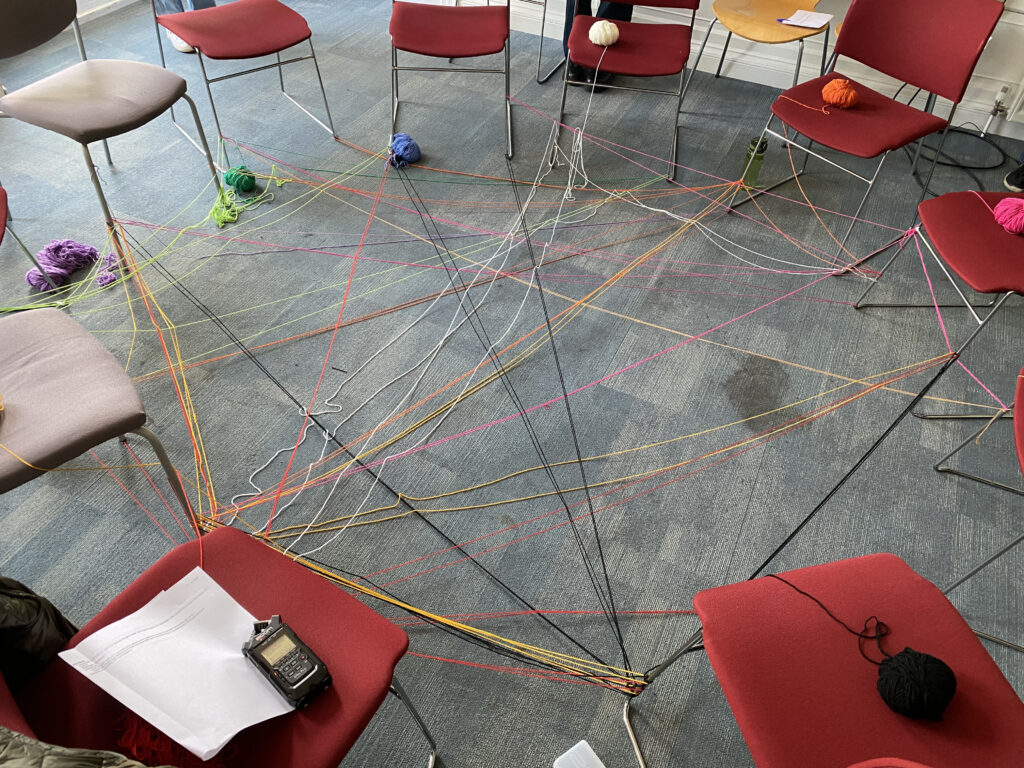
To represent the dialogue visually, we each tossed a ball of yarn to someone we were speaking with, creating a visible web that mapped the network of conversations.
Session 6 – Co-analysis session
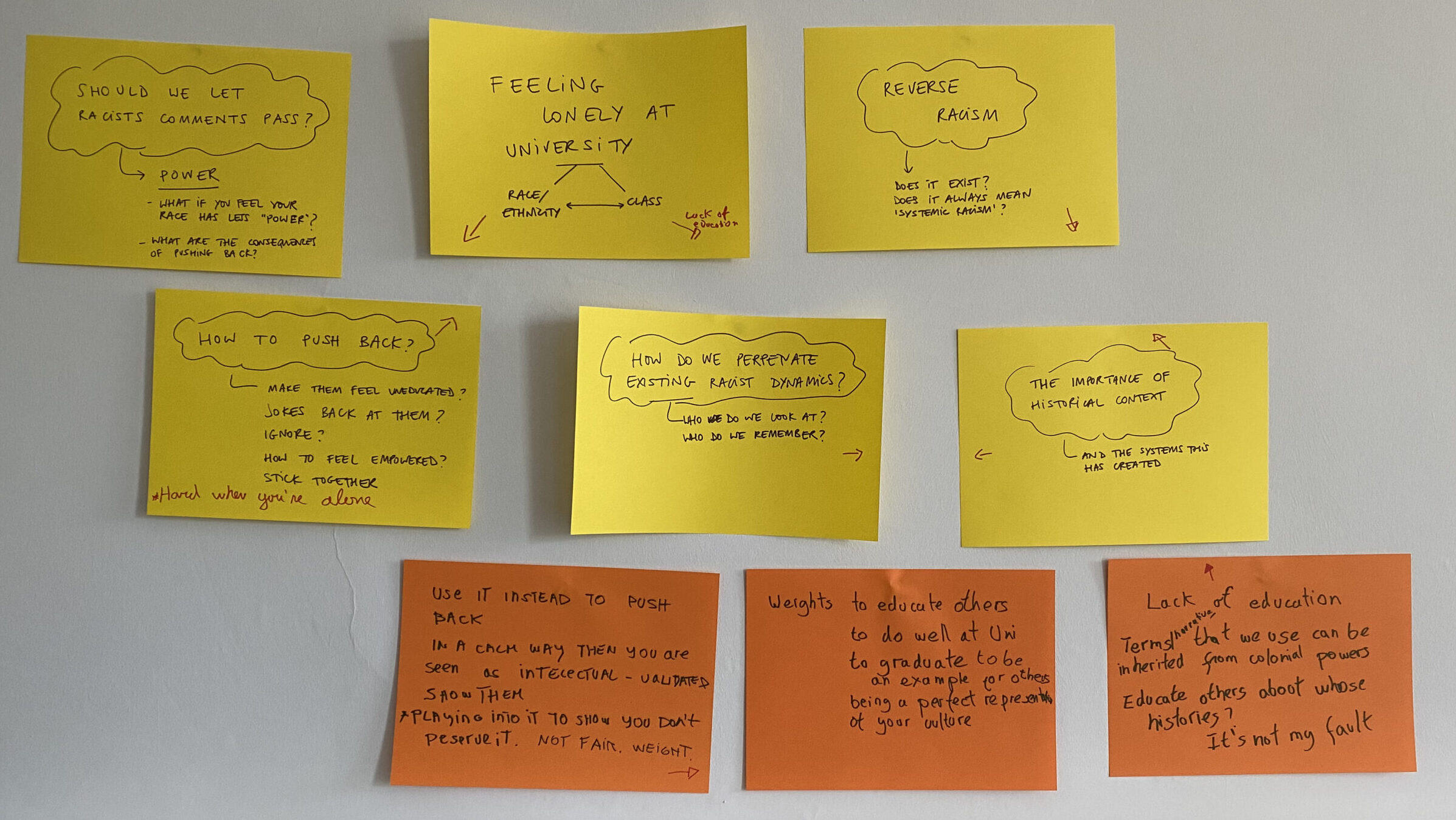
In this workshop, we began with a reflexive writing exercise to note down what stayed with them from the previous workshop, which was then shared in the group.
We then conducted a collective analysis of what emerged in the previous session: learnings, challenges and generative themes for further exploration.
At the end of the session, we provided students with more information about the photovoice activity for Workshop 8.
Session 7 – Practical design strategies
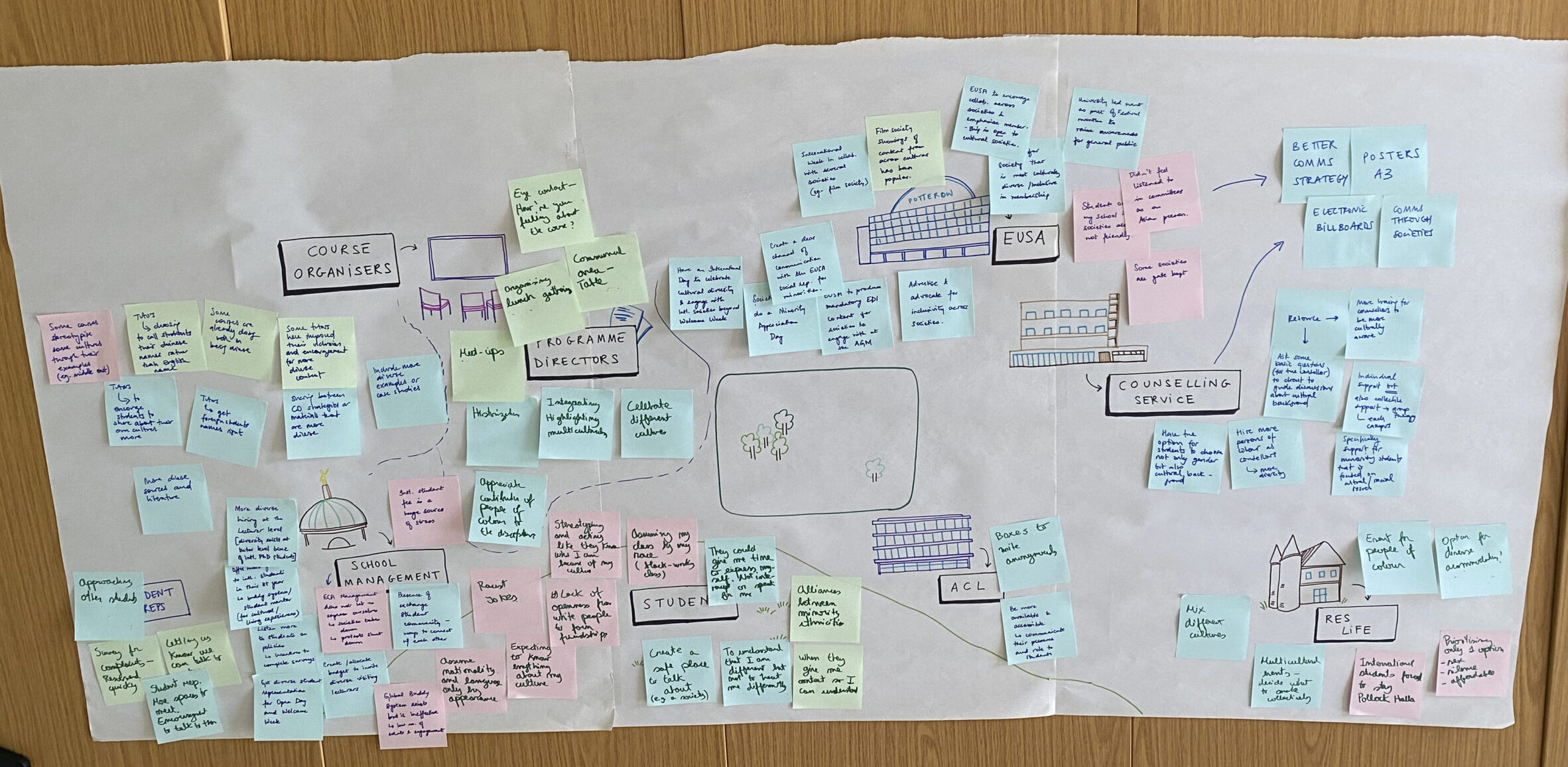
In this workshop, we turned to designing practical lessons and actions that can be done at institutional and interpersonal levels to address challenges in working with diversity in learning and teaching contexts. To do this, we held a collective discussion aided by a visual map of the university campus with different stakeholders.
Session 8 – Conclusion: photo voice exercise
In the final workshop, we invited students to share their photo voice photographs and diary entries. We also distributed critical consciousness questionnaires for students to complete. At the end of the session, we closed with some concluding thoughts and reflections, and an invitation for those who wished, to present their photo voice photographs at the Knowledge Exchange event organised as part of this project (10th October, 2025), and/or at University Learning and Teaching Conference in 2026. We have a recording of our presentation from the KE Event as well as a digital version of the Photo Voice gallery.
