

Category: PhD Life
Life as a PhD student.
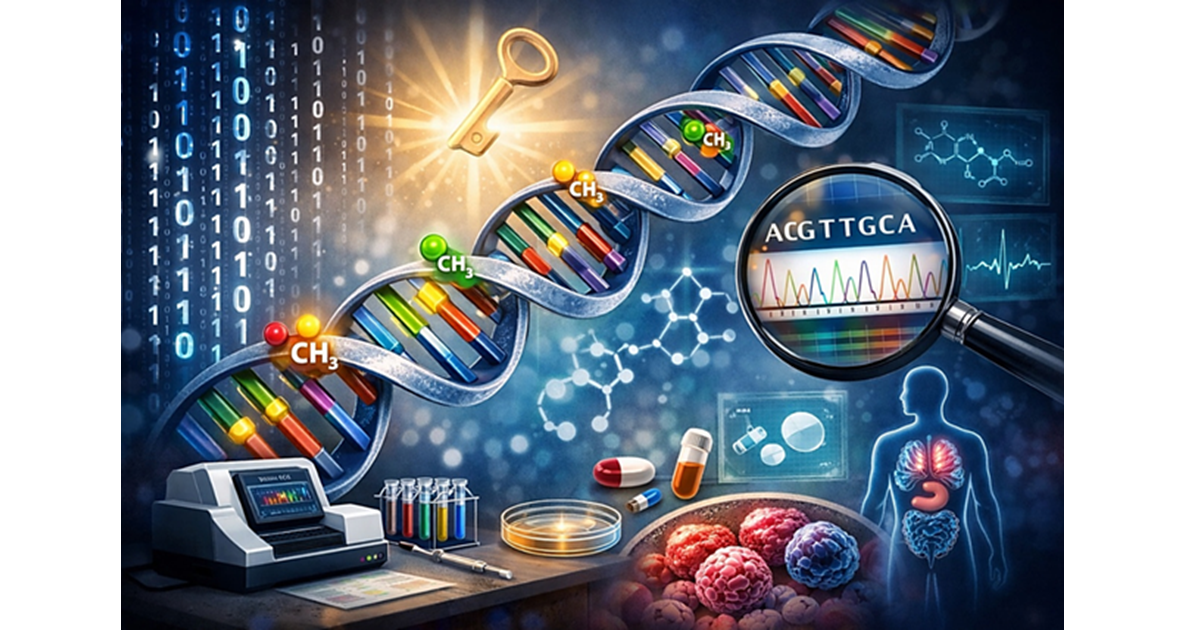
We all know that DNA (four chemical letters: A, T, C, G) encodes the genetic information of our lives, including appearance, growth, and even genetic diseases. It performs like an instruction book that tells our cells how to function. However, do you know how we decrypt this personal book and apply it for diagnosis and […]
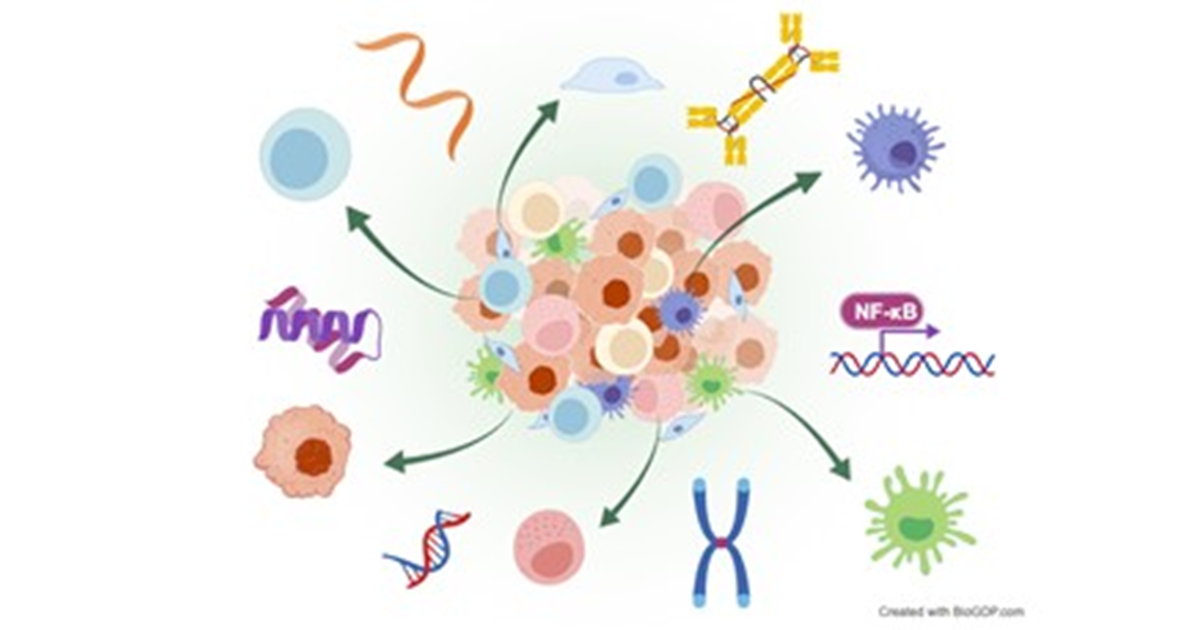
By Yuqin Wang, PhD student Life is built upon cells, the basic units of all living organisms, much like bricks form the foundation of buildings. To gain deeper insights into cellular structure, function and interactions, a wide range of technologies is used in biomedical research to unravel the complex mechanisms underlying living organisms. These methodologies […]
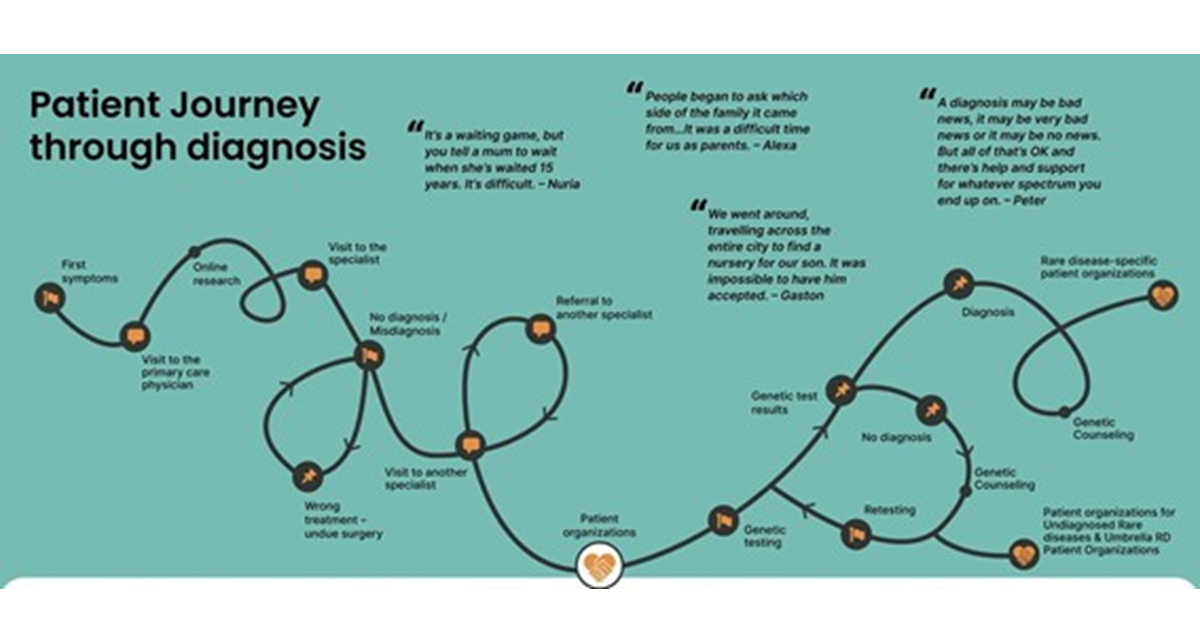
By Cléo Pereira De Almeida, PhD student I remember swinging my legs in the waiting room chair. My brother and parents were behind a closed door that the nurses kept insisting I could not enter. Still, I could hear my mother crying. Appointment after appointment and test after test, a quiet realisation began to form: […]

By Elllie Richards, PhD student All living things, from people and animals to trees and bacteria, have a genome: a complete manual written in the language of DNA. This encodes instructions for how to make proteins, the building blocks that make and control our bodies, controlling everything from cellular motility and survival all the way […]
As researchers and academics, sometimes we can get a bit caught up in our world of experiments and data – we don’t think about the daily struggles of people living with the conditions we study. Rare diseases are categorised as conditions affecting fewer than 1 in 2000 people. They are individually infrequent, but collectively common, […]
With applications invited for the August 2026 ECAT-i (Edinburgh Clinical Academic Track – inclusive) intake, Antonia Churchhouse talks about her experience of taking part in the programme. Antonia applied to the University of Edinburgh’s ECAT programme in her first year as a Gastroenterology Registrar. I was really keen to do a lab-based PhD, learning core techniques that […]

By Sunandan Mukherjee, Laboratory of Bioinformatics and Protein Engineering, International Institute of Molecular and Cell Biology in Warsaw When we think of a research visit abroad, we often imagine long hours in the lab, scientific discussions, and perhaps the occasional sightseeing weekend. My journey to the Institute of Genomics and Cancer (IGC) at the University of Edinburgh, however, […]

Gunjan Sinha, from the Max Delbrück Center in Berlin, interviewed Yun-Hsuan Huang about her experience of spending two weeks in Professor Nick Gilbert’s lab at the Institute of Genetics and Cancer as part of a PhD exchange program in Medical Systems Biology. How did you first hear about the exchange program? I came across […]

By Josie Robertson As a PhD student in the Marioni group here at the IGC, I recently had the opportunity to contribute to an international study seeking to understand associations between DNA methylation and cells of the innate immune system on ageing and related health outcomes. DNA methylation patterns (called Epigenetic clocks) measured across our […]
By Ewa Ozga, MRC PhD Student in Human Genetics, Genomics, and Disease The Edinburgh Super-Resolution Imaging Consortium (ESRIC) is an initiative connecting state-of-art imaging facilities staffed by an exceptional team which works towards advancing microscopy techniques and sharing knowledge and resources. The consortium is a collaboration between the University of Edinburgh’s Advanced Imaging Resource at […]
