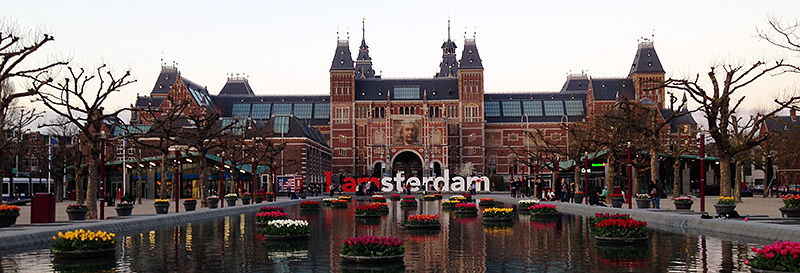
 It is hard to believe that more than a month has passed since the fantastic “2 and 3D: Practice and Prophecies” Conference at the Rijksmuseum in April. So much was packed into those 2 short days: standardisation in colour and targets (who knew standards were so non-standard?), mass-digitisation and bespoke object specific photography techniques, panoramas, multispectral and 3D imaging, digital asset management and the role of photography in heritage institutions. This was a heritage photography event not to be missed, which is why I was delighted when the Association for Historical and Fine Art Photographers (AHFAP) offered me their competition bursary to attend. I gathered so much information in Amsterdam that I am still sifting through the notes and links and chasing up my post –conference ‘to do’ list! However, I would like to share a few of my highlights from the conference. Continue reading “2 and 3D Reflections”
Category: News
Explore the Geology with LUNA
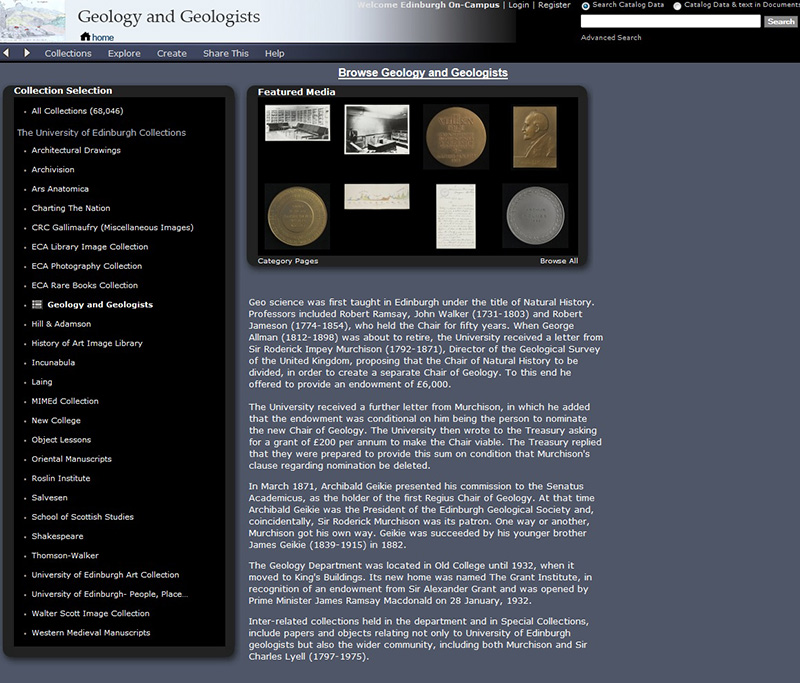
Last week we were very excited to see a new LUNA collection go live- ‘Geology & Geologists’. This brings together images from the CRC’s Lyell collection (a wonderful mixture of correspondence and drawings), Arthur Holmes Geology medals, as well as recent images from The Cockburn Museum, School of GeoSciences. The Cockburn collection contains photographs of past Professors, and historic photos of the department as well as plates of fossilised fish.
Continue reading “Explore the Geology with LUNA”
3 Additions to the LUNA Book Reader Collection

We kick off 2015 with the addition of 3 new Book Readers added to LUNA. The first two are both music manuscripts that came down to the DIU as part of the Readers Orders trolley. It is not often that we receive volumes to be digitised in their entirety this way, so it seemed a good opportunity. As a result we spared a bit of time to do the additional work to prepare them for the book reader software after the High Resolution images had been delivered to the customers. Continue reading “3 Additions to the LUNA Book Reader Collection”
Making the Most of the Intern(et)
Our wonderful Intern Gemma is leaving us today, but she has managed to squeeze in one more post before she goes. Gemma has done some really amazing work for us, after completing her cataloguing project of Oriental Manuscripts (her work can be seen here http://images.is.ed.ac.uk/luna/servlet/UoEsha~4~4 ) in record time, she has helped out with Flickr, Walter Scott and a new project about not yet officially started too. I’d like to say a very big thank you to Gemma for all her hard work- we’re going to miss her! Over to Gemma…

Since I finished my project with the Oriental Manuscripts Collection a few weeks ago (see my blog below for more info http://libraryblogs.is.ed.ac.uk/diu/2014/07/02/discovering-the-orient/#more-931 ), I’ve been working on a few other projects to make the most of my remaining time here at the CRC. Of these, one of my main tasks has been to update the department’s Flickr account (https://www.flickr.com/photos/crcedinburgh/).
Continue reading “Making the Most of the Intern(et)”
The Staff Portrait V’s the Selfie
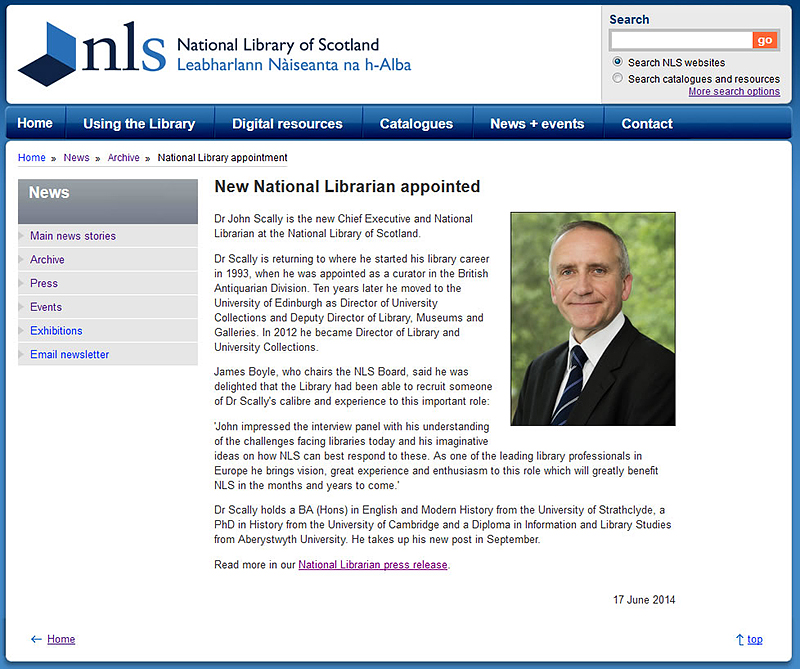
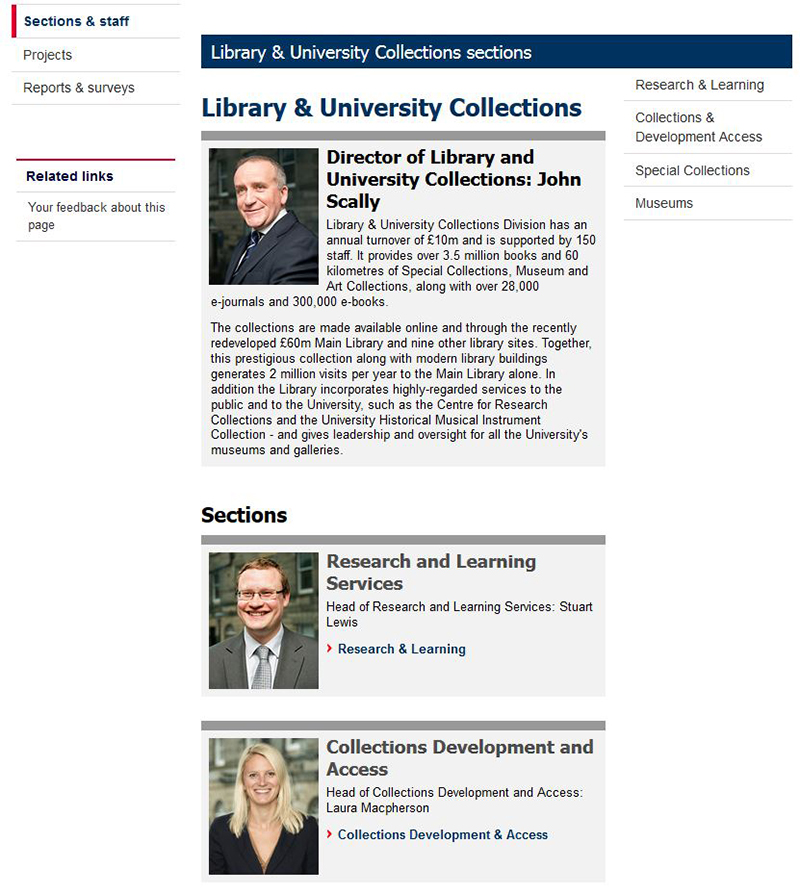
Over the years the Digital Imaging Unit have grown into the role of photographing official Library staff portraits. These images are used by the Library online to identify teams and in publications like the Piper when there is a focus on a department. In general terms the prospect of a staged portrait sends most staff fleeing for the Pentland hills. Some staff point blank refuse using colorful metaphors to explain why they will not do it and certainly most staff are guaranteed to be unhappy with the resulting image. It is without a doubt the least popular aspect of the the work we do in DIU. However most staff accept the formal portrait as a necessary evil a bit like going to the dentist. There are also a minority who are comfortable with the concept. What I have come to realise in this role is that I almost always only have about three shots right at the beginning of the session to capture a reasonable portrait. After those first three clicks the sitters brain goes of to an unusual place and we end up with overly self conscious faces that are beginning to do weird things with their facial muscles resulting in contorted bizarre expressions ending with an uncomfortable grimace. In this dominant age of the selfie I feel there is still a role for an official staged portrait and we don’t need to look any farther than the University of Edinburgh’s historic collection of staff portraits to see why they are an important record of individuals at work. Maybe the staff selfie should replace the staff portrait? Lets discuss………..
Malcolm Brown, Deputy Photographer.
Building History
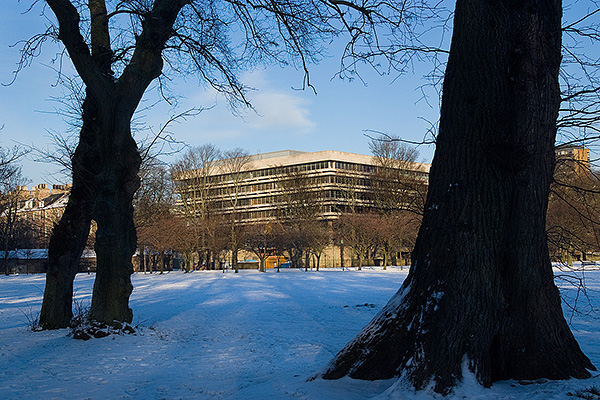
As part of our role here, Malcolm and I have taken many photographs of the Main Library. Over the years this has built up an archive of born digital images that show the life of the Library. Before and after shots of the Main Library Redevelopment Project, seasonal shots of the building and campus environs, students using the facilities and CRC events- such as exhibition openings, have all been documented.
Occasionally, one of us has to play a cameo role in the photo’s on those days we just can’t seem to get a student in the right spot, Malcolm stars in this one…
Continue reading “Building History”
The Piper Magazine Photography
For many years the Digital Imaging Unit have been the primary photographers for The Piper Magazine. The Piper is The Friends of Edinburgh University Library twice-yearly illustrated newsletter. The DIU enjoy the challenge of photographing a diverse range of fascinating material that comes our way for the magazine. This has included the friends purchase of Holinshed’s Chronicles on one occasion and this new edition demonstrates particularly good marriage between the layout design of Mark Blackadder and the photography of DIU photographer Susan Pettigrew.


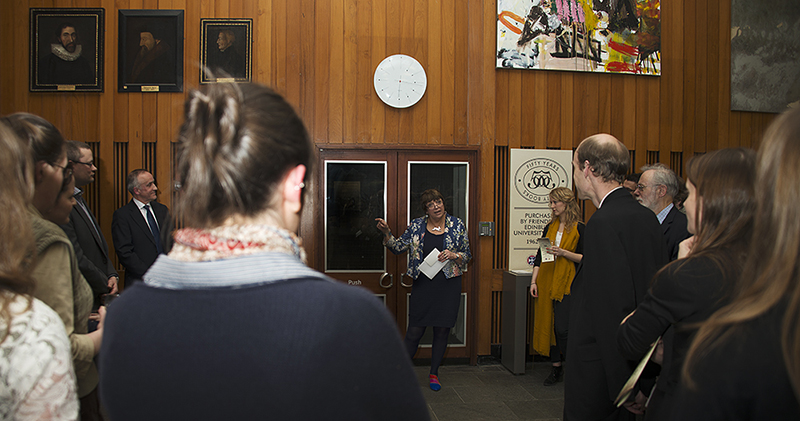
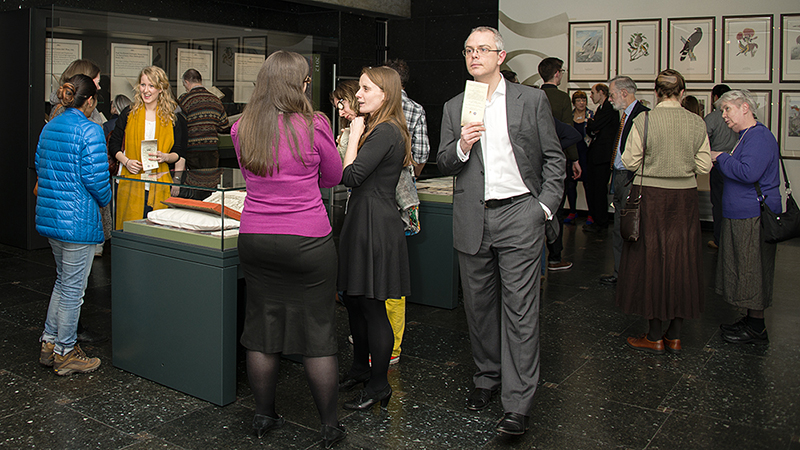
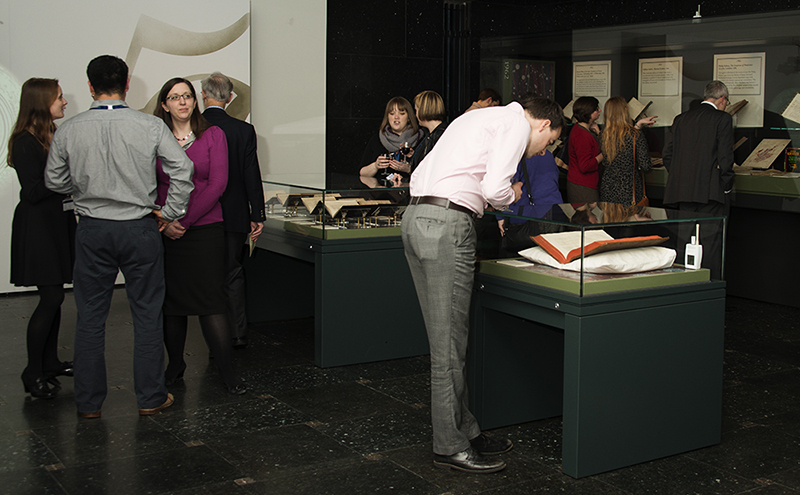
It would be a terrific resource to have the previous issues of The Piper made available as pdf downloads from The Friends website. The current exhibition in the Main Library celebrates Fifty Years, Fifty Books: purchases by the Friends of Edinburgh University Library, 1962-2012 Exhibition Gallery, Main Library, George Square 28 March to 14 June 2014. The exhibition is well worth a look and illuminating as usual. The DIU also photograph all exhibition openings in the Library. Below are some images from the 50/50 opening night.
Malcolm Brown, Deputy Photographer.
New Images & New Collection Publically Available
Last week we were very pleased to make 864 new images available to the public. In the DIU we had recently completed a batch of nearly 1000 high quality images from Readers Orders and Staff requests, so we handed these over to Library Digital Development Team to upload into LUNA http://images.is.ed.ac.uk/ . Of the images that could be made available to the public…
372 Images were added to the Western Medieval Manuscripts Collection
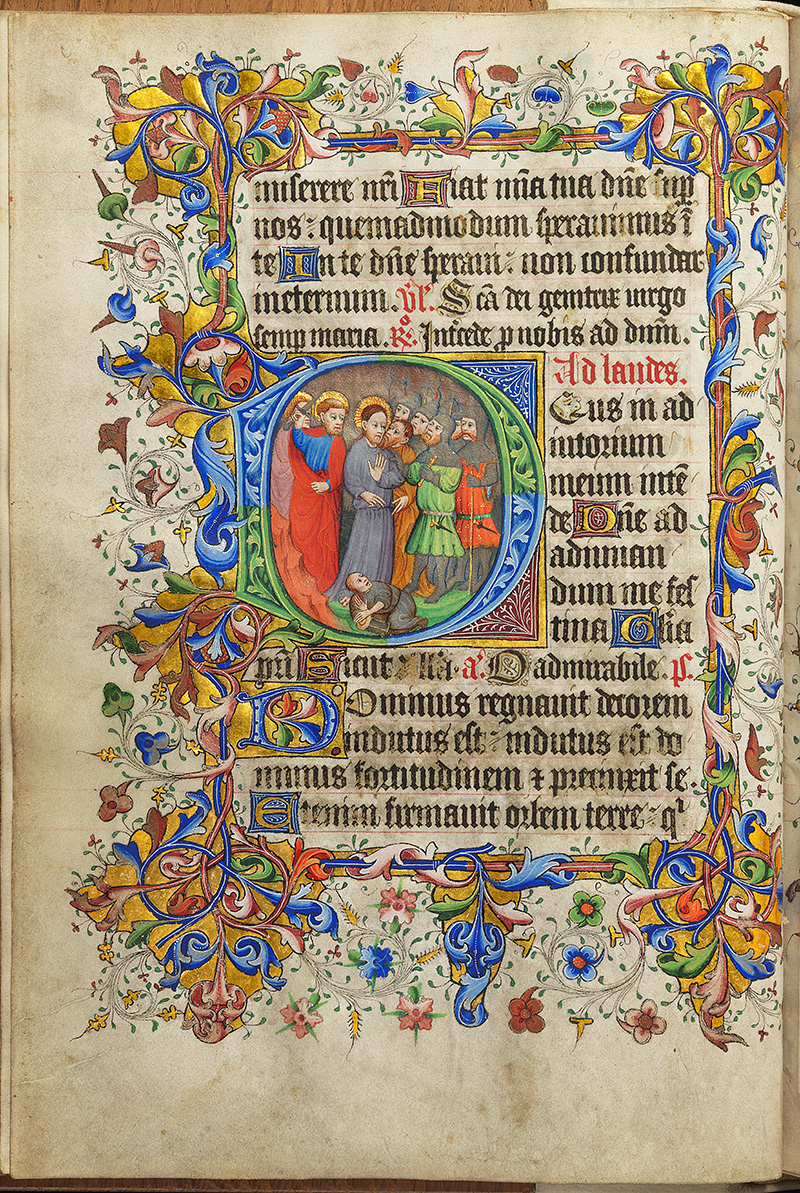 196 Images were added to the CRC Gallimaufry Collection
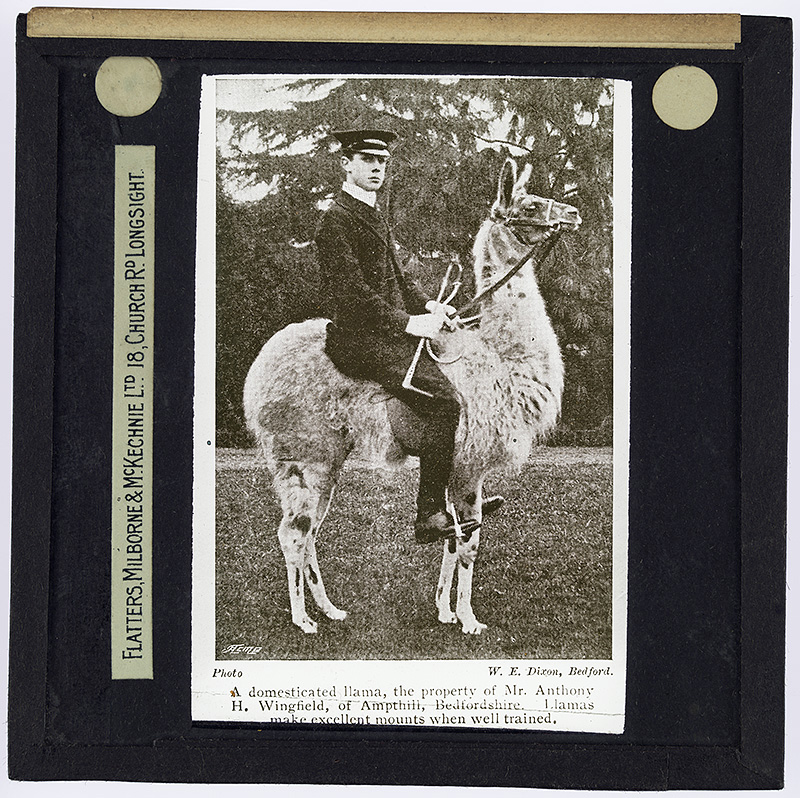
162 Images were added to the New College Collection
54 Images were added to the Roslin Institute Collection
11 Images were added to the Architectural Drawings Collection
10 Images were added to the Salvesen Collection
10 Images were added to the University of Edinburgh Collection and
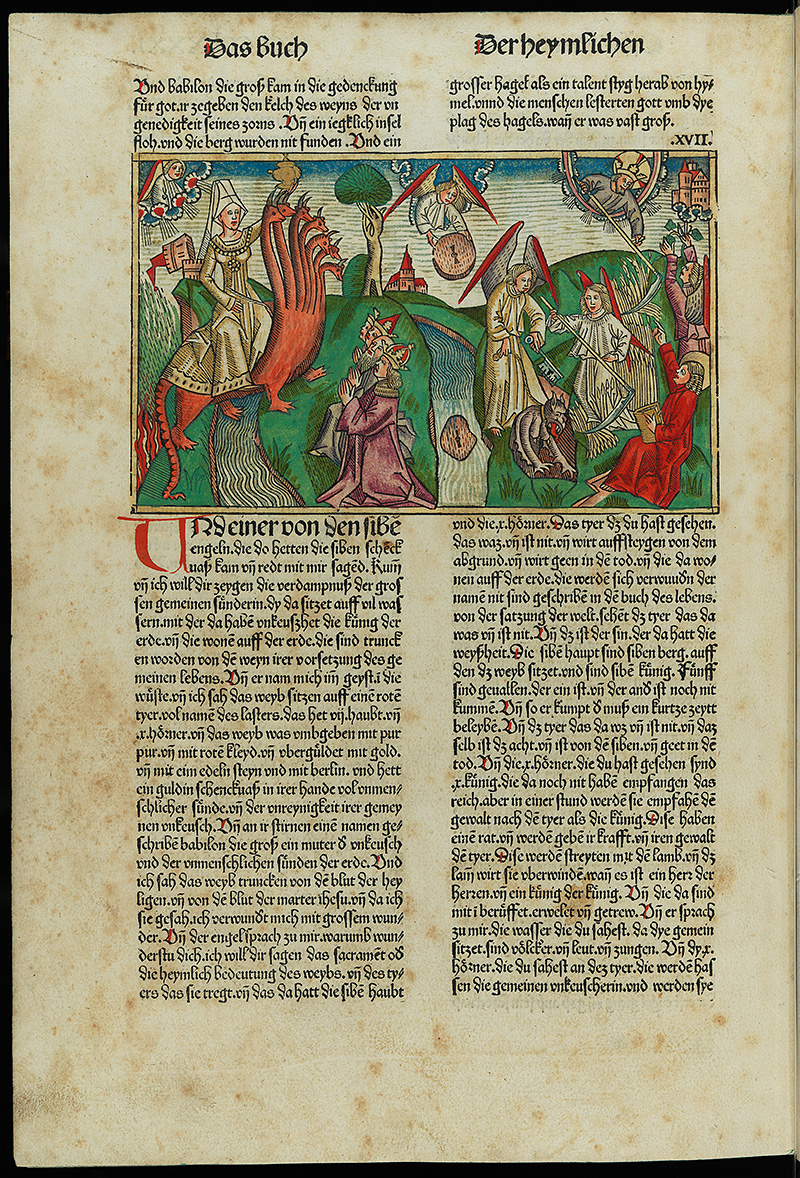
8 Images were added to the Incunabula Collection
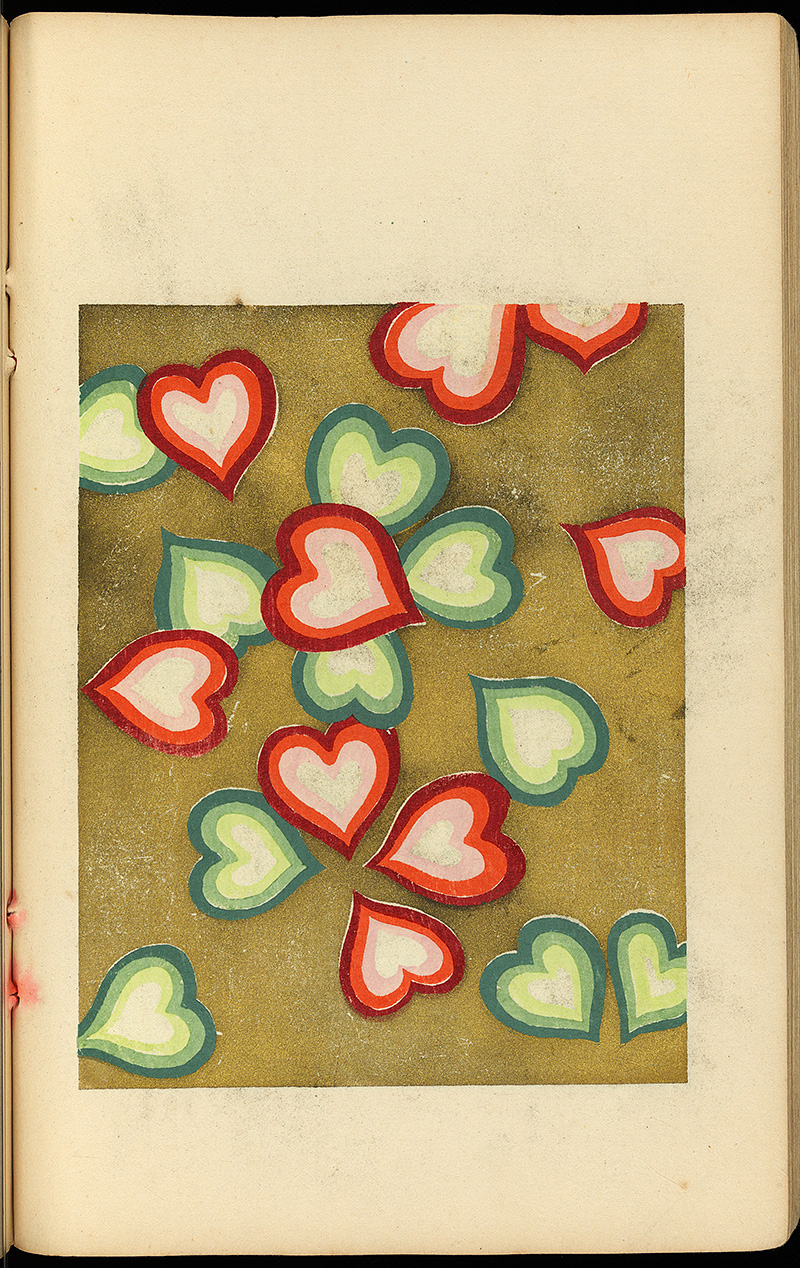
 However, we are perhaps most excited to announce the new collection of ECA Rare Books http://images.is.ed.ac.uk/luna/servlet/s/j8mxaj . Elizabeth Quarmby Lawrence has been very busy cataloguing these books (see our earlier post http://libraryblogs.is.ed.ac.uk/diu/2013/10/16/gems-from-the-eca-rare-books-collection/ ) and tells us that the “Rare Books Collection of Edinburgh College of Art, includes about 1,500 items, which date from before 1489 to the twentieth century. Most of them are printed books; many of them are illustrated. It is particularly strong in books of the eighteenth and nineteenth centuries on architecture, design and ornament. There are also nineteenth-century photographs, examples of textile design, and early nineteenth-century hand-painted designs for Edinburgh Shawls. Many of the books originated in the collections of the institutions which preceded ECA: the drawing academy of the Board of Trustees for Manufactures in Scotland, and the School of Applied Art. This collection is now housed in the Centre for Research Collections in the Main Library”.

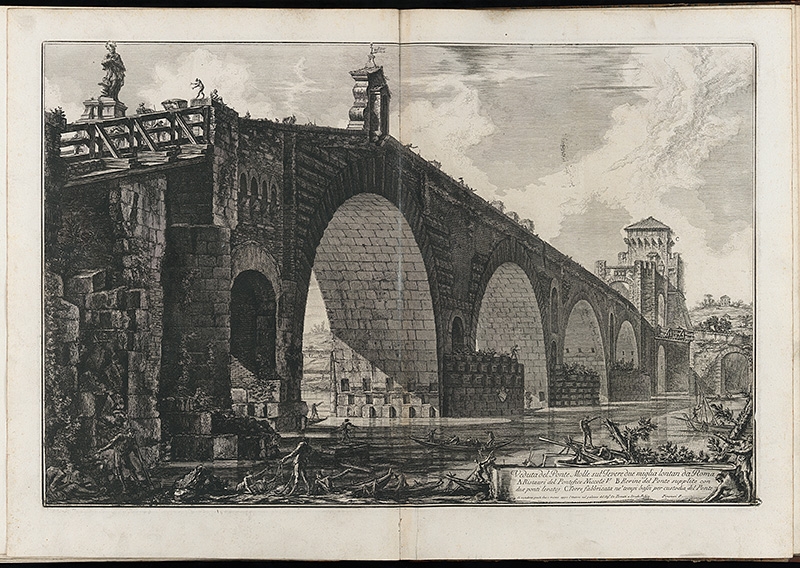
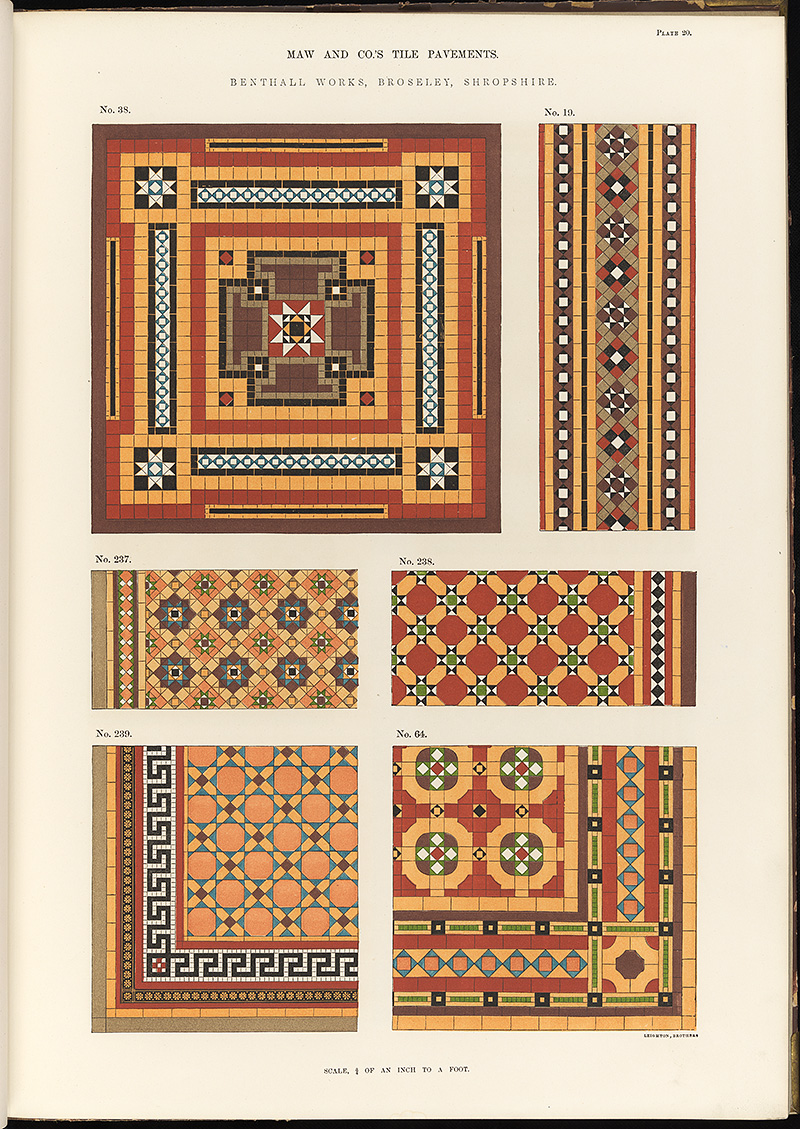
Making new images available requires a real team effort, and I’d like to say a special thanks to Deputy Photographer Malcolm Brown, Scott Renton & all the Library Digital Development Team, and of course Elizabeth Quarmby Lawrence for all the metadata!
Susan Pettigrew, Photographer
Volunteer work at the Digital Imaging Unit
The Centre for Research Collections is a remarkable resource for students at Edinburgh University, not only for research purposes, but also for experience working with collections. I am an MSc student studying Material Cultures and the History of the Book. As part of the course we were encouraged to volunteer within the CRC. My interests lie in the field of the visual arts and the materiality of books, specifically the in the world of digital media. Serena Fredrick at the CRC was able to match me up with the Digital Imaging Unit and within the DIU I have been researching and enhancing the metadata for one of the university’s photographic image collections: the Hill and Adamson Collection. Hill and Adamson are world-renowned pioneers of early photographic techniques. Building on the work of Englishman Henry Fox-Talbot, they created some iconic images of mid-nineteenth century Edinburgh from their studio on Calton Hill.
Hill and Adamson’s original creative remit was to capture portraits of leading members of the Free Church of Scotland who had been involved in the disruption of the established Church of Scotland in 1843, with the intent of using these portraits as study aids for a massive painting commemorating the disruption.

Soon word of this new means of portraiture spread and Hill and Adamson started creating images of and for Edinburgh society. The collection is full of images of friends and family of Hill and Adamson, as well as being a veritable who’s who in Edinburgh.

Hill and Adamson realised that this artform could also be used as a form of documentary reporting and began taking photographs of the Newhaven fishermen and women, as evidence of a strong, united and self-sufficient community.

Unfortunately Hill and Adamson’s collaboration was short-lived due to Adamson’s continually failing health and eventual death at the age of only 27 in 1848. However, during their prolific partnership they were responsible for the creation of thousands of incredible images. I have loved being a part of the team bringing this collection onto a digital platform and increasing access to such an important and exciting set of images. Here are a few of my favourite images, all of which can be found at: http://images.is.ed.ac.uk/luna/servlet/UoEcar~4~4
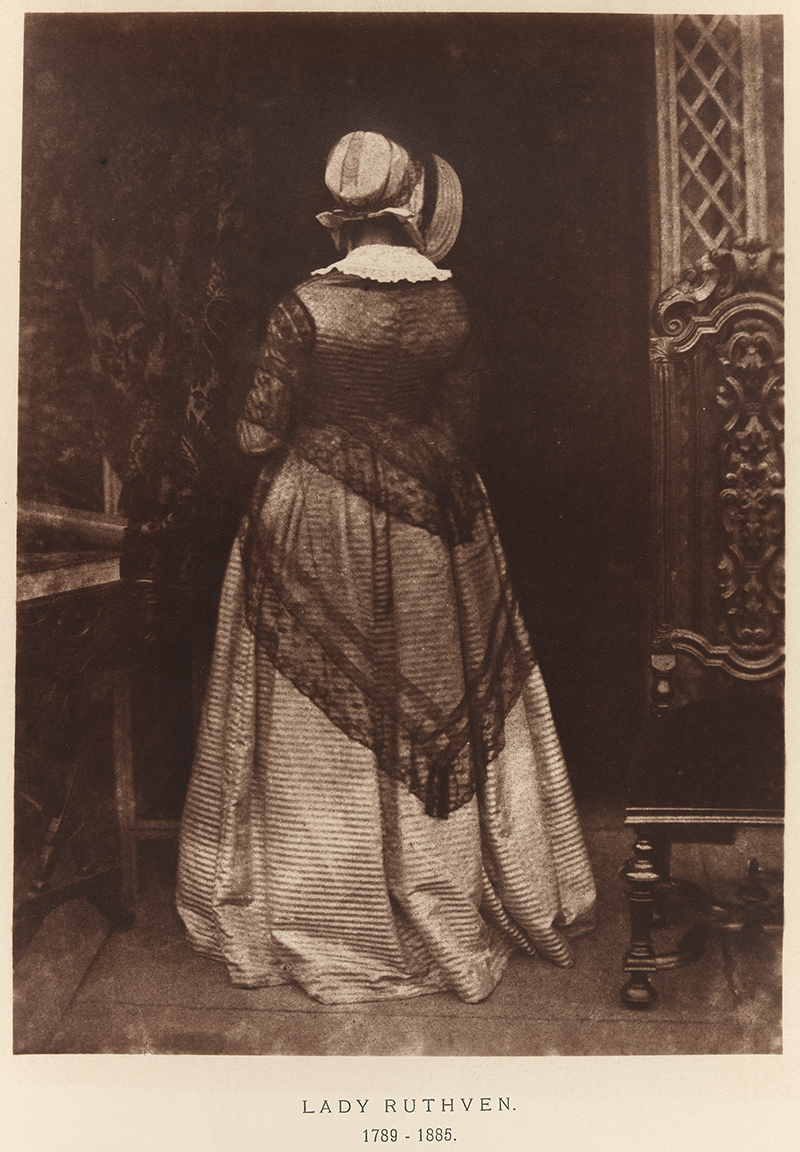


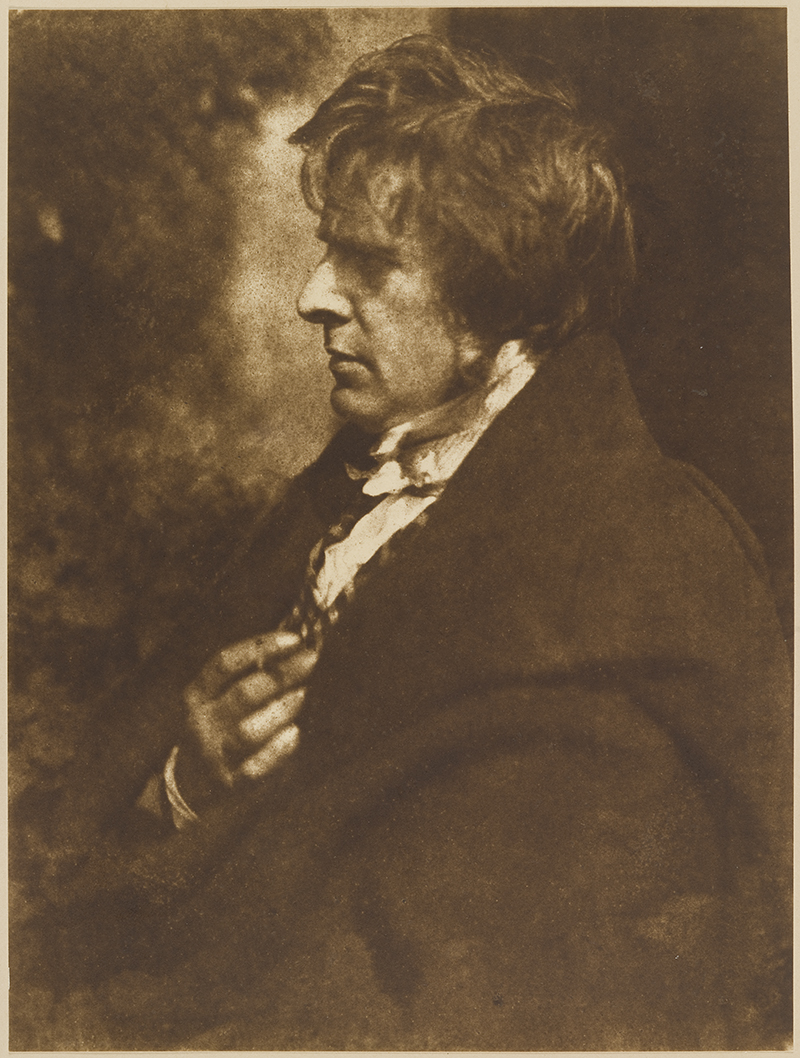
Caroline Ramsay, MSc Material Cultures and the History of the Book
Association for Historical and Fine Art Photography Conference
The Digital Imaging Unit attended the “Association for Historical and Fine Art Photography” conference for the first time in November at the end of last year. The conference was hosted in Starr Auditorium at Tate Modern and was opened by Sir Nicholas Serota the Director of Tate. Marvelous venue aside it was an engaging conference. Serious joke of the morning went to the Preservation Advisory Centre Imaging Group who highlighted that often at the end of digitisation planning the final step is usually outlined as, ” Just put it online“. This really diminishes the enormity of that task. However it is interesting to see so many national institutions grappling with the same digital problems and discussing digitising for access verses digitising for preservation and issues like high value low volume workflow verses mass digitisation workflow.
Sarah Saunders of Electric Lane who has been involved with IPTC embedded metadata standards introduced ,The new SCREM (SChema for Rich Embedded Metadata for Heritage Media Files) project. Plans are afoot to cater for heritage imaging metadata within IPTC fields. Sarah also made a strong case for this in the example that when we download music files by right clicking and saving to our desktops we now expect at a minimum to see a title, author and probably a creation date. So why has this not happened for images? and can IPTC embedded metadata remedy that situation?
It was cool to find out from Maureen Pennock that the British Library not only backs their truly massive amount of data up, but stores that data backup in four geographically distant separate locations across the UK. Maureen also warned against the perils of BIT FLIP which degrades image quality in a variety of ways and the need to manage stored data for its preservation. Her view on cloud storage was an outright DON’T DO IT! which is a strong message from someone with her experience.
Dani Tagen’s talk was controversial as she described ” how we at the Horniman Museum & Gardens have managed to take 15,000 photos of about 8,000 objects in 10 months with one photographer and a small team of collection assistants.” she lost three kilos in weight teaching collections assistants how to take photographs. In my opinion the results were high volume poor quality by professional standards and the assistants themselves admitted that more training and time would be required to come up to professional standards. However the images were a marked improvement over previous efforts and were not for public consumption they were for internal use as documentary images of the collection. Dani was however playing to a tough audience. When viewing her own photographs alongside the assistants the quality of Dani’s work was far greater.
The highlight for me was English Heritage’s short film by Alan Bull covering the last hat mould makers in UK. The film described that the poisonous materials that hat mould makers worked with actually accounted for previous generations going insane hence the phrase “Mad As A Hatter”.
Conference abstracts can be found on the AFHAP website.
Malcolm Brown
