Any views expressed within media held on this service are those of the contributors, should not be taken as approved or endorsed by the University, and do not necessarily reflect the views of the University in respect of any particular issue.

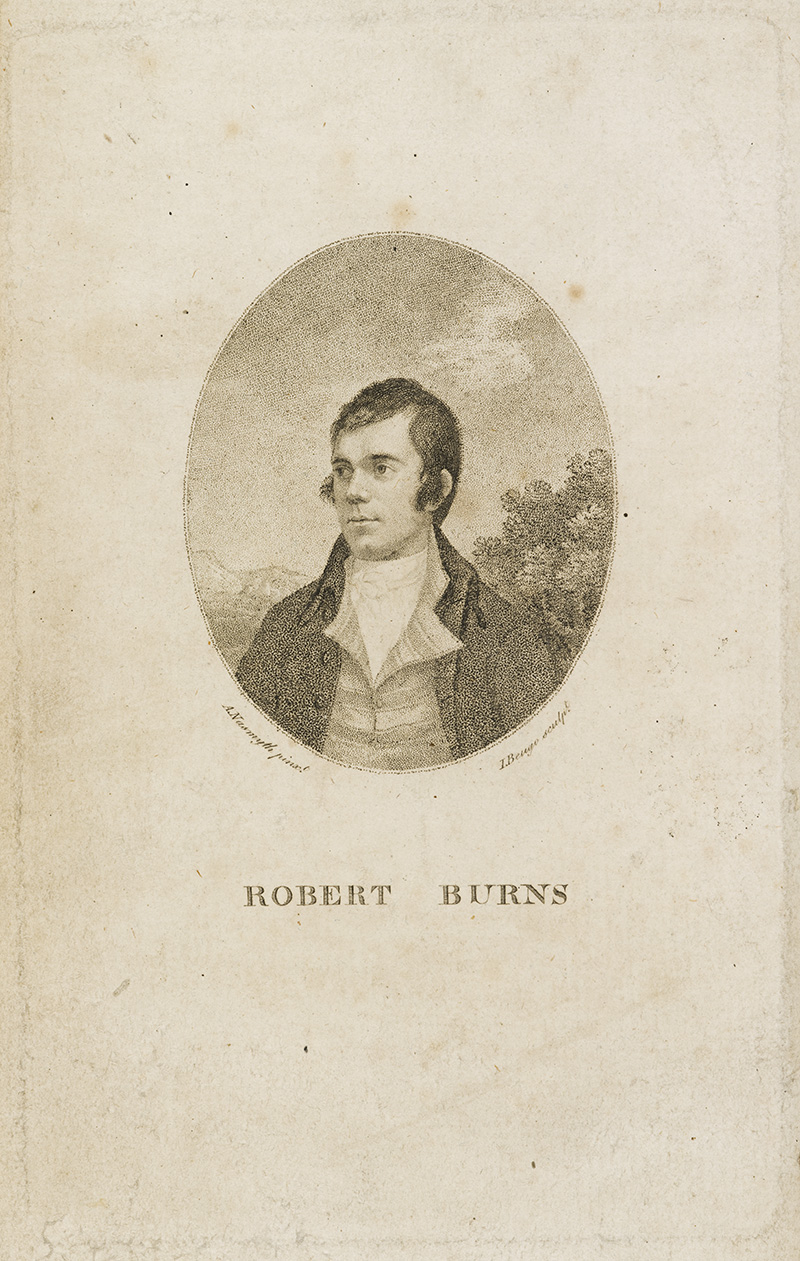
Getting Reacquainted with Robert Burns Through the Laing Collection

0012949d

The most important manuscript collection at the University of Edinburgh has long been acknowledged to be the Laing Collection. This treasure trove was donated to the University of Edinburgh in 1878 by David Laing (1793-1878) and contains a startlingly vast array of texts and artefacts. To gloss this diversity only briefly, the University’s description of the Laing collection attests that one can find more than 100 Western medieval manuscript books, a 9th-century Koran, over 3000 charters, manuscript poems, texts, and letters written by Robert Burns (1759-1796), the lovely illustrated “Album Amicorum” (book of friends) by Michael Van Meer (?-1653), and poetry by Elizabeth Melville (1582-1640). Even the handlist for the collection is itself an archival artefact of sorts, having been drawn up in 1878 at the time of the bequest and bearing traces of additions and corrections made over the years since.

As important as the Laing collection is though, I’ll admit that until a couple of months ago, I didn’t know much about it and I certainly hadn’t spent any time delving into what it has to offer. I’m an English literature PhD here at the University of Edinburgh and my research focuses on archives, digital humanities, and, in particular, the study of idiosyncratic texts, like concrete poetry and scrapbooks. I like that these works challenge traditional literary classifications and give some pause when users must decide how to read them, digitise them, or otherwise interpret them. These interests led me to volunteer with the DIU, where I have been working to enrich the descriptive metadata of digitised items from the University’s Special Collections and Library holdings. This is also what finally led me to the Laing collection.

Continue reading “Getting Reacquainted with Robert Burns Through the Laing Collection”

A Lengthy Challenge: Photographing the Mahabharata


Recently I was asked to scope the digitisation of a beautiful scroll we have in our collection, Or.Ms 510, or better known as the Mahabharata. Gemma Scott, our former Digital Library intern, says that:

‘the Mahabharata tells the tale of a dynastic struggle between two sets of cousins for control of the Bharata kingdom in central India. One of the longest poems ever written, eclipsed only by the Gesar Epic of Tibet, it is said to have been composed between 900 and 400BCE by the sage Vyasa, although, in reality, it is likely to have been created by a number of individuals. To Hindus, it is important in terms of both dharma (moral law) and history (itihasa), as its themes are often didactic.’

Our scroll dates to 1795 and came to Edinburgh University in 1821 when it was donated by Colonel Walker of Bowland. It is 13.5cm wide and a staggering 72m long, housed in a wooden case, wound around rollers and turned by a key in the side. It has 78 miniatures of varying sizes and is elaborately decorated in gold, with floral patterning in the late Mughul or Kangra style. The text itself is dense, tiny, and underpinned with yet more gold leaf decorations.

Continue reading “A Lengthy Challenge: Photographing the Mahabharata”

Al-Biruni live on LUNA

BookReader

We are thrilled to announce that we now have online the entire manuscript of Abu Rayhan Al-Biruni, his ‘Chronology of Ancient Nations’. Al- Biruni was a famous astronomer and polymath and he completed this compendium in the year 1000. It records a vast number of calendars and chronological systems from a variety of different cultural and religious groups in the late antique and medieval periods in the Hellenic world, Central Asia and the Near East, even detailing festivals and liturgical practices.

Continue reading “Al-Biruni live on LUNA”

A Traquair Treat

0057151dAs there were several separate requests recently for images from the splendid ‘Song School St Mary’ manuscript by Phoebe Anna Traquair, we decided the time was right to digitise the book from cover to cover, replacing some fairly mixed quality old digital images and preparing it for the LUNA Book Reader http://images.is.ed.ac.uk/luna/servlet/s/109unz . This item is one of my favourites (yes, I know I have many…), and it is a beautifully illuminated, vibrantly coloured, jewel-like treasure. Although made in 1897, Traquair created this on vellum, which adds to the impression of exquisite quality. Continue reading “A Traquair Treat”

3 Additions to the LUNA Book Reader Collection

ScreenGrab01

We kick off 2015 with the addition of 3 new Book Readers added to LUNA. The first two are both music manuscripts that came down to the DIU as part of the Readers Orders trolley. It is not often that we receive volumes to be digitised in their entirety this way, so it seemed a good opportunity. As a result we spared a bit of time to do the additional work to prepare them for the book reader software after the High Resolution images had been delivered to the customers. Continue reading “3 Additions to the LUNA Book Reader Collection”

The Most Beautiful Book in Scotland and the Oldest Scottish Manuscript?

Ms39BookReader01
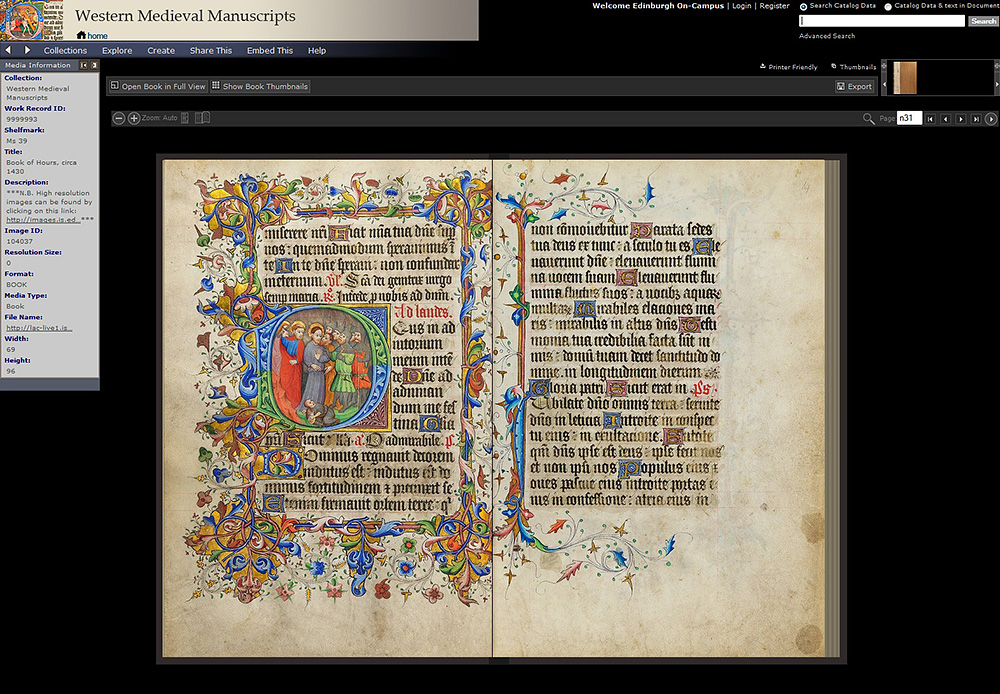
The new Ms 39 Book of Hours available in LUNA Book Reader

We are delighted to announce that 2 manuscripts have been added to our growing collection of Book Readers in LUNA!

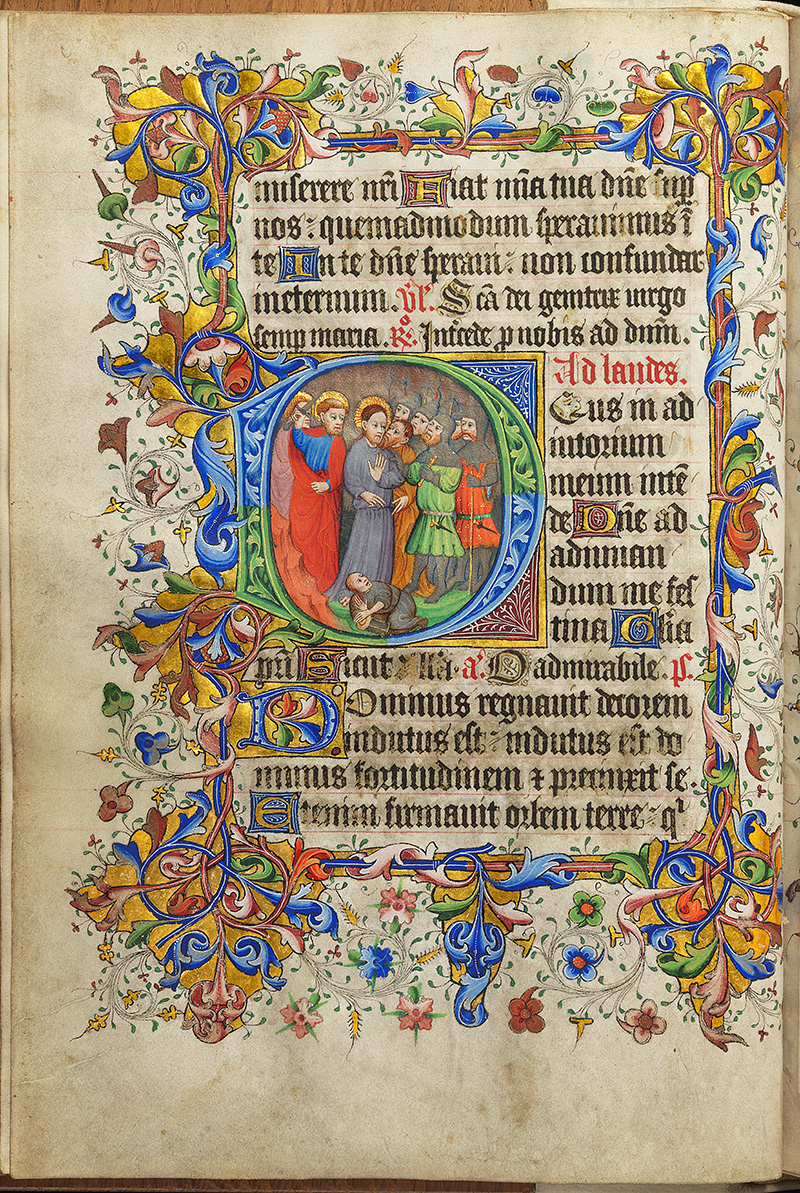
The first is Ms 39, an amazing early 15th century Book of Hours, with rich gold work, detailed miniatures and vibrant colours. See http://images.is.ed.ac.uk/luna/servlet/s/d4wx22 for the Book Reader. A note in the front of the book claims this is the most beautiful book in Scotland, what do you think? What are the other contender’s? Continue reading “The Most Beautiful Book in Scotland and the Oldest Scottish Manuscript?”

Iconic Photography

0056795d
Clement Litill’s 1580 bequest charter

Part of our remit in the DIU has been to work through a list of ‘Iconic’ Items from the collection in our spare time. Over the years we have completed the digitisation of some outstanding manuscripts and collections in this way, from the Hill and Adamson photographs (a personal favourite- see http://images.is.ed.ac.uk/luna/servlet/s/jl5w63) to the wonderful Laing Album Amicorum (see http://images.is.ed.ac.uk/luna/servlet/s/6oh338 ). Continue reading “Iconic Photography”

Discovering the Orient

Detail of portrait showing a group of women washing clothes in a river. This miniature comes from a collection of portraits (Tasawir), which originate from India and date to the mid-19th century. Although many of the images in the oriental manuscripts collection tend to relate to religion or mythology, this portrait is interesting as it provides a fascinating insight into the life of ordinary people, during the rule of the British Raj.


On the 2nd June, I was lucky enough to begin employment as the Employ.ed Digital Collections intern for the CRC. Although I begin with a little trepidation – like most people when they start a new job, I spent the night before worrying that I’d be really bad at it or that no one would like me – I am now in my fifth week and enjoying it immensely: I don’t really want to leave! Continue reading “Discovering the Orient”

New Images & New Collection Publically Available

Last week we were very pleased to make 864 new images available to the public. In the DIU we had recently completed a batch of nearly 1000 high quality images from Readers Orders and Staff requests, so we handed these over to Library Digital Development Team to upload into LUNA http://images.is.ed.ac.uk/ . Of the images that could be made available to the public…

372 Images were added to the Western Medieval Manuscripts Collection

0055682d196 Images were added to the CRC Gallimaufry Collection

0055481d

162 Images were added to the New College Collection

54 Images were added to the Roslin Institute Collection

0055409d

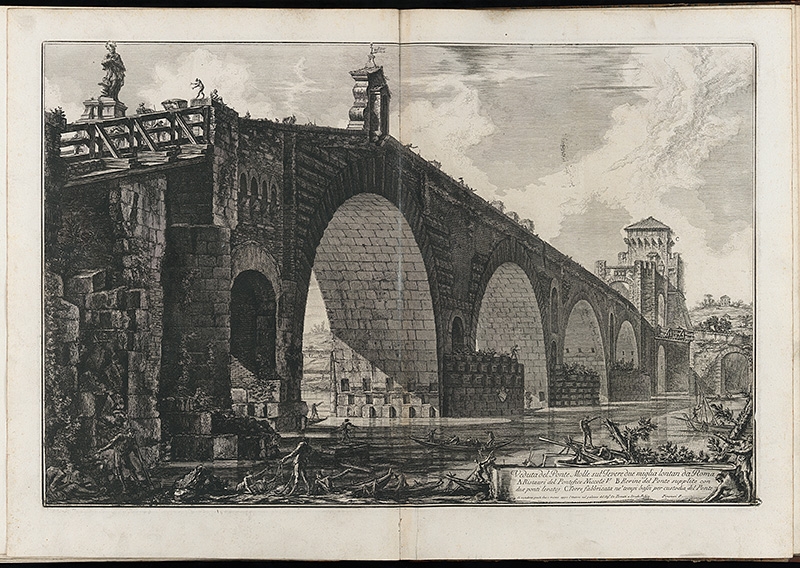
11 Images were added to the Architectural Drawings Collection

10 Images were added to the Salvesen Collection

10 Images were added to the University of Edinburgh Collection and

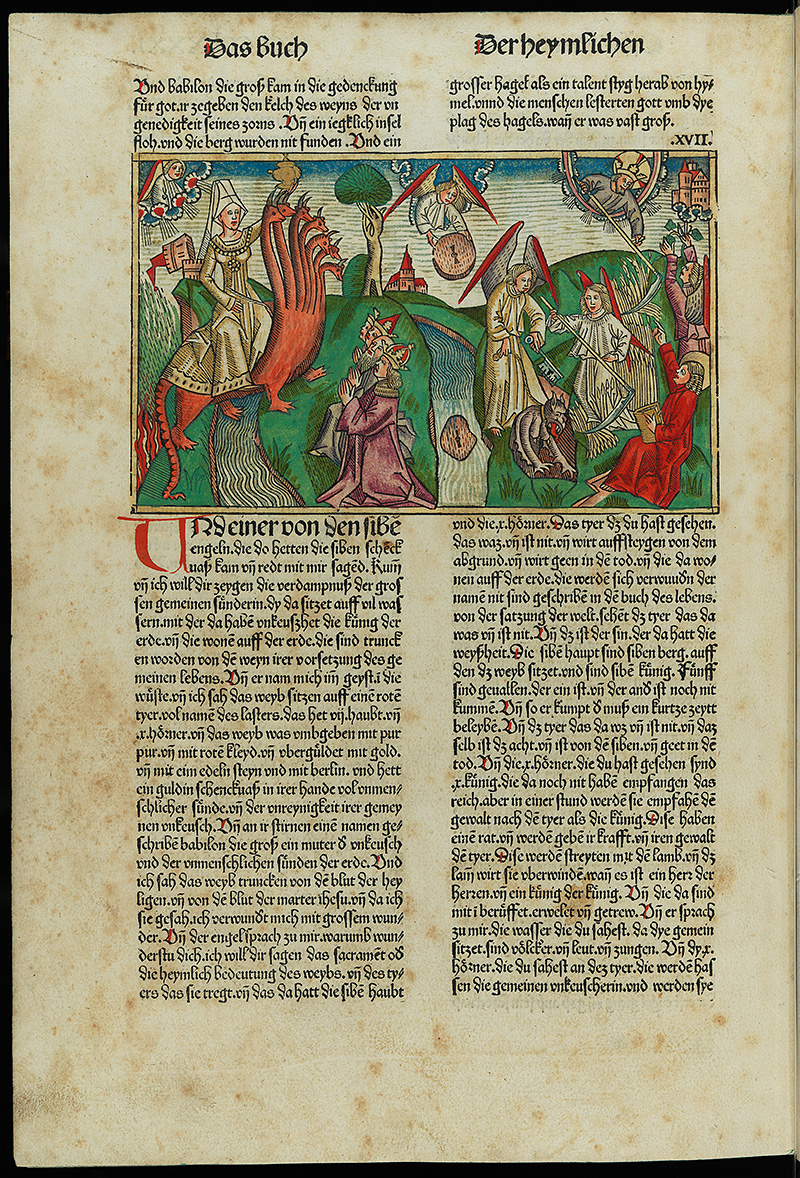
8 Images were added to the Incunabula Collection

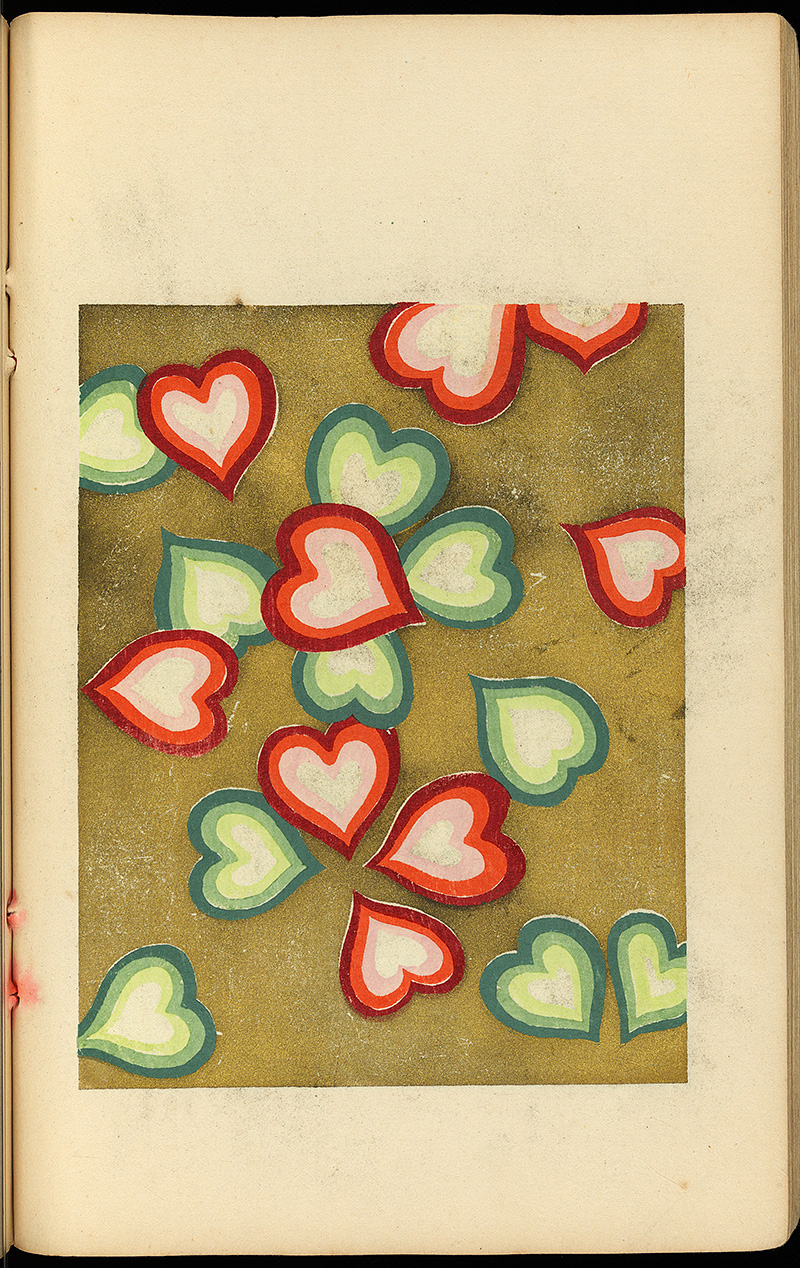
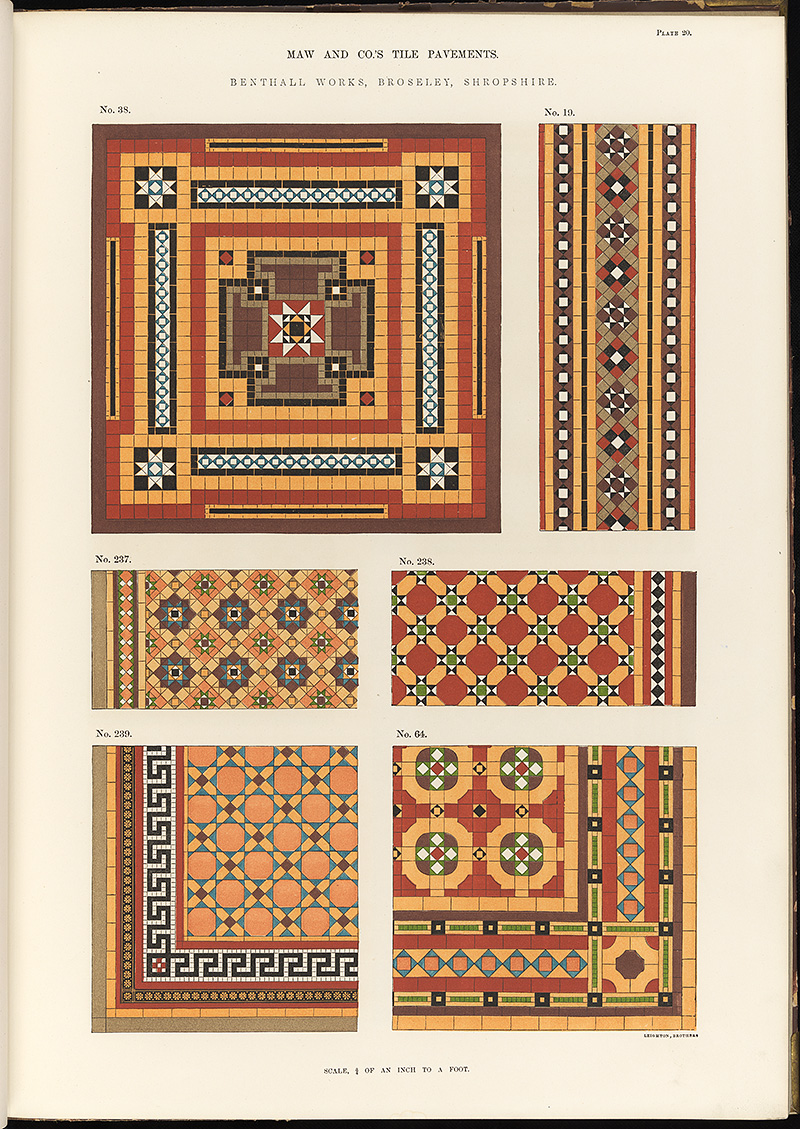
0055707dHowever, we are perhaps most excited to announce the new collection of ECA Rare Books http://images.is.ed.ac.uk/luna/servlet/s/j8mxaj . Elizabeth Quarmby Lawrence has been very busy cataloguing these books (see our earlier post http://libraryblogs.is.ed.ac.uk/diu/2013/10/16/gems-from-the-eca-rare-books-collection/ ) and tells us that the “Rare Books Collection of Edinburgh College of Art, includes about 1,500 items, which date from before 1489 to the twentieth century. Most of them are printed books; many of them are illustrated. It is particularly strong in books of the eighteenth and nineteenth centuries on architecture, design and ornament. There are also nineteenth-century photographs, examples of textile design, and early nineteenth-century hand-painted designs for Edinburgh Shawls. Many of the books originated in the collections of the institutions which preceded ECA: the drawing academy of the Board of Trustees for Manufactures in Scotland, and the School of Applied Art. This collection is now housed in the Centre for Research Collections in the Main Library”.

0055640d 0055616d 0055488d

Making new images available requires a real team effort, and I’d like to say a special thanks to Deputy Photographer Malcolm Brown, Scott Renton & all the Library Digital Development Team, and of course Elizabeth Quarmby Lawrence for all the metadata!

Susan Pettigrew, Photographer

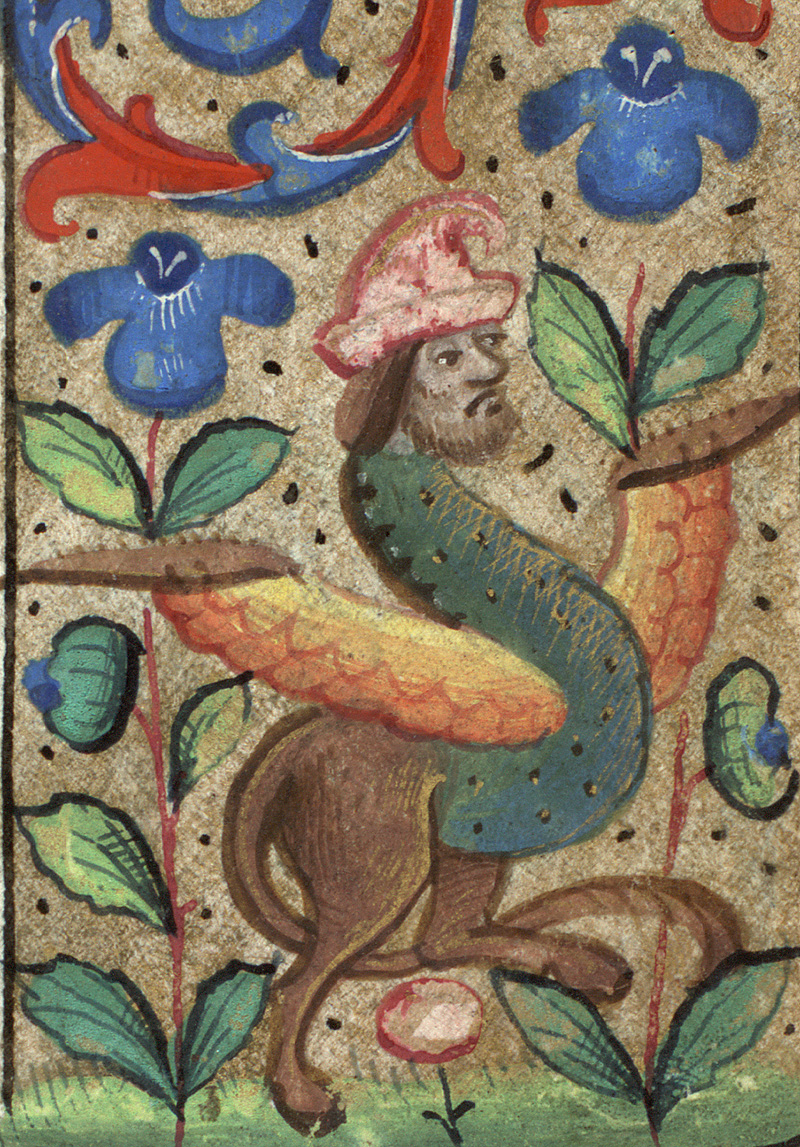
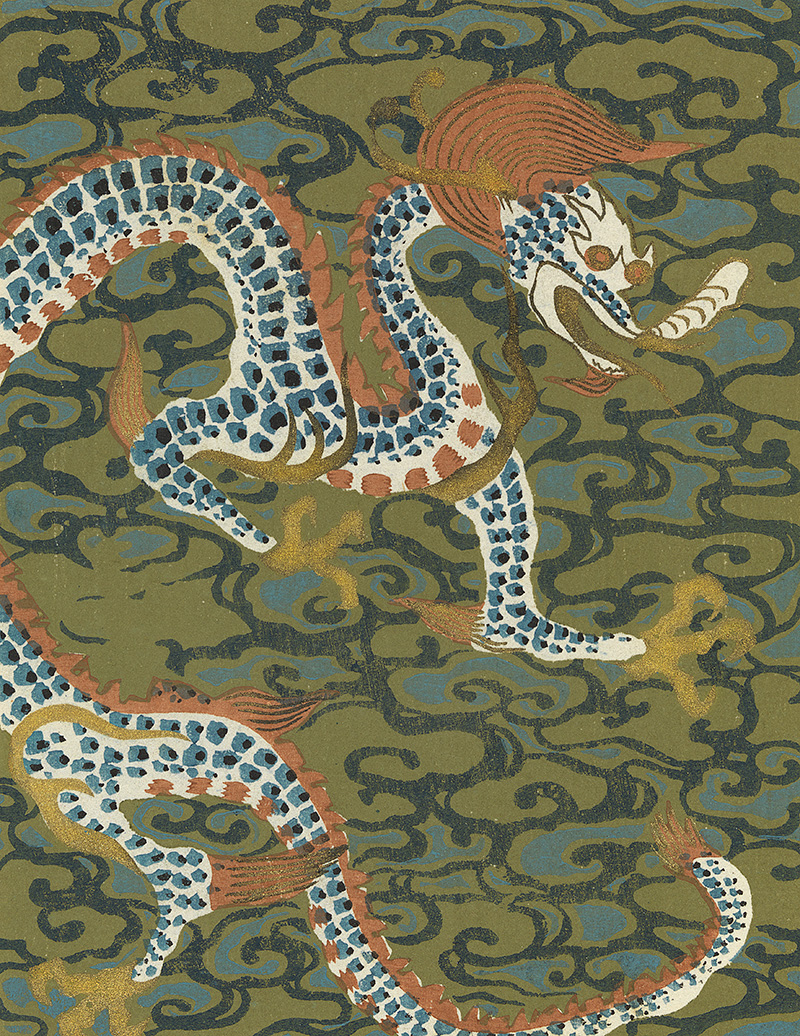
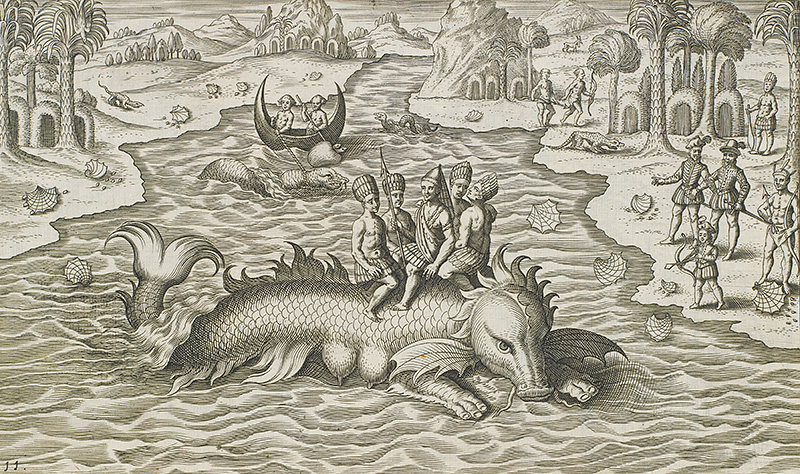
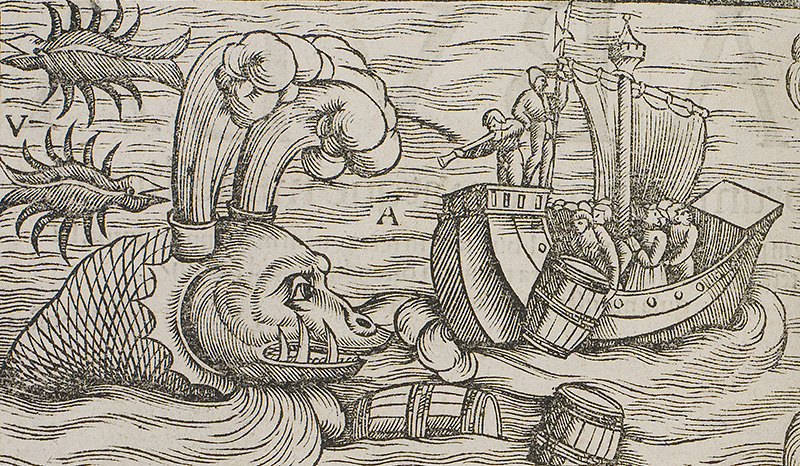
Beasties

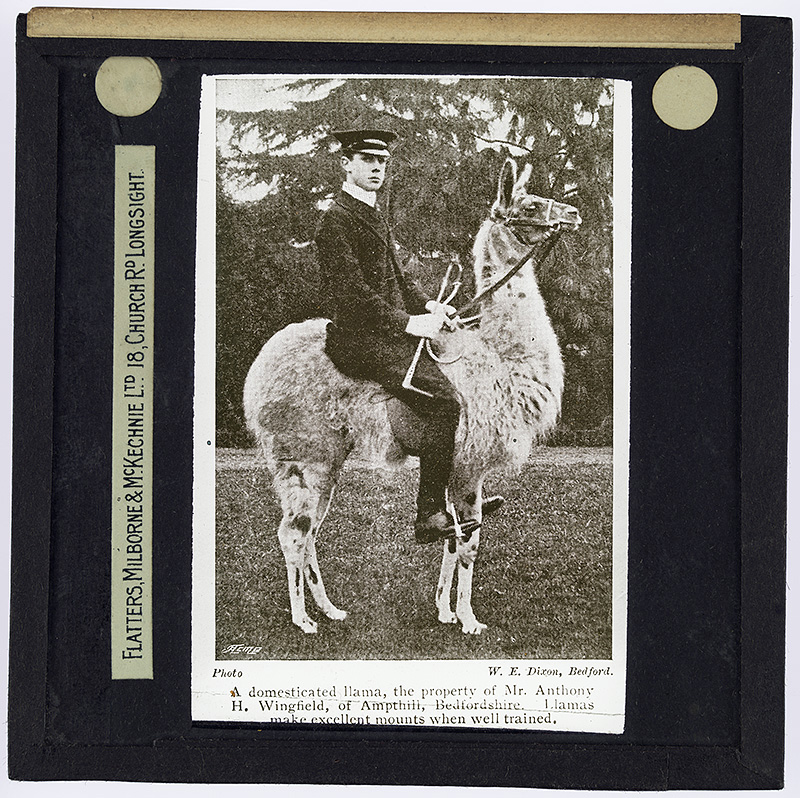
I’ve seen a startling number of beasties hiding out in our Collections over the years, and the time has come to celebrate them! From the delightful details in the margins of Books of Hours…

0001118d

…to the damsels in distress being rescued from fantastical monsters.

0003047d

It is also wonderful to see the same story illustrated from 2 very different traditions: St. George and the Dragon in a Book of Hours circa 1500 and made in France for a Scottish owner…0001121f

…or the strikingly different St. George and the Dragon in the Ethiopian Manuscript Gadala Georgois.0001205d

It doesn’t appear to matter where in the world -West, East, or South America- every nation has its own set of Beasties.

0055477d 0009283d

Some are fairly conventional sea monsters…

0005691d

…  and some just down right bizarre,

0025731d

yet all bring a smile to my day!

Susan Pettigrew

Photographer

css.php

Report this page

To report inappropriate content on this page, please use the form below. Upon receiving your report, we will be in touch as per the Take Down Policy of the service.

Please note that personal data collected through this form is used and stored for the purposes of processing this report and communication with you.

If you are unable to report a concern about content via this form please contact the Service Owner.

Please enter an email address you wish to be contacted on. Please describe the unacceptable content in sufficient detail to allow us to locate it, and why you consider it to be unacceptable.
By submitting this report, you accept that it is accurate and that fraudulent or nuisance complaints may result in action by the University.

  Cancel