Any views expressed within media held on this service are those of the contributors, should not be taken as approved or endorsed by the University, and do not necessarily reflect the views of the University in respect of any particular issue.

Colophon and Logotype

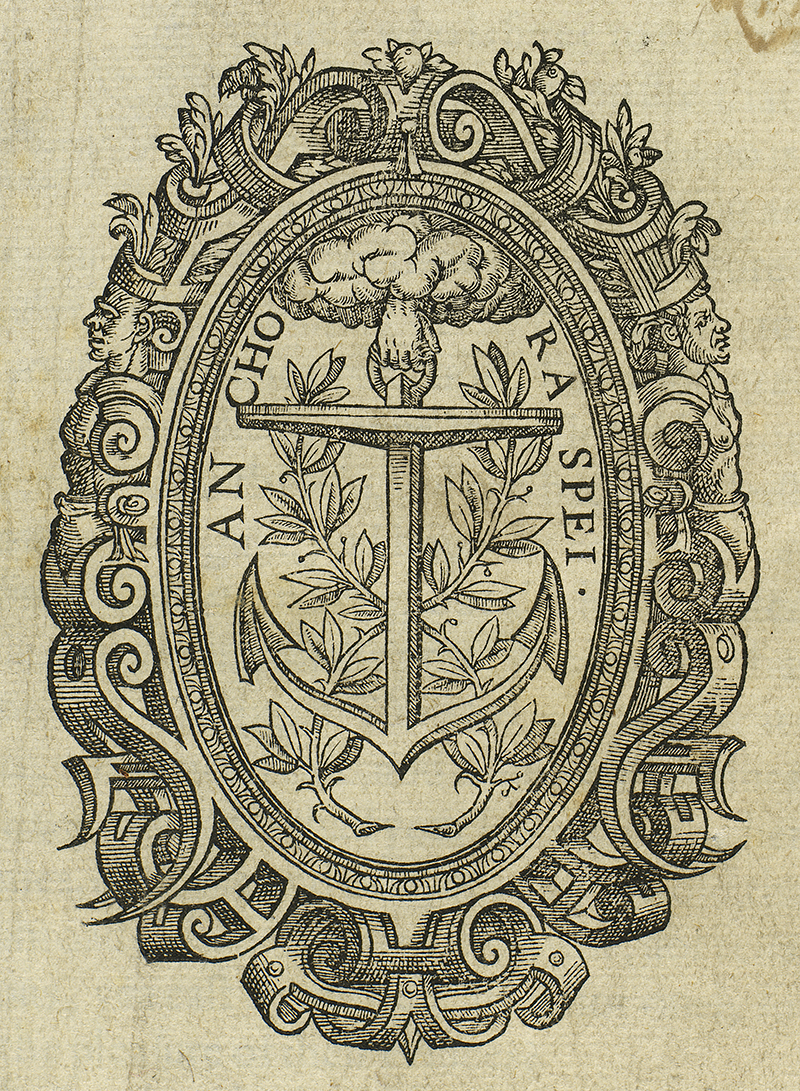
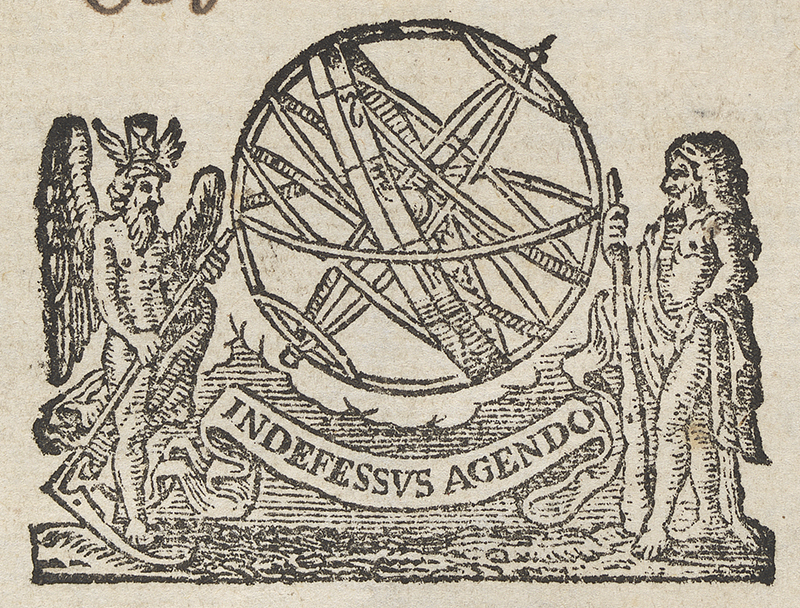
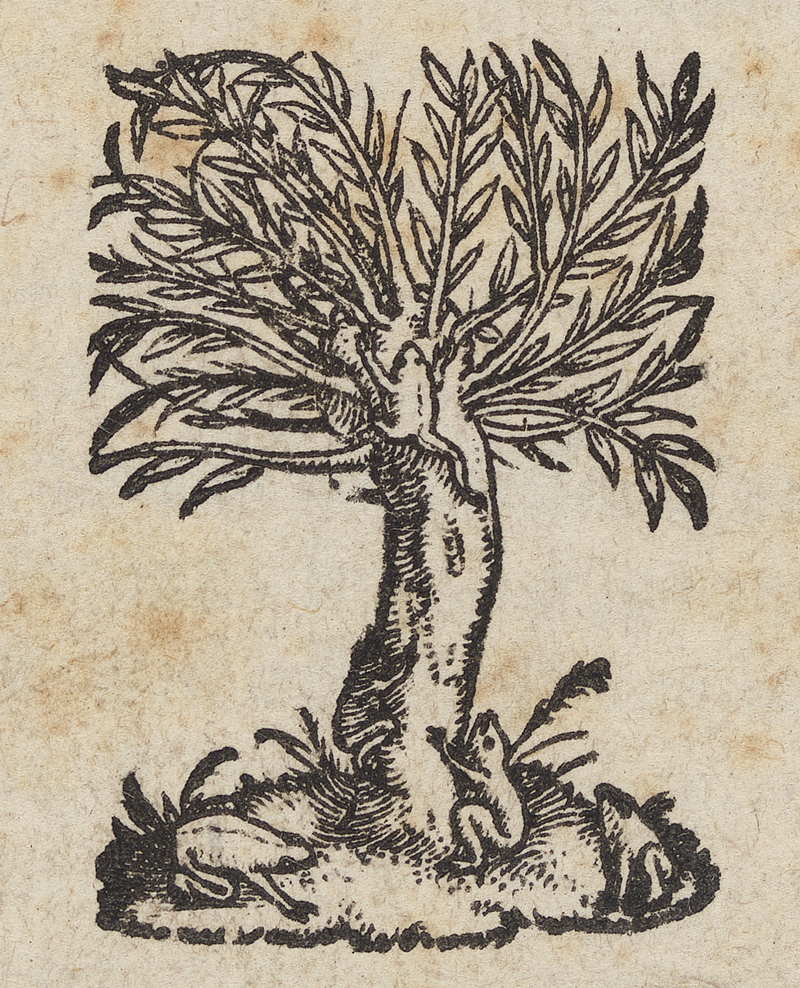
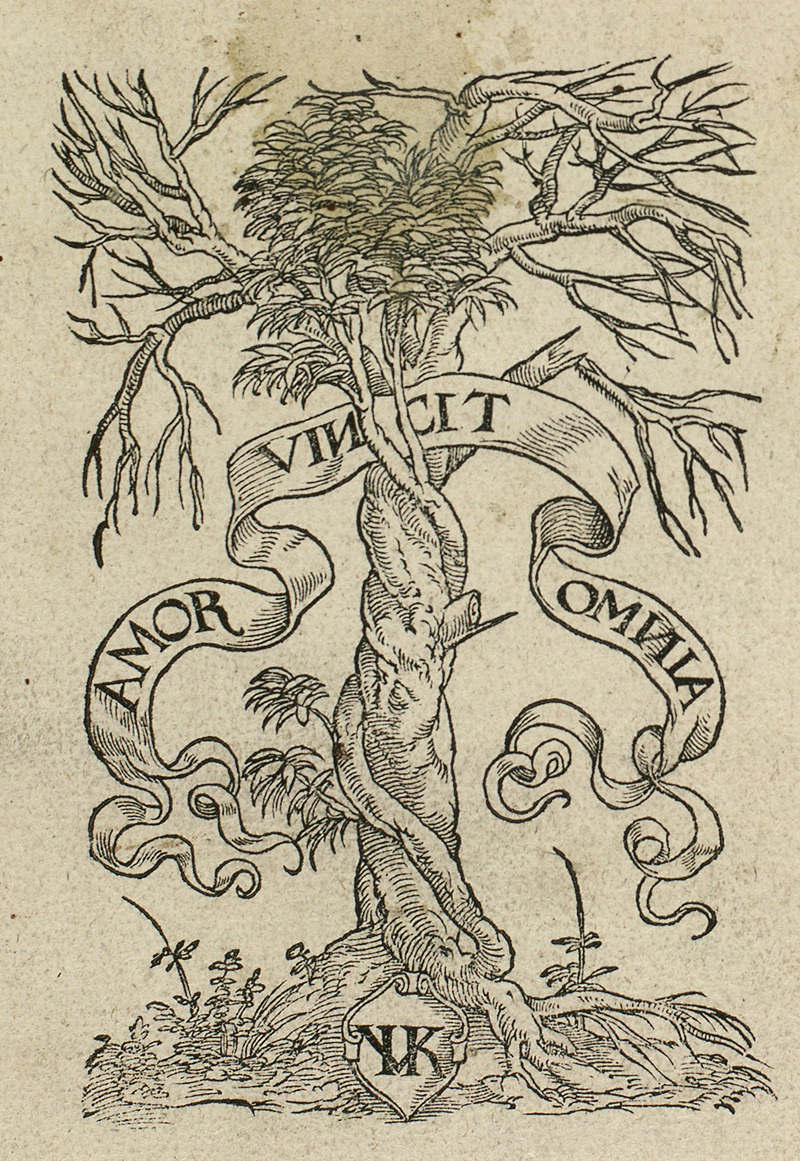
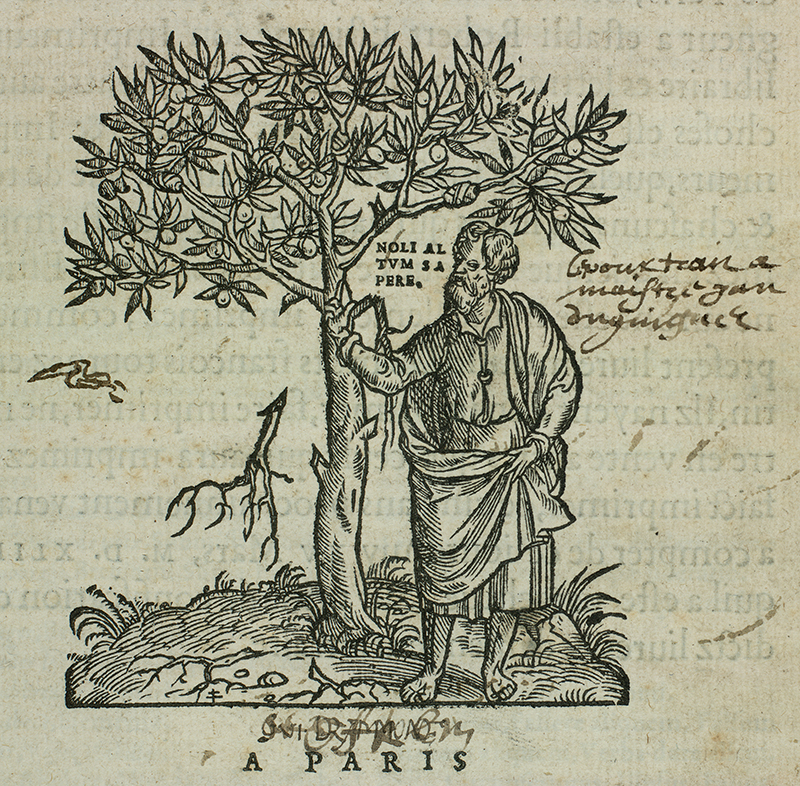
Having a background in Fine Art through study at Glasgow School of Art I am very aware of the striking visual content that passes through the Digital Imaging Unit on a daily basis. Of particular interest to me over the years of working with rare books is Colophon and Logotype. “This originated in Renaissance printing shops, where a title page would feature the printer’s mark (colophon) near the bottom of the page, usually above the printer’s name and city.” This early form of branding is fascinating in its use of imagery and the expert hand skills used to convey a meaningful message. The tree of knowledge is a popular symbol often appearing with broken branches. The level of thought over the imagery and the care taken over the execution is a remarkable investment in brand and product. The Colophon was eventually replaced by printers statements in a more legal and business like text form. Colophon have begun to re-appear for websites and online content publishing, this is a nice nod of the head over centuries of time to the continuation of a craft persons expertise and skill set.

Malcolm Brown, Deputy Photographer.

0055940d0002040d0004078d0018571d0025143dClement Litil stamp

The Piper Magazine Photography

For many years the Digital Imaging Unit have been the primary photographers for The Piper Magazine. The Piper is The Friends of Edinburgh University Library twice-yearly illustrated newsletter. The DIU enjoy the challenge of photographing a diverse range of fascinating material that comes our way for the magazine. This has included the friends purchase of  Holinshed’s Chronicles on one occasion and this new edition demonstrates particularly good marriage between the layout design of Mark Blackadder and the photography of DIU photographer Susan Pettigrew.

PiperFrontCover
PiperBackCover
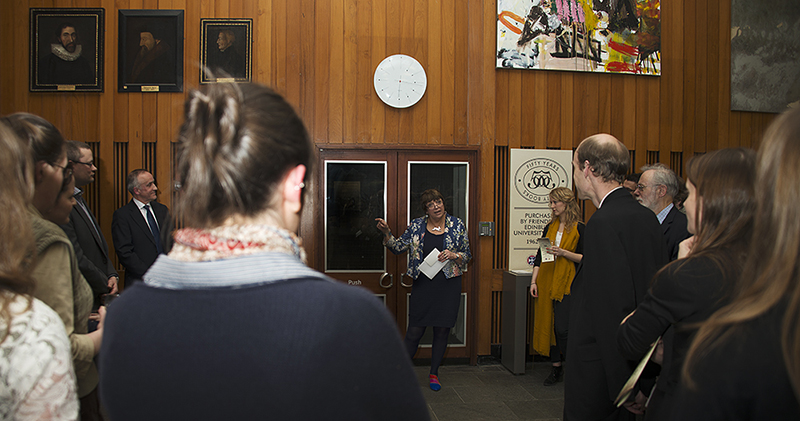
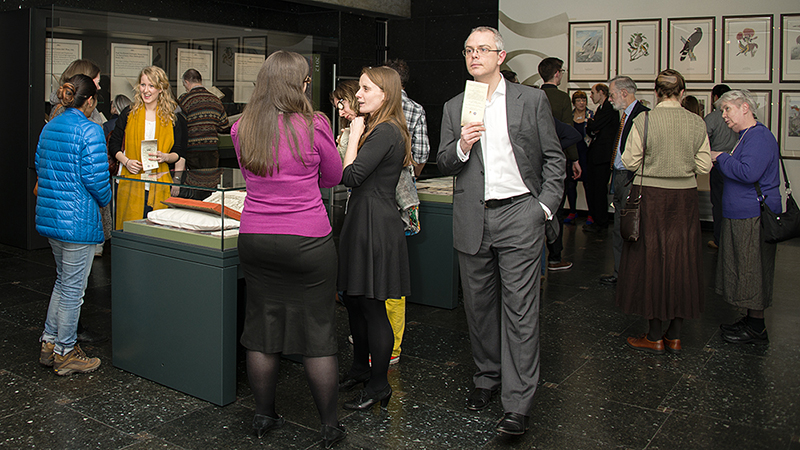
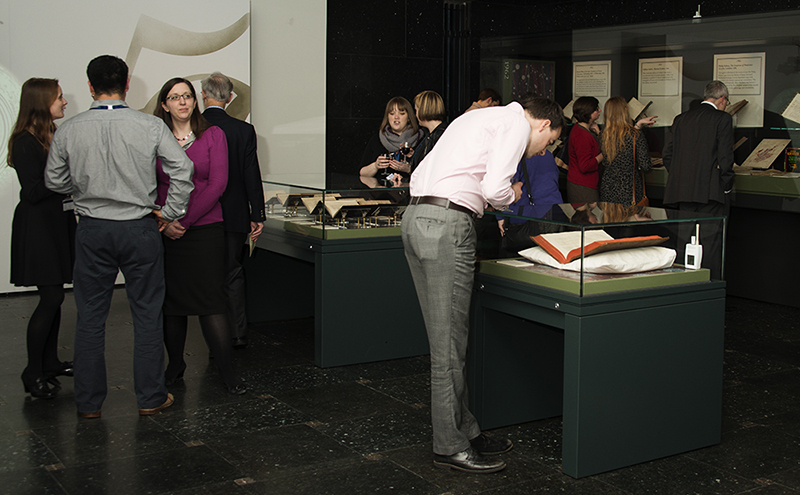
It would be a terrific resource to have the previous issues of The Piper made available as pdf downloads from The Friends website. The current exhibition in the Main Library celebrates Fifty Years, Fifty Books: purchases by the Friends of Edinburgh University Library, 1962-2012 Exhibition Gallery, Main Library, George Square 28 March to 14 June 2014. The exhibition is well worth a look and illuminating as usual. The DIU also photograph all exhibition openings in the Library. Below are some images from the 50/50 opening night.

Malcolm Brown, Deputy Photographer.
0054292d
0054293d0054295d

New Images & New Collection Publically Available

Last week we were very pleased to make 864 new images available to the public. In the DIU we had recently completed a batch of nearly 1000 high quality images from Readers Orders and Staff requests, so we handed these over to Library Digital Development Team to upload into LUNA http://images.is.ed.ac.uk/ . Of the images that could be made available to the public…

372 Images were added to the Western Medieval Manuscripts Collection

0055682d196 Images were added to the CRC Gallimaufry Collection

0055481d

162 Images were added to the New College Collection

54 Images were added to the Roslin Institute Collection

0055409d

11 Images were added to the Architectural Drawings Collection

10 Images were added to the Salvesen Collection

10 Images were added to the University of Edinburgh Collection and

8 Images were added to the Incunabula Collection

0055707dHowever, we are perhaps most excited to announce the new collection of ECA Rare Books http://images.is.ed.ac.uk/luna/servlet/s/j8mxaj . Elizabeth Quarmby Lawrence has been very busy cataloguing these books (see our earlier post http://libraryblogs.is.ed.ac.uk/diu/2013/10/16/gems-from-the-eca-rare-books-collection/ ) and tells us that the “Rare Books Collection of Edinburgh College of Art, includes about 1,500 items, which date from before 1489 to the twentieth century. Most of them are printed books; many of them are illustrated. It is particularly strong in books of the eighteenth and nineteenth centuries on architecture, design and ornament. There are also nineteenth-century photographs, examples of textile design, and early nineteenth-century hand-painted designs for Edinburgh Shawls. Many of the books originated in the collections of the institutions which preceded ECA: the drawing academy of the Board of Trustees for Manufactures in Scotland, and the School of Applied Art. This collection is now housed in the Centre for Research Collections in the Main Library”.

0055640d 0055616d 0055488d

Making new images available requires a real team effort, and I’d like to say a special thanks to Deputy Photographer Malcolm Brown, Scott Renton & all the Library Digital Development Team, and of course Elizabeth Quarmby Lawrence for all the metadata!

Susan Pettigrew, Photographer

Volunteer work at the Digital Imaging Unit

The Centre for Research Collections is a remarkable resource for students at Edinburgh University, not only for research purposes, but also for experience working with collections.  I am an MSc student studying Material Cultures and the History of the Book.  As part of the course we were encouraged to volunteer within the CRC.  My interests lie in the field of the visual arts and the materiality of books, specifically the in the world of digital media.  Serena Fredrick at the CRC was able to match me up with the Digital Imaging Unit and within the DIU I have been researching and enhancing the metadata for one of the university’s photographic image collections: the Hill and Adamson Collection.  Hill and Adamson are world-renowned pioneers of early photographic techniques.  Building on the work of Englishman Henry Fox-Talbot, they created some iconic images of mid-nineteenth century Edinburgh from their studio on Calton Hill.0011901d
Hill and Adamson’s original creative remit was to capture portraits of leading members of the Free Church of Scotland who had been involved in the disruption of the established Church of Scotland in 1843, with the intent of using these portraits as study aids for a massive painting commemorating the disruption.
0022183d
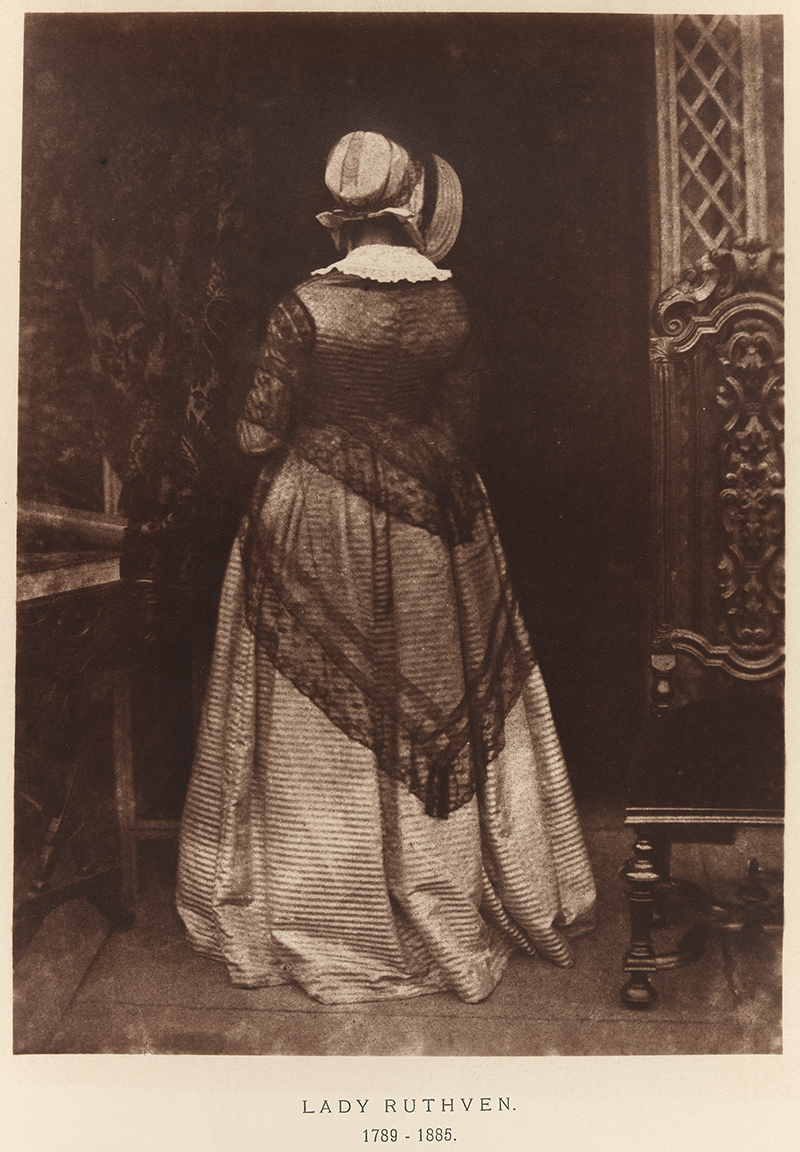
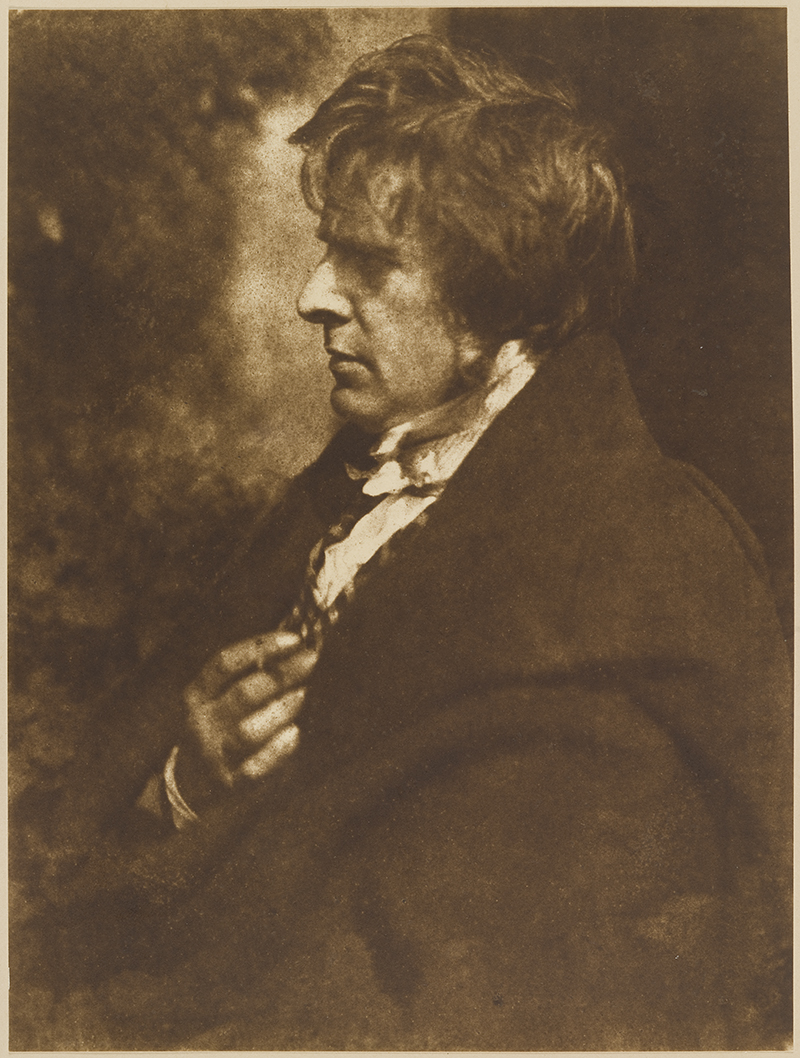
Soon word of this new means of portraiture spread and Hill and Adamson started creating images of and for Edinburgh society. The collection is full of images of friends and family of Hill and Adamson, as well as being a veritable who’s who in Edinburgh.
0012179d
Hill and Adamson realised that this artform could also be used as a form of documentary reporting and began taking photographs of the Newhaven fishermen and women, as evidence of a strong, united and self-sufficient community.
0012131d
Unfortunately Hill and Adamson’s collaboration was short-lived due to Adamson’s continually failing health and eventual death at the age of only 27 in 1848. However, during their prolific partnership they were responsible for the creation of thousands of incredible images. I have loved being a part of the team bringing this collection onto a digital platform and increasing access to such an important and exciting set of images. Here are a few of my favourite images, all of which can be found at: http://images.is.ed.ac.uk/luna/servlet/UoEcar~4~4
0022187d
1 calotype, print size 4.
Newhaven 1. 5 calotypes, print size 4.  Unbound images.
0012135d
0011760d
0011964d
Caroline Ramsay, MSc Material Cultures and the History of the Book

New Ways Of Seeing

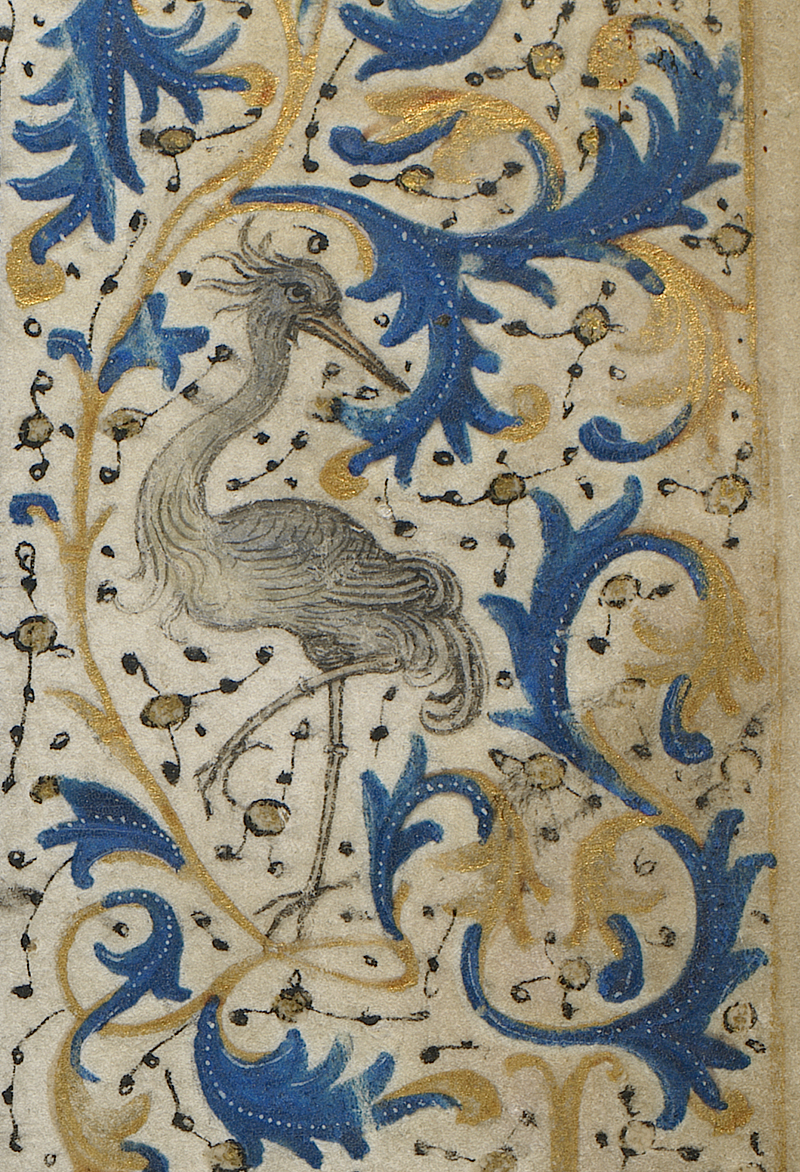
0004187eA large part of what we do in the Digital Imaging Unit is fulfilling digitisation requests from all over the world from researchers and academics who want access to our collections. This week one request required three images from  Ms 195  “Poems Of Virgil” , which is part of the University’s Western Medieval Manuscripts Collection. The detail of the Heron ? or Crane? struck me as an astounding piece of work. The economy of line used to describe the plumage and structure of the bird is very accomplished. I felt this image is worth sharing in detail as it highlights the quality of visual literacy preserved within our collections. The detail also highlights that high quality capture of these works can aid discovery and give us insight into the material. If you compare the detail to the full image via the link to Ms 195 you can see how easily this information could be lost to the eye. The high quality capture provided by top of the range Hasselblad cameras gives us new “ways of seeing” the collections that in turn has multiple applications.

Malcolm Brown

Deputy Photographer

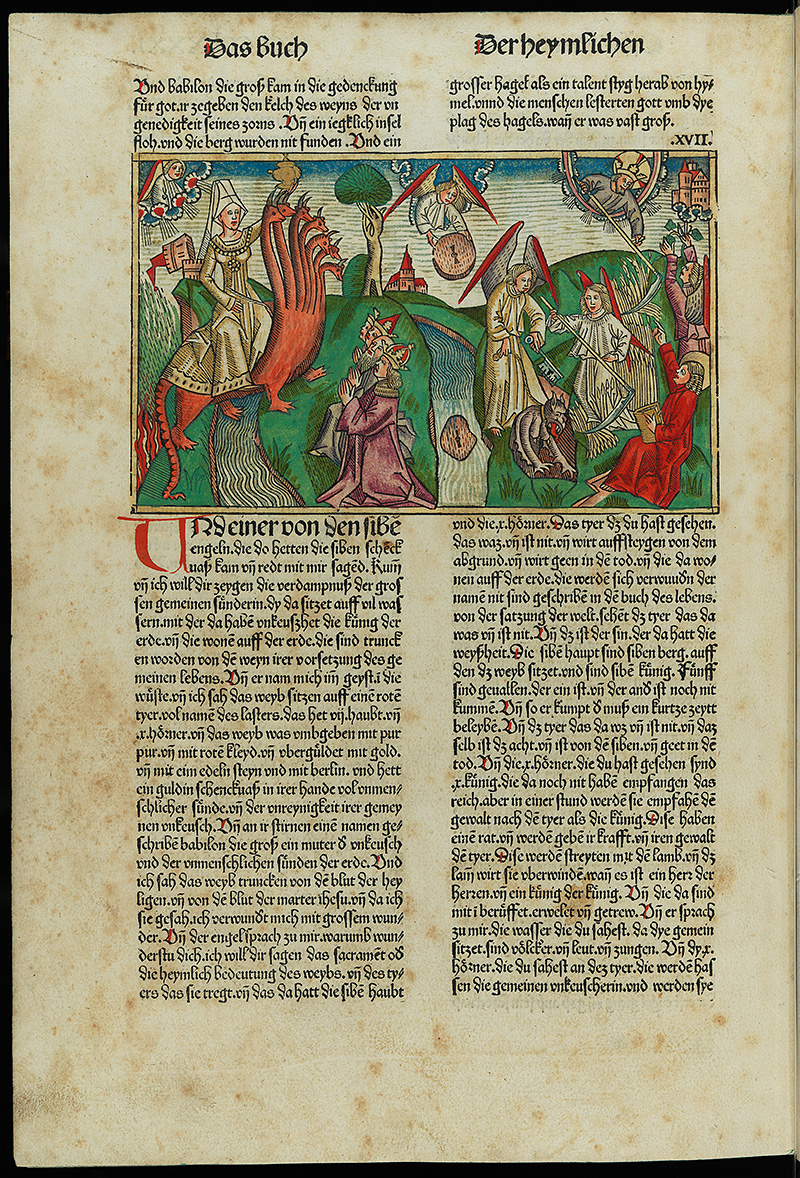
French Bible Historial Now Available in Book Reader

BookReader

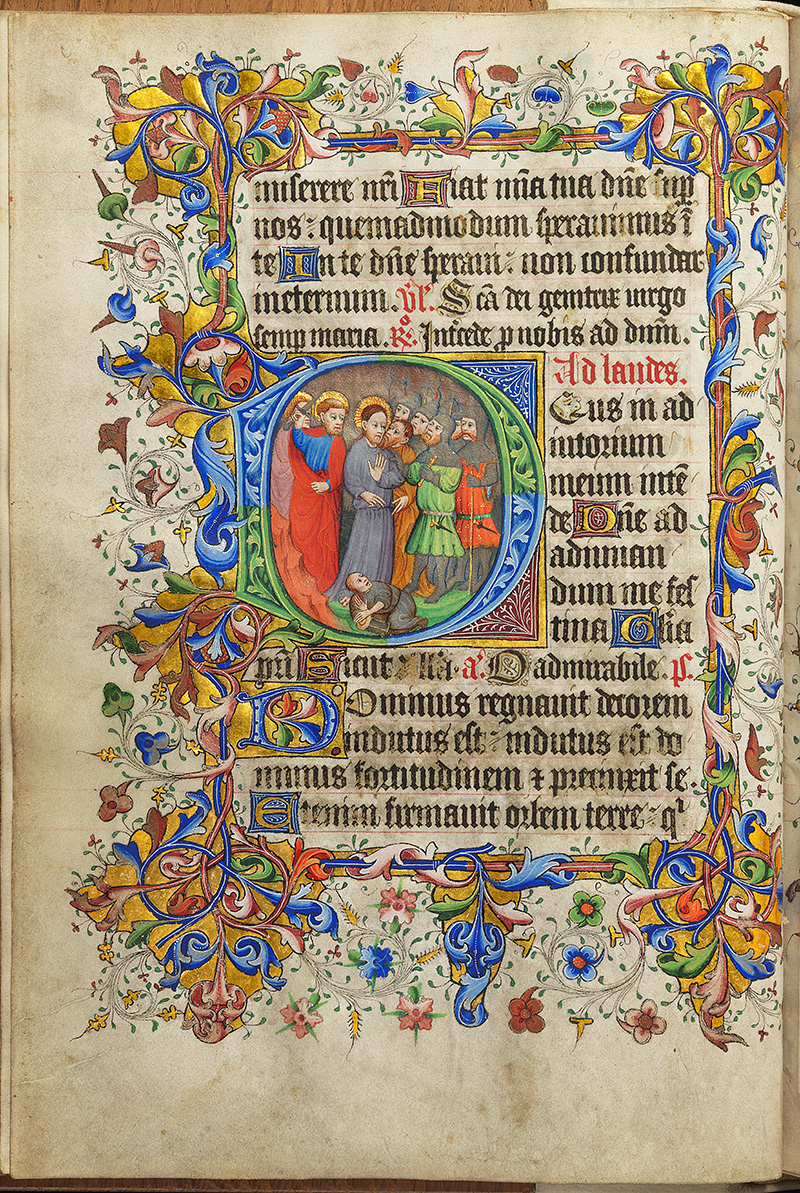
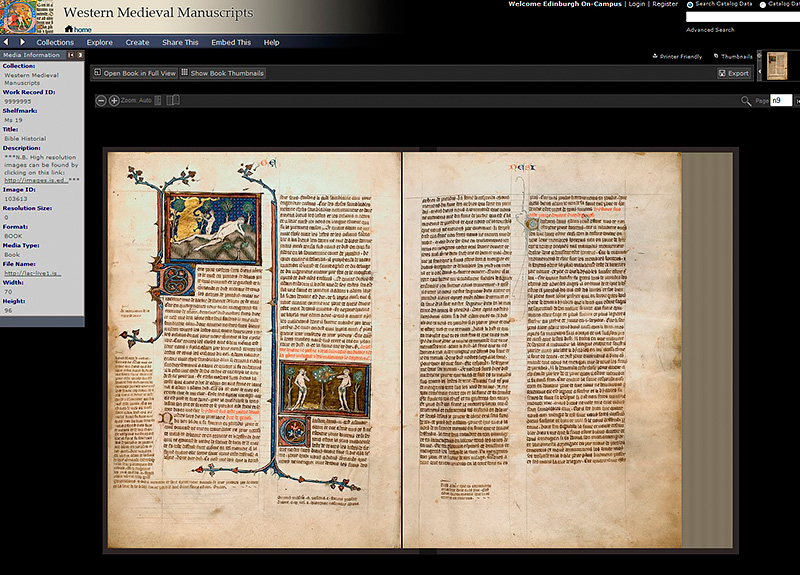
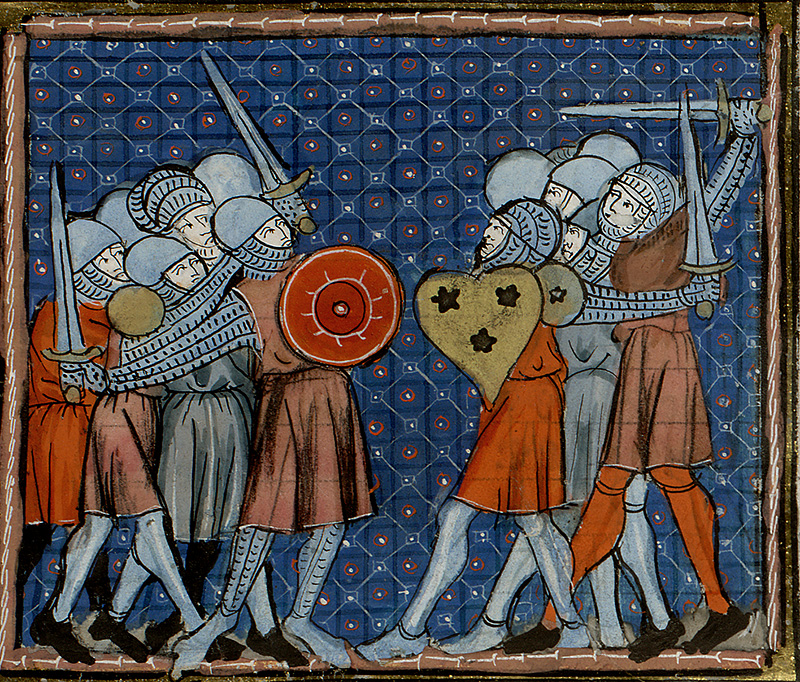
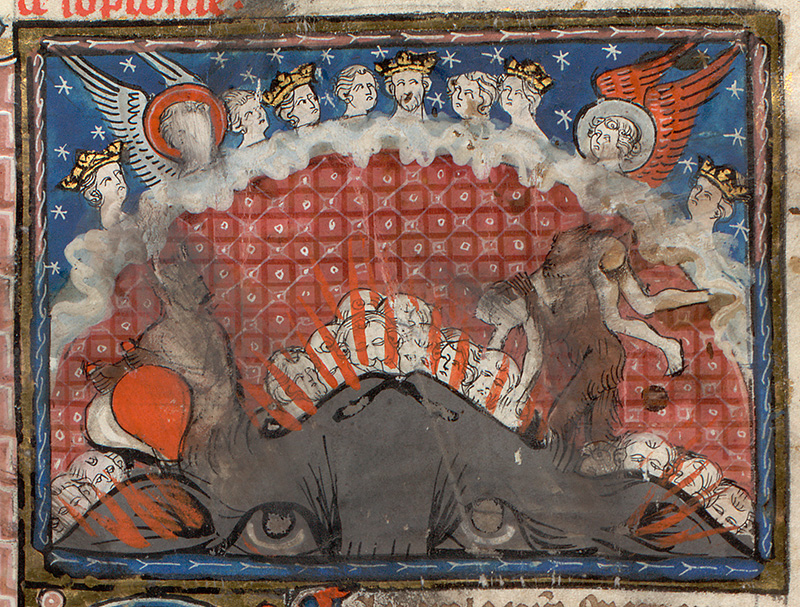
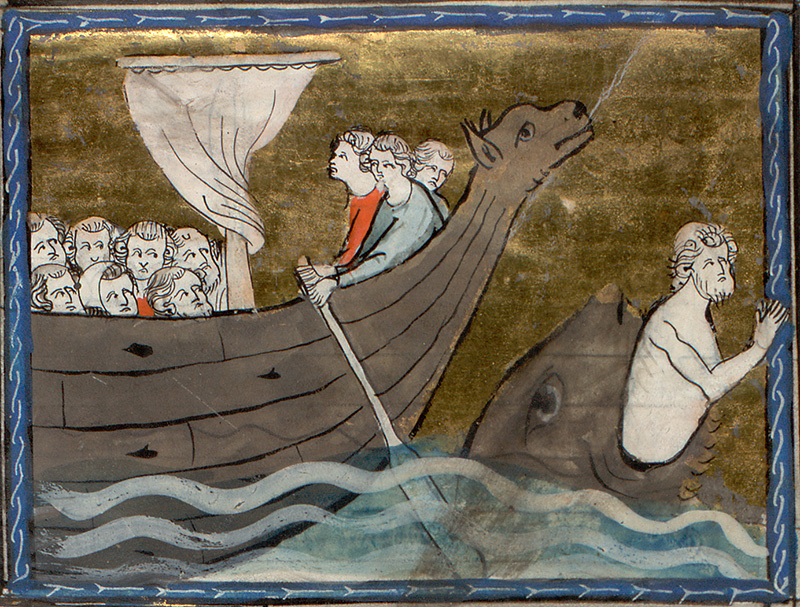
When we started at the DIU at the beginning 2004, a project to digitise a beautiful French Bible known to us as Ms 19 was already half completed, our first job was to finish it. Once this was done it was archived up to server space, and sadly, for many years, forgotten. Which is why I am delighted to announce that it is now available in Book Reader format here http://images.is.ed.ac.uk/luna/servlet/s/523yw6 . Our volunteer Ellisa Manahova – Panagiotaki has been very busy preparing the images to go into the book reader- all 966 pages. Furthermore, volunteer Jessica Macaulay has been working on enhancing the metadata for us, which we hope to add in the coming months.

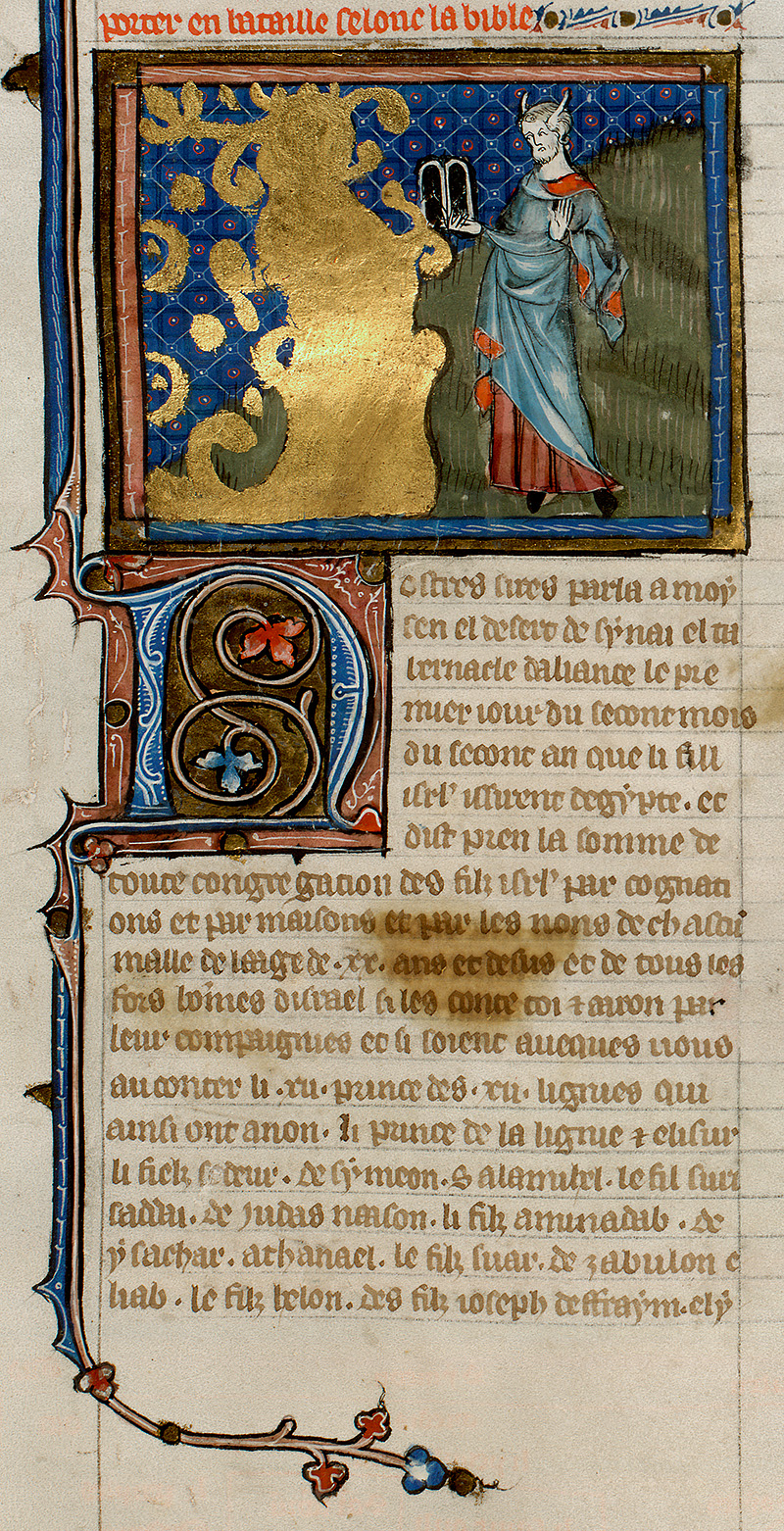
The Bible has some fantastic illuminations, including ones where God has, in an act of very polite censorship, been removed with gold paint. Enjoy!

Susan Pettigrew

0026198d 0026658d 0026649d 0026130d

CENSORED!

Last week I was sent a wonderful book, Deletrix – a collaboration between the artist Joan Fontcuberta, Catalan PEN and Arts Santa Mònica and it explores censorship and violence done to books. Thought provoking, and beautifully illustrated with images that have a strange haunting quality- indeed Fontcuberta challenges the audience as to whether the inherent beauty of the object can redeem the violence done to them. It has got me thinking about the items in our collections that have suffered changes at the hands of censors over the years.

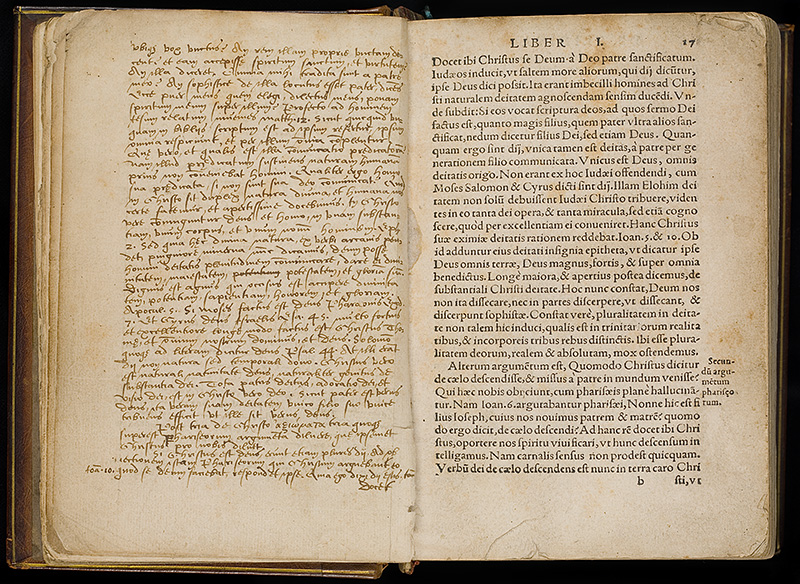
Perhaps the one that immediately springs to mind is Micheal Servetus’ Christianismi Restitutio http://images.is.ed.ac.uk/luna/servlet/s/tv7257. It is thought to be the copy Servetus sent to Calvin; incensed by Servetus’ theories, Calvin ripped out the first 16 pages before he set the wheels in motion to have Servetus burned at the stake using his own books for the fire! (See http://en.wikipedia.org/wiki/Michael_Servetus for more information).
0009386d

However, there are many more censored images in the collection, often the result of religious belief & moral concerns. All the illustrations in the Genesis chapter of this French Bible appear to have God covered with Gold paint http://images.is.ed.ac.uk/luna/servlet/s/q28182
0026013dAnd there are many examples of people being defaced http://images.is.ed.ac.uk/luna/servlet/s/ir0qfd
0010570d

Further examples can be found below
http://images.is.ed.ac.uk/luna/servlet/s/75ig3v – perhaps an example of Victorian vandalism?
Or how about this one, where it looks as though the owners name and anathema has been deliberately erased http://images.is.ed.ac.uk/luna/servlet/s/55b726

More information on Deletrix can be found at the links below
http://nathaliepariente.wordpress.com/2012/11/05/nouvelle-exposition-joan-fontcuberta-deletrix/

http://www.flickr.com/photos/pencatala/sets/72157635582961896/with/10022317404/

http://www.youtube.com/watch?v=vr_AP8dK18w&feature=youtu.be

Many thanks to Ana González Tornero for the beautiful book, the links and information about the Deletrix Project.

Susan Pettigrew

Gems from the ECA Rare Books Collection

The CRC Assistant Rare Books Librarian has been busy cataloguing books from the Edinburgh College of Art Collection again, and has sent a few our way to photograph for upcoming talks and publications.

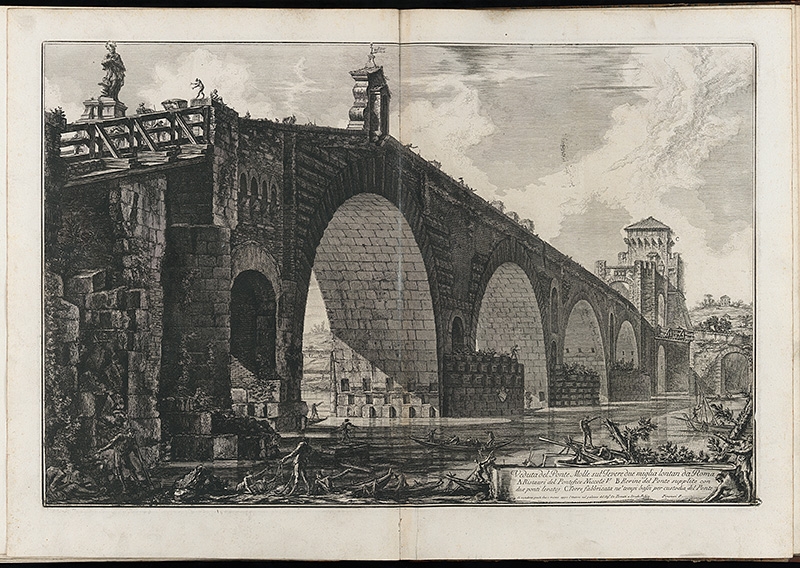
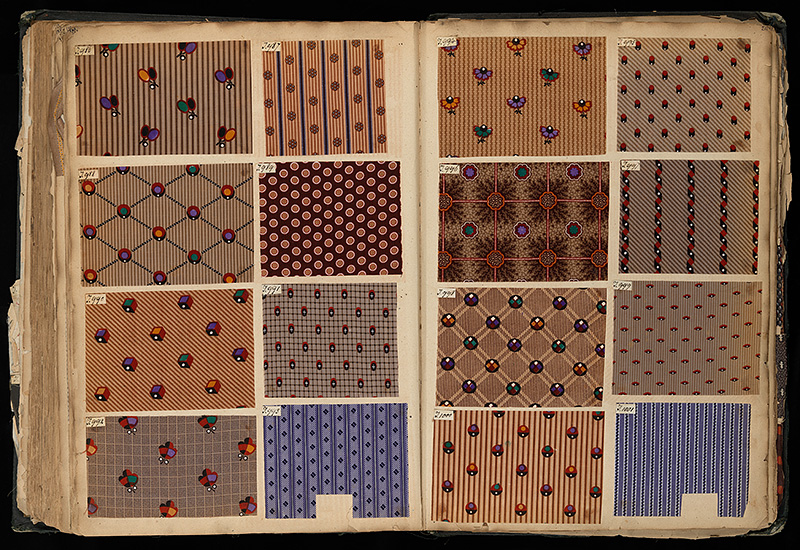
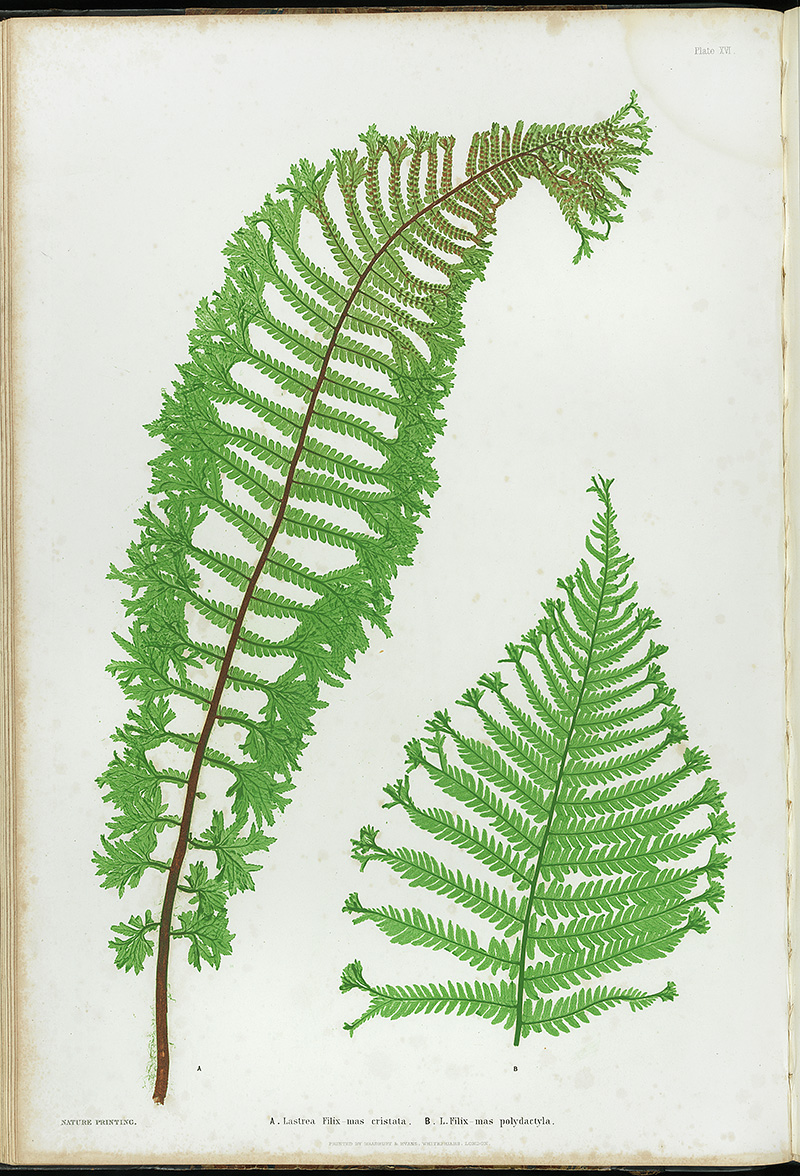
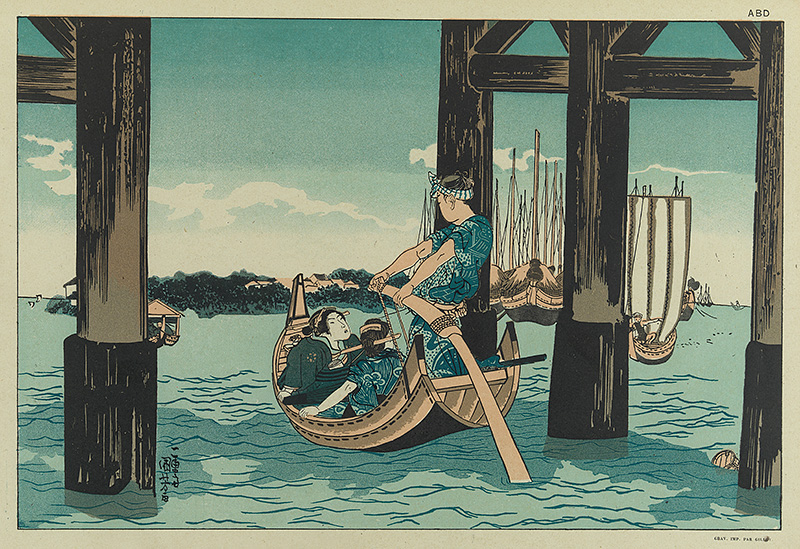
An amazingly diverse collection from 15th C. Sermons to etchings of Italian landscapes to 19th C. Japanese artistic review magazines and on to detailed plates of British Ferns, each book contains its own wonders.

Susan Pettigrew

0055609d
RECA.MS.26 Calico Samples Album, pp.200v-201r
0055628d
RECA.F.157 Le Japon Artistique, vol.3, no.17, pl.ABD
0055638d
RECA.FF.210 British Ferns, Moore, Thomas, pl.XVI
0055644d
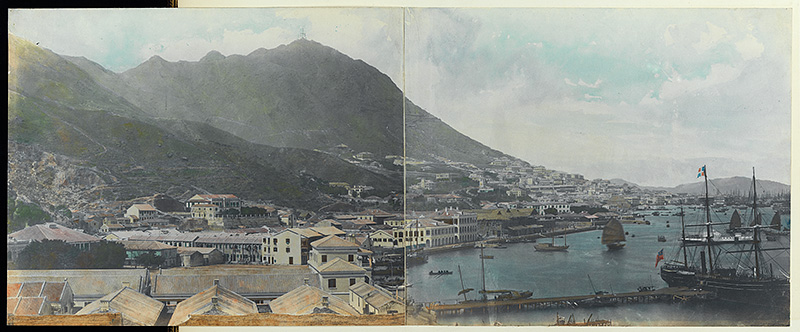
RECA.MS.8 China, Hong Kong, Shanghai, Macao: Photographs Taken on Lord Elgin’s Diplomatic Mission and Military Campaign in China 1857 – 1861, p.52


Fire and Brimstone

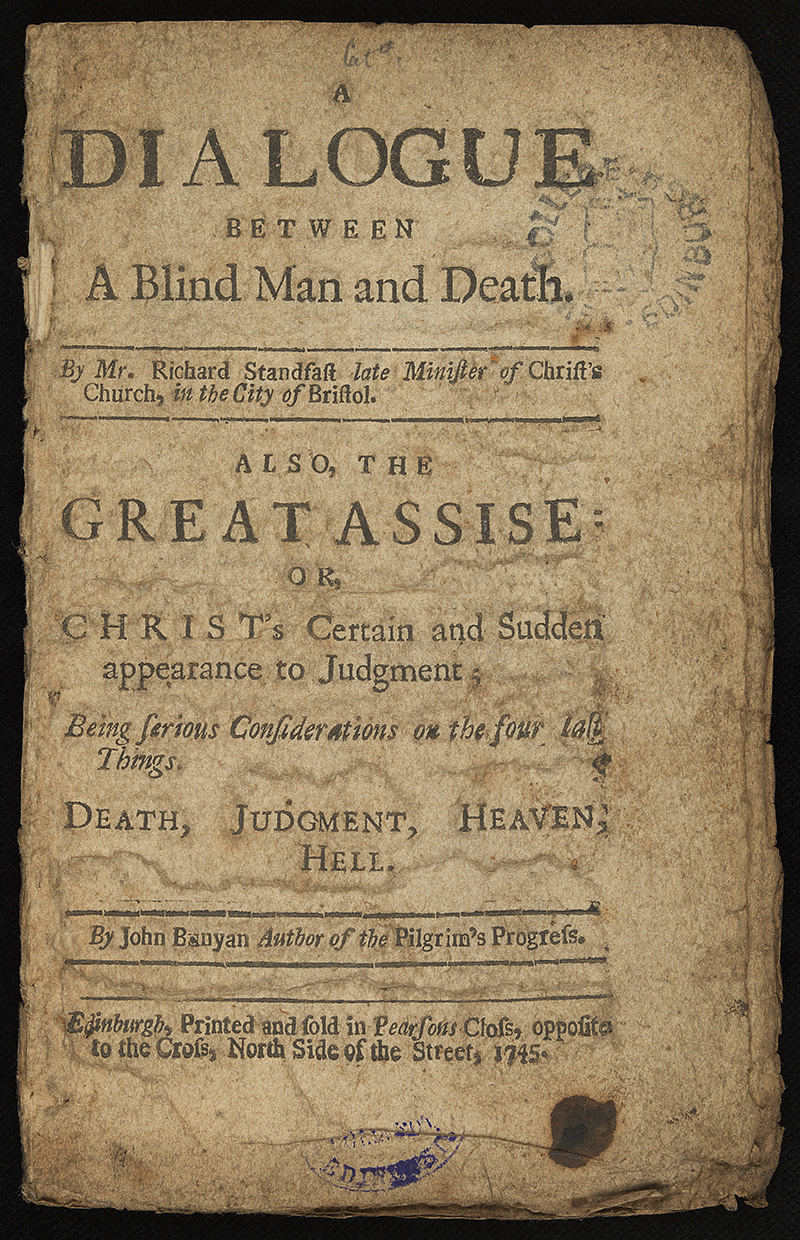
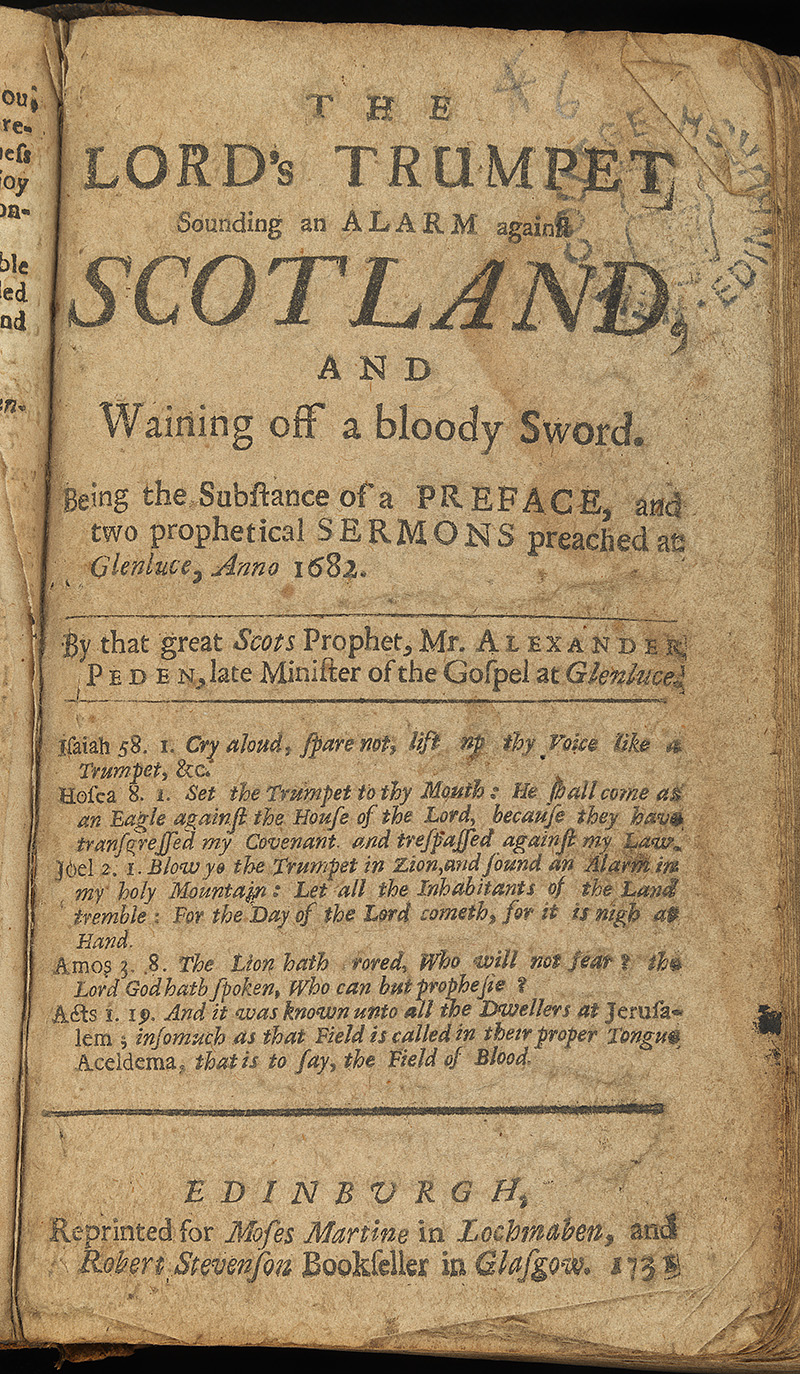
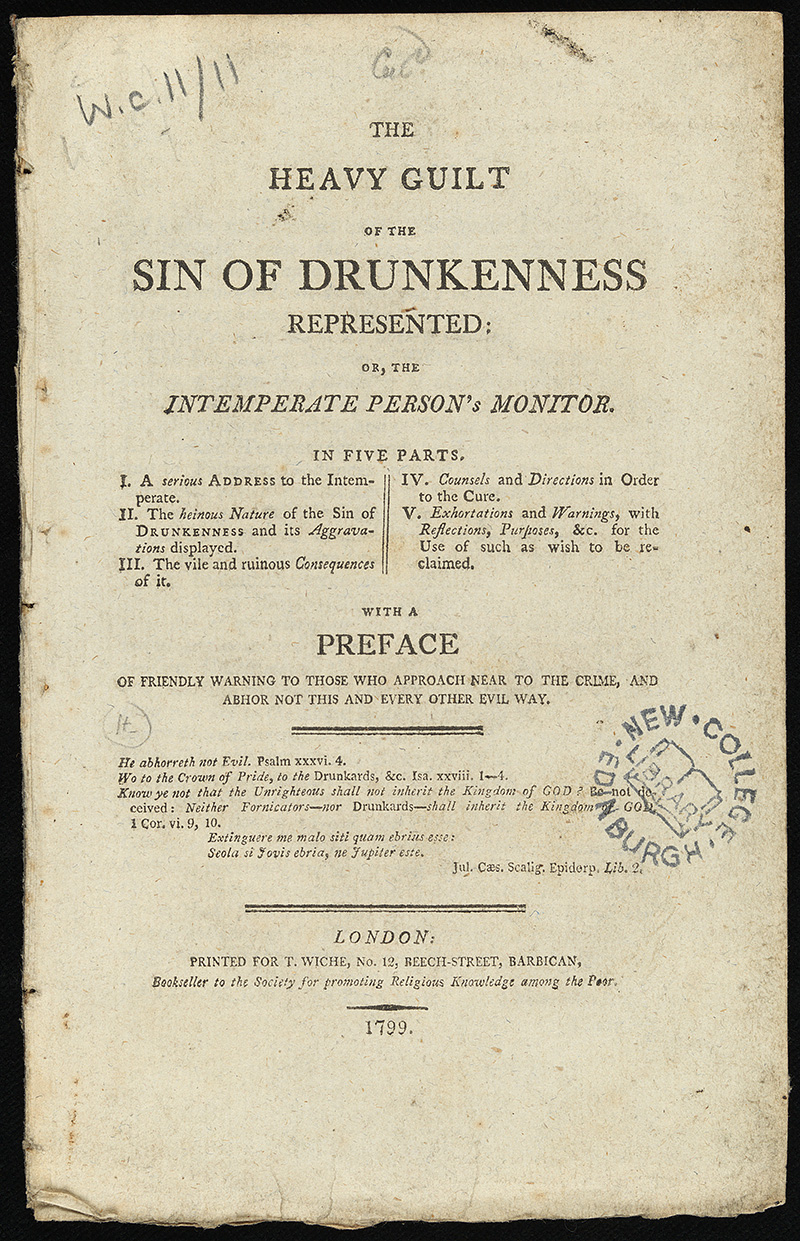
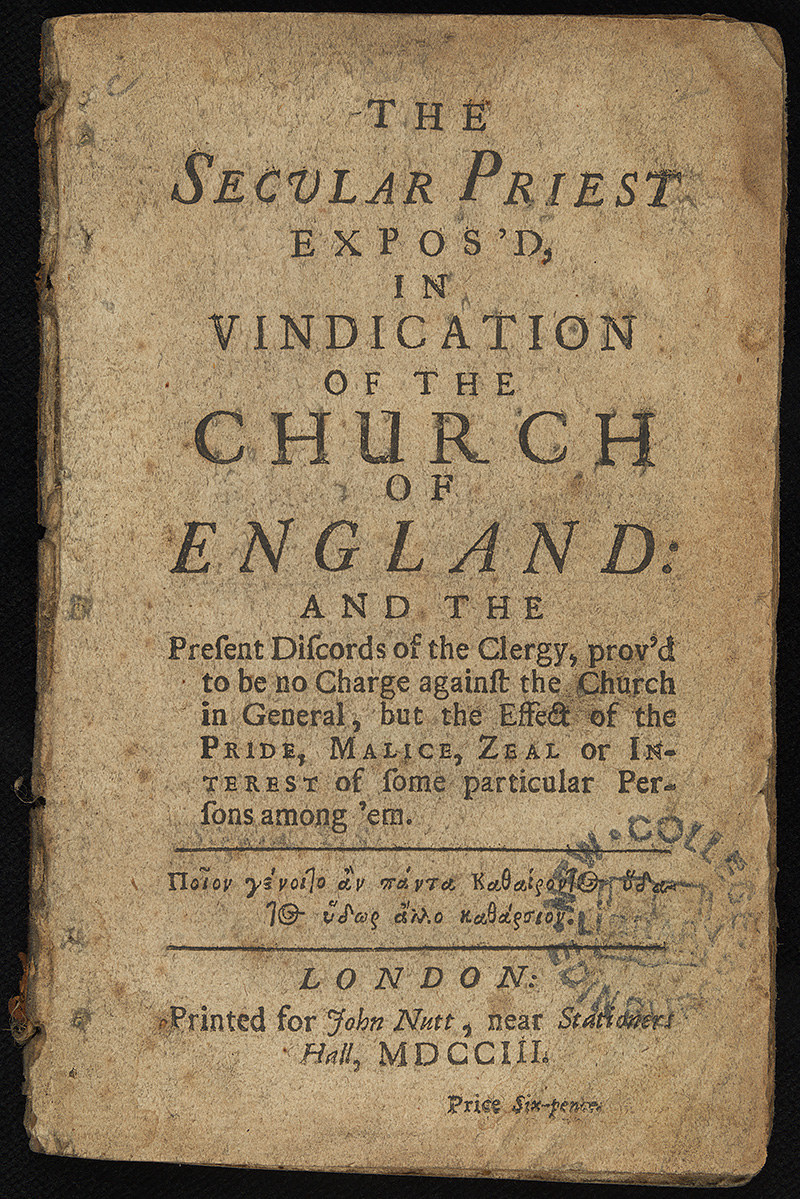
This week we have been working on some Religious pamphlets for the English Short Title Catalogue. These have come from both the New College Library and here at the Centre for Research Collections, and some of them have the most delightful fire and brimstone titles.

For more information about the ESTC see http://estc.bl.uk/F/GFIV3P5UCLQIQIHNQC1EQBU4HFL4Q9YYCCQ5XD4QM8XJRAED8Q-13504?func=file&file_name=catalogue-options

Susan Pettigrew

0055571d 0055556d 0055514d 0055515d 0055576d 0055509d

Pretty Things!

Yesterday was one of those days that remind me why I love my job. We have been searching out images for use in calendars, cards and prints, and Assistant Rare Books Librarian Elizabeth Quarmby Lawrence bought me some of our recent acquisitions to look through for ideas.

I have been photographer here for nearly 10 years and every week something comes through our door that is beautiful, exciting & precious- yesterday an abundance of such items arrived in the DIU. I always feel immensely privileged to be able to work with such an incredible collection- and the team that looks after them too.

My biggest problem was choosing which ones to photograph- there were far too many pretty things to choose from! I tried (and sometimes failed) to set myself a limit of no more than 5 images per original, and the following are some of my favourites.

Susan Pettigrew

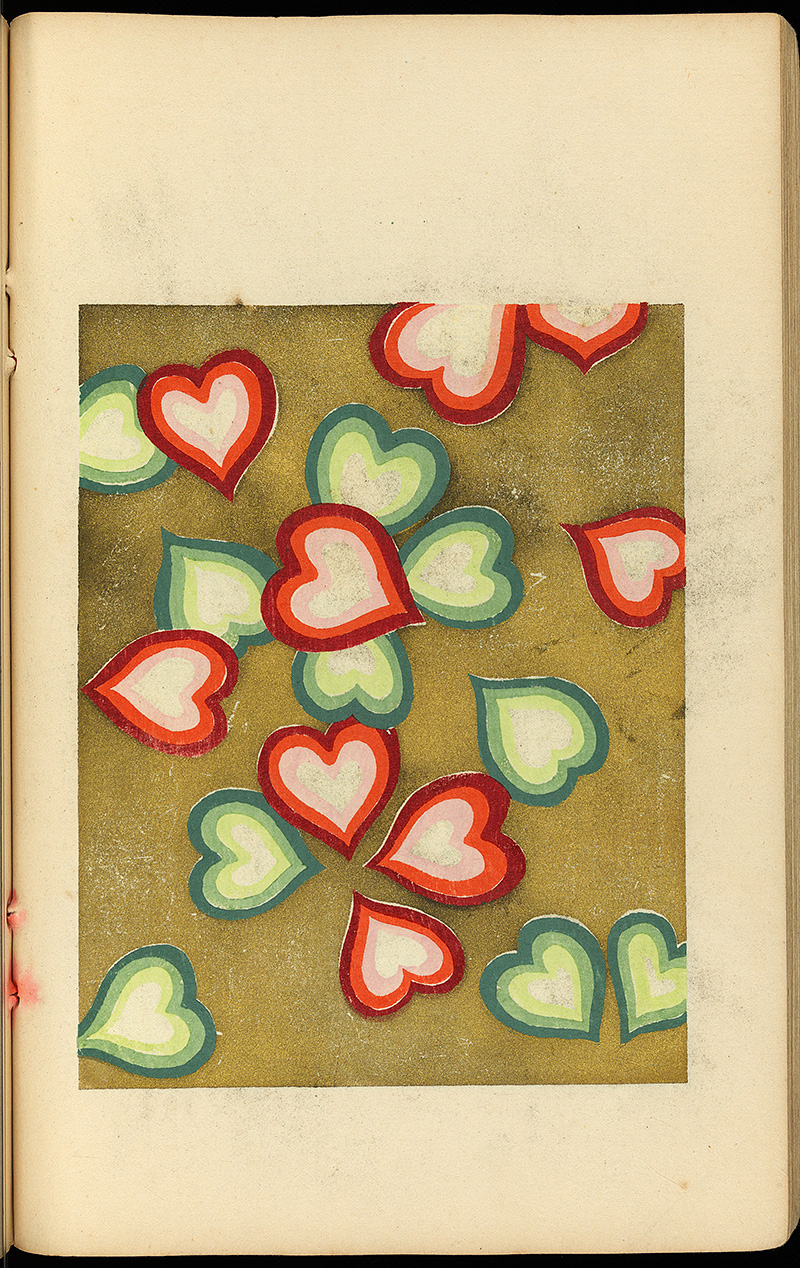
Kimono material designs: RB.P.992 Shin-Bijutsukai, issues 21-25, Kyoto, 1903-6.
RB.F.604 A Specimen Book of Pattern Papers Designed for and in Use at the Curwen Press, 1928.
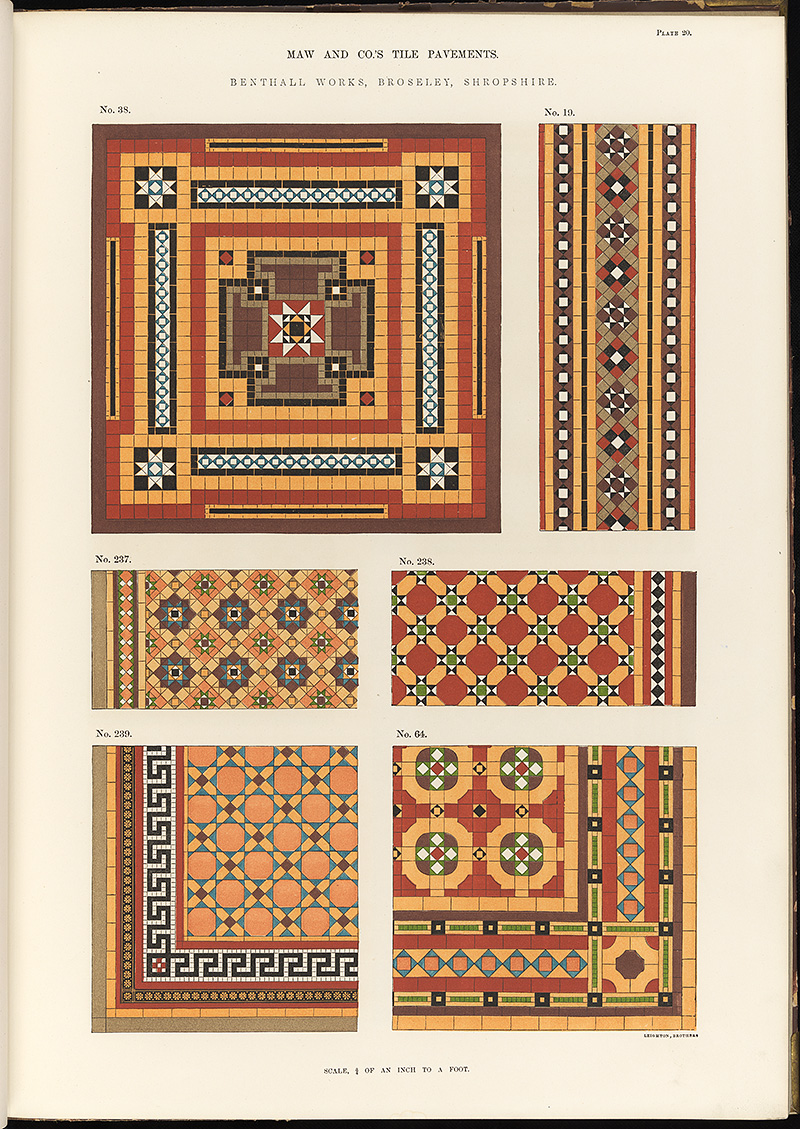
Edinburghers- have you ever wondered where the city’s lovely quarry tiles come from? In the Edinburgh College of Art Rare Book collection we found this- RECA.F.97Maw And Co.'s Patterns, Geometrical and Roman Mosaics, Encaustic Tile Pavements and Enamelled Wall Decorations, pl.19.
Edinburghers- have you ever wondered where the city’s lovely quarry tiles come from? In the Edinburgh College of Art Rare Book collection we found this- RECA.F.97Maw And Co.’s Patterns, Geometrical and Roman Mosaics, Encaustic Tile Pavements and Enamelled Wall Decorations, pl.19.
Bahaus book cover designs: RB.FF.210 Vierzig neuzeitliche Entwürfe fur künstlerische Bucheinbände : Vorlagenwerk für Handvergolder Kunstbuchbinder und Fachschulen, 1928. Paul Kersten and Paul Klein, No.39.
css.php

Report this page

To report inappropriate content on this page, please use the form below. Upon receiving your report, we will be in touch as per the Take Down Policy of the service.

Please note that personal data collected through this form is used and stored for the purposes of processing this report and communication with you.

If you are unable to report a concern about content via this form please contact the Service Owner.

Please enter an email address you wish to be contacted on. Please describe the unacceptable content in sufficient detail to allow us to locate it, and why you consider it to be unacceptable.
By submitting this report, you accept that it is accurate and that fraudulent or nuisance complaints may result in action by the University.

  Cancel