Any views expressed within media held on this service are those of the contributors, should not be taken as approved or endorsed by the University, and do not necessarily reflect the views of the University in respect of any particular issue.
Our wonderful Intern Gemma is leaving us today, but she has managed to squeeze in one more post before she goes. Gemma has done some really amazing work for us, after completing her cataloguing project of Oriental Manuscripts (her work can be seen here http://images.is.ed.ac.uk/luna/servlet/UoEsha~4~4 ) in record time, she has helped out with Flickr, Walter Scott and a new project about not yet officially started too. I’d like to say a very big thank you to Gemma for all her hard work- we’re going to miss her! Over to Gemma…
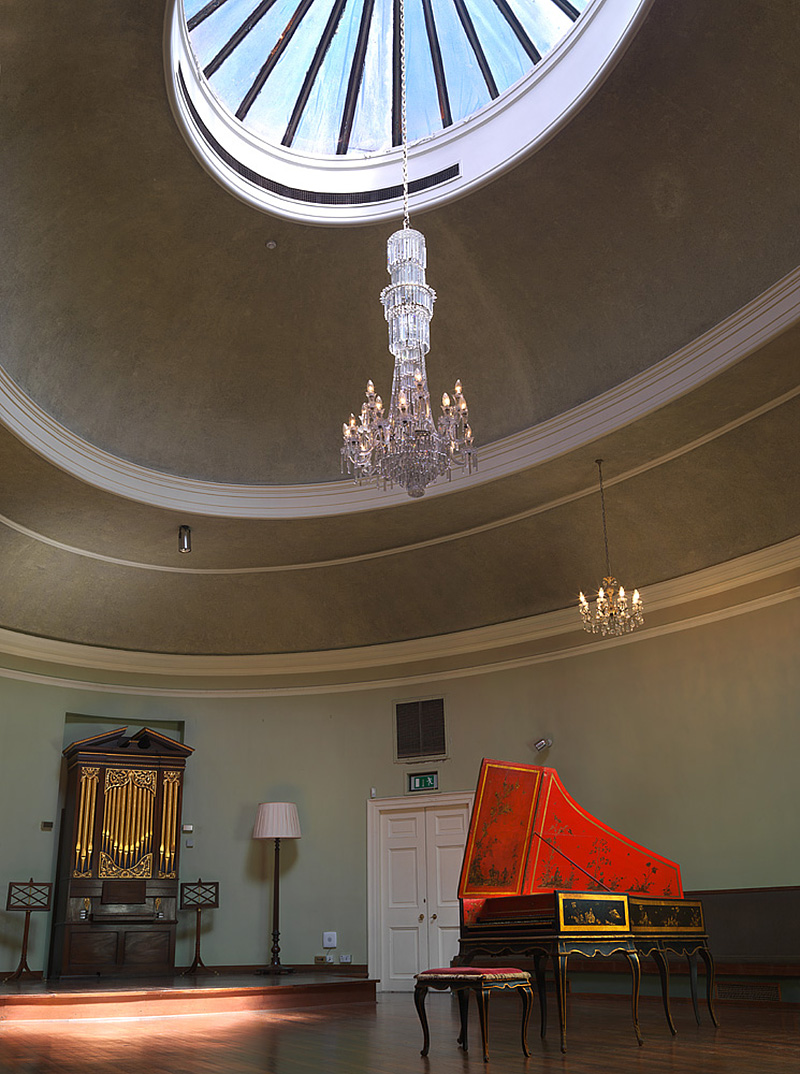
In the last couple of weeks I have been out to visit both the Reid Musical Instrument Museum and St. Cecilia’s Music Hall to document the buildings prior to a makeover.
The Reid is a particularly challenging location for a photographer: tight spaces with mixed lighting and tall glass cabinets lining the walls and centre of the room. Reflections everywhere. It turns out that this was not a good day to wear my new white top! Continue reading “Interior Challenge”
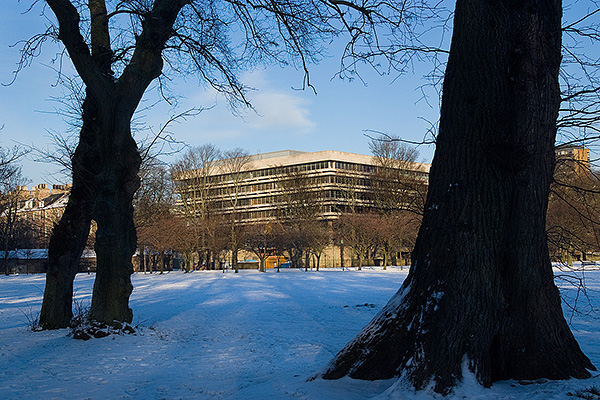
As part of our role here, Malcolm and I have taken many photographs of the Main Library. Over the years this has built up an archive of born digital images that show the life of the Library. Before and after shots of the Main Library Redevelopment Project, seasonal shots of the building and campus environs, students using the facilities and CRC events- such as exhibition openings, have all been documented.
Occasionally, one of us has to play a cameo role in the photo’s on those days we just can’t seem to get a student in the right spot, Malcolm stars in this one…
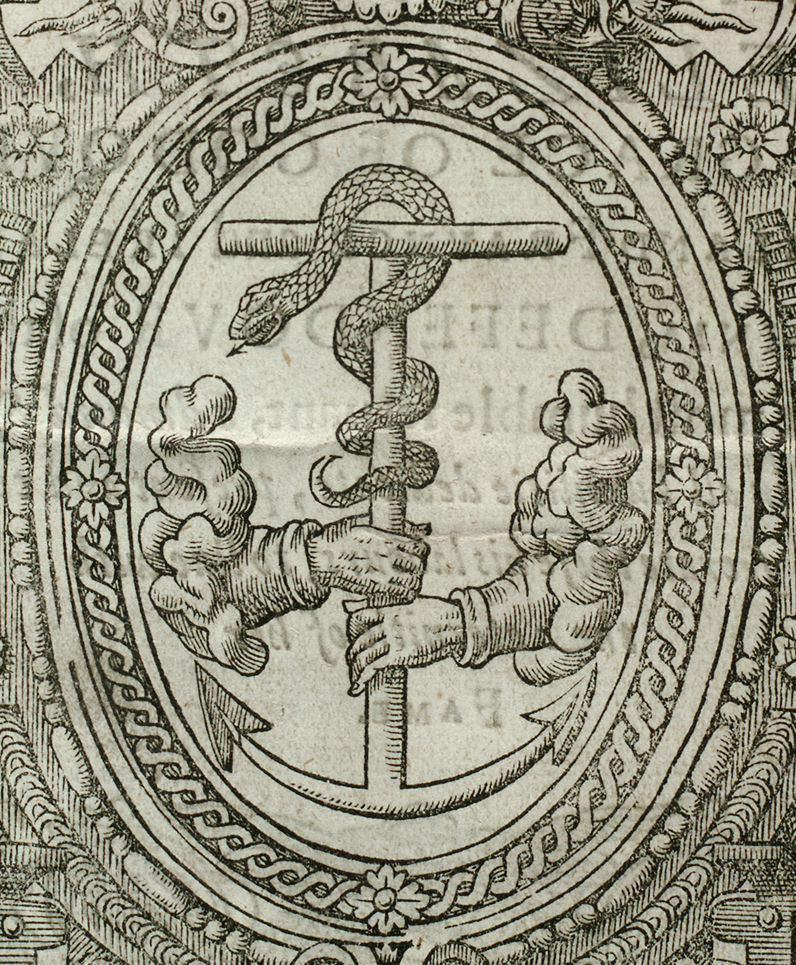
Another visual essay from me this week. I thought it would be interesting to share a closer look at the amazing work of the invisible artists who populate the title pages of many books in our collections. I am constantly astonished at the graphic accomplishment present in these works from anonymous artists. I have spent some time highlighting details that are inspiring works in their own right. These works stand on their own feet and in their own space. All images this week are details from ” The Faerie Queene “. Shelfmark JY 1096. Points of note are the best snake tongue ever drawn (see below) and a fantastic phoenix rising from flames. More images from the book can be found within our image collections at http://images.is.ed.ac.uk/
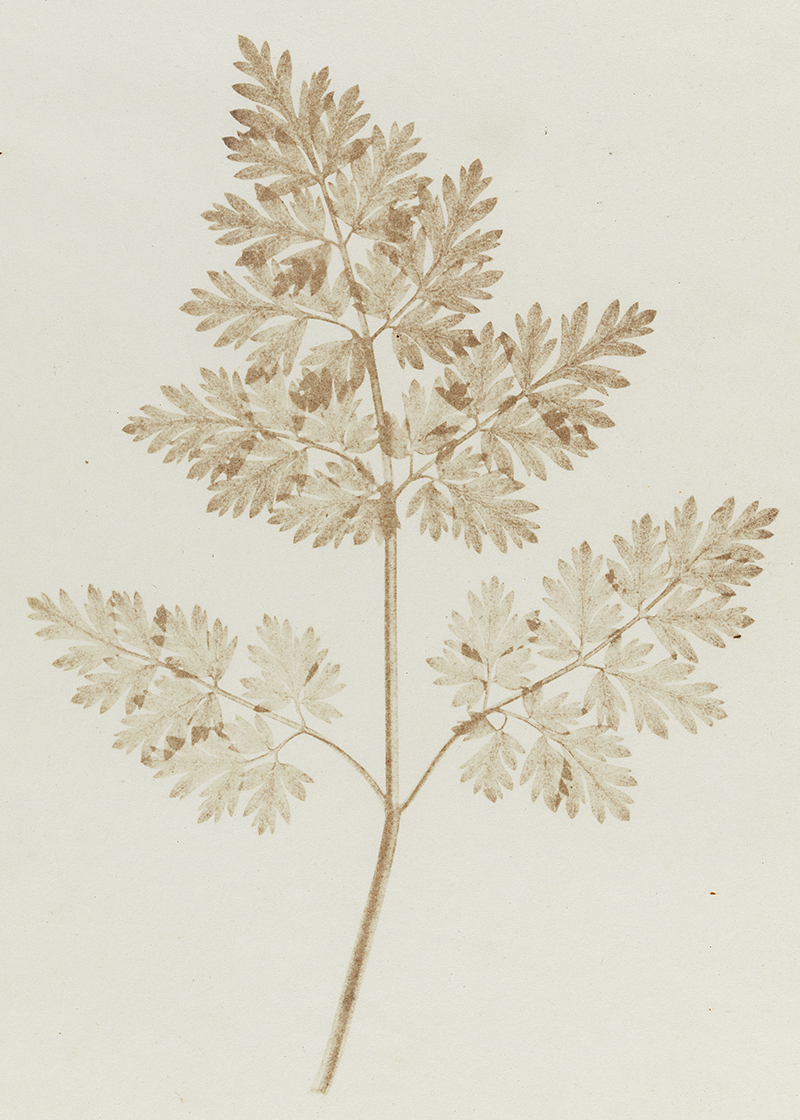
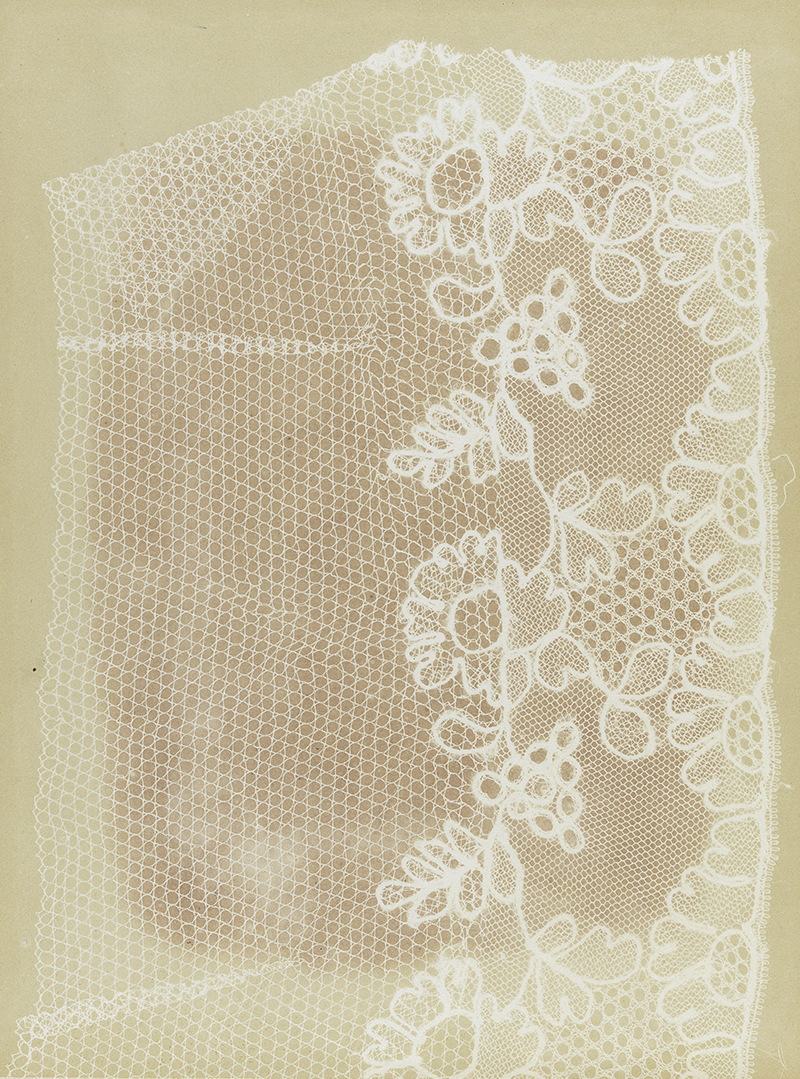
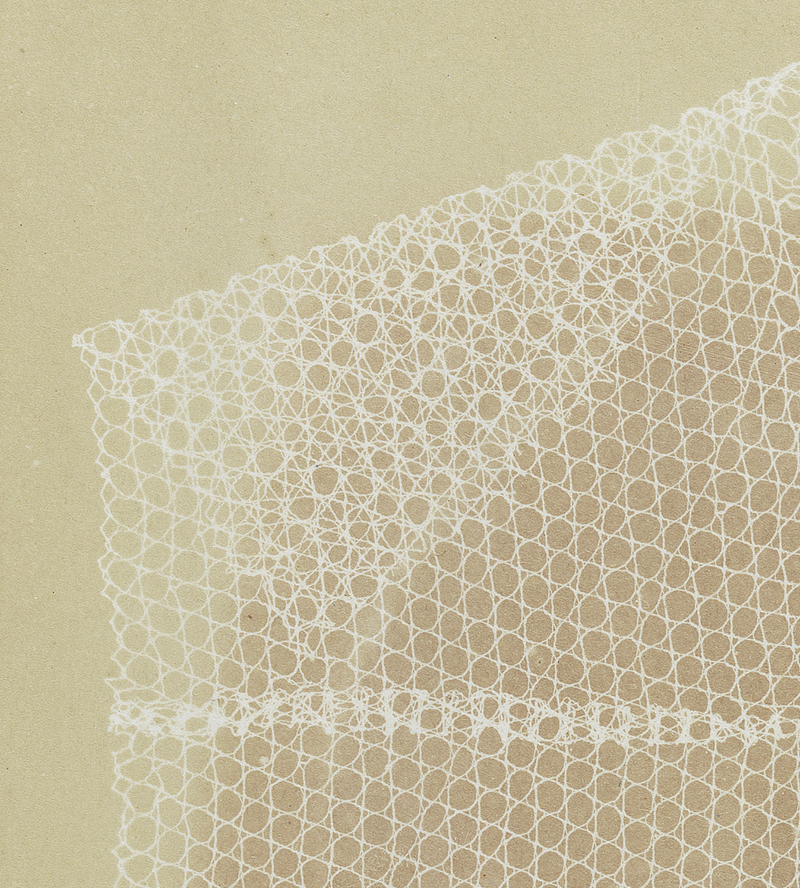
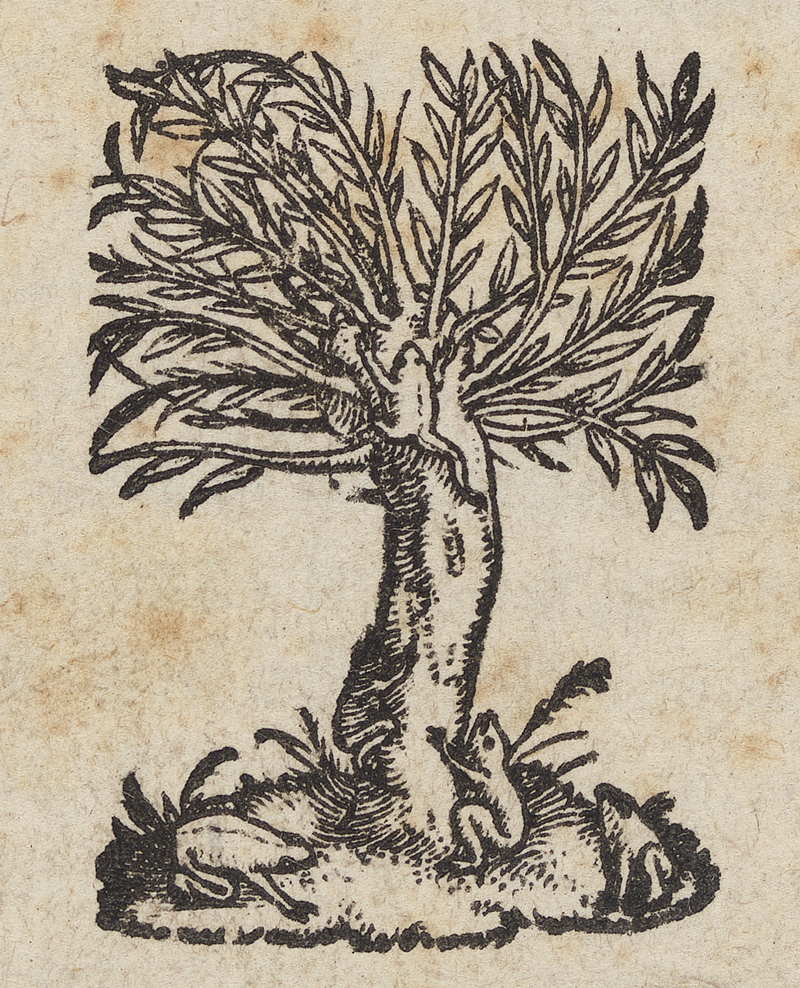
Two of my favourite photographs in the Centre for Research Collections come from The University of Edinburghs copy of William Henry Fox Talbot’s “The Pencil of Nature“. Shelfmark Df.3.85 .The book also contains an exceptional capital letter T complete with small dragon like creature with a vine like tongue. As can be seen below.
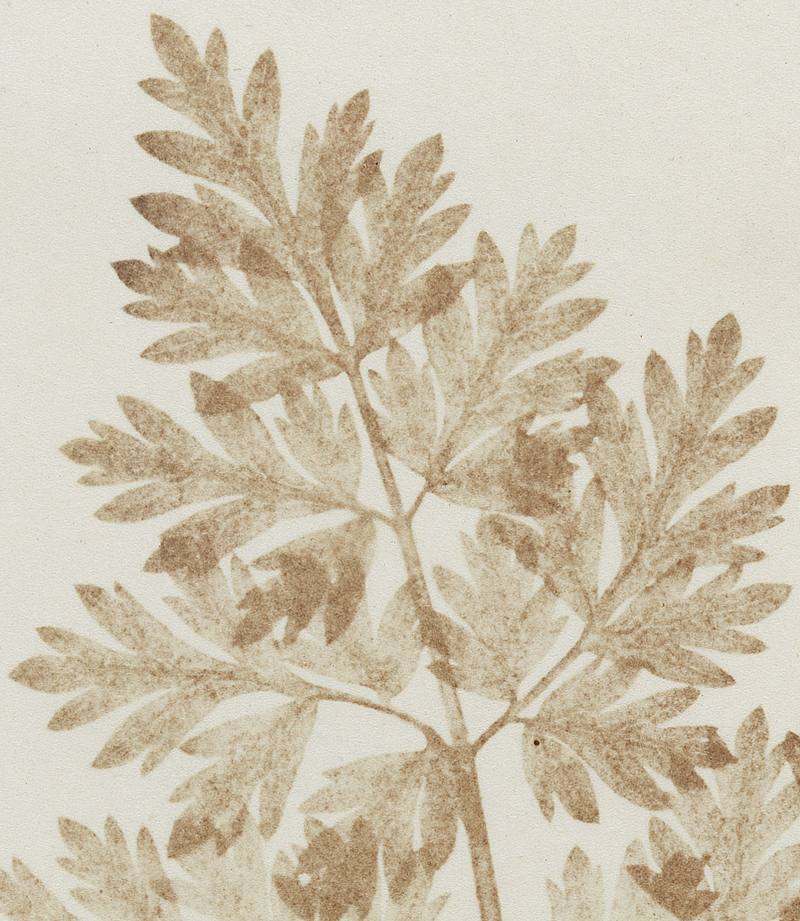
The two images that impress from the book are minimal images that to me feel very modern but have a profound sense of the time they were created through the use of the calotype technique. However i think these images create a wonderful time portal and makes us think of now as well as one hundred and seventy years ago when they were created. I have included whole and detailed views of both of the photographs. Further images from the book can be found here.
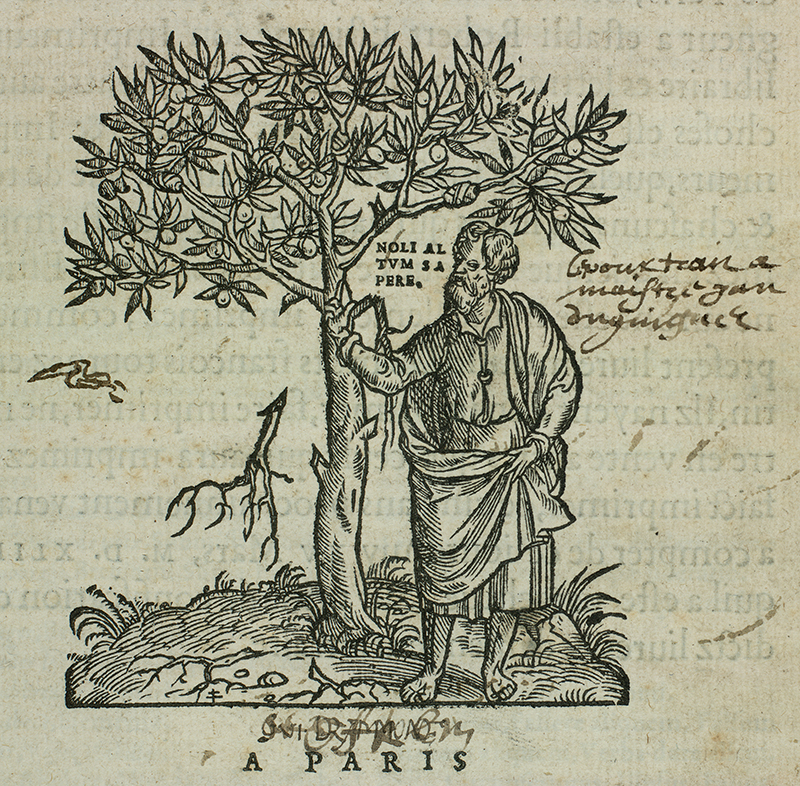
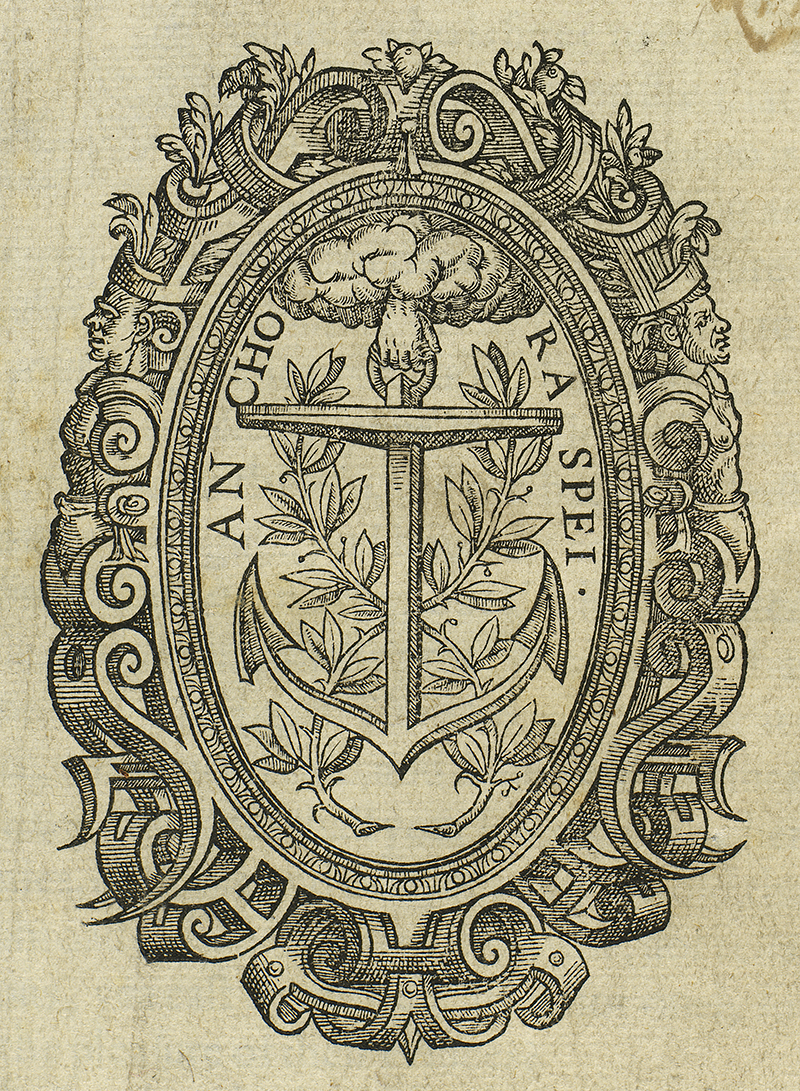
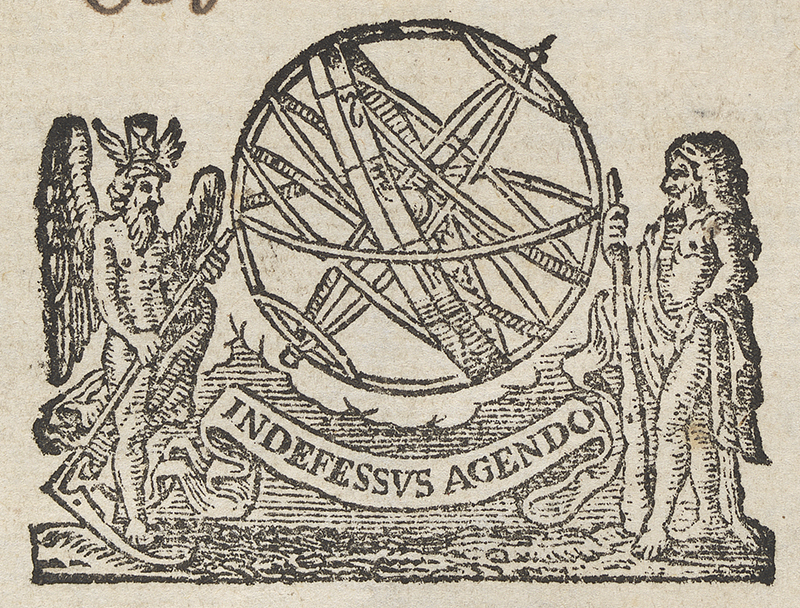
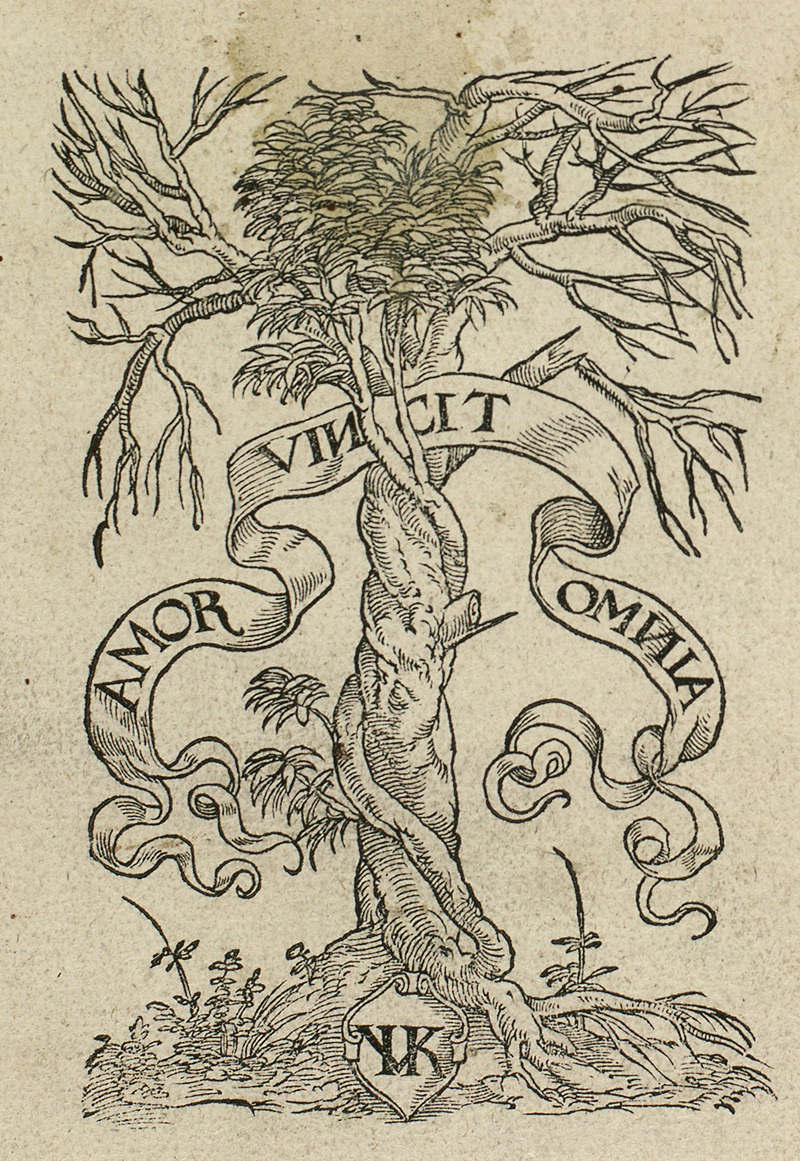
Having a background in Fine Art through study at Glasgow School of Art I am very aware of the striking visual content that passes through the Digital Imaging Unit on a daily basis. Of particular interest to me over the years of working with rare books is Colophon and Logotype. “This originated in Renaissance printing shops, where a title page would feature the printer’s mark (colophon) near the bottom of the page, usually above the printer’s name and city.” This early form of branding is fascinating in its use of imagery and the expert hand skills used to convey a meaningful message. The tree of knowledge is a popular symbol often appearing with broken branches. The level of thought over the imagery and the care taken over the execution is a remarkable investment in brand and product. The Colophon was eventually replaced by printers statements in a more legal and business like text form. Colophon have begun to re-appear for websites and online content publishing, this is a nice nod of the head over centuries of time to the continuation of a craft persons expertise and skill set.
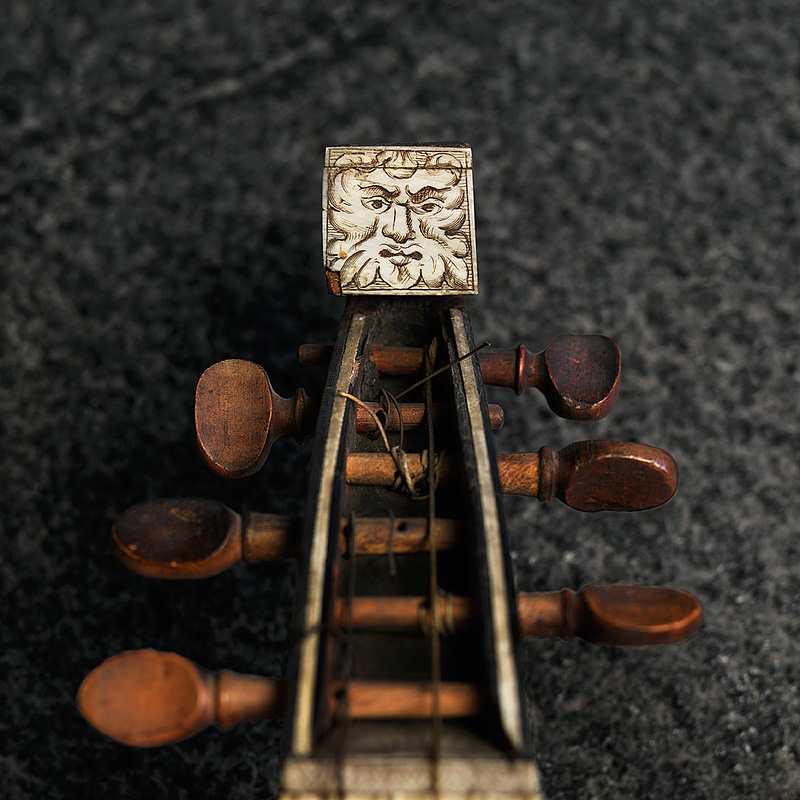
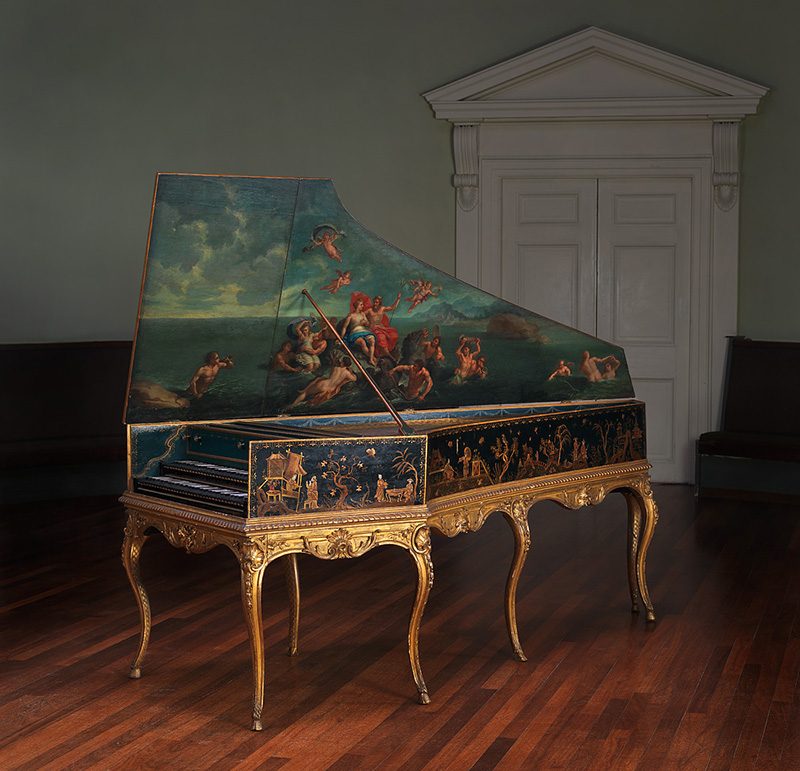
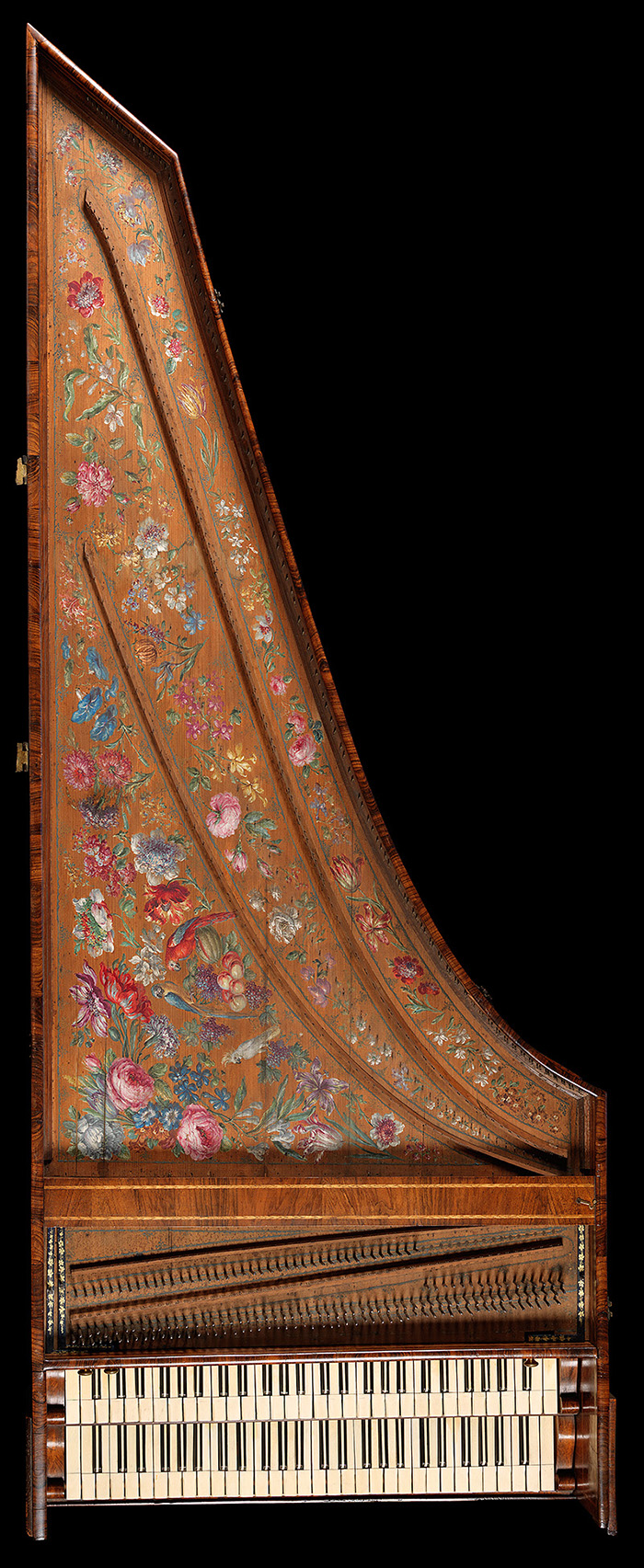
As photographers for the Special Collections in the University of Edinburgh Main Library, we’ve seen a fair amount of beautiful books and manuscripts, but the diversity of the collections, both here at the Library and from other locations around the University always surprises me. Many of these have been bought to us for photography over the years, and on occasion, we have had to decamp from the studio and go out to the collection. In 2012 we were asked to go to St Cecilia’s Hall to take photographs for a Calendar to promote the redevelopment project, then in its infancy. We had a fantastic week photographing harpsichords, guitars and lutes in the 18th Century Hall to place them within their context. The instruments provided us with many challenges: harpsichords are not the easiest to light to bring out the gold details and elaborate painting – particularly not in a room with mixed light sources and green walls. In one shot taken by my colleague, Malcolm Brown, we were asked to show the whole object as if looking from above. Thankfully, the curator allowed us to turn the instrument on its side, although we sometimes tell people who ask us how it was done that we had Malcolm suspended from the ceiling Mission Impossible style to take the photo. Further information about St Cecilia’s can be found at http://www.stcecilias.ed.ac.uk/about.html
Another highlight for us was the visit to the Anatomy museum to photograph the murderer William Burke’s Skeleton (see http://en.wikipedia.org/wiki/Burke_and_Hare_murders). On arrival at the museum we discovered that there was major building work going on outside and the drilling was causing vibrations through the floor. At the time we were working with a Hasselblad multishot which took 16 shots to build up a very high resolution image so the slightest movement would ruin the shot. We had to try to shoot in the lulls between drilling- the challenges of location photography!
We were also lucky enough to photograph the magnificent Renaissance Giambologna bronze Ecorche horse. Having decided that we wanted the photographs to be low key, dark images to bring out every muscle ripple and vein, we had to carefully light the cast so that it was distinct from the background. This required reflectors to be suspended from the ceiling to run a highlight up the neck and others to be held in place during the shots, a real team effort.
3 dimensional objects always require more thought to the lighting to bring out subtle textures and details as you can see in this image of a Gandharan Sculpture, whereas the challenge of metallic surfaces is to hide unwanted reflections.
It is always exciting to photograph these wonderful objects that have made their way into the University collections, and recently we have even seen some ‘Book Sculptures’ too.
Last week we were very pleased to make 864 new images available to the public. In the DIU we had recently completed a batch of nearly 1000 high quality images from Readers Orders and Staff requests, so we handed these over to Library Digital Development Team to upload into LUNA http://images.is.ed.ac.uk/ . Of the images that could be made available to the public…
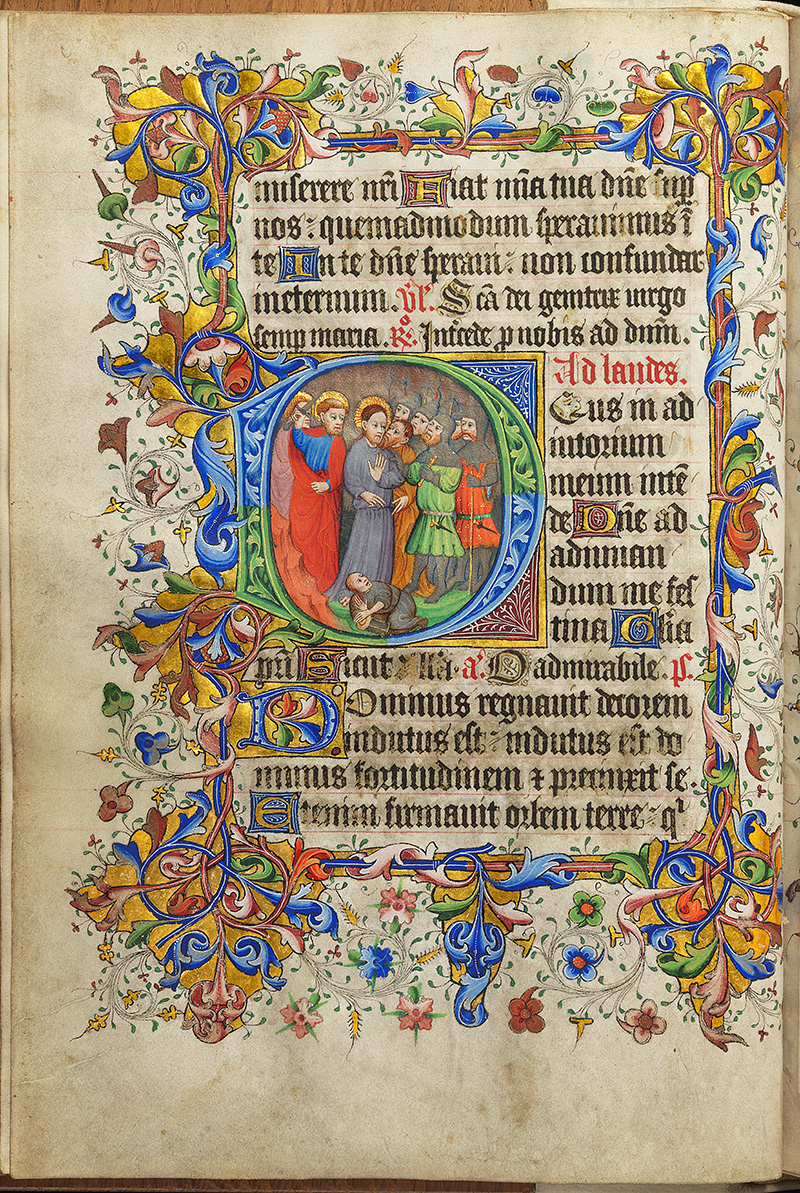
372 Images were added to the Western Medieval Manuscripts Collection
196 Images were added to the CRC Gallimaufry Collection
162 Images were added to the New College Collection
54 Images were added to the Roslin Institute Collection
11 Images were added to the Architectural Drawings Collection
10 Images were added to the Salvesen Collection
10 Images were added to the University of Edinburgh Collection and
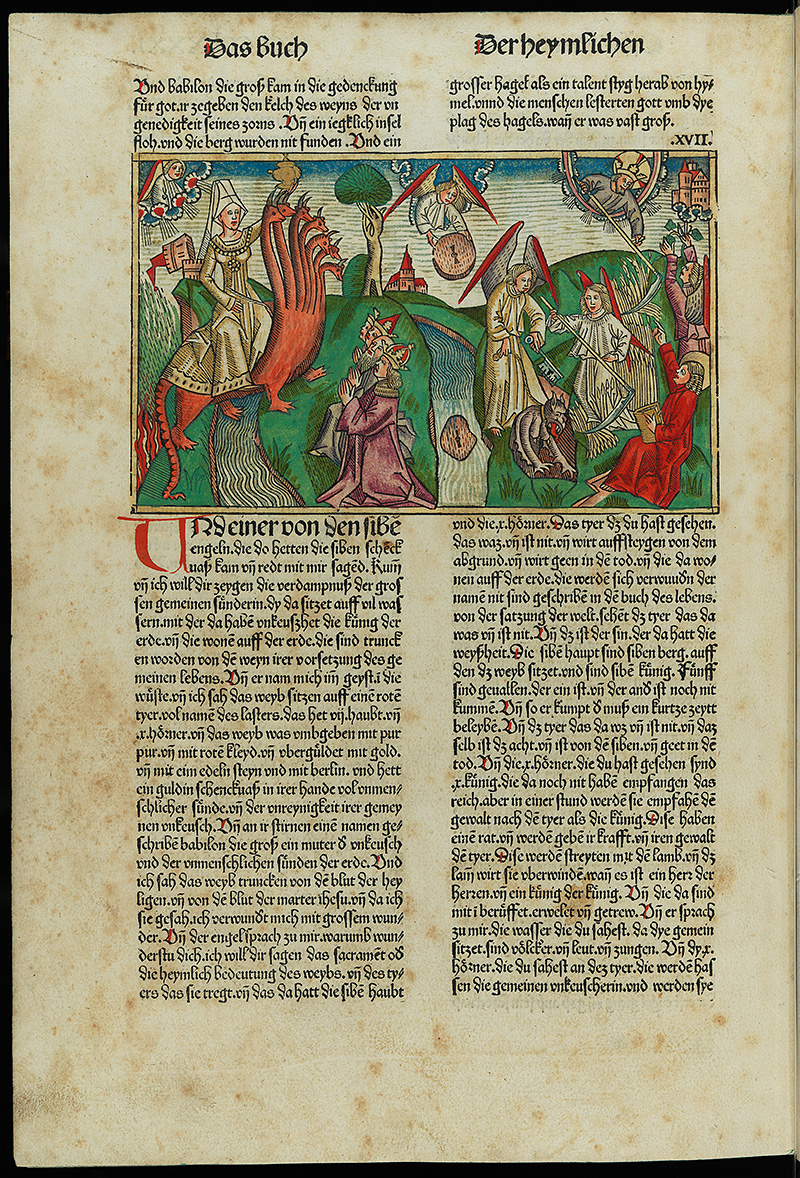
8 Images were added to the Incunabula Collection
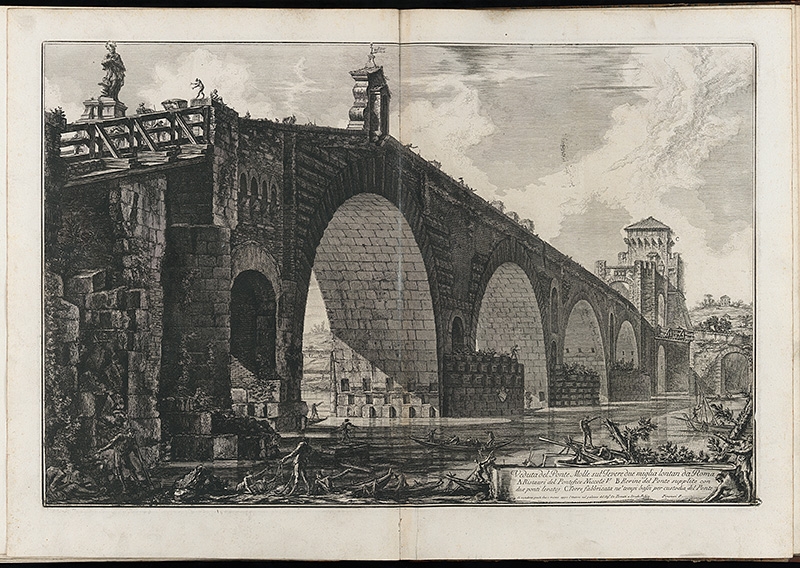
However, we are perhaps most excited to announce the new collection of ECA Rare Books http://images.is.ed.ac.uk/luna/servlet/s/j8mxaj . Elizabeth Quarmby Lawrence has been very busy cataloguing these books (see our earlier post http://libraryblogs.is.ed.ac.uk/diu/2013/10/16/gems-from-the-eca-rare-books-collection/ ) and tells us that the “Rare Books Collection of Edinburgh College of Art, includes about 1,500 items, which date from before 1489 to the twentieth century. Most of them are printed books; many of them are illustrated. It is particularly strong in books of the eighteenth and nineteenth centuries on architecture, design and ornament. There are also nineteenth-century photographs, examples of textile design, and early nineteenth-century hand-painted designs for Edinburgh Shawls. Many of the books originated in the collections of the institutions which preceded ECA: the drawing academy of the Board of Trustees for Manufactures in Scotland, and the School of Applied Art. This collection is now housed in the Centre for Research Collections in the Main Library”.
Making new images available requires a real team effort, and I’d like to say a special thanks to Deputy Photographer Malcolm Brown, Scott Renton & all the Library Digital Development Team, and of course Elizabeth Quarmby Lawrence for all the metadata!
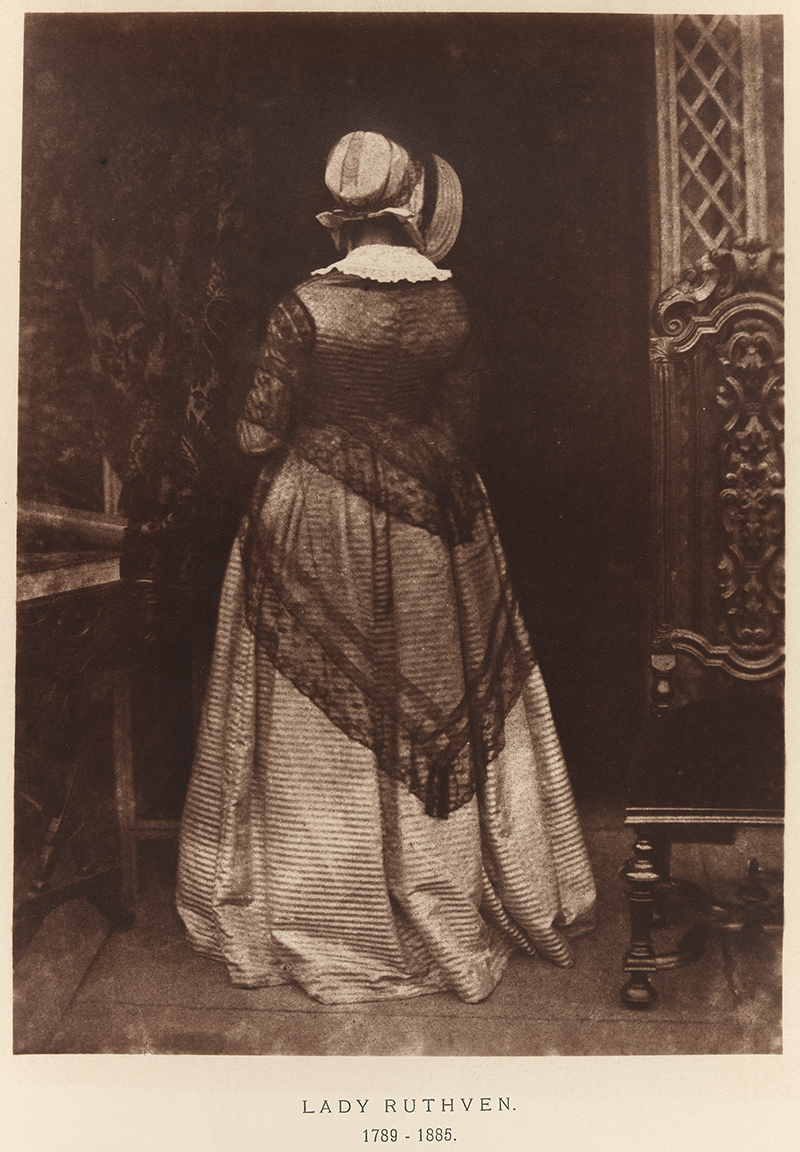
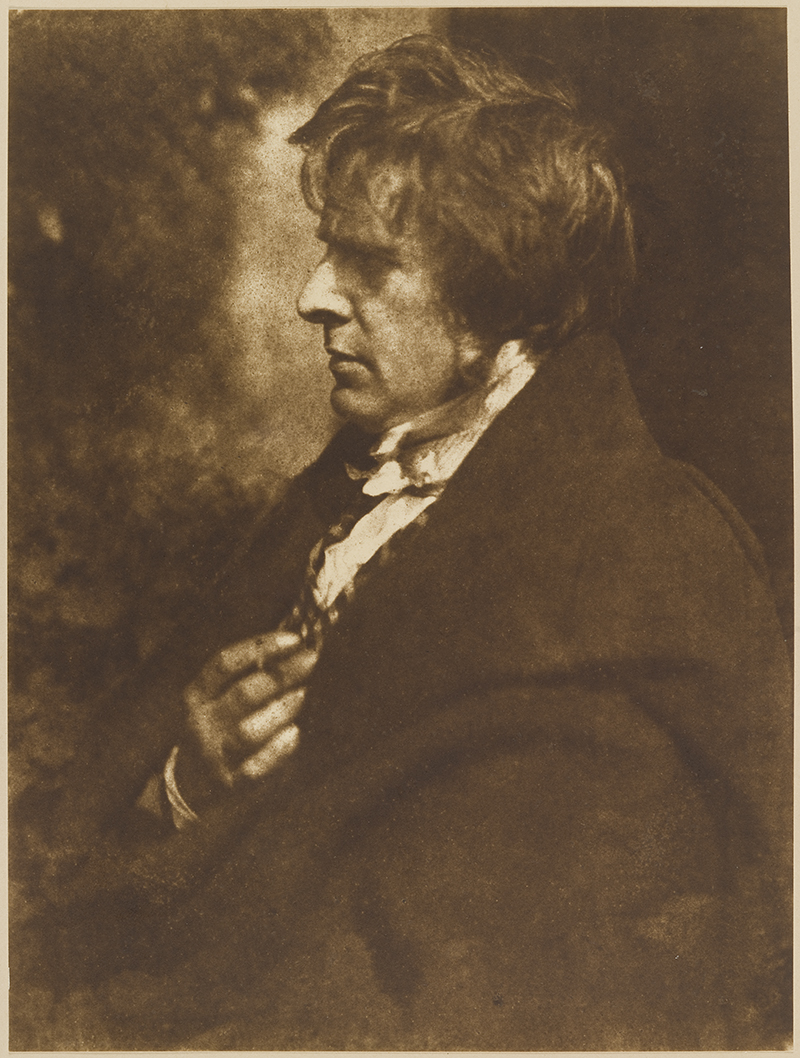
The Centre for Research Collections is a remarkable resource for students at Edinburgh University, not only for research purposes, but also for experience working with collections.I am an MSc student studying Material Cultures and the History of the Book.As part of the course we were encouraged to volunteer within the CRC.My interests lie in the field of the visual arts and the materiality of books, specifically the in the world of digital media.Serena Fredrick at the CRC was able to match me up with the Digital Imaging Unit and within the DIU I have been researching and enhancing the metadata for one of the university’s photographic image collections: the Hill and Adamson Collection.Hill and Adamson are world-renowned pioneers of early photographic techniques.Building on the work of Englishman Henry Fox-Talbot, they created some iconic images of mid-nineteenth century Edinburgh from their studio on Calton Hill.
Hill and Adamson’s original creative remit was to capture portraits of leading members of the Free Church of Scotland who had been involved in the disruption of the established Church of Scotland in 1843, with the intent of using these portraits as study aids for a massive painting commemorating the disruption.
Soon word of this new means of portraiture spread and Hill and Adamson started creating images of and for Edinburgh society. The collection is full of images of friends and family of Hill and Adamson, as well as being a veritable who’s who in Edinburgh.
Hill and Adamson realised that this artform could also be used as a form of documentary reporting and began taking photographs of the Newhaven fishermen and women, as evidence of a strong, united and self-sufficient community.
Unfortunately Hill and Adamson’s collaboration was short-lived due to Adamson’s continually failing health and eventual death at the age of only 27 in 1848. However, during their prolific partnership they were responsible for the creation of thousands of incredible images. I have loved being a part of the team bringing this collection onto a digital platform and increasing access to such an important and exciting set of images. Here are a few of my favourite images, all of which can be found at: http://images.is.ed.ac.uk/luna/servlet/UoEcar~4~4
Caroline Ramsay, MSc Material Cultures and the History of the Book
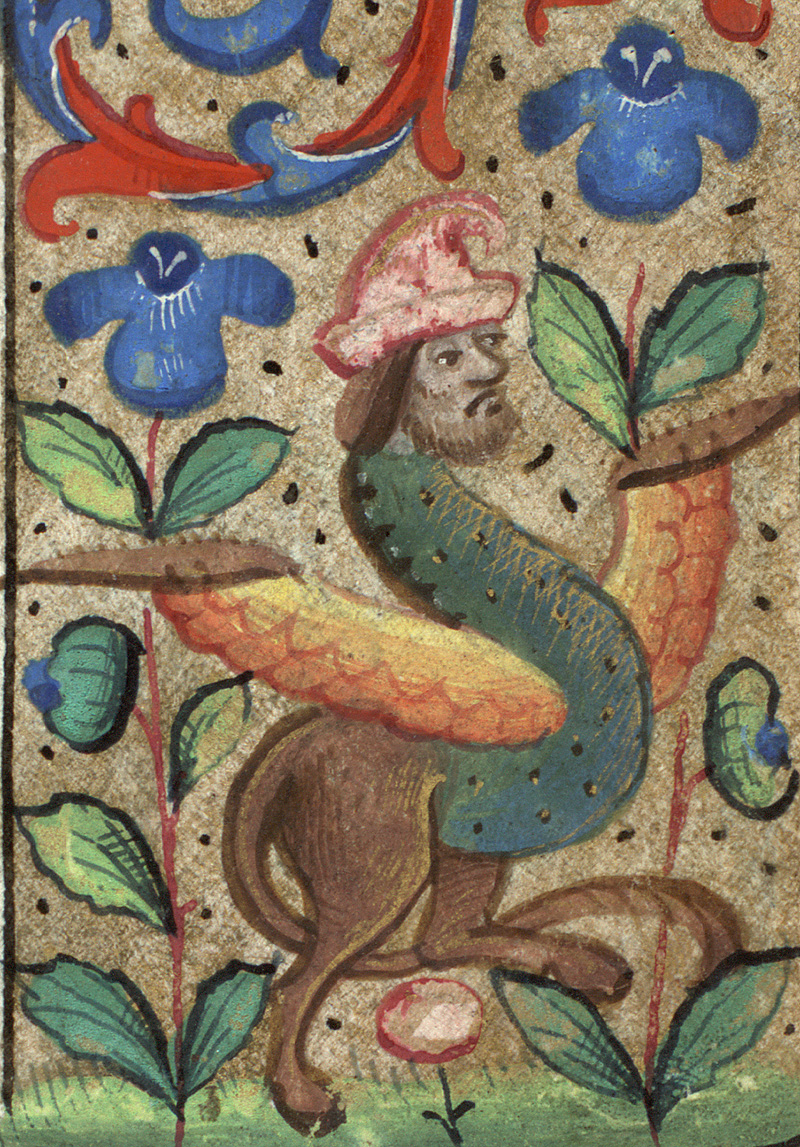
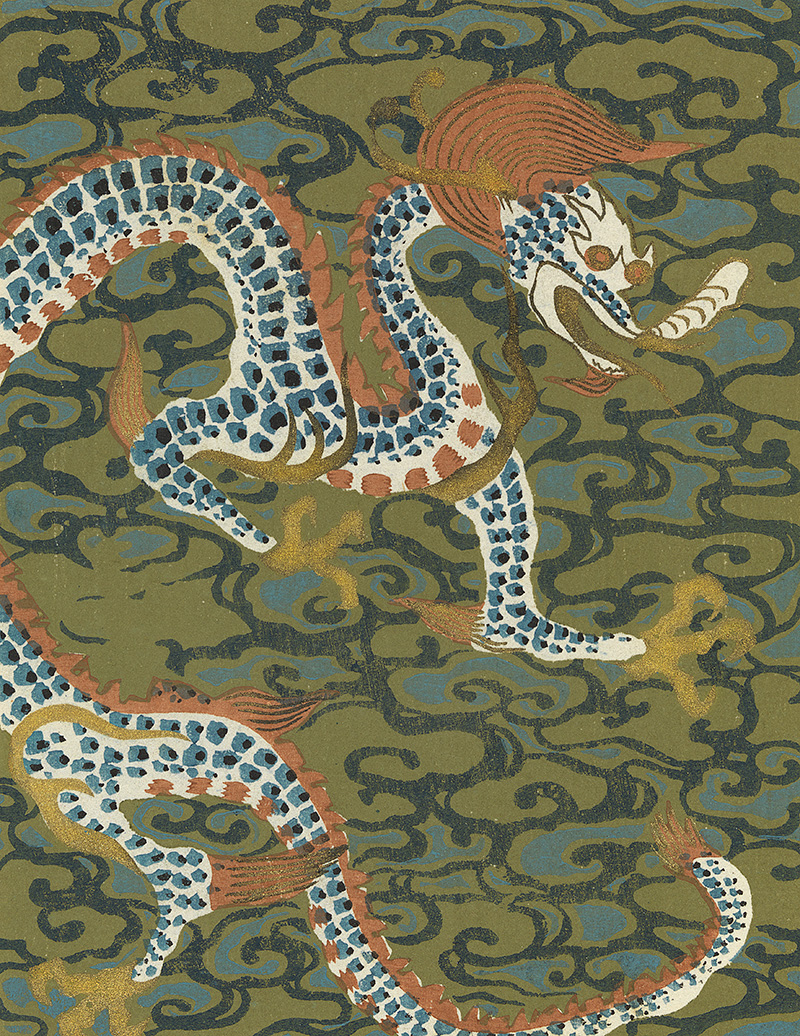
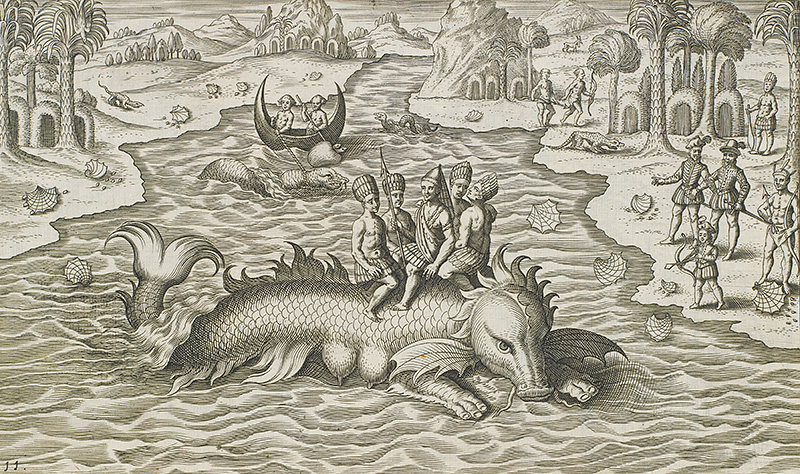
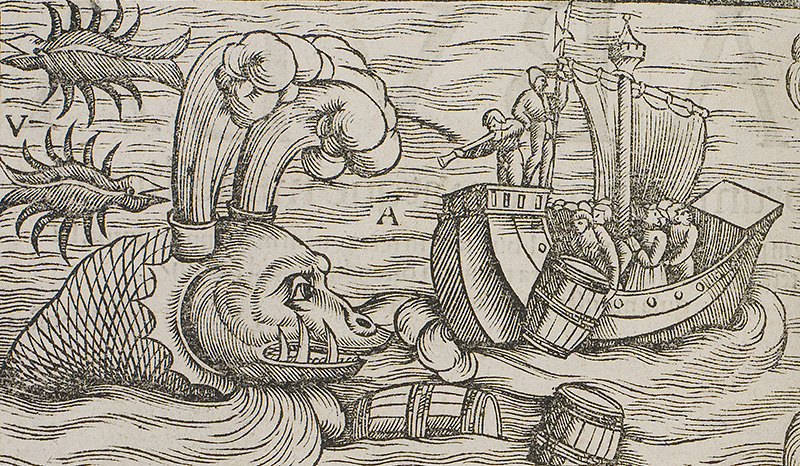
I’ve seen a startling number of beasties hiding out in our Collections over the years, and the time has come to celebrate them! From the delightful details in the margins of Books of Hours…
…to the damsels in distress being rescued from fantastical monsters.
It is also wonderful to see the same story illustrated from 2 very different traditions: St. George and the Dragon in a Book of Hours circa 1500 and made in France for a Scottish owner…
…or the strikingly different St. George and the Dragon in the Ethiopian Manuscript Gadala Georgois.
It doesn’t appear to matter where in the world -West, East, or South America- every nation has its own set of Beasties.