Any views expressed within media held on this service are those of the contributors, should not be taken as approved or endorsed by the University, and do not necessarily reflect the views of the University in respect of any particular issue.
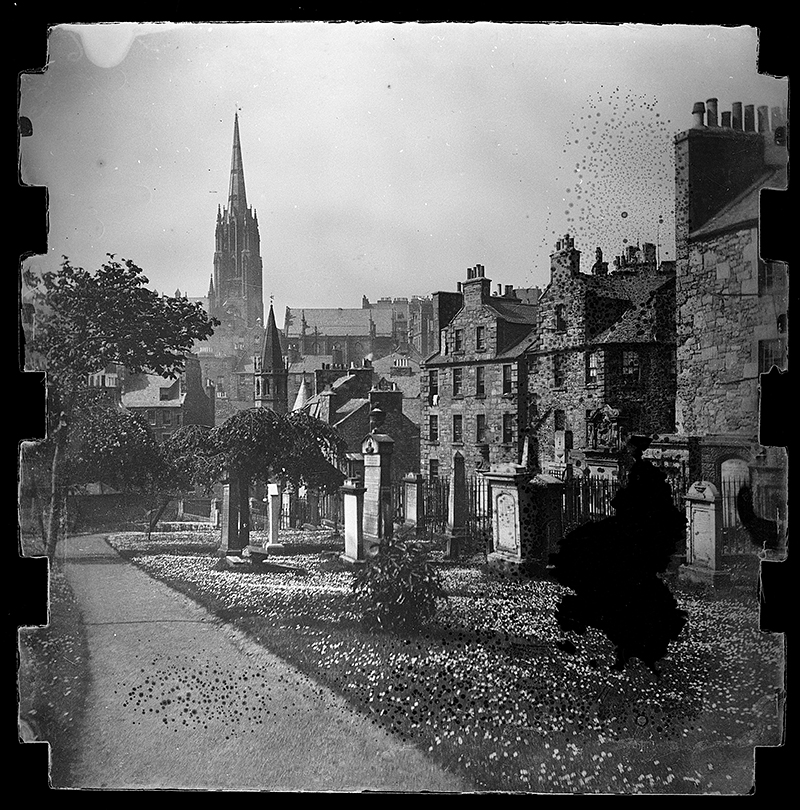
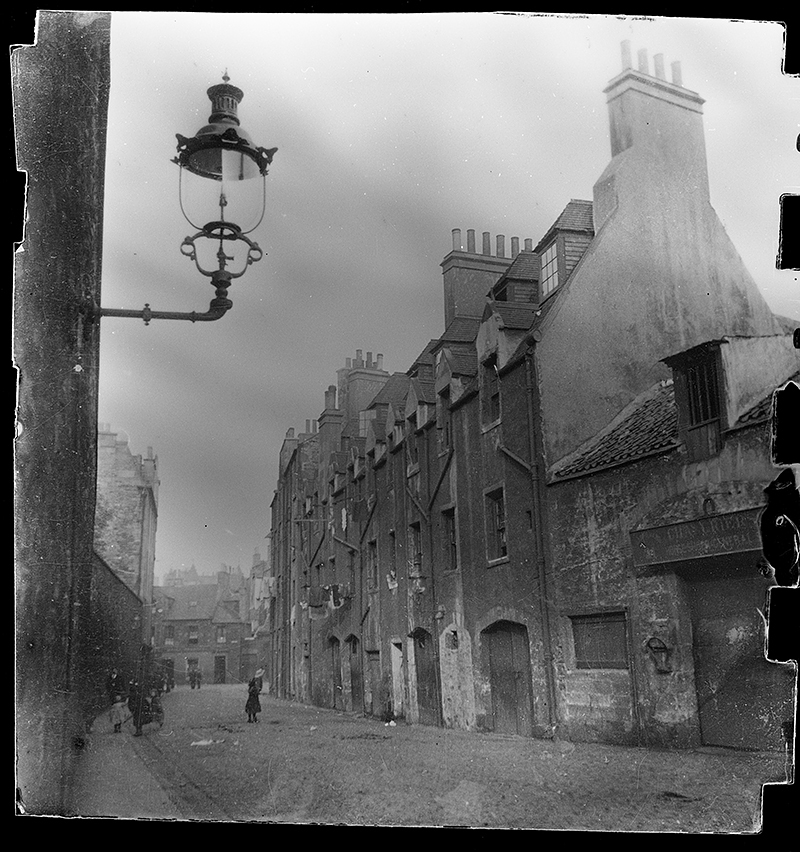
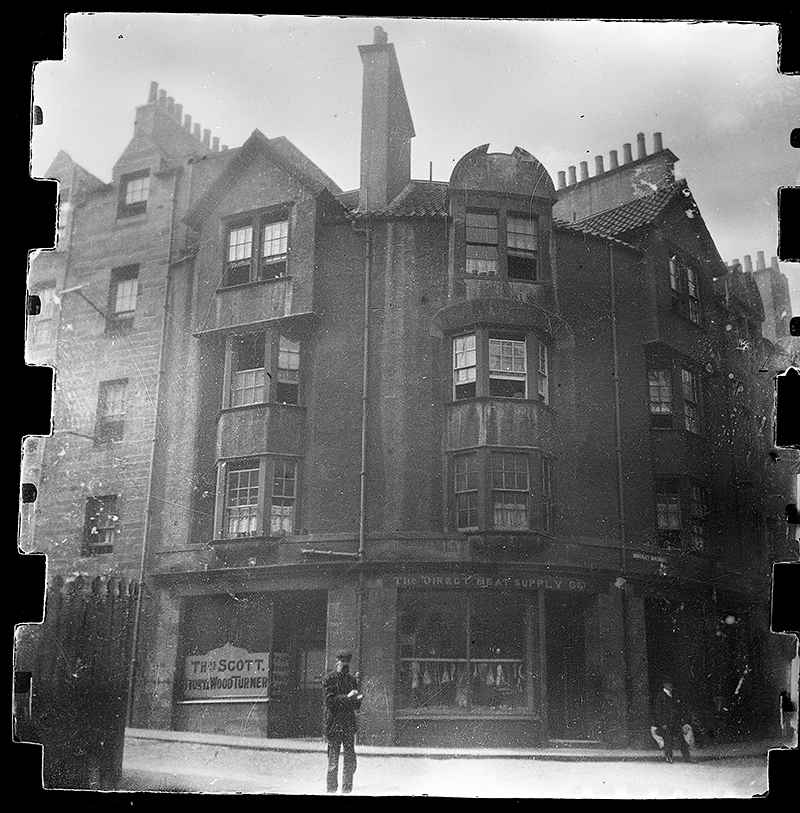
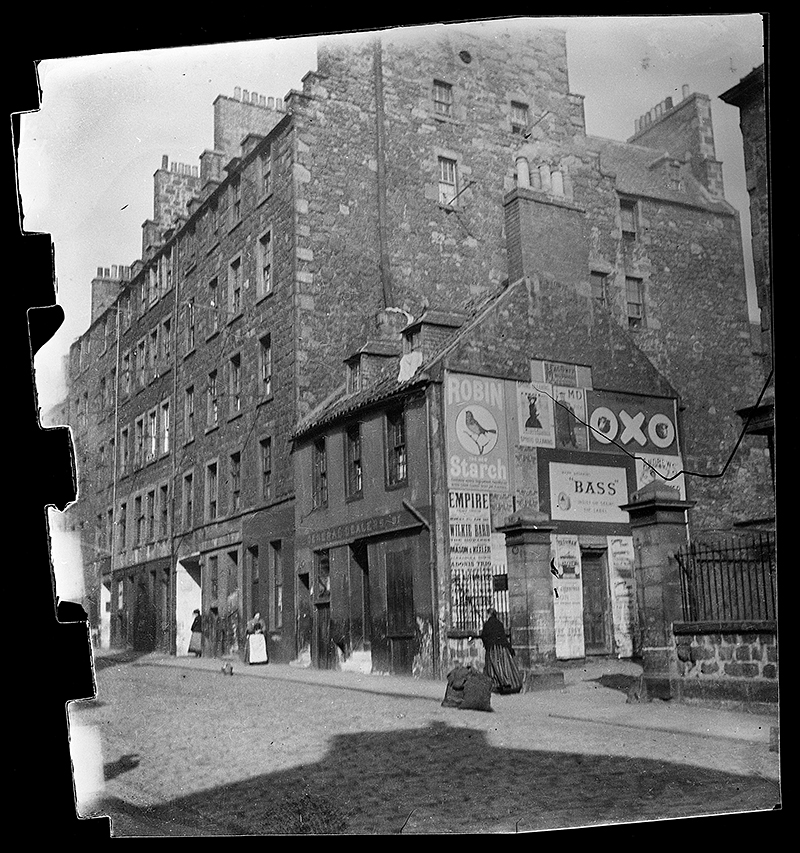
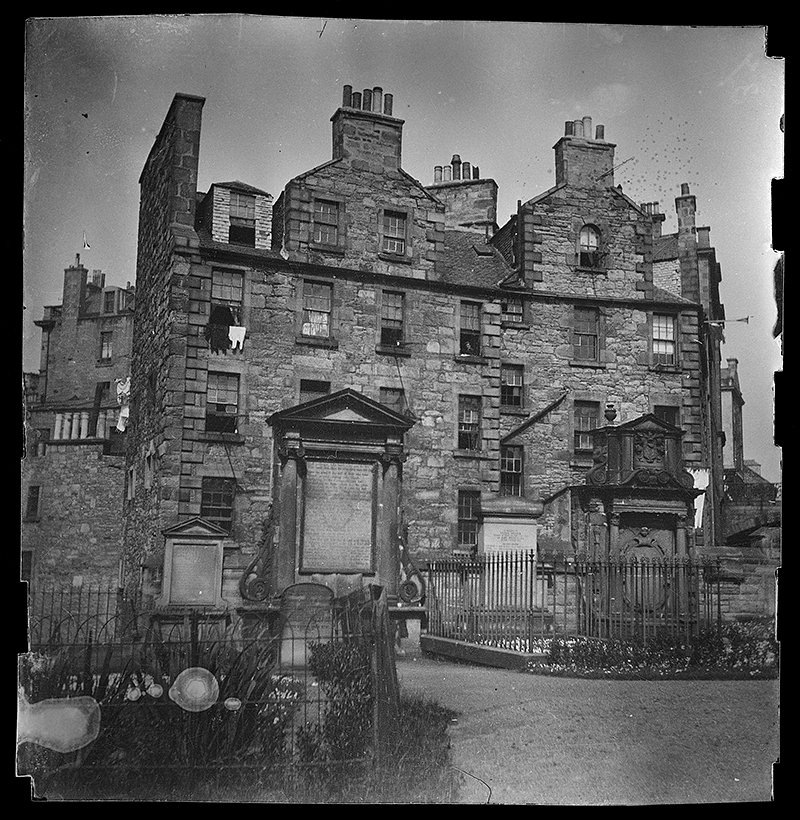
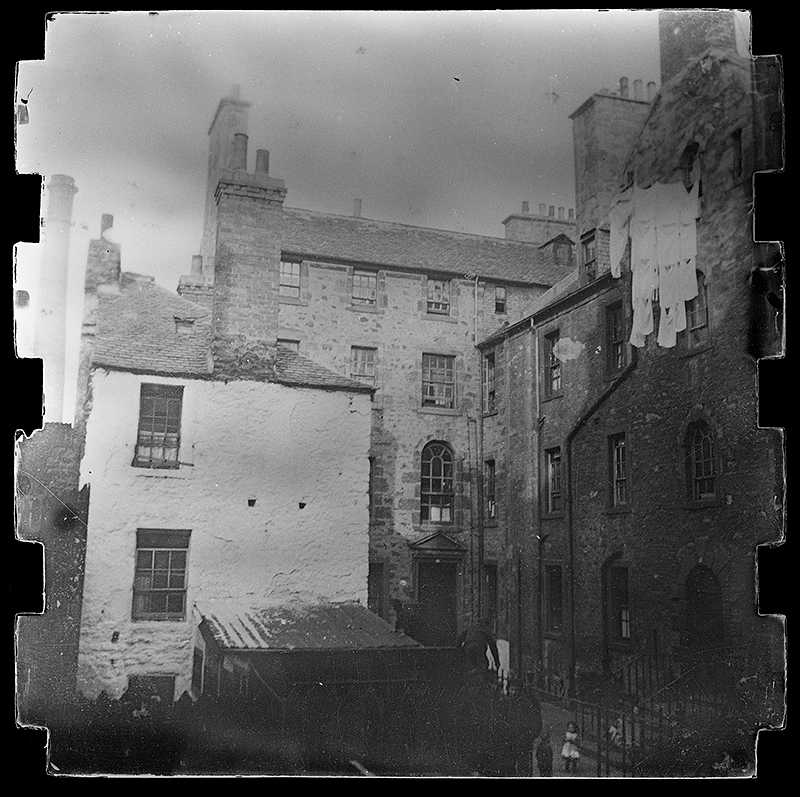
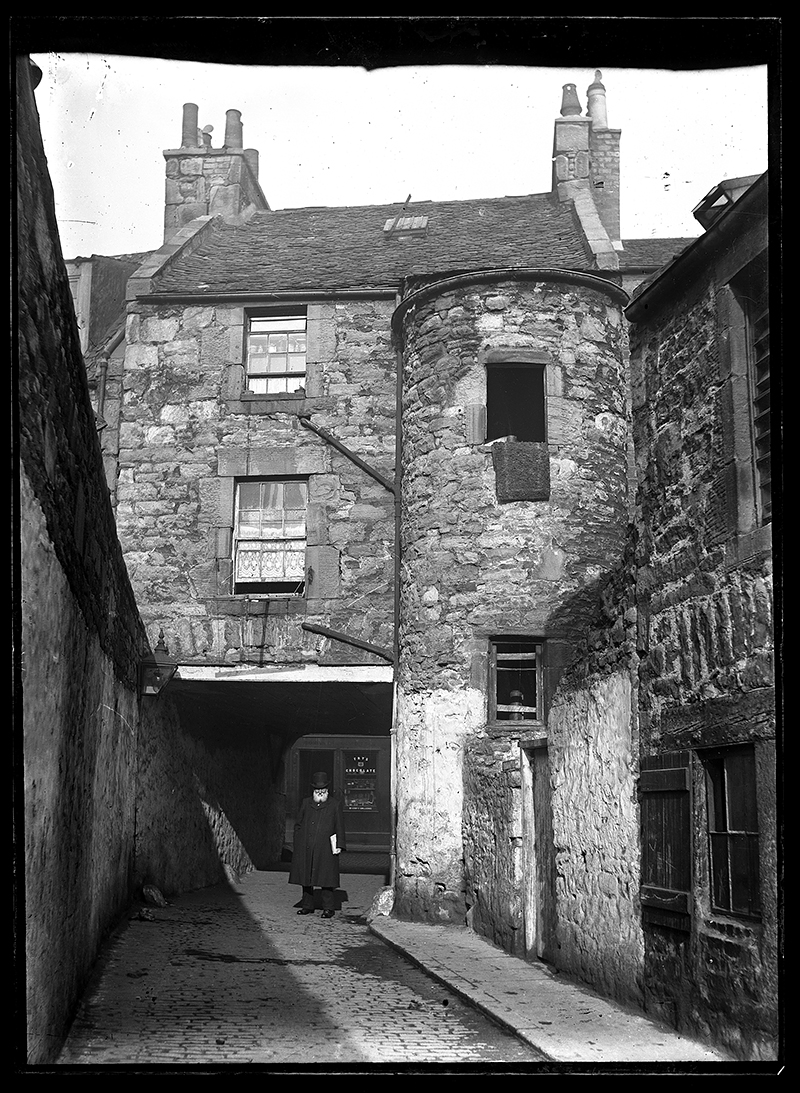
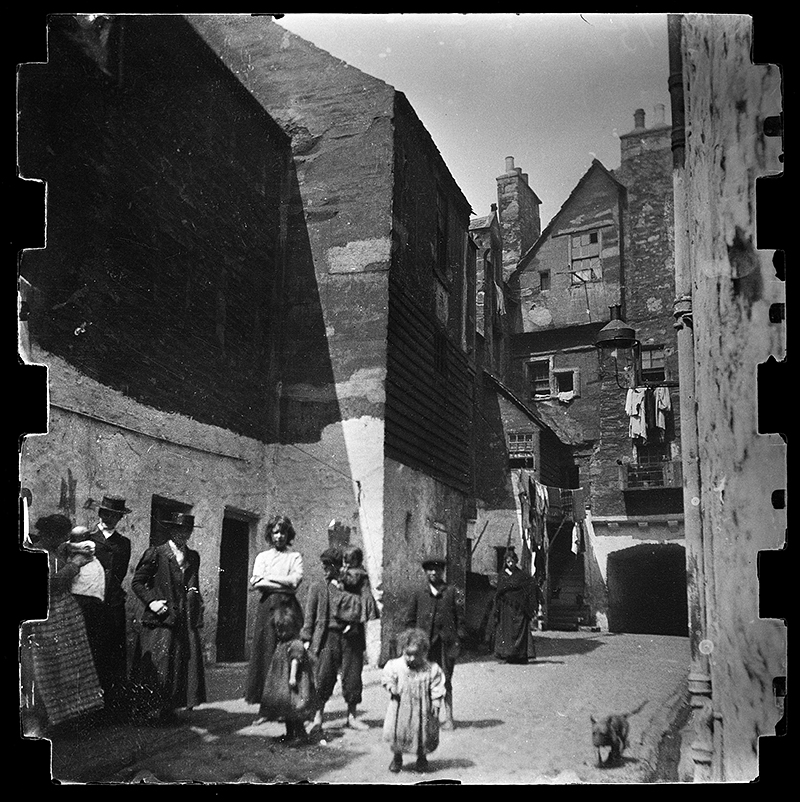
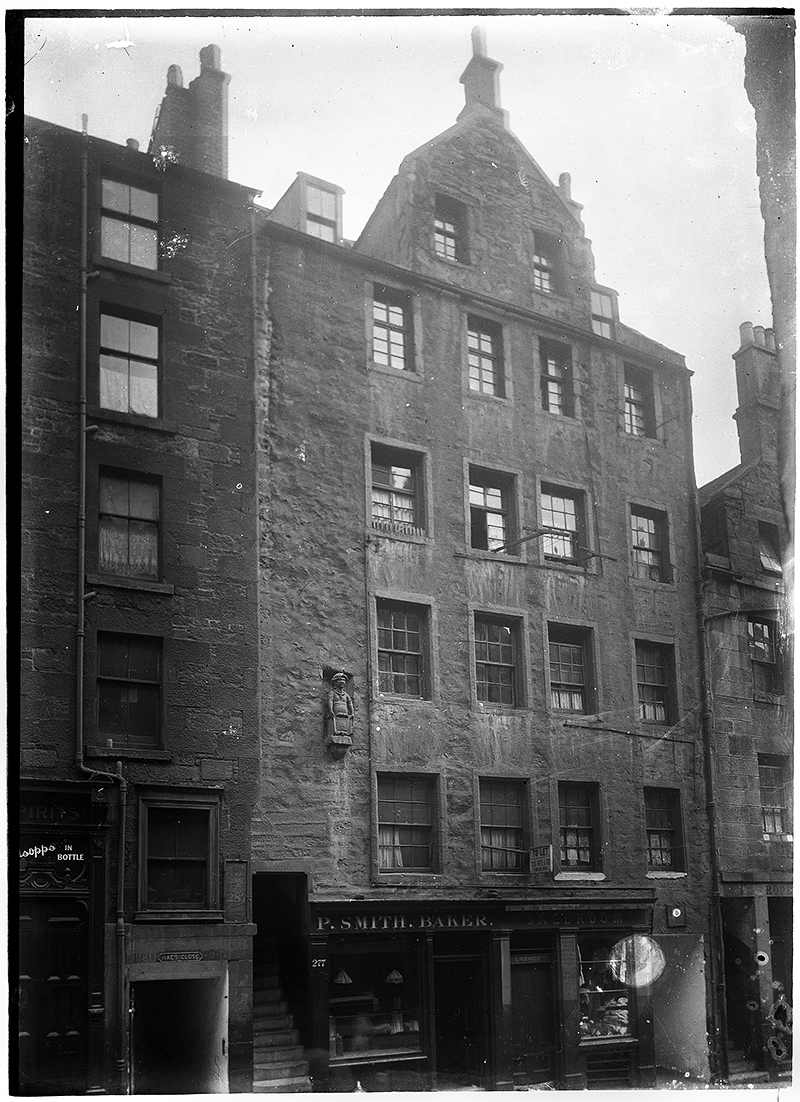
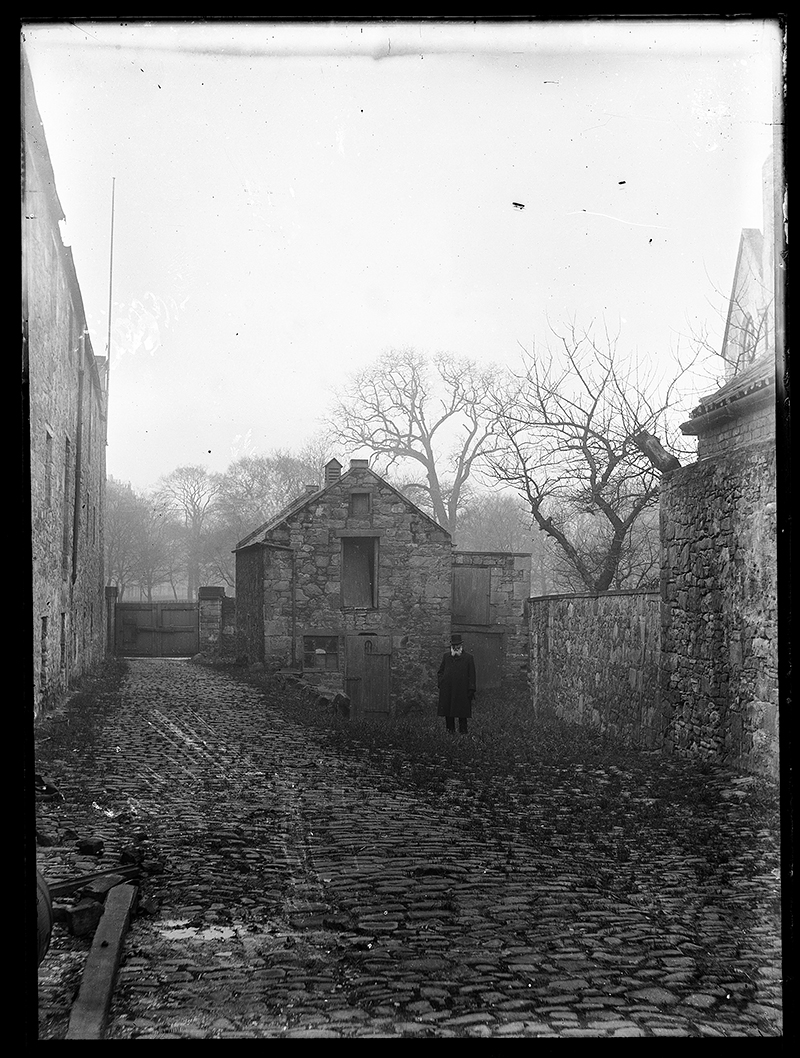
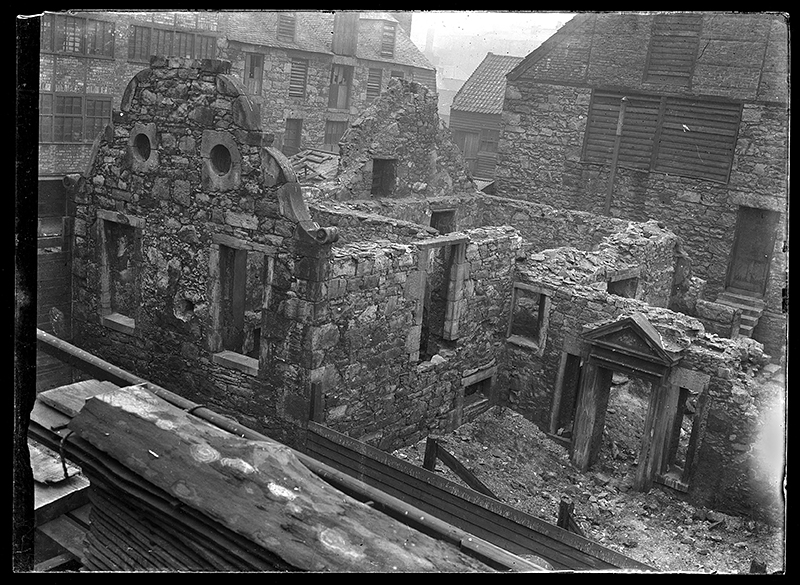
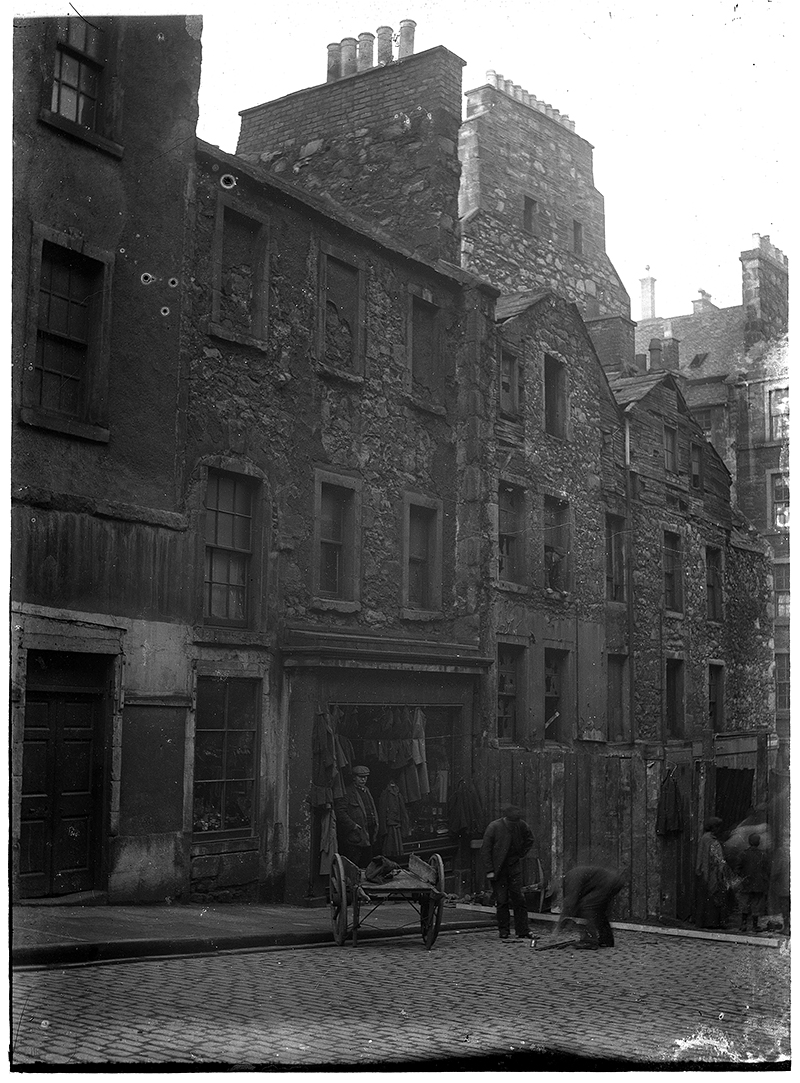
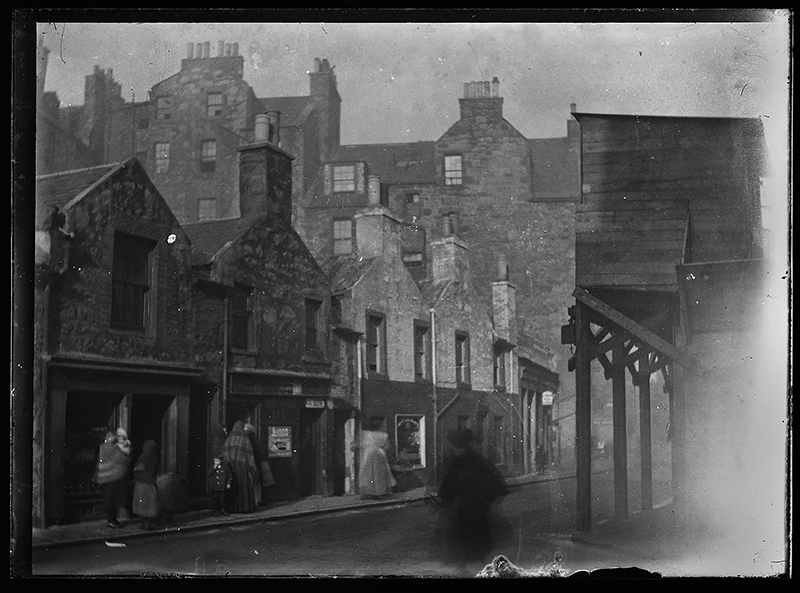
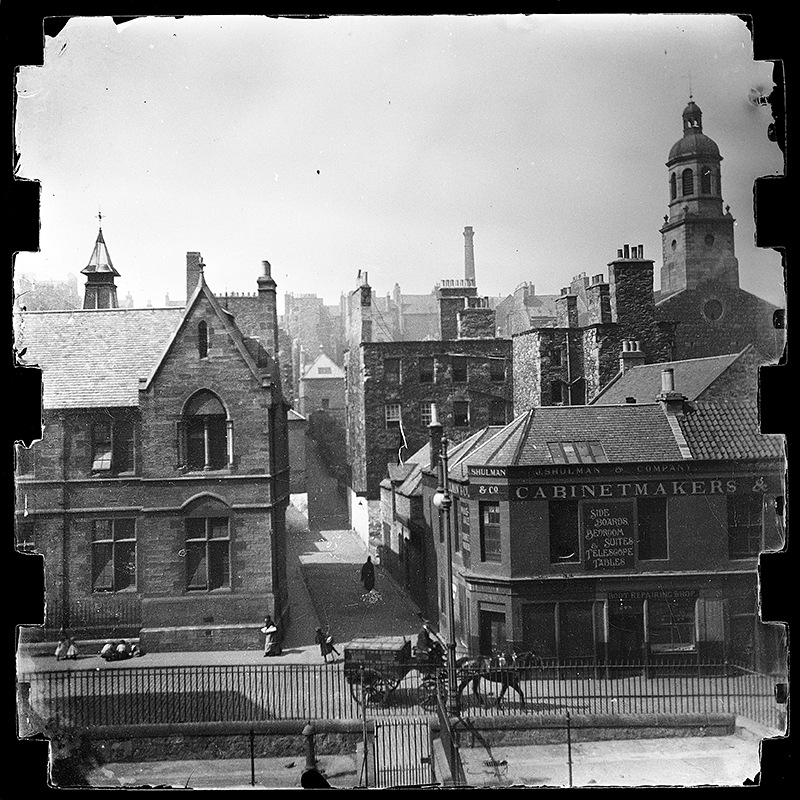
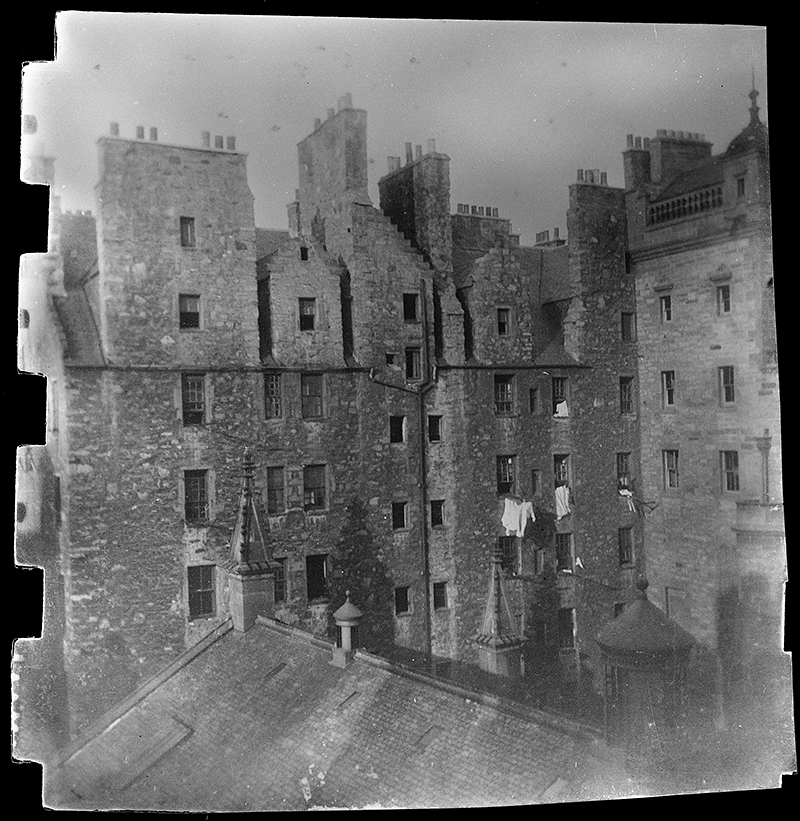
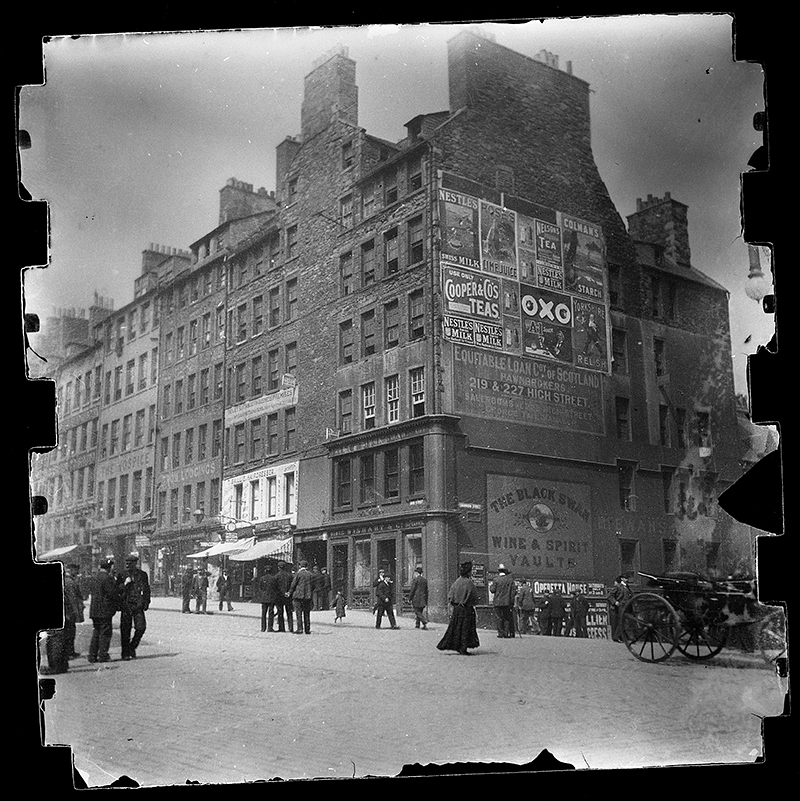
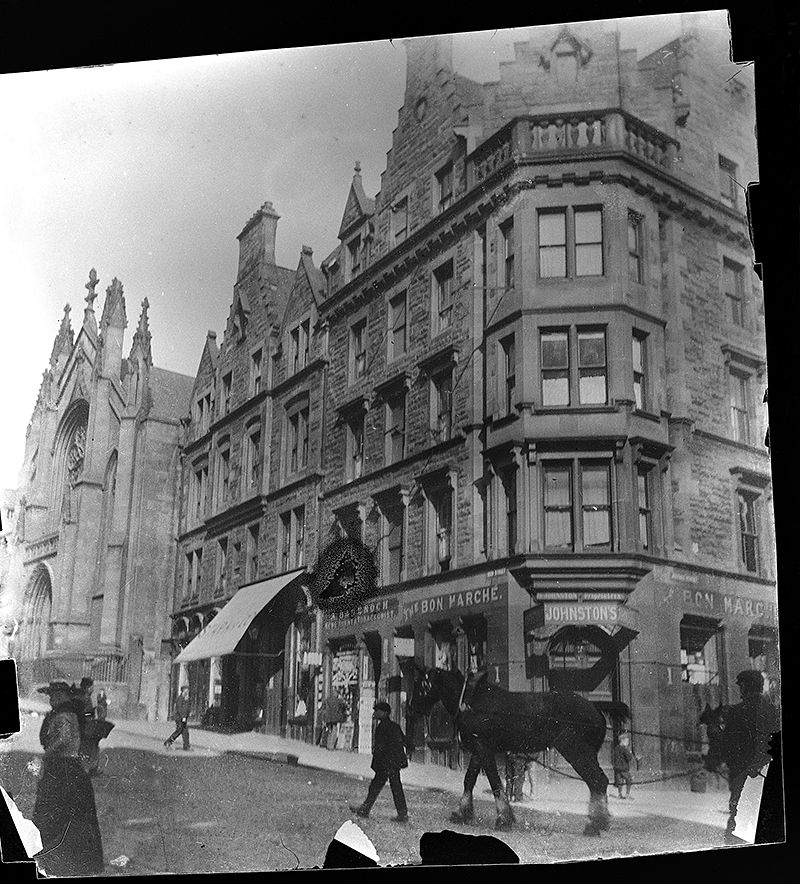
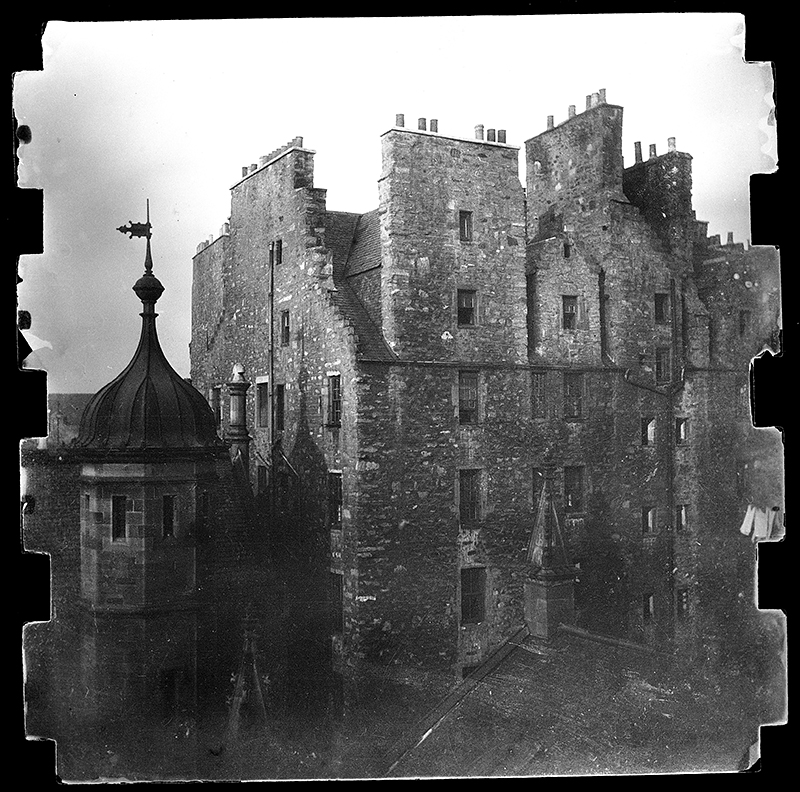
This is the Digital Imaging Units final instalment of images from the Centre for Research Collections Baldwin Brown images of “Old Edinburgh”. Many thanks to those who have responded with information regarding geographical locations and general information. The feed back has been very welcome and useful! This set has a few obvious locations but yet more mystery. We will add the data collected to our metadata records for the images enriching that data for continued research.
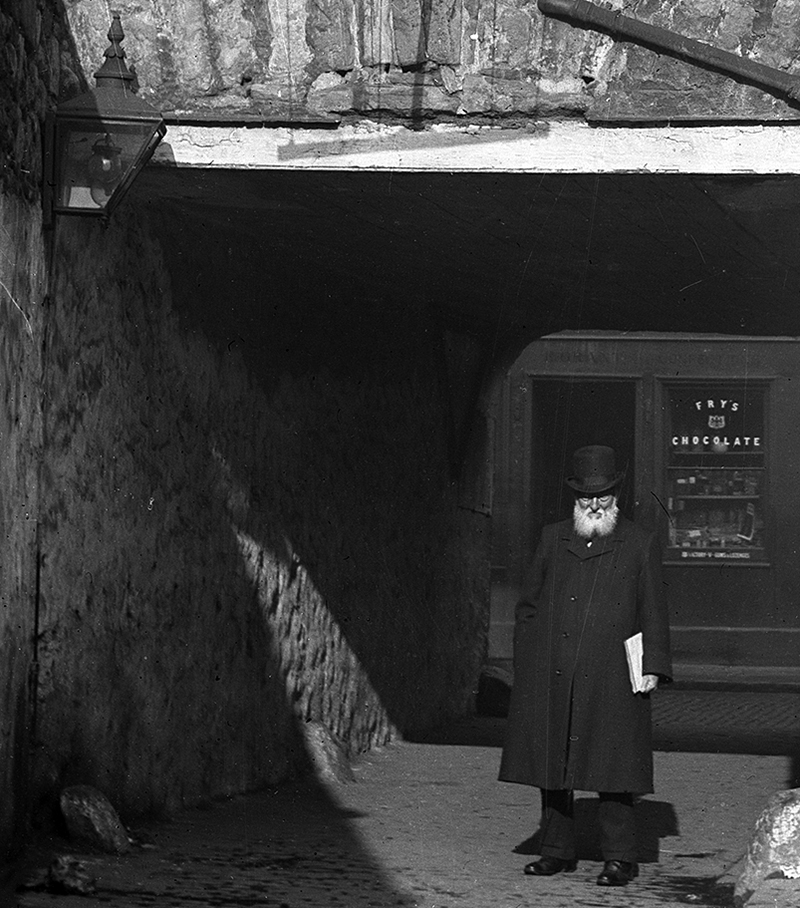
The Digital Imaging Unit have another five images from the Baldwin Brown glass plate negatives of Old Edinburgh recently digitized by the DIU. One of the images has an intriguing figure who appears in two of the images. I have included a close up from one of the images to highlight the shop he is standing in front of. We have had some great feedback on this set of Baldwin Brown images. The comments and observations have provided a fascinating insight on Edinburgh.
Yesterday was one of those days that remind me why I love my job. We have been searching out images for use in calendars, cards and prints, and Assistant Rare Books Librarian Elizabeth Quarmby Lawrence bought me some of our recent acquisitions to look through for ideas.
I have been photographer here for nearly 10 years and every week something comes through our door that is beautiful, exciting & precious- yesterday an abundance of such items arrived in the DIU. I always feel immensely privileged to be able to work with such an incredible collection- and the team that looks after them too.
My biggest problem was choosing which ones to photograph- there were far too many pretty things to choose from! I tried (and sometimes failed) to set myself a limit of no more than 5 images per original, and the following are some of my favourites.
Susan Pettigrew
Kimono material designs: RB.P.992 Shin-Bijutsukai, issues 21-25, Kyoto, 1903-6.RB.F.604 A Specimen Book of Pattern Papers Designed for and in Use at the Curwen Press, 1928.Edinburghers- have you ever wondered where the city’s lovely quarry tiles come from? In the Edinburgh College of Art Rare Book collection we found this- RECA.F.97Maw And Co.’s Patterns, Geometrical and Roman Mosaics, Encaustic Tile Pavements and Enamelled Wall Decorations, pl.19.Bahaus book cover designs: RB.FF.210 Vierzig neuzeitliche Entwürfe fur künstlerische Bucheinbände : Vorlagenwerk für Handvergolder Kunstbuchbinder und Fachschulen, 1928. Paul Kersten and Paul Klein, No.39.
As promised here are five more images of Old Edinburgh to test your memory! We first posted some images of Old Edinburgh a few weeks ago and got some great results in identifying locations. We have posted the album on CRC Facebook page also https://www.facebook.com/crc.edinburgh in the hope to harvest useful metadata. We still have a few more of these wonderful images to roll out over the coming weeks.
Last month I was lucky enough to attend a week long Summer School in Oxford- and being the week that the heat wave kicked in, it really did feel like a Summer School! The course managed to be both varied and intensive, with large lectures, group workshops, surgeries where specialists would help you with your own project, evening events & even a guided tour of the Ashmolean.
The range of topics covered was staggering, but I think the ones that stuck out for me were Crowd Sourcing, Public Engagement/Knowledge Exchange, Social Media, ‘Openness’ in the Digital Humanities and Measuring Impact. I’d really like to share with you a couple of the wonderful Crowd Sourcing projects:
Robert Simpson of the Zooniverse team https://www.zooniverse.org/ gave a fascinating talk about the crowd sourcing portal they have developed. What started out as an experiment to see if they could find enough people interested in identifying planets from raw astrophysics data, developed into 17 separate projects across 5 Research fields & around 860,000 people taking part world-wide. Some of the projects include transcribing 2000yr old Papyri, identifying Whale language & mapping Martian weather- not a bad way to spend your lunch break! Robert thought the key to a good Crowd Sourcing project was a subject where human beings can interpret the data better than a computer & a hook that makes people want to be involved- even if it is as simple as the desire to contribute to the worlds knowledge. Zooniverse are great believers in the Open Source community & are happy to share both their knowledge & code.
While Zooniverse is centred on developing online virtual data, another Crowd Sourcing project started out with a real crowd and analogue objects- Kate Lindsay really bought the Re-Imagining WWI project to life http://www.oucs.ox.ac.uk/ww1lit/ . This started out almost like an Antiques Road Show where the public was invited to bring along their family WW1 history: stories, letters, photo’s & memorabilia. Experts were on hand to look at the items & photographers to document them. In the first 12 weeks it proved so popular that they had 6500 submissions, and led onto an online submission system & further road shows across Europe- the submissions now are well into the tens of thousands.
All in all, the Summer School was an enjoyable & inspiring week which should prove invaluable as we endeavour to develop the potential of our digital archive.
Recently in the DIU we have been digitizing 21 negatives of images described on their box Shelf-mark – E2005.1 Box 5, as ” Old Edinburgh.” We are aware that some members of Library staff enjoy the challenge of locating parts of the town from old photographs or unusual view points. We think some of these will present a challenge to even the keenest location spotting geeks and we would like to add any juicy information gathered to our related metadata fields. Over the next few weeks we shall post our “Old Edinburgh” images. No prizes for guessing except the smug air of recognition that a superior mind is at work. So as Bamber used to say , “Starter for ten ” anyone?
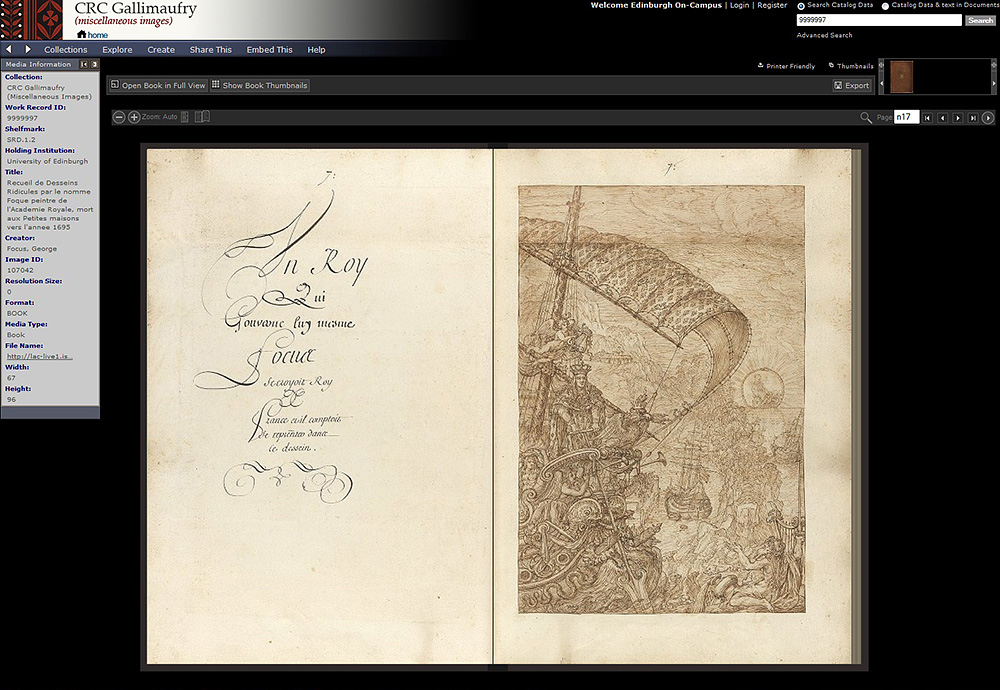
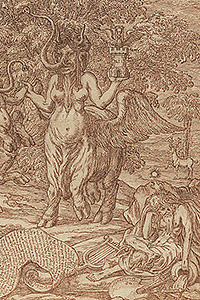
Last month we digitised the fantastic Recueil de Desseins Ridicules, 1695 by George Focus (shelfmark SRD.1.2) for an order, but were so fascinated by the images that we thought it worthy of further investigation. However, all we have really been able to find out is that he was born in Chateaudun circa 1639/40, that he was influenced by Nicolas Poussin & Gaspard Dughet & that he spent much of his adult life insane & “Confined to small houses” where he died in 1708.
The DIU would like to thank our Volunteer, Noah Salaman, for all the work he did prepping these images to go into the book reader software. We think this book has great potential for a crowd-sourcing project to transcribe & translate the text on each of the drawings- watch this space!
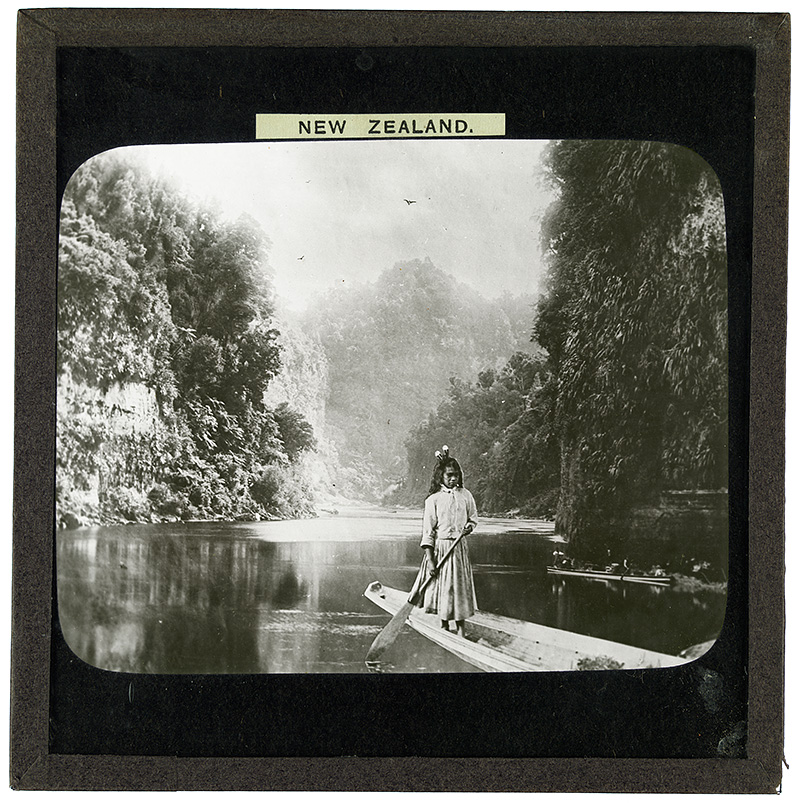
This week we started a trial – photographing some Glass Lantern Slides for the Towards Dolly Project, & one of the first images we took showed that there is nothing new under the sun…
GB 237 Coll-1434 (Box 4), Roslin Glass Slides. The Drop Scene Two Miles Up the Wanganui River, New Zealand. Photograph of a Maori girl standing on a canoe at ‘the drop scene two miles up the Wanganui River’ in New Zealand in the late 19th or early 20th century. In the background there is another canoe, jungle and mountains.
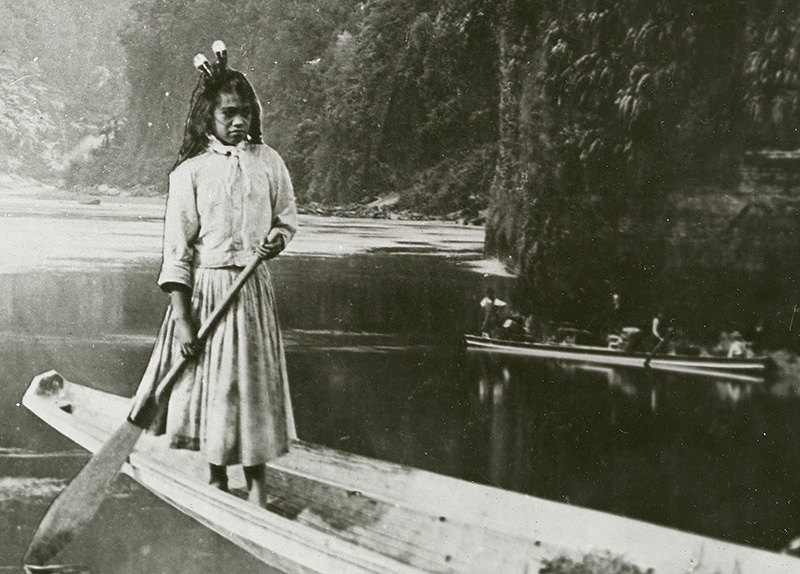
Although this slide was produced in the early 20th C, there is clear evidence of photo manipulation. Once we zoomed in on the image it became clear that the Maori Girl in her Canoe on New Zealand’s Wanganui River was in fact a fraud! Sunlight doesn’t often come from 2 directions, nor does perspective suddenly alter proportions (compare the girl’s canoe with the smaller canoe behind her). Furthermore, she has the classic ‘cut-out’ look of early photo-montages. Despite this, on the small 8cm x 8cm original, it is hard to spot at a glance- one of the unexpected bonuses of digitisation is the ability to zoom in on small details.
Last week saw the delivery of our brand new camera- the Hasselblad H5D-200MS. This camera is hot off the press with only a few in the country so far. Capable of capturing high quality files up to an astonishing 570MB, this should be fantastic for shooting exhibition images when large format printing is called for. The addition of a second copy unit will also help us to gear up towards increasing the departments output.
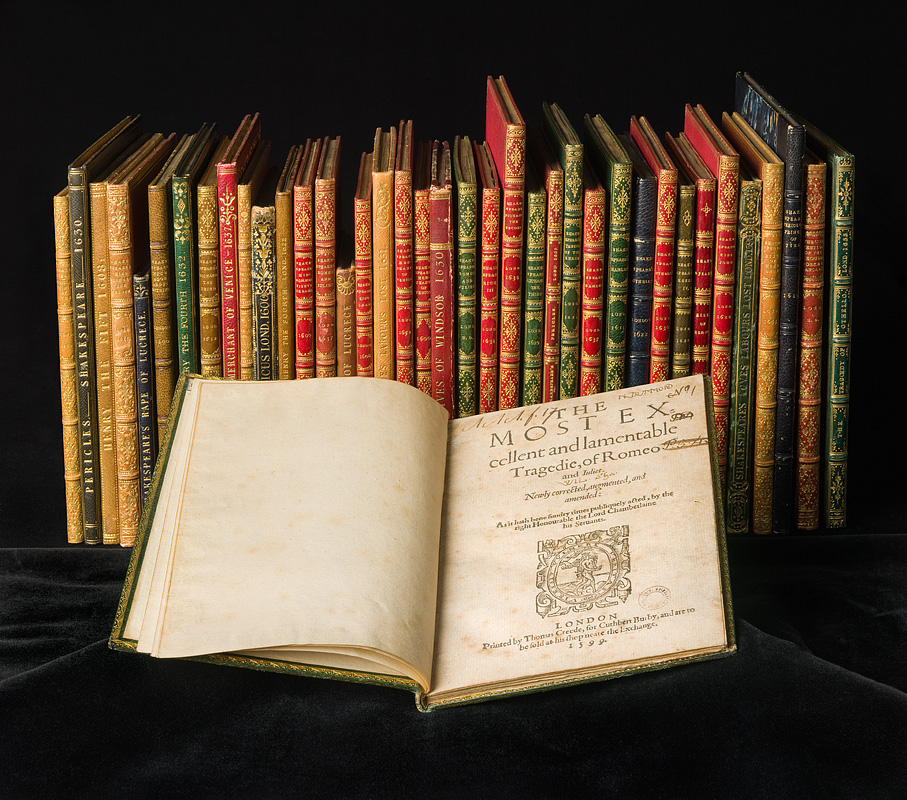
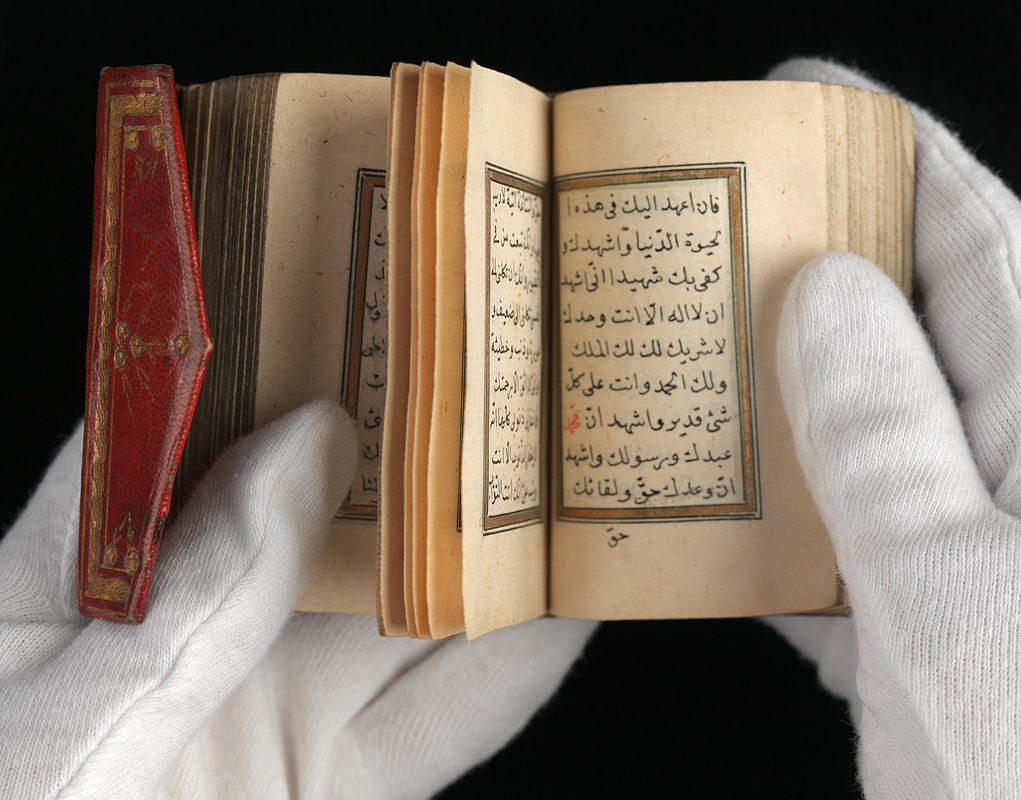
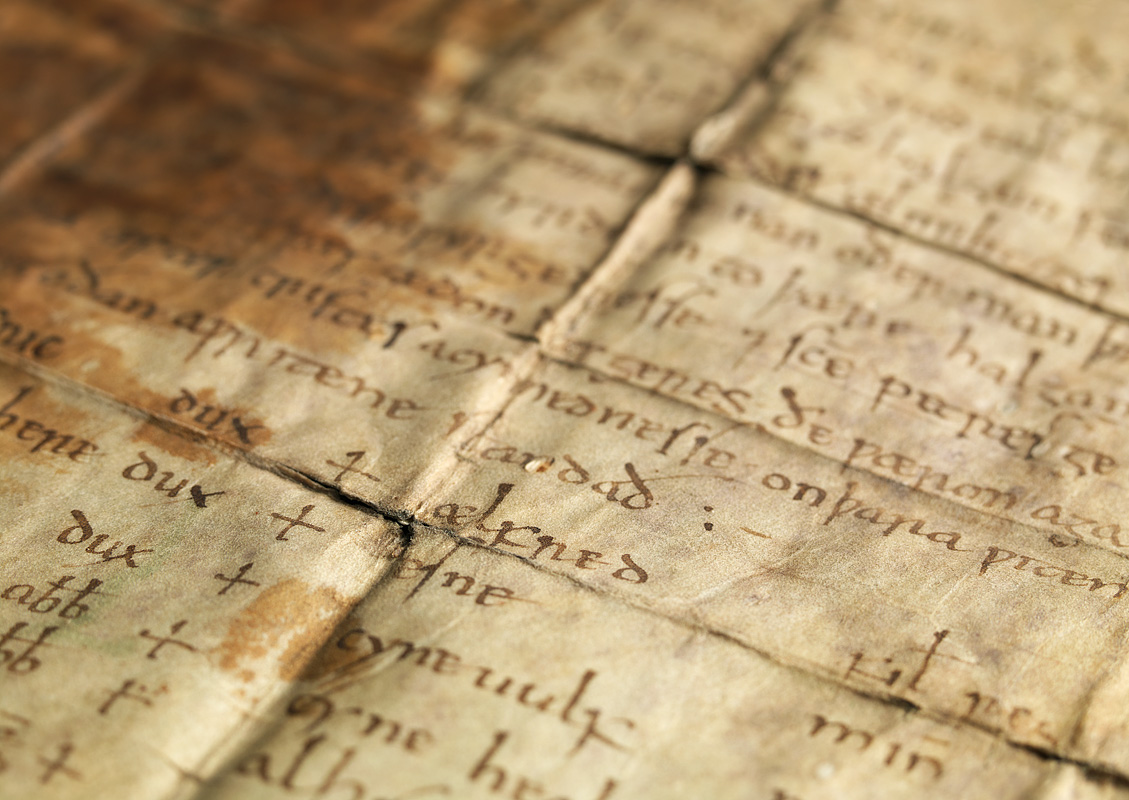
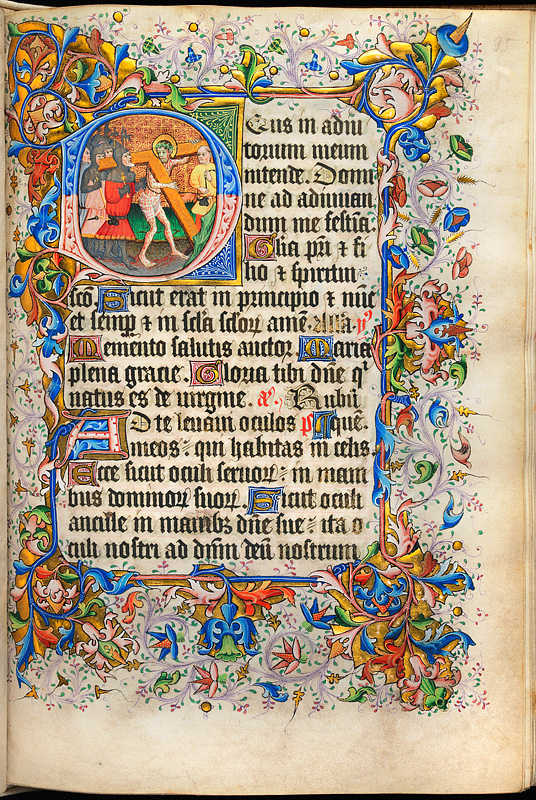
The Centre for Research Collections is trying to find one image from the vast and immensely diverse Collections to stand out and proudly represent it. Some of the highlights captured by the Digital Imaging Unit have been selected and a Facebook competition asking people to help find the Iconic Image of the CRC was launched!
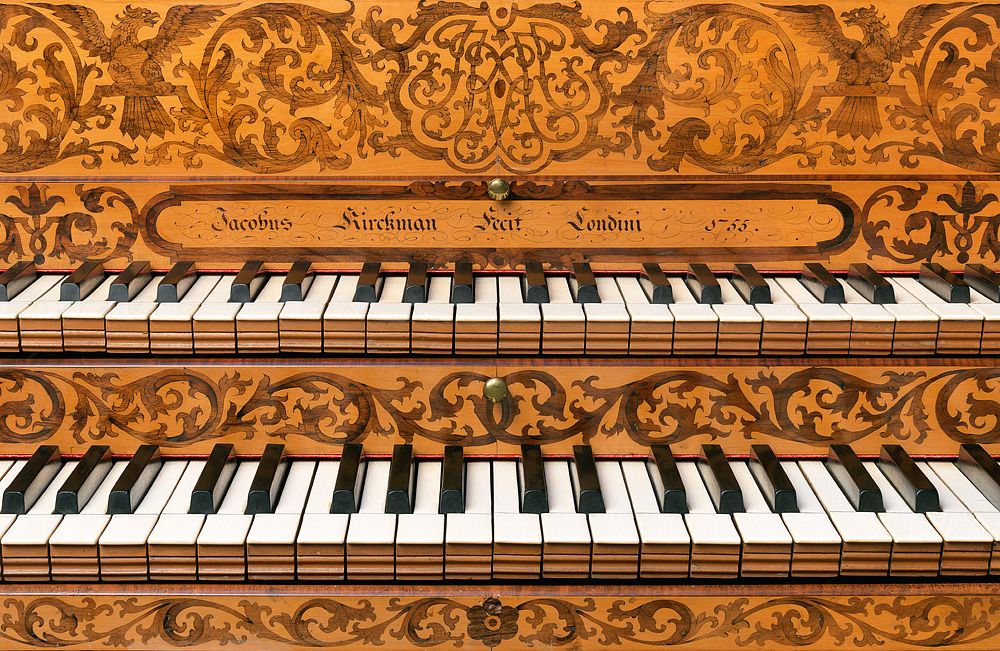
Some of the Treasures nominated for the best and most iconic image are various books from the William Shakespeare Collection, different beautiful medieval and oriental manuscripts, musical instruments and other objects which all deserve to win. However, only the one which receives the most Likes will win the competition!
Please vote for the image you like and think best embodies the Centre and its Collections!
The CRC is looking forward to announcing the winner in the near future, so keep tuned for more updates and follow the Facebook page: https://www.facebook.com/crc.edinburgh