Any views expressed within media held on this service are those of the contributors, should not be taken as approved or endorsed by the University, and do not necessarily reflect the views of the University in respect of any particular issue.
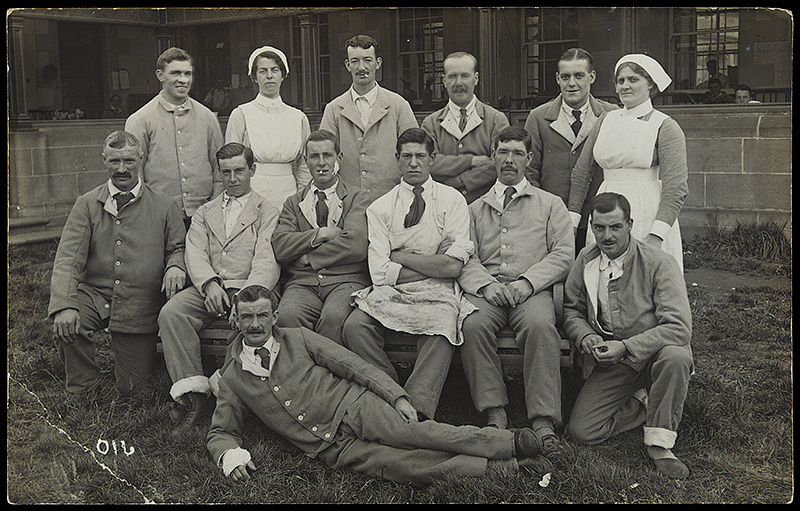
A large order from the Lothian Health Services Archive came our way recently, which included postcards from the hospital & group portraits of staff and patients. In amongst them I discovered an early example of photo bombing- look between the shoulders of the 2 chaps in the centre of the back row- I love combination of serious faces of the people posing and the incongruous jaunty feet in the air behind them. Was this intentional? Or did he simply happen to be doing a handstand at the time…?
Detail of portrait showing a group of women washing clothes in a river. This miniature comes from a collection of portraits (Tasawir), which originate from India and date to the mid-19th century. Although many of the images in the oriental manuscripts collection tend to relate to religion or mythology, this portrait is interesting as it provides a fascinating insight into the life of ordinary people, during the rule of the British Raj.
On the 2nd June, I was lucky enough to begin employment as the Employ.ed Digital Collections intern for the CRC. Although I begin with a little trepidation – like most people when they start a new job, I spent the night before worrying that I’d be really bad at it or that no one would like me – I am now in my fifth week and enjoying it immensely: I don’t really want to leave! Continue reading “Discovering the Orient”
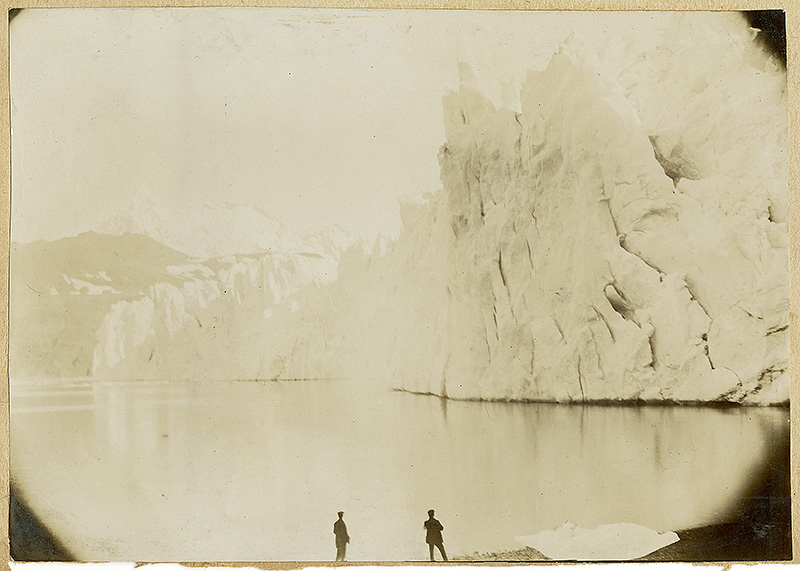
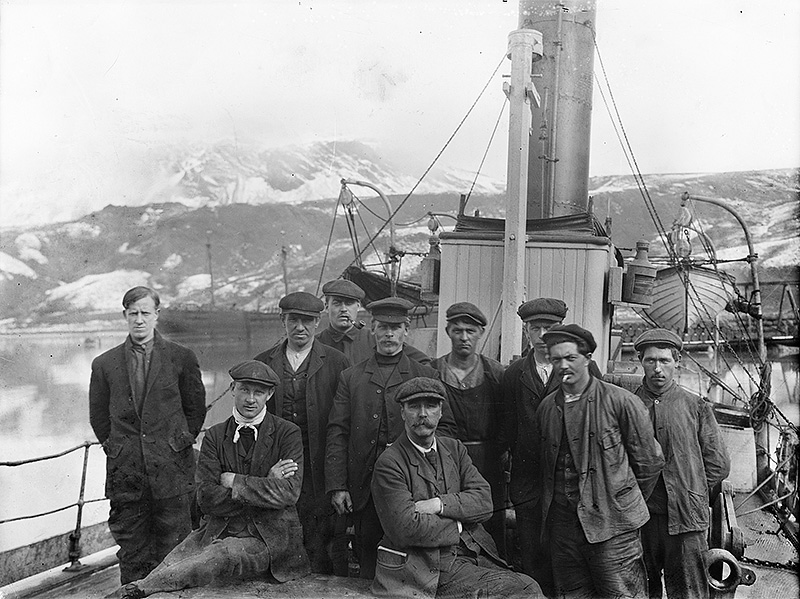
Last year the Salvesen Collection, which has been in the possession of the University since 1969, was given permission to make the images publically available online for the first time. The collection description tells us that ‘the history of the firm of Christian Salvesen goes back to 1851 when Christian Salvesen arrived in Leith and set up in business as a ship owner and broker. Two years later he joined the Edinburgh merchant George Vair Turnbull, continuing in partnership with him until he went solo in 1872. Three of his sons, Thomas, Frederick and Theodor (http://images.is.ed.ac.uk/luna/servlet/s/we94g6) joined him in the business; the fourth, Edward, preferred a legal career which began with a law degree from the University of Edinburgh, and which culminated in his elevation to the College of Justice and the Bench as The Hon. Lord Salvesen (1857-1942)’.
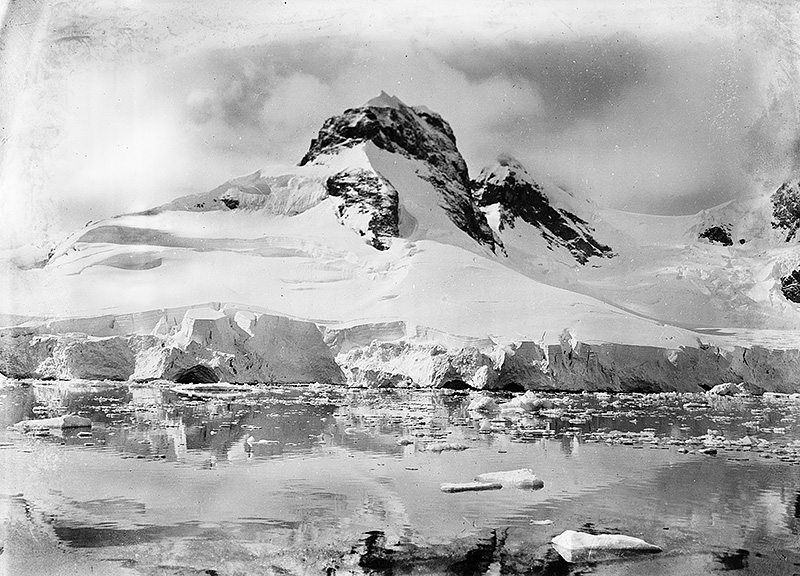
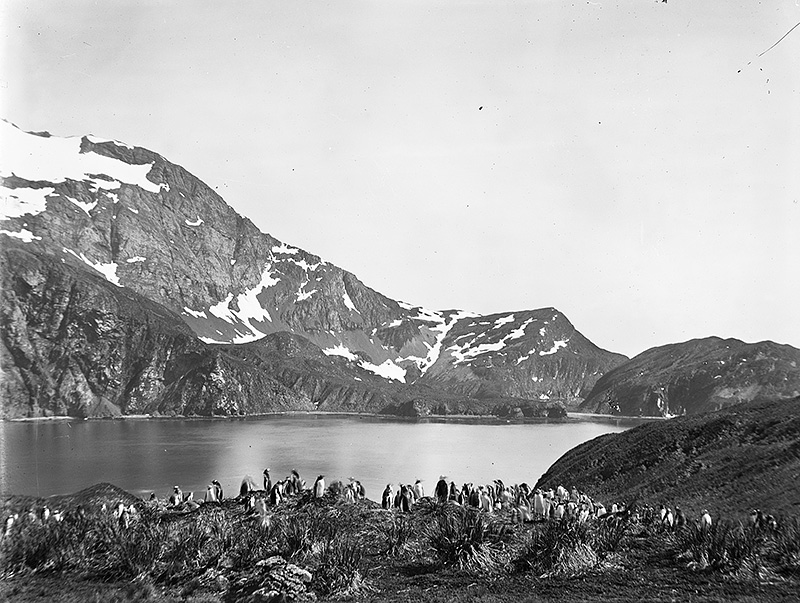
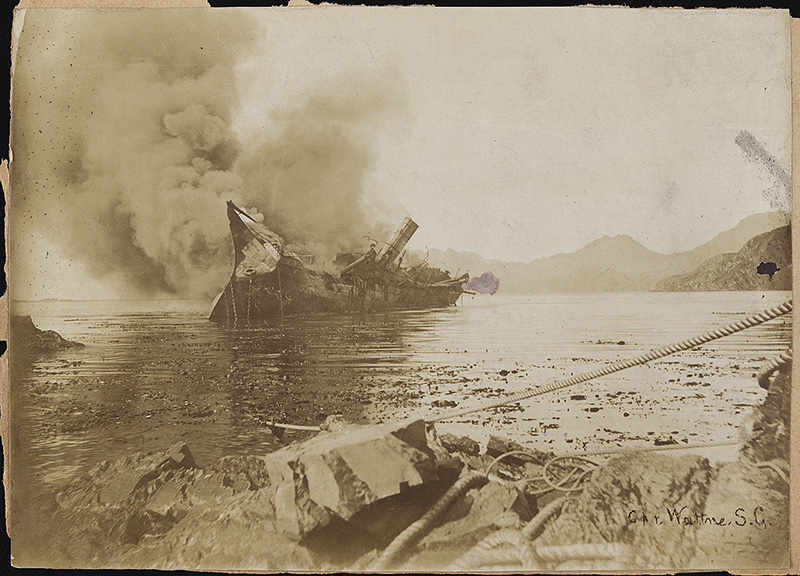
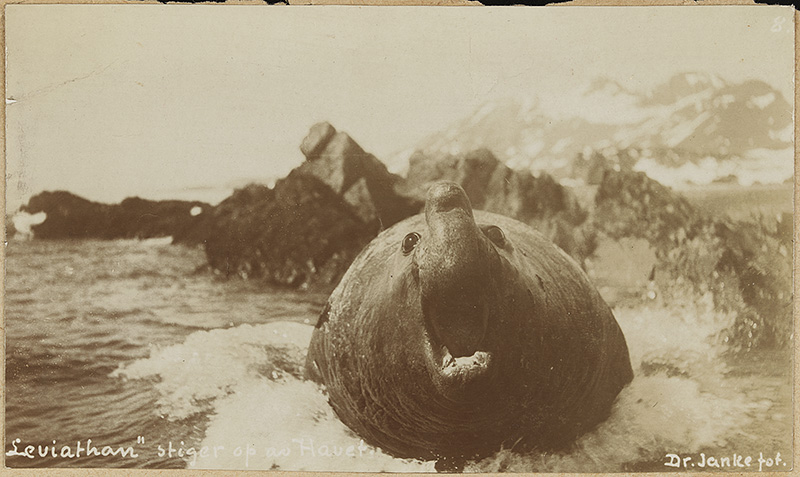
Our collection of photographs and papers is largely about the company’s whaling concerns in South Georgia. So far only a small proportion of the photographs have been digitised- around 192, however they cover a wide range from landscapes and wildlife to the people and life at the Leith Harbour base in South Georgia .
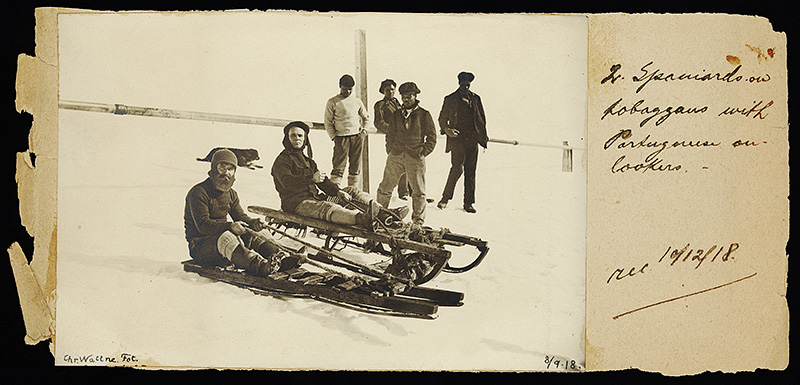
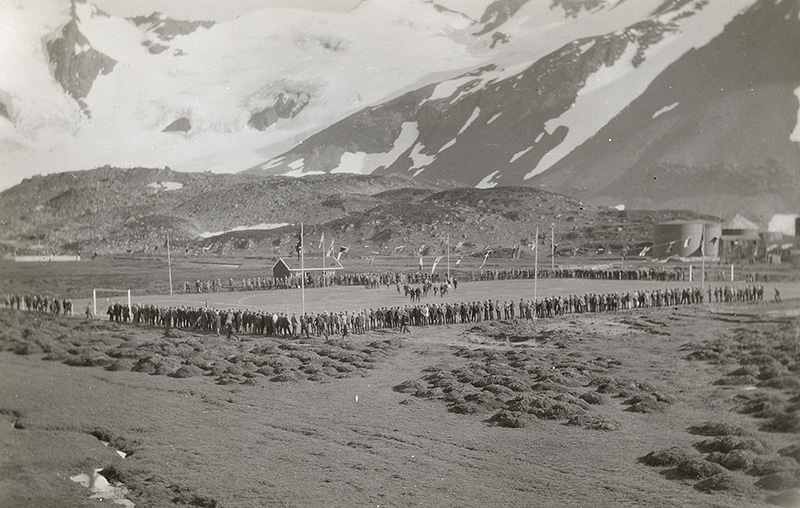
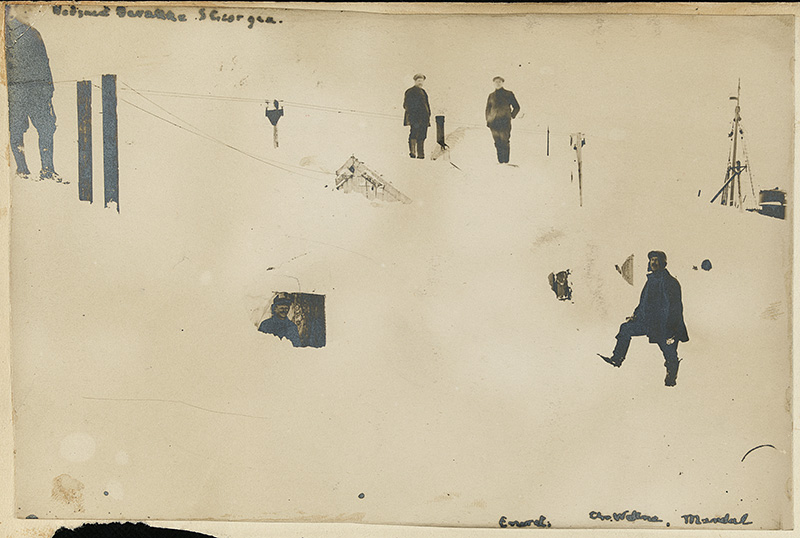
From the light hearted shots of sledging http://images.is.ed.ac.uk/luna/servlet/s/c6e03o and football http://images.is.ed.ac.uk/luna/servlet/s/bs1r73 (I love that this photo came from an envelope entitled ‘Penguins and Social Life’), to coping with the extreme weather encountered only a little to the north of Antarctica. While some of the snow fall photos have an element of humour to them, like “The Old Powerhouse surrounded in 6″ of snow, had to be removed to fire the chimney, Dec 10/12/18” – remember that December is summer for South Georgia http://images.is.ed.ac.uk/luna/servlet/s/56h599 .
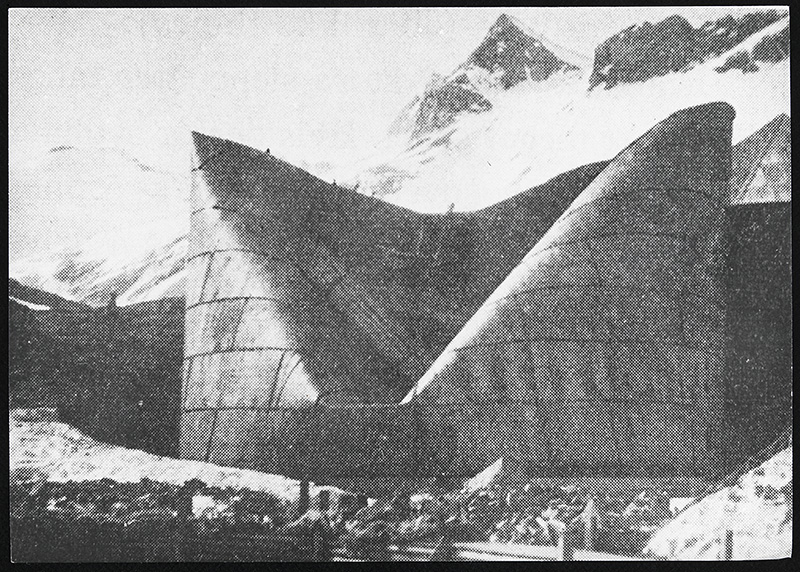
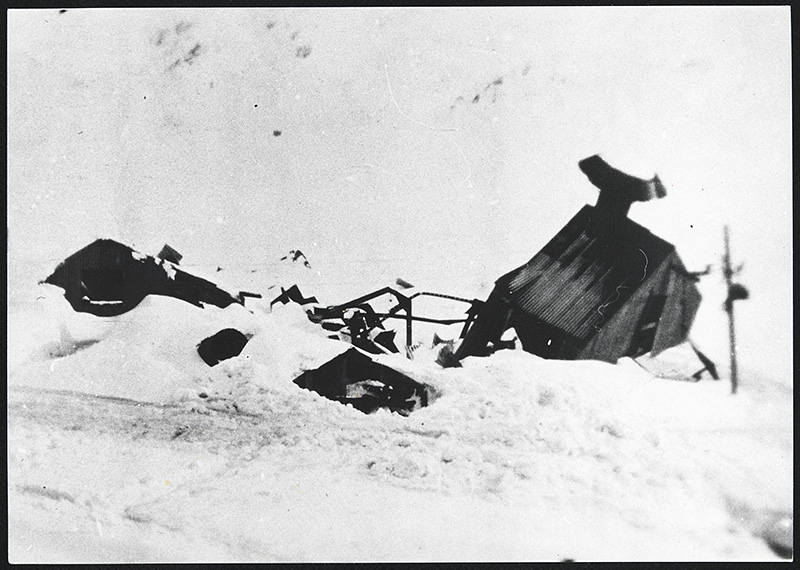
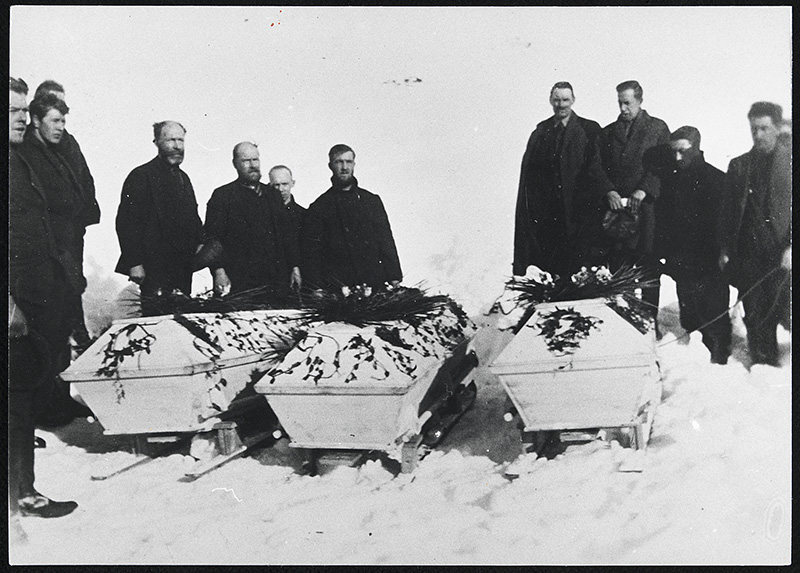
Others are far more shocking. The season of 1929-30 appears to have been one of the worst- an old news clipping shows the damage to one of the giant vats in the harbour, a note with the photo reads “Power of the Wind. Oil tank in Leith Harbour pressed together by the wind. I saw it happen” http://images.is.ed.ac.uk/luna/servlet/s/rm184k . In the same season an avalanche hit the base with devastating consequences. This blurred and grainy photograph shows the wreckage of the Foundry http://images.is.ed.ac.uk/luna/servlet/s/zysa4o and the next reveals the human cost http://images.is.ed.ac.uk/luna/servlet/s/f8akdg
Throughout it all they documented their lives, challenges and environment. Although whaling has thankfully had its day, I’m glad they have left this wonderful resource for us all http://images.is.ed.ac.uk/luna/servlet/s/5dhlh7
Last week we were very pleased to make 864 new images available to the public. In the DIU we had recently completed a batch of nearly 1000 high quality images from Readers Orders and Staff requests, so we handed these over to Library Digital Development Team to upload into LUNA http://images.is.ed.ac.uk/ . Of the images that could be made available to the public…
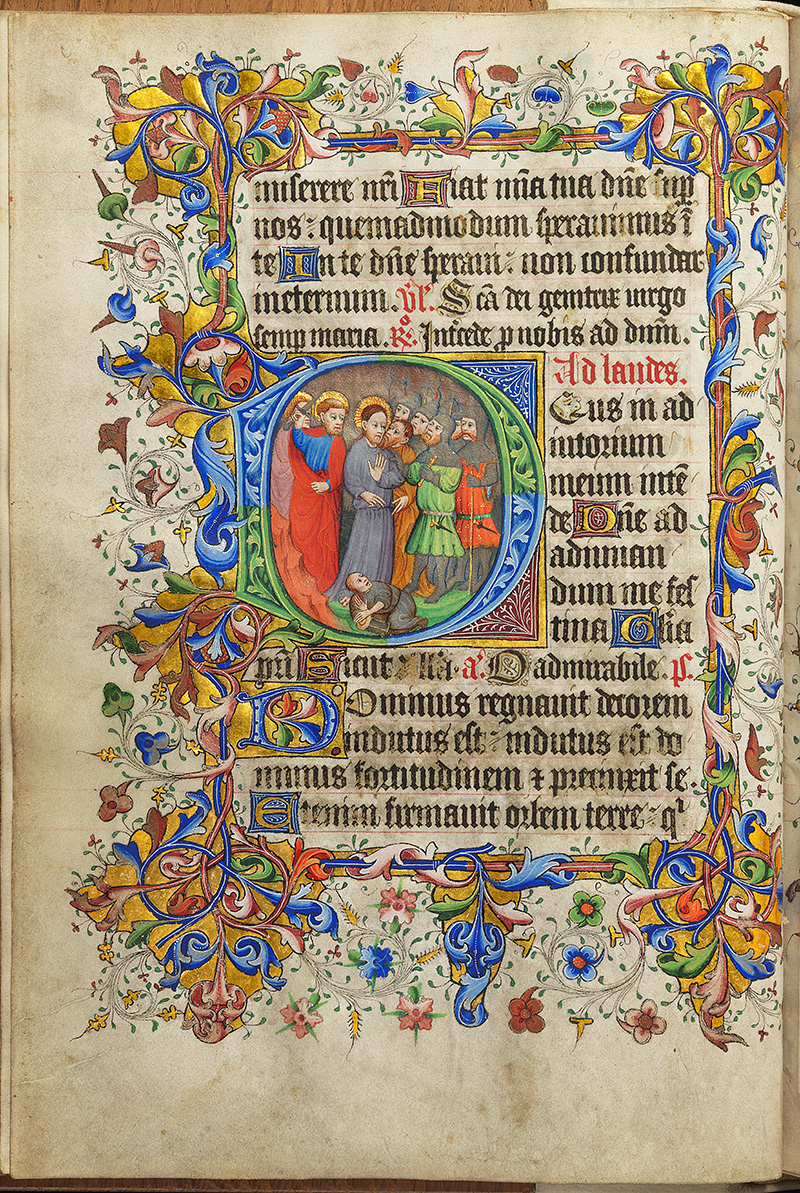
372 Images were added to the Western Medieval Manuscripts Collection
196 Images were added to the CRC Gallimaufry Collection
162 Images were added to the New College Collection
54 Images were added to the Roslin Institute Collection
11 Images were added to the Architectural Drawings Collection
10 Images were added to the Salvesen Collection
10 Images were added to the University of Edinburgh Collection and
8 Images were added to the Incunabula Collection
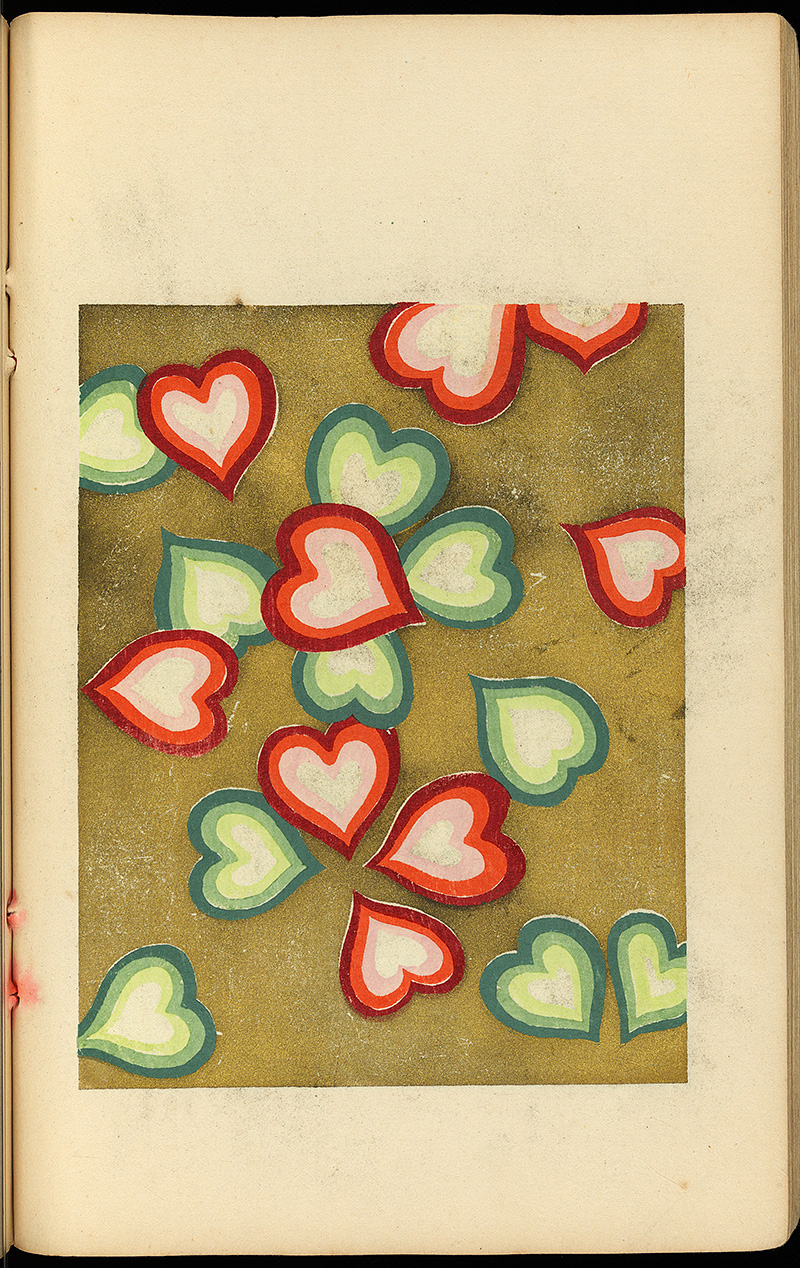
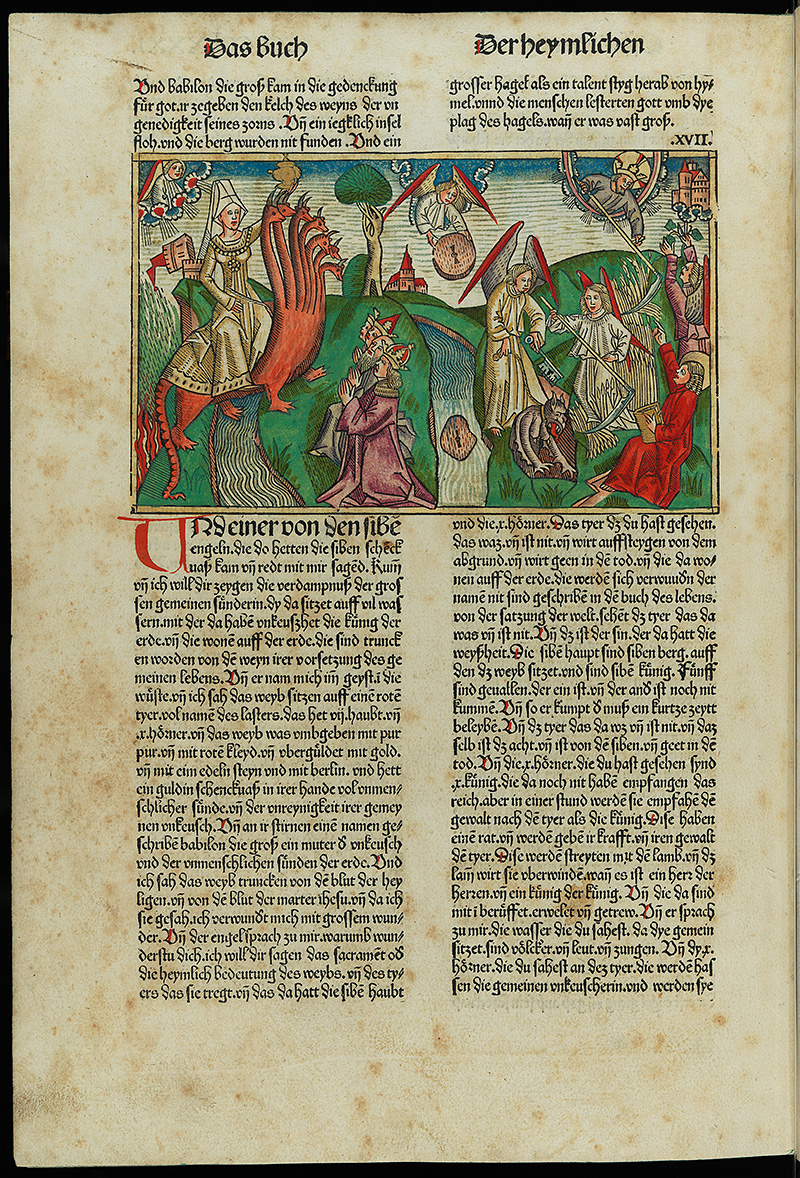
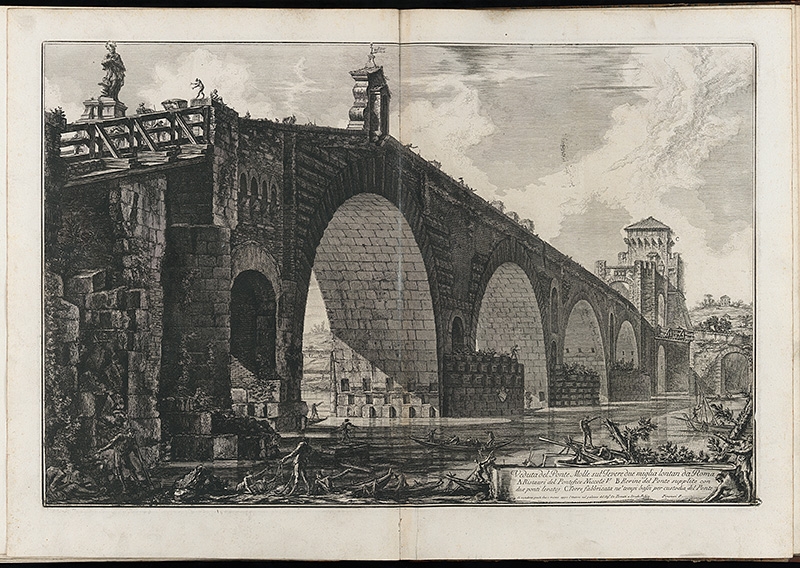
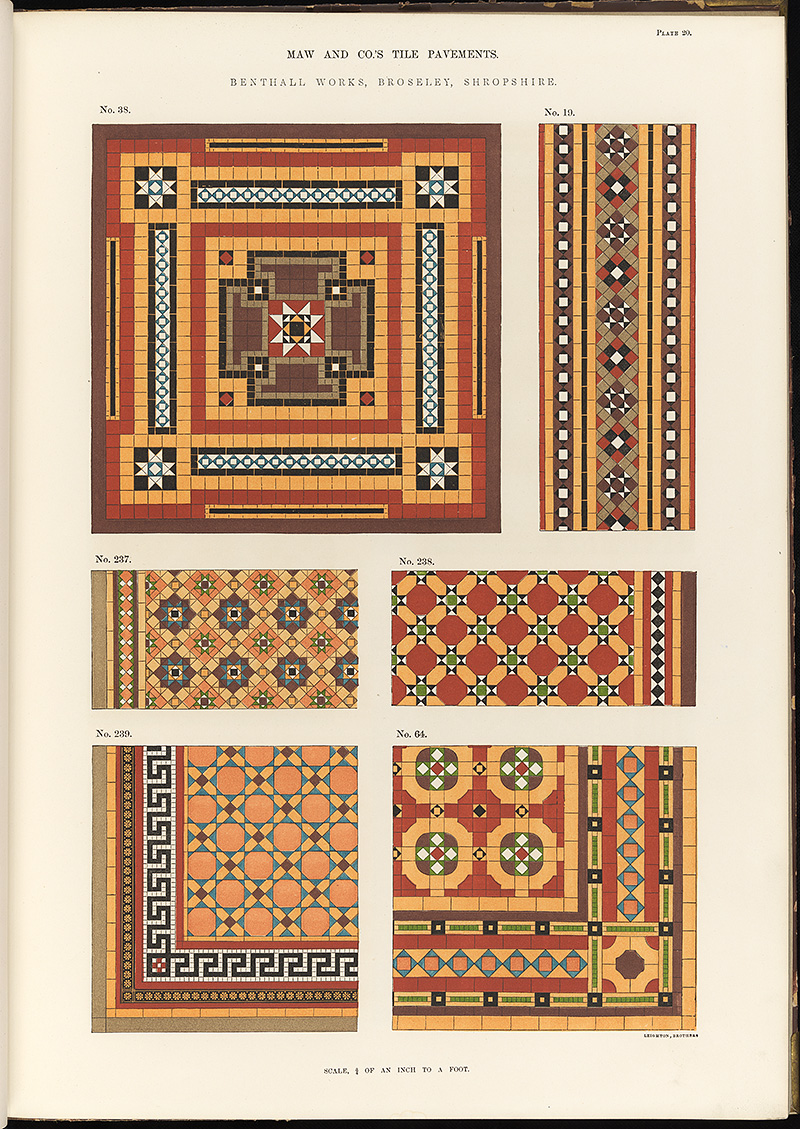
However, we are perhaps most excited to announce the new collection of ECA Rare Books http://images.is.ed.ac.uk/luna/servlet/s/j8mxaj . Elizabeth Quarmby Lawrence has been very busy cataloguing these books (see our earlier post http://libraryblogs.is.ed.ac.uk/diu/2013/10/16/gems-from-the-eca-rare-books-collection/ ) and tells us that the “Rare Books Collection of Edinburgh College of Art, includes about 1,500 items, which date from before 1489 to the twentieth century. Most of them are printed books; many of them are illustrated. It is particularly strong in books of the eighteenth and nineteenth centuries on architecture, design and ornament. There are also nineteenth-century photographs, examples of textile design, and early nineteenth-century hand-painted designs for Edinburgh Shawls. Many of the books originated in the collections of the institutions which preceded ECA: the drawing academy of the Board of Trustees for Manufactures in Scotland, and the School of Applied Art. This collection is now housed in the Centre for Research Collections in the Main Library”.
Making new images available requires a real team effort, and I’d like to say a special thanks to Deputy Photographer Malcolm Brown, Scott Renton & all the Library Digital Development Team, and of course Elizabeth Quarmby Lawrence for all the metadata!
I have been volunteering with the Digital Imaging Unit for about a year, during which time I have been researching and adding metadata to their digital collection, as well as selecting images for a recent postcard project. It has been a wonderful opportunity to get to know the breadth of the University’s Collections and contribute to its online visibility.
As a student of the (MA) Fine Art degree looking to start a career in the archive and museum sector, volunteering with the DIU has not only provided me with relevant work experience, but also enriched my visual and art historical knowledge by exposing me to an incredible variety of pictorial material.
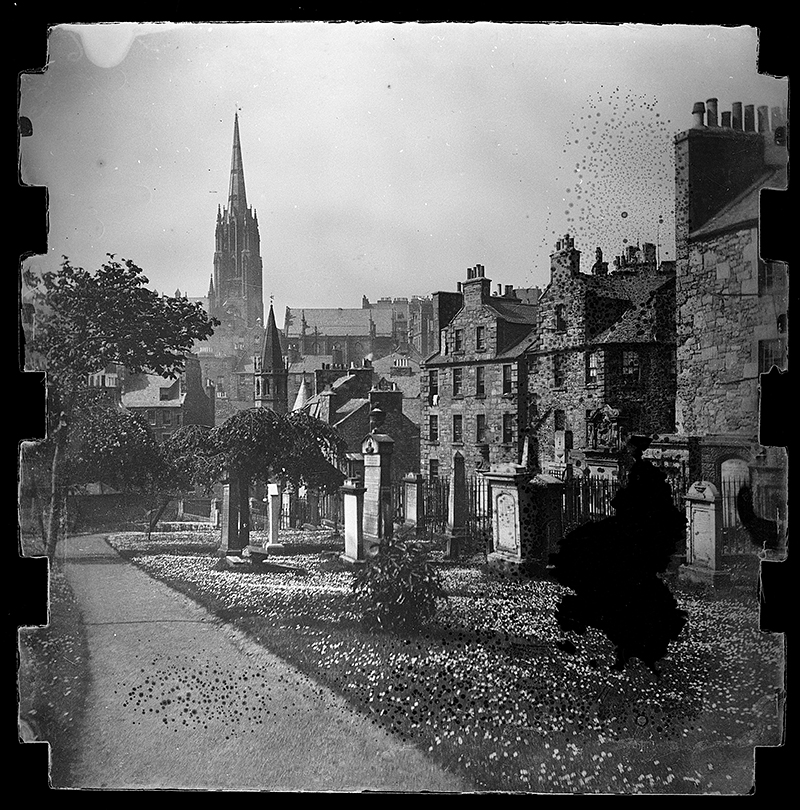
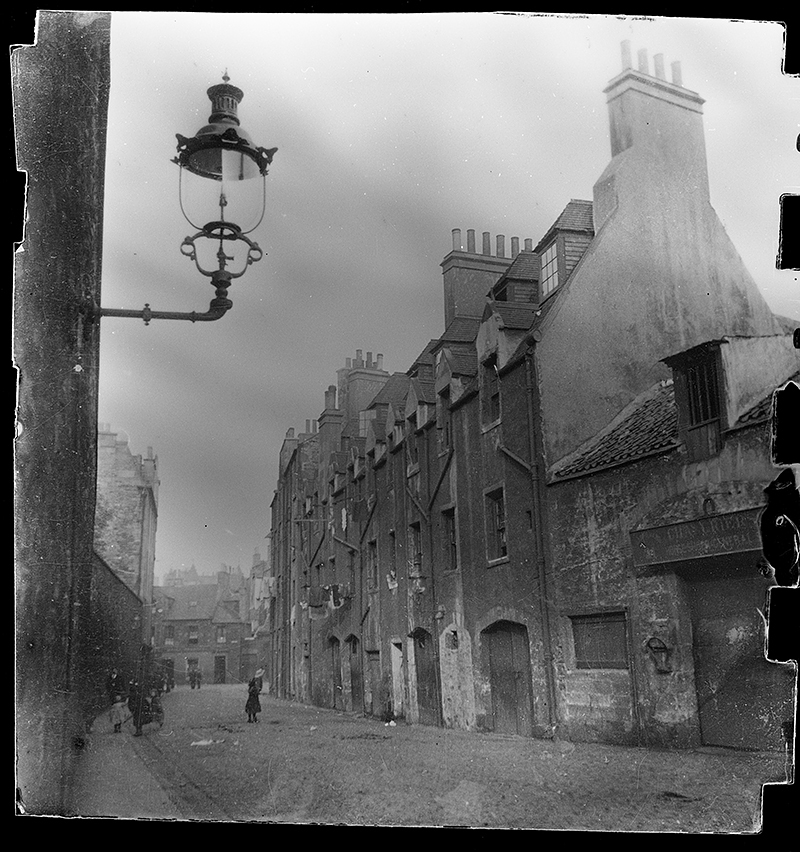
The collection has a number of beautiful images of old Edinburgh and it is remarkable to see how, in some ways, so little has changed in the city landscape.
Glass-plate slides are such wonderful objects and these have incredibly vibrant colours. This particular image seems to be a photograph of the Bois de Boulogne, a park close to where my grandmother lived in Paris.
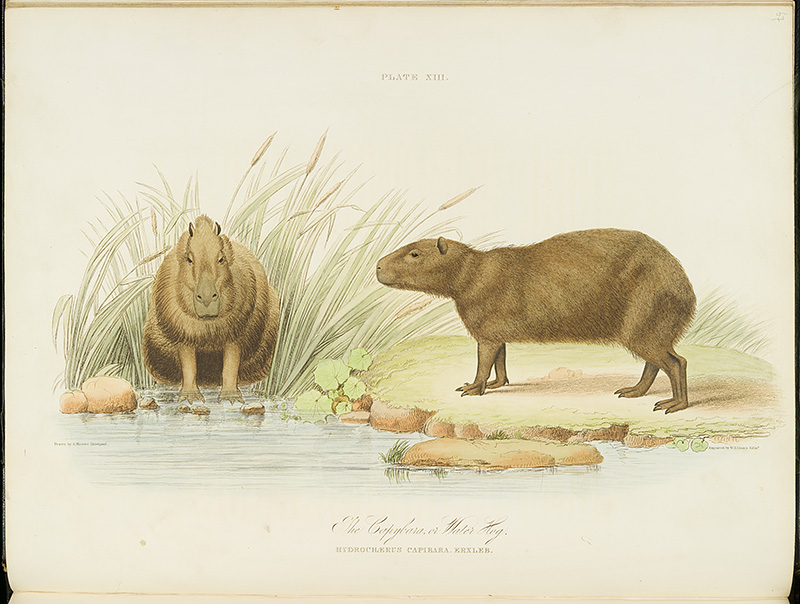
The Capybaras, or Capivaras, are a type of giant rodents indigenous to the region I grew up in Brazil. It was a lovely surprise to discover this image in the University’s collection of Zoological Illustrations.
One of the many fascinating items I’ve had the pleasure to research for the DIU, a 17th century book detailing comet sightings throughout history, accompanied by intricate illustrations.
Pigs, pumpkins and ostriches… what more could you want?
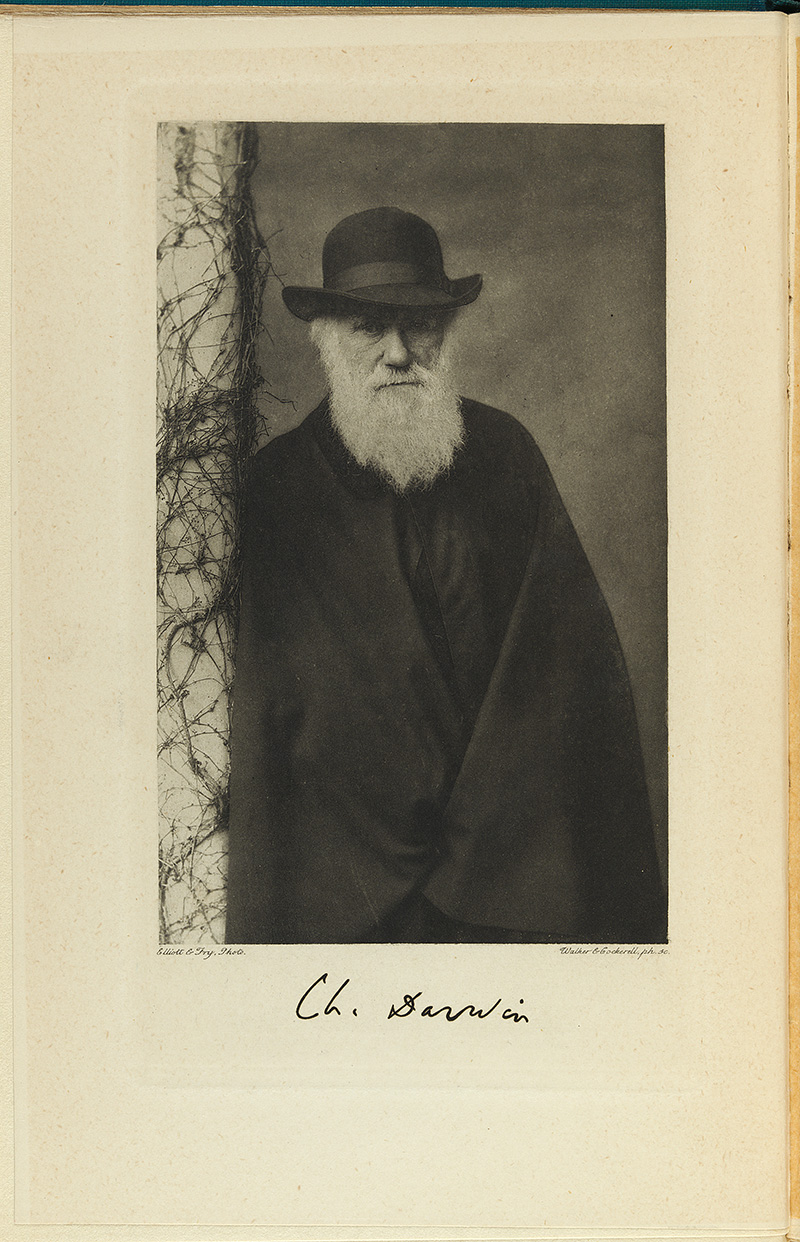
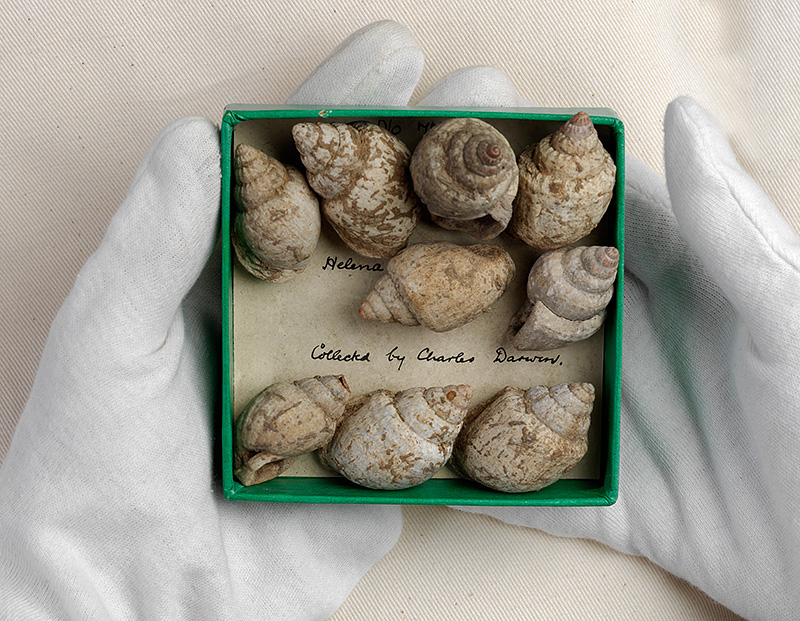
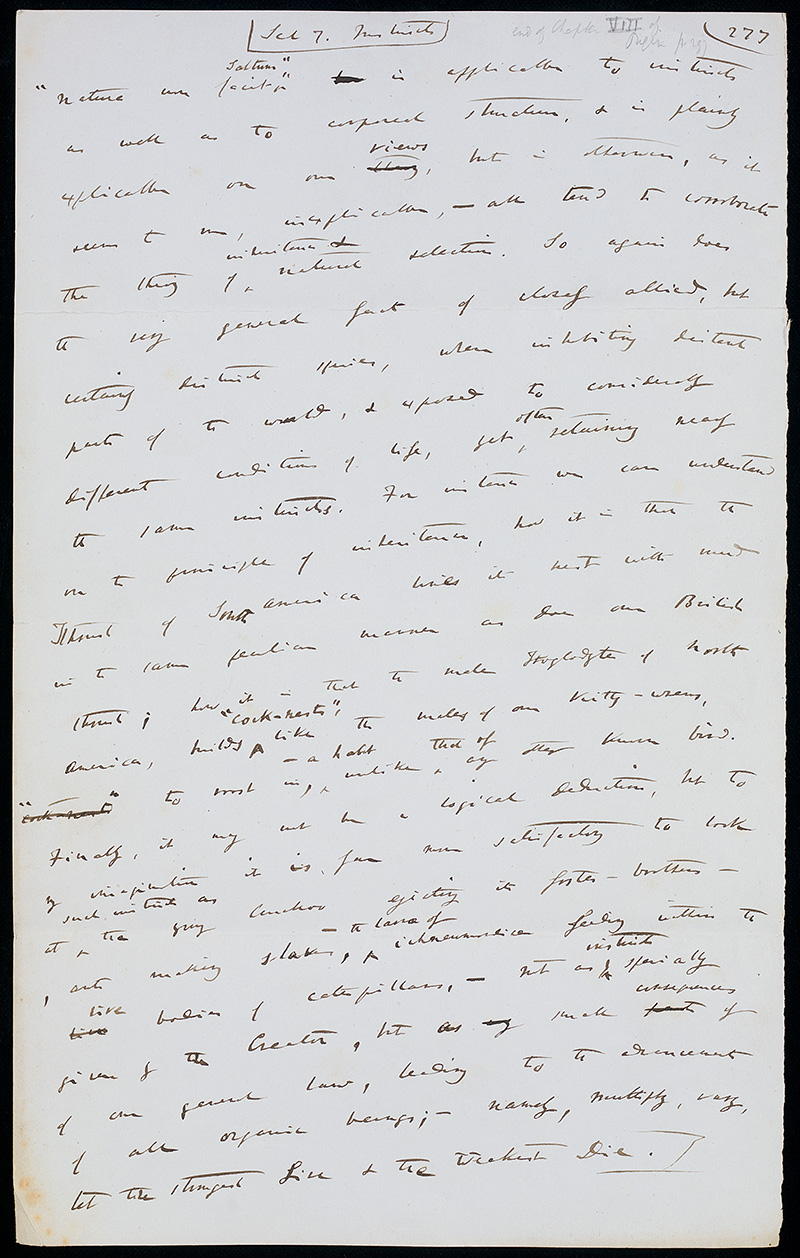
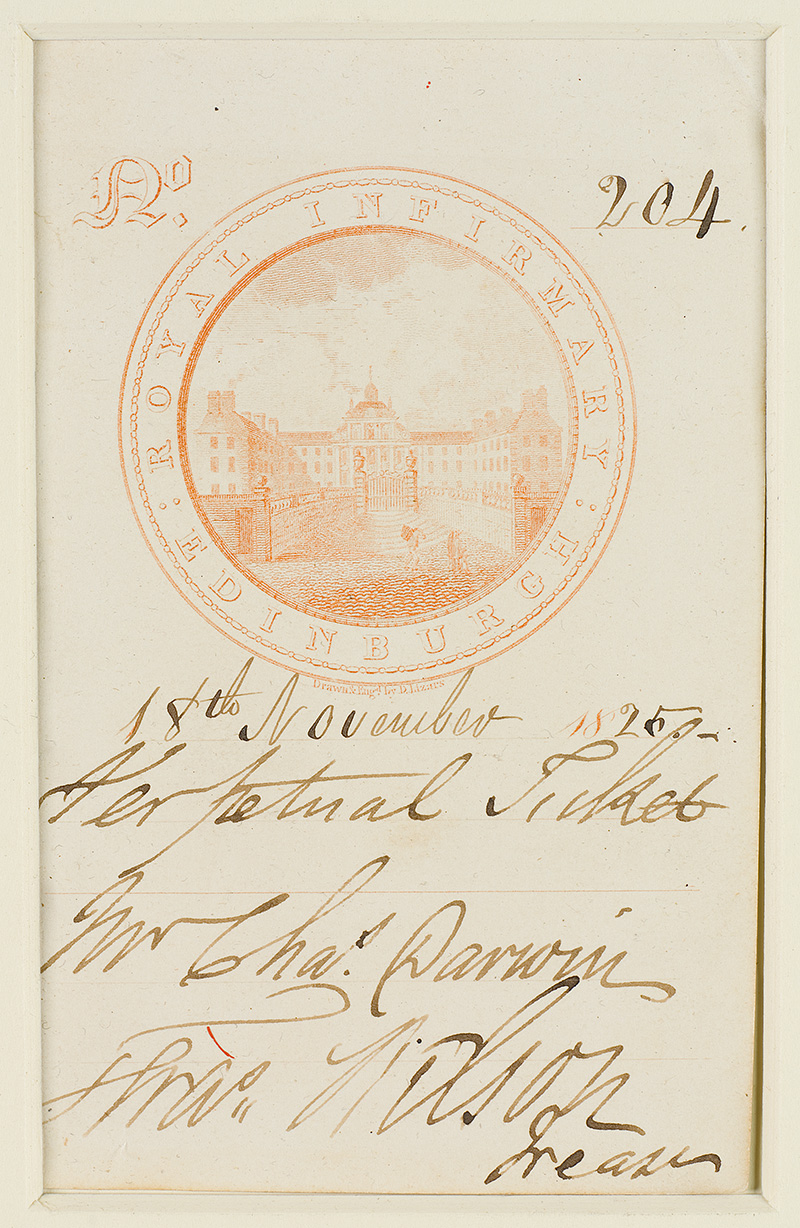
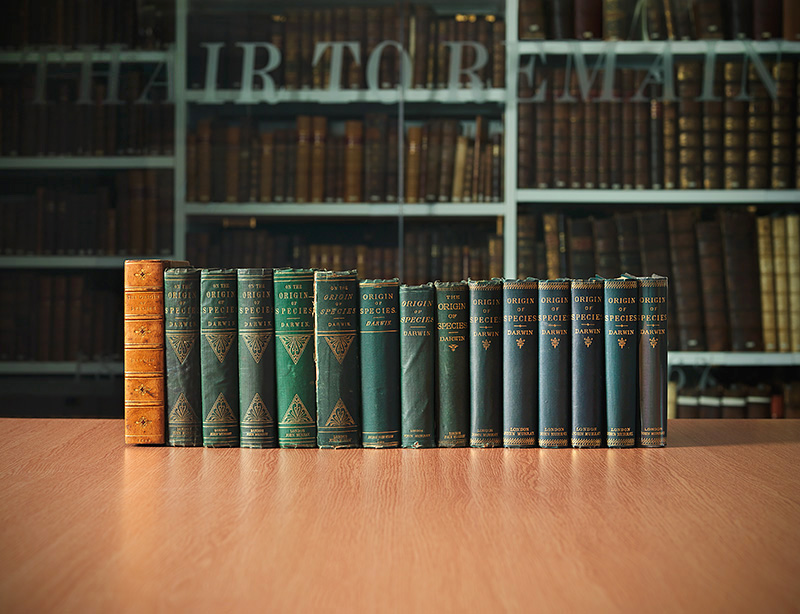
Over the years several Darwin originals have made their way to us for photography- a handwritten sheet from the manuscript of ‘On the Origin of Species’, his class cards, letters and recently some shells collected by Darwin during the voyage of the Beagle which had been rediscovered amongst Lyell’s geology collection. This week I was delighted to receive a whole trolley load of books from the Darwin collection which were being photographed in preparation for a printed catalogue. The Rare Books and Manuscripts team have already completed the online cataloguing (see their blog about this mini-project here http://libraryblogs.is.ed.ac.uk/blog/2013/08/30/darwins-voyage-of-discovery/ ).
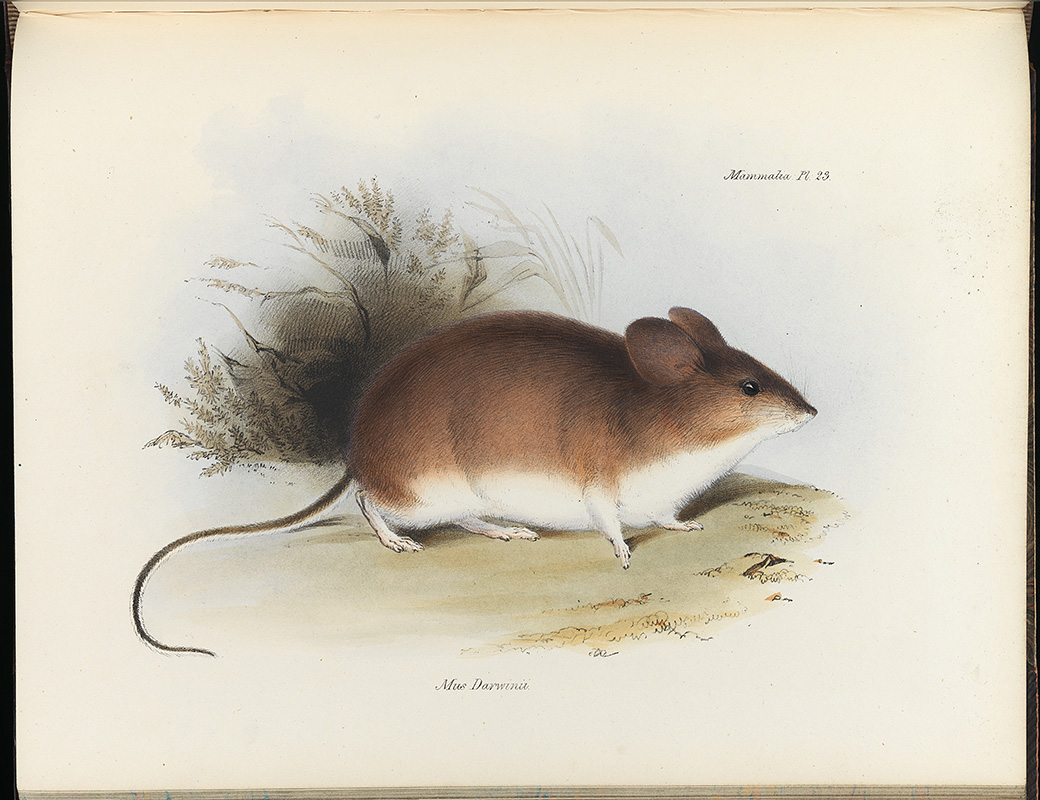
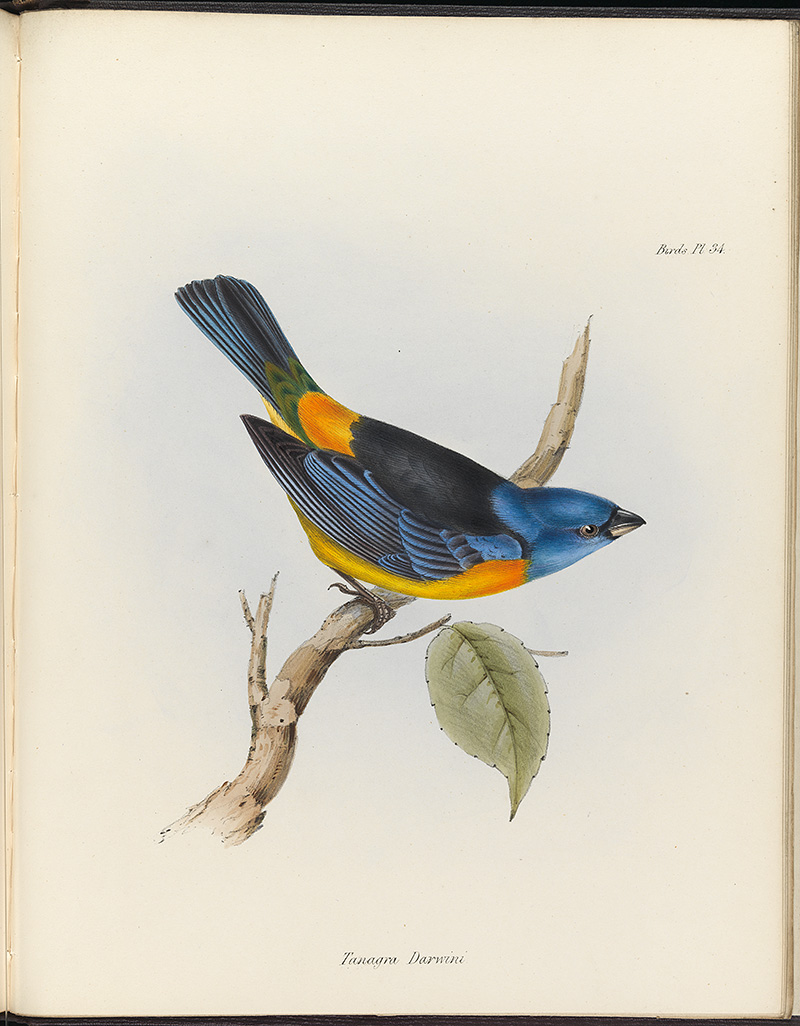
Much of what arrived in the DIU was from the Heiskell Darwin collection- a donation of first editions made to the University in 2012 from the Heiskell Bibliographical Foundation, although some beautiful plates from the ‘The Zoology of the Voyage of H.M.S. Beagle’ came from our existing collection. As our image archive of Darwin is growing, I thought it might be nice to show some of the highlights here.
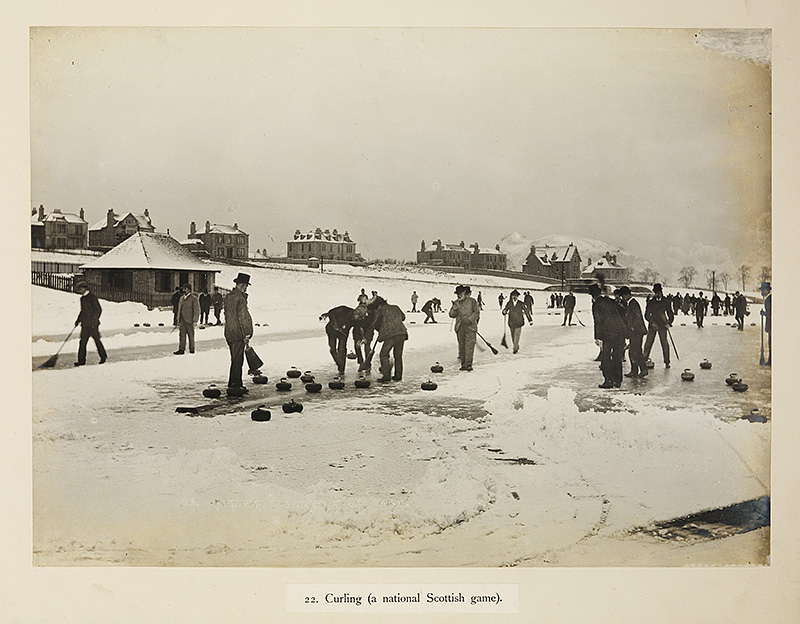
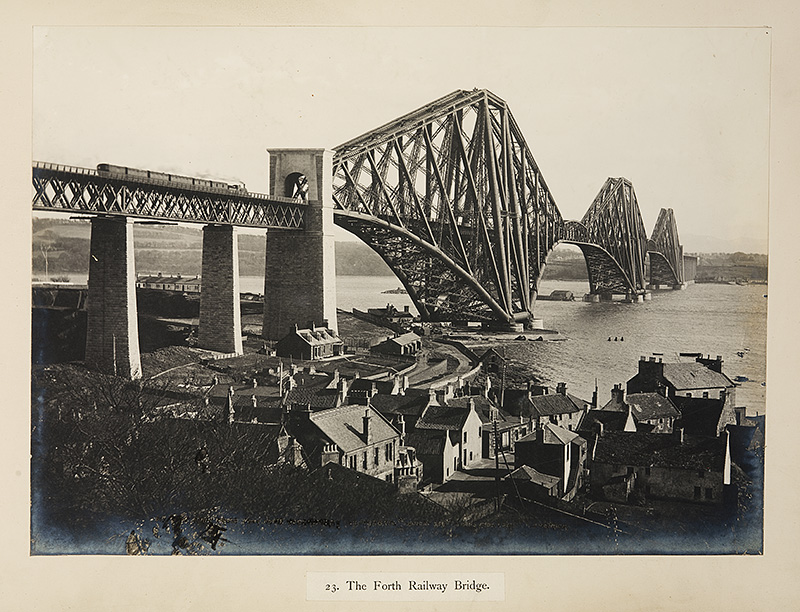
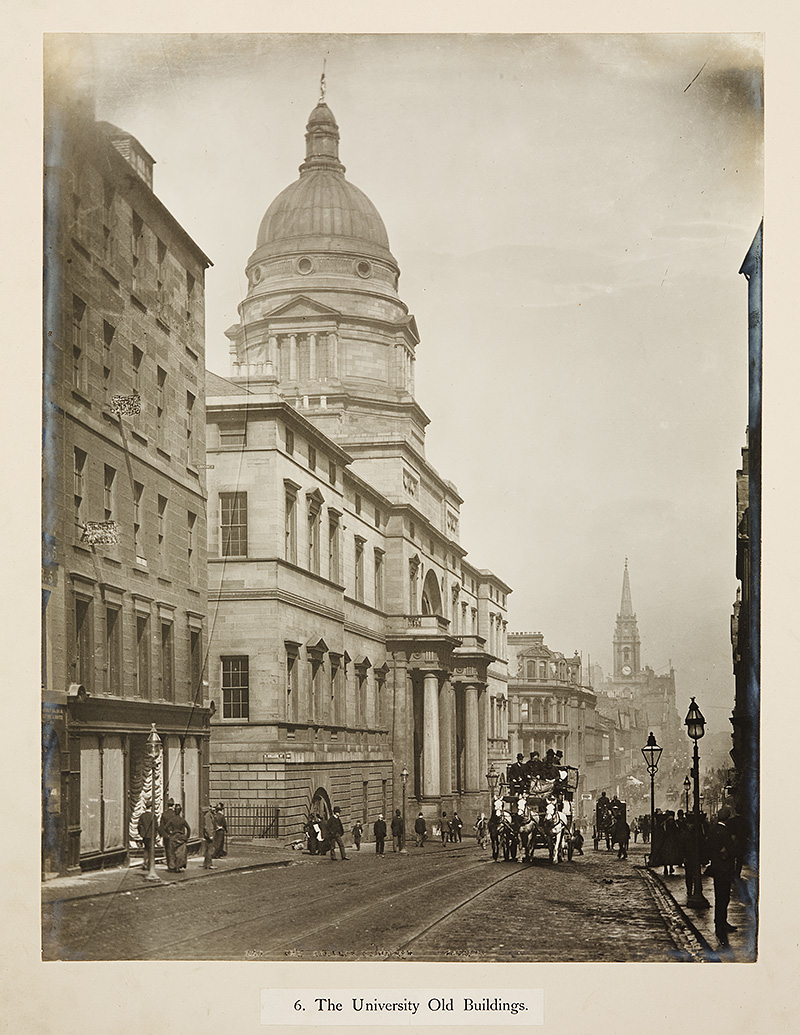
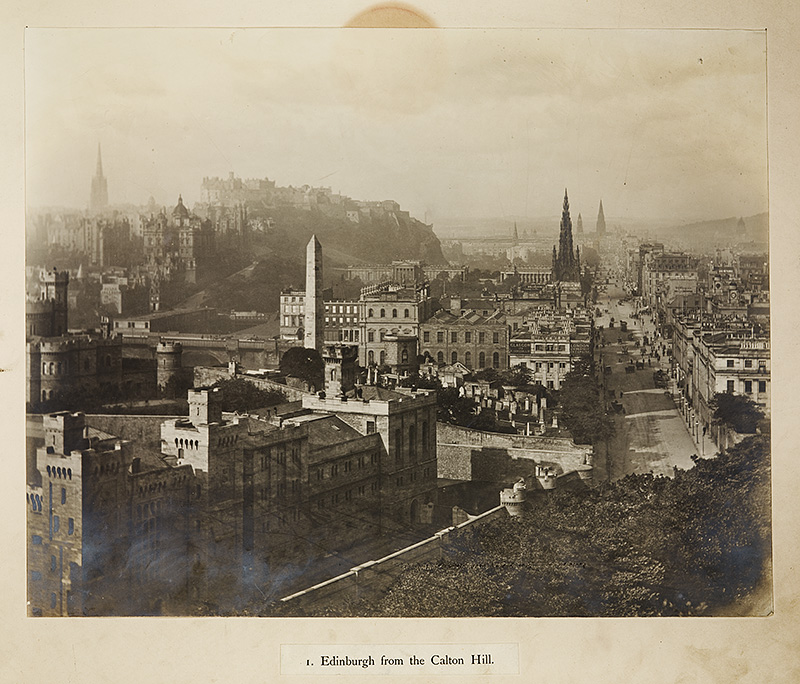
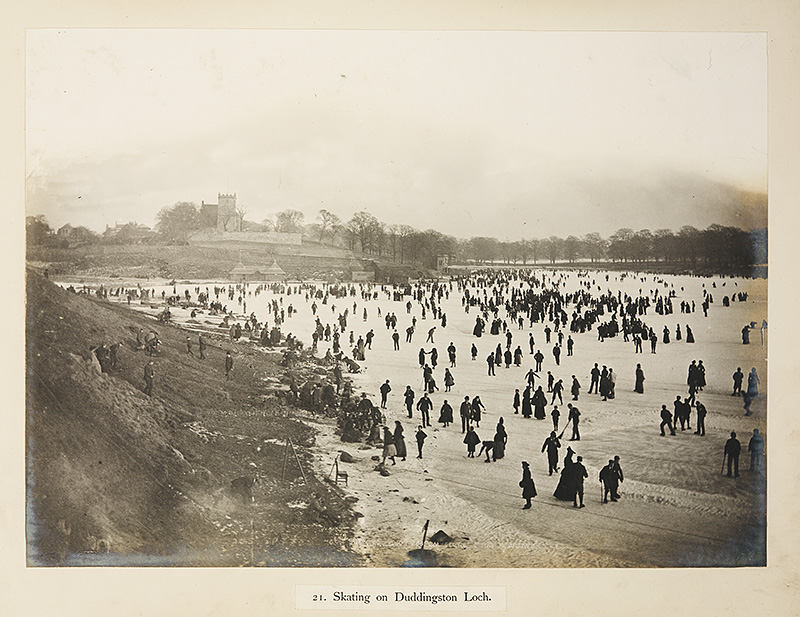
This week’s images all come from a lovely photograph album commissioned by the University in 1900 (Shelfmark EUA CA1/2). We don’t have much information about this volume but we think it was made to hail the start of the 20th century. It contains 25 photographs of University buildings and views in and around Edinburgh, including some are fascinating scenes of Edinburgh life – when was the last time you saw people skating on Duddingston Loch?
Thanks to the Lost Edinburgh Facebook team Digital Imaging Unit images have appeared on the Lost Edinburgh Facebook page. As a result of this each image has received 1,331 + 1294 likes respectively and 216 + 161 individual shares. Also around 80 comments per image were generated and this has brought the CRC Facebook page an additional 76 new likes since appearing on the site. The Lost Edinburgh Facebook page currently has 66,296 likes, probably making this the biggest audience for our images.
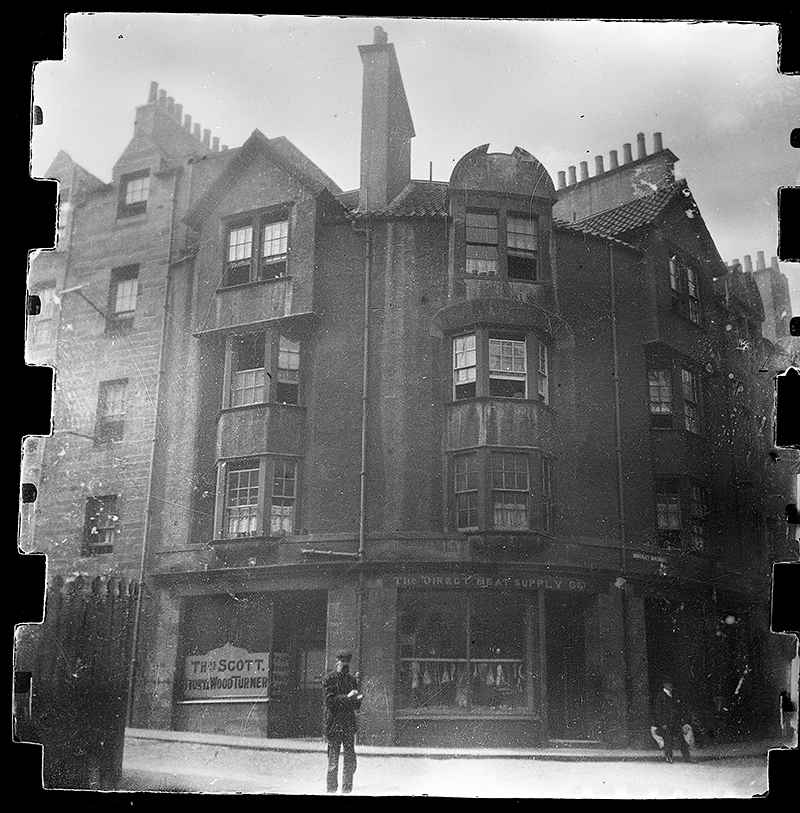
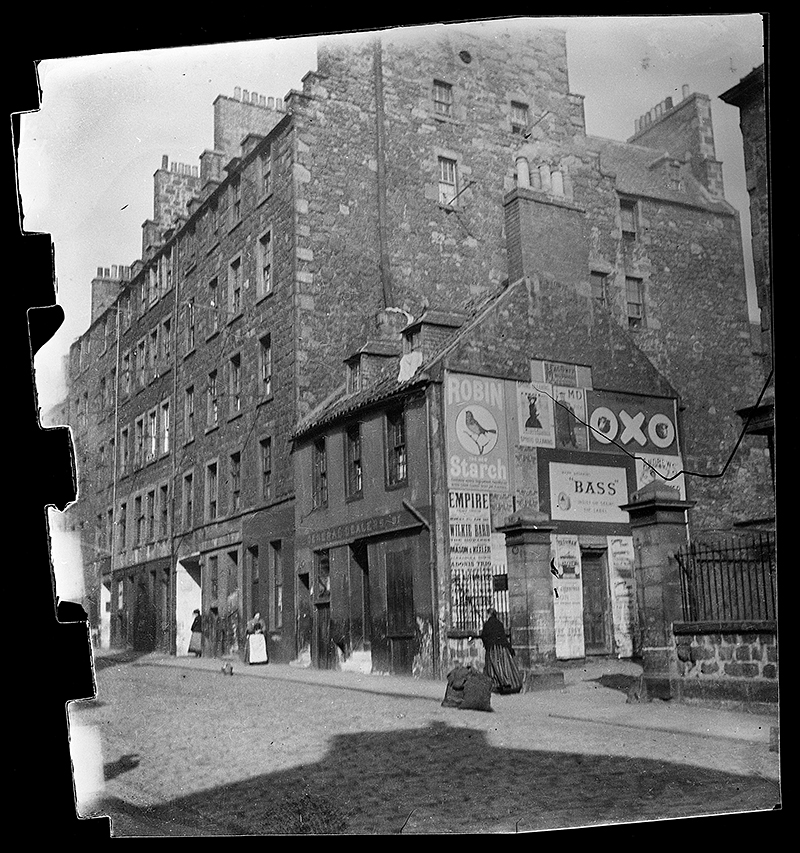
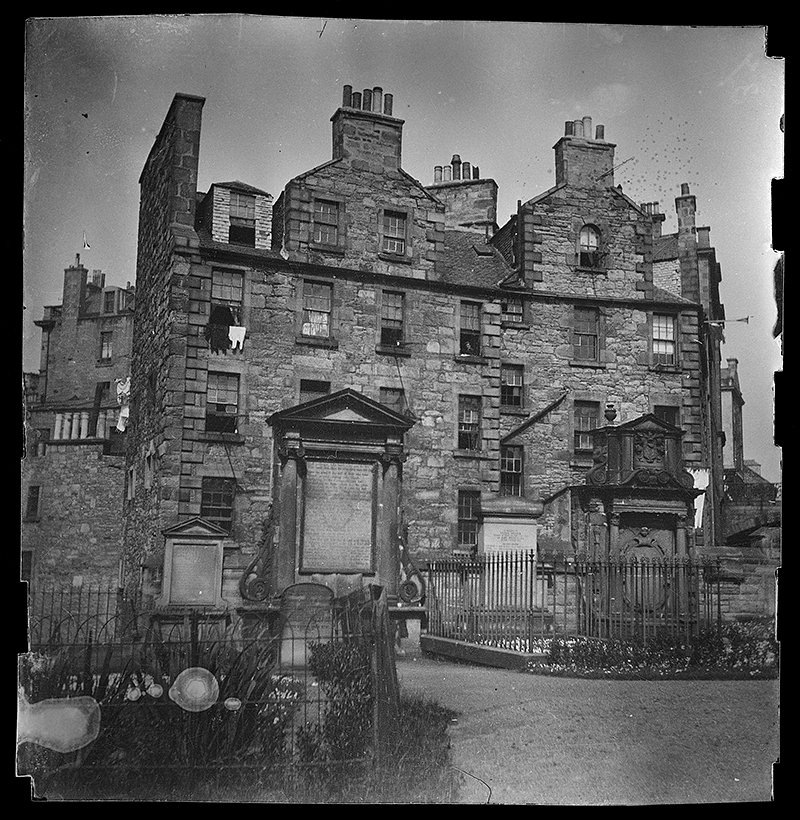
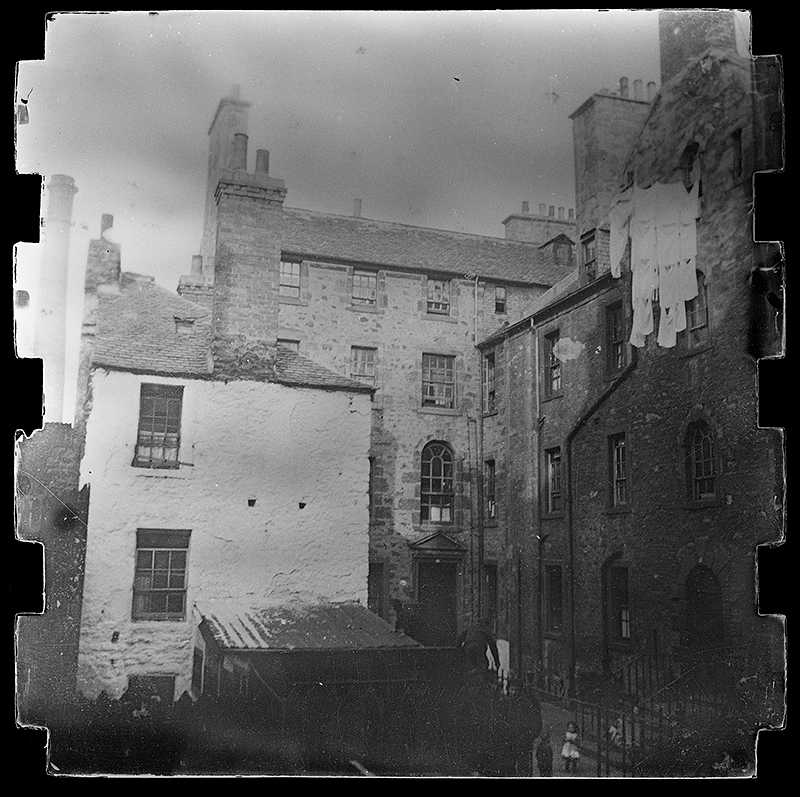
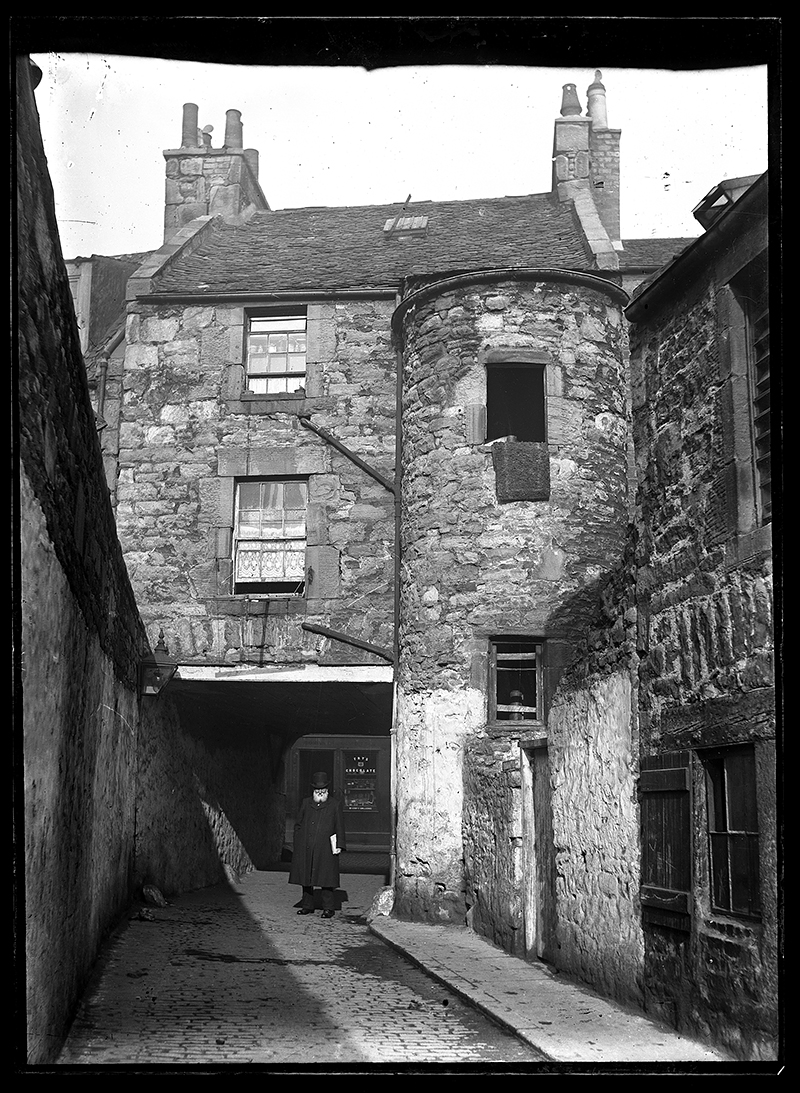
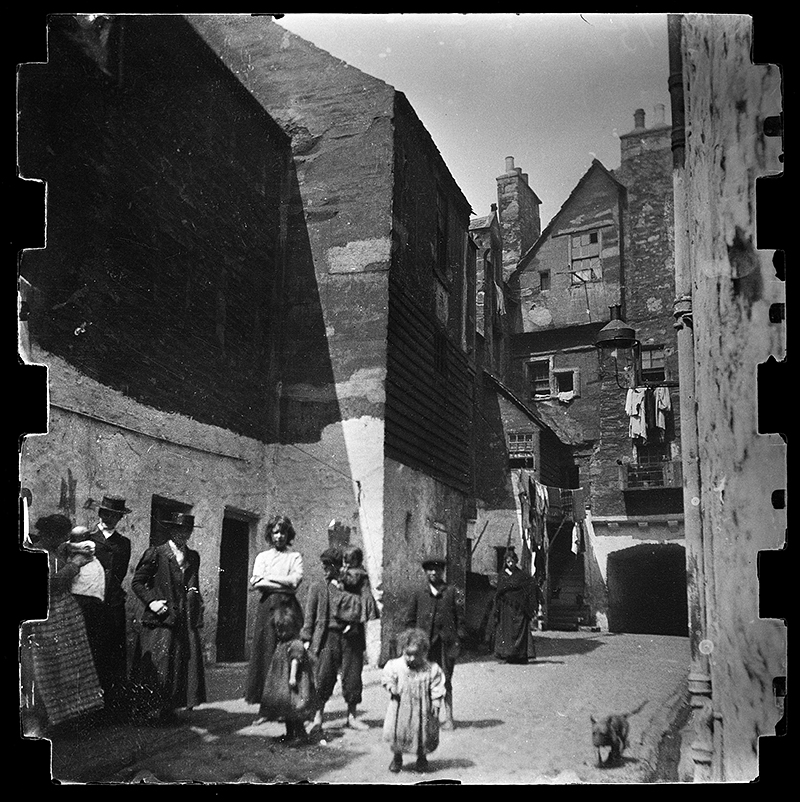
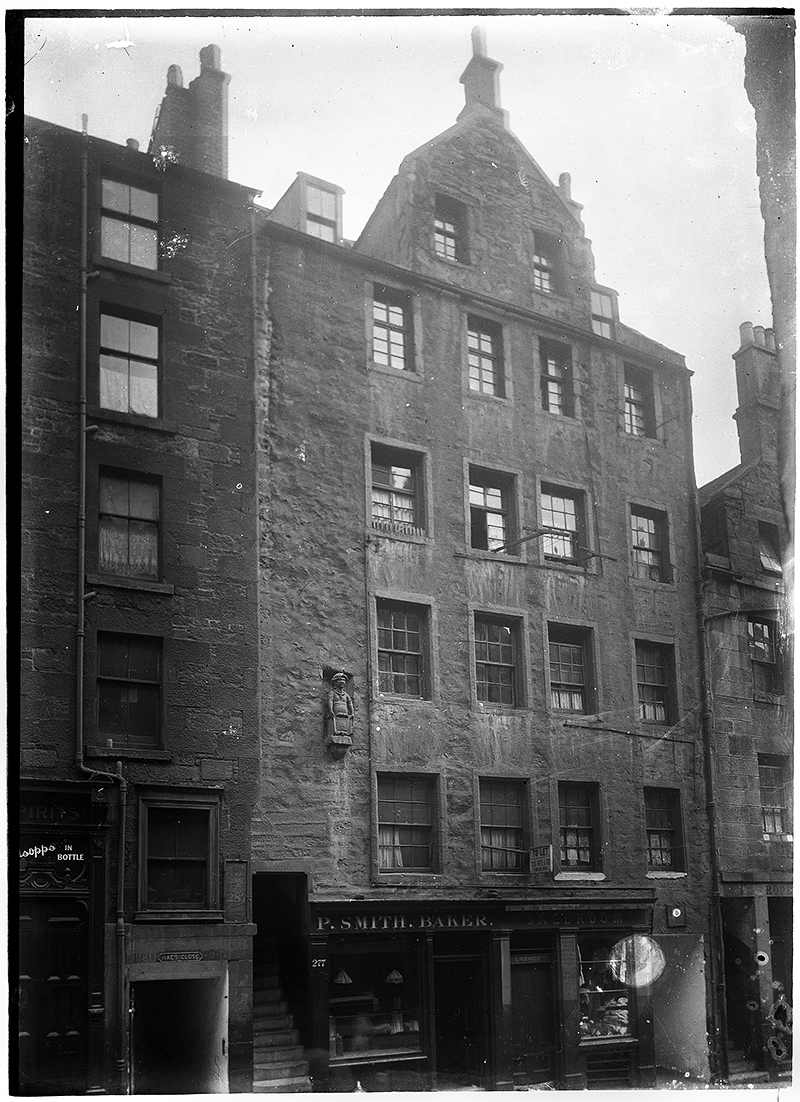
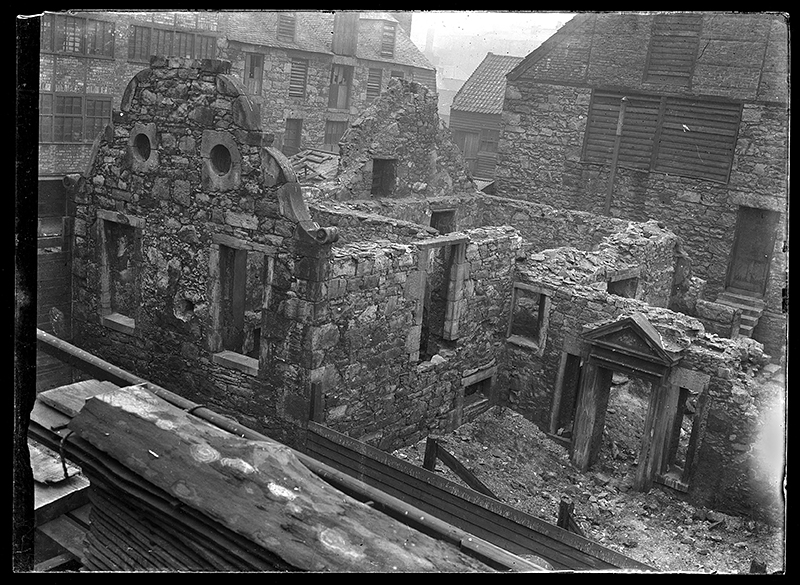
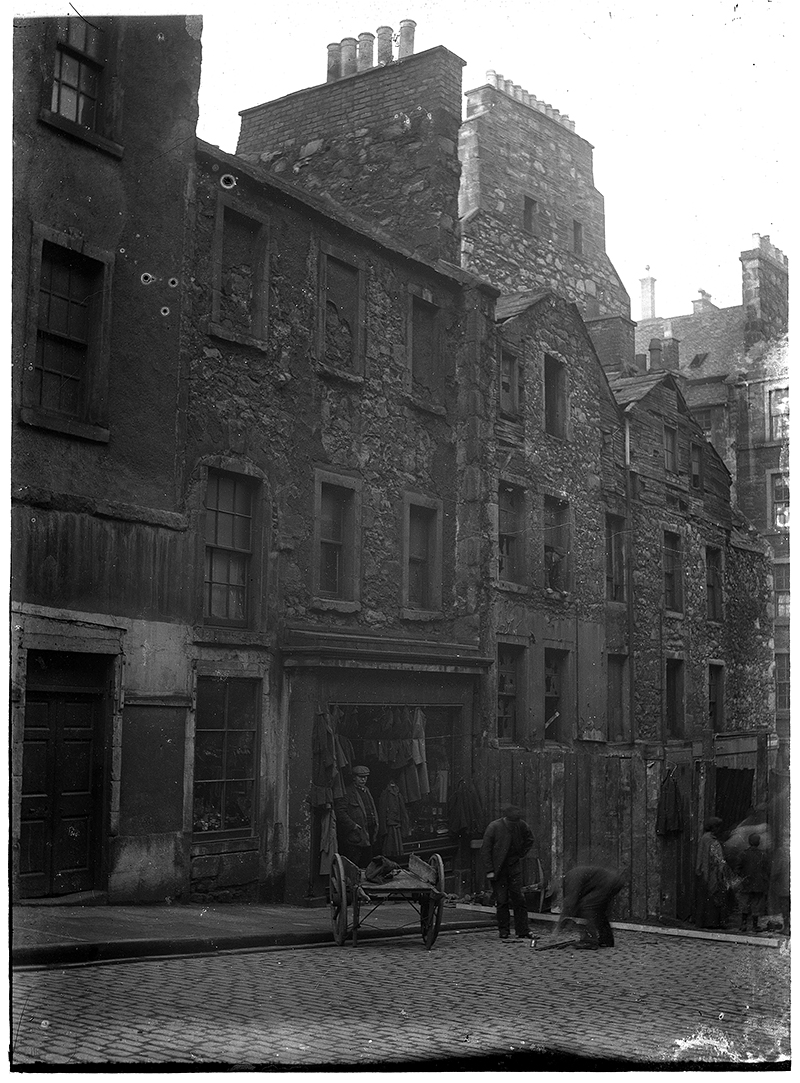
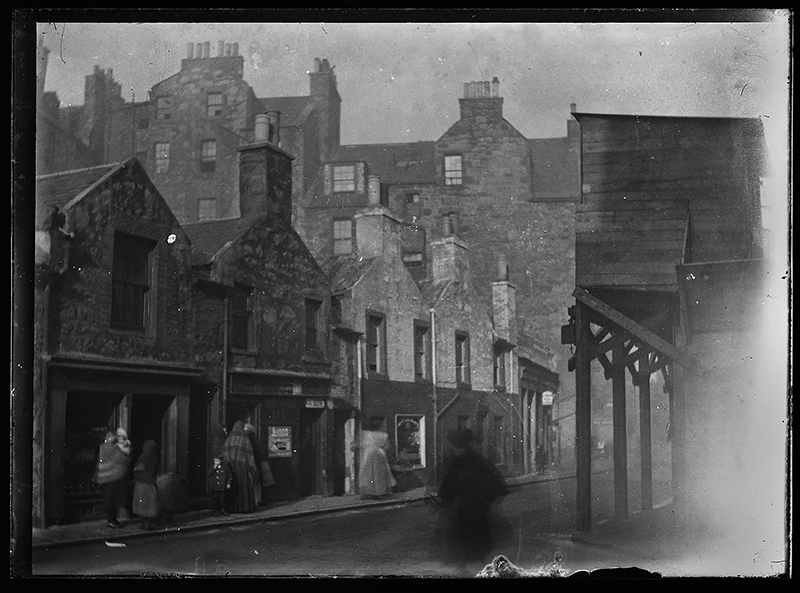
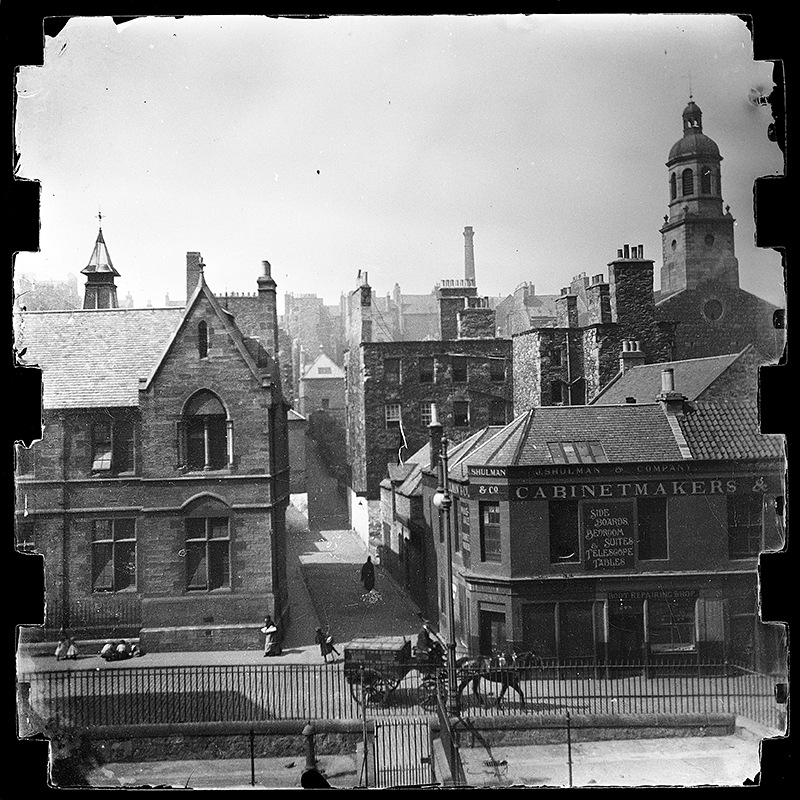
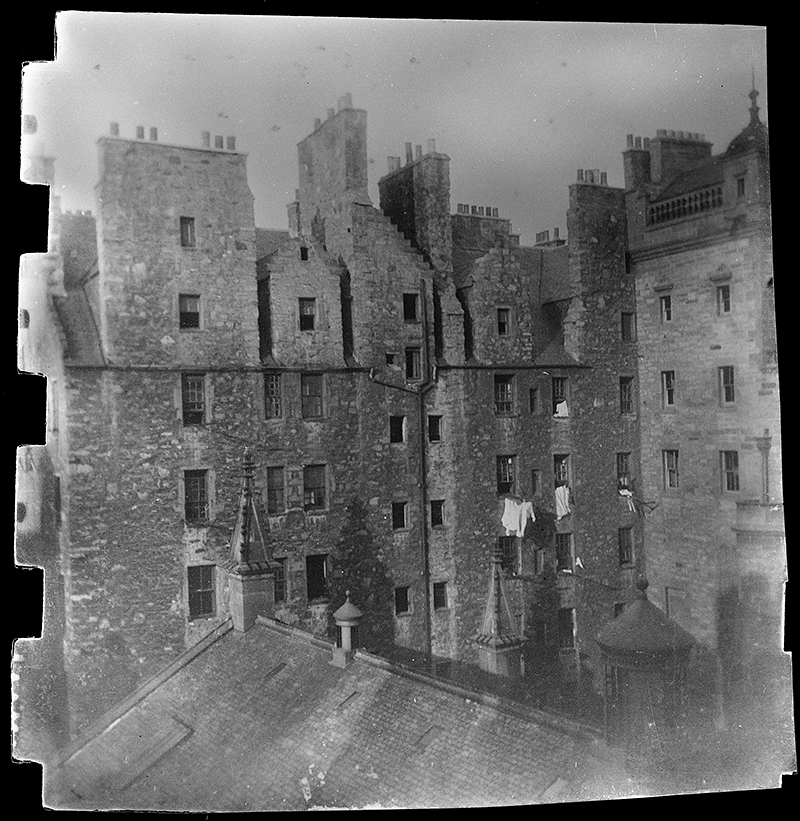
This is the Digital Imaging Units final instalment of images from the Centre for Research Collections Baldwin Brown images of “Old Edinburgh”. Many thanks to those who have responded with information regarding geographical locations and general information. The feed back has been very welcome and useful! This set has a few obvious locations but yet more mystery. We will add the data collected to our metadata records for the images enriching that data for continued research.
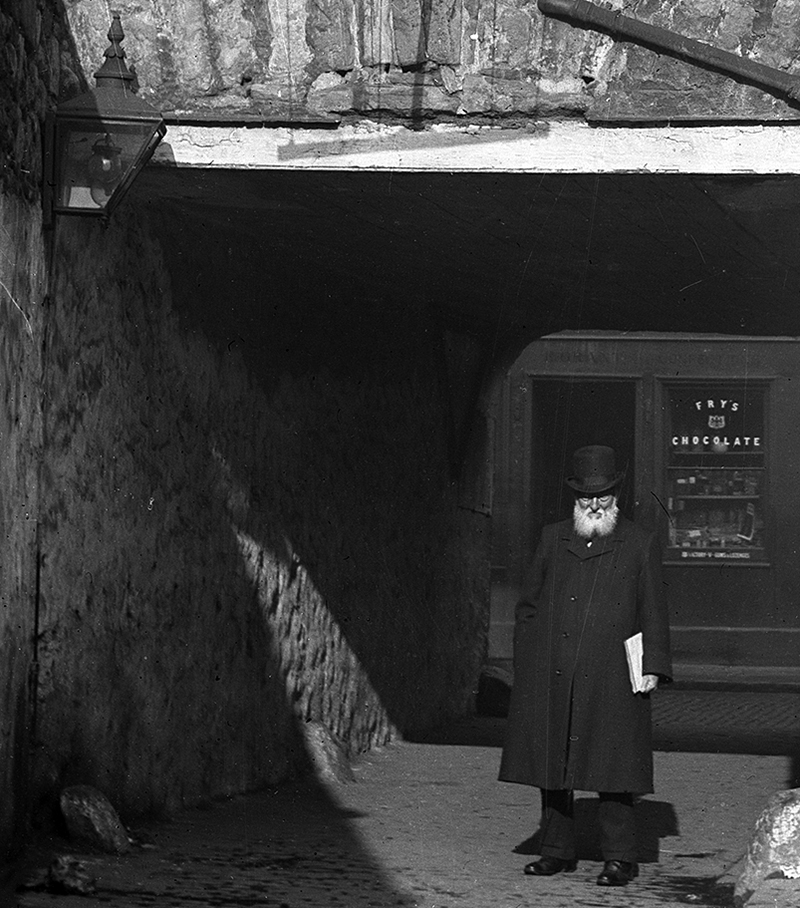
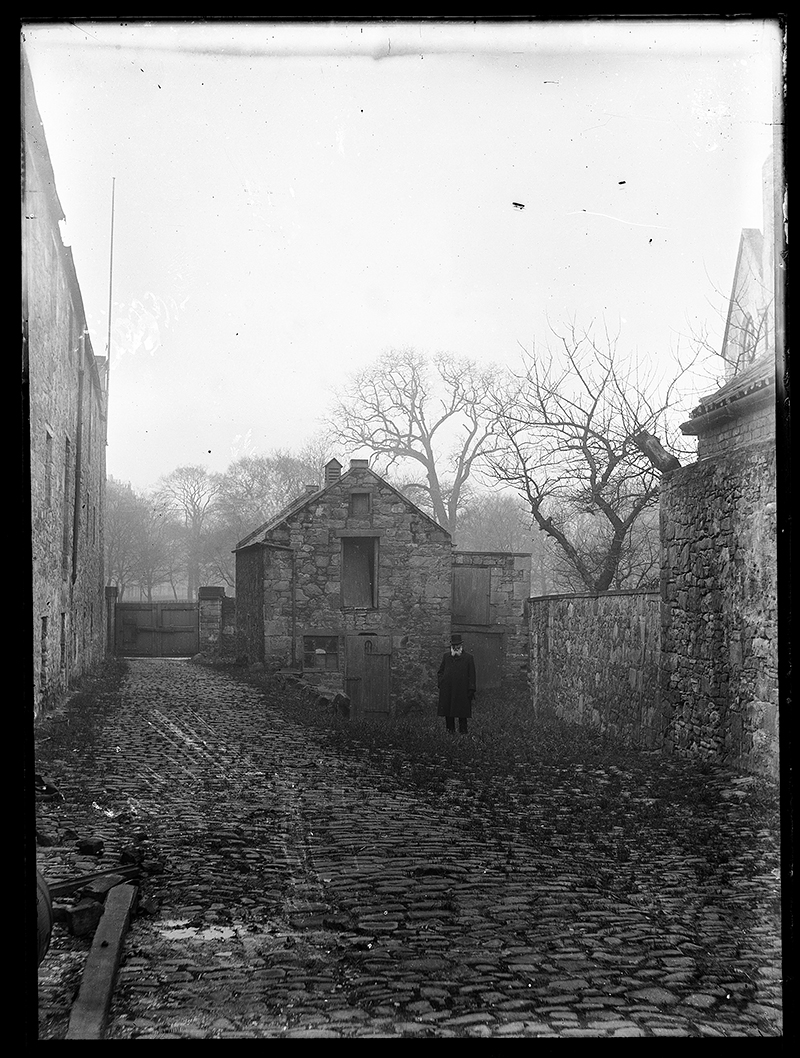
The Digital Imaging Unit have another five images from the Baldwin Brown glass plate negatives of Old Edinburgh recently digitized by the DIU. One of the images has an intriguing figure who appears in two of the images. I have included a close up from one of the images to highlight the shop he is standing in front of. We have had some great feedback on this set of Baldwin Brown images. The comments and observations have provided a fascinating insight on Edinburgh.
As promised here are five more images of Old Edinburgh to test your memory! We first posted some images of Old Edinburgh a few weeks ago and got some great results in identifying locations. We have posted the album on CRC Facebook page also https://www.facebook.com/crc.edinburgh in the hope to harvest useful metadata. We still have a few more of these wonderful images to roll out over the coming weeks.