Blog post co-written by Ann Burnett and Olivia Turner.
In this blog, Olivia Turner talks to Ann Burnett to discuss the key concept of ‘meaning-making’ that has been central to the IMAGINED project. Ann Burnett is a writer and lived experience advisor. Olivia Turner is a visual artist and researcher at the University of Edinburgh. Ann and Olivia are part of the project team on the IMAGINED project.
In the IMAGINED project, we understand the word ‘meaning’ to refer to the content or significance that something already has within a social or cultural context. The term, ‘meaning-making’ is the process of creating or negotiating that significance with others. It’s about how individuals or groups actively co-create and interpret rituals, experiences, symbols, or events, sometimes reinforcing existing meanings, sometimes reshaping them or creating new meanings.
Olivia: What have you learnt about ‘meaning’ and ‘meaning-making’ since being part of the IMAGINED research team? Were there any challenges?
Ann: There was an assumption at the start of the project that the term ‘meaning-making’ was in common parlance. However, it was the first time that I’d come across it and it puzzled me. But there was a great deal about the project that I found hard to get a handle on at that point. Eventually I found a piece on Wikipedia, no less, which spoke of the role of meaning-making in dealing with grief, which resonated with me and provided my own meaning-making revelation. Writing the book ‘A Last Journey’ had contributed greatly to my processing of the grief I felt for the loss of my husband and it was my own personal meaning-making moment.
Olivia: What does ‘meaning-making’ mean to you in the context of lived experiences of dementia?
Ann: But how to relate that to the experiences of people dealing with dementia? One of the common symptoms is the inability to remember events and experiences in the recent past. Information, experiences, conversations have a temporal element in dementia in that they are not being processed properly and often result in an immediate forgetting and a repetition of the original question. In view of this, meaning-making is the process of creating or negotiating that significance in the moment and focusing on forming connections and being present in the now.
Olivia: Building on the previous question, what does ‘meaning-making’ mean to you in the context of participatory arts?
Ann: We are part of a group of people living with dementia and carers who meet together every week to talk and learn songs, led by our musical director, Anne Traill. Every month or so, we visit care homes or community groups and entertain them with our songs and encourage the audience to join in with us.
In working with our groups through singing we have noticed several instances when people are totally disengaged from the music and the singing until, suddenly, a memory is triggered and there is an immediate response to the stimuli by them joining in, or listening more animatedly or physically moving or in some way expressing their enjoyment or grief brought about by the memory. Tears are common.
In another instance, we were at the birthday party of an elderly lady, which was a lovely day spent in the sunshine at her home. The next day, when questioned about it, she could remember nothing about it but said, “I know I enjoyed it, though.” She could recall the emotion of the experience but not what actually happened.
And don’t forget the carers. There usually is another person closely affected by dementia – the one looking after them. Last night I gave a talk at a care home to an audience made up of residents, staff, carers, friends and families. One woman was in tears, a neighbour of someone with dementia. I wasn’t inputting an arts project but what I read aloud about my own experiences resonated with her.
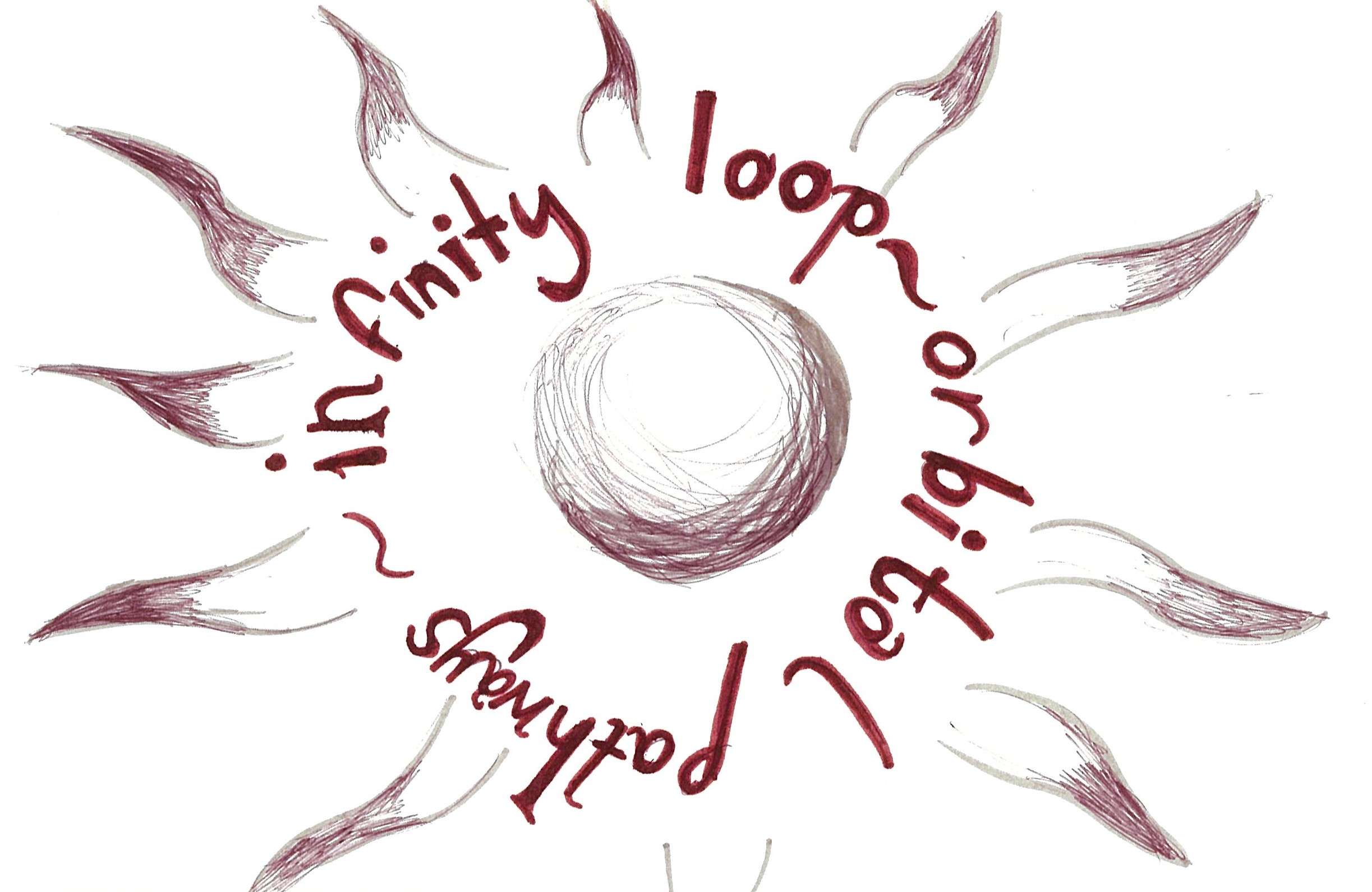
Image credit: A drawing by coproduction group member, Elaine Kordys, created as part of the IMAGINED workshop at St Columba’s Hospice Care.