Any views expressed within media held on this service are those of the contributors, should not be taken as approved or endorsed by the University, and do not necessarily reflect the views of the University in respect of any particular issue.
Today is World Photography Day, ‘an annual celebration of the art, craft, science and history of photography.’ This year, we’d like to turn the spotlight on the amazing photographers working in the Cultural Heritage Digitisation Service by allowing them to highlight their favourite collection items they’ve photographed, and to share a piece of their own work as well. We hope their insights into the medium and their technical process will prove both interesting and informative!
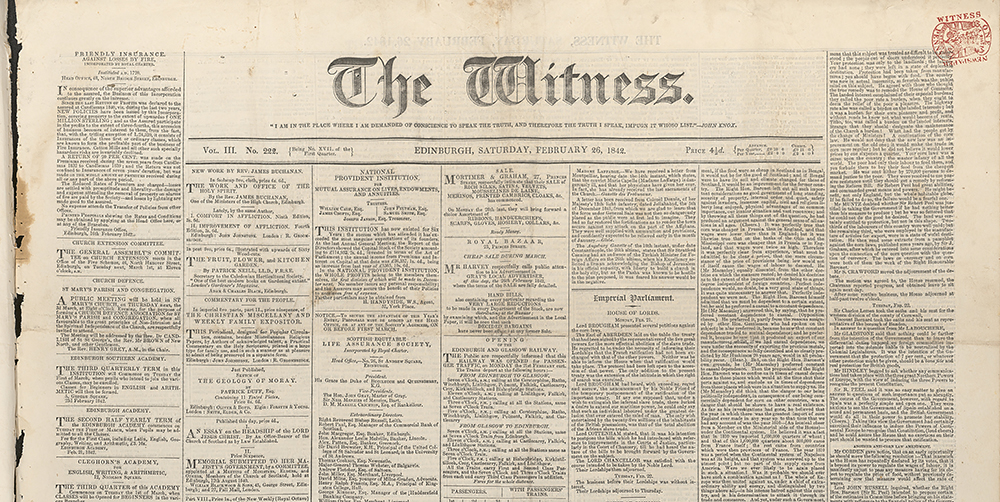
We’ve been working on digitising The Witness for quite some time now. Here’s a little background information from our previous post on the publication: ‘A twice weekly newspaper, The Witness was created by the Church of Scotland in 1840 and edited by Hugh Miller, an influential writer, geologist and stone mason. In 1843 The Church of Scotland was faced with 200 ministers walking out citing political interference, an event which came to be known as the Disruption and led to the Free Church being established. Presbyterianism is founded on the basis that the people make the decisions, not an elite hierarchy, and the only head of the church, is God. This makes The Witness newspaper a fantastic primary source covering a significant event in Scotland’s social and religious history, and as such, a prime candidate for digitisation.’
As the editions are bound into large format volumes, we decided to contract the digitisation to a company called Autodocs. Digitisation operators Miranda and Marian then took over the quality control and processing of the files and made some fun discoveries along the way – let’s hear from them!
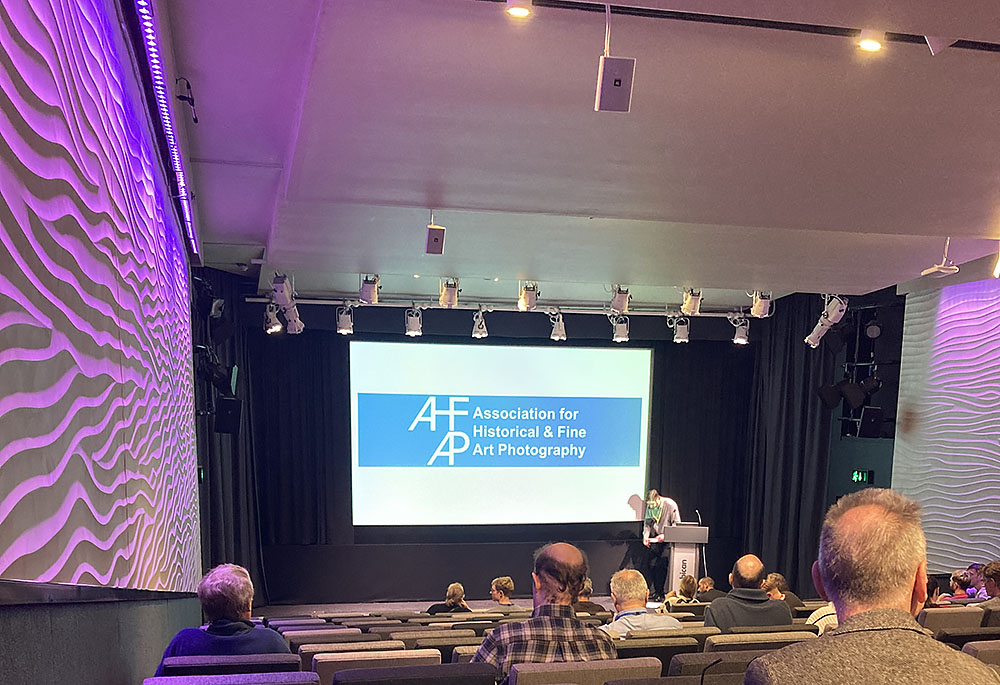
At the beginning of November, I was given the opportunity to attend the Association of Historical and Fine Art Photography (AHFAP) Conference 2023 at the Barbican Centre in London. The keynote speech by Catherine Croft from The Twentieth Century Society gave an overview of the history of the development of the Barbican, and its relationship with the photographers who have attempted to capture it – each approaching it from a unique perspective. I found all the talks fascinating, but I wanted to highlight a few in this blog that I felt captured some of the main themes I noticed in the conference this year.
The Cultural Heritage Digitisation Service (CHDS) has managed the Main Library’s Digital Wall since it was installed in late 2019.1 The Wall is made up of two sets of nine 4k screens which are operated by touch screens: users can navigate high resolution images of the library’s cultural heritage collections as well as watch videos that feature specific collection items, projects and pieces of work undertaken by library staff. When the Wall is not in use, it displays massive “Attractor” videos which run across all 18 screens, designed to draw users in.Continue reading “Back to the Wall: A Year of Experimenting with the Main Library’s Digital Wall”
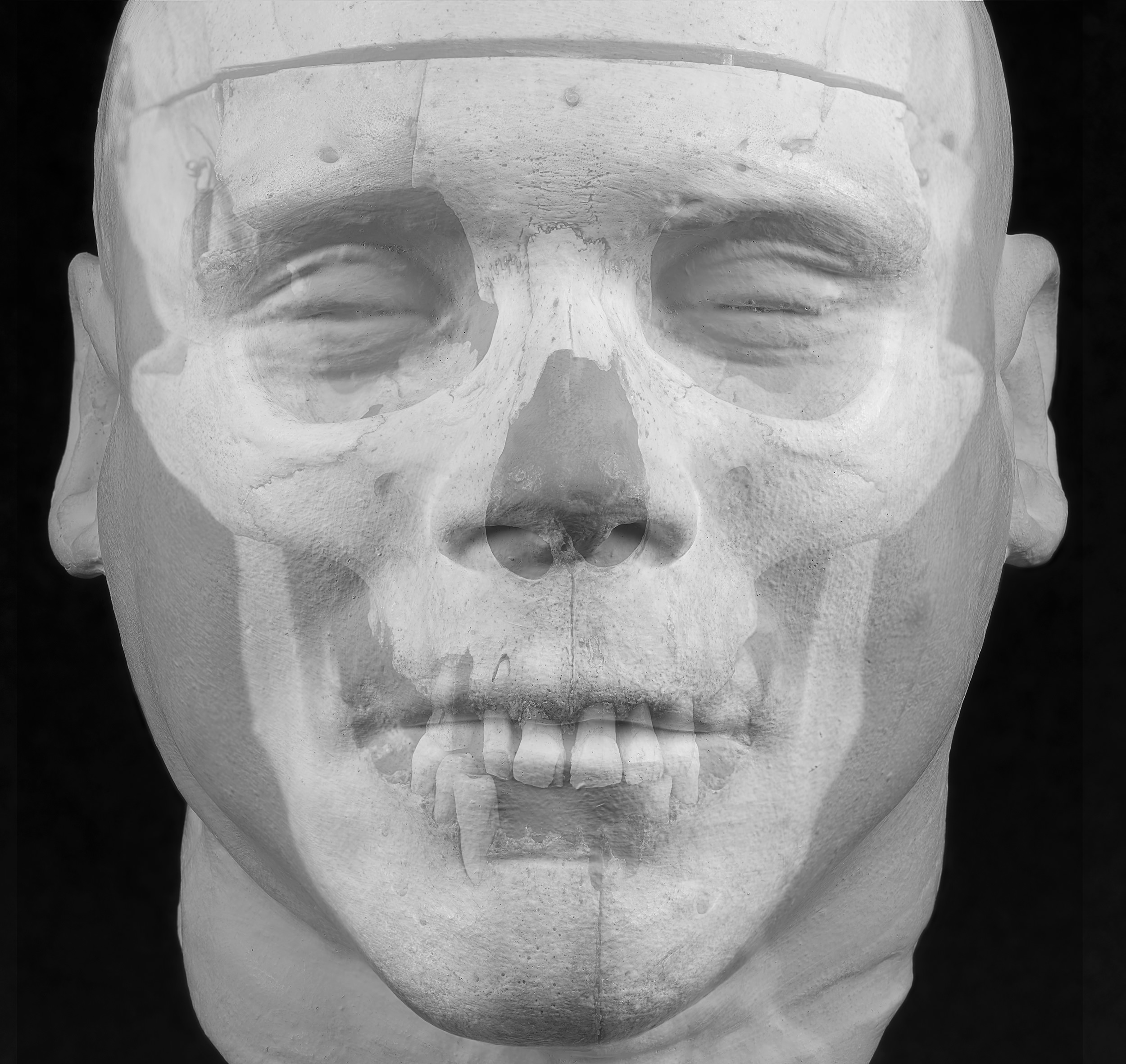
Last summer, I spent five days photographing the skeleton of William Burke to document recent conservation as a record for future collection care. The remains had been conserved and cleaned for the first time since the 1800s and the skeleton was going on display at the National Museum of Scotland for their 2022 exhibition “A Matter Of Death and Life“. I also photographed the life and death masks of Burke, Hare and Robert Knox (“the man who buys the beef”).
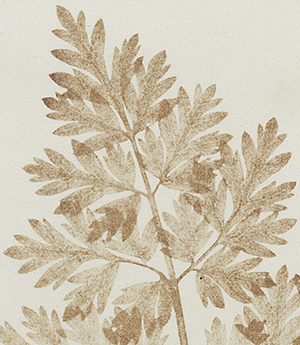
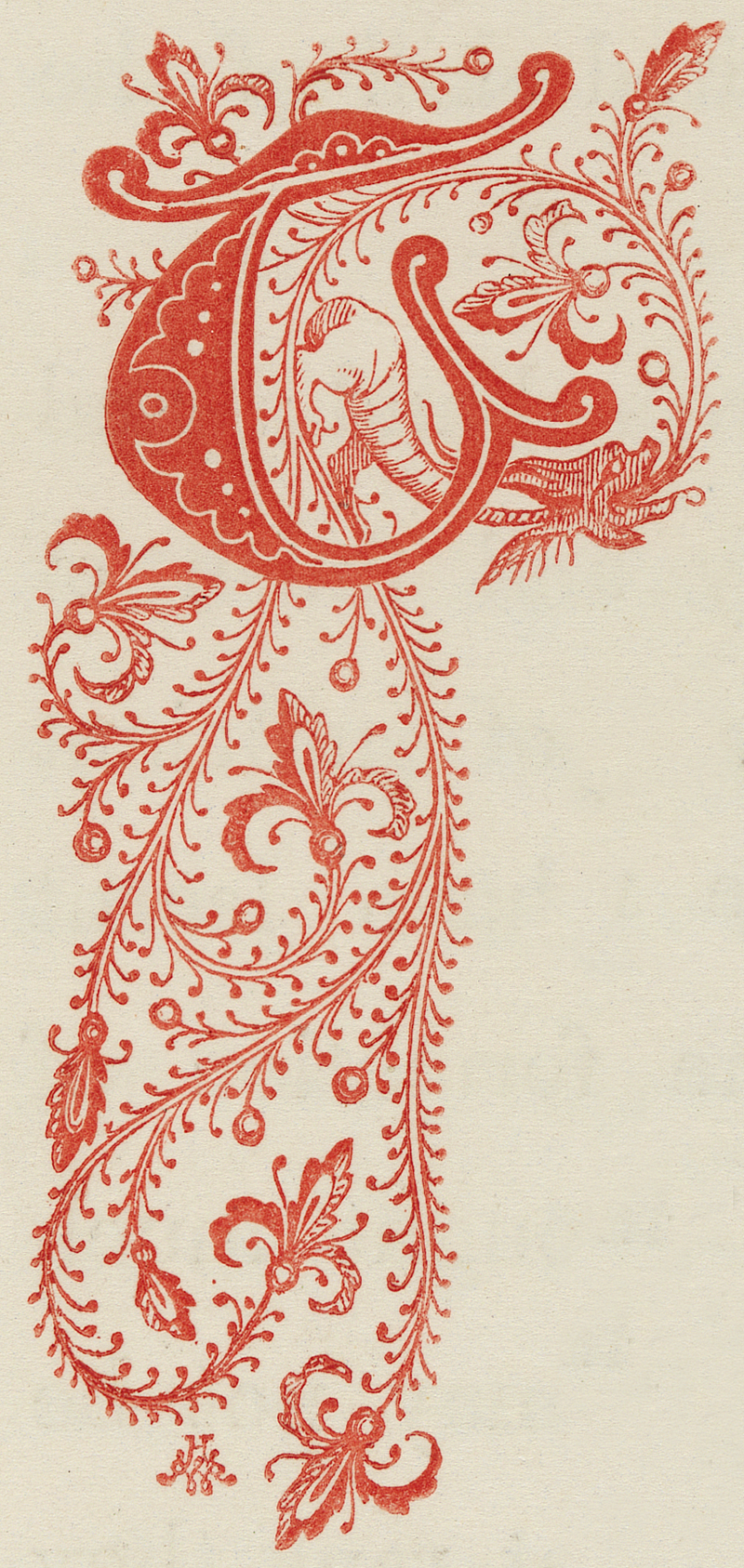
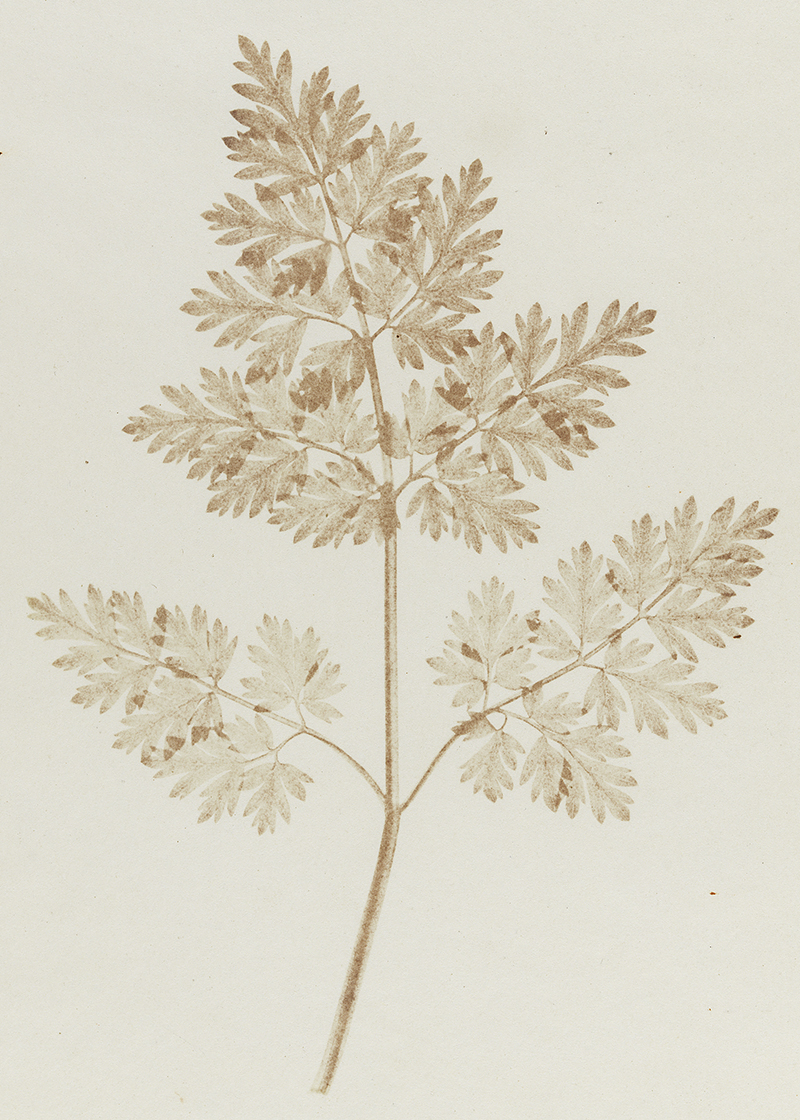
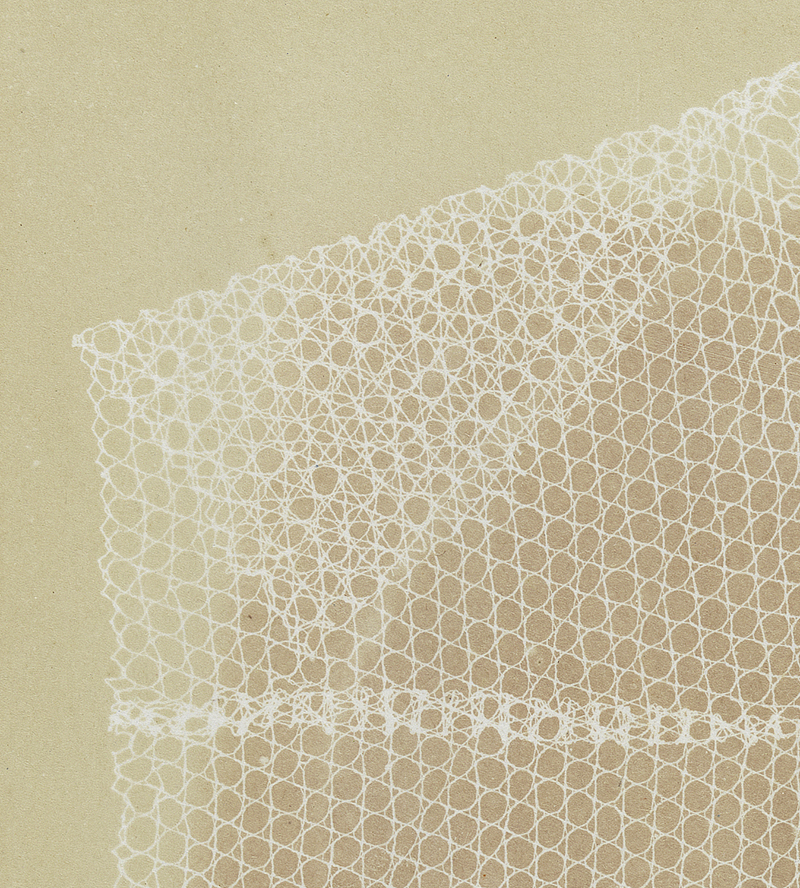
Two of my favourite photographs in the Centre for Research Collections come from The University of Edinburghs copy of William Henry Fox Talbot’s “The Pencil of Nature“. Shelfmark Df.3.85 .The book also contains an exceptional capital letter T complete with small dragon like creature with a vine like tongue. As can be seen below.
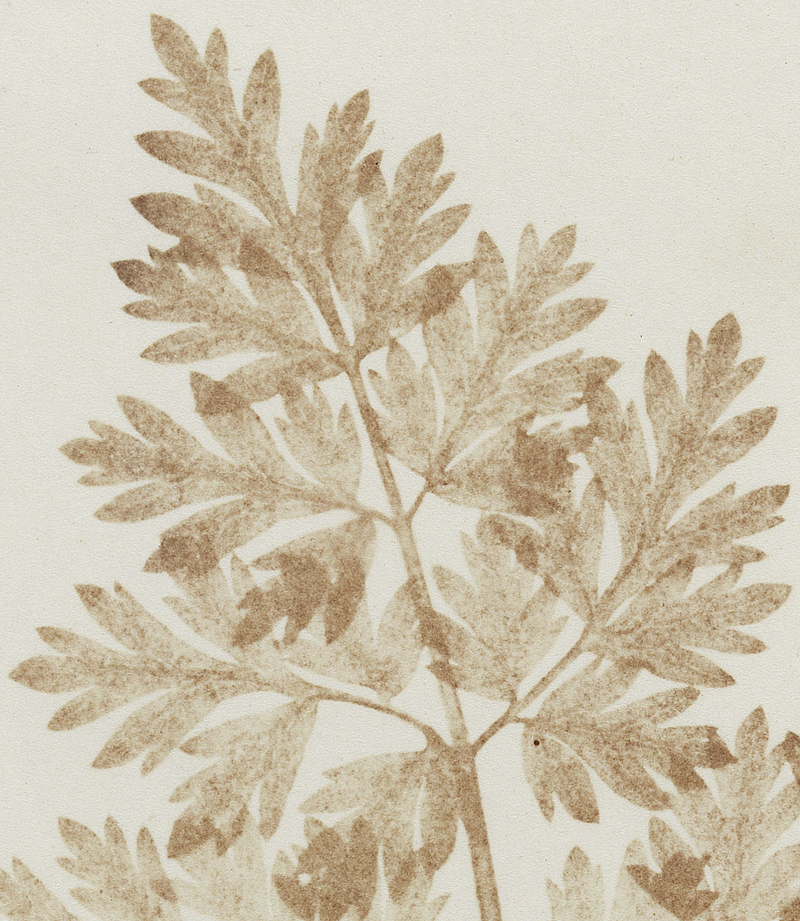
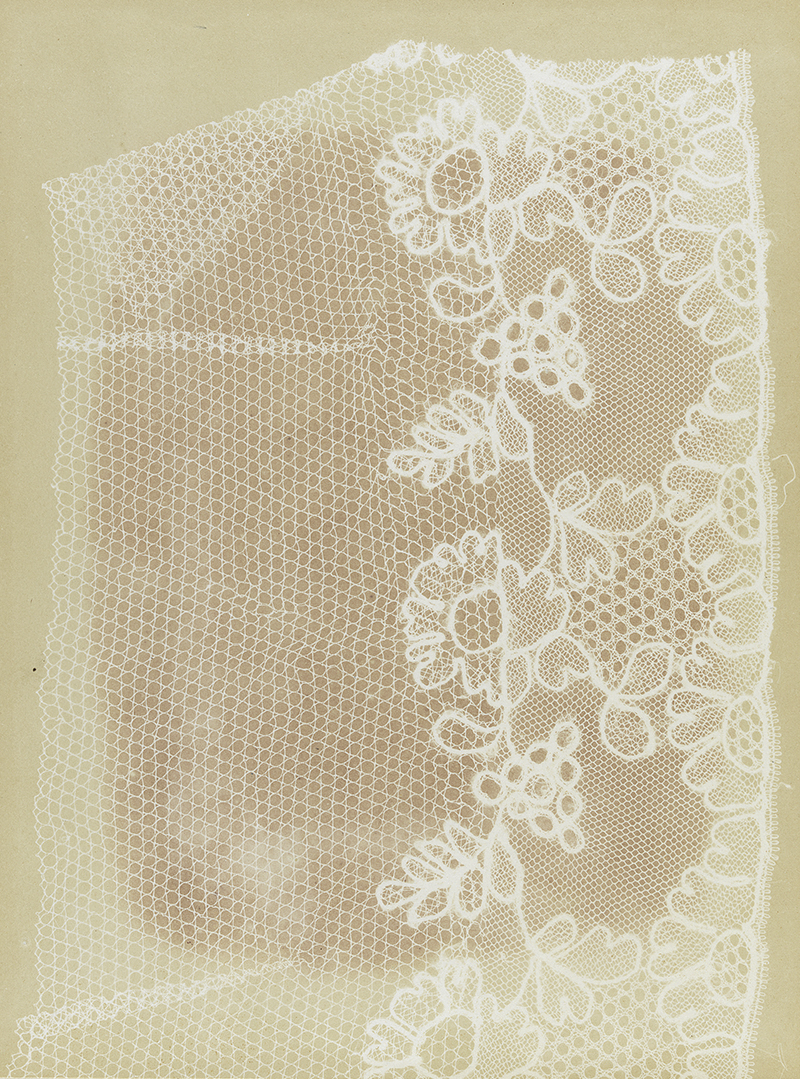
The two images that impress from the book are minimal images that to me feel very modern but have a profound sense of the time they were created through the use of the calotype technique. However i think these images create a wonderful time portal and makes us think of now as well as one hundred and seventy years ago when they were created. I have included whole and detailed views of both of the photographs. Further images from the book can be found here.
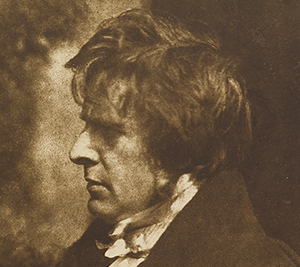
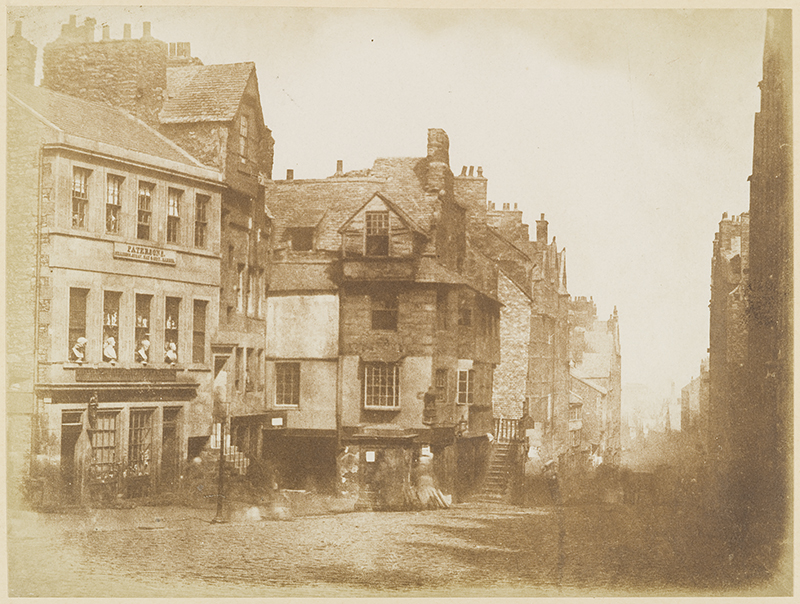
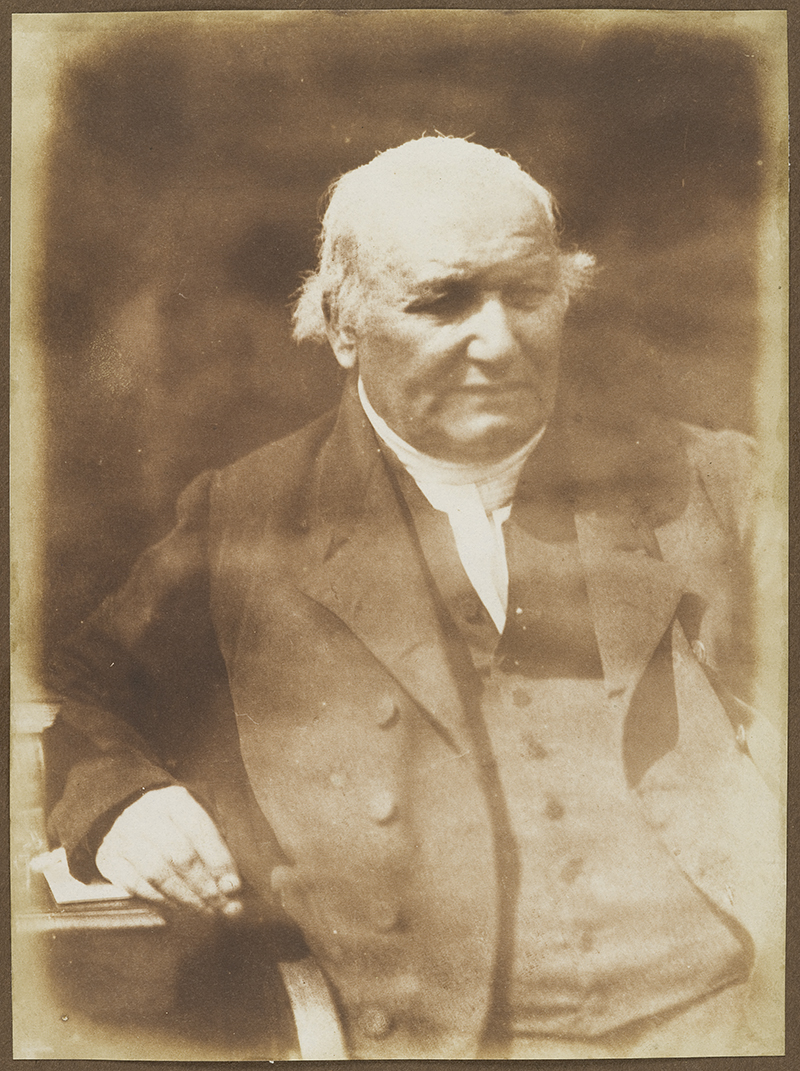
The Centre for Research Collections is a remarkable resource for students at Edinburgh University, not only for research purposes, but also for experience working with collections.I am an MSc student studying Material Cultures and the History of the Book.As part of the course we were encouraged to volunteer within the CRC.My interests lie in the field of the visual arts and the materiality of books, specifically the in the world of digital media.Serena Fredrick at the CRC was able to match me up with the Digital Imaging Unit and within the DIU I have been researching and enhancing the metadata for one of the university’s photographic image collections: the Hill and Adamson Collection.Hill and Adamson are world-renowned pioneers of early photographic techniques.Building on the work of Englishman Henry Fox-Talbot, they created some iconic images of mid-nineteenth century Edinburgh from their studio on Calton Hill.
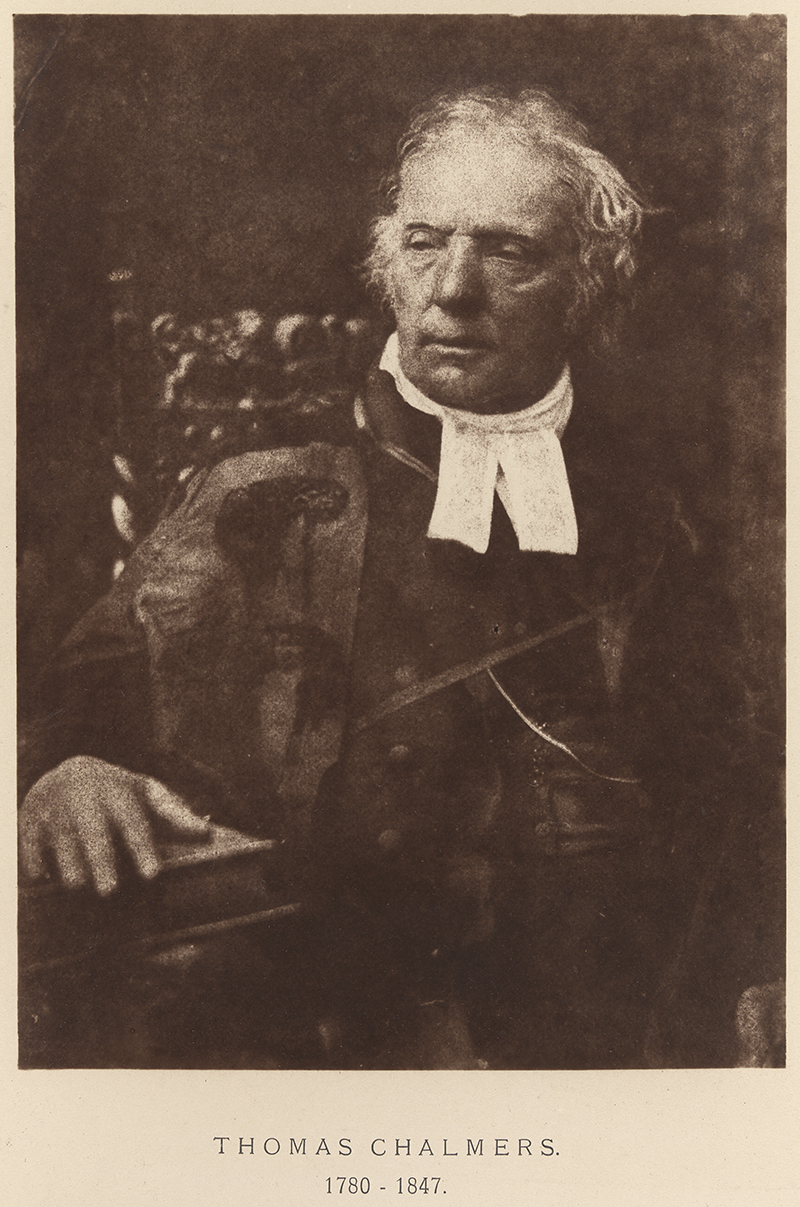
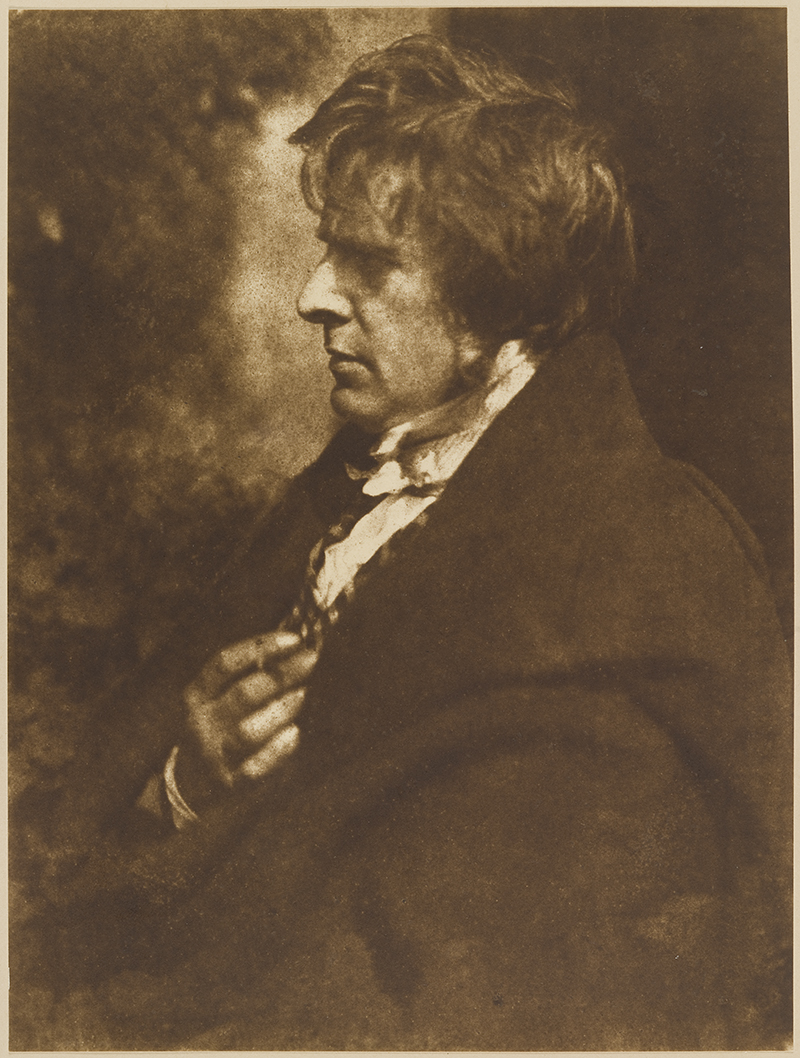
Hill and Adamson’s original creative remit was to capture portraits of leading members of the Free Church of Scotland who had been involved in the disruption of the established Church of Scotland in 1843, with the intent of using these portraits as study aids for a massive painting commemorating the disruption.
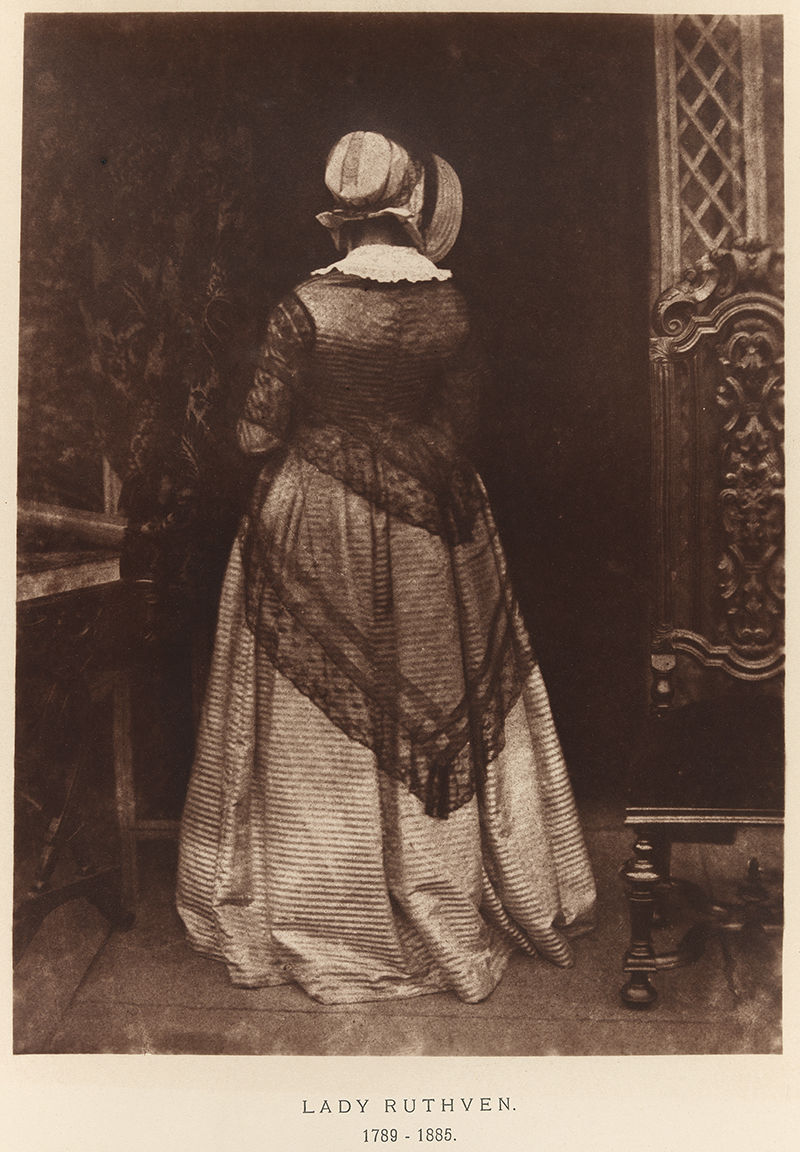
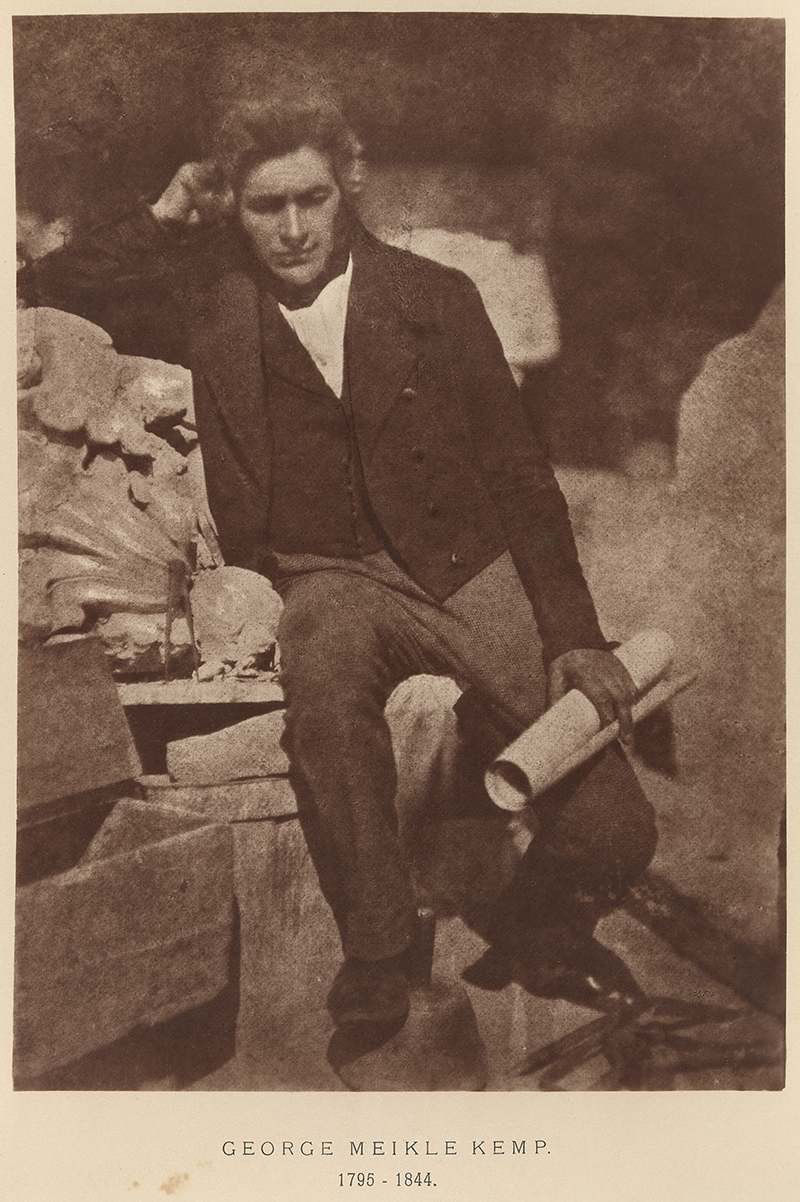
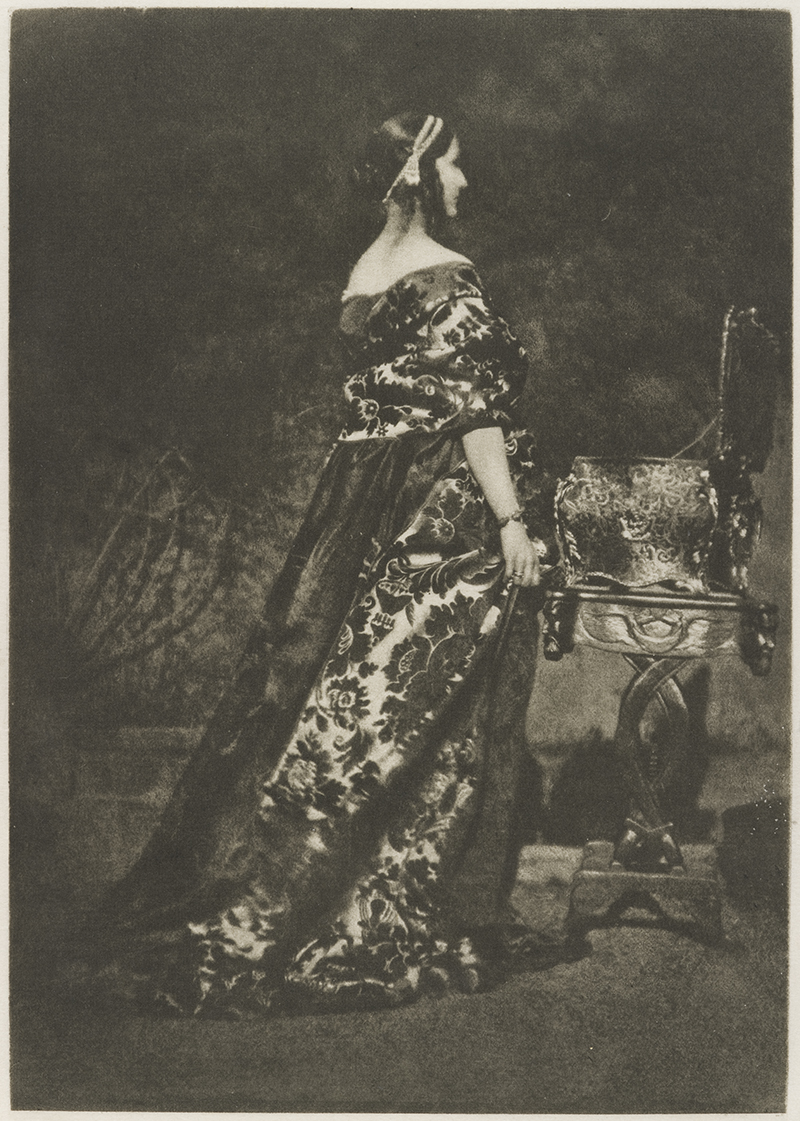
Soon word of this new means of portraiture spread and Hill and Adamson started creating images of and for Edinburgh society. The collection is full of images of friends and family of Hill and Adamson, as well as being a veritable who’s who in Edinburgh.
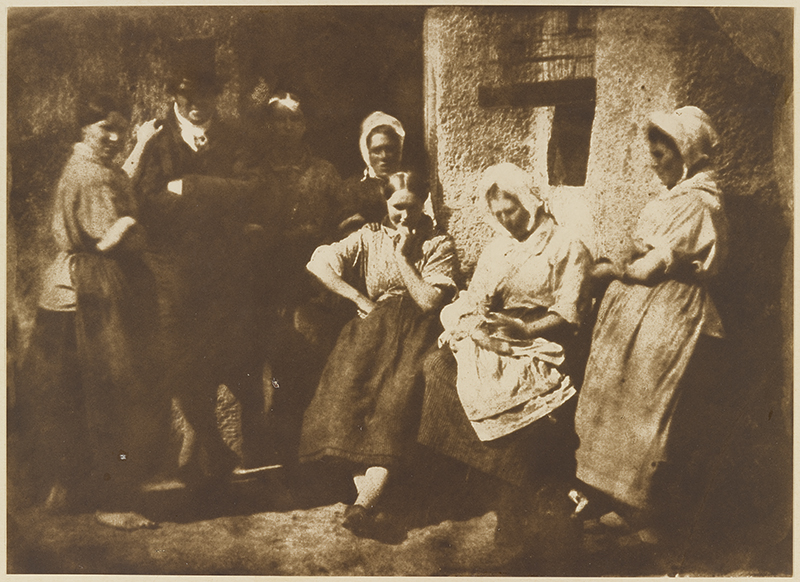
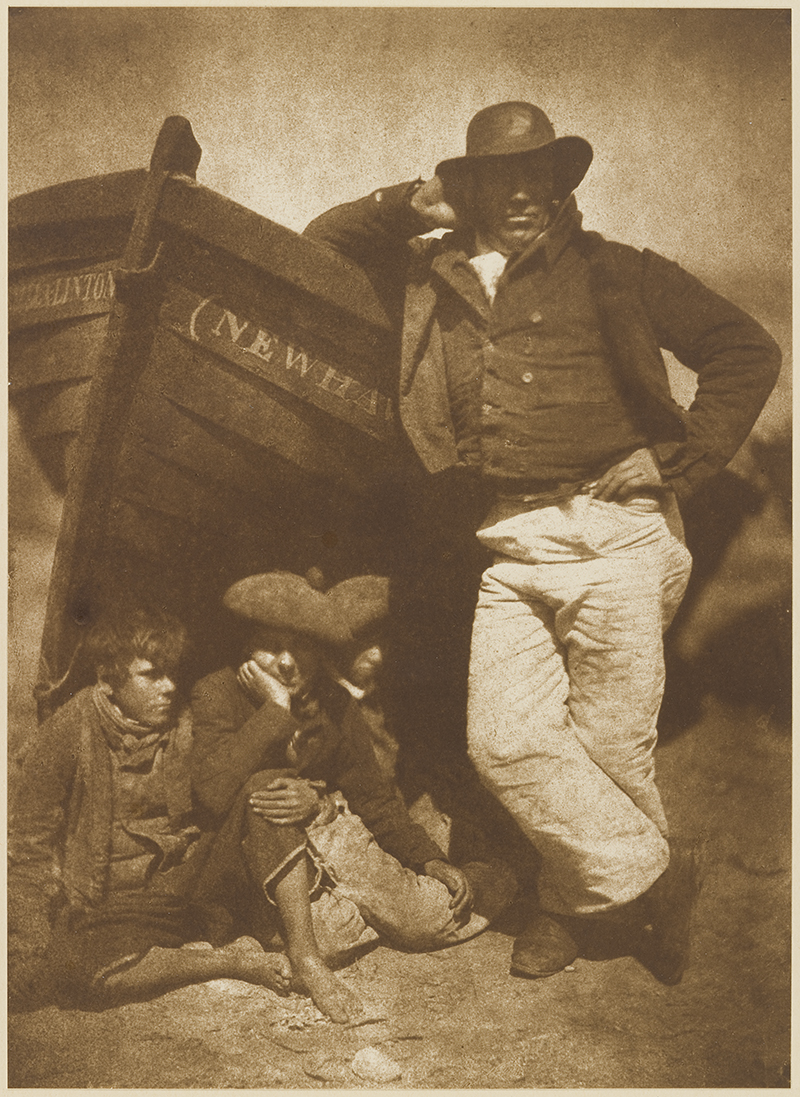
Hill and Adamson realised that this artform could also be used as a form of documentary reporting and began taking photographs of the Newhaven fishermen and women, as evidence of a strong, united and self-sufficient community.
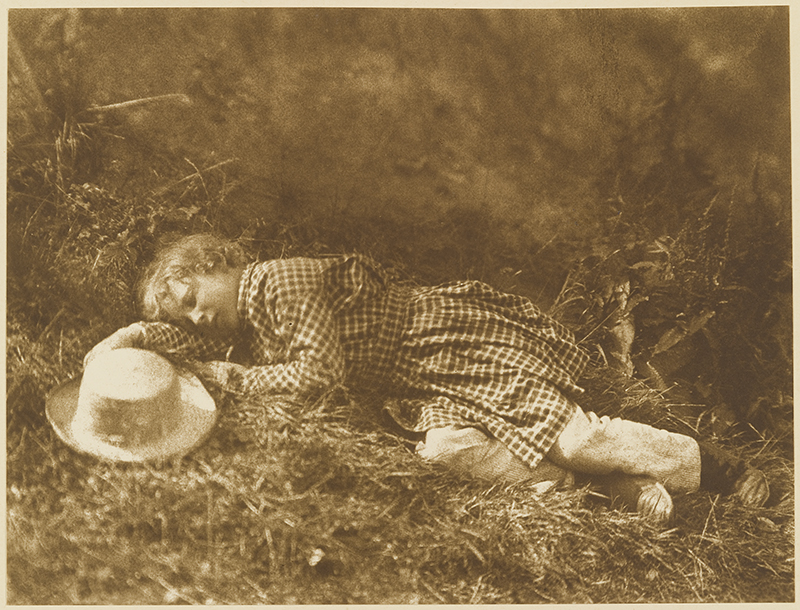
Unfortunately Hill and Adamson’s collaboration was short-lived due to Adamson’s continually failing health and eventual death at the age of only 27 in 1848. However, during their prolific partnership they were responsible for the creation of thousands of incredible images. I have loved being a part of the team bringing this collection onto a digital platform and increasing access to such an important and exciting set of images. Here are a few of my favourite images, all of which can be found at: http://images.is.ed.ac.uk/luna/servlet/UoEcar~4~4
Caroline Ramsay, MSc Material Cultures and the History of the Book